Matox News

Truth Over Trends, always!

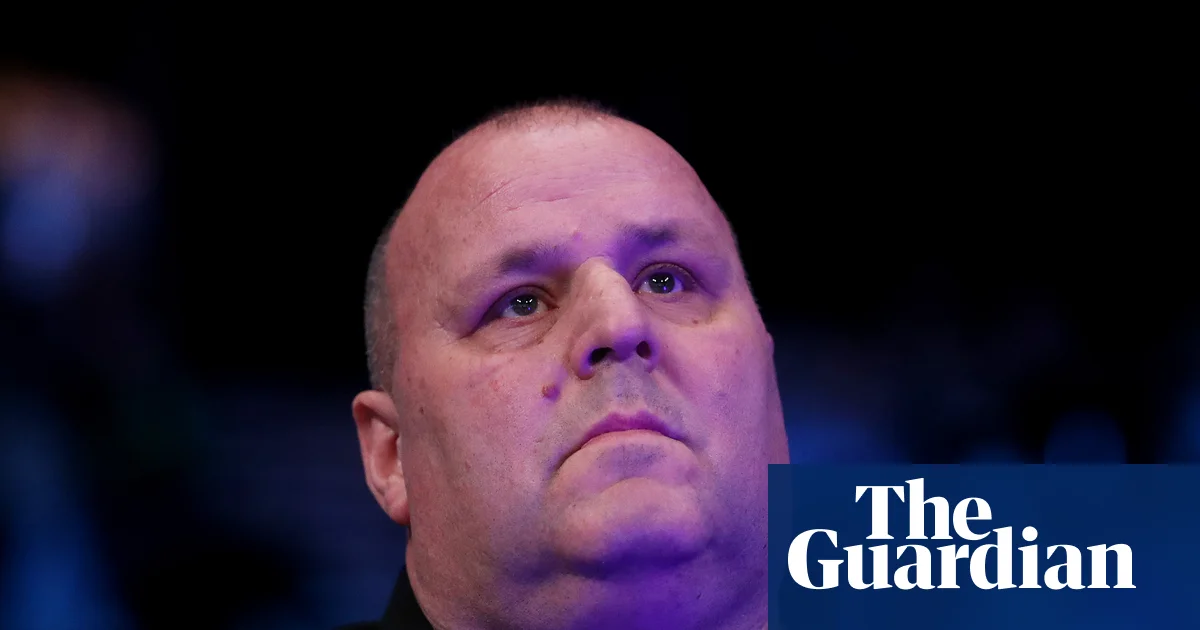
‘Big John’ Fisher’s Aussie tip: Pick the right visa next time—stay on the right side of the law

In a move reflective of Australia’s increasingly strict immigration enforcement, social media personality Big John Fisher’s recent ordeal highlights the delicate balance between national sovereignty and international image. Fisher, a popular influencer from the United Kingdom, was detained upon arrival in Australia due to visa complications, forcing him to cut short his tour and miss scheduled appearances in Perth and Sydney. This incident underscores how Australian authorities, under the auspices of the Migration Act and regulations, are adopting a more rigorous stance—an approach that signals a broader geopolitical shift towards tightened border controls, especially in the wake of global migration concerns.

  • Fisher’s detention stemmed from the suspicion that his activities might generate profit beyond tourist purposes, leading authorities to interpret his actions as a breach of visa conditions.
  • Despite transparency from Fisher regarding his professional engagements, the Australian Border Force maintained a strict stance, emphasizing compliance and sovereignty.
  • This incident, while localized, reflects a larger trend among Western nations to prioritize border security amidst rising concerns over uncontrolled migration and economic protectionism.

Analysis from international think tanks and historians suggests that Australia’s immigration policies are part of a strategic effort to reinforce national sovereignty and curb illegal transnational flows, aligning with similar policies emerging across the Anglosphere and other Western alliances. Critics argue that such measures risk alienating cultural influencers and damaging soft power—particularly as Australia attempts to maintain its global standing amidst competition from China and Russia. Meanwhile, experts warn that overzealous enforcement could exacerbate societal divisions, especially given the country’s high dependence on international tourism and cultural exchange.

Moreover, the incident carries significant geopolitical impact. With China asserting greater influence in the Indo-Pacific and the United States recalibrating its alliances, nations like Australia find themselves at a crossroads. Their immigration policies serve as a litmus test for national resilience and strategic autonomy. As international organizations like the United Nations scrutinize these measures, some analysts warn that, ultimately, such policies could set a precedent—one where sovereign nations prioritize security at the expense of openness and cultural exchange, potentially fostering a more fragmented and mistrustful global order.

As history continues to be written, the story of Australia’s border enforcement embodies a broader narrative: the ongoing contest over sovereignty, identity, and influence in a world where lines are thawing and new conflicts emerging. Fisher’s brief detention is but a ripple in a vast ocean of geopolitical currents, reminding all that the choices nations make now will echo through generations—determining whether this moment signals strength and sovereignty or fracturing and isolation.
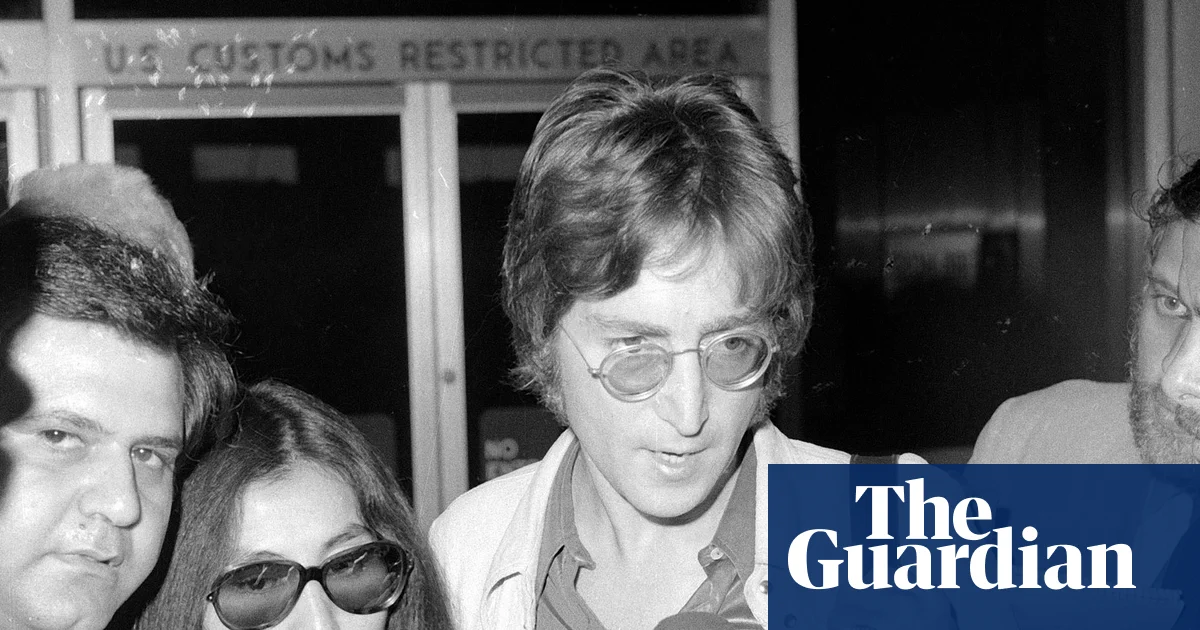
Exclusive: Rediscovered John Lennon interview exposes deep American fears of widespread phone-tapping

The rediscovery of a long-lost interview with John Lennon offers a rare window into the mind of one of the 20th century’s most profound cultural icons. Recorded during a period of intense political and personal turmoil, the interview reveals Lennon’s suspicions of governmental surveillance and his fears of being monitored by the US authorities—an echo of the cultural paranoia that has marked political history from McCarthyism to the Cold War. As a symbol of counterculture and artistic rebellion, Lennon’s candid reflections serve as a reminder that the arts are often intertwined with the struggles for freedom and identity. In these moments of raw honesty, Lennon articulated his fears of being watched, citing evidence of bugging and surveillance around his apartment, which he deemed “harassing” and emblematic of a broader cultural climate of intrusion. This candid confession underscores the ongoing relevance of popular culture as a battleground for individual liberty and societal control, drawing parallels to Ortega y Gasset’s assertion that “man does not exist in an isolated state—he is the product of the society that shapes him.”

Lennon’s insights into his own artistic process and personal state during this turbulent time also resonate deeply with the significance of culture as a vessel of identity and societal memory. Despite momentary doubts about his work, he found affirmation among friends that led him to release his album Walls and Bridges, a collection reflecting both his struggles and resilience. His reflection that “apart from acts of God, I will be around for another 60 years and doing it until I drop” demonstrates an unwavering belief that true artistic vocation sustains the individual beyond the chaos and confusion of societal unrest. Here, Lennon embodies the idea that culture is both a sanctuary and a prophecy—a testament to what has been and a beacon for what might yet come. As T.S. Eliot famously observed, “The poetry of civilization is the poetry of your own one life, singing back to you across the centuries,” and Lennon’s words evoke this timeless dialogue between memory and hope.

Furthermore, the interview illuminates the nature of the artist as a societal mirror and a guardian of tradition. Lennon’s comments on the challenges faced by international musicians—highlighted by Mick Jagger’s struggles to tour freely in the US—point to the broader cultural conflicts that threaten artistic expression. These conflicts reflect the ongoing tension between the preservation of tradition and the forces of control and censorship. Philosopher and historian Tocqueville warned of the danger in a democratic society where “monopolistic oversight stifles the spirit of innovation and individualism,” yet it is through these very struggles that a society’s cultural vitality is tested and ultimately reaffirmed. Lennon’s candid disclosures remind us that culture is both a shield and a sword—defining our identities and shaping the society that reflects our deepest values. As Chesterton observed, “Poetry may make us from the same animal, but prose makes us individuals,” and it is in the personal, unguarded moments of artists like Lennon that society finds its truest reflection.

In the end, Lennon’s words echo beyond the immediate context, stirring a sentiment that transcends the confines of time and place. Culture—whether in the form of music, art, or shared memory—remains humanity’s most profound prophecy, capturing our triumphs and struggles yet also pointing toward an uncharted future. Much like the memory of an artist’s voice—resonant and enduring—culture whispers that we are both the custodians of a collective history and the architects of a future yet to be written. It is, as T.S. Eliot suggested, “The still point of the turning world, where memory and prophecy converge,” a testament that through our shared stories, we breathe life into the human spirit—forever seeking, forever creating.

Social Media Auto Publish Powered By : XYZScripts.com



