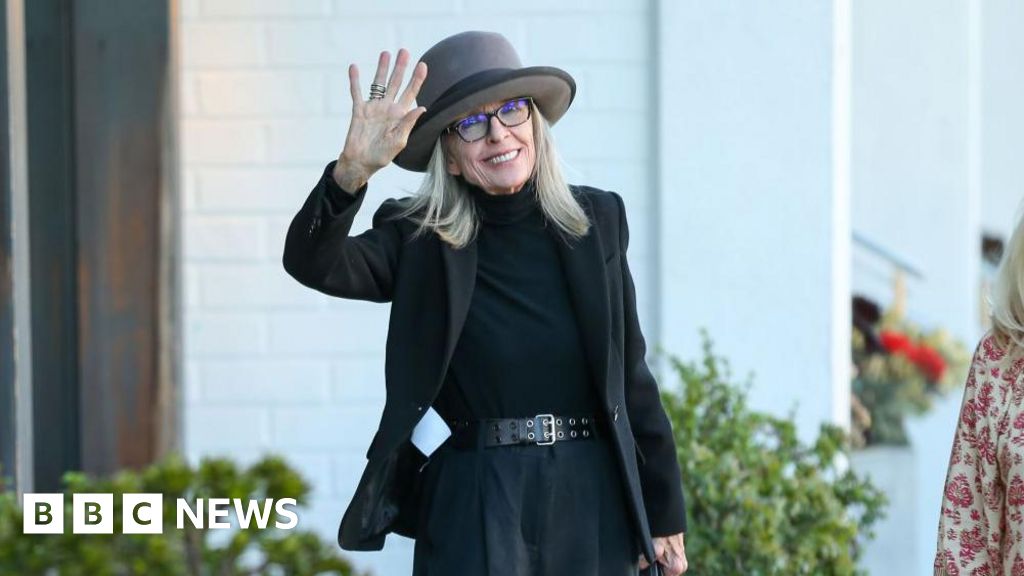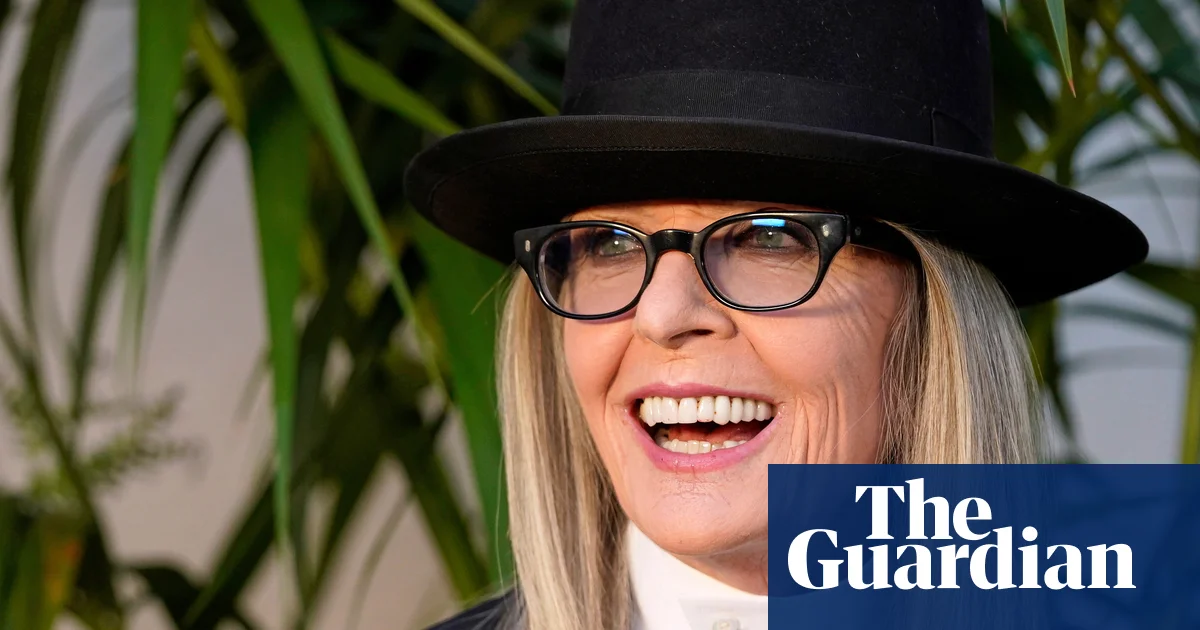

In the world of entertainment and high culture, few figures symbolize timeless style, artistic versatility, and social influence quite like Diane Keaton. Nearly six months after her passing in October 2025, her legacy continues to ripple through not only Hollywood but also popular lifestyle trends that resonate deeply with the younger generation. With four upcoming auctions in New York and Los Angeles, fans and collectors have an unprecedented chance to own a piece of her personal universe—from Ralph Lauren couture outfits to original scripts of her iconic film Annie Hall. These sales underscore how Keaton’s multifaceted persona as an actress, artist, and style icon remains a potent cultural force.
The cultural impact of Keaton extends beyond her prolific filmography, which includes classics like The Godfather, Reds, and numerous collaborations with Woody Allen. Today, her influence is exemplified through trends in fashion and interior design that embody her distinctive aesthetic—an effortless mix of sophistication, independence, and *quirkiness*. The auction collection, curated by Bonhams as “The Architecture of an Icon”, features not just clothes and art but also her personal objects and creative touchstones. This reveals how her style was not merely superficial but an extension of her creative intuition—a trait praised by her sister Dorrie Hall— that guided her across decades of artistic exploration. For a generation obsessed with authenticity and individualism, Keaton’s life offers a blueprint for embracing one’s unique identity amid societal expectations.
Moreover, her influence is increasingly surfacing in social movements aimed at authentic self-expression. Trends like vintage reselling, upcycling fashion, and personalized home decor echo her eclectic, lived-in approach to style. Influencers and sociologists alike are highlighting how Keaton’s fearless reinvention—whether flipping houses or crafting collages—embodies a broader societal shift: the quest for meaningful, personalized lifestyles over mass-produced homogeny. Her engagement with interior design and fashion shows how cultural icons shape social behaviors, inspiring youth to embrace *artistic experimentation* and to see beauty in imperfection. As her memorabilia fetches premium prices, a compelling question arises: Are we entering an era where the emotional connection to a celebrity’s personal artifacts is transforming consumption into a form of cultural activism?
Today, Keaton’s enduring legacy invites a profound reflection on the future of celebrity influence. The next big question is whether this trend of celebrating personal artifacts and creative authenticity will extend beyond Hollywood icons into broader cultural spheres. Will our generation redefine what it means to be a *cultural leader*, focusing less on superficial fame and more on the *authenticity of lived experience*? With her auction house sales and ongoing influence, Keaton has already demonstrated that aesthetics and social relevance are intertwined. As we navigate an increasingly complex digital landscape, her life prompts us to ask: *In what ways will future icons challenge us to see beyond fame, blending artistry with social consciousness to shape a new cultural paradigm?*