Matox News

Truth Over Trends, always!

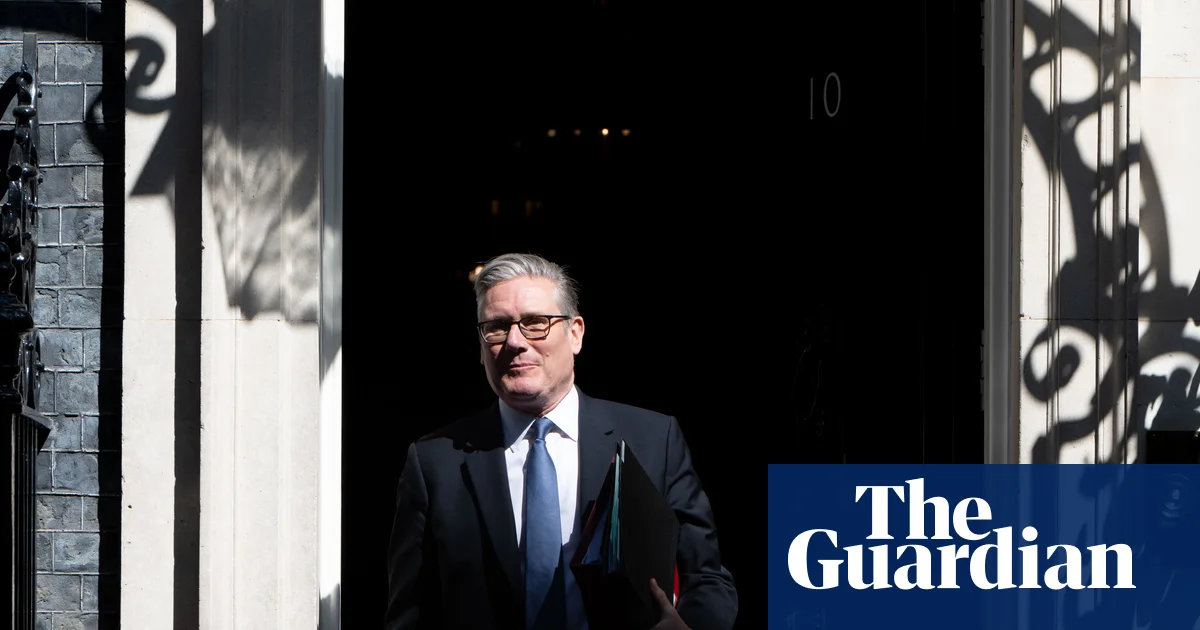
Cabinet warns rebellious MPs against ousting Keir Starmer

Labour Party in Flux: Leadership Challenges and the Fight for Control

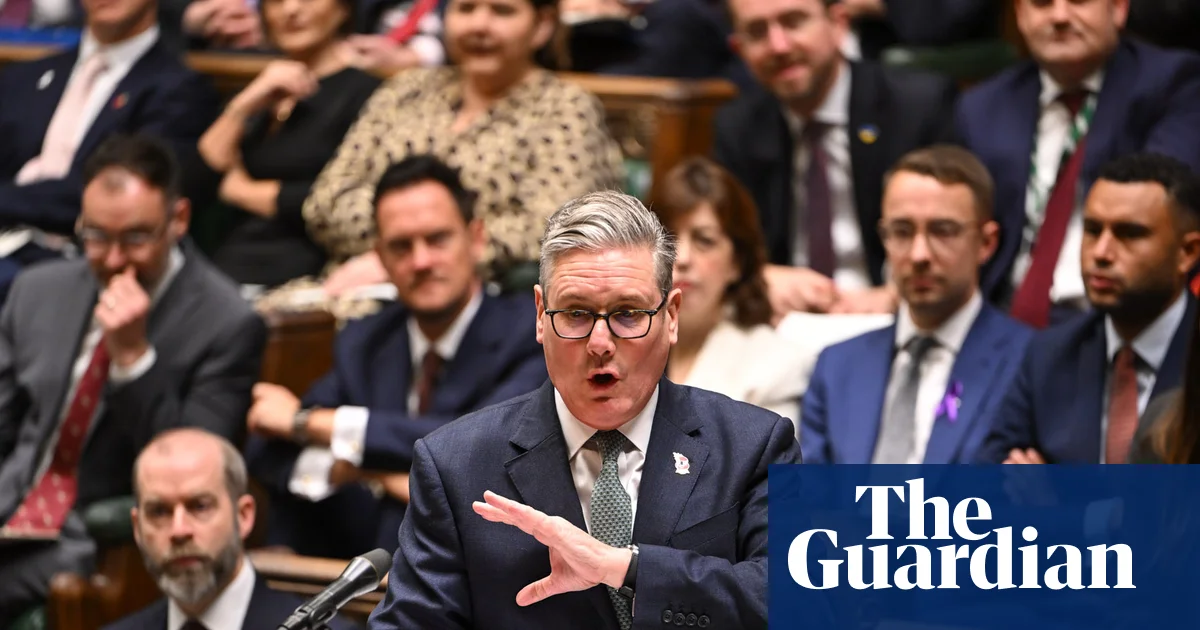
In a climate of mounting political volatility, the Labour Party finds itself at a crossroads, teetering on the brink of internal chaos sparked by recent electoral setbacks. The aftermath of disastrous local poll results has ignited a power struggle within the party, with some MPs questioning the leadership of Keir Starmer. Despite official declarations of stability, cabinet ministers have reportedly warned rebellious backbenchers that any move to remove Starmer may unleash a wave of destabilization that could irrevocably fracture the party’s unity. This internal tug-of-war underscores a fundamental truth of modern politics: leadership often becomes a battleground where ideological loyalties clash with pragmatic power, shaping the direction of national discourse.

The question remains: how will the internal power dynamics within Labour influence the wider political landscape? Historically, party leadership crises serve as a reflection of the broader societal tensions. As political theorist Daniel Bell once argued, parties are inherently *representative institutions*, yet their internal struggles often reveal underlying conflicts of power, ideology, and public trust. In this context, the possibility of Starmer’s ousting unveils a deeper struggle over the party’s future orientation—whether it will continue along a centrist path or shift toward a more radical, grassroots-driven agenda. The external pressures of an electorate disillusioned by economic instability and insecure social cohesion only intensify this contest of wills, transforming party politics into a microcosm of national identity and destiny.

Indeed, the internal conflict highlights the delicate balance between conservative institutionalism and progressive reforms. The Labour leadership’s current predicament echoes early 20th-century debates over party loyalty versus reformism, reminiscent of ideological struggles faced by Labour pioneers like Ramsay MacDonald and Nye Bevan. Today, decision-makers are caught in the vise of public disenchantment and internal discord. Any move to replace Starmer risks spawning chaos, akin to the historical upheavals that have long defined the nature of party politics—a reminder that elections are not just about voter sentiment but also about who controls the narrative and, ultimately, the power to shape policy and society.

As the battle lines are drawn, it becomes clear that the stakes extend beyond mere leadership. The outcome will inevitably influence how the people are governed, how rulings are made, and which visions of the nation are prioritized. Power struggles like this, between entrenched elites and reformists, serve as a crucible for the future of democracy itself. The quote from constitutional experts reminds us that parties are the vessels of ideological contestation, where the fate of democracy hinges on choices made behind closed doors and the willingness, or unwillingness, to accept the democratic will. In this high-stakes arena, decision-making is no longer just about winning votes but about defining the very fabric of the nation’s future—where political destiny is written in the crucible of conflict.
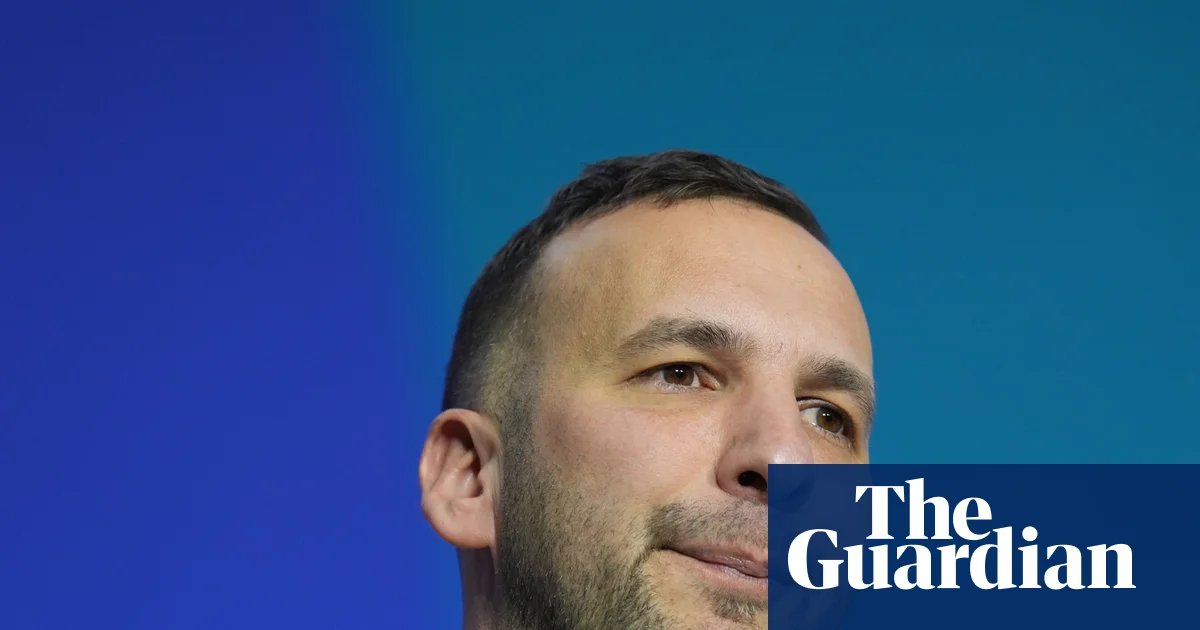
Keir Starmer slams Zack Polanski for sharing post criticizing police over Golders Green stabbings | Zack Polanski

In an unfolding incident from London, recent events spotlight the delicate balance between law enforcement, political leadership, and societal tensions that resonate far beyond the British Isles. The controversy erupted following a police operation involving the arrest of a suspect, captured on police footage that has since been the subject of heated debate. While Metropolitan Police officials praised their officers for acting under extreme pressure to prevent potential catastrophe, critics have claimed that the police response was excessive and even violent. The point of contention underscores the critical importance of operational judgment during emergency responses, a reality that carries significant geopolitical implications.

Prominent political figures, including UK Prime Minister Rishi Sunak and opposition leader Keir Starmer, have engaged in this debate, with Starmer defending the police’s decisions based on the information available at that moment. Starmer’s comments, emphasizing the plausible threat of a bomb from the suspect’s rucksack, reveal how national security considerations often drive rapid law enforcement actions, especially in an era fraught with terrorism concerns. Conversely, critics, led by zack Polanski, a political figure under scrutiny, questioned the police’s conduct and accused officers of brutality—comments swiftly rebutted by Mark Rowley, the police commissioner, who described the officers as “nothing short of extraordinary.” His defense reflects an urgent call to safeguard public confidence in law enforcement, especially amid rising threats to societal cohesion.

This national debate is unfolding against a backdrop of sharper geopolitical concerns, notably a surge in **antisemitic incidents** across the United Kingdom. The Director of Public Prosecutions, Stephen Parkinson, issued a stern warning about the rise of hate crimes, echoing fears that extremist ideologies threaten the very fabric of society. His affirmations highlight how internally contentious issues, like police conduct and hate crimes, can influence international perceptions—especially within a broader context of global struggles against extremism and intolerance. Countries watching from across Europe and North America interpret such developments as indicators of societal fragility, while international organizations, including the European Union, scrutinize how democracies respond to challenges manifesting within their borders. These crises act as a stark reminder that the decisions made in the UK today echo in the corridors of power worldwide.

Adding fuel to the flames are recent violent incidents involving mental health crises and hate-fueled violence, as seen with the charging of Essa Suleiman for attempted murders during knife attacks in London. Such events underline the intertwined issues of societal safety and political stability, with analysts warning that neglecting these critical challenges could lead to wider unrest and a shift in global power dynamics. Historically, nations have stumbled when internal divisions deepen under the weight of unresolved societal tensions, and the UK’s current trajectory sparks concern among international observers about potential repercussions for alliances, trade, and security cooperation.

As London’s streets echo with protests, debates, and the weight of the law, the broader story remains unresolved—an ongoing chapter in a narrative that shapes the future of democratic resilience. With global powers watching, the decisions taken here will define whether these turbulent waters lead to reform and renewal or further descent into chaos. In a world on the brink of new conflicts and alliances, the history being written in this moment reminds us that the course of nations often hinges on how they handle their internal crises—those that test their ideals, their law, and their collective resolve.

Partygate vs. Mandelson: Keir Starmer’s tactics under fire from his own script

In a period marked by political scandal and institutional fragility, the United Kingdom finds itself at a crossroads where internal governance battles threaten to reshape its global standing. The recent revelations surrounding Prime Minister Keir Starmer and his controversial appointment of Peter Mandelson as ambassador to Washington have ignited a firestorm of parliamentary inquiries. This situation exemplifies the deteriorating confidence within political institutions—an erosion that, as analysts warn, could have ripple effects far beyond the shores of the Isles.

The core issue revolves around allegations that Starmer disregarded official vetting procedures, going so far as to appoint a figure mired in scandals—including past resignations over ethical lapses and associations with Jeffrey Epstein. This controversy echoes the earlier Partygate affair during Boris Johnson’s tenure, where public trust was stretched thin by accusations of hypocrisy and mismanagement. According to historians like Dr. Samuel Reynolds of the London School of Economics, such scandals are more than mere domestic affairs—they serve as indicators of a country’s inner stability and its capacity to project soft power globally. When a nation’s political veneer cracks, it chips away at its diplomatic authority, leaving it vulnerable to rivals eager to exploit perceived weakness.

International institutions have taken note, with organizations including the International Crisis Group warning that political instability in key liberal democracies could embolden authoritarian powers. The situation in London underscores how internal decisions—particularly those involving national security and diplomatic appointments—directly affect how societies perceive their government’s credibility. Critics argue that the appointment of Mandelson, despite explicit security concerns, exemplifies a broader pattern of elitist decision-making detached from public accountability. Such lapses threaten to undermine the global reputation of the UK as a bastion of democratic stability and rule of law, vital for maintaining alliances and trade agreements amidst shifting global alliances.

Meanwhile, domestic political tensions are fueling international repercussions. Conservative strategists, observing the decline in policy popularity and governance confidence, aim to capitalize on these scandals to weaken Starmer’s leadership. Simultaneously, critics within the UK and abroad question whether the Labour Party’s current trajectory signals a broader decline of Western political integrity. The ongoing parliamentary chaos is a stark reminder—how internal discord within democracies can be exploited by geopolitical adversaries to sow division and erode collective security. As veteran analysts warn, the UK’s internal struggles are less about individual scandals and more about the moral authority of its political system, which is now visibly fissured, risking the loss of vital trust at a time when the world is watching.

When history ultimately writes the chapters of this era, the question will linger: Will these recent developments serve as the mounting toll of internal decay preventing the UK from maintaining its influence? Or will it be a catalyst—driving rapid reform and renewed national purpose? As the weight of political scandal presses upon London’s corridors of power, the geopolitical stage is set for a new chapter—one that could redefine alliances, contestations, and the very fabric of modern democracy. The story of tomorrow’s history is still unfolding, and the defining moments may well be written not only in parliamentary records but across the global landscape.

Labour's Tim Allan, Keir Starmer’s top strategist, steps down
Labour’s Tim Allan, Keir Starmer’s top strategist, steps down

Recent developments within United Kingdom political circles signal a tumultuous period that could reshape not only domestic governance but also influence legacy international alignments. The resignation of Tim Allan, the director of communications for Prime Minister Keir Starmer, after only five months underscores internal power struggles and mounting discontent at the highest levels of government. His departure, coupled with the recent resignation of Morgan McSweeney, the chief of staff, reflects a broader crisis of confidence and uncertainty enveloping the current leadership. These upheavals come at a time when the UK is navigating complex global terrains, especially in its relations with the United States and wider NATO alliances.

This political disarray coincides with a scandal that threatens to undercut Starmer’s credibility: the controversial appointment of Peter Mandelson as ambassador to Washington. Critics, including prominent historians and international analysts, point to Mandelson’s notorious associations, including links to the convicted Jeffrey Epstein. The decision has ignited furious debates over accountability, transparency, and how foreign policy decisions are made behind closed doors. In particular, it raises questions regarding the responsibilities of diplomats in safeguarding national reputation and the potential impact of such scandals on UKAmerica relations, especially amid intensifying geopolitical tensions.

On the international front, these internal disturbances are emblematic of a broader shift in global power dynamics, with China and Russia increasingly asserting their influence. Analysts warn that internal instability within Western nations, including the UK, could weaken their stance in ongoing conflicts and diplomatic negotiations. Organizations such as the International Crisis Group have pointed out that political fractures in key allies threaten to undermine coordinated responses to pressing crises, from Eastern Europe to the Indo-Pacific. European nations, observing these developments, brace for potential repercussions—ranging from diminished alliance cohesion to shifts in the balance of global influence—decisions that will echo through history’s unfolding chapters.

As Britain grapples with its internal struggles and controversial international appointments, the overarching narrative remains clear: the decisions made today will either fortify or fracture a delicate geopolitical landscape. The weight of history presses heavily on these fleeting moments; each crisis, scandal, and reshuffle signals not merely a moment in time but the potential redefinition of alliances and power structures. As the world watches, the question persists—will these internal upheavals serve as a catalyst for renewed strength, or will they herald a period of decline and disarray that shapes the global order for generations to come?

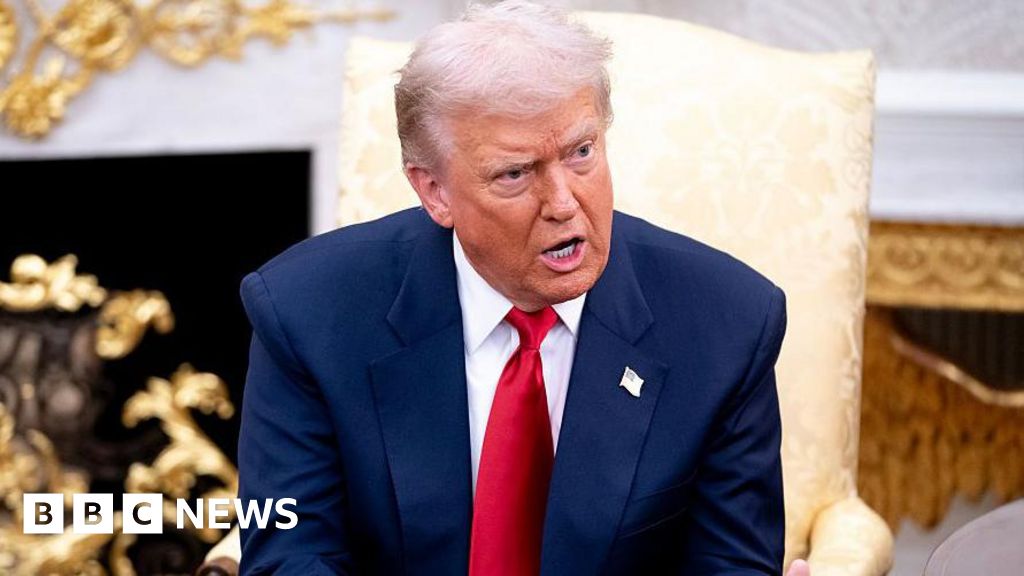
Keir Starmer Confirms No Discussion Yet with Donald Trump Amid BBC Panorama Controversy

In an era where the boundaries between reality and narrative are increasingly blurred, the recent controversy surrounding the BBC’s Panorama fabricates a compelling reflection of how culture functions as both the custodian and the battleground for societal identity. When Donald Trump announced plans to sue the corporation over their editing of his speech, critics and supporters alike were reminded that media shapes memory—but also that it wields the power to distort reality, influencing the very fabric of national discourse. As Prime Minister Sir Keir Starmer emphasizes the importance of an independent and trusted BBC, we are reminded that cultural institutions are not merely repositories of entertainment but foundational pillars of our collective conscience.

Throughout history, culture has served as the ultimate vessel for tradition, identity, and societal continuity. The principle of an independent press, championed by thinkers like Ortega y Gasset, underscores the view that the vitality of a democratic society depends upon the integrity of its narratives. When media outlets are accused of editorial failings—whether through bias, omission, or manipulation—they threaten to fracture the very identity they are meant to serve. The BBC’s apology for the misleading portrayal of Trump’s speech and the subsequent legal threats reveal how fragile this cultural integrity can be, especially when harnessed as a tool in larger geopolitical and ideological struggles. Such moments echo the shifting sands of cultural authority, reminding us that the memory of a society is as susceptible to distortion as a fragile tapestry.

The current media saga is also a testament to the profound influence of cultural memory, echoing Tocqueville’s insights on how democracy relies on the shared narratives that uphold societal bonds. As critics deliberate over the rights to depict truth, the central question emerges: Whose story is being told? And for what purpose? The fact that Trump’s legal team has considered suing for billions underscores how cultural battles now take on economic and geopolitical dimensions—each contesting the narrative as if it were an existential inheritance. Meanwhile, behind closed doors, diplomatic gestures—like the rumored discussions involving Downing Street officials—highlight how culture is seldom divorced from power, each shaping the other in a relentless dance of influence and resistance.

As T.S. Eliot posited, “The past is never dead; it’s not even past.” The scars and stories etched into our media, our institutions, and our collective memory form the bedrock of society’s identity. Yet this legacy is also prophetic: it informs possible futures, guiding societies through the murky waters of misinformation and ideological manipulation. Culture, in its purest form, remains both the mirror of our memories and a blueprint for our destiny. Our challenge lies not merely in guarding this sacred treasury but in recognizing that the true power of culture rests in its capacity to inspire, to preserve, and to project the enduring spirit of humanity—a timeless force that whispers, even amid the chaos, that we are more than fleeting stories: we are an ongoing narrative of resilience and hope.

Keir Starmer to axe No 10 briefer if found, minister warns—Labour leadership on edge

Political Turmoil Rocks UK Labour Party Amid Leadership Allegations

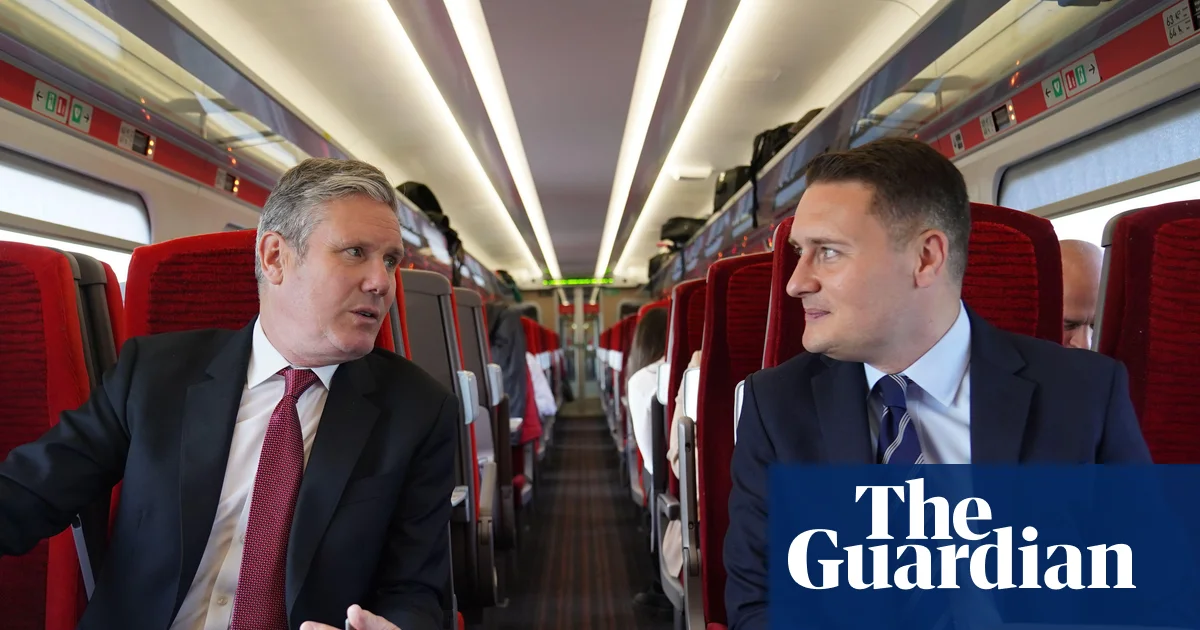
The recent chaos within Britain’s Labour Party has exposed the undercurrents of internal strife that threaten to destabilize one of Europe’s historically significant political entities. The controversy centers around a leaked briefing war—an age-old tactic in politics but one that now threatens to erode Keir Starmer‘s authority as he grapples with mounting allegations of internal sabotage. The situation escalated after reports suggested that Number 10 Downing Street attempted to rally support for the Prime Minister, while simultaneously planting stories intended to weaken Labour’s front-runner, Wes Streeting. Analysts see these events not just as a leadership dispute but as symptomatic of deeper, systemic chaos in political communication and party unity.

This internal discord has prompted intense public debates and questions from international observers about the stability of the UK’s political landscape. According to historian and political analyst Dr. Elizabeth Morgan, the briefing war reflects a broader pattern where elite factions resort to clandestine tactics to sway leadership disputes, often at the expense of transparency and public trust. Labour’s efforts to contain the fallout have included promises of investigations and internal reviews, but these moves appear to be more aimed at damage control than genuine reform. This episode raises critical questions about the geopolitical impact of such internal fractures, as the UK’s political reputation on the global stage could be compromised by visible disarray among its major parties.

As the scandal unfolds, Keir Starmer remains under pressure to rid his ranks of perceived disloyalty. The focus on the modern culture of political briefing, long criticized by critics as a corrosive element of democratic governance, seemingly reaches new heights of intensity. World political organizations warn that such turmoil could weaken the UK’s diplomatic standing, especially as the country faces complex international challenges—from navigating post-Brexit trade relations to responding to geopolitical crises in regions like Eastern Europe and the Middle East. The internal conflicts highlight how fragile even well-established political alliances can be when submerged in the murky waters of factional infighting.

Ultimately, the trajectory of this political saga remains uncertain. On one side, supporters of Starmer insist that the internal leaks and briefings are routine and that, behind the scenes, efforts are underway to restore order. On the other, critics argue that the unrest exposes a deeper crisis of leadership integrity—a crisis with echoes beyond national borders, demonstrating that the battle for power often reveals more about societal divisions than the policies a government advocates. As history continues to unfold, the spectacle of Britain’s Labour leadership saga will serve as a stark reminder: in the corridors of power, the line between stability and chaos is razor-thin, and the consequences of internal betrayal ripple outward, shaping the course of nations and societies for generations to come.

Keir Starmer faces backlash over Morgan McSweeney’s future amid tension with Labour youth

The Inner Battles of UK Politics: A Reflection of Global Power Shifts

In an era marked by growing geopolitical tension, United Kingdom politics are revealing deeper fractures within Western democracies and their struggle to adapt to a new international landscape. Recent revelations around the turmoil in Downing Street highlight not only internal factions vying for influence but also suggest a broader contest for authority that echoes across the Atlantic and beyond. As Keir Starmer grapples with internal dissent—specifically over the future position of his top aide, Morgan McSweeney—analysts warn that such factional battles could undermine the stability of the UK’s political system and its ability to navigate pressing global challenges.

The controversy centers on allegations that Starmer’s inner circle orchestrated covert operations targeting cabinet members, especially the Health Secretary Wes Streeting. Critics accuse McSweeney of fueling internal strife through unauthorized briefings—a move that has triggered fierce public and parliamentary backlash. The situation underscores the fragility of political institutions under the strain of internal power struggles, with some commentators drawing parallels to shambolic administrations elsewhere. In this context, the internal political chaos reflects a broader collapse of traditional governance models, a crisis that could weaken the global standing of Western alliances.

International organizations and political analysts have been quick to interpret the UK’s domestic chaos as emblematic of the waning influence of established democracies and the rise of ‘crisis governance’ tactics. Historian and policy expert Dr. Christopher Miller cautions that such infighting not only jeopardizes the UK’s credibility but also emboldens authoritarian rivals like Russia and China. The decision by Starmer to publicly affirm confidence in McSweeney, despite mounting evidence of internal disputes, signals a broader dilemma faced by leaderships worldwide: how to uphold coherence in the face of internal dissent that could be exploited by adversaries to destabilize the nation further.

Beyond the borders of Britain, this episode carries dramatic global geopolitical implications. The stability of Western alliances — predicated on the perception of unity and seamless policy execution — is now under threat. As nations watch the UK’s inner discord, they are reminded that internal fragility in key democracies could serve as a strategic advantage for China and Russia. Meanwhile, international institutions are issuing cautious warnings about the erosion of trust in democracies’ ability to govern effectively—a warning that rings loud in the corridors of the United Nations and other global forums.

As history unfolds on this internal battleground, the weight of future decisions holds profound significance. Will Starmer’s leadership be able to forge a path through these treacherous political waters, or will internal discord open the door for more aggressive authoritarian models to fill the void? This unfolding saga exemplifies the core battleground of the 21st century: the battle for control—not only of nations but of the narratives that shape global power structures. In a world where alliances shift and the lines between internal and external conflicts blur, the outcome of UK’s political turbulence may well determine the course of international stability for years to come.

Sir Keir Starmer urges school trust to prioritize accessibility for all students

Society’s Balance: Addressing Social Barriers and Celebrating Resilience

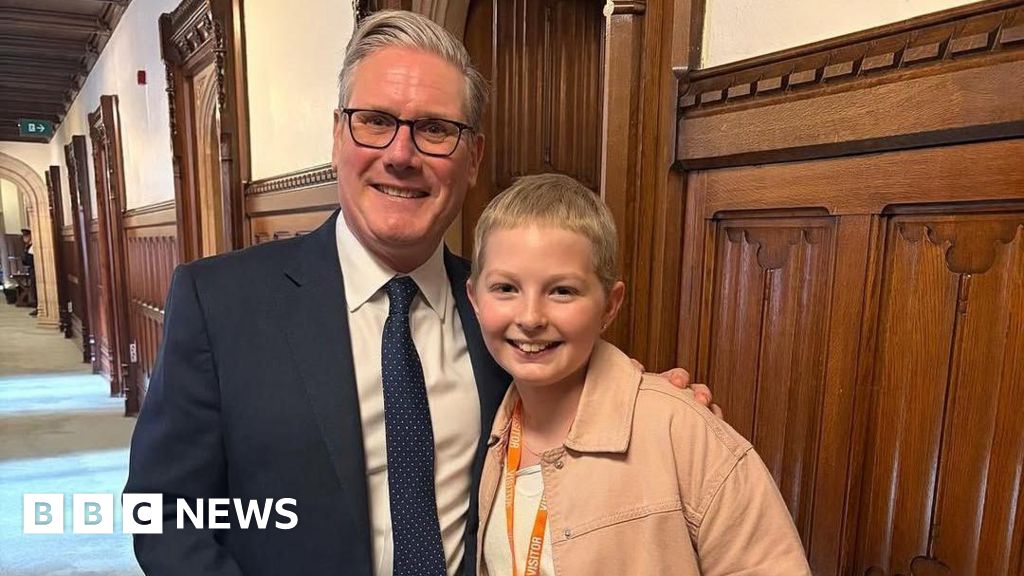
In a society that often emphasizes progress and inclusivity, stories like that of Millie, a twelve-year-old girl from Northamptonshire, serve as both a mirror and a call to action. Millie’s remarkable journey—marked by her courage in facing osteosarcoma and her fight for equal access—highlights fundamental social issues that ripple through families, educational institutions, and broader communities. Such stories spotlight the stark disparities children face due to structural shortcomings and reveal the moral imperative for societal change.

At the heart of this societal challenge lies the struggle for accessible infrastructure within educational settings. Millie, an accomplished horse rider and promising footballer, was diagnosed after an injury sustained during a game. Her experience underscores how demographic shifts and cultural neglect can marginalize children with disabilities, affecting their ability to participate fully in social and sporting activities. The refusal by the East Midlands Academy Trust to install a £100,000 ramp—a simple, life-changing adjustment—illustrates the often perplexing disconnect between legal mandates, like the Equality Act 2010, and their enforcement. As sociologist Dr. Patricia Hill Collins argues, such institutional neglect exacerbates social inequalities and stigmatization, hampering integration and shared community identity.

Impacts on Families, Education, and Communities

  • Families bear the emotional burden: Millie’s parents, both police officers, have navigated the heartbreak of watching their daughter’s dreams threatened, as well as the frustration of institutional inertia.
  • Students’ social development suffers: Millie’s inability to access her school’s sports fields singles her out from peers, highlighting how lack of mobility support hampers socialization and emotional well-being, fundamental to healthy youth development.
  • Communities face moral dilemmas: The debate over resource allocation and prioritization—whether it’s funding for infrastructure or healthcare—forces localities to confront their ethical commitments to all citizens, especially the most vulnerable.

Historically, social commentators like Dr. Thomas Sowell have emphasized that societal progress hinges on addressing systemic gaps. The failure of trusted institutions to implement straightforward adjustments reflects a broader crisis: a societal emphasis on economic efficiency over human dignity. Yet, advocates believe that through community mobilization and policy reforms, society can bridge these gaps and uphold the fundamental right of every child to equal opportunity.

reflections and a hopeful future

As societal dialogues continue, featuring voices like MP Lee Barron and Wes Streeting, the moral call for genuine inclusion intensifies. Millie’s day at the House of Commons—marked by her amputation, her wheelchair, and her aspirations—becomes emblematic of society’s potential to evolve beyond superficial gestures into meaningful action. Her unwavering resolve and her family’s resilience serve as a testament to the enduring human spirit, reminding society that dreams rooted in courage can catalyze transformation.

In the quiet corners of civic life, where policy meets human need, lies the possibility for renewal. Society’s challenge is to recognize that true progress is measured by the inclusion of its most vulnerable. Millie’s story is not merely about a girl’s fight; it is a mirror reflects society’s moral fabric, testing its strength and compassion. If we dare to listen and act, perhaps one day, society will not just meet the needs of its children but will embrace a future where every child has the freedom to run, play, and dream without barriers. Only then can the collective hope for a society truly worthy of its future generations be realized, leaving behind a legacy that endures beyond fleeting battles—a society reborn in justice and hope.

Social Media Auto Publish Powered By : XYZScripts.com