Matox News

Truth Over Trends, always!

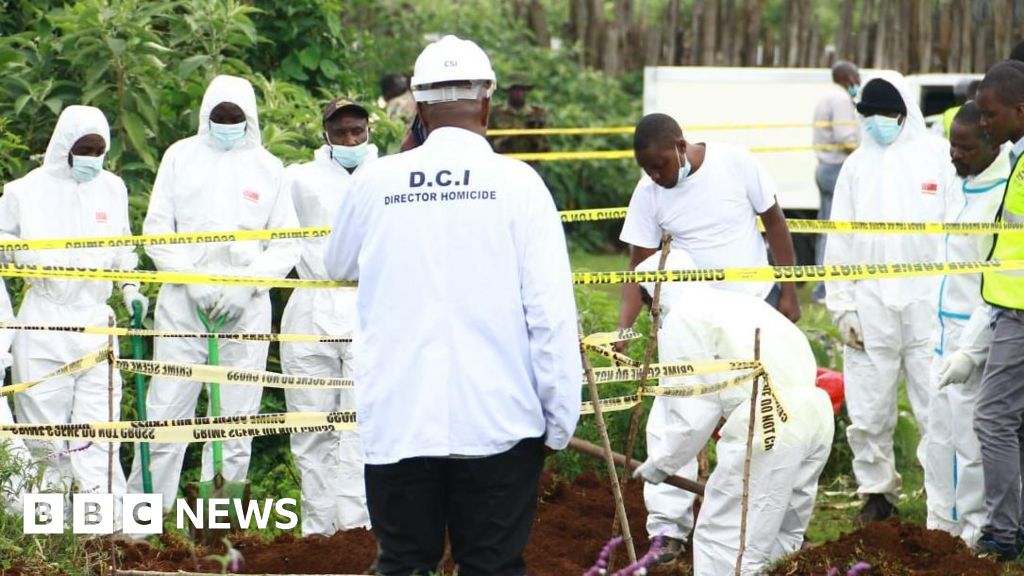
Dozens of innocent lives, many infants, found in Kenya mass grave—urgent action needed

In a deeply disturbing development that has shocked local communities and stirred international concern, authorities have reported the discovery of 32 bodies, including 25 children. The victims were believed to have come from nearby hospitals and mortuaries, raising urgent questions about the causes of this tragic loss of life and the underlying societal or political factors at play. Such incidents highlight not only a humanitarian crisis but also stress the importance of international accountability and oversight in safeguarding the most vulnerable populations.

The region in question has long been a flashpoint for geopolitical instability, with rival factions and external powers vying for influence. The loss of innocent lives amid ongoing conflicts underscores a broader pattern, as analysts point increasingly toward systemic violence and dereliction of duty. Experts from organizations like the United Nations have called for immediate investigations, emphasizing the need for transparency and respect for human rights. But this tragedy extends beyond the immediate human toll; it threatens to destabilize an already fragile geopolitical landscape.

Within this context, historians and geopolitical analysts warn of how such brutal episodes serve as a stark reminder of the urgent need for international cooperation and strategic foresight. The world watches, as decisions made in capitals thousands of miles away ripple through local societies, transforming private grief into a catalyst for wider unrest. The fallout from these deaths could embolden nationalist movements, weaken diplomatic efforts, or even ignite further conflict if left unaddressed. As the United Nations and regional bodies debate their next moves, the global community must confront an uncomfortable truth: that such tragedies are often symptoms of deeper, unresolved geopolitical disputes.

Looking ahead, the path forward is fraught with peril and profound responsibility. Decisions taken in the coming weeks will shape not only the course of justice for the victims but also the stability of the entire region. The grave nature of the loss demands unwavering international resolve—yet, history reminds us that inaction or negligence often come at a higher cost. With the shadow of this tragedy lingering, remaining silent would be a betrayal of all that is humane. Humanity now stands at a crossroads, with the unfolding chapter of history awaiting the decisive actions of leaders and nations to either forge a future of accountability or fall into the chaos of indifference. The weight of this moment is profound, echoing with the silent voices of children lost and the lingering hope for remembrance and justice.

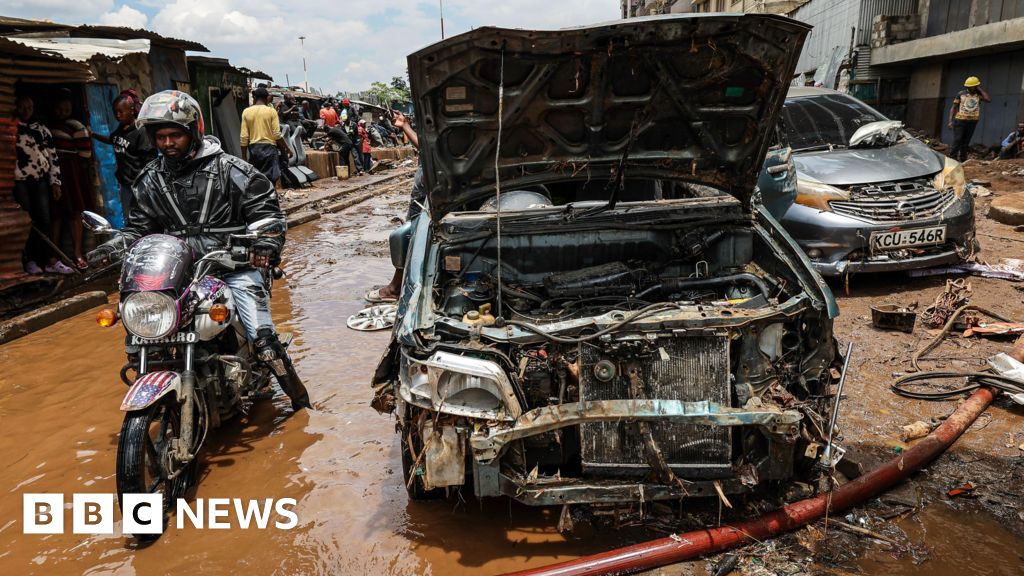
Kenya ravaged by deadly floods as heavy rains persist—62 lives lost

In a distressing reminder of the increasing frequency of climate-induced disasters, Nairobi experienced a recent incident where eleven individuals had to be rescued overnight after their minibus became stranded in rising floodwaters. This event, though localized, underscores a broader and troubling pattern impacting many regions around the world, particularly in Africa’s urban centers. As climate change accelerates, low-lying and rapidly urbanizing cities like Nairobi are becoming increasingly vulnerable to extreme weather, threatening lives, infrastructure, and economic stability.

The incident’s immediate aftermath has caught the attention of international organizations such as the United Nations, which has repeatedly issued warnings about the growing climate crisis and its disproportionate impact on developing nations. Climate experts warn that these floods are not isolated incidents but part of a troubling trend linked to rising global temperatures—phenomena that many analysts attribute largely to increased greenhouse gas emissions from industrialized nations. The geopolitical impact of such events extends beyond environmental concerns; it touches on issues of migration, urban planning, and economic resilience, compelling nations to confront the pressing realities of a warming world.

Furthermore, Kenya’s government has faced mounting pressure to improve urban infrastructure and enhance resilience to natural disasters. Critics argue that insufficient investment in drainage systems and disaster preparedness have left residents vulnerable, especially in densely populated districts. International observers and civil society groups stress that these failures do not occur in isolation but are symptomatic of broader governance and policy shortcomings. As environmental conditions worsen, the debate over climate justice—who bears responsibility and who bears the consequences—becomes unavoidable. Historically, few issues have highlighted the stark disparities between global North and South as vividly as climate adaptation and disaster response, fueling ongoing tensions on the diplomatic stage.

The rescue of the stranded passengers, though hailed as a human triumph, serves as a stark warning of the wider geopolitical repercussions. Flooding and other climate disasters threaten to destabilize nations, disrupt supply chains, and trigger new waves of migration—an inevitable consequence that could exacerbate existing geopolitical conflicts and test the resilience of international institutions. In global forums, leaders and policymakers grapple with the complex task of balancing economic development with environmental sustainability. As world leaders convene to discuss climate action, the importance of swift, coordinated international response becomes ever more apparent—yet many critics argue that promises remain unfulfilled, and real change is slow or insufficient.

As history continues to unfold, the event in Nairobi functions as a microcosm of larger, global struggles—a reminder that decisions made today shape the future of nations and societies. Whether it is through infrastructural investments, international cooperation, or the urgent reevaluation of policies, the world stands at a pivotal juncture. Will nations rise to confront the mounting challenges of climate change and protect their people, or will neglect and geopolitical squabbles deepen the crisis? The answer remains uncertain, but one thing is clear: history is watching, and the outcomes of this era could very well define the destiny of countless communities across the globe.

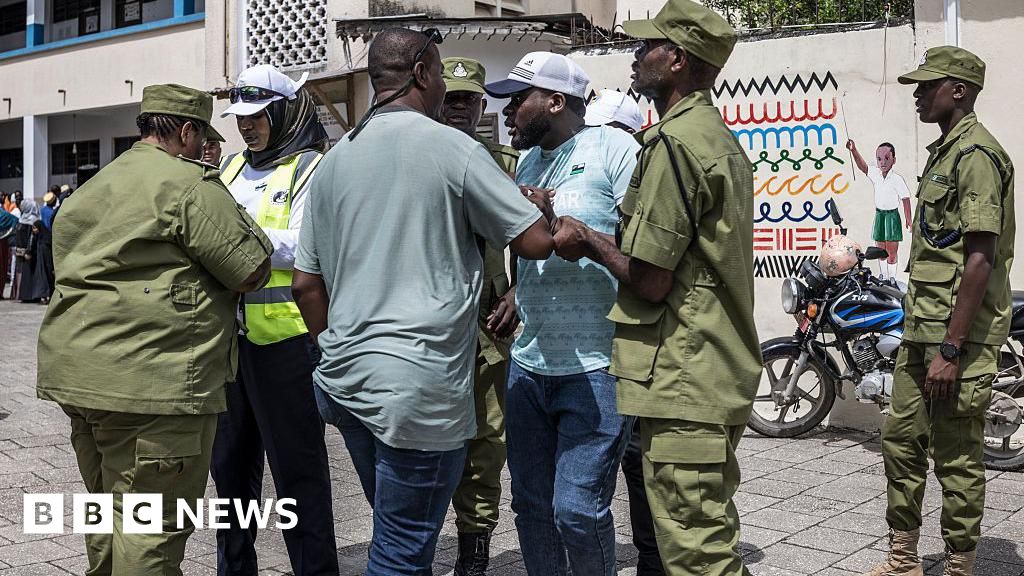
Kenya Calls for Justice and Security After Post-Election Crackdown

Post-Election Turmoil and Its Geopolitical Reverberations

The recent election in Tanzania has ignited a complex web of domestic and international consequences, exposing the fragile stability of East Africa’s political landscape. President Samia Suluhu Hassan, who secured her position with an overwhelming 98% vote majority, declared her victory amidst allegations of electoral irregularities. Critics, including election observers and opposition figures, argue the polls fell short of democratic standards, citing the imprisonment and disqualification of key opposition candidates. This electoral outcome not only consolidates President Hassan’s power but also signals a narrowing of political space, even as her government attempts to project an image of stability on the international stage. Such developments are crucial for understanding how local governance can ripple across regional and global structures.

However, beneath the veneer of political legitimacy, unrest has erupted, especially in the wake of the contested election results. Reports of excessive force deployed by Tanzanian security forces during protests have sparked a wave of international criticism, with many alleging that hundreds of protesters and civilians were killed or injured in a crackdown that critics say was disproportionate and reckless. Tanzania’s government dismisses these claims, asserting that the opposition’s figure of casualties is exaggerated, but independent international observers and human rights groups contend that a troubling pattern of suppression persists. Analysts warn that such violent repression could destabilize Tanzania, potentially igniting broader regional tensions and complicating diplomatic relations with neighboring countries, especially Kenya.

The situation is further complicated by the plight of Kenyans residing in Tanzania, an estimated 250,000 people engaged in various economic activities across the border. This diaspora has become collateral damage in Tanzania’s internal conflicts, with reports of Kenyans being detained, injured, or even killed amidst the unrest. Kenyan authorities have responded by urging their Tanzanian counterparts to prioritize the safety of their citizens, emphasizing that diplomatic channels are now critical in addressing this crisis. The recent death of Kenyan teacher John Ogutu, shot by Tanzanian police, underscores the urgency of the matter; his family and international rights organizations demand transparency and accountability. The uncertainty surrounding these incidents reflects a broader pattern of governments using mass violence to maintain control, making the prospect of regional destabilization more imminent.

Historically, the East African Community (EAC) has tried to foster economic and political integration, but recent events threaten this fragile unity. Strained diplomatic ties, resurging political repression, and accusations of state-sponsored violence threaten to undermine decades of regional cooperation. In particular, Tanzania-Kenya relations, once aimed at economic expansion and shared development, are now a battleground of mutual distrust. The fallout from these conflicts suggests that regional geopolitics are on a knife’s edge, with the potential for violence and instability to spill beyond national borders and into wider international corridors. The role of international organizations, such as the United Nations and the African Union, looms large, as their ability to mediate and promote good governance in this volatile context is profoundly tested.

As history continues to unfold in East Africa, the implications of these events serve as stark warnings of what can happen when political contestation turns violent and international diplomacy falters. The emergency of new power dynamics, coupled with the unresolved tensions between established governments and dissenting voices, could usher in an era of prolonged instability. How the global community responds, and whether regional leaders prioritize dialogue over repression, will determine the course of history in this pivotal chapter of Africa’s story. The weight of future generations now hangs in the balance, as nations grapple with the double-edged sword of sovereignty and stability—each decision shaping the destiny of this strategically vital region.

Uganda and Kenya landslides claim over 40 lives — a tragic reminder of the need for better preparedness

The recent landslides that ravaged the border regions of Kenya and Uganda have exposed not only the region’s vulnerability to natural calamities but also the broader geopolitical and societal implications of climate-induced disasters. Over 40 lives have been lost—blighted by relentless heavy rainfall and unsafe housing in the volatile terrains of the Great Rift Valley. Families are mourning, communities are displaced, and rescue efforts are hampered by ongoing mudslides, underscoring the urgent need for international attention and effective preventative strategies. This tragedy demands a deeper understanding of how environmental instability inside Africa can ripple into regional security concerns, migration patterns, and diplomatic relations, especially in a world increasingly affected by climate change.

Historically, Kenya and Uganda’s landslides are not isolated incidents. Record-breaking rainfall and deforestation since 2010, exemplified by the tragic death of approximately 300 people in the Ugandan town of Bududa, signify a mounting crisis tied to climate stressors. Analysts such as Dr. Emily Chen of the International Climate Agency warn that the frequency and intensity of such natural disasters are expected to rise, especially as local authorities lack comprehensive infrastructure to mitigate these risks. The decision by both governments to distribute modest compensation—5 million shillings in Uganda for the deceased and survivors—stands as a superficial Band-Aid, offering little in the way of sustainable prevention or resilience. The underlying threat extends beyond immediate loss; it heralds a future where climate vulnerability could undermine developmental gains, spark regional displacement, and destabilize fragile societal structures.

The geopolitical impact of these disasters extends into international corridors of power. Global institutions are watching, yet much of the response remains reactive rather than proactive. Countries like Kenya and Uganda are grappling with the repercussions, as their governments face mounting pressure to implement climate adaptation policies. Some experts argue that failing to address these environmental challenges could lead to increased migration across borders, thus straining neighboring nations and potentially fueling regional tensions. As researchers emphasize, the decision to build homes on unstable slopes is a perilous gamble with societal safety—highlighting the critical need for stricter land-use policies informed by scientific analysis. This disaster also serves as a stark warning for international cooperation, emphasizing that climate change is a threat not confined within national borders but a challenge requiring united global action.

As the tragic echoes of lives lost amid relentless mudslides fade into history, the question remains: Will this be a wake-up call for the world to act decisively against the climate crisis? When shifting lands and rising waters threaten to rewrite the map of East Africa, nations face a critical choice—adapt, or witness their societies unravel amid the dust and debris of ignored warnings. With every landslide that obliterates hopes and homes, the weight of history bears down more heavily. The unfolding story of environmental calamity in Kenya and Uganda is not merely a regional issue but a pivotal chapter in the narrative of humanity’s struggle against nature’s fury—a testament to the urgent need for global vigilance and action before more chapters are written in tragedy.

Social Media Auto Publish Powered By : XYZScripts.com