Matox News

Truth Over Trends, always!

Louisiana Shooting Claims Lives of Eight Kids, Authorities Confirm

In a haunting reminder of the ongoing crisis plaguing many nations, a devastating incident unfolded in Shreveport, Louisiana, where a shooting claimed the lives of children aged from just one to 14 years old. Police officials have described this atrocity as stemming from a “domestic disturbance”, yet the nature of such violence raises profound questions about the effectiveness of current gun control measures and societal safeguards within the United States, a nation often criticized by international observers for its high rates of firearm-related fatalities.

Across the globe, gun violence remains a contentious issue that reflects broader societal and legal divides. In the United States, this tragedy underscores how deeply embedded firearms are within the social fabric—amplified by lax regulation compared to many other developed nations. International agencies, including the World Health Organization, highlight that the U.S. accounts for a disproportionately high number of firearm deaths among wealthy nations. Historically, debates surrounding Second Amendment rights have polarized American society, often at the expense of common-sense gun legislation that could prevent such tragedies. Critics argue that without decisive political action, these violent episodes will continue to haunt communities, leaving innocent lives shattered like fragile glass.

From a geopolitical impact perspective, incidents like these fuel ongoing debates about the societal priorities of the U.S., but they also resonate globally. Countries observing the U.S. often ponder the paradox—how a nation purporting to uphold freedom and individual rights often sees such catastrophic consequences. International analysts warn that ignoring the root causes of gun violence, such as social inequality and mental health issues, contributes not only to domestic instability but also diminishes the global image of the United States as a beacon of progress and stability. Furthermore, some experts suggest that the emphasis on firearms as a constitutional right hampers collaborative international efforts to curb arms proliferation, which can indirectly affect regional stability and security.

As this tragedy reverberates across the nation, calls for reforms intensify, fueled by a rising tide of youth activism and advocacy.

  • Increased demands for universal background checks
  • Restrictions on high-capacity magazines
  • Enhanced mental health support systems

These measures are often met with fierce opposition from pro-gun lobbying groups, who invoke constitutional rights. Historians and political analysts warn that failure to address the root causes of such violence could lead the United States into a protracted cycle of recurring loss and unrest, further complicating its leadership role on the world stage.

Ultimately, whether gripping tragedy becomes a catalyst for meaningful change or is subsumed under political inertia remains to be seen. With the world watching, history continues to unfold—each new incident adding weight to the collective conscience, forcing nations to confront uncomfortable truths about societal priorities and the enduring cost of policy neglect. As survivors grieve and communities rebuild, the question persists: Will this be a turning point—an unignorable call to action—or an echo fading into the corridors of political inaction? The weight of history lingers, awaiting its verdict.

Bangladesh kicks off measles vaccination to protect kids amid rising death toll

The recent surge of measles in Bangladesh marks a troubling chapter in the nation’s ongoing struggle to safeguard its children and maintain societal stability. With more than 100 lives lost and over 900 confirmed cases since March, this outbreak reminds us that public health is intertwined with the socio-political stability of a community. Despite having made significant progress—from a mere 2% vaccination rate in 1979 to over 81% today—the country’s current crisis reveals that gaps in social and healthcare infrastructure still threaten the wellbeing of its youngest citizens. The resurgence underscores how fragile advancements can be when political turmoil and mismanagement disrupt essential services, particularly in a nation burdened by demographic disparities and economic challenges.

This outbreak highlights profound implications for families, education, and communities. As vulnerable children—particularly those under six months who are no longer eligible for routine vaccination—become the most at risk, the social fabric faces the peril of a generation scarred by preventable illness. The disparities in vaccine coverage reveal deeper societal issues: regions with resource shortages and administrative gaps, which are often tied to broader political instability, fail to reach every child. As sociologists like Samuel Huntington have emphasized, social cohesion depends on the capacity of governments to deliver fundamental services. When this capacity falters, the ripple effects threaten to dismantle the very foundations of community trust and national stability.

In response, Bangladesh’s government, in partnership with international agencies like the United Nations, has launched an emergency vaccination drive targeting children aged six months to five years. Such efforts are vital, but they underscore the urgent need for consistent, long-term investment in healthcare infrastructure. As Rana Flowers, a UNICEF representative, points out, the “resurgence highlights critical immunity gaps,” which are exacerbated by political turmoil, including recent protests and upheavals that have delayed vaccine procurement and intervention campaigns. These disruptions do not only threaten immediate health outcomes; they catalyze a cycle of social and economic instability, revealing that public health initiatives must be resilient and adaptive to political and social shifts.true

The situation in Bangladesh serves as a stark reminder that social issues—be they political unrest, economic disparity, or infrastructural shortcomings—are deeply interconnected with the health and education of future generations. As the global community observes this resurgence, it becomes clear that the task of rebuilding social trust extends beyond mere vaccination campaigns. It calls for a comprehensive approach—empowering families, strengthening local communities, and restoring faith in institutions. For the health of society itself, hope lies in the society’s collective will to recognize that social resilience is the bedrock upon which progress is built—and only through perseverance and unity can the shadows of disease be dispelled, illuminating a future where every child can thrive free from preventable ailments.

Moms Say New School Means 15 Hours of Travel — Are Our Kids Being Shortchanged?

Reclaiming Humanity in Our Schools: A Call to Recognize Children Beyond Data

In a time when statistics and metrics increasingly dominate educational discourse, a poignant appeal from a parent has gained widespread attention: a plea for children to be seen as more than just a number on a spreadsheet. This plea resonates deeply within many communities, highlighting the ongoing tension between data-driven policies and the fundamental need for personalized, humane education. For decades, families, educators, and social institutions have grappled with the challenge of maintaining the human element amid rising bureaucratic oversight. As sociologists like Charlotte Perkins Gilman and contemporary social commentators argue, the transformation of children into mere data points risks eroding the essential bonds that foster growth, resilience, and community cohesion.

This cultural shift reflects broader demographic and societal changes. In many areas, resource allocation is increasingly tied to quantifiable outcomes, leading to a prioritization of test scores over holistic development.

  • Educational institutions under pressure to perform often resort to standardized testing, which can diminish individual attention and stifle creativity.
  • Children from diverse and often underprivileged backgrounds bear the brunt of this trend, facing systemic challenges that impede their full potential.
  • Parents and advocacy groups argue that such approaches overlook the human importance of nurturing emotional intelligence, moral character, and social skills.

Research by leading sociologists underscores how social issues directly impact families and community stability. When children are viewed narrowly—as measurable units—families feel increasingly alienated from the educational process, which can erode trust in societal institutions. Educators, caught between policy mandates and their desire to serve as mentors, often find themselves constrained, unable to foster the individual strengths or challenges of their students. Social commentators warn that this phenomenon not only hampers educational outcomes but also risks fracturing the social fabric. As communities become fragmented, the shared values that once held families together seem diminished, leaving behind a sense of societal disconnection that extends beyond school walls.

Addressing these pressing social issues requires a multifaceted approach. Many advocates propose

  • Rebuilding school curricula around values-centered education that emphasizes character, resilience, and community engagement.
  • Implementing policies that allocate resources toward mental health and social opportunities, recognizing their integral role in development.
  • Encouraging public dialogue about what constitutes meaningful education, ensuring that children are seen as individuals with unique dreams, fears, and potential.

As society stands at this crossroads, the challenge lies in transforming our educational models from repositories of data into havens of humanity. Historically, societies that valued human dignity and community — from ancient towns to modern neighborhoods — found strength in their shared stories and moral commitments. Embracing this wisdom, contemporary communities must ask themselves: *What future are we shaping for the next generation?* Will we allow a world where children are reduced to mere statistics, or will we reaffirm our duty to see them as whole beings — worthy of love, attention, and the chance to forge their own destiny? The answer lies in our collective resolve to preserve the heart of society amid its relentless pursuit of progress, reminding ourselves that behind every data point stands a face, a story, and a future worth fighting for.

Italy probes Sephora and Benefit for targeting kids with skincare ads

The recent statement by the Italian Competition Authority has sent ripples across the international economic landscape, highlighting the influential reach of LVMH, the luxury goods conglomerate based in France. According to the Authority, LVMH appears to have employed “particularly insidious” marketing strategies that potentially distort fair competition within the global luxury sector. This investigation underscores broader concerns about the power wielded by multinational corporations and their ability to influence economic policies and consumer behavior in interconnected markets.

The allegations against LVMH arrive amidst mounting scrutiny of how large corporations manipulate consumer perceptions, often blurring the lines between genuine branding and monopolistic tactics. While the company remains a leader in high-end fashion, jewelry, and spirits, critics argue that certain marketing practices—such as exclusive collaborations, orchestrated scarcity, and targeted advertising—may serve to artificially inflate demand and suppress smaller competitors. Esteemed international economists and watchdogs warn that such strategies, if unchecked, risk fostering monopolistic environments that threaten consumer choice and market diversity. Historically, similar accusations have precipitated regulatory crackdowns that reshape industry dynamics—potentially foreshadowing a reckoning for conglomerates like LVMH.

The geopolitical implications of these developments extend beyond mere market competition. In an era where economic might often translates into geopolitical influence, corporations such as LVMH serve as soft power vehicles for France and the broader European Union. Such companies contribute significantly to national prestige and economic stability; thus, regulatory actions—like those pursued by Italy—highlight a broader global trend towards scrutinizing corporate dominance.

  • They reflect an international effort to promote fair competition, which is often intertwined with national interest and sovereignty.
  • These moves can influence international trade negotiations, especially as countries seek to curb perceived economic overreach by multinational giants.

Global institutions, such as the World Trade Organization (WTO), are watching these cases carefully, aware that the outcomes may set precedents for how multinational corporations operate across borders. As European regulators tighten their grip on corporate practices, and other nations grapple with similar questions, the landscape of global commerce stands at a critical juncture. Analysts warn that if LVMH’s strategies are deemed anti-competitive, it could catalyze a wave of reforms that reshape the luxury industry, forcing even the most influential brands to recalibrate their approaches. In the shadows of these developments, nations must decide whether to defend their markets or risk surrendering sovereignty to corporate giants.”

In this unfolding saga, history seems poised to reveal yet another chapter where the boundaries of free enterprise and national sovereignty collide. The decisions taken today—whether to regulate or to acquiesce—will profoundly influence the fabric of global economic and social life. As the world watches, the question remains: will this be a moment of restraint, or will it mark the dawn of a new era of corporate dominance—an era where nations and societies grapple with the enduring repercussions of decisions made in the cloistered corridors of power? The weight of history persists, lingering in the balance, as the story of corporate influence continues to unfold on the world stage.

Nine sick, including kids, after E. coli outbreak linked to California farm’s raw cheese

The recent outbreak of E. coli O157:H7 linked to raw cheese products has stirred significant concern among families and communities across the United States. The Food and Drug Administration (FDA) issued a warning after reports indicated that more than half of the affected individuals are children under the age of five. This alarming demographic detail underscores how social vulnerabilities and infrastructure lapses expose our most fragile populations to dangerous health risks. The fact that three children have been hospitalized, with one developing hemolytic uremic syndrome—a potentially fatal kidney condition—raises profound ethical questions about our collective responsibility toward protecting vulnerable populations.

This incident highlights troubling gaps in our oversight of food safety, especially in the context of how emerging social issues can threaten community well-being. The infections, traced to a genetic similarity in bacterial samples collected between September last year and February 2026, emphasize the persistent risk of contaminated products infiltrating retail supply chains. While the FDA has not mandated a recall of Raw Farm products, they have recommended voluntary removal from shelves—a decision that reflects the tension between economic interests and public health. As sociologist Dr. Patricia Haines notes, “In a society where economic profit often takes precedence over safety, communities suffer when regulatory oversight falters, especially for our youngest and most vulnerable members.”

Beyond the immediate health scare, this incident illuminates larger issues concerning family stability, educational impacts, and community cohesion. When children become ill due to contaminated food, their families face emotional trauma and economic hardship, often compounded by healthcare expenses and disruptions to daily life. Schools and childcare facilities, which serve as vital community anchors, grapple with managing outbreaks and ensuring the safety of their students. Furthermore, the social fabric of local communities can fray when trust in food safety systems diminishes, fostering suspicion and fear among residents. Social theorists like Adam Smith have long argued that “trust and moral accountability are the backbone of a resilient society,” highlighting the importance of robust safeguards to uphold social order.

  • The ongoing investigation demonstrates the necessity for improved regulatory oversight in food production and distribution.
  • There is a critical need to address the social determinants of health, such as access to safe food and reliable information, especially for at-risk populations like young children.
  • Community engagement and transparent communication are essential to rebuild trust and foster collective responsibility.

As society wrestles with how to safeguard its most vulnerable members, the hope of renewal lies in embracing proactive solutions rooted in ethical responsibility and community solidarity. The current crisis serves as a somber reminder that public health is a moral imperative, intertwined with our social fabric and the future we build for generations to come. With steadfast commitment, policymakers, families, and community leaders can work together to transform this moment of vulnerability into an opportunity—to establish resilient systems that protect, educate, and uplift. Perhaps, in confronting these social issues, society can discover a renewed sense of moral purpose, ensuring that no child is left behind in the shadows of negligence, and that the promise of a safe, unified community remains within reach.

Mother warns: Cutting home education risks hurting our kids' future
Mother warns: Cutting home education risks hurting our kids’ future

The recent announcement by Barnsley Council to reduce the number of children receiving home education by 30% has ignited a fierce debate on the state of educational choice and parental rights within the community. Campaigners and legal experts contend that such a target is not only misguided but also “unlawful,” raising serious questions about the council’s approach to individual freedoms, community wellbeing, and the role of local authorities in safeguarding vulnerable children. This controversy underscores enduring tensions between government oversight and personal liberty, with profound implications for families and social cohesion.

The push to curtail home education reflects broader concerns about safeguarding and social integration. Advocates argue that increased oversight could address potential neglect or exploitation, citing instances where home-educated children might lack access to essential resources or socialization opportunities. However, critics, including legal scholars and social commentators, point out that the government’s role should be to support and empower parental choices rather than to impose sweeping reductions. Such measures risk stigmatizing families who opt for alternative forms of learning, often rooted in cultural or moral values, and may lead to unintended marginalization of communities that value independence and bespoke education approaches.

Research from sociologists like Michael Young and James Coleman highlights that education is not solely a tool for academic achievement but a vital component of social fabric. When families face state-imposed restrictions, the ripple effects extend beyond individual children, impacting families, local communities, and the future of society itself. The community’s stability depends on fostering an environment where diverse educational choices are respected, rather than undermined by bureaucratic targets. Moreover, recent social studies emphasize that community cohesion is strengthened when families feel that their cultural and educational values are validated and protected—something that arbitrary reductions threaten to diminish.

The legal assertion that Barnsley’s target is “unlawful” emphasizes the importance of adhering to principles of parental rights and individual freedoms. As public policy increasingly intersects with personal moral judgments, the challenge lies in balancing protection with respect for personal agency. From a societal perspective, fostering an environment that supports diverse upbringing methods—be they religious, philosophical, or cultural—bolsters social resilience and promotes a multipolar society. Leaders and educators alike must consider that the strength of a society is measured not solely by its adherence to uniform standards but by its capacity to accommodate different visions of the good life.

As communities grapple with these issues, the ultimate question remains: how can society uphold safety and inclusivity without silencing the voices of families who seek to shape their children’s education beyond the conventional systems? History teaches us that transformations often begin in moments of controversy, where societal values are challenged and redefined. In this ongoing socio-educational dialogue, there lies the hope of nurturing a society that respects both individual autonomy and collective responsibility—recognizing that, beneath all policies, it is the human element—the children, the families, and the communities—that holds society’s true strength and potential. As we reflect on these struggles, we are reminded that the journey toward a more just and compassionate society is continuous, requiring vigilance, empathy, and steadfast commitment to preserving the dignity of every voice in the mosaic of our shared future.

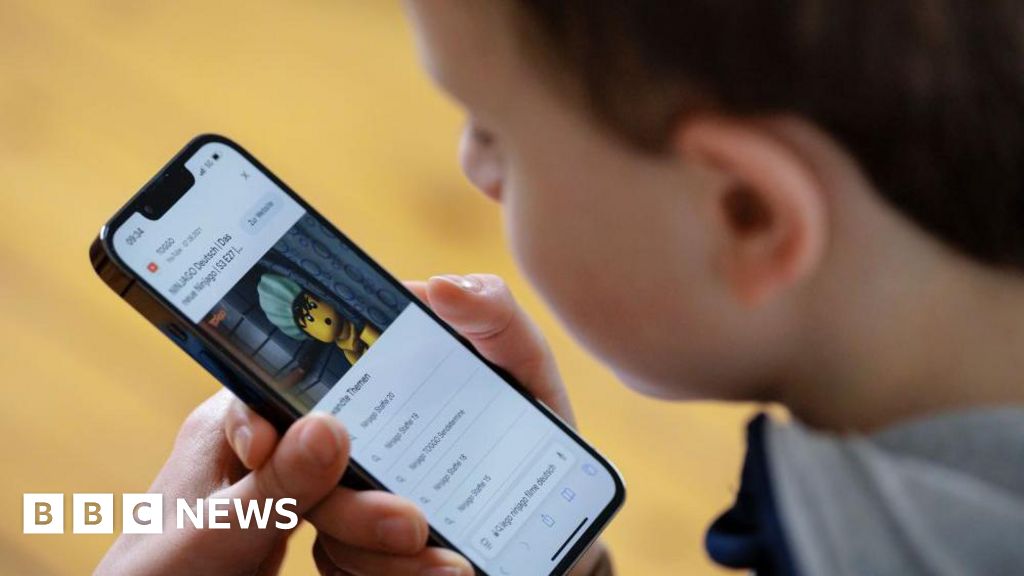
Austria moves to ban social media for kids, echoing global push to protect youth online

In an unprecedented move that signals a shift towards stricter youth regulation, several European nations are contemplating the implementation of an under-14 ban on certain activities, marking a significant evolution in social policy. Following the trajectories of France and Spain, countries across the continent are debating legislation aimed at restricting access to specific digital platforms, social interactions, and potentially harmful content for children below this age threshold. These decisions are not made in isolation but are part of a broader pattern driven by rising concerns over digital safety, mental health, and societal stability.

Analysts from prominent institutions warn that such policies could have profound geopolitical impacts. Governments are increasingly aware that limiting access for the youngest citizens could influence cultural norms, impact technological innovation, and shape the international image of European society. Global organizations like the European Union are closely monitoring these developments, weighing the implications for privacy, human rights, and economic growth. Critics argue that these measures risk infringing on individual freedoms while potentially leading to unintended consequences, such as black markets for content or increased generational divides. Nonetheless, the trend underscores a decisive response to an evolving threat landscape — one where safeguarding societal values takes precedence over technological openness.

Historians and political analysts emphasize that these legislative moves could serve as a *turning point* in how nations approach youth welfare in the digital age. France, for instance, has proposed a bill that aims to drastically limit access to social media platforms for children under 14, citing concerns over mental health deterioration and exposure to online predators. Similarly, Spain‘s recent legislative discussions center around stricter controls and parental oversight. The European Commission has expressed cautious support, recognizing both the potential benefits and the risks involved. These measures are being framed as part of a broader strategy to protect societal cohesion and moral development in a rapidly changing world.

The international community watches with bated breath as these policies unfold, aware that the ripples could extend well beyond Europe’s borders. Opponents caution that such bans could set precedents encouraging authoritarian tendencies and suppression of individual rights, especially in an era where digital literacy is essential for future competitiveness. Meanwhile, advocates champion the legislation as a necessary step to stem the tide of harmful content and the destabilizing influence of unregulated digital spaces. As nations grapple with the societal costs of technological integration, the grim reality remains that history’s pen is once again poised to write a new chapter, one where the boundaries of childhood, liberty, and social responsibility are being rewritten.

As the dust settles on this evolving debate, the world stands at a pivotal crossroads. The decisions made today will undoubtedly influence generations to come, shaping the contours of international relations, social norms, and individual freedoms. The weight of history echoes loudly — capturing a society in the midst of transformation, where the struggle to balance protection with liberty unfolds amidst a backdrop of shifting geopolitical currents. In this tense moment, the sands of time seem to pause, holding the collective breath of history, as humanity edges closer to a future yet to be fully realized.

Brussels probes Snapchat over kids' safety concerns
Brussels probes Snapchat over kids’ safety concerns

The European Union has escalated its efforts to regulate the digital landscape amid grave concerns over how certain online platforms may be exposing the continent’s youth to harmful content. Brussels has launched a series of investigations targeting five major tech companies under the Digital Services Act (DSA), a landmark regulation introduced two years ago to safeguard users from the myriad internet threats currently threatening societal stability. These inquiries specifically focus on Snapchat and four prominent adult content websites—Pornhub, Stripchat, XNXX, and XVideos. The EU’s aim is clear: protect children’s mental health, uphold community standards, and prevent the normalization of deviant behaviour.

Particularly alarming are findings indicating massive exposure of minors to explicit content. According to the European Commission, platforms like Snapchat are suspected of facilitating grooming and sexual exploitation, with adults allegedly pretending to be minors in order to lure young users into criminal activity. The investigation reveals that despite the app’s own terms banning users under 13, statistics show that children as young as ten in Denmark and France are active users. This alarming trend underscores the failure of existing age verification mechanisms, which remain easily bypassed through simple self-declarations. Such vulnerabilities not only facilitate online abuse but also significantly influence young people’s perceptions of gender and sexuality, fueling harmful stereotypes and mental health issues. Analysts argue that this crackdown signals a pivotal shift in shifting societal expectations—holding tech giants accountable for the erosion of youth safety in the digital age.

Meanwhile, the commission’s probe into adult websites surfaces even more disturbing revelations: these platforms have conspicuously failed to prevent minors from accessing explicit material. The findings underscore a troubling gap in regulatory oversight, as children and adolescents routinely encounter adult content with ease—sometimes by clicking a “Yes, I am over 18” box. In some cases, children as young as 10 have been found to access pornography monthly, with significant numbers of underage boys first exposed to such material between the ages of 10 and 13. The potential consequences—ranging from mental health deterioration to the normalization of violent sexual attitudes—represent a serious threat to societal well-being. Experts believe that such exposure at a young age could have lasting impacts, including skewed gender perceptions and increased tolerance for sexual violence. The EU has made it clear that these platforms must clean up their act—failure to do so could result in fines of up to 6% of global turnover, a substantial financial penalty that signals the seriousness of these violations.

This push by Brussels denotes a broader attempt at asserting regulatory authority over the digital economy, emphasizing how international institutions are reshaping the rules of engagement in cyberspace. Some critics see the move as a preemptive step towards more sweeping bans, like those being discussed in Australia, where the government is contemplating outright restrictions on social media access for minors. The EU appears to be positioning itself as a global leader in digital regulation—an effort to curb the influence of platforms that, critics argue, prioritize profit over public safety. As governments and watchdogs around the world grapple with these issues, the battle lines are being drawn for a new era of internet governance—that, some warn, could redefine the relationship between society and technology forever.

As history continues to unfold in this pivotal moment, the question remains: can these measures truly safeguard the next generation in an increasingly digital world? Or are they but the first chapter in a larger struggle—one where the forces of freedom, security, and societal norms collide amidst the relentless march of technological advancement? The weight of this turning point rests heavily on whether regulators can enforce accountability in the internet’s shadowy corners, for in this digital age, every decision echoes through the fabric of society—lasting far beyond policy papers and court rulings, shaping the very essence of future generations.

Argos under fire for launching ‘influencer kit’ targeting young kids

The recent controversy surrounding the British retail giant Argos and its promotion of a wooden “influencer kit” aimed at toddlers exemplifies a broader cultural shift that extends beyond the consumer realm into the geopolitical fabric of the modern world. This seemingly innocuous toy—crafted to ignite storytelling and creativity—has ignited a debate that echoes across Western societies and beyond about the influence of digital culture on vulnerable generations. Critics warn that normalising the concept of social media fame—through play—serves as an early exposure to the pressures of digital labour, privacy erosion, and superficial social valuation. Such concerns are not isolated but embedded within a larger global narrative about how technology and consumerist values reshape childhood in the XXI century.

Geopolitical Impact and Cultural Shifts

From the European Union to United States, international institutions like the UNICEF and various child advocacy groups have voiced alarm over a potential cultural erosion of traditional childhood values. Experts such as Dr. Francis Rees from the University of Essex warn that this escalation in shaped play signals a disturbing normalisation of visibility and precarious digital labour starting at an increasingly early age. Amidst the push for global technological dominance by China and the United States, a covert cultural battle is unfolding over the next generation’s perception of work, success, and identity. As the United Kingdom’s consumer market adopts these toys, it underscores how consumer choices are impacting societal norms—fueling an ideology that equates fame with purpose, action with spectacle, and childhood innocence with early digital engagement.

Consequences for Society and International Relations

This focus on early digital influence plays directly into the socio-political strategies of global powers. As nations compete in technological innovation and information dominance, the cultural import of such toys reveals underlying ideological contestation. Western nations, driven by a mix of capitalist expansion and digital utopianism, risk normalising a hyper-visible, performative culture that could undermine long-term societal stability. Critics argue that this represents a subtle yet profound shift in how societies foster resilience and authentic human interaction. Meanwhile, China and other authoritarian regimes actively promote digital literacy, but within tightly controlled narratives that emphasize discipline and collective identity rather than individual fame. The international community must consider how these cultural elements inform children’s understanding of their roles within both their national societies and the global order, especially as the UK and the EU navigate their futures amidst post-Brexit recalibrations.

Historical and Analytical Perspectives 

Throughout history, societal paradigms have been shaped by the toys and cultural symbols propagated during formative years. Historians such as Niall Ferguson highlight the importance of childhood socialization in building national character and global influence. Today, as digital culture rapidly infiltrates daily life, the debate over children’s play extends beyond trivial consumer choice to a battle for the cultural soul of Nations. Analysts warn that unchecked normalization of digital labour and performative identities could exacerbate inequalities, intensify social stratification, and insidiously alter the fabric of democratic societies. This ongoing transformation does not merely reflect societal change; it actively participates in international power plays, with cultural soft power becoming a vector for ideological influence and future geopolitical realignments.

The Final Word: Toward a New World Order

As history continues to unfold, the choices made—including the innocent seeming decision of what toys children should play with—will echo through generations. The profound question remains: what kind of future are societies forging—a future of genuine human connection or an era defined by digital spectacle and performative identity? In this complex web of economic, political, and cultural forces, the scholar’s warning persists: the age of digital influence is not merely about technology—it is about shaping the very destiny of nations. The weight of history now rests in the hands of those who dare to decide what legacy this new generation will inherit, as the world watches and history’s pen continues to write its uncertain chronicle.

Tragedy in Minnesota: Wild Reporter Jessi Pierce and Her Kids Perish in House Fire, NHL Confirms

The tragic loss of Jessi Pierce, a dedicated NHL sports journalist, and her three children in a house fire in White Bear Lake, Minnesota, underscores a broader narrative that resonates far beyond the realm of sports. The incident, confirmed by the league and local authorities, serves as a stark reminder of the unpredictable nature of domestic tragedies that afflict families regardless of background or profession. While Pierce, 37, was a respected figure in the world of hockey, her untimely death—along with her children—elicited a wave of mourning from the global sports community and her local fans, highlighting how individual stories become emblematic of larger societal concerns and the fragile veneer of safety in well-established communities.

This tragedy unfolds against a backdrop of ongoing discussions about safety, community resilience, and national crisis management. As firefighters responded to the blaze, the cause of the fire remains under investigation, but the incident has already ignited a conversation about the importance of emergency preparedness and social safety nets. Experts note that such tragedies often catalyze policy debates surrounding domestic safety and mental health support, especially in communities with tight-knit identities like Minnesota’s “State of Hockey.” At a geopolitical level, these events remind nations that regardless of geopolitical ambitions or international power struggles, the most critical battleground remains within communities—those small, interconnected units where the real fabric of society is woven. The loss of Jessi Pierce resonates beyond her personal tragedy; it is a poignant reflection of how societal stability hinges on the strength and resilience of local communities, which are increasingly vulnerable amid a rapidly changing social landscape.

International institutions such as the United Nations and regional governance bodies have long emphasized the importance of social cohesion and safety in fostering global stability—yet, incidents like these expose gaps in national safety protocols and community support systems. Analysts argue that effective governance must integrate cultural and social awareness, addressing vulnerabilities that often go unnoticed until tragedy strikes. As historians like Samuel P. Huntington noted, the strength of a nation ultimately rests on its ability to maintain social order and foster communal bonds. The death of a figure like Pierce, symbolizing not just a personal loss but a societal rupture, prompts a reevaluation of priorities—reminding the world that behind every geopolitical dispute lie the lives of ordinary citizens, who are often left to grapple with the aftermath of calamity alone.

Looking ahead, nations are called to reflect on the resilience and unity of their own communities. The grief shared in Minnesota echoes globally—an urgent call for action to bolster emergency responses, mental health services, and community-building initiatives. As the National Hockey League mourns the loss of one of its own, what remains indelible is the recognition that humanity’s greatest strength is its capacity to withstand adversity through collective solidarity. But history warns us—without decisive action, society may falter in the face of such tragedies, leaving scars that threaten to weaken its social fabric. As the world watches how communities recover and rebuild, the evidence persists that true resilience begins where the individual meets the collective—an ongoing battle that, in every corner of the globe, will decide the future of human civilization itself.

Social Media Auto Publish Powered By : XYZScripts.com