Matox News

Truth Over Trends, always!

Iran’s Ali Larijani Killed in Airstrike, Israel Claims—Youth Voice Sparks Tensions

In a brutal escalation of the ongoing conflict between Israel and Iran, reports reveal the assassination of a pivotal figure within Iran’s political and security hierarchy. According to Israeli officials, Ali Larijani, the former speaker of parliament and a key diplomatic negotiator, was targeted and killed in overnight strikes. If this claim proves true, it marks a historic moment — being the most senior Iranian figure to die since the death of Supreme Leader Ali Khamenei at the beginning of this brutal war. Larijani’s strategic importance stemmed from his role as a bridge between Iran’s military and political branches, and his death signals a decisive blow to Iran’s internal command structure at a time of profound crisis.

Adding to the tension, Israel’s defense minister, Israel Katz, announced the killing of Gholamreza Soleimani, commander of the Basij paramilitary force, alongside other senior figures. These targeted killings echo a campaign that appears designed to dismantle Iran’s leadership from within, undermining regime resilience and further complicating diplomatic efforts. Analysts warn that such targeted assassinations could intensify Iran’s resolve, potentially plunging the region into an even deeper abyss of violence. The international community, including organizations like the UN, has expressed concern over the legality and morality of these operations, with some regional allies calling Israel’s actions a violation of international law. Nevertheless, Israel claims these actions are a necessary response to Iran’s ongoing aggression and its role in arming proxy groups across the Middle East.

Western leaders, especially former US President Donald Trump, have seized upon these developments, asserting that the deaths will cripple Iran’s ability to wage war. Trump’s statements hint at a strategic hope that removing Iran’s top leadership will deliver a decisive blow to Tehran’s war efforts and perhaps herald a path toward regime change. However, regional and global security analysts caution that removing high-ranking officials often causes power vacuums, leading to unpredictable and potentially more destructive conflicts. Nevertheless, these covert and overt strikes demonstrate the extent of Israel’s intelligence capabilities and the US’s near-unilateral control over Iranian airspace, giving them a unique advantage in shaping the battlefield long before ground troops move.

The deaths of Larijani and others—if verified—will have a profound geopolitical impact. Iran’s leadership has long been characterized by a mix of pragmatists and hardliners, with Larijani traditionally seen as a moderating influence capable of diplomacy. His recent shift to a more hardened stance following US and Israeli strikes suggests a potential push toward escalating conflict rather than de-escalation. Furthermore, his role as a key nuclear negotiator signaled Iran’s efforts to engage with Western powers, but the current targeting indicates that diplomatic pathways are rapidly closing. The ripple effects will likely influence global energy security, with the Strait of Hormuz remaining largely shut or contested, threatening a surge in oil prices and destabilization in global markets.

This chapter in history is still being written, and the weight of the past looms large as recent hours underscore the catastrophic potential of this conflict. With Iranian leaders calling for revenge and Israel’s government resolute in its military campaign, the danger of escalation remains acute. As historians and international strategists watch this unfolding tragedy, one thing is unmistakably clear: the path of war once initiated leaves a trail of chaos, transforming the sands of the Middle East into the battleground of a new Cold War. The world enters a tense new era where every strike, every death, and every decision could set into motion a chain of events that will determine the future stability of the region—and, perhaps, the world itself.
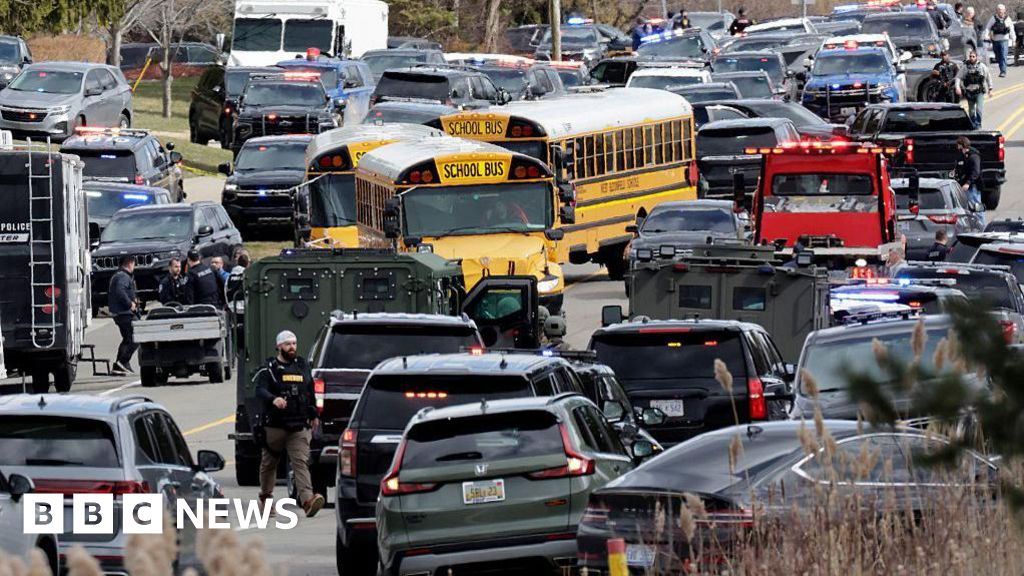
Suspect killed after attempting deadly attack on Michigan synagogue

In a concerning development that underscores rising tensions worldwide, the FBI has announced that an incident occurring recently is under investigation as a targeted act of violence against the Jewish community. This move signals not only the gravity of the event but also highlights an escalation in attacks directed at religious and ethnic minorities across the globe. With political rhetoric and extremist ideologies fueling divisions, authorities now face the formidable challenge of safeguarding vulnerable populations amidst a shifting geopolitical landscape.

Historically, acts of violence against minority groups have often presaged broader societal fragmentation. Experts from international institutions, such as the United Nations, have repeatedly warned about the dangerous consequences of unchecked hate crimes, noting that such events often serve as catalysts for social upheaval. Analysts emphasize that movements driven by nationalist, supremacist, or divisive narratives tend to gain momentum during periods of political uncertainty, amplifying the threat of violence. The recent FBI statement underscores how, in the digital age, radicalization can rapidly manifest into dangerous acts, impacting diplomatic relations and domestic stability alike.

The geopolitical impact of these incidents extends beyond national borders. Countries that harbor large Jewish communities or are engaged in ongoing conflicts with extremist factions have become increasingly vulnerable to retaliatory violence and diplomatic tensions. The incident’s investigation may influence international relations, particularly if it connects with broader plots or extremist networks. As geopolitical analysts caution, when acts of terror strike minority communities, the repercussions ripple through diplomacy, security policies, and societal cohesion in multiple nations. This event comes at a time when many governments are reevaluating their counter-terrorism strategies amidst a backdrop of global instability and ideological conflict.

Through the lens of history, such episodes are reminders that the struggle over identity, security, and sovereignty is far from over. Prominent historians have noted that societies often grapple with these issues during moments of change, potentially marking turning points in national narratives. International organizations, meanwhile, stress the importance of unity in the face of division, urging countries to combat hate with resilience and strengthened cooperation. Yet, as events unfold, the shadow of history reminds us that the choices made today will shape the very fabric of future societies. As night falls on a fragile world, the weight of this unfolding saga leaves one question posed to all: how will nations rise to meet the tide of hatred, or succumb to it?

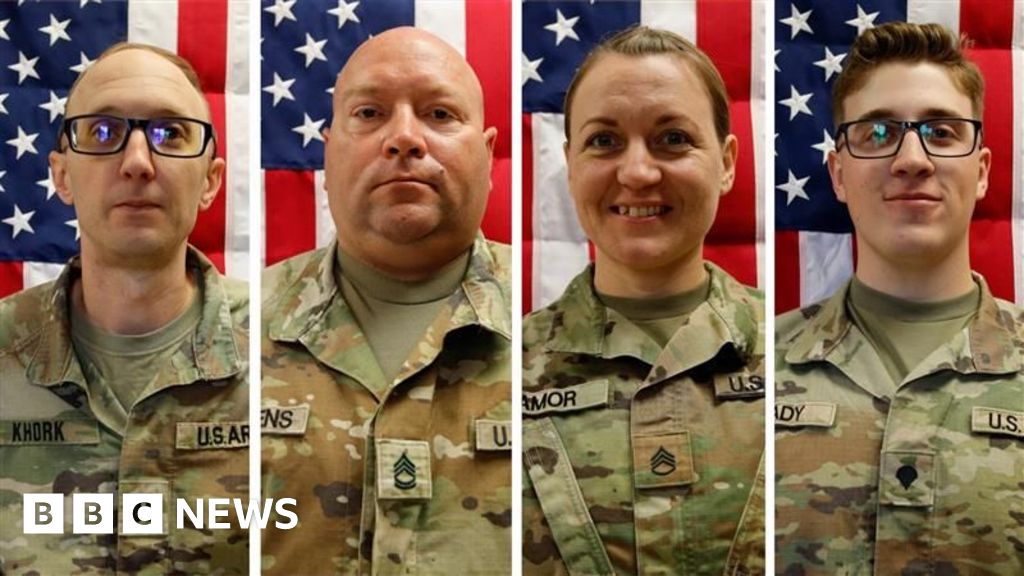
Six U.S. soldiers killed in Iranian attack on Kuwait base amid rising tensions

In a stark demonstration of escalating tensions in the Middle East, the United States government has confirmed that a US military base was hit by Iran on Sunday. This incident marks a significant escalation in a region already fraught with conflict and diplomatic fragility. According to the US defense secretary, the attack involved deliberate projectile strikes, signaling a shift from the longstanding pattern of covert confrontations to visible military provocations. The attack’s timing and target underscore the fragile state of U.S.-Iran relations and threaten to trigger a broader regional security crisis.

The geopolitical impact of this confrontation extends well beyond the borders of the Middle East. Analysts from the International Crisis Group and military strategists warn that such hostilities risk destabilizing already fragile alliances and intensifying proxy conflicts. The attack comes amid ongoing negotiations over Iran’s nuclear program, where diplomatic channels appeared to be making slow progress. Many experts interpret this assault as Iran’s message of defiance, seeking to leverage its strategic position and rally domestic support by challenging American presence in the region. The response from the US and its allies is expected to be decisive, potentially leading to increased military deployments or new sanctions aimed at curbing Iran’s regional influence.

Historically, this incident resonates with past flashpoints in the Middle East, where even a single attack can ignite a series of events with global repercussions. HISTORIAN Robert Peterson emphasizes that these moments are not isolated but are deeply rooted in decades of conflict, foreign intervention, and unresolved grievances. The United Nations has called for restraint, urging all involved parties to avoid further escalation. Yet, the reality is that the international community remains divided on how to address Iran’s regional policies, with Russia and China often seeking to capitalize on Western vulnerabilities for their strategic gains. The incident reinforces the notion that the region is a chessboard for historic rivalry, where even minor skirmishes can spiral into full-scale confrontations with global implications.

As the world watches and waits, the question lingers: how will this attack reshape the balance of power in the Middle East? Will it serve as a warning to those who challenge American dominance, or will it deepen existing divisions? The political and military consequences are yet uncertain, but what is clear is that history is again at a crossroads. The decisions made in these critical moments could determine the course of the 21st century—shaping nations, societies, and generations yet unborn. The unfolding chapters of this crisis may yet become a defining story of our era, a stark reminder that beneath the surface of diplomacy, the specter of war continually looms, waiting to be unleashed at the slightest provocation.

Man tragically killed in axe attack after campground dispute in rural NSW

The recent murder at a remote New South Wales campground underscores a violence that, while seemingly localized, echoes through the geopolitical landscape. The brutal axe attack, which resulted in the death of a 33-year-old man, has not only captivated local authorities but also raised questions about social cohesion and security in an era of increasing unrest. The suspect, a 26-year-old man known to the victim, was swiftly arrested and charged, signaling an unwavering commitment by local law enforcement to uphold order. Such incidents, though isolated in scope, serve as microcosms of societal fragility that can ripple into broader regional stability amid rising tensions.

At a glance, the event appears to be a tragic, domestic altercation. However, analysts suggest that this localized violence can be reflective of deeper societal fractures, especially as nations grapple with the complex aftermath of global conflicts, mass migration, and economic stagnation. Historians warn that unchecked violence at the community level can undermine the fabric of national security—an issue that international organizations and governments are ever more vigilant about. In Australia’s case, the incident adds to a troubling pattern that some experts say foreshadows challenges in maintaining social stability in a nation increasingly exposed to world-stage conflicts and domestic dissent.

This incident arrives amidst a broader international context where conflicts are reshaping the geopolitical landscape. For example, the ongoing tensions in the Middle East have sparked debates among analysts and international bodies about shifting alliances and the imperiled stability of traditional power blocs. As the US and Israel’s recent maneuvers in Iran appear to deepen regional chaos, countries like Australia find their security policies and societal cohesion tested more than ever. The ripple effects of these shifts transcend borders, influencing everything from trade to internal security policies and societal perceptions of threat. Related: Australia’s response to US and Israel’s actions in Iran highlights how international decision-making impacts nations far beyond the Middle East, often leaving everyday communities vulnerable to unforeseen consequences.

Ultimately, these interconnected developments serve as a reminder that history is still being written in real time. The rise of violence at home, coupled with tumult on the world stage, reflects a moment of profound transformation. As nations navigate their paths through geopolitical upheaval, the choices made today will resonate for generations to come. The question remains: will nations adapt and strengthen their societal fabrics, or will the weight of global uncertainty deepen the fractures—pushing the world toward an unpredictable and turbulent future? The unfolding narrative is far from over, and the stakes could not be higher—as history watches, waiting for the next chapter to be written in the shadowy spaces between peace and chaos.

Iran blasts US and Israel for strikes that killed 108 students—who's really responsible?
Iran blasts US and Israel for strikes that killed 108 students—who’s really responsible?

Emerging Uncertainty as US and Israel Silence on Recent Strike Near Military Installations

In an unfolding situation that has captured international attention, the United States and Israel have yet to officially confirm their involvement in a recent strike targeting a locale positioned near elite military troops. The incident, which reportedly took place in a strategic area, has raised numerous questions about the geopolitical ramifications of covert military actions in an already volatile region. While details remain murky, the absence of formal statements from key allies underscores a broader pattern of ambiguity that pervades modern conflicts—where the line between deniability and deliberate signal is often blurred.

This silence by Washington and Jerusalem fuels speculation about the degree of coordination and strategic intent behind such military operations. Analysts suggest that this could be a calculated move aimed at testing regional reactions or sending a discreet message to adversaries without escalating to full-scale confrontation. As noted by geopolitical experts and seasoned historians alike, covert actions often serve as a form of strategic ambiguity, allowing powerful actors to maintain leverage while avoiding immediate diplomatic fallout. The incident comes at a time of heightened tensions in the broader Middle East, where proxy conflicts, political upheavals, and international rivalries continue to shape the landscape.

The geopolitical impact of this event extends beyond the immediate region, with repercussions rippling through global alliances and security frameworks. The United Nations and numerous international watchdogs have expressed cautious concern, emphasizing the need for clarity and restraint. Yet, it is clear that decisions made in backrooms—or through clandestine military strikes—carry profound implications for how nations calibrate power, sovereignty, and security. Historically, similar covert interventions have often led to prolonged instability, as seen in the conflicts of the past where blurred lines between war and diplomacy have resulted in unintended consequences.

Renowned analysts and historians warn that this silence could presage a new era of plausible deniability and strategic unpredictability, which tend to destabilize already fragile peace accords. The absence of transparent communication complicates efforts for diplomatic resolution, potentially pushing the region toward further escalation. As diplomatic channels remain clogged and global powers weigh their responses, the world is left to wonder: are we witnessing a calculated escalation or the quiet prelude to a larger, more destructive conflict? In an era where information is weaponized and regional stability fragile, the choices made today will inevitably shape the course of history—leaving a trace in the annals of international diplomacy that will be studied for generations to come.

US military: 11 killed in strikes on suspected drug boats—tough crackdown continues

In recent months, a disturbing wave of violence has emerged across parts of Central and South America, with reports indicating that more than 130 individuals have been killed in supposed “narco-trafficking operations” allegedly spearheaded by the United States. These actions, which have been characterized by some analysts as aggressive counter-narcotics campaigns, are raising serious questions about their legal, ethical, and geopolitical implications. The toll on local communities and political stability underscores a critical juncture for regional sovereignty and international law.

International observers and regional authorities are divided in their responses. While some praise the efforts to combat drug cartels that threaten societal order, others caution against the overreach of foreign military and law enforcement agencies that risk violating national sovereignty. According to renowned geopolitical analysts, these operations could serve to destabilize governments, exacerbate existing violence, and foster anti-American sentiment that may ripple throughout Latin America. The U.S. government asserts that its actions are necessary to dismantle powerful criminal networks, yet critics argue this approach often results in unintended humanitarian consequences and undermines local legal processes.

From a broader perspective, the geopolitical impact of this escalation extends beyond regional borders. By engaging in aggressive anti-drug campaigns, the United States may be unintentionally fueling a narrative of interventionism that hampers diplomatic relationships with other emerging powers, such as China and Russia. International organizations like the United Nations have called for a *comprehensive, multilateral approach* to narcotics control—yet, many argue that unilateral military actions, cloaked as anti-drug efforts, undermine the very foundations of international cooperation. Historically, such strategies have often led to a cycle of violence and instability, revealing the inherent risks of substituting diplomatic solutions with force.

As histories of past conflicts remind us, the true turning point lies in understanding the complex socio-economic roots of narcotics trafficking and addressing them through sustainable development and law enforcement reforms. The growing death toll and accusations of extrajudicial killings serve as a stark warning: the pursuit of a drug-free society cannot justify disregarding human rights or sovereignty. Nations across the world watch eagerly, aware that each decision made today could shape the future stability of entire regions. The story of these violence-laden campaigns is still unwritten, yet its current chapters echo through halls of international authority—a testament to the enduring, often tragic, struggle of nations to forge peace amid chaos and to define their destiny amid the shadows of unresolved conflicts.

Israeli Airstrikes Smash Gaza, Over 32 Palestinians Reported Killed

In a development that underscores the fragile and volatile nature of Middle Eastern diplomacy, Israel’s military confirmed a series of recent strikes amidst a fragile ceasefire with Hamas. This escalation occurs despite both parties publicly accusing each other of violating the ceasefire agreement, highlighting the ongoing risks of renewed conflict in a region already scarred by decades of instability. The timing of these strikes has raised alarms among global observers who watch the situation with growing concern about potential escalation into broader regional hostilities.

The recent surge in violence occurs at a critical juncture where international mediators, including Egypt and the United Nations, have been exerting diplomatic pressure to solidify a lasting peace. However, analysts from institutions like the Brookings Institution and Chatham House emphasize that the underlying issues—territorial disputes, political divisions, and economic hardships—remain unresolved, making peace fragile and susceptible to breakdown. The ceasefire was initially brokered as a step toward de-escalation, but the continuation of hostilities signals the deep-rooted tensions that continue to threaten regional stability.

The geopolitical impact of these developments extends far beyond the borders of Israel and Palestine. Countries such as Iran, which backs militant groups like Hamas, are closely observing the situation, with many analysts concerned that a renewal of conflicts could ignite wider regional confrontations involving Lebanon and Syria. Additionally, the United States and Russia remain engaged behind the scenes, balancing their strategic interests in the region amidst these flashpoints. The International Crisis Group warns that unresolved conflicts threaten to unravel fragile alliances, creating a geopolitical tinderbox that could ignite broader conflicts.

Historian and Middle Eastern expert Dr. Laura Jensen points out that, “Contemporary conflicts in the region are less about immediate territorial disputes and more about the persistence of identity, ideology, and power dynamics.” She warns that a failure to address the root causes could lead to a cycle of violence that might last generations. International organizations like the United Nations continue to call for restraint, but critics argue that diplomatic efforts often fall short of addressing the structural issues at root. As hostilities flare and peace remains precarious, the world faces a stark reminder of how thin the veneer of stability truly is in such a turbulent sea of history.

As the dust settles after recent military actions, the future of this embattled region hangs in the balance. The conflicting narratives of victory, victimhood, and survival persist, tangled in a complex web of history and politics that shapes the destiny of millions. With each new escalation, the international community is reminded that the choices made today will echo through decades to come. In this unfolding story of conflict and diplomacy, history’s relentless march continues—a powerful reminder that, in the world of geopolitics, peace is often just one misstep away from chaos.

Three Americans killed by ISIS gunman in Syria, U.S. military reports

The recent ambush in Palmyra, Syria, resulting in the death of two US soldiers and a civilian interpreter, marks a stark reminder that the geopolitical landscape in the Middle East remains perilous and volatile. According to the US Central Command, the attack was carried out by a gunman allegedly affiliated with Syrian security forces, with some reports indicating the involvement of elements hostile to both the Syrian government and Western interests. The unclaimed responsibility by any militant group, combined with the Syrian Observatory for Human Rights suggesting the attacker may have been part of the Syrian security apparatus, underscores the complex web of alliances and betrayals woven into the region’s ongoing chaos.

This incident comes amid renewed tensions regarding the U.S. military presence in Syria—a contentious issue that continues to shape international perceptions and impact regional stability. An area where the Syrian government admits to having little control, Palmyra has long been a strategic and symbolic frontline. The attack’s timing, during a joint US–Syrian security operation, highlights the fragile peace and the persistent threat posed by remnants of the Islamic State (IS), which, despite losing territorial control in 2019, still manages to carry out insurgent attacks. The ongoing battle against IS is not just about retaking territory; it’s a broader fight for influence, sovereignty, and regional dominance by global and local powers alike.

International reactions emphasize hardline resolve. US Defense Secretary Pete Hegseth issued a warning that echoes through the corridors of power: “if you target Americans—anywhere in the world—you will spend your brief, anxious life knowing the United States will hunt you, find you, and ruthlessly kill you.” This rhetoric signals an escalation in US military posture and commitment to counter-terrorism operations, despite the risk to diplomatic relations. Meanwhile, Syria’s Foreign Minister Asaad al-Shaibani condemned the attack, extending condolences to the victims’ families, as the Assad regime seeks to project stability amidst chaos. The incident risks igniting further clashes in a landscape where alliances are shifting, and the lines between friend and foe blur.

Historically, analysts and international organizations have warned of the consequences of prolonged foreign military intervention. Global institutions like the United Nations estimate that between 5,000 and 7,000 fighters remain active for IS across Syria and Iraq. Despite recent victories, the jihadist threat persists, facilitated by fractured governance and regional rivalries. The recent rapprochement between Syria and the international coalition combating IS, which includes the US, signifies a precarious hope for stability—yet it also necessitates vigilant watchfulness. As the US continues its military presence, seemingly committed to a undefined mission in Syria, the risk remains that innocents, soldiers, and local populations will continue to pay the price of geopolitical chess games that no longer resemble clean victories.

As history unfolds amid the dust and ruins of Palmyra, the global stage stands at a crossroads. The narratives of American strength, Syrian sovereignty, and the fight against extremism intersect in a tragic tableau—one where decisions made today will echo for generations. With each loss, each attack, the world’s balance teeters anew. The question remains: how much longer can this fragile mosaic withstand the relentless tides of conflict, or are we simply witnessing the beginning of an even darker chapter in Middle Eastern history?

Over 30 killed as military airstrike targets hospital—urgent questions remain

In a troubling escalation of Myanmar’s ongoing civil conflict, deadly air strikes have once again shattered the fragile veneer of stability in the country. Reports confirm that at least 34 civilians, including patients at a hospital in Mrauk-U, were killed when the military regime launched an indiscriminate attack—shocking the international community and underscoring the brutal realities of this protracted conflict. These strikes are emblematic of the regime’s aggressive pushback against ethnic militias, notably the Arakan Army, which has fiercely resisted the military’s attempt to reassert control over contested regions in Rakhine state. With the country’s first election since the February 2021 coup looming on December 28, the military’s escalation points to a deeper struggle over sovereignty, legitimacy, and control.

This episode in Myanmar’s tumultuous political landscape demonstrates the profound geopolitical impact of external influence. The military’s recent procurement of advanced technology and weaponry from Russia and China has significantly shifted the battlefield dynamics, enabling rapid territorial gains through relentless airstrikes and heavy bombardments. These developments have alarmed analysts and international entities like the United Nations, with UN human rights chief Tom Andrews describing the upcoming elections as a “sham,” designed to legitimize a fundamentally illegitimate regime. The military’s tactics of targeting civilian infrastructure, including hospitals and religious sites, serve to defy international condemnation and deepen the humanitarian crisis. As civil liberties deteriorate—a crackdown that has already led to tens of thousands of arrests—the regime’s actions threaten to plunge Myanmar into a new era of violence and despair.

Meanwhile, opposition groups, ethnic militias, and political dissidents have vowed to boycott the elections in protest against what they see as a rigged process designed to entrench military power. Incidents such as the arrest of a candidate from a central Myanmar region and the detention of activists reveal a government intent on silencing dissent. These measures reflect a broader pattern of repression that has become a defining feature of Myanmar’s internal struggles, with rights groups warning that the military regime is consolidating authority through sheer force. The international community’s inability to intervene decisively has left a power vacuum, allowing the junta to conduct its brutal campaign under a cloak of legitimacy—an uneasy, dangerous compromise that may only embolden the regime.

As the world watches Myanmar’s tragedy unfold, history warns us of the peril that comes with turning a blind eye to tyranny. With each bomb dropped and every soldier deployed, the nation drifts further from peace and into the abyss of chaos. The decisions made in the coming weeks will shape Myanmar’s future—either as a sovereign nation fighting for survival or as a fractured state shackled beneath the heel of militarism. In this moment of profound upheaval, the weight of history presses down on every stakeholder, and the story of Myanmar hangs delicately in the balance—its destiny still uncertain, its struggles echoing across borders as a stark reminder of the cost of unchecked power.

Israel investigates reports of 3-year-old killed in Gaza by troops

The latest escalation in the long-standing Israeli-Palestinian conflict has sent shockwaves through the international community, illustrating how fragile ceasefires and peace processes remain amid entrenched hostilities. On Sunday, a tragic incident occurred in Gaza, where a three-year-old girl, Ahed Tareq al-Bayouk, lost her life after being shot near her family’s tent in Mawasi, Rafah. Local sources report her bleeding body as another stark reminder of how civilians, especially children, continue to pay the ultimate price amidst the ongoing violence. The Israel Defense Forces claimed they were aware of the incident, yet, without concrete evidence or admission of responsibility, many question whether such tragic episodes are mere collateral damage or indicative of deeper issues. Since a ceasefire in October, over 370 Palestinians have been killed, including more than 140 children, with humanitarian conditions deteriorating rapidly—a situation that international watchdogs like Amnesty International describe as a humanitarian catastrophe.

The incident takes place within the context of the first phase of a US-brokered plan intended to de-escalate tensions and bring some semblance of stability to Gaza. Under this plan, Israeli troops agreed to withdraw behind the so-called Yellow Line, a temporary demarcation zone, and all 20 living and 28 of the deceased hostages taken during the Hamas-led attack on southern Israel in early October have been returned, except for the remains of a slain police officer. These developments, however, mask the deeper layers of uncertainty and distrust that persist. The violence and loss of life have rendered hopes of quick resolution fragile, and international organizations like the UN and WHO warn that medical and humanitarian crises continue to worsen, with thousands of Palestinians in urgent need of evacuation and medical aid denied or delayed due to access restrictions.

Pushes for a broader, comprehensive peace seem increasingly entangled in competing narratives and geopolitical interests. Qatar’s Prime Minister Sheikh Mohammed bin Abdulrahman al-Thani describes the current situation as a “pause” rather than a ceasefire, emphasizing ongoing international efforts to advance toward a second phase. This phase envisions establishing an interim governing authority, deploying an international security force, and disarming Hamas—steps which are critical but also fraught with political and strategic hurdles. Notably, the plan involves the oversight of a Board of Peace, led by former U.S. President Donald Trump, reflecting a significant U.S. interest in shaping the region’s future. The hope is that such measures could open the door to Palestinian self-determination and, ultimately, the recognition of a Palestinian state, an idea championed by many Western leaders as a pathway to lasting peace.

However, the political landscape remains deeply divided. During a recent Jerusalem visit, German Chancellor Friedrich Merz showcased support for the concept of a Palestinian state as a potential means of achieving a “new Middle East”. Conversely, Israeli Prime Minister Benjamin Netanyahu expressed unwavering opposition. He articulated a fundamental concern: that a Palestinian state would be a strategic threat to Israel’s existence, claiming, “the purpose of a Palestinian state is to destroy the one and only Jewish state”. Such stark opposition underscores the profound geopolitical rift that persists, with both leaders signaling readiness to move forward but under vastly different conditions. Netanyahu’s planned discussions with U.S. President Donald Trump in late December could be pivotal, either cementing the next phase of the plan or reasserting Israel’s refusal to budge from its position.

As the region stands on the brink of further upheaval, the weight of history presses upon the present. The unfolding narrative, driven by decisions made in backrooms and corridors of power worldwide, reveals that the journey toward peace is neither linear nor guaranteed. The lives lost, the political divides, and the international stakes form a tragic mosaic—a stark reminder that the fights shaping today’s Middle East will echo through history, with every hope for resolution challenged by the indomitable realities of war, sovereignty, and security. The world waits with bated breath as the story continues to unfold, knowing that the decisions taken today will leave an indelible mark on the pages of history yet to be written.

Social Media Auto Publish Powered By : XYZScripts.com