Matox News

Truth Over Trends, always!

Tourists Among 23 Killed in Goa Nightclub Fire—A Tragic Blow to Our Tourism Sector

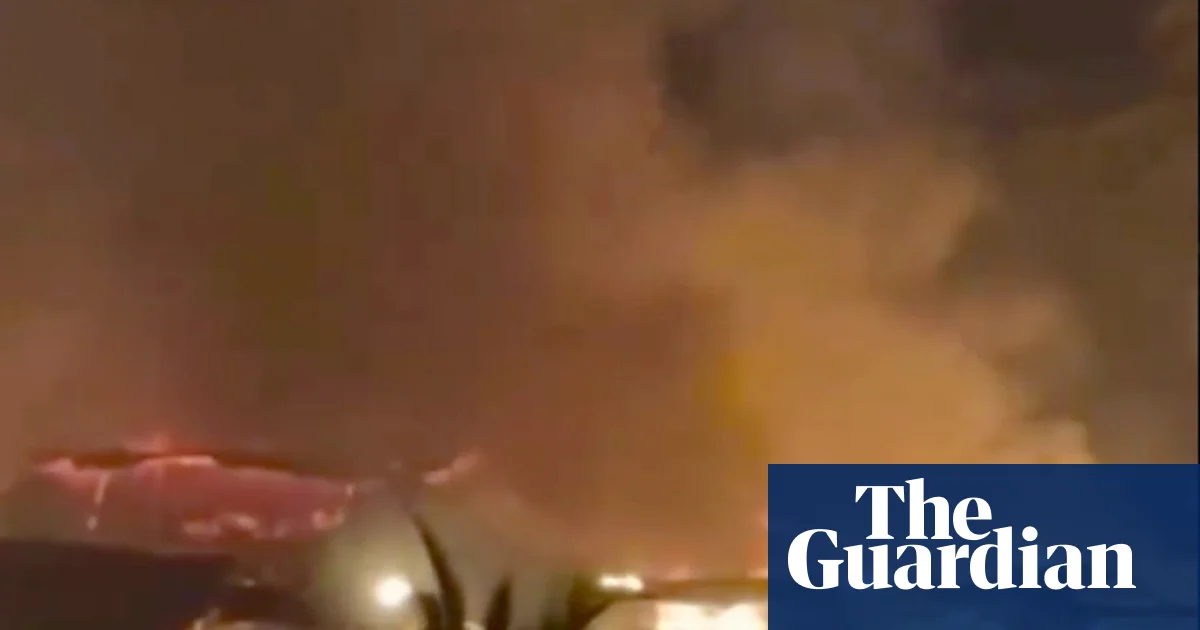
In recent years, the alarming frequency of destructive fires across India has become a stark reminder of the profound risks inherent in rapid urbanization and insufficient safety regulation. The tragic loss of at least 23 lives in a nightclub fire in Goa, a renowned tourist haven, underscores a troubling pattern with direct repercussions for national stability and international perception. While the immediate focus centers on the victims and emergency response, the broader geopolitical impact cannot be ignored, as such incidents reflect poorly on India’s ability to ensure the safety of its citizens and visitors, impacting foreign tourism and international confidence.

Historically, India has grappled with the challenge of enforcing rigorous building safety standards amidst a booming economy that often prioritizes quick development over quality control. Recent events, including a fire in Hyderabad resulting in 17 deaths, and a deadly blaze in Kolkata that claimed 15 lives, reveal systemic failures that span across urban planning and regulation enforcement. Prominent international organizations, such as the United Nations, warn that neglecting safety standards exacerbates vulnerability during emergencies, leading to increased fatalities and societal destabilization. Experts like Dr. Arun Malhotra, a prominent urban safety analyst, argue that these tragedies are largely preventable, given proper adherence to safety protocols. Yet, the persistent recurrence of such incidents underscores a deeper problem: the inability of local authorities to uphold or enforce effective fire safety laws, which in turn erodes public trust in governance.

Moreover, these recurring tragedies serve as a geopolitical reflection of India’s complex internal challenges. As the world’s largest democracy, India seeks to project strength and stability on the international stage, but these failures threaten to undermine that image. The late 2020s have seen heightened scrutiny from foreign investors and tourists, concerned about security and infrastructure conditions. The recent proposed safety audits by local officials, spurred by these fires, highlight efforts to address this concern. Yet, critics remain skeptical, warning that without systemic reforms, such incidents could metastasize into crises that diminish India’s soft power and economic prospects. In particular, Goa’s status as a world-famous tourist destination puts immense pressure on local and national authorities to balance growth with safety. International observers and foreign governments are watching closely, as the potential for a large-scale tragedy could have ripple effects, unsettling regional stability and strategic alliances.

On a broader canvas, these fire incidents are emblematic of an urgent need for comprehensive reform, not only within India but as a warning to global partnerships. The collapse of safety standards in some of India’s busiest shared spaces stands as a cautionary tale against complacency amid rapid development. As China, Pakistan, and other regional powers navigate their own internal crises, the international community must recognize that the stability of each nation impacts collective security. The unfolding chapter of India’s safety crises serves as a stark narrative in the geopolitical saga—a reminder that progress is meaningless if measured in economic terms alone, without safeguarding human lives and social order. History’s relentless march dictates that the true measure of a nation’s strength lies in its ability to protect its citizens, yet, tragically, India’s recent history reveals a dangerous gap between aspiration and reality—a gap that may yet widen if urgent reforms are not enacted to prevent the next catastrophe from writing its chapter in the annals of history.
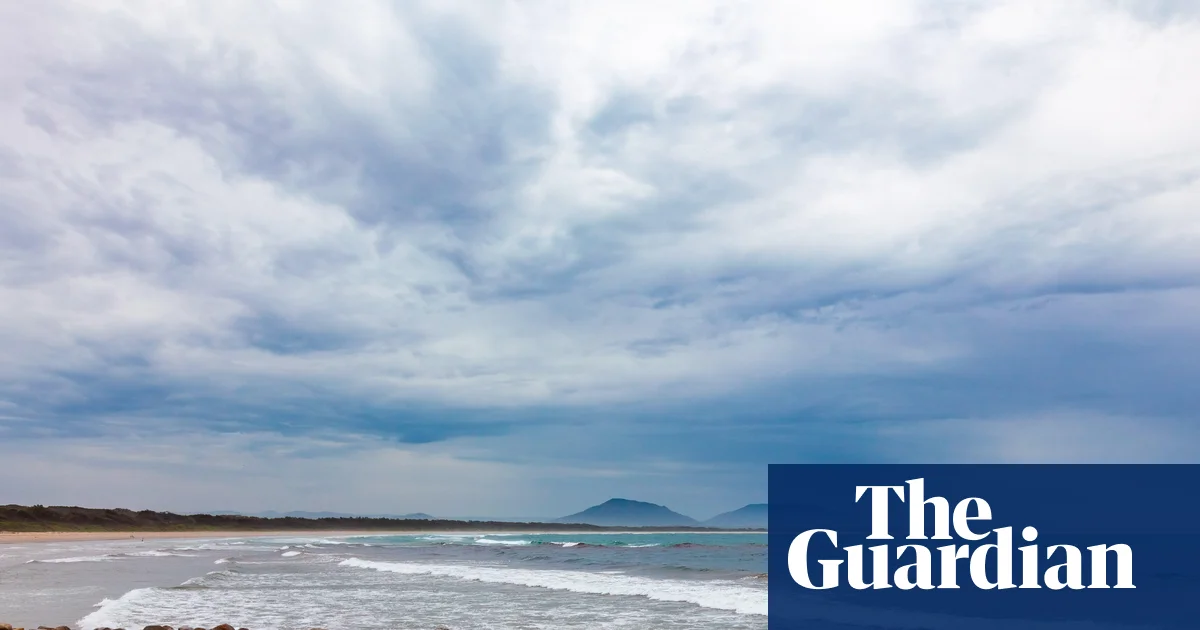
Australia Shark Attack: Woman Killed, Man in Critical Condition on NSW Beach

Rising Tragedy on Australia’s Shores: A Wake-Up Call for Global Marine Safety

In the latest chapter of Australia’s ongoing struggle with marine safety, a tragic shark attack on the New South Wales mid-north coast has resulted in the death of a woman in her 20s at Kylies Beach. Emergency responders responded swiftly early Thursday morning, but despite their efforts, the woman succumbed to her injuries at the scene. The incident also left a man critically injured, though he is now reported to be in a serious but stable condition. Such events have become a stark reminder of the increasing dangerous interactions between humans and marine life, sparking debates on how international communities should address the rising threat of shark attacks amid climate shifts and human encroachment.

Australia’s rising number of shark bite incidents has raised alarm bells across the international community, with experts citing an unprecedented increase in unprovoked bites over the last two decades. According to Prof. Charlie Huveneers from Flinders University, while the surge in water activities among Australians contributes to the risk, other factors—possibly including climate change, coastal development, and shark migration patterns—are fueling an intensifying threat. Over the past year alone, Australia has experienced five fatalities due to shark attacks, with the current year marking 13 unprovoked bites—10 fewer than 2023 but still indicative of a troubling trend.

Local authorities, responding to the incident, promptly closed Kylies Beach and deployed advanced “smart” drumlines equipped with real-time shark monitoring capabilities. These non-lethal devices, which use baited hooks to lure and tag sharks before releasing them back into open waters, exemplify innovative strategies being considered by international marine safety agencies. A report from the Department of Primary Industries (DPI) aims to identify the species involved and assess the ongoing threat, demonstrating Australia’s commitment to balancing ecological integrity with human safety. Such measures, along with drone surveillance, highlight how technology is increasingly critical in managing human-wildlife interactions on a global scale. However, international experts note that while these efforts are vital, they remain only part of the solution, as the root causes of rising shark encounters are complex and multi-faceted.

Looking beyond Australia, the geopolitical impact of marine safety and climate-related shifts in marine ecosystems could have far-reaching consequences. Nations with extensive coastlines—such as the United States, South Africa, and countries across Southeast Asia—are closely watching Australia’s approach, as the patterns of shark migrations and oceanic changes are global phenomena. As international organizations like the United Nations Environment Programme (UNEP) caution about climate change’s role in altering marine biodiversity, analysts warn that uncoordinated responses could exacerbate tensions and threaten maritime economies. Historians and environmental experts emphasize that these incidents are a “turning point,” underscoring the urgency of collective global action on climate mitigation, marine conservation, and sustainable tourism. Failing to act decisively may result in an era where coastlines are plagued by ever-increasing dangers, and societies are forced to confront the devastating costs of ecological neglect.

In this unfolding saga of survival and sovereignty over the seas, the incident at Kylies Beach serves as a visceral warning—one that underscores how decisions made today will carve the contours of future generations’ relationship with the ocean. As history rushes forward, the question remains: will humanity learn to coexist with these majestic but unpredictable creatures, or will we continue to witness tragedies that echo through the corridors of time? The weight of this moment rests heavily on the shoulders of international leaders, environmental strategists, and communities alike. The tide is turning; the narrative of human stewardship over the ocean is still being written, and the world hangs in the balance as nature’s patterns reveal that no coast, no matter how remote, is immune to the profound shifts underway.

Four Killed in Nighttime Strikes on Neighborhoods—A Wake-Up Call for Our Streets

The recent surge in hostilities between Russia and Ukraine underscores the volatile state of Eastern Europe’s geopolitical landscape. Overnight drone strikes launched by both nations have resulted in tragic casualties and widespread destruction, highlighting a relentless cycle of violence that threatens regional stability. Kyiv reported a “massive” Russian drone assault targeting the Ukrainian capital, causing fatalities, injuries, and damaging critical infrastructure. Meanwhile, Moscow’s accusations of Ukrainian strikes in the Rostov region reveal how this conflict has expanded beyond conventional borders, with civilian lives caught in the crossfire.

This deteriorating situation follows palpable shifts in diplomatic negotiations. Ukrainian President Volodymyr Zelensky welcomed proposed modifications to a controversial 28-point peace plan brokered with the backing of the United States. However, these adjustments were swiftly dismissed by the Kremlin as “completely unconstructive,” exposing deep fissures in the international effort to forge a sustainable resolution. Analysts from the International Crisis Group warn that such dismissals portend a scenario where diplomatic efforts remain deadlocked, prolonging the suffering on the ground and entrenching divisions among allies.

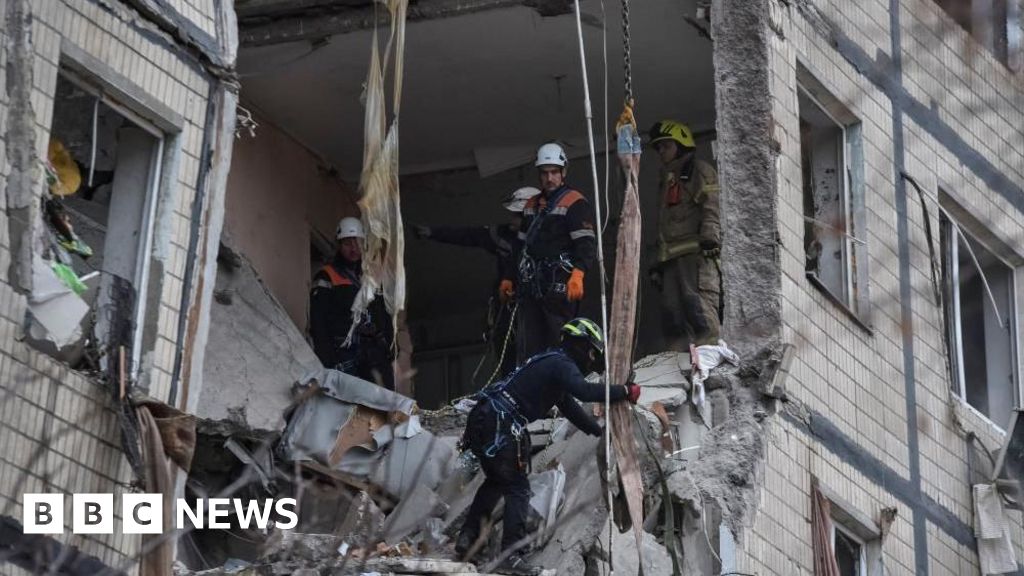
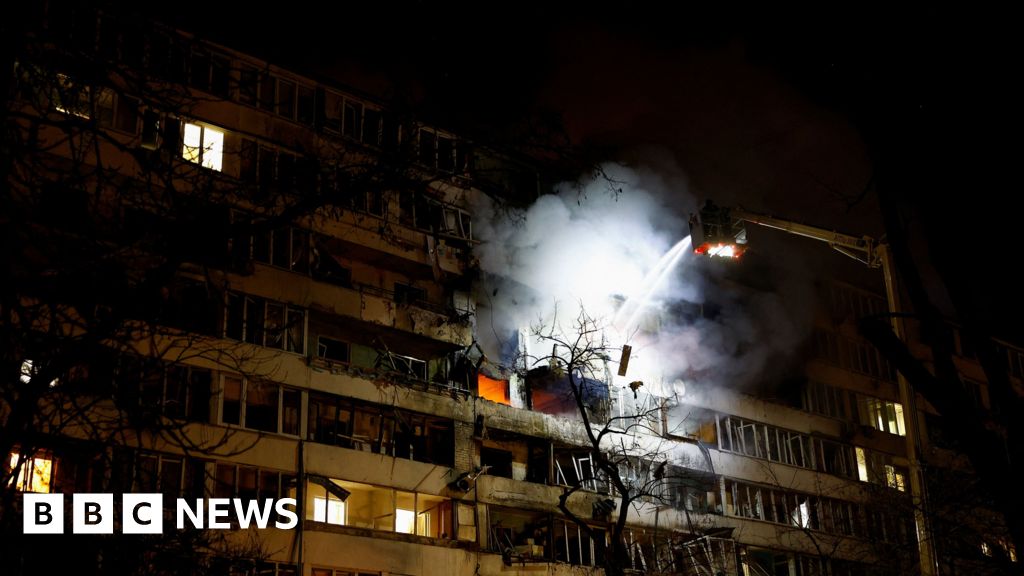
Furthermore, the recent attacks underscore how disrupted energy and civil infrastructure amplify the war’s toll on societies. Kyiv’s authorities have reported multiple residential high-rises ablaze, with emergency services evacuating countless residents amidst ongoing threats. Ukraine’s energy ministry announced a “massive, combined enemy attack” targeting vital electrical and water supplies, a move that risks plunging the nation into deeper hardship during winter. These actions reflect not just military strategies but also a calculated effort to undermine Ukraine’s resilience, a move widely condemned by global observers. The impact of such destruction reverberates beyond immediate casualties, threatening to destabilize civilian life, hinder recovery, and test the endurance of the Ukrainian people.

On the geopolitical stage, the events illuminate how Russia and Ukraine serve as pivots in a broader contest involving Western allies and Eastern powers. US policymakers, including White House spokesperson Karoline Leavitt, express cautious optimism about the diplomatic process, citing hope that a comprehensive plan may eventually materialize. Yet, historical analysts warn that the war’s escalation, combined with entrenched national interests, could entrench a protracted conflict with unpredictable outcomes. Some experts interpret this turmoil as a pivotal moment—the potential for a breakthrough or the slide into further chaos—hinges on external diplomatic finesse and internal resolve.

As the frontlines continue to shift and the war’s toll mounts, the international community faces a profound moral and strategic dilemma. The story unfolding in Ukraine is not just a regional conflict but a defining chapter in the 21st century’s geopolitical narrative. Each decision, each strike, and each diplomatic gesture writes a new line in the chronicles of history—an unfolding drama where the weight of nations and the hopes of millions hang precariously in the balance. The shadows of this crisis threaten to shape the landscape of global power, with consequences echoing long after the fighting ceases, leaving future generations to grapple with the scars of today’s choices, while the world watches in tense anticipation of what tomorrow may bring.

Six Killed as Russia Strikes Ukraine’s Energy and Homes

Russian Attacks Escalate as Ukraine Struggles to Hold Ground

In an alarming display of ongoing hostilities, Russia launched a significant barrage of missile and drone attacks against Ukraine overnight, marking yet another chapter in this brutal conflict. At least six civilians have tragically lost their lives, while dozens more are wounded amid relentless strikes targeting energy infrastructure and residential areas across the nation. Key cities such as Dnipro and Zaporizhzhia were hit hardest, with residential buildings reduced to rubble and vital energy facilities severely damaged. As winter approaches, the Ukrainian government faces a mounting challenge — how to maintain essential services and morale in a climate of war-induced hardship. Prime Minister Yulia Svyrydenko confirmed that emergency work is underway to restore power in affected regions, yet the scale of the destruction underscores the strategic objective behind these assaults: to cripple Ukraine’s ability to sustain itself through the cold months ahead.

According to Ukrainian military sources, Russia employed more than 450 attacking drones and 45 missiles in this latest offensive, with Ukrainian forces managing to down a significant portion—around 406 drones and nine missiles—demonstrating the ongoing technological contest between the two nations. Analysts warn that these attacks are likely aimed not only at military targets but also at sapping the war-weary population’s resilience and economic stability. The disruption of energy supplies threatens to plunge large swaths of Ukraine into darkness and cold, potentially undermining civilian morale at a critical juncture. Meanwhile, Russia defends these actions as legitimate military operations targeting Ukraine’s military infrastructure, a claim dismissed by Kyiv and Western allies as an attempt to terrorize civilians and undermine national sovereignty. Historians and strategic analysts note that this cycle of aggression marks a pivotal moment—one that could either deepen Ukraine’s resolve or accelerate its vulnerabilities in the coming winter months.

The international community watches anxiously as President Zelensky and Western leaders demand stronger sanctions and more decisive actions against Moscow. Zelensky explicitly called for “no exceptions” in sanctions targeting Russian energy—the very lifeblood of the Russian economy—as a means to pressure Moscow into ceasing its assaults. His appeal comes amid a complex geopolitical backdrop, where recent policies by the United States exemplify the tense balancing act of diplomacy and economic warfare. Just hours before these attacks, the U.S. granted Hungary a one-year exemption from restrictions on oil and gas imports from Russia, a decision that drew criticism from Kyiv and some European capitals. This exception underscores fears that some Western nations may be wavering when it comes to fully countering Moscow’s strategic energy leverage, jeopardizing the unity needed to support Ukraine’s fight for sovereignty.

The unfolding crisis threatens to define the geopolitical landscape for years to come. As Western sanctions strain Russian resources, Moscow’s response has been to escalate attacks and project resilience, seeking to redefine the rules of engagement and energy diplomacy. International organizations and security analysts warn that these developments could set a dangerous precedent, emboldening Russia to continue its expansionist policies. Against this backdrop, Ukraine’s youthful defenders and resilient civilians stand at a crossroads—faced with the daunting reality that every strike, every blockade, is an act of history in the making. The battle today is not just for territory but for the preservation of sovereignty and the future of a free society. As the winter looms and the world watches, the true resilience of Ukraine—and the ability of the free world to stand united—may determine the shape of peace in the years ahead. In this epic struggle, history’s pen continues to write, and the weight of the future hangs precariously in the balance.

Five German climbers tragically killed in avalanche in northern Italy

The Italian Alps, long a playground for European thrill-seekers, have recently claimed another tragic chapter in their storied history of mountaineering accidents. Five German mountaineers lost their lives after being caught in a deadly avalanche near the summit of Cima Vertana in the Ortles mountain range. The harsh realities of the high-altitude environment and the increase in dangerous backcountry activities highlight a broader issue that resonates far beyond Italy’s borders.

Rescue authorities reported that the avalanche struck around 4 pm on a Saturday, an hour when many climbers are seeking to reach or descend from the peaks. The victims belonged to three separate groups, each pursuing their own ascent independently—an indication of the expanding appeal and accessibility of alpine mountaineering among amateurs from Germany and neighboring nations. The bodies of three hikers—two men and a woman—had been recovered by Saturday evening, while two others— a man and his 17-year-old daughter—were tragically found the following morning. The incident illustrates how a single event can cascade into a national tragedy, emphasizing how choices to pursue dangerous pursuits without regard for conditions can have fatal consequences.

This tragic event is not isolated but instead underscores a persistent risk that endures across the European mountain regions. Avalanche accidents remain a significant concern in the Italian Alps, where fatalities average higher than in other major ski nations over the past decade. According to international hazard assessments, these tragedies are often compounded by factors such as unpredictable weather, increased snowpack, and rising numbers of adventure tourism enthusiasts heading into remote, less-charted terrains. European mountaineering experts warn that the increase in accidents correlates with more adventurous tourists eager to exploit fresh snow—an unfortunate risk that highlights the ongoing struggle between human ambition and nature’s unforgiving power.

The geopolitical impact of such incidents extends beyond individual tragedies, stirring debates over safety regulations, tourism policies, and regional cooperation in mountain rescue operations. As the Alpine regions attract record numbers of visitors from across the continent—to boost local economies and foster international camaraderie—the responsibility to ensure safety becomes a shared issue among nations. European organizations, including the European Avalanche Warning Services and Mountaineering Federations, are increasingly calling for standardized safety protocols and better risk education, yet gaps persist in enforcement and resource allocation. Meanwhile, the Italian government and local authorities are under pressure to balance economic interests—such as tourism—with the imperative to protect lives in increasingly perilous environments.

International analysts point to a broader climate shift and changing weather patterns that threaten to escalate the frequency and severity of natural disasters in mountainous regions, making the call for international cooperation even more urgent. In the words of historians, such as John Lewis Gaddis, history often teaches that human hubris and underestimation of nature’s power can have profound consequences. The recent avalanche serves as a stark reminder that in regions where nature’s beauty masks its ruthlessness, decisions by a few can alter the course of history—not just for those directly involved, but for entire societies watching from afar. As rescue teams brace for more adverse weather conditions, the stories of these five mountaineers become part of a larger narrative—one of ambition, vulnerability, and the relentless call of the mountain, echoing across borders and generations, whispering that the unfolding story of our highlands remains unwritten, and the weight of history presses ever closer.”

Taliban Claim Pakistani Troops Killed in Retaliatory Border Clash

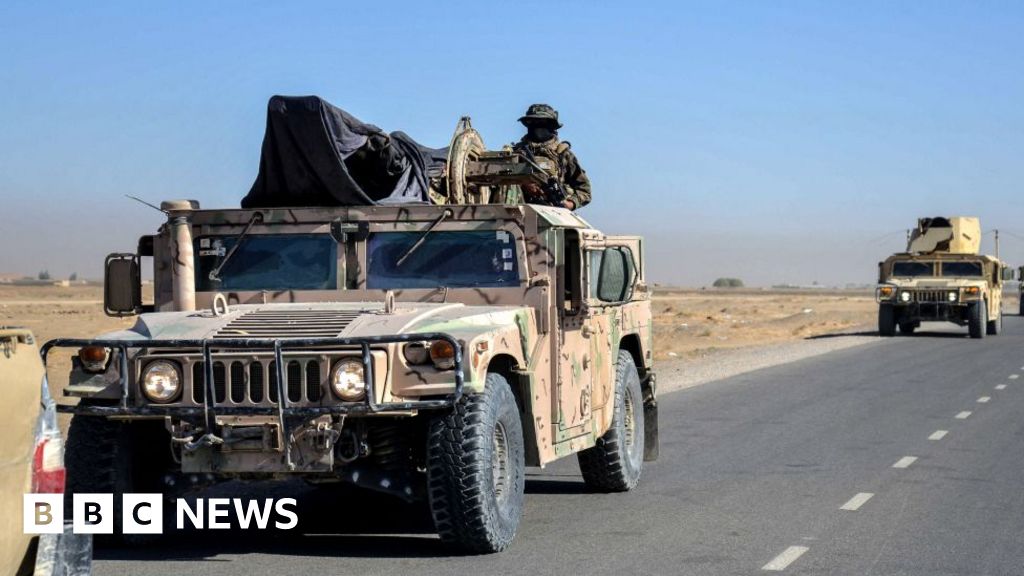
The recent surge in hostilities along the Pakistani-Afghan border marks a significant escalation in a long-standing conflict that threatens regional stability. The Taliban government in Afghanistan has publicly declared its involvement in clashes with Pakistani troops, claiming to have inflicted substantial casualties on Pakistan’s military personnel. According to a Taliban spokesman, 58 Pakistani soldiers were killed in what they described as an act of retaliation, asserting that Pakistan had violated Afghan airspace and bombed a market inside Afghan territory. However, international analysts suggest these figures may be inflated for political leverage, with Pakistan disputing the death toll, asserting only 23 of its soldiers were casualties and claiming a higher number of Taliban fighters have been neutralized. This tit-for-tat exchange underscores the fragile, often violent nature of border relations and intensifies concerns of an all-out regional conflict spilling beyond local skirmishes.

The geopolitical impact of these clashes extends far beyond the borderlands. Both nations accuse one another of harboring and supporting terrorist groups, with Islamabad alleging that Kabul shelters militants who threaten Pakistani security—particularly the Pakistan Taliban, or TTP. Conversely, the Taliban deny these allegations, emphasizing their commitment to controlling their territory post-U.S. withdrawal. Historians and regional analysts warn these accusations could serve as pretexts for wider military engagement, ultimately destabilizing the entire South-Central Asian corridor. Major crossings, such as Torkham and Chaman, have now been shuttered, cutting off vital trade routes and amplifying economic hardship—effects that ripple into local societies and global markets alike. The closure leaves hundreds of trucks stranded, exemplifying how diplomatic failures transform into tangible economic crises that threaten livelihoods on both sides of the border.

Within the broader international landscape, calls for restraint have emerged from regional and global actors. Saudi Arabia and Qatar have urged both Pakistan and Afghanistan to prioritize dialogue and diplomacy, warning that escalation could spiral into a conflict with widespread repercussions. Meanwhile, India has expressed cautious optimism about renewed diplomatic engagement with the Taliban, emphasizing the importance of regional stability. Such developments illustrate the intense diplomatic chess game unfolding, where alliances are tested and regional power dynamics shift rapidly. This volatile mix of accusations and military action underscores the fragile balance of power, which, if destabilized further, risks drawing neighboring countries into a widening conflict—one that is as unpredictable as it is dangerous.

As historians scrutinize this turning point, experts warn we are witnessing the unfolding of a new chapter in regional power struggles. The fragile ceasefire and border closures threaten to unravel years of cautious diplomacy. With China and Russia watching closely, the situation embodies a larger geopolitical contest over influence in Central Asia—an arena where the fate of sovereignty, security, and peace hangs precariously. This clash, unfolding with the violence of a tragic play, leaves the world’s gaze fixed on an uncertain horizon. The echoes of history remind us: in this volatile theater of nations, the line between peace and chaos remains razor-thin, and the next move could redefine the destiny of countless societies—an enduring reminder that, in the grand tapestry of geopolitics, the story is still being written.

Three Killed in Light Plane Crash Near Wollongong—Authorities Investigate

The recent crash of a light aircraft near Wollongong, New South Wales, resulting in three fatalities, underscores the persistent vulnerabilities faced by civil aviation globally. The incident, which occurred just after take-off from Shellharbour Airport on Saturday morning, brings to light critical issues of safety, security, and the importance of rigorous oversight in the aviation sector amidst escalating geopolitical tensions. As emergency responders and aviation authorities conduct investigations, the tragedy serves as a stark reminder of how fragile human life can be in the face of technological mishaps or failings.

Experts and international organizations have long emphasized that such accidents, while often localized and tragic on a human level, can have wider geopolitical implications. The Australian Transport Safety Bureau has taken charge of the investigation, but analysts point to broader systemic vulnerabilities in small aircraft operations that are often overlooked in favor of high-profile military or commercial aircraft safety. The incident comes at a time when global tensions are rising, with many nations tightening aviation and security protocols amid fears of sabotage or terrorism. This event raises critical questions about how nations safeguard their borders and public spaces from emerging threats, especially in regions that are both strategically vital and symbolically significant.

Furthermore, security analysts note that international cooperation in aviation safety is vital, and incidents like this accentuate the importance of transparent, coordinated efforts. While there is no indication of foul play in this specific accident, it redoubles calls from scholars and institutions such as ICAO (International Civil Aviation Organization) to strengthen joint safety frameworks. Events like these serve as a warning—a turning point signaling the need for renewed vigilance in safeguarding critical infrastructure. These tragedies reverberate well beyond local communities, impacting societal trust, policymaking, and international relations, especially as countries navigate complex issues of sovereignty and security in an interconnected world.

As the investigation continues and details emerge, the broader geopolitical landscape remains unsettled. Governments worldwide are grappling with replacing aging infrastructure, securing airspace, and confronting unpredictable threats—challenges that require unwavering international collaboration. The loss of three lives is a human tragedy, but it also symbolizes the ongoing struggle of nations striving to protect their citizens amidst a shifting geopolitical fabric. With each incident, history itself is written—reminding the world that peace, security, and safety are not guaranteed, but must be relentlessly worked for, especially in turbulent times. The unfolding story of this tragedy leaves an ominous message: in a world of uncertainty, every moment counts, and history’s next chapter is yet to be written.

Israeli Attack Targets Yemen's Houthis, Reports Say Eight Killed
Israeli Attack Targets Yemen’s Houthis, Reports Say Eight Killed

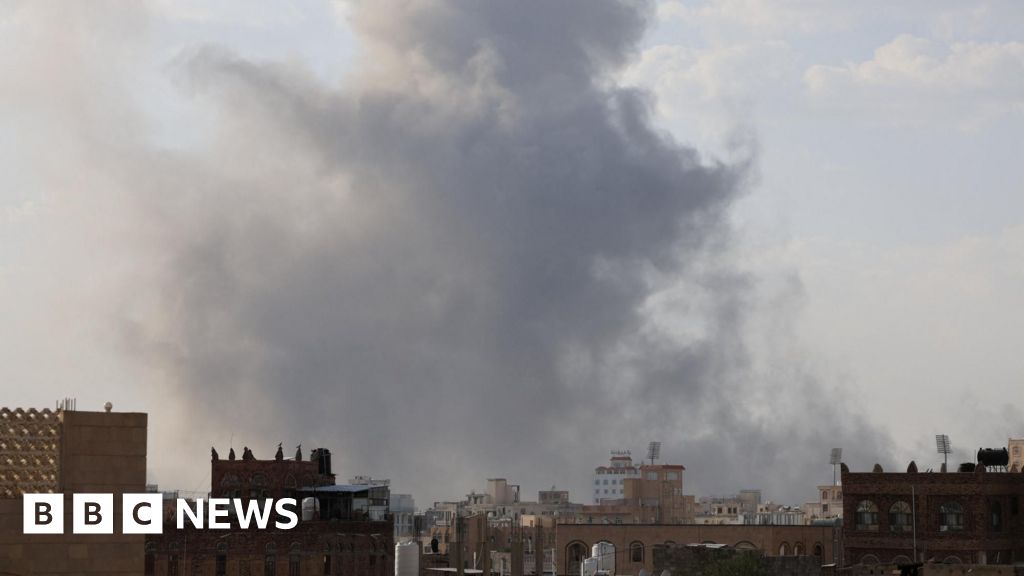
The recent escalation between Israel and the Houthi movement in Yemen signals a disturbing shift in the regional geopolitical landscape, one that threatens to drag multiple nations into a broader conflict. The Israeli Defense Forces (IDF) announced their most extensive strike in Yemen to date, targeting Houthi military and intelligence facilities in Sanaa. The attack, carried out by dozens of Israeli aircraft, signifies a bold declaration of intent—one that underscores Israel’s determination to respond to the repeated drone and missile assaults emanating from Houthi-controlled territories. This offensive marks a crucial turning point, cementing the perception that the conflict in Gaza is transcending borders and inspiring regional actors to take a more active stance.

  • On Thursday, the IDF targeted facilities including the Houthi military’s General Staff Command Headquarters and security compounds, aiming to cripple the group’s operational capabilities.
  • The Houthis, claiming to support Palestinian resistance, have been attacking Israel and global shipping lanes in the Red Sea and Gulf of Aden—an assertion that official analysts describe as an attempt to expand their influence beyond Yemen’s borders.
  • Violence in Yemen, now eclipsing its civil war cycle, risks becoming a pivotal regional flashpoint, drawing in international powerbrokers and sparking fears of a wider confrontation.

In Yemen itself, the fallout has been devastating. Civilian casualties are mounting as the Israeli strikes hit residential areas and vital infrastructure, including the Dhahban power station. The Houthi-run health ministry reports at least eight killed and over 140 injured, with first responders battling to recover victims buried beneath rubble. Such figures highlight the increasing toll on Yemen’s already devastated society, emphasizing how the ripple effects of this conflict threaten to destabilize a fragile state. Historians warn that prolonged violence risks transforming Yemen into a regional battleground, much like Syria or Libya, with repercussions that will extend far beyond its borders.

Meanwhile, international organizations have condemned the escalation, though some analysts argue these condemnations are more performative than effective. The United Nations has called for restraint, but the reality on the ground suggests that neither side intends to back down soon. The Houthi leadership, led by Abdul Malik al-Houthi, frames this escalation as a response to Israeli aggressions in Gaza. Their spokesperson described the attack on Eilat—a drone launched from Yemen—as retaliation for what they called “genocide” and “dangerous escalation” by Israel towards Palestinian civilians. Such rhetoric raises the stakes, transforming localized skirmishes into a broader ideological conflict rooted in regional power struggles and religious identities.

Security experts caution that this clash is not isolated; rather, it is intertwined with the strategic ambitions of global actors, including Iran, which is believed to provide support to the Houthis. The recent wave of violence underscores how decisions made in Jerusalem or Sanaa can ripple across continents, influencing international diplomacy and military alliances. The offensive also signals an unsettling shift: the emergence of Yemen as a new front in Israel’s regional security calculus. Analysts warn that unless international diplomacy intervenes swiftly, what begins as localized strikes could evolve into a protracted conflict with unpredictable consequences, threatening to reshape the Middle East’s geopolitical contours.

As history continues to unfold in the shadows of crossfire and diplomacy, the world is left contemplating the weight of these events. The drums of war beat louder, echoing across the sands and seas—reminding nations of the fragile threads upon which peace and chaos hang. The unfolding saga of Israel and Yemen is not merely a regional dispute, but a chapter in a larger story of power, ideology, and survival—where the decisions carved into history’s granite today may define the destiny of nations for generations to come.

Israeli Bombs Hit Gaza, Dozens Killed as Offensive Grows

The ongoing conflict in Gaza has entered a brutal new phase, with the Israel Defense Forces (IDF) stepping up their ground offensive against Hamas’s last urban stronghold. Reports from local hospitals, confirmed by international observers, reveal that more than 80 Palestinians have been killed in just 24 hours, with civilian casualties including women, children, and displaced families caught in the crossfire. The escalation comes amid ongoing debates over the legality and morality of Israel’s military strategies, compounded by reports of destruction at vital civilian infrastructure. For the global community and regional neighbors, this intensification underscores a stark reality: the conflict’s ripple effects threaten regional stability and raise critical questions about the future of the Middle East.

Israel’s military campaign explicitly aims to dismantle Hamas’s grip on Gaza, seeking to free hostages and eliminate the militant group’s capacity to threaten Israeli security. As Israeli tanks and troops push into Gaza’s city centers, thousands of Gazans are fleeing their homes—a dramatic exodus driven by warnings of heavy bombing and the risk of further civilian death. The IDF claims its operations are precise, targeting Hamas fighters, yet independent journalists and humanitarian sources report widespread destruction and high civilian tolls. Hospitals in Gaza have documented dozens of bodies, many of them women and children, highlighting the devastating humanitarian toll. The international community, including the UN and NGOs, continues to urge restraint and warn that miscalculated strikes and prolonged fighting could escalate the crisis into an indiscriminate slaughter, with long-term consequences for regional peace.

The geopolitical impact of this renewed escalation is profound. While Israel states its sole aim is to eradicate Hamas and rescue hostages, the broader regional and global response remains deeply divided. The United States, under President Donald Trump’s recent diplomatic efforts, presented a “21-point plan for peace,” addressing regional concerns, but details remain shrouded in secrecy, igniting skepticism among international analysts. Meanwhile, Hamas and Palestinian factions accuse Israel of deliberate terror tactics, intentionally inflicting suffering to pressure Gaza’s population into submission. Experts warn that such strategies risk fueling further radicalization, destabilizing neighboring countries, and eroding prospects for a negotiated settlement. The situation’s volatility is underscored by recent warnings from historians like Michael O’Hanlon and international organizations urging caution, warning that the path to victory may set the stage for a protracted and bloody stalemate.

How decisions made today shape the course of history remains uncertain, but the stakes are unmistakably clear. Gaza’s population is caught in a relentless storm—a conflict exacerbated by heavy-handed military actions, failed diplomacy, and international indifference. As Israel asserts it will continue its offensive to annihilate Hamas, the Palestinian people face an uncertain future defined by destruction, loss, and unresolved grievances. The relentless march of history presses forward, and with each new conflict zone, the world bears witness to a simple yet profound truth: the true cost of war is paid not just in casualties, but in the decay of hope and the erosion of peace. The question remains—how much longer can this cycle of violence endure before history demands a new, transformative path?

Social Media Auto Publish Powered By : XYZScripts.com