Matox News

Truth Over Trends, always!

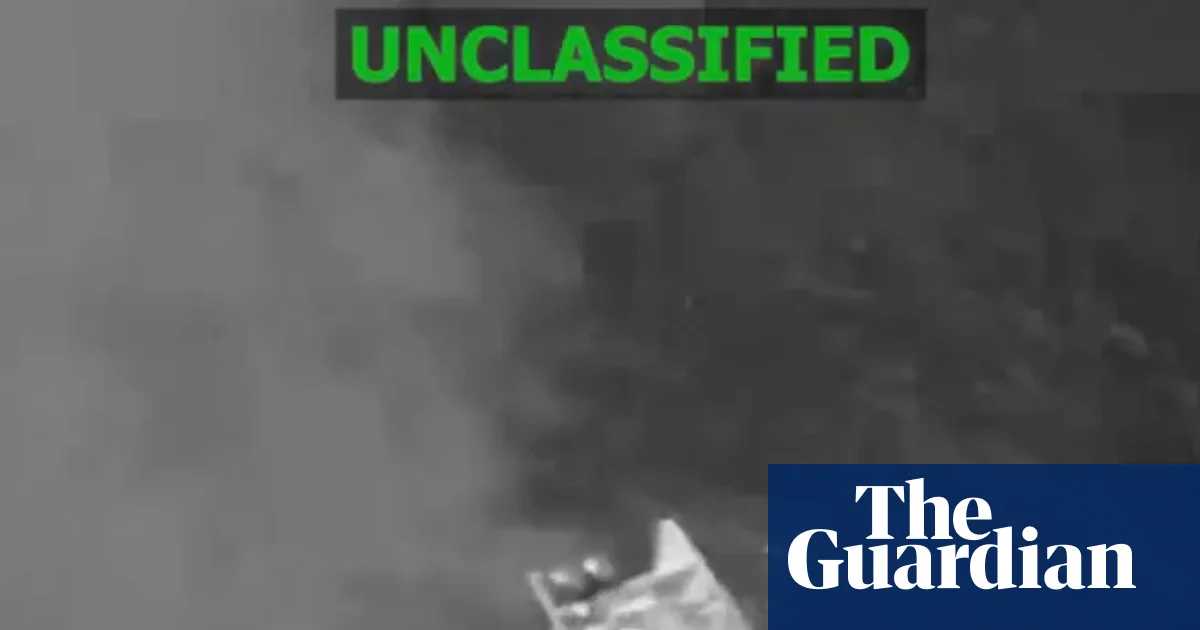
US military reports: Four more killed in Eastern Pacific boat strike

US Military’s Rhetoric and Actions Ignite International Controversy

The United States has once again drawn intense scrutiny over its military tactics in Latin America and the Caribbean, following a series of deadly boat strikes in the eastern Pacific Ocean. Over the span of just four days, the US Southern Command announced the killing of at least 11 individuals in what it claims are operations targeting narco-traffickers. However, critics and international observers are raising grave concerns regarding the legality, morality, and geopolitical implications of these actions. The persistent narrative that labels all such victims as “narco-terrorists” has been challenged by legal experts and human rights organizations, who argue that this approach erodes international law and human rights standards.

Legal and Humanitarian Concerns Mount Against Unsubstantiated Claims

Despite the US military’s insistence that these strikes are based on \”intelligence,\” the absence of concrete evidence casts doubt on the validity of these narratives. Legal analysts from NGOs such as the American Civil Liberties Union (ACLU) have condemned these operations as *extrajudicial killings*, warning that such actions violate both US and international law. The UN, along with many international legal bodies, has questioned the US government’s assertion that these targeted individuals posed imminent threats. In January, a federal lawsuit was filed on behalf of families in Trinidad, alleging premeditated and unjustified killings of civilians, including fishermen simply trying to sustain their livelihoods. This growing wave of criticism underscores a broader concern that the US is crossing a legal boundary—one that echoes historical patterns of violence hidden behind a veneer of anti-narcotics efforts.

Shifts in U.S. Policy and International Reactions

President Donald Trump has publicly justified the aggressive tactics, claiming the US is engaged in an “armed conflict” with Latin American drug cartels—a stance that international law experts dismiss as a dangerous reinterpretation. The UN Secretary-General and other diplomatic voices have warned that these actions undermine the norms of international humanitarian law, emphasizing that the killing of civilians without due process amounts to state-sanctioned murder—a dangerous precedent that could destabilize entire regions.

In particular, Latin American nations are observing with cautious concern as US operations threaten their sovereignty and complicate their efforts in fighting drug trafficking through legal and diplomatic means. Notably, analysts from international organizations argue that such unilateral military actions risk fueling anti-American sentiments across the hemisphere, further isolating the US on the global stage. European and other partners are watching these developments closely, as they could influence the future of international cooperation on security and justice.

The Long Shadow of a Turning Point in Global Power Dynamics

Increasingly, historians and geopolitical analysts interpret these events as part of a broader realignment, where the US asserts its perceived right to act decisively in its own interests, often at the expense of respect for international law and sovereignty. The deliberate framing of civilians as combatants—despite overwhelming evidence to the contrary—represents a dangerous shift that could haunt the pages of history. As global institutions grapple with America’s unilateral tactics, the world community faces a stark choice: uphold the rule of law or succumb to a new era of extrajudicial enforcement. This dangerous game of blurred lines highlights the fragile hope for international justice and the lasting impact such policies will leave on future generations.

As the dust settles, history remains unwritten, but the echoes of these decisions will resonate through the ages. Whether nations will stand firm against these oversteps or fall prey to the temptations of unchecked power will determine the course of international order—an unfolding saga of justice, sovereignty, and the moral limits of state violence.

Ten Killed in Gaza as Israeli Strikes and Hamas Militants Collide

The recent escalation of violence in the Gaza Strip has once again thrust the Middle East into the international spotlight, intensifying concerns over regional stability and the broader geopolitical landscape. According to reports, Israeli forces conducted targeted strikes against Hamas security personnel following a confrontation near the Maghazi camp, an area historically fraught with tension and sporadic violence. This incident underscores the fragile, often volatile nature of the Israeli-Palestinian conflict, where localized clashes frequently ripple outward into larger regional crises.

Analysts and international organizations have pointed to this incident as a likely precursor to a broader escalation. The Israeli military statement maintains that the strikes were aimed deliberately at Hamas operatives engaged in hostile activities, which they argue threaten Israeli security. Conversely, Palestinian sources claim that the attack has led to casualties among civilians and reinforces the ongoing narrative of disproportionate military responses. This cycle of violence not only deepens divisions but also complicates international efforts aimed at fostering peace in the region, which remains a critical flashpoint of geopolitical tension.

  • The incident occurred amidst an increased backdrop of unrest, with Hamas and factions allied with the Palestinian Authority calling for international intervention, while Israeli officials emphasize their right to self-defense.
  • The recent clashes near Maghazi camp mark a significant escalation, illustrating the persistent threat posed by armed factions operating within Gaza’s densely populated areas.
  • Major global institutions, including the United Nations, have voiced concern over the escalation, urging restraint but stopping short of condemning either party outright, reflecting the complex diplomatic balancing act involved.

This episode highlights the geopolitical impact of ongoing conflicts, as regional actors and international powers engage in a delicate dance of diplomacy and military posturing. Countries like Egypt and Jordan are pressed to maintain stability, given their geographic and political stakes in the Israeli-Palestinian plight. Meanwhile, the United States consistently underscores its support for Israel’s security needs, even as it navigates diplomatic sensitivities with Arab and Muslim-majority nations. Some analysts, including noted historians, warn that continued military escalation risks igniting wider regional conflicts that could destabilize entire corridors of the Middle East.

At the geopolitical level, decisions made in the coming days and weeks could shift the balance of power in the region. The escalation of violence serves as a stark reminder of how fragile the current arrangements are — with international diplomacy often overshadowed by the stark realities of violence and retaliation. As the world watches, the question remains: will there be a path toward peace, or are these clashes merely the latest chapter in a persistent saga of conflict that threatens to redefine the very fabric of Middle Eastern geopolitics? History continues to be written in the blood and resilience of those living through it, and the weight of this moment will undoubtedly echo through generations.

Middle East Tensions Flare: Iran Reports 5 Killed in US-Israeli Strikes During Rescue Mission

Unfolding Crisis in the Middle East: A Turning Point with Global Consequences

The recent escalation of violence in the Middle East has sent shockwaves through the global geopolitical landscape, revealing a region on the brink of a protracted and devastating conflict. Iran, under the leadership of its central military command, has decisively rejected Donald Trump’s demands for a swift deal within 48 hours, warning that such threats are futile and dangerous. Meanwhile, a war that ignited with US and Israeli strikes targeting Iranian military facilities has rapidly spread, with the region’s stable geopolitical balance disintegrating in a matter of weeks.

Reports indicate that early Sunday morning, Iran’s forces launched missiles and drones, striking targets in Kuwait and Israel—an unmistakable sign of a comprehensive regional conflict. The Israeli prime minister, Benjamin Netanyahu, confirmed that Israel responded with attacks on Iran’s petrochemical infrastructure, including a strike on the Mahshahr plant, where Iranian media reported casualties. The Iranian military has responded with retaliatory strikes, including missile and drone attacks on Kuwaiti water desalination plants and the UAE’s energy facilities. This ripple effect of hostilities has upended international trade routes, notably the strait of Hormuz, which Iranian forces tightly control. The disruption of this vital conduit for nearly twenty percent of global oil supplies has sent shockwaves through energy markets worldwide, prompting fears of a global energy crisis that could drag economies into chaos.

Expert analysts and historians, including former UN nuclear watchdog Mohamed El-Baradei, warn that the escalation risks transforming the Middle East into “a ball of fire.” El-Baradei’s recent appeals, alongside statements from international organizations, highlight the peril of quick, aggressive military responses that could ignite a regional war with unpredictable, potentially catastrophic consequences. As Iran insists on a permanent security guarantee and rejects Trump’s ultimatums, the potential for a wider conflagration intensifies, with neighboring Gulf countries caught in the crossfire. How nations and societies respond to these threats in the coming days will determine whether the region slips further into chaos or finds a fragile path toward de-escalation.

  • The US and Israeli militaries targeted multiple strategic sites in Iran’s capital, including Shahid Beheshti University, with reports of civilian casualties.
  • Hezbollah claimed to have targeted a nascent Israeli warship off the Lebanese coast, an assertion which remains unverified, yet underscores Iran’s proxy ambitions and regional proxy conflicts.
  • In the broader conflict, Lebanon’s death toll exceeds 1,400, with Israeli strikes killing dozens in recent days, a tragic toll that exemplifies the war’s devastating human cost.
  • Meanwhile, aid organizations report severe disruptions in their efforts to deliver food and medicine, citing the cutting off of vital shipping lanes and blockade of supply routes—an unfolding humanitarian crisis that compounds the violence.

As regional powers—Egypt, Turkey, Pakistan—push for diplomatic backchannels to rebuild stability, the global community remains watchful. The United Nations, as well as international leaders, warn that the escalation could spiral into an all-out war, threatening to engulf not just the Middle East but also to destabilize global markets and fuel geopolitical upheaval. Will diplomacy prevail, or will the region become an indelible scar on the map of the 21st century? The course is only beginning to be written, and history’s pen hangs heavy, awaiting the verdict of future generations—whether to be heralds of peace or witnesses to the abyss.

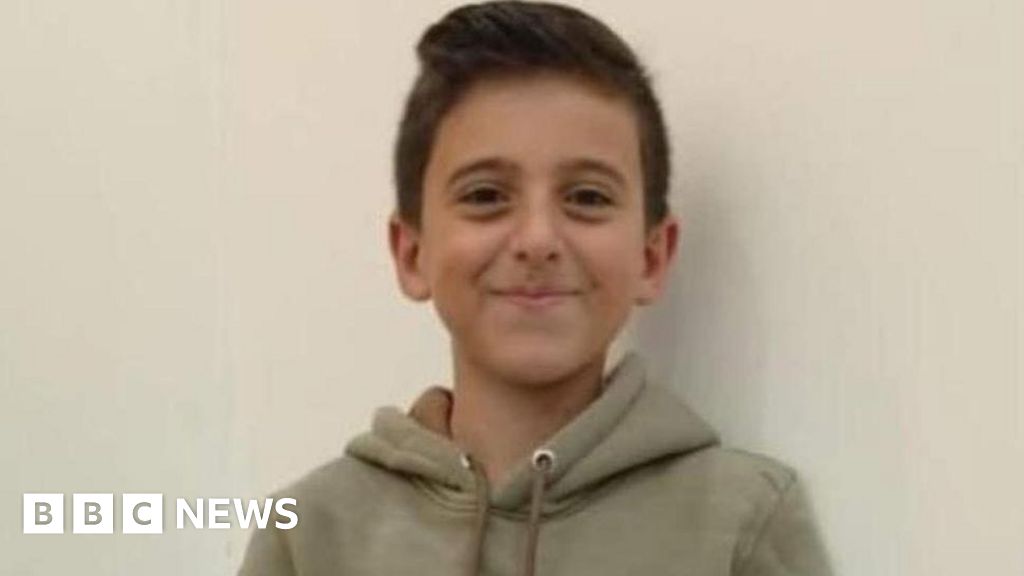
Lebanese Family Mourns 11-Year-Old Killed in Israeli Attack, Showing Resilience in the Face of Violence

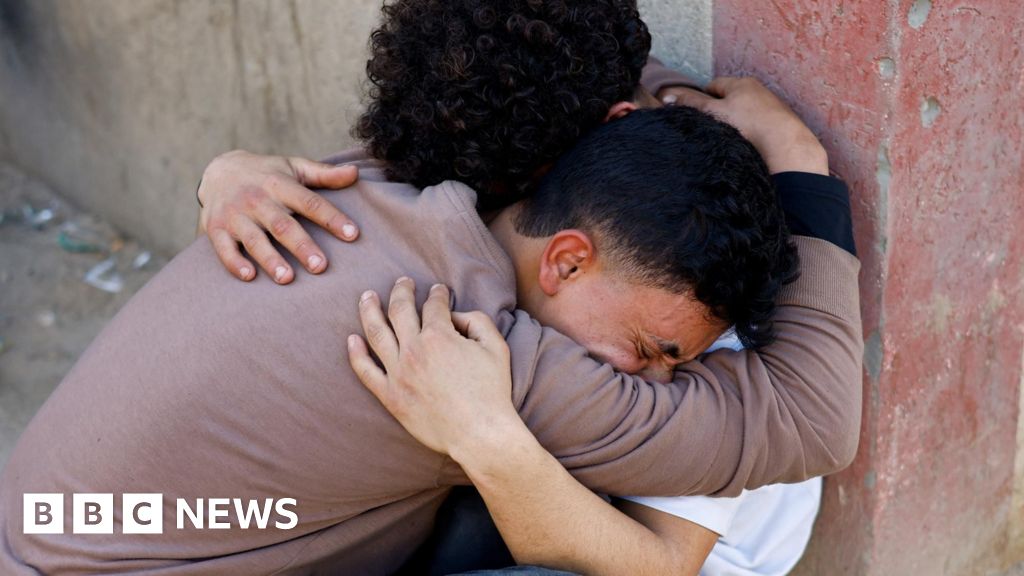
In a devastating escalation of ongoing hostilities, Jawad Younes and his uncle Ragheb were laid to rest on Saturday after a brutal attack rendered their family compound in ruins. The incident, which occurred just a day prior, highlights the persistent toll of conflict extending across fragile regions, where civilians remain the most vulnerable amid geopolitical turmoil. Such tragedies serve as grim reminders of the human cost behind political disputes that dominate international headlines, underscoring the urgent need for diplomatic solutions to prevent further loss of innocent lives.

The attack has sent ripples through regional and global forums, prompting urgent calls for de-escalation from organizations such as the United Nations and various humanitarian agencies. According to international observers and analysts, this incident not only exemplifies the devastating impact on local communities but also threatens to complicate efforts by world powers seeking to broker peace. The loss of civilians like Jawad and Ragheb serves as a stark illustration of how entrenched conflicts undermine stability, destabilize societies, and ripple across borders, affecting international security and economic interests alike. Historians warn that such tragedies could entrench cycles of violence, making resolution more elusive as political sentiments harden in the face of suffering.

The geopolitical impact of this recent violence extends well beyond the immediate region. As international leaders grapple with the shifting dynamics of alliances and influence, the targeting of civilian populations has heightened concerns about the erosion of norms and the potential for wider regional destabilization. Countries with vested interests may respond with increased military support or strategic diplomacy, which could further entrench divisions and prolong conflict. Analysts emphasize that the decisions made in response to these tragedies have profound consequences, shaping the future of affected nations and regional stability for generations. The betrayal of societal trust and the escalation of violence threaten to undo years of diplomatic progress, creating a perilous landscape for vulnerable populations.

Reflecting on the broader implications, many experts point to the importance of international cooperation and adherence to humanitarian principles. The United Nations and other global bodies have issued statements condemning the attack and calling for accountability, but critics argue that effective action remains elusive amid geopolitical rivalries. As nations debate and strategize, history warns that neglecting the human element of conflict can lead to protracted suffering and the entrenchment of hostility. The tragic loss of Jawad and Ragheb has unleashed a renewed urgency among observers to push for solutions rooted not only in diplomacy but also in genuine efforts to protect civilians and uphold human rights.

Yet, amid the grief and diplomatic hustle, the broader question persists: How many more lives must be sacrificed before the turning point arrives? Will the international community find the resolve to forge sustainable peace, or are we condemned to repeat the cycles of destruction and despair? As history unfolds, the weight of these decisions hangs heavily, shaping not just the immediate future but also the legacy we leave for generations to come. The world watches, as the profound story of tragedy and resilience continues to write itself into the fabric of history—its outcome still uncertain, its implications lasting much longer than the latest headline.

Court rejects leniency: Man who killed pregnant girlfriend gets life behind bars, ensuring justice for women and girls

Justice and Social Tensions: The Tragic Toll on Families and Communities

The recent court decision to impose a whole-life order on Shaine March, a man convicted of murdering his pregnant girlfriend, underscores the ongoing societal struggle with social violence and justice. The case, shocking in its brutality, has cast a harsh spotlight on the pervasive danger faced by women within their own homes—an issue that profoundly affects families, education, and communities. Alana Odysseos, a young mother in her early thirties, was tragically killed in her Walthamstow residence while she was in the early stages of pregnancy, leaving behind her children and a community in mourning. Her death illustrates the critical need for society to re-examine how we handle domestic violence and prevent such horrific acts from recurring, especially given the context of her being a victim of a repeated cycle of violence linked to a criminal history that started with her killer’s earlier murder conviction.

Historically, society has grappled with injustices rooted in demographic shifts and cultural tensions that influence how justice is served. Sociology scholar Prof. Jennifer Catlin has argued that cases like March’s reflect deeper social issues, including mental health challenges and systemic failures in rehabilitative justice. March’s prior conviction for a deadly stabbing at a McDonald’s restaurant, followed by his conditional release, exemplifies how the criminal justice system struggles to balance punishment with rehabilitation—often leaving communities vulnerable to repeat offenders. Critics argue that a leniency in sentencing and inadequate management of high-risk offenders exacerbate social divides and undermine public trust. The recent court ruling—a decisive move to replace a 42-year minimum sentence with a whole-life order—signals a call for zero tolerance for perpetrators of the most heinous crimes, especially those impacting vulnerable populations such as pregnant women and children.

For families and communities, these tragedies deepen a sense of vulnerability and mistrust. Odysseos’s mother, Karen Cronin, and her community mourn the loss of a “brilliant mother,” as highlighted by social commentators who emphasize that the human toll extends beyond physical injury to social fabric. As sociologist Dr. Samuel Reynolds notes, “When violence strikes within families, it not only devastates individual lives but also undermines the social cohesion that holds communities together.” The case also elicits calls from political figures for more comprehensive approaches focusing on early intervention and preventative social programs. The need for a societal shift that emphasizes moral responsibility and community resilience is clear—protecting families from preventable tragedies requires more than strict sentences; it demands a renaissance in social values and community engagement.

The path forward, as social analysts assert, must involve addressing the challenges at their root—ranging from mental health support to educational programs that foster empathy and conflict resolution from a young age. The painful reminder of Odysseos’s death compels society to reflect on how social tensions, inadequate justice policies, and cultural shifts influence the safety and fabric of our communities. As society stands at this crossroads, it is essential to remember that behind every statistic is a human story, a family torn asunder, and a community waiting for hope. In a time of profound social upheaval, the true challenge lies in transforming grief into action—building a society where justice does not merely serve punishment but rather functions as a pillar of genuine moral progress. Only through collective effort and unwavering resolve can society hope to heal the divisions that threaten its future and forge a path toward lasting safety and dignity for all its members.

Two Pilots Killed in Crash Between Plane and Vehicle at LaGuardia

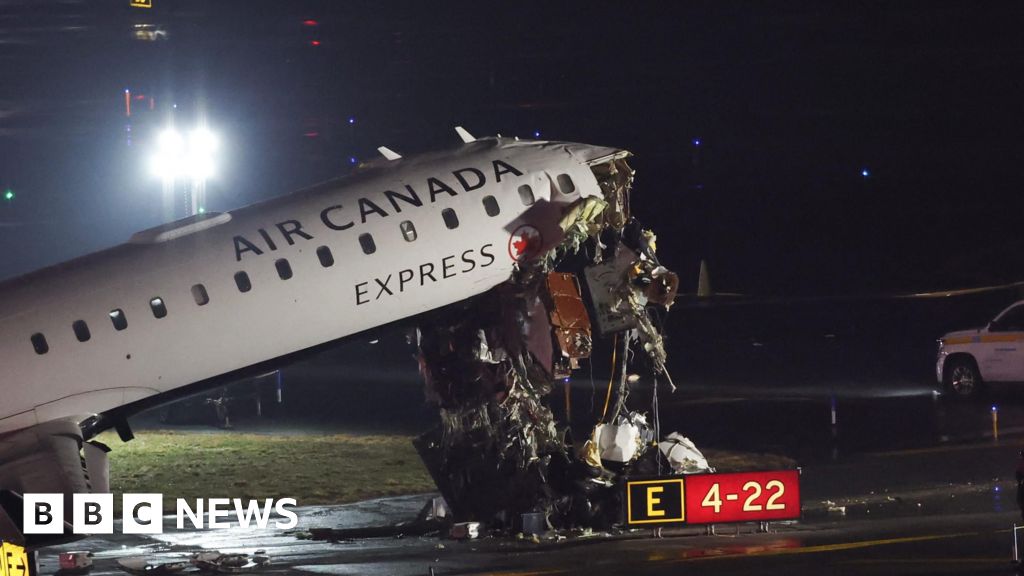
In a distressing incident that has captured global attention, a commercial aircraft arriving from Montreal was involved in a collision with a firefighting vehicle responding to an unrelated emergency. The crash unfolded amidst a complex web of international tensions, safety concerns, and the delicate balance of civil and emergency aviation operations. While initial reports indicate no fatalities, the incident has reignited debates over aviation security standards, emergency response protocols, and the geopolitical ramifications of such accidents.

Preliminary investigations suggest that the collision may have resulted from a lapse in communication or coordination between the aircraft’s pilots and ground emergency services. This event is not isolated but part of a broader narrative concerning the integrity of transportation infrastructure in volatile geopolitical climates. As international organizations and aviation safety agencies scrutinize the circumstances, analysts are drawing parallels to recent international incidents where safety mishaps have compounded regional tensions.

The geopolitical impact of this accident extends beyond the immediate safety concerns. Experts believe it underscores the importance of ensuring robust safety protocols amidst an increasingly turbulent geopolitical landscape. The incident has served as a reminder of how fragile our international safety nets are, especially when considering the heightened military and civilian tensions in many regions. States like Russia, China, and the United States have all faced criticism for their handling of aviation and emergency response systems, often accused of prioritizing strategic interests over safety and transparency.

International observers, including respected historians and geopolitical analysts, emphasize that such incidents often act as flashpoints that reveal deeper systemic vulnerabilities. While investigations proceed, there is a consensus that this event could have wider implications for international aviation treaties and cooperation. It serves as a stark warning that even in peacetime, the misalignment of safety protocols and emergency coordination can escalate tensions and undermine trust among nations. As the world watches, the decision-makers face the pressing challenge of addressing these vulnerabilities. The ongoing pursuit of enhanced safety standards must be balanced against geopolitical interests, a task more complex now than ever before.

As the dust begins to settle on this tragic mishap, the overarching narrative remains gravely unresolved. The incident is a stark reminder that in an interconnected world, a single collision—whether on land, sea, or sky—can reverberate through global power structures and societal perceptions. The weight of history presses heavy, urging nations to learn from this event and forge a future where safety is paramount, and catastrophic errors are relegated to history’s past. Yet, the shadow of unresolved tensions and future conflicts looms large, whispering that the unfolding chapter of history still holds many dark and uncertain pages.

Qatari and Turkish Citizens Killed in Military Helicopter Crash

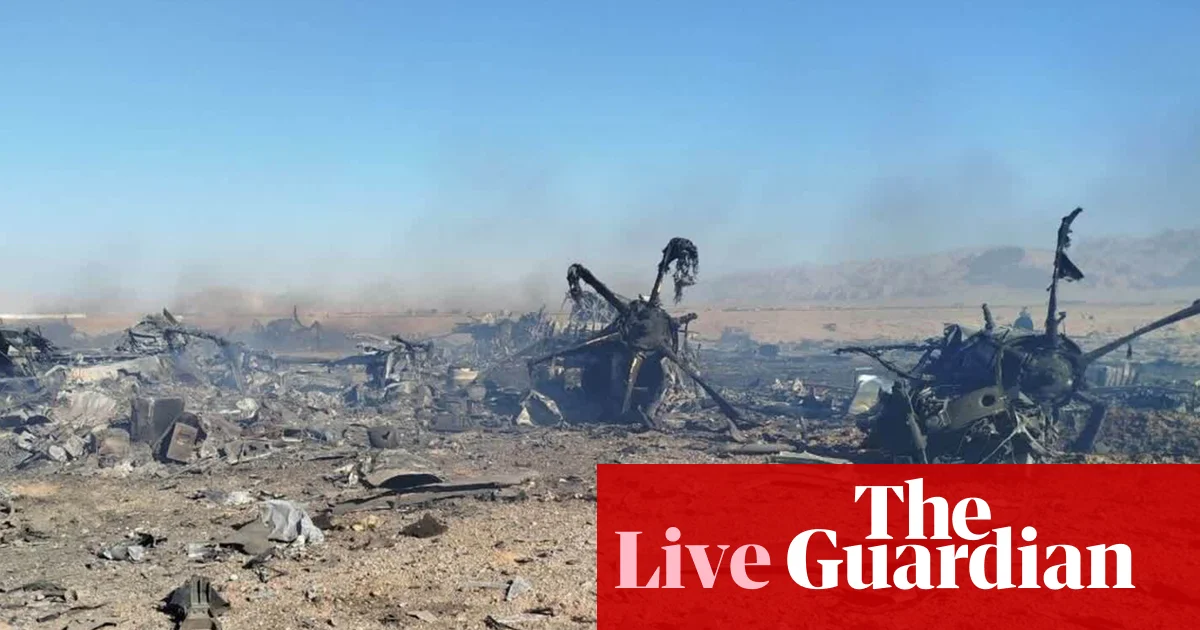
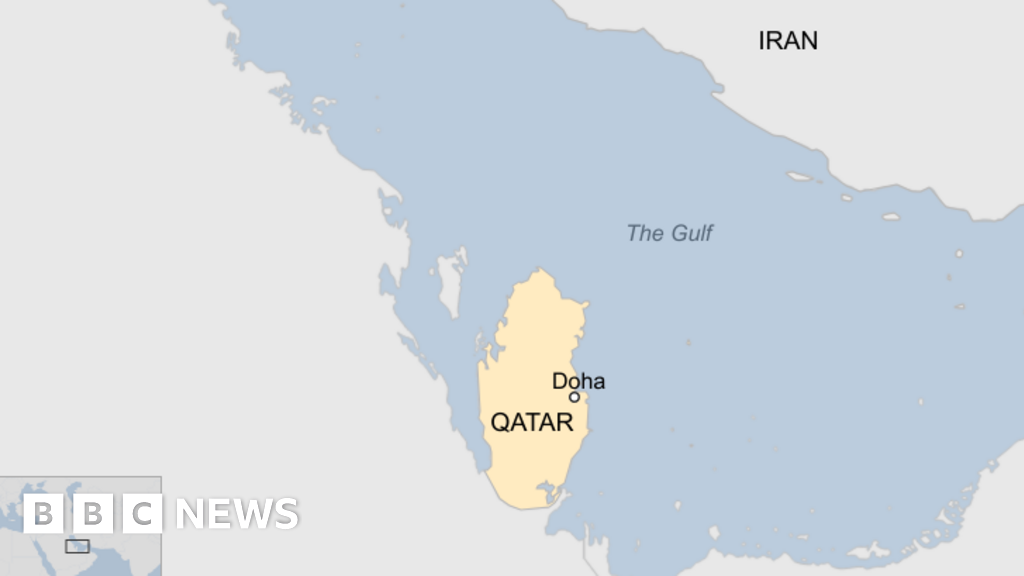
In a startling development that reverberates across the Middle East and beyond, recent reports have confirmed that a convoy carrying four Qatari military personnel, accompanied by one Turkish serviceman and two technicians from a Turkish defence company, was involved in an incident that has raised critical questions about regional alliances and security. While the nature of the event remains under detailed scrutiny, the presence of Turkish technical experts alongside Qatari military personnel underscores the increasingly intertwined security arrangements in the Gulf and the broader international strategic calculus.

Analysts and international observers are quick to interpret this development as part of a deeper realignment involving Turkey and Qatar, two nations having diverging yet sometimes converging interests within the shifting geopolitical balance of the Middle East. As tensions persist over regional conflicts, such as those in Syria and Libya, Ankara’s involvement signifies a broader push for influence and security partnerships in an era marked by instability and unpredictability. The participation of Turkish technicians from a defense firm further emphasizes the growing importance of military technology and strategic cooperation in shaping regional power dynamics. Policymakers and security experts warn that such collaborations are not merely tactical but carry profound implications for the future of sovereignty, influence, and regional deterrence.

The incident raises the specter of further escalation or complex diplomatic signals. The precise context—whether it involves military training, strategic patrols, or covert operations—remains opaque, yet its significance is undeniably profound. The involvement of these nations’ military and technical personnel exemplifies a broader shift: the Middle East is increasingly becoming a chessboard for global powers. The United Nations and other international watchdogs have repeatedly sounded warnings about regional destabilization, but the pressing need for strategic alliances often overrides concerns about peace and stability.

Historians and geopolitical analysts argue that this scene is emblematic of a larger trend—the reassertion of regional powers willing to challenge the old world order. As Turkey and Qatar deepen military ties, the implications extend well beyond their borders, influencing the balance of power in North Africa, the Levant, and even Europe. The potential ramifications include increased proxy conflicts, shifts in energy routes, and the emergence of new spheres of influence, all of which threaten to redraw the geopolitical map once again. As global powers watch from afar and regional actors seek to secure their interests, history presses forward, often unheeded, with each decision shaping the societies of tomorrow—whose futures remain uncertain but undeniably profound in their consequences.

Iran’s Ali Larijani Killed in Airstrike, Israel Claims—Youth Voice Sparks Tensions

In a brutal escalation of the ongoing conflict between Israel and Iran, reports reveal the assassination of a pivotal figure within Iran’s political and security hierarchy. According to Israeli officials, Ali Larijani, the former speaker of parliament and a key diplomatic negotiator, was targeted and killed in overnight strikes. If this claim proves true, it marks a historic moment — being the most senior Iranian figure to die since the death of Supreme Leader Ali Khamenei at the beginning of this brutal war. Larijani’s strategic importance stemmed from his role as a bridge between Iran’s military and political branches, and his death signals a decisive blow to Iran’s internal command structure at a time of profound crisis.

Adding to the tension, Israel’s defense minister, Israel Katz, announced the killing of Gholamreza Soleimani, commander of the Basij paramilitary force, alongside other senior figures. These targeted killings echo a campaign that appears designed to dismantle Iran’s leadership from within, undermining regime resilience and further complicating diplomatic efforts. Analysts warn that such targeted assassinations could intensify Iran’s resolve, potentially plunging the region into an even deeper abyss of violence. The international community, including organizations like the UN, has expressed concern over the legality and morality of these operations, with some regional allies calling Israel’s actions a violation of international law. Nevertheless, Israel claims these actions are a necessary response to Iran’s ongoing aggression and its role in arming proxy groups across the Middle East.

Western leaders, especially former US President Donald Trump, have seized upon these developments, asserting that the deaths will cripple Iran’s ability to wage war. Trump’s statements hint at a strategic hope that removing Iran’s top leadership will deliver a decisive blow to Tehran’s war efforts and perhaps herald a path toward regime change. However, regional and global security analysts caution that removing high-ranking officials often causes power vacuums, leading to unpredictable and potentially more destructive conflicts. Nevertheless, these covert and overt strikes demonstrate the extent of Israel’s intelligence capabilities and the US’s near-unilateral control over Iranian airspace, giving them a unique advantage in shaping the battlefield long before ground troops move.

The deaths of Larijani and others—if verified—will have a profound geopolitical impact. Iran’s leadership has long been characterized by a mix of pragmatists and hardliners, with Larijani traditionally seen as a moderating influence capable of diplomacy. His recent shift to a more hardened stance following US and Israeli strikes suggests a potential push toward escalating conflict rather than de-escalation. Furthermore, his role as a key nuclear negotiator signaled Iran’s efforts to engage with Western powers, but the current targeting indicates that diplomatic pathways are rapidly closing. The ripple effects will likely influence global energy security, with the Strait of Hormuz remaining largely shut or contested, threatening a surge in oil prices and destabilization in global markets.

This chapter in history is still being written, and the weight of the past looms large as recent hours underscore the catastrophic potential of this conflict. With Iranian leaders calling for revenge and Israel’s government resolute in its military campaign, the danger of escalation remains acute. As historians and international strategists watch this unfolding tragedy, one thing is unmistakably clear: the path of war once initiated leaves a trail of chaos, transforming the sands of the Middle East into the battleground of a new Cold War. The world enters a tense new era where every strike, every death, and every decision could set into motion a chain of events that will determine the future stability of the region—and, perhaps, the world itself.

Suspect killed after attempting deadly attack on Michigan synagogue

In a concerning development that underscores rising tensions worldwide, the FBI has announced that an incident occurring recently is under investigation as a targeted act of violence against the Jewish community. This move signals not only the gravity of the event but also highlights an escalation in attacks directed at religious and ethnic minorities across the globe. With political rhetoric and extremist ideologies fueling divisions, authorities now face the formidable challenge of safeguarding vulnerable populations amidst a shifting geopolitical landscape.

Historically, acts of violence against minority groups have often presaged broader societal fragmentation. Experts from international institutions, such as the United Nations, have repeatedly warned about the dangerous consequences of unchecked hate crimes, noting that such events often serve as catalysts for social upheaval. Analysts emphasize that movements driven by nationalist, supremacist, or divisive narratives tend to gain momentum during periods of political uncertainty, amplifying the threat of violence. The recent FBI statement underscores how, in the digital age, radicalization can rapidly manifest into dangerous acts, impacting diplomatic relations and domestic stability alike.

The geopolitical impact of these incidents extends beyond national borders. Countries that harbor large Jewish communities or are engaged in ongoing conflicts with extremist factions have become increasingly vulnerable to retaliatory violence and diplomatic tensions. The incident’s investigation may influence international relations, particularly if it connects with broader plots or extremist networks. As geopolitical analysts caution, when acts of terror strike minority communities, the repercussions ripple through diplomacy, security policies, and societal cohesion in multiple nations. This event comes at a time when many governments are reevaluating their counter-terrorism strategies amidst a backdrop of global instability and ideological conflict.

Through the lens of history, such episodes are reminders that the struggle over identity, security, and sovereignty is far from over. Prominent historians have noted that societies often grapple with these issues during moments of change, potentially marking turning points in national narratives. International organizations, meanwhile, stress the importance of unity in the face of division, urging countries to combat hate with resilience and strengthened cooperation. Yet, as events unfold, the shadow of history reminds us that the choices made today will shape the very fabric of future societies. As night falls on a fragile world, the weight of this unfolding saga leaves one question posed to all: how will nations rise to meet the tide of hatred, or succumb to it?

Six U.S. soldiers killed in Iranian attack on Kuwait base amid rising tensions

In a stark demonstration of escalating tensions in the Middle East, the United States government has confirmed that a US military base was hit by Iran on Sunday. This incident marks a significant escalation in a region already fraught with conflict and diplomatic fragility. According to the US defense secretary, the attack involved deliberate projectile strikes, signaling a shift from the longstanding pattern of covert confrontations to visible military provocations. The attack’s timing and target underscore the fragile state of U.S.-Iran relations and threaten to trigger a broader regional security crisis.

The geopolitical impact of this confrontation extends well beyond the borders of the Middle East. Analysts from the International Crisis Group and military strategists warn that such hostilities risk destabilizing already fragile alliances and intensifying proxy conflicts. The attack comes amid ongoing negotiations over Iran’s nuclear program, where diplomatic channels appeared to be making slow progress. Many experts interpret this assault as Iran’s message of defiance, seeking to leverage its strategic position and rally domestic support by challenging American presence in the region. The response from the US and its allies is expected to be decisive, potentially leading to increased military deployments or new sanctions aimed at curbing Iran’s regional influence.

Historically, this incident resonates with past flashpoints in the Middle East, where even a single attack can ignite a series of events with global repercussions. HISTORIAN Robert Peterson emphasizes that these moments are not isolated but are deeply rooted in decades of conflict, foreign intervention, and unresolved grievances. The United Nations has called for restraint, urging all involved parties to avoid further escalation. Yet, the reality is that the international community remains divided on how to address Iran’s regional policies, with Russia and China often seeking to capitalize on Western vulnerabilities for their strategic gains. The incident reinforces the notion that the region is a chessboard for historic rivalry, where even minor skirmishes can spiral into full-scale confrontations with global implications.

As the world watches and waits, the question lingers: how will this attack reshape the balance of power in the Middle East? Will it serve as a warning to those who challenge American dominance, or will it deepen existing divisions? The political and military consequences are yet uncertain, but what is clear is that history is again at a crossroads. The decisions made in these critical moments could determine the course of the 21st century—shaping nations, societies, and generations yet unborn. The unfolding chapters of this crisis may yet become a defining story of our era, a stark reminder that beneath the surface of diplomacy, the specter of war continually looms, waiting to be unleashed at the slightest provocation.

Social Media Auto Publish Powered By : XYZScripts.com