Matox News

Truth Over Trends, always!

Lammy dismisses Trump’s insults: "Starmer stays focused"
Lammy dismisses Trump’s insults: “Starmer stays focused”

The ongoing Middle East conflict, fueled by the tumultuous developments surrounding Iran, has cast a long shadow over Western geopolitics. The recent clashes have not only intensified regional instability but also ignited a broader global debate on the extent of international involvement and economic stability. President Donald Trump’s provocative rhetoric, including threats against Iran and efforts to escalate pressure on allies such as the UK, highlight a leadership approach increasingly characterized by confrontation and unilateral tactics. Critics argue that such aggression, exemplified by Trump’s recent announcements about resuming peace talks and vowing to “knock out” Iran’s power plants if demands are not met, risks unleashing a new wave of global upheaval.

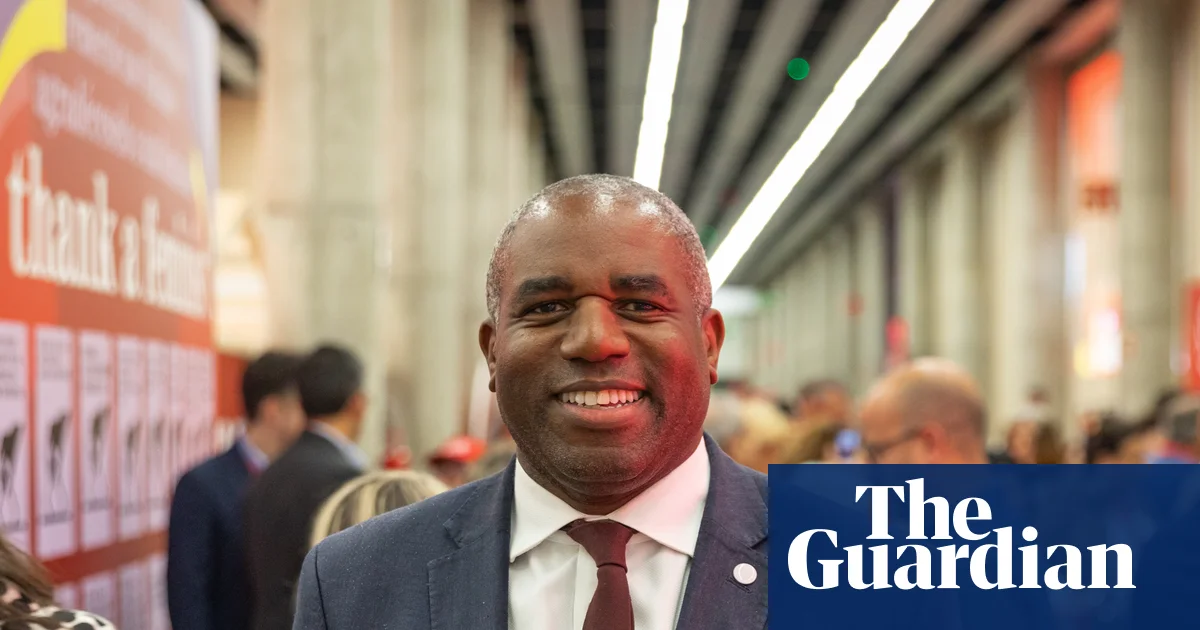
Amid these tensions, Britain’s diplomatic effort underscores a strategic desire to maintain stability without direct military engagement. Deputy Prime Minister David Lammy, speaking at a global conference, emphasized that “we are not going to get involved in this war”, asserting that the UK’s stance remains rooted in pragmatism rather than imperial posturing. Lammy’s recent trip to Washington aimed at reopening critical channels through the Strait of Hormuz, a strategic shipping route vital to global oil supplies, exemplifies how Britain seeks to balance economic interests and diplomatic neutrality. Analysts like those from the International Crisis Group suggest that the geopolitical impact of this approach could influence global energy markets and international trade, with any escalation threatening to trigger a much wider conflict disrupting supply chains worldwide.

Meanwhile, U.S. domestic politics continues to influence the course of the conflict, as highlighted by President Trump’s recent statements. His announcement of renewed negotiations with Pakistan and threats against Iran underscore an aggressive posture that, according to international scholars, risks destabilizing an already fragile situation. Historians warn that similar brinkmanship during the Cold War demonstrates how miscalculations can escalate into full-scale crises. The U.S. is now in a race against time, with midterm elections prompting policymakers to prioritize short-term political gains over long-term stability. Lammy’s comments, emphasizing concerns about affordability and living standards, reflect a broader awareness that the wars in Ukraine and the Middle East are interconnected crises exacerbating the global economic downturn. This interconnectedness illustrates how decisions made in the corridors of power ripple across societies, often with dire consequences for everyday citizens.

Amidst diplomatic maneuvers, the upcoming UK state visit to the United States by King Charles III and Queen Camilla further amplifies the undercurrents of historical relationships strained by recent disagreements and realignment efforts. Lammy underscored that, despite political differences, the special relationship remains resilient, rooted in shared interests and a history of navigating disagreements with decorum—an approach he laments as increasingly rare in today’s social-media-driven age. Yet, beneath this veneer of diplomacy, the transatlantic alliance faces profound challenges, from economic protectionism to divergent responses to regional crises. The EU, too, continues to serve as a key economic partner, with Lammy advocating for closer alignment, especially on trade matters, as Britain braces for the upcoming European elections and the evolving landscape of international alliances.

As history unfolds, the weight of events in the Middle East, Europe, and North America threatens to reshape the global order. Each decision—each tweet, each diplomatic meeting—embeds itself into the narrative of our age. Will the world’s superpowers find a path to de-escalation, or are we hurtling toward a new epoch of turmoil? The coming months will reveal whether diplomacy and reason can still prevail over chaos, or if the echoes of past failures will resound louder, condemning future generations to the shadows of a world teetering on the brink. The pages of history are turning, and the global stage remains set for a story that could redefine our destiny.


Minister blames ‘broken system’ for releasing prisoners, defends David Lammy — UK politics update

UK Prison System Crisis: A Reflection of Broken Governance

The recent controversy surrounding the mistaken release of prisoners in the United Kingdom exposes more than just a scandal—it reveals a systemic failure that holds profound geopolitical implications. At the core, this crisis underscores a Government grappling with inadequate institutional capacity, especially in criminal justice, which in turn affects national stability and international credibility. As international organizations and domestic analysts scrutinize these failures, the message is clear: the world is watching how Britain manages its most vulnerable institutions—because societal stability today reflects a nation’s strength tomorrow.

The government, led by Prime Minister Rishi Sunak and heavily influenced by Home Secretary Suella Braverman, has faced mounting criticism over the recent prisoner release debacle. Critics highlight that this is not just an isolated mistake but rather symptomatic of broader issues—namely, the broken and underfunded system for managing prisoner data and release procedures. David Lammy’s role as the Justice Secretary has come under intensive scrutiny, as reports now suggest that mistakes in prisoner releases—potentially numbering into the hundreds—are linked to an archaic, manual processing system vulnerable to errors. This directly compromises public safety and raises questions about the UK’s ability to project stability and order—elements that are vital in a geopolitically turbulent world where confidence in security institutions influences diplomatic standing.

International Repercussions and Sovereignty Challenges

Internationally, the crisis threatens to deepen the skeptics’ view that the UK is increasingly fragmented in its governance, with historians and analysts warning that such internal instability could embolden adversaries or weaken alliances. The European Union, along with other allies, may question the UK’s capacity for reliable cooperation on law enforcement and counter-terrorism—areas that are essential for collective security. United Nations reports emphasize that the perceived decline in institutional integrity can undermine global efforts to foster peace, especially when a major nation like the UK appears unable to manage its internal safety net effectively.

Furthermore, the domestic turmoil has generated a ripple effect, challenging the rule of law and affecting societal cohesion. As analysts point out, a broken prison system does not merely propagate dangerous offenders; it fosters mistrust among the populace, which in increasingly polarized societies can threaten social stability and national resilience. The situation has prompted leaders like Keir Starmer to defend the government publicly, claiming accountability must be enhanced through increased digitization and improved oversight —a solution that some critics argue echoes the need for a fundamental overhaul rather than band-aid fixes.

Turning Point in Governance

Indeed, this crisis is a pivotal moment—an inflection point that demands leaders and society alike confront the rotten core of a broken system. The decision to digitize and overhaul prison release procedures represents a necessary, albeit long-overdue, forensic cleansing of the judiciary’s administrative machinery. Historians remind us that systemic failures like these often serve as a catalyst for either reform or collapse. Therefore, the weight of history is upon policymakers to heed the warning signs before chaos becomes entrenched. How Britain responds will determine whether it emerges stronger or succumbs to the consequences of political neglect—a lesson echoed by countries that have faced similar crises in the past.

As the world watches in tense anticipation, the question remains: will the decisions taken now forge a resilient future or deepen the cracks in Britain’s societal fabric? The answers will be etched into the annals of history, a stark reminder that in governance, as in life, failure to address systemic flaws inevitably bears its price—a legacy that can either be one of renewal or ruin.

Social Media Auto Publish Powered By : XYZScripts.com


