Matox News

Truth Over Trends, always!

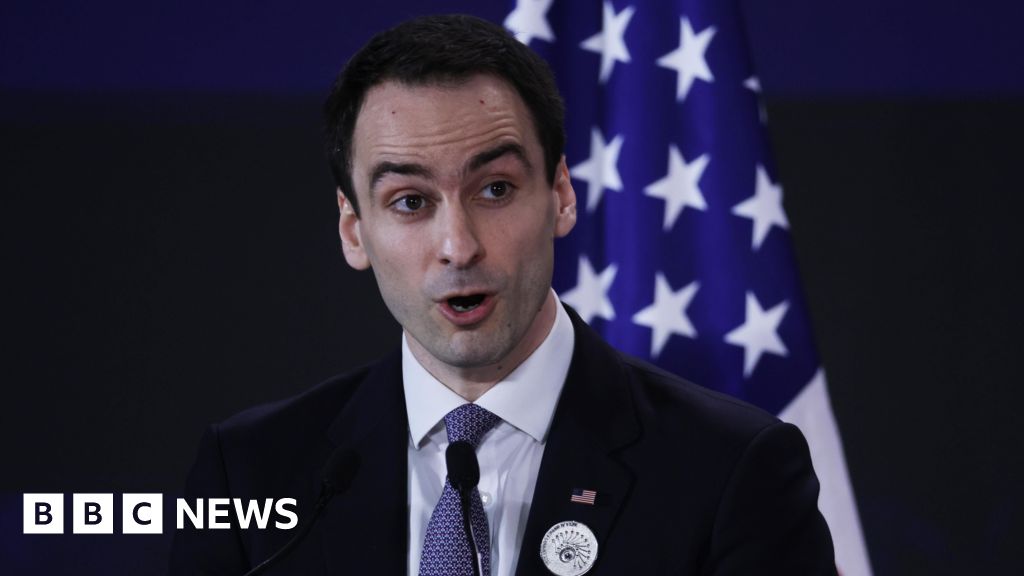
White House: Chinese Firms Behind Large-Scale AI Theft

Emerging Tensions in Global AI Development: A Shadow Over Sino-American Tech Race

The recent revelation from U.S. government officials, notably a memo from Michael Kratsios, underscores growing concerns over intellectual property theft and technological espionage in the rapidly evolving field of artificial intelligence. The memo decries how Chinese firms are allegedly engaging in the wrongful distillation and illicit extraction of U.S. AI models, an accusation that signals far more than a mere corporate rivalry. Instead, it embodies a deepening geopolitical struggle for dominance in a digital future that many analysts warn will define the 21st century. This development raises hard questions about how international boundaries are blurred in the realm of cutting-edge innovation and how such actions may serve as catalysts for broader geopolitical shifts.

This controversy arrives amidst a backdrop of escalating tensions between Washington and Beijing, with experts emphasizing that AI supremacy is now viewed as a core strategic asset comparable to nuclear capabilities during the Cold War. Historical analysts point out that the misuse of AI technology can greatly enhance military, economic, and cyber capabilities, leading to a new arms race where nations seek to secure technological superiority at any cost. The U.S. government and its allies are increasingly vocal about cracking down on what they term unlawful practices that threaten intellectual property rights and national security. Meanwhile, China asserts that its technological advancements are the result of legitimate, state-supported innovation, framing accusations as part of a broader campaign of economic containment.

The repercussions extend beyond mere corporate espionage; they threaten to reshape alliances, economic stability, and global order itself. International organizations such as the World Trade Organization and G20 are now compelled to grapple with the profound implications of technology theft accusations. According to top analysts, this situation underscores a widening tech cold war, in which strategic control over AI could determine which nations set the terms for future global governance. The potential for escalation—including cyberattacks, economic sanctions, and technological decoupling—sets a precedent that could fracture the fabric of the existing international system.

As history continues to unfold in this pivotal chapter, the conflict over AI casts a long shadow over the future of international diplomacy. Nations are at a crossroads: one path leads toward strategic competition, digital sovereignty, and potential conflict, while the other holds the promise of multilateral cooperation rooted in transparency and shared innovation. For now, the stakes could not be higher: the decisions made by leaders today will shape the geopolitical landscape for generations to come, and the echoes of this technological rivalry will resonate through the corridors of power and the lives of societies already on the brink of change. The world watches with bated breath as history’s next pages are written, unsure whether we are witnessing the dawn of a new era or the closing chapter of international trust.

Amazon Announces Large-Scale Corporate Layoffs to Cut Costs

Amazon’s Strategic Restructuring and the Global Impact of AI-Driven Economy

In a move that underscores the evolving landscape of international capitalism and technological innovation, Amazon has announced plans to cut approximately 14,000 roles in its global corporate workforce. This decision, executives claim, is driven by a push to become “more leanly organized” and to harness the transformative potential of artificial intelligence (AI). As the world watches, this cutting-edge reorientation signals a clear turning point, not just for the tech giant but for the broader geopolitical and economic terrains reshaped by AI’s rapid rise.

Despite recent strong financial reports—such as its 13% year-over-year increase in sales reaching $167.7 billion—the company’s leadership emphasizes a strategic foresight that anticipates an AI-fueled future. Beth Galetti, a senior vice president at Amazon, highlighted that AI is “the most transformative technology since the Internet” and that integrating it into Amazon’s core operations will “enable faster innovation” and more efficient resource allocation. Analysts such as those from the International Monetary Fund and World Economic Forum have warned that global economies are entering a new phase—one where technological leadership may redefine the balance of power among nations, especially as major powers invest heavily in AI-driven military, economic, and diplomatic capabilities.

Transformations and Uncertainties in a Tech-Driven World

  • Amazon’s previous layoffs—around 27,000 in 2022—highlight a pattern of restructuring as the company pivots toward AI investments.
  • Slower growth in Amazon Web Services (AWS)—its cloud division—raises questions among investors regarding the profitability of AI-centric expansion.
  • Experts like Dr. Li Wei, a Beijing-based AI researcher, warn of rising global competition to dominate AI technology, which could catalyze a new Cold War of tech supremacy.

This wave of corporate restructuring points to a broader shift in global economic dynamics. Countries like China, Russia, and the United States are racing to establish AI dominance, understanding that future geopolitical influence will depend heavily on technological superiority. Such developments seriously threaten to deepen the divides of the tech race, potentially destabilizing international alliances and prompting a new era of strategic competition. UNESCO and other organizations have warned that unchecked AI proliferation could threaten societal stability by exacerbating unemployment, economic disparity, and even security concerns.

How Decisions at the Corporate and National Levels Shape Our Future

Amazon’s workforce reduction, driven by AI’s disruptive potential, exemplifies how corporations are adapting to a new economic paradigm. The ongoing restructuring is a harbinger of the future, where geopolitical power will be defined increasingly by technological innovation rather than traditional military might. As noted by historians like Professor Samuel Roberts of Harvard University, history suggests that major disruptions—such as the rise of the internet or nuclear technology—have historically redrawn the geopolitical map. Today, AI’s rapid evolution promises to be no less decisive, with nations vying to lead on an uncharted frontier.

As world leaders grapple with these transformative shifts, a specter of uncertainty looms—will this new era usher in lasting prosperity or deepen global inequalities? The weight of history reminds us that pivotal moments like these are fraught with danger but also—if wisely navigated—possibilities for a more innovative, interconnected world. Yet, the current trajectory suggests a future where corporate strategy and international diplomacy are inextricably linked to AI’s unfolding potential—an era where the fabric of society itself could be forever altered.

In this unfolding narrative, the choices made today—by corporations and governments alike—may well determine the trajectory of civilization for generations to come. The relentless march of AI and the reshaping of economic and geopolitical landscapes underscore that we are hurtling toward a future written in algorithms, where the true winners and losers will be decided not just on the battlefield, but in the boardrooms and government chambers shaping the new world order.

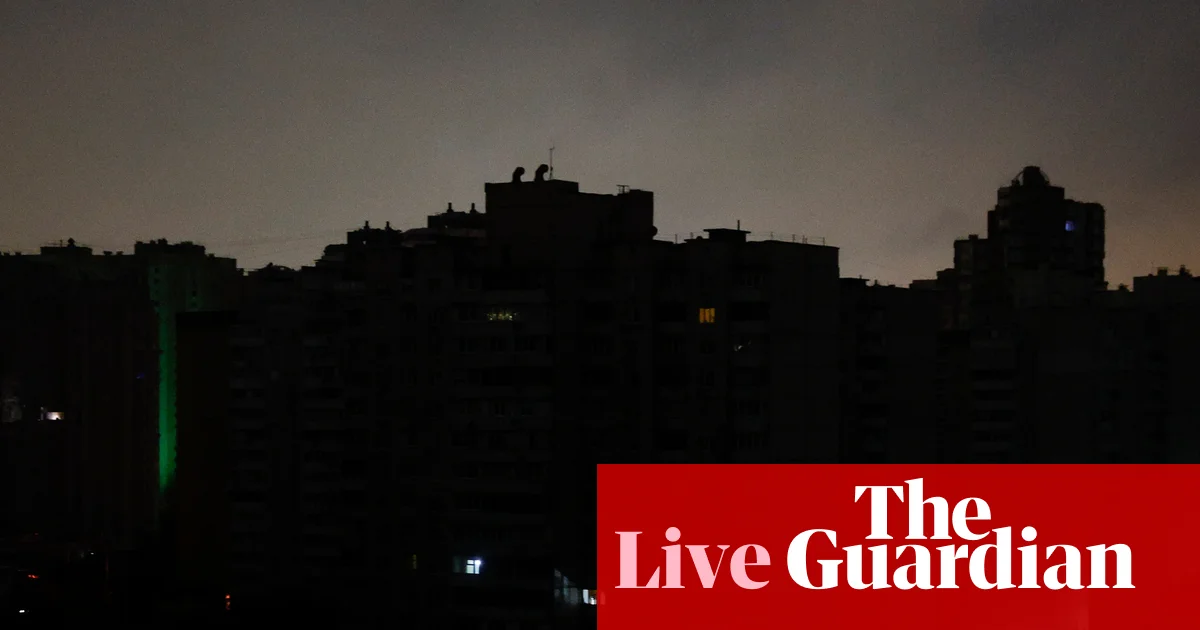
Kyiv hit hard by Russia’s large-scale strike on Ukraine’s energy grid—Europe watches as power is cut back

Global Power Dynamics in Chaos: Russia’s Assault on Ukraine and Europe’s Political Turmoil

In a stark demonstration of geopolitical instability, the recent escalation of attacks against Ukraine by Russia has plunged Kyiv into darkness and chaos, compelling the international community to reassess the delicate balance of power. Early Friday morning, Kyiv was hit by what the Ukrainian Air Force called a “massive attack,” involving over 450 drones and 30 missiles, targeting critical infrastructure and energy supplies across the country. These relentless assaults resulted in power outages in nine regions and ignited fires in residential buildings, including a high-rise in Kyiv, exemplifying Russia’s strategic effort to weaken Ukraine’s resilience amidst ongoing conflict.

The Ukrainian President Volodymyr Zelenskyy condemned the attack as a blatant act of aggression aimed at undermining Ukraine’s sovereignty and destabilizing its fragile infrastructure. The attack’s scale, which included ballistic missiles and strike drones, marks a significant escalation in Moscow’s campaign to cripple Ukraine’s energy grid, which the energy minister Svitlana Grynchuk described as “a massive strike.” This attack not only disrupts daily life but also signals Russia’s intent on prolonging the conflict, further testing Kyiv’s capacity for resilience and its allies’ support. Analysts from the International Atomic Energy Agency (IAEA) have indicated efforts are underway to restore power to the Zaporizhzhia nuclear plant, which has been isolated from external power sources for over two weeks—highlighting the dangerous brinkmanship and the persisting threat of nuclear instability in the region.

How These Decisions Shaped a War’s Turning Point

  • Russia’s deployment of hundreds of strike drones and missiles explicitly aims at crippling Ukraine’s infrastructure, forcing widespread blackouts and mounting civilian casualties.
  • Kyiv desperately seeks international support, especially advanced air defense systems, to counter such relentless aerial assaults, emphasizing the international stakes of Ukraine’s sovereignty.
  • Within Russia, Kremlin strategists, historians, and military analysts debate the limits of this new escalation, as Moscow’s rhetoric remains unwaveringly aggressive, signaling the possible extension of hostilities into broader European territory.
  • The international community, led by voices such as NATO officials and United Nations representatives, warn that these acts could push the region toward a new Cold War era, with global repercussions and strained alliances.

Amid the chaos, Europe faces internal contractions among its political fabric. French President Emmanuel Macron convened an emergency meeting of mainstream political parties to navigate a crisis rooted in fragile governance, as the country grapples with persistently low growth and a fractured parliament. Meanwhile, in Belgium, authorities uncovered a plot to ignite drone-mounted explosives targeting politicians, including the Prime Minister, reflecting the growing shadow of radical extremism in the continent’s security landscape. These security risks, coupled with Europe’s increased defense investments—most notably Sweden’s billion-crown plan to expand anti-drone systems—highlight a continent awakening to new aerial threats with Eurasian powers as central players.

New Alliances and Shifting Borders: A Clash of Empires

Meanwhile, on the international stage, US President Donald Trump has reignited long-standing tensions by suggesting that NATO should consider expelling Spain over its lagging military expenditures in the face of the European security crisis. Trump’s demands underscore an ongoing push for European nations to shoulder more responsibility, aligning with a broader, more confrontational American stance on European defense matters. Conversely, NATO nations are contemplating the rising threat of aerial violations; Sweden’s €367 million investment in anti-drone technology exemplifies a continent-wide recognition of hybrid warfare’s evolving landscape, with accusations of Russian involvement in drone sightings rattling European skies.

As the whirlwind of violence in Ukraine and the shifting sands of European political stability threaten to ignite a broader conflagration, the weight of history hangs heavy. The decisions made in the coming weeks—whether Ukraine’s allies strengthen their resolve or Russia escalates further—will determine whether this is merely a preamble to a larger war or the dawn of a new era shaped irreversibly by the choices of powerful nations. The pages of history are turning swiftly, and amid the shadows of conflict, the world holds its breath, gazing toward an uncertain horizon where the currents of geopolitics continue to carve their indelible marks into the fabric of history.

Social Media Auto Publish Powered By : XYZScripts.com



