Matox News

Truth Over Trends, always!

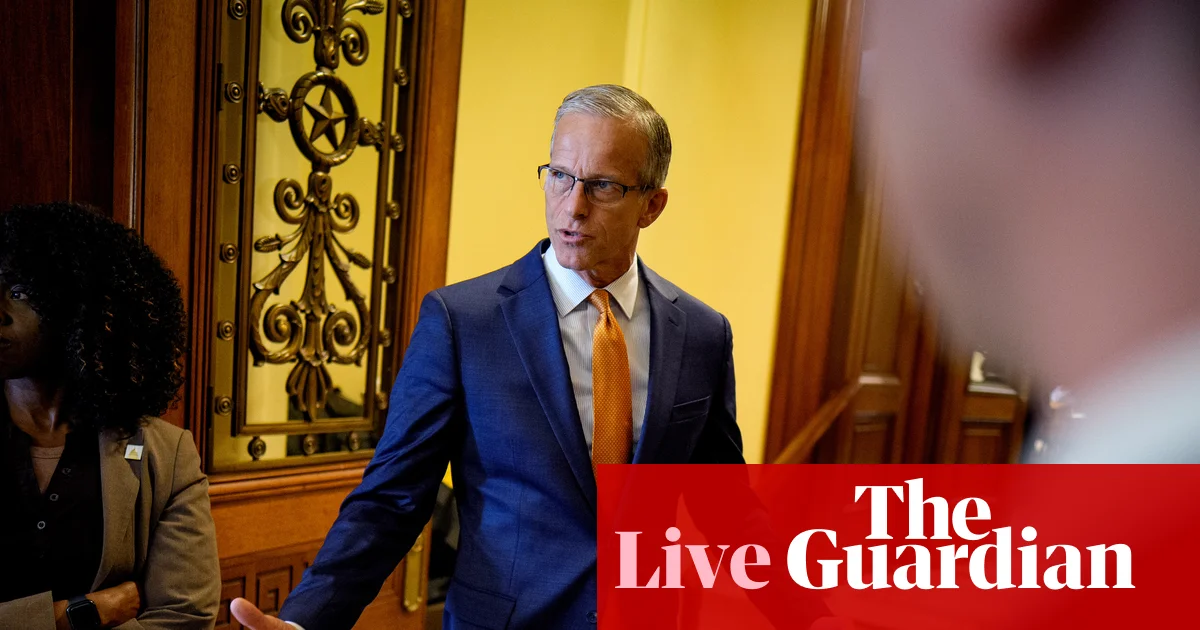
Senate OKs quick extension of surveillance law — what it means for US security and your privacy

The international landscape remains in flux as recent developments continue to reshape geopolitical power balances. In a move that highlights the escalating struggle for influence, the United States has maneuvered carefully amidst mounting tensions in the Middle East and its domestic political arena. On one front, the U.S. Senate passed a short-term extension of critical surveillance legislation, Section 702 of the Foreign Intelligence Surveillance Act (Fisa), aiming to extend intelligence gathering powers temporarily amid fierce debate over privacy and security concerns. Such policies underscore a broader narrative of balancing civil liberties against national security, a debate that resonates globally as other nations weigh their own surveillance and security measures.

Meanwhile, the Middle Eastern flashpoints have taken center stage with Donald Trump claiming that NATO has offered assistance in the strategic control of the Strait of Hormuz—an essential waterway funneling a significant majority of global oil exports. Trump’s provocative statements on Truth Social reflect a posture of unpredictability, yet they coincide with Iran’s recent announcement that the strait is open to commercial traffic, momentarily easing fears of wider conflict and oil price shocks. Analysts from international think tanks caution that these fleeting gestures do little to resolve the longstanding instabilities and may merely serve as bargaining tactics in a larger game of diplomatic brinkmanship. With oil prices dropping sharply to below $89 a barrel, global markets are nervously watching for any signs of escalation or resolution, knowing each move could tip the scales toward war or peace.

The United States’ internal divisions further complicate this complex tapestry. The Senate’s struggle to pass a bipartisan extension of surveillance laws—stalled by the need for 60 votes amidst Republican opposition—mirrors a country wrestling with its identity and worldview. Critics warn that laws allowing warrantless monitoring of Americans’ communications threaten constitutional protections, while supporters argue they are vital for security. This internal discord also mirrors broader cultural conflicts playing out on the international stage, where nations face their own battles over sovereignty, civil liberties, and the rules of engagement in the digital age.

As the showdown in Congress reveals deep fissures within American political discourse, the world watches a nation at a crossroads. The unraveling of internal consensus and the strategic maneuvers in the Middle East exemplify a larger story: a global order strained by competing interests, where alliances are tested and true power remains elusive. Historians warn that these moments—teetering on the edge of new conflicts or diplomatic breakthroughs—may mark the beginning of a new chapter in our international saga. How this sea of shifting alliances, domestic turmoil, and global uncertainty will ultimately be resolved remains the defining challenge of our era. The pages of history are yet unwritten, but their editing is already underway, with the weight of future generations hanging in the balance.

NSW High Court Ruled Anti-Protest Law Unlawful After Bondi Attack Redirects Focus on Public Safety

In a significant judicial development that echoes the tension between constitutional rights and government power, New South Wales’ highest court has invalidated an anti-protest law enacted in the wake of the Bondi beach terror attack. This landmark decision comes amidst escalating global concerns about security, civil liberties, and the influence of international conflicts on domestic policy. The law, known as the public assembly restriction declaration (PARD), was introduced by the Minns government to restrict protests in designated areas for up to three months following the attack, which claimed 15 lives. However, the court deemed it unconstitutional, citing that it impermissibly burdened the implied constitutional right to freedom of communication on government and political matters—an outcome viewed as a victory for advocates of civil liberties and democratic rights across the globe.

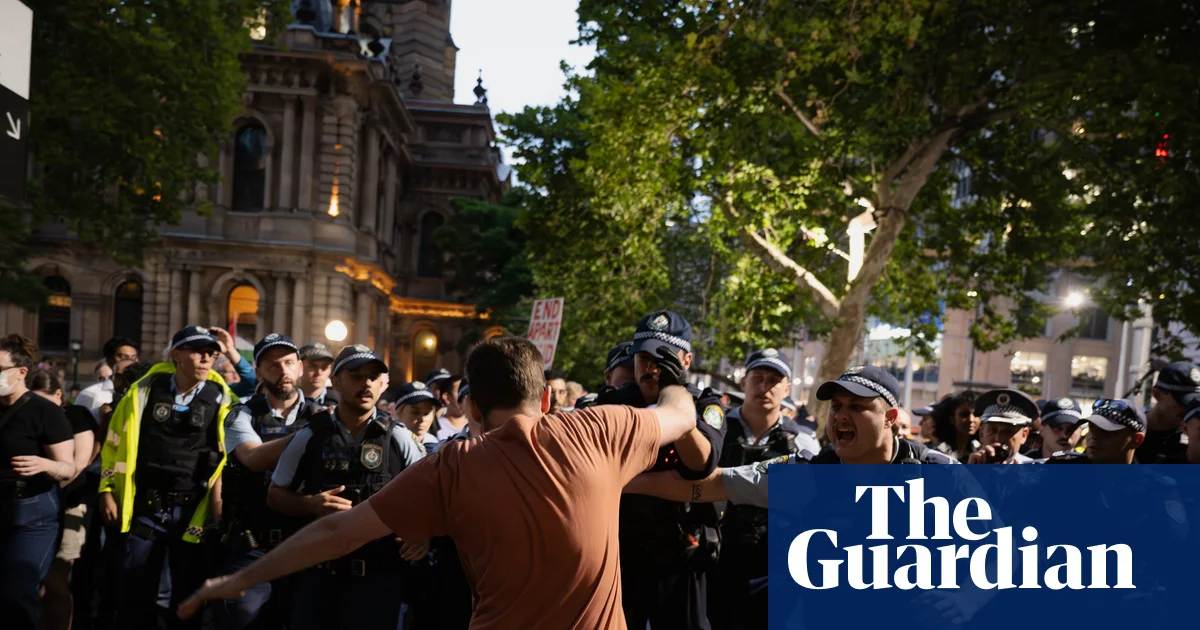
  • The law was notably applied during a controversial rally against Israeli President Isaac Herzog’s visit, which turned violent and prompted police misconduct investigations. Despite the government’s claims that the legislation was necessary to maintain order post-terrorism, the court’s ruling highlighted its overreach, emphasizing that it served as a “blunt tool” that indiscriminately suppressed constitutionally protected activity, regardless of the threat level or the purpose of the assembly.
  • Legal analysts and international watchdogs underscored that this decision could set a transformative precedent, illustrating the judiciary’s role in curbing executive overreach and defending fundamental rights against overly broad security measures. The case also cast a spotlight on how authoritarian instincts can be challenged in liberal democracies, reinforcing the principle that government power must be balanced with individual freedoms—an issue at the heart of many geopolitical debates on security versus liberty.

The court’s decision was celebrated outside the courtroom by civil rights groups and advocacy organizations, notably Jews Against the Occupation ’48 and the Palestine Action Group. Their spokesperson, Josh Lees, hailed the ruling as a critical victory for democracy and the global movement fighting for human rights. This case exemplifies how domestic legal battles intertwine with international causes, such as the ongoing struggle over Palestinian rights, and how judicial institutions worldwide are becoming battlegrounds for ideological conflicts that transcend borders. As historians warn, these conflicts onboard the global stage are often shaped by a complex web of national interests, geopolitical strategies, and ideological clashes.

Prime Minister Chris Minns expressed disappointment over the verdict, framing the legislation as a response to one of the “worst terrorism events” in Australia’s history. Despite this, the ruling signals a potent reminder that even in the face of brutal violence, the rule of law and constitutional norms remain supreme—a stance that may resonate beyond NSW, influencing policies in other nations grappling with similar threats and rights. The government’s future plans include addressing the contentious phrase “globalise the intifada,” illustrating the ongoing clash between security narratives and free speech that continues to unfold in legal arenas worldwide.

As the dust settles, the trial’s lingering question remains: how will this victory shape the future landscape of protests, civil liberties, and international activism? With the judiciary standing firm in defense of constitutional principles, the unresolved tension between state security and personal freedoms is poised to ignite new debates and confrontations. The fate of those charged during protests, the integrity of police accountability investigations, and the broader impact on political discourse and social activism remain as a stark reminder—the pages of history are still being written, and the global community watches anxiously as the ongoing clash between authority and liberty unfolds in the shadows of our times.

Folk singer Murphy Campbell fights back against AI fakes and copyright trolls threatening his music

AI-Generated Content Disrupts Music Industry: A Wake-up Call for Innovation and Security

The recent saga involving folk artist Murphy Campbell highlights a looming threat to the music industry where AI technology is undermining copyright rights and industry integrity. Campbell discovered unauthorized AI-generated songs purporting to be her own, a scandal that reveals profound vulnerabilities in streaming platforms’ ability to safeguard artists’ intellectual property. As AI models become increasingly sophisticated, the danger isn’t just about misattribution; it signals a fundamental disruption to how creative works are verified, distributed, and protected, prompting stakeholders to rethink current systems.

This incident underscores an urgent need for innovation in digital verification tools. Notably, AI detection algorithms, like those Campbell employed to scrutinize the fake tracks, represent the nascent technological frontier that must be scaled rapidly. Industry experts, including those from MIT and Gartner, warn that as AI-generated content becomes more convincing, traditional copyright safeguards — inherited from physically tangible assets — are increasingly ineffective. We are witnessing a paradigm shift, where ownership and authenticity are now subject to a digital arms race. Disruption in this space will demand a convergence of new AI-driven verification systems, blockchain-based provenance tracking, and real-time monitoring solutions to secure creator rights proactively.

From a business perspective, this crisis presents both a challenge and an opportunity for platforms such as Spotify, YouTube, and Apple Music. The misappropriation of well-known public domain works like “In the Pines” illustrates the ease with which AI can obscure attribution and manipulate revenue streams. Companies that fail to adapt risk losing credibility and user trust, which are vital in a competitive climate where millennials and Gen Z consumers increasingly value authenticity and transparency. Innovators like Elon Musk and Peter Thiel have long emphasized that the future belongs to those who leverage technological disruption — and in the music industry, this means deploying cutting-edge AI safeguards and novel business models aligned with rapid technological change.

The unfolding scenario underscores the critical necessity for a coordinated response from tech companies, policymakers, and creators. Such efforts must prioritize robust verification mechanisms and redefine copyright enforcement in the digital age. With AI technology accelerating at a breakneck pace, the window for reactive measures is closing. As Murphy Campbell’s experience demonstrates, without decisive innovation, the industry risks losing control over its creative assets, threatening the very foundation of artistic rights and revenue. The future belongs to those who anticipate and shape these technological upheavals — the time to act is now, and the stakes could not be higher.

Israeli Law Targets Palestinian Attackers with Death Penalty

In an era marked by persistent conflict and geopolitical shifts, Israel remains at the forefront of international concern, as its internal political debates and security policies continue to influence its relationships with neighboring nations and global allies. Recently, a poignant case surfaced within Israel’s contentious legal and security framework, illustrating how domestic decisions ripple outward to affect regional stability and international diplomacy. Limor Son-Har-Melech, a member of Ben-Gvir’s party, survived a brutal attack by Palestinian gunmen in which her husband was tragically killed, exemplifying the profound personal toll of ongoing violence.

Son-Har-Melech’s argument for the necessity of stringent security laws underscores a troubling pattern—one that has attracted widespread international attention and criticism from human rights organizations. She cited the fate of her husband’s killer, who was released and later participated in the 7 October 2023 attacks on Israel. This sequence of events exemplifies a deeper, systemic issue: the perceived failures of legal and diplomatic frameworks to effectively contain or rehabilitate threats originating from the Palestinian territories. Such incidents fuel the narrative pushed by right-wing factions within Israel that advocate for tough security measures and assert that current policies are crucial for national survival. Meanwhile, critics argue these measures risk further alienating Palestinian populations and jeopardizing any hope of a lasting peace, illustrating the complex domestic debate over justice versus security.

The geopolitical impact of these internal debates extends beyond Israeli borders. Countries like the United States and European Union closely monitor Israel’s approach, as the stability or instability of its internal politics directly influences regional dynamics. Analysts warn that escalating security measures, or alternatively, a perceived capitulation to violence, could destabilize neighboring states or trigger broader conflicts. International organizations such as the UN have long called for renewed negotiations and adherence to international law, yet the cycle of violence persists, complicating diplomatic efforts and emboldening extremist factions both within and outside Israel.

Historians and geopolitical analysts emphasize that each decision made by Israel’s government not only shapes its own society but also signals to the world whether it chooses a path of resilience or retreat. The recent case of Son-Har-Melech’s detention and the subsequent release of her husband’s killer exemplifies how internal security policies are intertwined with international perceptions. How Israel handles such incidents will decisively influence future negotiations, peace initiatives, and its standing on the global stage. As global powers watch and weigh their responses, the question remains whether Israel will continue down a path of confrontation or seek a strategic shift toward dialogue. The unfolding story of internal advocacy, security dilemmas, and international pressures leaves the world on the edge of a profound turning point—one where the weight of history looms large, and the fate of future generations hangs in the balance.

Watching Parents Face Zuckerberg in Court: A Raw Moment of Loss and Justice

Innovative Risks and Disruption Emerge as Major Social Platforms Face Legal Scrutiny

The ongoing legal battle in Los Angeles is shedding light on the profound disruption caused by big tech giants such as Meta and YouTube over their role in fostering a digital environment linked to mental health crises among youth. As Kaley’s case—a 20-year-old woman claiming platform-induced harm—enters deliberation, this landmark trial underscores the dangerous intersection of innovation, regulation, and societal wellbeing. It signals a potential paradigm shift, where the business models of the so-called big social media companies, based largely on engagement-driven algorithms, could face transformative liability, prompting profound industry disruption and strategic overhaul.

Attorneys for Kaley argue that platforms have deliberately engineered their products with addictive features, jeopardizing mental health, particularly among adolescents. Internal documents, unveiled during proceedings, reveal that Meta and Google’s product design choices sometimes prioritized user engagement over safety, even as executives grappled with the negative consequences. This controversy echoes warnings from industry analysts at Gartner and academic institutions like MIT, which have long emphasized that disruptive innovation in social media must now reckon with the heightened risks of harm and regulatory crackdowns. If courts find these companies negligent, the financial and legal implications could escalate, forcing them to deposit massive funds into safety initiatives, or face significant restrictions on their core business practices.

Legal implications threaten the core architecture of social media

  • Section 230—the legal shield protecting tech giants—faces renewed scrutiny; courts are now considering whether its protections should apply to product features intentionally designed to foster addiction.
  • Major companies deny negligence, emphasizing their commitment to teen safety and asserting that user-generated content is shielded under existing law. However, the disruption is palpable: a wave of lawsuits claiming product liability could force the industry to reengineer its algorithms and moderation practices, possibly turning profit models on their head.
  • Witnesses, including former employees and industry experts, reveal that internal debates over presentation features—like body-altering filters or engagement-boosting notifications—highlight an emerging reckoning with product design ethics and business risks. Such disclosures threaten to accelerate innovative compliance—including AI-driven moderation and real-time safety algorithms—while raising the specter of regulatory intervention.

Business disruption and the future of online safety

This case aims to recalibrate the business implications of social media innovation. Industry leaders like Elon Musk and Peter Thiel have warned that the pursuit of disruption—by prioritizing user engagement without regard for societal consequences—may now face rigorous legal and regulatory costs. The court’s consideration of negligence could set a precedent compelling companies to internalize the true costs of safety, shifting from a model driven solely by advertising revenue to one incorporating product responsibility and accountability.

As juries deliberate, business disruption could accelerate: a wave of disruptive innovation in AI moderation, content verification, and user safety protocols may be on the horizon, demanding a swift strategic pivot. Companies will need to embrace ethical AI design and transparent product features, lest they face escalating liabilities, investor skepticism, and regulatory intervention. The need for proactive innovation in digital safety is now urgent, with the potential to redefine the foundation of social platforms and protect future generations.

Looking Ahead: Urgency for Innovation and Regulation

The unfolding trial exemplifies a crisis of innovation—where unchecked disruption has led to profound societal harm. The industry must urgently transition toward a safety-first paradigm, integrating emerging technologies that anticipate and mitigate risks before harm occurs. Failure to do so risks not only litigation but a regulatory crackdown that could stifle the very innovation that once promised to revolutionize communication and information sharing. The message from courts, law, and society is clear: innovation must serve the public interest or face the consequences.

In the near future, the social media industry’s capacity to innovate responsibly will be pivotal. The lessons from this case could open the door to a new era of accountability, where disruptive technologies are balanced with societal safeguards. The urgency to adapt and **disrupt responsibly** has never been greater—because the future of digital innovation hinges on whether industry leaders will prioritize societal safety or risk being overrun by punitive laws and public backlash.

Lords to Decide on Law Failing to Shield Kids of Convicted Pedophiles

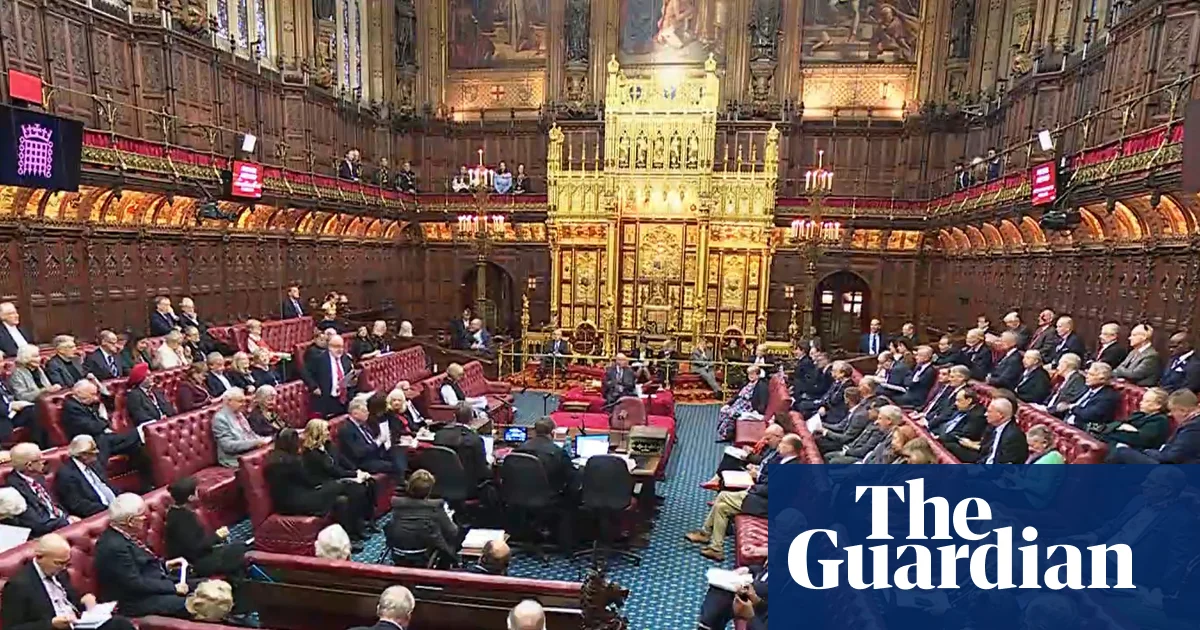
In recent weeks, the UK Parliament has been engaged in a heated debate over the adequacy of legislation designed to safeguard children from dangerous, convicted offenders. At the heart of this discussion is a proposed law aimed at restricting parental rights for individuals convicted of serious sexual offences against minors. While recent efforts focus on legal measures to prevent known offenders from exerting influence over their own children, the broader societal implications reveal a complex web of social and cultural tensions. These issues hit close to home for many families, threaten the integrity of community bonds, and challenge traditional notions of parental responsibility.

The Victims and Courts Bill proposes that anyone convicted of such heinous crimes who receives a sentence of four or more years will automatically lose parental responsibility. This is a critical step forward for protecting children from further harm—but critics note that the legislation fails to address a significant loophole: what happens to children born after the offender’s conviction? Many argue that without a comprehensive approach, the risk persists that future children might be left vulnerable, even if their biological parent has a conviction on record. A proposed amendment—introduced by former family court judge James Meston—aims to close this gap, suggesting that individuals convicted of severe sexual offences should be barred from acquiring parental responsibility even at a child’s birth, thus ensuring that families are shielded from future dangers.

This debate is layered with societal and ethical questions that extend beyond legislative language. Alarming cases, such as the BBC report of a mother legally fighting to prevent her ex-husband—a convicted paedophile—from contacting their child, underscore the urgent need for clearer policies. According to sociologists like Dr. Laura Sanchez, the social fabric of families and communities is deeply impacted by the presence of offenders with unchecked parental rights. When offenders retain influence, they can manipulate or coerce their victims—often family members—recreating cycles of trauma and fear that ripple through generations. In this context, the moral and human rights of children to protection and stability must be prioritized over the rights of offenders, especially when those rights could endanger innocent lives.

  • Legal amendments aim to restrict offenders with certain convictions from acquiring parental responsibilities at birth.
  • The legislation seeks to prevent future children from being exposed to potential abuse by their biological parent.
  • Critics emphasize the importance of balancing individual rights with community safety and moral responsibility.
  • Experts suggest that societal cohesion depends on clear boundaries that protect vulnerable populations without infringing on legitimate parental rights.

Ultimately, the challenge lies in fostering a society that upholds the moral duty to protect vulnerable children while respecting the legal frameworks meant to preserve human rights. Historians remind us that societies often grapple with balancing justice and compassion, and social commentators warn that ignoring the long-term impact of these decisions could erode the moral fabric of communities. As Parliament considers amendments to close legal loopholes, society stands at a crossroads—whether it will prioritize the safety of its most innocent or risk future cycles of harm. In the quiet reflection of this societal struggle, there lies a hopeful promise: that through diligent laws and collective resolve, a future can emerge where families flourish free from the shadow of unchecked predation. Society’s greatest strength remains its capacity to evolve, and in protecting its children today, it sows the seeds of a safer, more just tomorrow.

Middle East Tension: China Warns Against ‘Jungle Law,’ Trump Claims Iran’s in Free Fall — U.S. and Israel Ramp Up Pressure

Geopolitical Turmoil in the Middle East: A Crisis Unfolding

The Middle East stands at a crucial crossroads as a series of escalating conflicts threaten regional stability and global security. The recent outbreak of violence, primarily driven by the US-supported Israel campaign against Iran, has drawn widespread international concern. Reports indicate that over the past week, a cascade of military actions, missile exchanges, and targeted strikes have pushed the region into chaos, with far-reaching consequences for nations involved and societies across the globe.

The initial spark was the aggressive clearance of Iranian targets by Israeli forces, ostensibly aiming to weaken Iran’s military capacity. Israeli airstrikes across southern Lebanon and the Iranian capital of Tehran have resulted in significant destruction, including fuel storage complexes and military command centers. The Israeli military reported it targeted “several fuel storage complexes” and “key commanders” of the IRGC’s Quds Force, which, according to analysts, signals a direct confrontation with Iranian paramilitary elements. Meanwhile, the US has embraced a hawkish stance, with President Trump declaring that Iran is being “decimated,” though he refused to rule out the deployment of ground troops, amplifying fears of an open-ended regional conflict.

International Responses and Shifting Alliances

Global reactions have been sharply divided amid the turmoil. China, a prominent regional power and strategic competitor of the United States, has condemned the conflict, stating “the war should never have happened” and warning that the world must avoid returning to a punitive “law of the jungle.” Wang Yi, China’s foreign minister, explicitly called for an end to military actions, emphasizing the need for diplomatic solutions. This stark opposition underscores the geopolitical impact of the crisis, as Beijing positions itself as a defender of multilateral diplomacy against unrestrained military escalation.

Conversely, America and Israel continue their assertive stance. Donald Trump, through social media, suggested that more Iranian officials would be targeted, with explicit warnings that “Today Iran will be hit very hard.” Reports indicate ongoing discussions between the US and Israel over deploying special forces to seize Iran’s highly enriched uranium stocks, a move that could escalate the conflict into a full-on war of attrition. The US has also been critical of their traditional allies, explicitly warning the UK for its delayed support, threatening to remember their perceived slights amidst this global chaos. The stakes are now higher than ever, with the possibility that this conflict could extend into years, shaping the future of international power dynamics.

Regional Strife and Societal Consequences

Beyond the political arena, the human toll is unmistakable. Iranian officials have claimed their military can sustain an indefinite war effort, but the reality for civilians is dire. Residents of Tehran report widespread fires and smoke blanketing the city, unable to escape due to ongoing attacks. In Lebanon, Israeli strikes have hit areas near Beirut, resulting in casualties and damage to critical infrastructure. Inside Kuwait and other Gulf nations, reports of missile and drone attacks and the death of border guards highlight the interconnected nature of regional conflicts and the threat to vital economic and strategic assets in the region. These developments threaten to ignite other conflicts and destabilize already fragile nations, creating a volatile powder keg that could ignite at any moment.

As the region teeters on the brink of wider confrontation, the international community finds itself at a critical juncture. The Australian, European, and Middle Eastern analysts warn that unchecked military escalation risks unleashing a new era of instability, reminiscent of Cold War-era proxy conflicts. The weight of history presses heavily on global shoulders as diplomacy is increasingly strained, and the path toward peace appears murky and uncertain. It is a moment that demands sober judgment, yet the tumult suggests a narrative unfolding with no clear end in sight—a story written in smoke and fire, shaping the contours of a tumultuous new world order.

JudgeGPT Takes the Stand: AI’s Next Justice?

Legal Industry Faces Disruption as AI Revolutionizes Dispute Resolution and Judicial Processes

In a fast-paced technological era where innovation meets disruption, the legal industry’s landscape is undergoing a seismic shift. Leading institutions, such as the American Arbitration Association, are pioneering the integration of artificial intelligence (AI) tools like the AI Arbitrator, built upon OpenAI’s models, to streamline dispute resolution processes. This innovation promises to significantly lower costs and increase accessibility for civil litigants, especially in document-heavy cases. Unlike traditional judicial proceedings that can stretch over months—sometimes up to 75 days—these AI-driven systems are projected to cut resolution times to 30-45 days, reflecting a profound industry-wide push for efficiency and business model disruption.

Reimagining Judicial Functions with Large Language Models

The legislative and judicial sectors are still grappling with the potential and pitfalls of generative AI. Notable figures like Judge Kevin Newsom have suggested that, when appropriately assessed, LLMs (Large Language Models) could serve as auxiliary tools to analyze legal texts, interpret language, and assist in defining ambiguous contractual terms. For instance, a landmark case involving the classification of in-ground trampolines as “landscaping” demonstrated how AI could contribute a nuanced understanding of language — albeit with notable reservations about reliance and accuracy. Nonetheless, the prospect of AI providing multiple definitions and contextual insights offers a disruption of traditional textualist approaches that hinge solely on dictionaries.

  • Enhanced analysis of legal language and terminology
  • Potential reduction in bias introduced by human subjectivity
  • Facilitation of faster decision-making in routine cases

Despite these advancements, academic research warns that AI’s legal interpretations remain imperfect. Studies from institutions like Stanford have identified persistent issues such as hallucinations—the tendency of models to fabricate facts—and biases embedded within training data. The widespread concern is that over-reliance on these models could inadvertently reinforce inequalities or distort legal reasoning, thus threatening the foundational fairness of justice.

Challenges and Business Implications of AI in Justice

Leading legal tech firms like LexisNexis and Westlaw have responded to these concerns by deploying retrieval-augmented generation (RAG) systems designed to improve factual accuracy and reduce hallucinations. However, research in 2025 indicates that substantial challenges persist, especially in interpreting complex jurisprudence and case law, which continually evolve and require contextual understanding that AI has yet to master fully. These challenges underscore the need for rigorous validation and oversight, not static automation, to ensure trust and efficacy in legal AI tools.

The business implications are profound: Law firms and government agencies are increasingly investing in AI-powered systems to manage caseloads more efficiently, freeing human judges and attorneys for cases that warrant their specialized judgment. However, critics like former judge Paul Grimm emphasize that AI cannot replace human nuance and ethics, warning that these tools should serve as supplements rather than replacements. Disruption in this space is inevitable, but it hinges on careful regulation and transparent AI development that maintains the integrity of legal decision-making.

Future Outlook: The Urgency of Adaptation

The trajectory is clear: the legal industry must adapt swiftly to the AI-driven transformation, or risk obsolescence. As MIT researchers and industry leaders underscore, the time to innovate is now—especially with the potential to expand justice accessibility for under-resourced populations. Yet, the road ahead demands balancing ¬disruption with caution, ensuring AI enhances, rather than undermines, procedural fairness and societal trust. The window for policymakers, legal professionals, and tech entrepreneurs to shape this future is narrowing; delay could entrench biases and inaccuracies, prolonging the very injustices AI aims to solve.

In conclusion

With disruptive AI technologies poised to revolutionize the legal landscape, those who innovate boldly and regulate wisely will emerge as industry leaders. The coming years will determine whether AI becomes a driver of fairer, faster justice, or a threat to public confidence and the rule of law. For young entrepreneurs, tech visionaries, and policymakers alike, embracing the urgency and possibilities of this transformation is not just strategic—it’s essential for shaping the future of justice itself.

This state’s love for chiles runs so deep, they actually passed a law about them!

Across the diverse landscapes of New Mexico, a unique cultural movement thrives—centered around an ingredient as vibrant and fiery as the state itself: the chile. For many residents, this isn’t merely about flavor; it’s a way of life that permeates daily routines, social customs, and even legislative identity. The state has gone so far as to create a law to honor the significance of chiles, underscoring their deep-rooted role in local culture. This dedication reflects a broader trend where food transcends nourishment to embody community, identity, and a commitment to preservation of tradition.

Rooted in history and celebrated through an iconic question—”Red or green?”—chile consumption in New Mexico encapsulates regional pride and a celebration of local agriculture. This simple query symbolizes a cultural fork in the road—a choice that aligns with personal taste but also signifies belonging. Recognized by culinary experts and wellness advocates alike, the chile tradition embodies a balance of flavor, wellness, and cultural resilience. It invites both locals and visitors to partake in a shared ritual that strengthens community bonds while connecting individuals to the land and its history.

By embracing this fiery emblem of New Mexico’s spirit, many find a source of personal health and inspiration. Rich in antioxidants, capsicum in chiles has been hailed by nutritionists such as Dr. Michael Greger for its potential health benefits, including metabolism boosting and anti-inflammatory properties. Beyond physical wellness, the ritual of preparing and choosing between “red” or “green” fosters mindfulness and a sense of rootedness. For those seeking a lifestyle that emphasizes authentic self-expression and cultural connection, engaging with local food traditions offers a pathway tailored to both health and identity. As wellness experts like Celestine Chua highlight, authenticity in daily choices is central to personal happiness.

  • Travel Tip: Explore Santa Fe and Albuquerque, where chiles are woven into everything—from art galleries to street food stalls—offering an immersive experience.
  • Lifestyle Hack: Incorporate local ingredients like fresh chiles into your diet for a flavor and health boost that keeps you connected to your roots.
  • Key Takeaway: Let the stories behind local traditions inspire you to discover your own cultural markers, transforming everyday choices into meaningful expressions of identity.

In a world driven by rapid change and fleeting trends, New Mexico’s fiery embrace of tradition reminds us that true vitality stems from authentic connections—whether to land, culture, or self. As you reflect on the simple yet profound question of “Red or green?”, consider how embracing your roots and passions can fuel your journey of self-discovery and well-being. Ultimately, it’s about finding that perfect balance—where tradition fuels your health, flavor enriches your days, and community provides a lasting sense of purpose. In this ongoing pursuit of a vibrant life, perhaps the most powerful takeaway is that our personal and cultural stories are the most enduring recipes for fulfillment.”

‘Big John’ Fisher’s Aussie tip: Pick the right visa next time—stay on the right side of the law

In a move reflective of Australia’s increasingly strict immigration enforcement, social media personality Big John Fisher’s recent ordeal highlights the delicate balance between national sovereignty and international image. Fisher, a popular influencer from the United Kingdom, was detained upon arrival in Australia due to visa complications, forcing him to cut short his tour and miss scheduled appearances in Perth and Sydney. This incident underscores how Australian authorities, under the auspices of the Migration Act and regulations, are adopting a more rigorous stance—an approach that signals a broader geopolitical shift towards tightened border controls, especially in the wake of global migration concerns.

  • Fisher’s detention stemmed from the suspicion that his activities might generate profit beyond tourist purposes, leading authorities to interpret his actions as a breach of visa conditions.
  • Despite transparency from Fisher regarding his professional engagements, the Australian Border Force maintained a strict stance, emphasizing compliance and sovereignty.
  • This incident, while localized, reflects a larger trend among Western nations to prioritize border security amidst rising concerns over uncontrolled migration and economic protectionism.

Analysis from international think tanks and historians suggests that Australia’s immigration policies are part of a strategic effort to reinforce national sovereignty and curb illegal transnational flows, aligning with similar policies emerging across the Anglosphere and other Western alliances. Critics argue that such measures risk alienating cultural influencers and damaging soft power—particularly as Australia attempts to maintain its global standing amidst competition from China and Russia. Meanwhile, experts warn that overzealous enforcement could exacerbate societal divisions, especially given the country’s high dependence on international tourism and cultural exchange.

Moreover, the incident carries significant geopolitical impact. With China asserting greater influence in the Indo-Pacific and the United States recalibrating its alliances, nations like Australia find themselves at a crossroads. Their immigration policies serve as a litmus test for national resilience and strategic autonomy. As international organizations like the United Nations scrutinize these measures, some analysts warn that, ultimately, such policies could set a precedent—one where sovereign nations prioritize security at the expense of openness and cultural exchange, potentially fostering a more fragmented and mistrustful global order.

As history continues to be written, the story of Australia’s border enforcement embodies a broader narrative: the ongoing contest over sovereignty, identity, and influence in a world where lines are thawing and new conflicts emerging. Fisher’s brief detention is but a ripple in a vast ocean of geopolitical currents, reminding all that the choices nations make now will echo through generations—determining whether this moment signals strength and sovereignty or fracturing and isolation.

Social Media Auto Publish Powered By : XYZScripts.com