Matox News

Truth Over Trends, always!

Monday Briefing: Is Kemi Badenoch’s Conservative push risking the party’s survival? | Leadership Watch

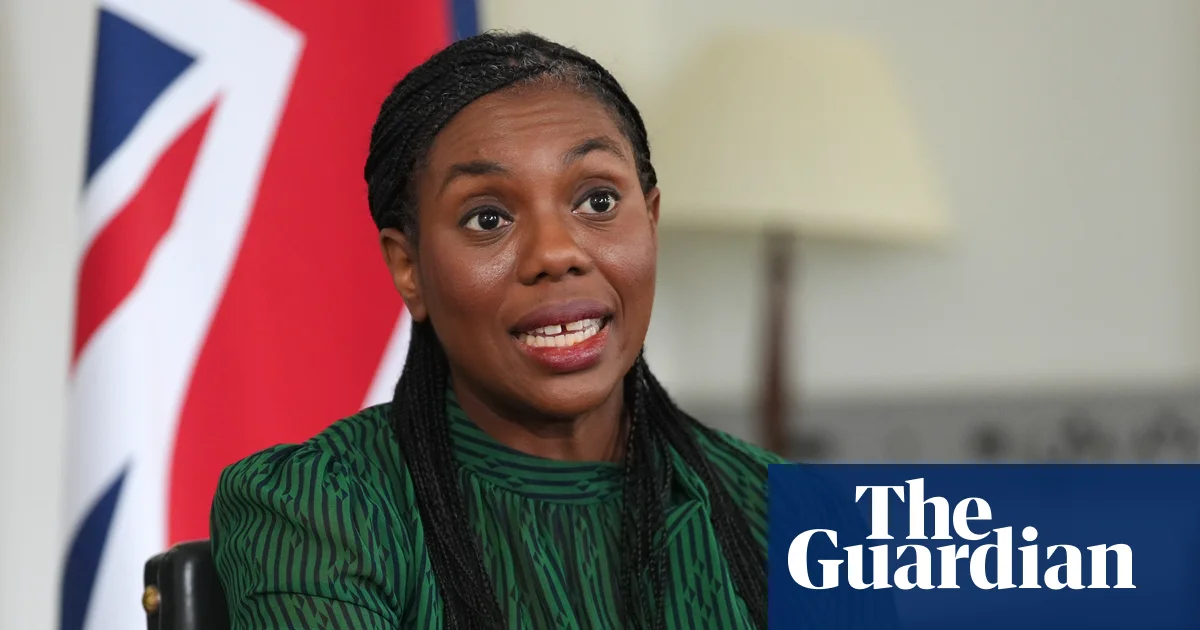
In a world rife with conflict and international upheaval, Britain’s internal political struggles offer a cautionary tale of how domestic missteps can influence broader geopolitical dynamics. As Kemi Badenoch publicly commits to leaving the European Convention on Human Rights (ECHR) and hints at revisiting international treaties to bolster the Conservative Party’s waning support, global observers watch with a mix of concern and skepticism. Such policies, driven by populist rhetoric, threaten to destabilize Britain’s standing within Europe and could set a dangerous precedent for nations contemplating similar nationalist shifts. Analysts warn that these decisions, while domestically popular among certain factions, risk isolating the UK from longstanding alliances and diminish its influence on international legal frameworks.

Meanwhile, across the world, the Israel-Gaza conflict continues to shape regional stability. Negotiations in Cairo aim to broker the release of hostages held by Hamas, as Israel’s relentless strikes deepen tensions and casualties in Gaza. This confrontation is not isolated; it reverberates through the Middle East’s geopolitical fabric, challenging the United States’ and Europe’s diplomatic efforts to contain the violence. Never before has a regional conflict held such potential to spill beyond borders, drawing in global powers and testing international institutions’ resolve. The United Nations and other bodies remain hamstrung by geopolitical interests—weakening their ability to enforce peace—highlighting once again how international diplomacy is often a chess game manipulated by larger powers’ strategic interests rather than genuine peacekeeping efforts.

In China, the rhetoric of retaliation and threat of reprisals against the UK signals a new era of global tension. The Chinese government’s warning against targeted actions under foreign influence rules underscores how Beijing perceives Western efforts to limit its influence as provocations worthy of pushback. Such moves threaten to accelerate the uprising of a new Cold War, where economic and military rivalry undermines global stability. International organizations, such as the World Trade Organization (WTO) and G20, find themselves caught in the crossfire, struggling to mediate between the rising powers. The balance of influence is shifting, with China’s resurgence challenging the post-World War II order, affecting countless societies that rely on fragile international cooperation.

Adding to the chaos, the Syria elections amidst a war-torn landscape reflect a fragile attempt at democratic normalization. Yet, critics, including United Nations observers, warn that the elections are heavily biased in favor of interim authorities, deepening divisions rather than fostering reconciliation. This approach exemplifies how fragile state institutions, weakened by prolonged conflict, are exploited by regional and global actors pursuing strategic goals. The future of Syria remains uncertain, with persistent violence and disillusionment causing ripple effects across the Middle East and beyond, undermining prospects for regional stability and peace.

Domestically, the UK faces rising utility bills, economic uncertainty, and political disarray. The financial struggles of the Tory party reflect a wider crisis of confidence in Western democratic institutions, where declining voter engagement and party memberships threaten the very foundations of governance. These internal fractures, when combined with foreign policy uncertainties, underscore how decisions made within national borders ripple outward—shaping the geopolitical landscape and influencing the course of history. As nations grapple with these complex challenges, the world watches—and waits—knowing that each decision today writes the pages of a history still being penned. The fate of small nations and mighty superpowers alike hang in a delicate balance—an unfolding story where the line between stability and chaos is razor-thin, and the echoes of these choices will resonate for generations to come.
Ley dismisses Hastie’s immigration claims, says daily pressures aren’t caused by migrants | Liberal Party
Hastie: No challenge to Ley’s leadership after stepping down from frontbench

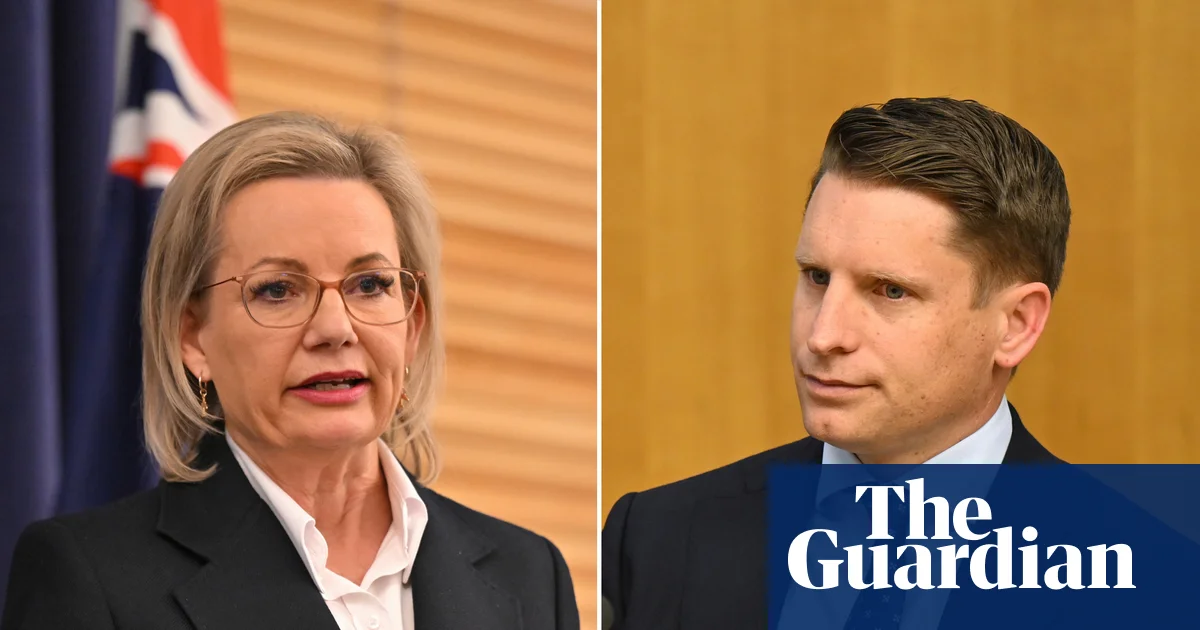
Australia‘s internal political dynamics have taken a sharp turn as figures like Andrew Hastie shift their roles within the Liberal party amidst ongoing ideological debates. Hastie, a former soldier and rising figure within the party, recently announced his resignation from the shadow cabinet, explicitly citing disagreements over foundational issues like immigration policy. While denying any immediate ambition to challenge Sussan Ley for party leadership, Hastie’s move signals a broader ideological reconfiguration that could influence Australia’s domestic and foreign policy orientations.

This internal reordering occurs during a period of significant political turbulence, with debate intensifying over issues such as immigration, energy, and national sovereignty. Hastie advocates for a more nationalist stance, emphasizing “Australia-first” policies that closely align with a growing global trend of national populism. As he professes to maintain his political agenda from the backbench, his actions extend beyond party politics, reflecting a persistent push against what some see as bureaucratic complacency and a response to the frustrations of traditional conservative voters. The ongoing ideological schism within the Australian Liberal party echoes the wider shifts witnessed in Western democracies, where traditional parties are grappling with populist insurgencies and redefining their national commitments.

International organizations and analysts have observed these developments with caution, highlighting the potential repercussions for regional stability. Experts worry that rising nationalist sentiments in Australia could influence its foreign policy calculus, especially in the Indo-Pacific region where competition among major powers such as China and the United States remains intense. The geopolitical impact is multifaceted: increased internal focus on sovereignty and immigration could result in a more independent Australian stance, perhaps limiting alignment with Western allies if domestic pressures favor a more insular approach. Historians of national populism note that such shifts often reshape a country’s external relations—either by hardening its resolve to prioritize sovereignty or by inviting diplomatic recalibrations under the influence of populist inclinations.

  • The internal schism within Australia’s Liberal party underscores a wider contest over national identity, with factions vying for influence amid a fractured political landscape.
  • Hastie’s advocacy for a more restrictive immigration policy aligns with similar trends across Western democracies, fueling debates over multiculturalism and sovereignty.
  • The decision by party leaders to shift responsibilities to the backbench signals a possible strategic realignment, which could embolden nationalist voices in Australian politics.

As the world watches, the Australian chapter of this ideological evolution takes on profound significance. The choices made in Canberra have ramifications well beyond national borders, shaping how emerging democracies respond to the pressures of globalization, migration, and regional power dynamics. The actions of recently reshuffled figures like Hastie serve as a stark reminder: the fabric of a nation’s future is often woven in moments of internal division, sowing seeds that can alter the course of history. With a federal election on the horizon and shifts in strategic allegiance underway, the global order stands on the cusp of a new era, as Australia charts its path through the storms of internal upheaval and international consequence — a true battleground of ideas where the outcome may define the geopolitical landscape for decades to come.

Chevron refinery fire in California contained—safety rallying point for responsible energy leadership

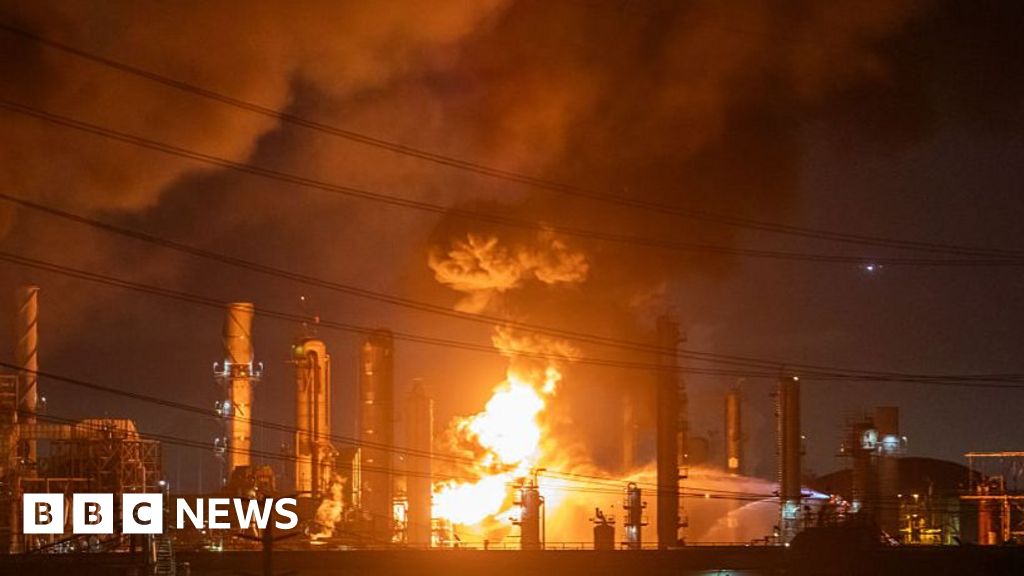
The recent fire at Chevron’s El Segundo refinery near Los Angeles has sent shockwaves through national and international energy sectors. The blaze, which broke out overnight, underscores the fragile nature of critical infrastructure in a global energy landscape fraught with uncertainty. While local authorities reported no immediate threat or evacuation orders, the incident highlights broader vulnerabilities within America’s refining capacity and draws attention to the potential for domestic crises to escalate into larger geopolitical concerns.

This refinery, built in 1911 and ranking as Chevron’s second-largest in the country, supplies roughly one-fifth of motor vehicle fuels and a staggering 40% of jet fuel in southern California. Its strategic importance cannot be overstated, especially given how tightly intertwined energy resource management is with national security and economic stability. With the fire contained but the damage still under investigation, analysts warn that such disruptions could influence gasoline prices, air travel, and regional stability. In an era where energy independence is highly contested, the incident raises questions about America’s resilience in the face of unforeseen disasters.

International organizations and security analysts have long warned that disruptions in the American energy infrastructure could have cascading effects on global markets. The International Energy Agency (IEA) has repeatedly underscored the importance of diversifying energy sources to mitigate risks from such localized but potent incidents. Meanwhile, geopolitical tensions between major powers continue to influence global energy supplies, and the possibility of targeted attacks or sabotage—particularly amidst rising geopolitical rivalries—cannot be dismissed. As historians point out, last decade’s energy crises were often precipitated by seemingly isolated incidents yet had ripple effects that reshaped alliances and economic policies worldwide.

The fire’s symbolic significance extends beyond the immediate damage. It serves as a stark reminder that how nations respond to such crises can shape their future trajectories. Cities like Los Angeles are vital nodes in the global energy web, and local disruptions may be exploited as leverage by hostile actors in an increasingly multipolar geopolitical arena. Experts warn that if these vulnerabilities are left unaddressed, they could fuel narratives of decline and dependency that are already fueling populist movements in the West. The incident also raises the threat of environmental contamination, which local officials are monitoring closely, but the broader consequences for energy security remain a pressing concern for policymakers.

As the world watches this unfolding crisis, with flames still smoldering and the specter of potential repercussions looming, history reminds us that such incidents often serve as turning points—either as catalysts for reform or as moments of vulnerability exploited by rivals. The decision of nations and corporations to fortify or neglect their critical infrastructure will define future geopolitics. With each passing day, the weight of history continues to mount, and the question remains: when calamity strikes, will the world have prepared sufficiently to withstand its toll?

Gen Z protests push president to clean house—new leadership on the horizon

Madagascar Faces Unrest Amid Economic and Political Turmoil

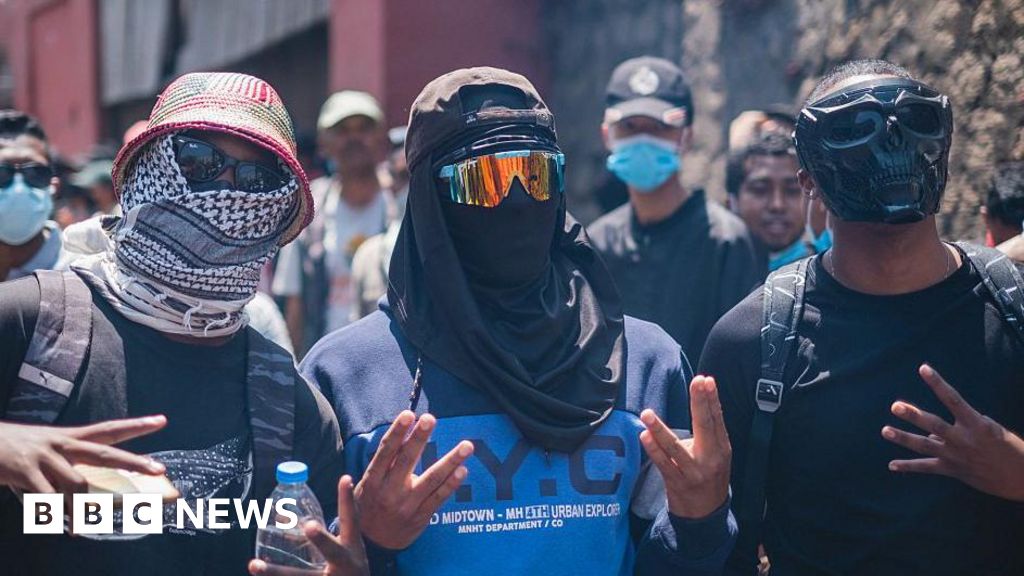
In an unfolding chapter of geopolitical instability, Madagascar is witnessing its most significant wave of protests in over 15 years, signaling a deepening crisis that could reshape the island nation’s future. This eruption of public dissent was largely sparked by endemic issues such as chronic shortages of basic utilities—power and water—coupled with widespread corruption and deteriorating living conditions. Many Malagasy citizens, particularly young people, are now demanding political accountability, with protests escalating rapidly across multiple cities and threatening the stability of President Andry Rajoelina’s government.

For years, Madagascar’s political landscape has been marred by instability and contentious elections. Rajoelina, who first seized power in 2009 during mass protests that ousted then-President Ravalomanana, was re-elected in 2018 amid accusations of electoral irregularities. His latest reelection in 2023, boycotted by opposition groups, only further intensified political divisions. Now, after the recent crackdown on opposition figures and the dismissal of his government, the nation’s fragile political fabric is under severe strain. Analysts and international observers, including the United Nations, warn that reliance on force to quell dissent could deepen the crisis, risking fragmentation and civil unrest. As historian Jean-Michel Roux notes, Madagascar’s history is punctuated by repeated uprisings, showing a pattern where governance struggles often spiral into broader chaos.

Factors Fueling the Uprising

The immediate trigger of the current unrest was the detention of two prominent political figures in Antananarivo, which civil society activists and youth leaders, especially the grassroots-based Gen Z Mada, blame on the government’s attempts to suppress legitimate grievances. The protests initially centered around persistent service outages—hours-long electricity blackouts and water shortages—that have become symbols of government neglect. Many protesters see these failures as symptomatic of entrenched corruption within state utilities like Jirama, which analysts say have been siphoned off for personal gain by political elites. The widespread frustration over deteriorating living standards—among the 75% of the population living below the poverty line—has turned into a call for fundamental political change. This movement, fueled by social media campaigns and united by a common desire for justice and accountability, has expanded beyond the capital, signaling that the unrest is not just about utilities but a broader rejection of President Rajoelina’s policies.

The unrest’s escalation has prompted heavy security responses. Armed forces have been deployed in urban centers, with reports of violent crackdowns, including tear gas, water cannons, and curfews. The government’s framing of these protests as threats to public order has led to accusations of suppression and human rights violations. Opponents, including opposition leaders and civil society organizations, warn that such tactics risk pushing Madagascar towards political instability or outright civil conflict. Meanwhile, international organizations, including the World Bank, have signaled willingness to fund development projects aimed at restoring basic services, but these measures are seen as insufficient amid escalating unrest.

How international and societal reactions shape Madagascar’s future

The international community watches closely as Madagascar’s crisis unfolds. Political analyst Dr. Claire Martin suggests that Madagascar’s trajectory hinges on whether the government pursues dialogue or opts for repression. The opposition, civil society, and even some former leaders advocate for inclusive talks to prevent the descent into chaos. However, recent actions such as dismissing UN casualty figures and imposing curfews suggest a government wary of outside interference and resistant to accountability. The possibility of military neutrality remains a critical flashpoint; as history has shown, Madagascar’s military has occasionally intervened in politics, and its stance could determine whether the island descends into prolonged unrest or begins a difficult path toward reconciliation.

As the world observes, the question remains whether Madagascar will embrace democratic reform or plunge into deeper turmoil. With each demonstration, each act of repression, and each political decision, the island’s future is being forged—one way or another. The weight of history presses heavily upon this young nation, as its people continue to march for justice and dignity, rewriting the story of a nation caught between the failures of the past and the hopes of a new dawn.

Social Media Auto Publish Powered By : XYZScripts.com