Matox News

Truth Over Trends, always!

Toxic Confidence: The Trend That’s Crossing the Line in Today’s Youth Culture

In an era where authenticity is often praised yet superficial confidence seems to reign supreme, the cultural landscape is seeing a transformation—a surge toward _toxic confidence_. Everywhere you look, from social media feeds to Hollywood, there’s a new breed of personality thriving on unshakable _brash self-assurance_. This shift isn’t just about arrogance; it’s a reflection of a society eager to shed its old veneer of modesty and embrace a more daring, unapologetic attitude. Influencers, entrepreneurs, and even politicians now swagger with a kind of bravado that challenges traditional notions of humility, revealing a collective craving for _personal impact and recognition_ in a noisy world.

The rise of _toxic confidence_ can be traced back to a cultural desire for _self-empowerment_ amidst widespread uncertainty. Authors like Dr. Brené Brown have long preached the power of vulnerability, but the current climate favors defiance and assertiveness. Public figures such as comedian Amelia Dimoldenberg, who charms A-listers on her YouTube series “Chicken Shop Date” by wielding flirtatious confidence, exemplify this trend. Culture’s fascination with inflated egos also echoes hip-hop’s diss culture and the theatricality of drag, where _staged bravado_ often masks deeper insecurities. Today, even the most unlikely individuals—be they aspiring entrepreneurs, reality TV stars, or social media personalities—are doubling down on their _swagger_ in the hope of standing out, inspired by icons like President Trump, whose penchant for superlatives has redefined political confidence.

But beneath this _overconfidence_ lies a complex psychological landscape. Psychotherapists such as Rachel Easterly highlight that **many of these bold claims are rooted in societal anxieties**—a defense mechanism against feelings of helplessness, nihilism, and societal collapse. The _embrace of bravado_ provides a fleeting sense of empowerment, a way to borrow ego strength from admired figures or cultural waves. Whether it’s a social media influencer boasting about “making millions” from manifestation courses or a young actor confidently dismissing traditional arts like opera and ballet, this _posturing_ signals a societal shift: a departure from the humility that once marked genuine achievement to a landscape where _self-assured performativity_ gains prominence. However, it’s crucial to recognize that such confidence often camouflages underlying vulnerability, a paradox that makes this cultural moment simultaneously _empowering and fragile_.

What does this mean for the individual’s _personal impact_? It’s simple: at its best, _toxic confidence_ fuels _ambition and action_. It pushes young people to step outside comfort zones—saying “yes” to opportunities they might otherwise ignore, pursuing their goals with unrelenting _assertiveness_. It encourages a kind of _fearless authenticity_ that can inspire others to shed self-doubt. Yet, the danger lies in the excess—when confidence morphs into arrogance or dismisses important values such as humility and empathy. Authors like Mark Manson remind us that _genuine confidence_ derives from a healthy sense of self-awareness, which balances boldness with humility. Navigating this delicate terrain requires embracing _wellness shifts_—not just in physical health but in mental resilience and self-reflection—so that confidence becomes an _empowering tool_ rather than a destructive mask.

As this cultural evolution continues, perhaps the most profound insight lies in understanding that _true confidence_ isn’t about outshining others but about *owning your story with honesty and conviction*. It’s about recognizing one’s worth without diminishing others, and carrying oneself with _authenticity._ For the generation coming into their own in this noisy, hyper-assertive world, a journey towards _self-awareness_—rather than superficial bravado—may be the greatest form of _lifestyle activism_. Embracing this balance isn’t just a personal act, but a societal one, shaping a future where confidence fuels growth, resilience, and genuine influence. In the end, life is a continual process of _embracing your true self_, and perhaps that’s the ultimate power in a world obsessed with _toxic confidence_.
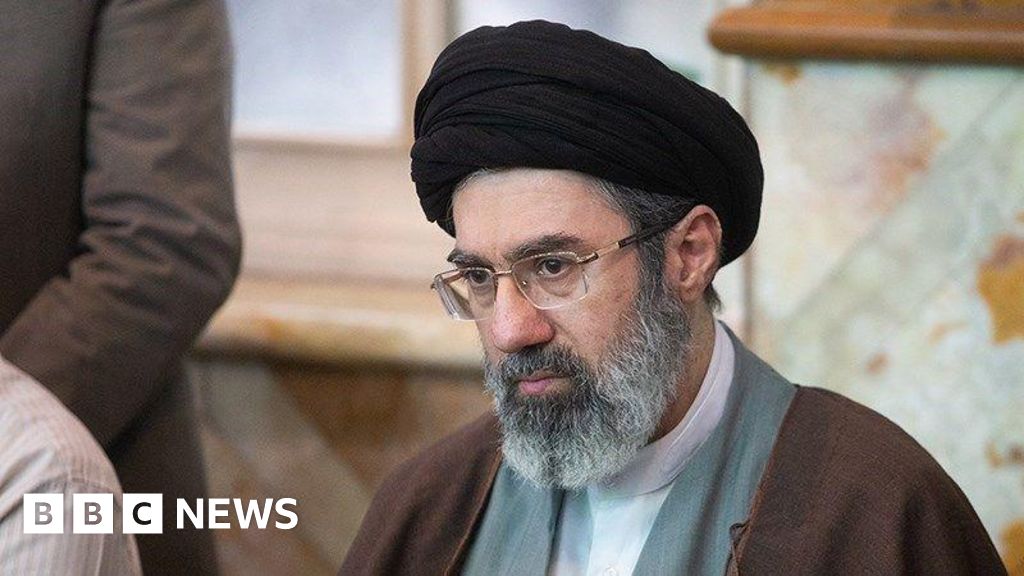
Meet Mojtaba Khamenei: Iran's Next in Line for Power
Meet Mojtaba Khamenei: Iran’s Next in Line for Power

Global Implications of Religious Leadership and Geopolitical Shifts

In one of the most striking examples of individual agency intersecting with international geopolitics, the story of Mojtaba—a devout figure who traveled to Qom in 1999—represents more than a personal spiritual journey. The city, recognized worldwide as a pivotal centre of Shia theology, continues to serve as a significant hub for religious authority in the Middle East. His decision, markedly unconventional given the cultural norms surrounding clerical progression, underscores emerging shifts within the religious and geopolitical landscape of the region. Unlike most of his contemporaries, Mojtaba did not don clerical attire until he was 30, raising questions about generational change and the evolving role of religious scholars within their societies and beyond.

This individual’s choice to pursue religious education later in life coincides with broader international trends—marked by regional tension, shifting alliances, and the ongoing struggle for influence in a volatile geopolitical climate. As analysts observe, this more mature approach to seminary study suggests a strategic recalibration of religious authority, positioning scholars to influence not only religious circles but also societal and political discourse. Such shifts inevitably impact how nations like Iran project power, both internally and externally, especially as religious figures gain—or lose—political legitimacy amidst upheaval and reform efforts.

The international community, particularly Western powers and regional adversaries, watch these developments intently. The rise of figures like Mojtaba, who embody both tradition and modernity, could recalibrate the influence of religious institutions in geopolitics—possibly affecting Iran’s diplomatic strategies, regional stability, and cellular networks of influence across the Middle East. Meanwhile, Tehran continues to navigate turbulent waters, balancing hardline factions with reformist voices, a dynamic that historians and policymakers scrutinize for signals of transformation or impending conflict.

According to experts from the International Crisis Group and renowned scholars of Middle Eastern history, the decisions made within religious spheres often cascade into broader political consequences. As the world teeters on the edge of potential conflict zones, understanding how individual trajectories such as Mojtaba’s influence society becomes essential. The evolution of religious authority—shaped by personal choices and societal shifts—has the power to foment peace or ignite friction across borders, especially as nations grapple with radical ideologies, economic sanctions, and diplomatic negotiations.

In the grand tapestry of history, stories like Mojtaba’s serve as a reminder that the path of a single individual can ripple outward, shaping eras of change. As geopolitical tensions simmer and alliances shift, the significance of religious leadership in turbulence and transformation remains ever-present. With each decision, each change of attire, and each step toward theological enlightenment, the world collectively inches toward an uncertain future—where the weight of history presses down, and the next chapter waits to be written in the shadows of modern tumult. The unfolding struggle for influence, both spiritual and political, continues to define our era, leaving nations and societies to grapple with the profound consequences of their choices—an ongoing saga as old as time itself, yet as fresh as the dawn of tomorrow.

Iran’s risky game: Counting on endurance and deterrence to hold the line

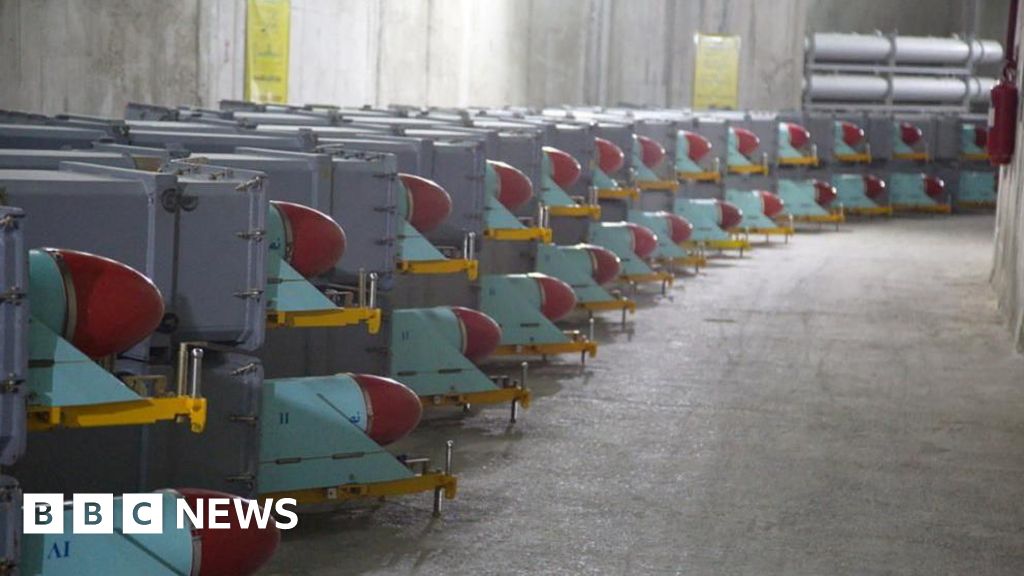
Recent assessments by BBC Persian analyst Amir Azimi highlight a noticeable shift in Tehran’s strategic outlook amidst escalating tensions in the Middle East. The Iranian leadership seems to operate under a fundamental belief: it can withstand prolonged external aggression, absorbing strikes and enduring economic sanctions longer than its adversaries can sustain their pain. This doctrine of resilience underscores Iran’s evolving approach to regional and global conflicts, positioning itself as a formidable power capable of weathering sustained pressure while pursuing its strategic objectives.

Historically, Iran has navigated a landscape fraught with external hostility, from the post-1979 revolution era through the Iran-Iraq War to the current complexities involving the United States, Israel, and their allies. These persistent conflicts and diplomatic confrontations have shaped Iran’s mindset: resilience is its most valuable card. Azimi’s analysis suggests that Tehran believes this long game approach compels its rivals to either relent or exhaust their resources trying to diminish Iran’s position. This form of strategic endurance is rooted not just in military doctrine, but also in the ideological conviction that external coercion cannot break Iran’s ideological unity or its resolve to pursue autonomous regional interests.

The implications of this approach have significant geopolitical impact. Decisions made in Tehran—whether in response to U.S. sanctions, foreign military threats, or regional alliances—are increasingly characterized by a calculated patience. This tactic aims to shift the conflict from direct confrontation to an endurance contest, where Iran seeks to leverage its resilience to outlast economic and diplomatic pressures. International organizations and geopolitical analysts warn that this could lead to a protracted standoff, with each side exhausting its capacity for costly escalation. While some global pundits refer to Iran’s strategy as a form of “geopolitical gamble,” others consider it a dangerous game that risks further destabilizing an already volatile region.

Experts such as John Bolton and Middle East analysts warn that this calculus could have profound consequences. As Iran continues to develop its missile programs, expand its influence in Syria, Iraq, and Yemen, and push back against external interference, the region faces a potential escalation that many say is inevitable, unless diplomatic breakthroughs occur soon. Meanwhile, the United States and its allies remain divided on whether to pursue direct military action or to double down on economic measures—both strategies engaging in a high-stakes game of endurance, with the entire world watching.

In this evolving geopolitical chess match, the question remains: how long can the players sustain their respective strategies before history decides the final move? As Iran’s leadership appears prepared to absorb and outrun its opponents’ efforts, the world stands on the precipice of a chapter still unwritten, where patience, resilience, and strategic endurance may define the course of the 21st century’s most complex conflict. The echoes of history remind us that in the realm of global power conflicts, endurance often becomes the ultimate weapon—and the defining factor in the long-term balance of influence.

Is Kim Jong Un’s Teenage Daughter in Line to Lead North Korea?

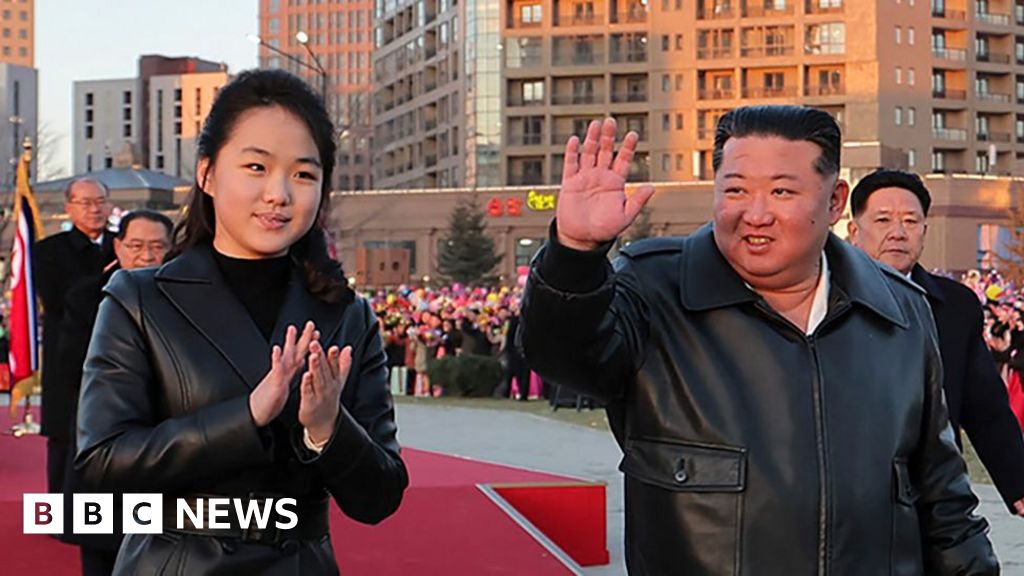
The delicate geopolitical landscape of East Asia continues to be shaped by the elusive and often unpredictable nature of North Korea. According to insights provided by Ryu, a former diplomat turned defected observer, the country’s legal foundation is deeply rooted in a dynastic doctrine that underscores the importance of inheritance of power within the Kim family. This doctrine mandates that the nation be governed by an individual bearing the Paektu bloodline, which traces directly to the country’s founder, Kim Il Sung. This dynastic principle not only sustains the political legitimacy of the Kim family but also entrenches a rigid succession model that influences everything from national policy to international diplomacy.

Since defecting in 2019, Ryu has shed light on the profound implications of these internal rules, which are crafted into the nation’s legal code by the Kim family itself. The strict requirement for leadership to descend from Kim Il Sung ensures continuity, yet it also risks stagnation, especially as the current leader, Kim Jong Un, consolidates power amidst mounting global pressures. The legal and ideological architecture of North Korea serves both as a barrier to political reform and a symbolic declaration of loyalty, making any potential leadership change a carefully choreographed event that influences regional stability.

International analysts and historians have consistently pointed out that North Korea’s dynastic succession shapes **not only internal governance** but also has global consequences. The country’s aggressive nuclear development programs, persistent military posturing, and diplomatic isolation are in part driven by the Kim family’s desire to maintain their rule and defend their ideological sovereignty. Organizations such as the United Nations warn that such policies threaten regional security and global peace. As East Asian powers, including South Korea and Japan, recalibrate their defenses amidst unpredictable leadership transitions, the world watches with a mixture of concern and alarm. The international community’s attempts to negotiate denuclearization have repeatedly been stymied by North Korea’s insistence on sovereignty rooted in these dynastic principles, which are as much about preserving Kim family control as they are about national pride.

In the larger geopolitical chessboard, China and Russia also play critical roles, continuously balancing their strategic interests with North Korea’s internal realities. As China’s economic influence grows and Russia seeks to expand its presence in the region, the dynastic stability of Pyongyang remains a pivot point that could sway regional alignments. If the Kim regime were to falter or transition unexpectedly, the consequences for global diplomacy could escalate rapidly, pushing the world into an era where the clash of ideologies and the pursuit of influence threaten to ignite localized conflicts into broader crises.

History often shows us that the decisions taken today echo through generations. As North Korea remains committed to its legal code rooted in the Kim dynasty, experts caution that the uncertainty of leadership succession leaves the international order vulnerable to sudden shifts. With each passing day, as the world watches, the unfolding story of a nation foundationally bound by blood, ideology, and power continues to rate as one of the most consequential narratives of the 21st century—where the lines between stability and chaos are defined by the unyielding will of a dynasty that refuses to fade quietly into history.

From Underestimated to Over the Line: The Rise of Toxicity in America’s Next Top Model | New Documentary

Few reality TV shows have captured the cultural zeitgeist quite like America’s Next Top Model. Launching in 2003, it became more than just a competition; it was a spectacle that showcased diversity, ambition, and the harsh realities of the fashion industry. But beneath the glamor and runway flashes lies a troubling history—an intricate web of toxicity and exploitation that now, two decades later, is being laid bare through a much-needed re-examination. A recent Netflix docuseries titled Reality Check peels back the curtain, revealing an industry that, while celebrated for its diversity, often echoed the worst traits of its time, including body shaming, racism, and even sexual misconduct. This revival raises pressing questions about the cultural impact of reality television and the shifting social relevance of such platforms in an era of social justice awareness.

Influencers, sociologists, and former insiders like Tyra Banks have publicly reflected on the show’s complex legacy. Banks, who starred as the show’s creator and host, struggled to reconcile her pioneering efforts for diversity—being the first Black woman on the covers of Sports Illustrated and GQ—with the show’s darker underbelly. She admitted that the production often prioritized sensationalism over the mental health and dignity of the contestants, many of whom were as young as 18 and subjected to harsh criticism, ridicule, and even harassment. The series, which was a global sensation, operated in an environment where public expectations of beauty and social media’s relentless scrutiny created a perfect storm of pressure and exploitation. “They started as misfits with very good intentions,” remarks co-director Daniel Sivan, noting how the show’s power dynamics shifted dangerously over its 24 cycles, culminating in a hideous descent into “bullies,” with contestants often caught in the crossfire of on-screen and off-screen abuses.

The revelations uncovered in the series spotlight how societal standards around beauty—amplified by social media—continue to influence cultural perceptions. Even with more formal **duty of care** in modern reality TV, critics argue that social media’s democratization of beauty has paradoxically deepened the obsession with physical perfection. On Instagram, the prominent images remain overwhelmingly thin, fit, and heavily surgically manipulated, creating a confusing message for impressionable youth. Fashion influencer and sociologist Dr. Lisa Hart warns that “Our own children are obsessed with makeup and filters, and that’s shaping their worldview of what beauty truly means.” It suggests that society remains trapped in a cycle where the glamorization of perfection continues to suppress authentic, diverse representations of beauty, making controversial shows like ANTM a mirror reflecting society’s unresolved tensions around identity and appearance.

Despite its troubled history, the prospect of a revived America’s Next Top Model sparks a passionate debate about whether the show can evolve or simply repeat its past mistakes. Banks hints at plans for Cycle 25, a comeback that could either be an opportunity for meaningful change or a rehash of old controversies. The docuseries emphasizes the importance of focusing on the **personality and resilience** of contestants over superficial appearances, a message many believe is crucial for the future of reality TV. However, the lingering question remains: Is society truly ready to confront and rectify the toxic shadows of our cultural icons, or are we simply craving more of the same under a new guise? As we stand at this crossroads, the next big question might be: Will this moment of reckoning lead to a genuine shift in how we define beauty and success, or will it fade into the background, leaving the cycle of exploitation intact?

Spain cuts speed limit on key train line following safety flaw

Spain Faces a Rail Crisis as Safety Concerns Shake the Nation

The recent crises plaguing the Spanish rail system have thrust the country into a state of heightened alert and uncertainty, highlighting deep-seated questions about infrastructure integrity, government accountability, and the broader implications for European security. In the wake of the tragic accident in Adamuz, which resulted in 45 deaths, authorities have responded with drastic measures—most notably, the speed reductions along key high-speed lines, a move that underscores the fragility of Spain’s once-celebrated rail network.

Transport authorities, led by Minister Óscar Puente, announced the temporary lowering of speeds on the Madrid-Barcelona high-speed corridor—a crucial artery for Spain’s economy and mobility—from 300 km/h to a mere 80 km/h. This decision reflects mounting concerns over technical failures and aging infrastructure, with inspections revealing cracks and weld failures on recently renovated tracks. Such technical lapses not only jeopardize passenger safety but threaten Spain’s image as a leader in high-speed rail technology, which was once heralded as a testament to the country’s modernity and ingenuity.

Adding fuel to the fire, the Rodalies regional line in Catalonia has become a battleground of safety protests, service disruptions, and political contention. After the tragic loss of a trainee driver, the service was grounded amid demands for improved safety standards. The Catalan Republican Left (ERC) labeled the decades of neglect and underinvestment as the root cause of the current crisis, emphasizing how political disinvestment and bureaucratic complacency are putting lives at risk. Meanwhile, the Spanish government is under mounting pressure, with Prime Minister Pedro Sánchez scheduled to face Congress on 11 February to address the nation’s mounting concerns—a move seen by many as a deflection and a test of his administration’s resolve.

The investigation into the Adamuz derailment reveals unsettling details: a 40-centimeter section of track, welded together from pieces manufactured decades apart, likely caused the fatal derailment. Despite recent renovations and technical reviews, the weld’s failure exposes systemic flaws in Spain’s infrastructure oversight, raising fears that similar issues may lurk elsewhere in the network. International safety standards, lauded by global organizations like Transport Canada and European Railway Agency, mandate rigorous inspections—yet, the failure to prevent this tragedy indicates a troubling deviation from best practices.

Analysts warn that these failures have *geopolitical implications* extending beyond Spain’s borders. As a member of the European Union, Spain’s technological and safety lapses threaten the continent’s broader transit and security frameworks. Many voice concern over the potential for international confidence erosion, jeopardizing future investments and partnerships. Historians caution that this crisis echoes past errors: the cost of neglecting critical infrastructure in pursuit of innovation. As Spain grapples with its railway woes, the world watches, awaiting a response that will determine whether this once-proud nation can reclaim its reputation—or be remembered as a cautionary tale of hubris and neglect in an era when infrastructure is the backbone of sovereignty and resilience.

Fans Say Messi 'GOAT' Tour Crosses the Line with Chairs and Bottles at Stadium
Fans Say Messi ‘GOAT’ Tour Crosses the Line with Chairs and Bottles at Stadium

Global Impact of Messi’s Indian Tour and the Unfolding Crisis

Messi’s Indian Tour Sparks Unrest Amid International Spotlight

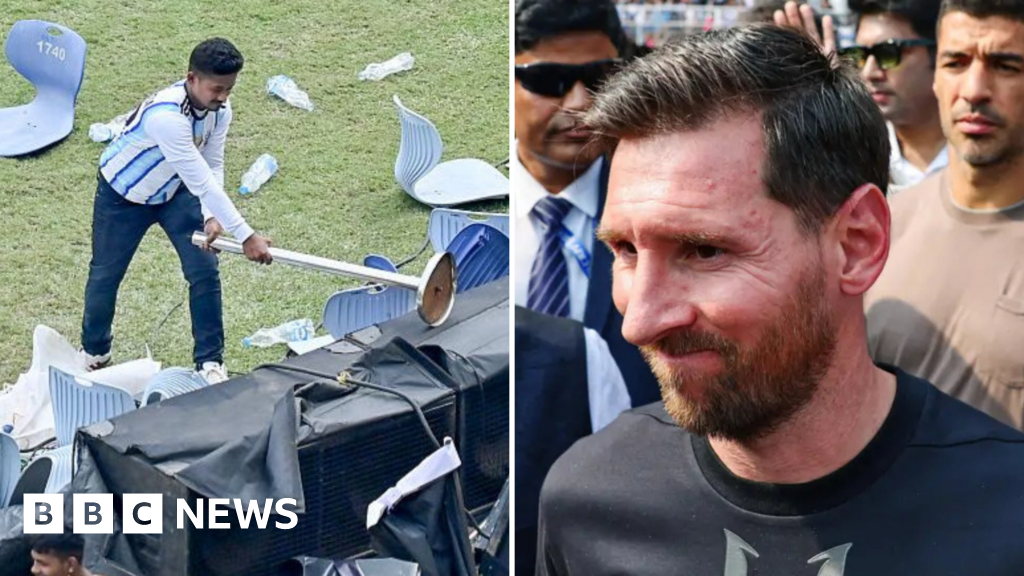
The recent visit of football legend Lionel Messi to India has become a flashpoint in the world’s geopolitical landscape, highlighting broader issues of public disillusionment, governmental accountability, and growing tensions within rapidly developing nations. Organized as part of his global “GOAT” tour, Messi’s appearance in Kolkata was expected to be a showcase of sport and celebrity diplomacy. Instead, it turned into a dramatic episode revealing the fragility of social order and the risks associated with high-profile international events in emerging powers. Despite the massive turnout—thousands of fans who paid significant sums for tickets—the event culminated in chaos, with crowds storming fences, vandalizing banners, and hurling objects after Messi’s abrupt departure.

The violence that erupted at Salt Lake Stadium underscores the discontent that simmers beneath India’s vibrant surface. Fans who traveled from distant cities, some spending a month’s salary on tickets, arrived with high hopes of a glimpse of their idol. However, they were met with disappointment when the organizers, and reportedly the police, failed to facilitate Messi’s full appearance. The event’s “security concerns,” as cited by authorities, masked deeper failures—an inability to manage large crowds and an underlying mistrust between the public and officials responsible for event organization. Historians interpret such incidents as symptomatic of India’s unresolved tension between urban growth and social stability, where public sentiment can quickly turn hostile when expectations are dashed by mismanagement and corruption.

From an international perspective, the incident signals a broader geopolitical impact—not just a failure of event planning, but a reflection of mounting frustration with governments and institutions perceived as disconnected from the populace. Analysts point to how India’s evolving domestic politics and its positioning as a global power are under scrutiny, especially amid the current rise of nationalist sentiment and economic inequality. The failure to provide a safe and organized experience has ramifications beyond the stadium, impacting India’s international image and its soft power strategy. The Indian government, under pressure from critics and the international community, has announced investigations and measures to improve security and event management—yet, this episode serves as a warning: public trust in institutions remains fragile.

Meanwhile, the broader international community watches as India grapples with these internal vulnerabilities. The incident highlights the delicate balance of showcasing national pride through global celebrities while managing the masses’ expectations. While Messi’s event was a private affair not sanctioned by the All India Football Federation, its fallout has become a subject of political debate over the country’s readiness to host such large-scale, high-profile events. Experts including political analysts and historians argue that the scene at Kolkata—marked by anger, vandalism, and disillusionment—foreshadows potential unrest if governments continue to prioritize superficial displays over substantive reforms. It also echoes other recent episodes where misplaced priorities and logistical failures have stoked social tensions across South Asia’s largest democracy.

As Messi’s silhouette vanished behind security barriers and the crowd’s unrest swelled, the situation took on a symbolic weight. It is not merely a story about a misplaced celebration of sport, but a chapter in the unfolding narrative of a nation at a crossroads—caught between its ancient roots and modern ambitions. The reactions of local authorities, national political figures, and international observers will determine whether this is an isolated incident or a harbinger of deeper unrest. Ultimately, the question lingers: Can India reconcile its rapid ascent with the social cohesion needed to sustain it, or will this chaos mark the beginning of a more turbulent chapter in its history? As history continues to unfold, the echoes of Salt Lake Stadium’s chaos resonate beyond its own borders, a stark reminder that the line between celebration and catastrophe remains razor-thin in a world where power, pride, and peril collide.

Death toll hits 146; thousands line up to honor victims

Tragedy Unfolds in Hong Kong: Deadliest Fire in Over 70 Years Claims 146 Lives

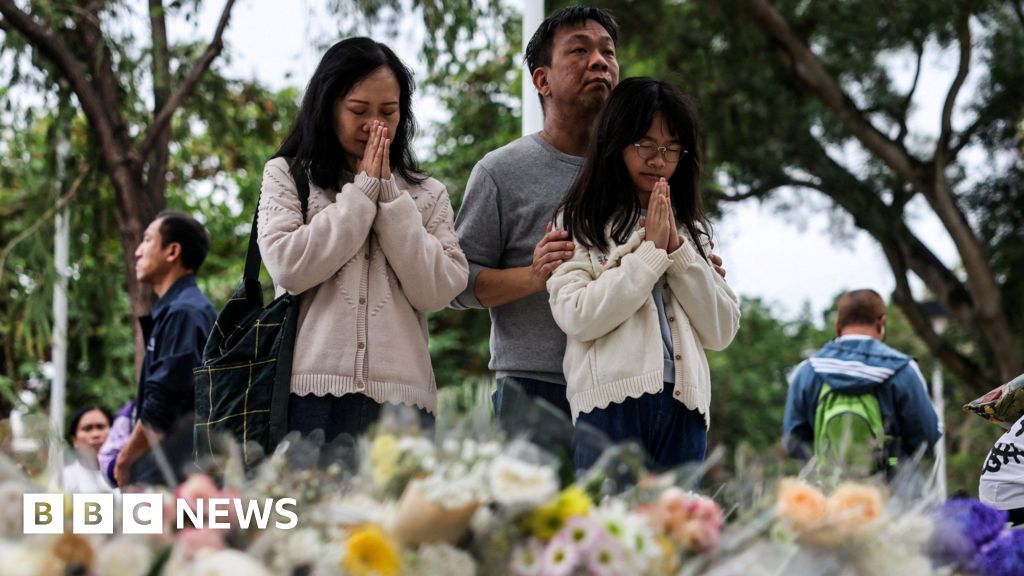
On what has become a nightmarish day for the Hong Kong-administrated territory, a catastrophic fire swept through multiple high-rise buildings in the Tai Po district, resulting in the loss of at least 146 lives. As authorities grapple with the devastating toll, the incident is sending shockwaves across the international community, exposing critical vulnerabilities in building safety protocols and igniting debates over regulatory oversight. The blaze, which began on Wednesday, rapidly engulfed seven of the eight tower blocks, forcing a massive firefighting operation that involved over 2,000 personnel and lasted until early Friday morning.

Initial investigations suggest that flammable materials, including plastic netting and bamboo scaffolding—standard in Hong Kong’s construction and renovation scene—may have substantially contributed to the fire’s ferocity. Fire officials reported temperatures soaring to 500°C (932°F), with flames spreading vertically and horizontally across interconnected towers, hampering efforts to contain the inferno. Shockingly, residents have raised concerns that fire alarms throughout the affected blocks were either malfunctioning or unheeded during the early stages of the blaze, exacerbating the tragedy. Arrests have been made—eight individuals detained on suspicion of corruption related to the renovation works, and three on manslaughter charges—highlighting potential negligence that may have played a pivotal role in the disaster’s escalation.

International Fallout and the Global Power Dynamics

  • The Chinese government, which maintains tight control over Hong Kong, has now faced intense scrutiny. Societies all over the world are watching with wary eyes as questions emerge about the effectiveness of Hong Kong’s regulatory agencies and the influence of corruption within the city’s development sector.
  • Foreign nations, including Indonesian and Philippine consulates, have reported multiple victims, underscoring the fire’s international human toll. The presence of foreign nationals among the dead complicates diplomatic relations and raises fears over safety standards for expatriates living in the region.
  • Global institutions like the United Nations, which frequently advocate for improved urban safety and disaster preparedness, are likely to face increased pressure to push for reforms, especially in densely populated urban centers vulnerable to similar calamities. This incident illuminates the ongoing challenges that advanced economies face in managing urban infrastructure, and some analysts warn that neglect and corruption are undermining decades of progress towards safer living environments.

How Decisions Shape Societies—A Critical Reflection

The fire at Wang Fuk Court is not merely an isolated tragedy but a reflection of broader issues endemic to modern urban development—namely, the prioritization of cost-cutting over safety, and the apparent apathy towards structural integrity, especially in government-subsidized housing. Historians note that Hong Kong has experienced devastating fires before, with the 1948 disaster claiming 176 lives and the 1918 Happy Valley Racecourse fire surpassing 600 casualties. Yet, each catastrophe has historically prompted fleeting reforms rather than systemic change, a pattern the current crisis risks repeating if urgent action is not taken.

International experts and organizations, including the World Health Organization and urban safety watchdogs, emphasize that these tragedies serve as harsh lessons in urban resilience. The atmosphere of corruption, coupled with lax enforcement and infrastructural shortcuts, directly endangers the very fabric of society. As protests and public mourning continue, the question remains: how many more lives will have to be lost before the collective will is galvanized into meaningful reform? The high-rise flames might have been extinguished, but the flames of accountability and vigilant civic oversight are yet to be kindled in earnest. This is a chapter that history will either condemn for negligence or commend for its resolve—either way, the story is still being written.

Instagram and Facebook flout EU’s illegal content laws—youth-led digital freedom on the line

EU Regulatory Crackdown Challenges Tech Giants’ Dominion

The European Union’s latest move signals a significant shift in how global regulatory frameworks are poised to reshape the technology landscape. Both unnamed leading platforms are facing stiff fines of up to six percent of their annual worldwide revenue, a stark wake-up call for industry giants accustomed to operating with minimal oversight. As these firms mull over the potential to challenge the EU’s findings or enact preemptive measures, the stakes could redefine how platforms innovate and compete on the global stage. This regulatory pressure underscores a broader trend: regulation as a disruptive force in establishing new norms for digital governance.

The core concern centers on the platforms’ potential abuse of market dominance and anti-competitive practices—allegations that, if proven, could fundamentally alter the digital ecosystem. Industry analysts from Gartner and MIT suggest that such enforcement actions serve as a crucial inflection point, compelling companies to accelerate compliance initiatives and rethink their strategic agility. For example, these companies might need to implement more transparent algorithms, enhance user data protections, or modify their business models to meet stringent EU standards. The possibility of hefty fines—calculated as a percentage of revenue—adds an economic deterrent, pushing firms toward a new era of regulatory-driven innovation.

This tightening regulatory landscape arrives amid a wave of global calls for increased platform accountability. However, critics warn that excessive regulation could stifle foundational innovation or trigger retaliatory measures that fragment markets. Yet, industry leaders like Elon Musk and Peter Thiel emphasize the importance of disruption as a catalyst for competitive evolution, arguing that regulations should foster innovation while safeguarding consumer rights. As a result, the verdict and subsequent actions will likely serve as a blueprint for future global regulatory standards, compelling platforms to develop smarter, more responsible technological solutions.

In considering the broader business implications, this scenario signals a definitive shift towards an industry where compliance and innovation are increasingly intertwined. Companies that adapt swiftly—embracing transparency, AI governance, and fair market practices—stand to strengthen their position amid adverse regulations. Conversely, firms unable or unwilling to adjust risk falling behind as regulators adopt a more assertive stance. Moving forward, the urgency is clear: the tech sector must innovate within the boundaries of emerging regulatory frameworks or face disruptive penalties that could reshape market dominance. As the EU’s final rulings loom, the question remains—how will these digital titans evolve in an era where regulation, innovation, and global competitiveness are inseparably linked?

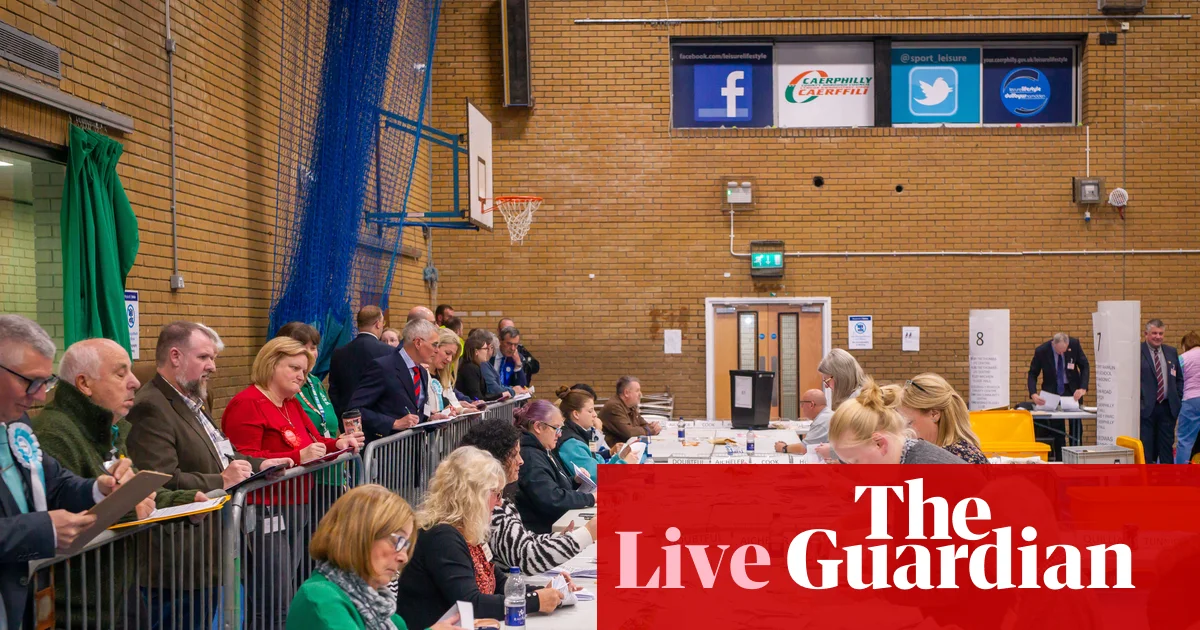
Caerphilly Byelection: Labour, Plaid, and Reform UK clash as key Welsh vote hits the finish line

Caerphilly Byelection Sparks Critical Shifts in Welsh and UK Politics

The Caerphilly byelection, recently concluded with a voter turnout exceeding 50.43%, has captured the world’s attention as a potentially defining moment in Welsh politics. Historically, voter engagement in such devolved elections has been modest, with prior turnouts seldom crossing the 50% threshold, making this election a significant anomaly. Experts note that this heralds an era where direct democratic participation in Wales might be on the rise, thereby intensifying the stakes for political factions vying for influence.

At its core, the outcome of this byelection is seen as a barometer for the larger geopolitical impact on UK politics. The possible loss of the Caerphilly seat by Labour, the longstanding dominant force in Welsh governance since 1999, would not merely be a local concern. It signifies a broader disenchantment with the party’s performance both at Westminster and Cardiff, which has opened space for insurgent parties like Reform UK and Plaid Cymru to challenge the status quo. As analysts warn, if Reform manages to replicate its recent gains, it could destabilize the traditional political landscape, pushing the UK closer to a new, more fractured political era.

Fierce Campaigns Echo Broader Ideological Battles

The election, called due to the death of Hefin Wyn David, underscores the mounting ideological struggle within Wales—between those advocating for continued devolution and independence, and reformers promising constitutional overhaul. Nigel Farage and his Reform UK team invested heavily, pledging to “throw everything” into the contest, notably capitalizing on voter dissatisfaction with established parties. Meanwhile, Plaid Cymru seeks to solidify its claim as the primary nationalist voice, emphasizing their focus on a future independent Wales and presenting themselves as the alternative to what they depict as Labour’s waning influence.

Additionally, the battle witnessed energetic grassroots activism, with Lindsay Whittle of Plaid describing the campaign as “really energetic,” further indicating that the fight over Welsh sovereignty and societal direction is far from settled. Several internationals, including political historians, see this contest as a potential bellwether for the upcoming full Senedd elections, where the real redefinition of Welsh autonomy could crystallize. This contest, therefore, is not merely a local election but a proxy for future societal shifts, impacting the British Isles’ political architecture.

Societal Underpinnings and Future Forecasts

Despite the fierce political rhetoric, some fear that polarization and societal division lie beneath the surface of these electoral battles. The reports of intimidation tactics—such as attacks on Reform UK candidates’ properties—and controversies over campaign rhetoric indicate a volatile atmosphere. Yet, this tumult reflects a deeper undercurrent: a society grappling with change, identity, and the future of its governance. As Sharon Walker, an international political analyst, suggests, the political shift in Caerphilly could serve as a touchstone influencing debates across the UK on national identity, sovereignty, and social cohesion.

The story of this election remains unwritten as vote counting continues and the nation watches with bated breath. If the results favor Plaid Cymru or Reform UK, the landscape of Welsh and UK policy-making may be forever altered, ushering in an unprecedented chapter where allegiance and ideology are re-scribed anew. In this unfolding saga, history is not merely being watched—it’s actively being made, and the world must brace for the seismic implications that are yet to come.

Social Media Auto Publish Powered By : XYZScripts.com