Matox News

Truth Over Trends, always!

Australia News Live: Albanese Fights Fuel Crisis, Roberts-Smith Headed to Court

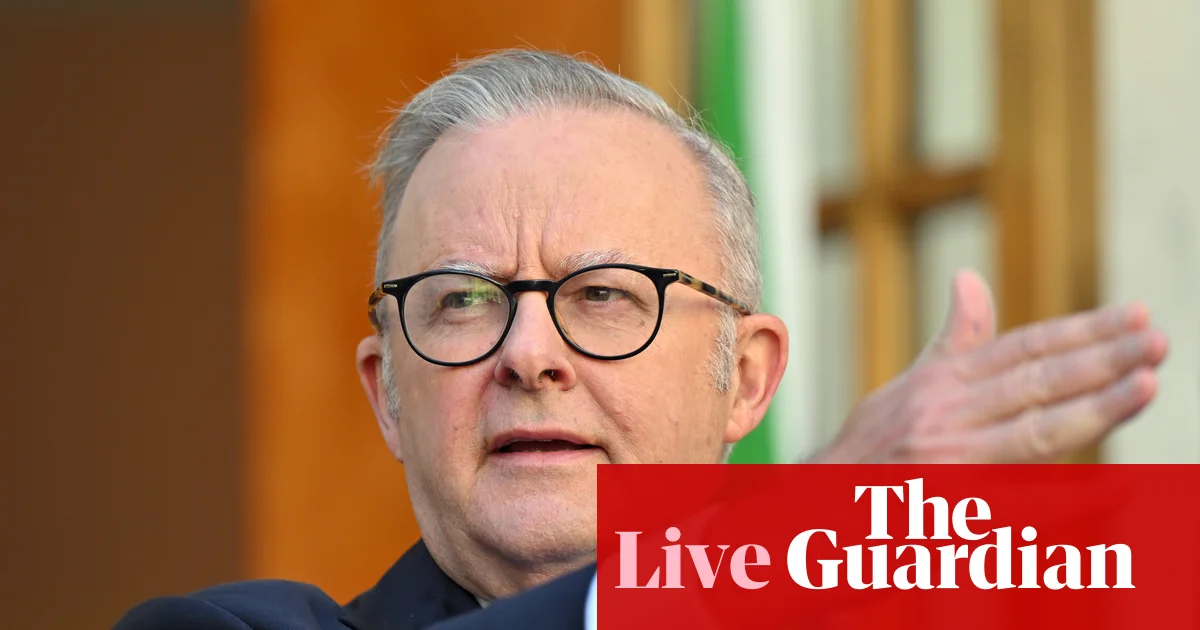
In a world witnessing seismic shifts in energy diplomacy and geopolitical alignments, Australia finds itself at a pivotal crossroads. Recent high-level discussions between Prime Minister Anthony Albanese and Chinese Premier Li Qiang reveal a cautious yet strategic approach to regional energy security amidst rising tensions and uncertain global markets. As regional and international power equations evolve, nations are recalibrating their alliances and resource dependencies with a mixture of diplomacy and assertiveness, recognizing that today’s decisions will echo through the corridors of history for decades to come.

The core of these diplomatic efforts centers on securing vital fuel supplies, with China playing a critical role as either partner or rival in the future energy landscape. The agreement to increase communication and cooperation on energy matters underscores a diplomatic acknowledgment that stability in fuel imports, particularly jet fuel, is fundamental to Australia’s economic resilience. However, international analysts, such as those from the International Energy Agency, warn that regional cooperation might be fragile, heavily impacted by the ongoing conflicts in the Middle East and escalating tensions with Iran. The ever-present risk of supply disruptions has prompted leaders like Albanese to prioritize diplomatic engagement, but the real question remains—how long can the fragile balance hold before geopolitics and competition threaten to unravel these fragile agreements?

Simultaneously, domestic political actors like Matt Canavan of Australia’s Nationals advocate for a more assertive, tariff-led economic revival. His proposals include reviving tariffs and closing borders to mass migration, emphasizing a nationalist, protectionist stance aimed at shielding Australia’s industries from global economic pressures. Such rhetoric taps into wider fears of economic encroachment, and even echoes echoes of America’s Trump-era policies. Historians and policy experts warn this path risks deepening international tensions and reintroducing economic nationalism as a primary tool of sovereignty. Yet, in an era of changing alliances, the decision to pursue such protectionism will profoundly influence how Australia positions itself within the broader Indo-Pacific arc of influence.

Moreover, the trial of Ben Roberts-Smith, Australia’s most decorated soldier, for alleged war crimes in Afghanistan, brings into focus the darker dimensions of military engagement and national identity. His courtroom appearance not only scrutinizes Australia’s military conduct but also raises questions about the toll of global conflicts and the responsibilities of modern states. International organizations and defense analysts warn that such debates have geopolitical repercussions, shaping perceptions of Australia’s global role. This ongoing saga reminds the world that history’s unfolding often bears scars—both visible and unseen—that influence foreign policy, domestic stability, and moral authority. As the legal proceedings unfold, the weight of history looms, echoing both the heroism and the moral ambiguities of a nation shaped by war and diplomacy alike.

In the broader canvas of world affairs, these intersecting developments reveal a landscape where strategic energy partnerships, nationalist policies, and military reckonings are interconnected strands of a complex geopolitical tapestry. As leaders and citizens grapple with the choices before them, they are writing a new chapter—one that may redefine alliances, resource control, and the moral fabric of nations. The future belongs to those who understand that in the theatre of history, every decision, every conflict, and every accord is a stroke on the vast canvas of human destiny—an unfolding story that demands vigilance, resilience, and a keen awareness of how the dynamics of today will shape the history of tomorrow.

MAGA Movement Fractures: Trump Warns Iran Risks ‘Entire Civilization’ Over Deal – Live Update | Trump Admin

As President Donald Trump escalates his rhetoric and military threats against Iran, the geopolitical landscape of the Middle East and international diplomacy faces unprecedented turbulence. Trump’s recent threats, including promises to target Iran’s civilian and energy infrastructure if Tehran fails to reopen the Strait of Hormuz, represent a significant departure from traditional U.S. policy. Historically, such threats have been condemned by international watchdogs and analysts who warn that escalating military rhetoric could spiral into a full-scale conflict with widespread consequences. Prominent geopolitical scholars argue that these actions risk destabilizing the already volatile region, with ripple effects extending far beyond Iran’s borders, impacting global energy supplies and regional alliances.

The U.S. administration’s stance appears to have fractured even within Trump’s own political base. As the crisis deepens, voices from the right-wing echo chamber are voicing concerns over the potential for catastrophic escalation. Former Fox News anchor Tucker Carlson condemned the escalation as “vile on every level,” emphasizing that the threats to kill civilians and destroy Iran’s infrastructure are reckless and unprecedented in American foreign policy history. Meanwhile, figures like Marjorie Taylor Greene have openly called for his removal under the 25th Amendment, citing concerns over his mental stability amid these threats. This internal rift underscores a larger pattern of disunity, as even the most conservative factions begin to question the wisdom of Trump’s aggressive approach.

Internationally, responses have been mixed but increasingly alarmed. The European Union and United Nations have expressed concern over the risk of war, with diplomats warning that such threats undermine efforts toward de-escalation. Historically, analysts like Dr. James Dobbins, a retired U.S. diplomat, have emphasized that miscalculations driven by inflammatory rhetoric could escalate into a conflict that would have devastating regional and global consequences. Oil markets have reacted sharply as well; Brent crude prices have surged above $110 a barrel, reflecting fears of supply disruptions given Iran’s strategic importance. Oil experts warn that such instability could trigger a broader energy crisis, reverberating through global markets and economies already fragile from recent disruptions. The geopolitical upheaval around the Strait of Hormuz thus has the potential to reshape international alliances, reduce U.S. influence in the region, and force nations to recalibrate their foreign policies based on security and economic interests.

This crisis unveils a stark reality: the decisions made today could define the future of international order for decades to come. The dramatic threats by Trump, coupled with internal fractures and global unease, serve as a sobering reminder that the course of history remains uncertain. The coming days will test whether diplomatic channels can withstand this storm or if a misstep will plunge the world into conflict. As history continues to unfold, one thing becomes clear—the era of unchecked military bravado risks turning into a chapter marked by irreversible consequences for nations and societies across the globe. The weight of those choices now hangs heavily in the balance, casting shadows over what the future holds for international peace and stability.

Australia’s Hottest Double-Dairy Ice Cream Takes TikTok by Storm — But Does It Really Live Up to the Hype?

In a world where social media continues to redefine our culinary landscape, a new trend has taken hold—over-the-top food creations that prioritize visual appeal and shareability over traditional flavor profiles. Among these, butter-dipped soft serve has emerged as a fascinating, if controversial, example of this culinary shift. Originally inspired by creations from renowned New York chef Dominique Ansel—most famous for his viral cronut—the butter-soft serve is now making waves at events like the Sydney Royal Easter Show. Crafted with a rich butter infusion, this decadent treat symbolizes the cultural obsession with _aesthetic_ perfection and the thrill of capturing the “next big thing” in food.

On the surface, this trend is about more than just taste; it reflects a broader societal desire for visual stimulation in every aspect of life, including what we eat. As Vincent Yeow Lim, ambassador of the Easter Show’s Winning Bite food section, explains, “We have to eat with our eyeballs first.” This emphasis on presentation has propelled vendors to push the boundaries of conventional cuisine—creating visual spectacles designed to entice social media users and generate viral buzz. From soft serves with pale yellow shells to toppings dripping in butter, the spectacle becomes the star. Food creators like Dominique Ansel have demonstrated their knack for trendsetting, with innovations like the cronut and now, the butter soft serve—each serving as a testament to culinary creativity in the age of influencer-driven culture.

But as these trends gain popularity, questions about health implications inevitably surface. Nutrition experts such as dietician Danielle Shine note that a single serving of this butter-laden treat can contain roughly 10 to 17 grams of saturated fat—significantly more than the two to three grams found in a typical soft serve. Health guidelines, including those from Australia’s Healthdirect, recommend limiting saturated fat intake to less than 10% of daily calories, or about 20–25 grams for most adults. While this indulgence might bring moments of joy and inspiration, especially when shared with friends or captured for social media, it also serves as a reminder that moderation remains essential. The thrill of the visual experience and the immediate gratification of indulgence often overshadow the long-term health considerations—highlighting an ongoing societal balance between pleasure and well-being.

Ultimately, the rise of these sensational food trends invites us to reflect on our relationship with food and lifestyle. As social media continues to shape our habits and expectations, they challenge us to seek beauty, creativity, and inspiration not only in what we eat but in how we live. This journey, marked by moments of indulgence and mindfulness, encourages us to embrace a lifestyle that celebrates innovation while respecting our health. After all, life is a collection of fleeting experiences—best savored with balance, perspective, and a sense of wonder. As we navigate this evolving culinary landscape, we are reminded that the true flavor of life lies in the pursuit of harmony between enjoyment and wellness, a lesson as nourishing as it is inspiring.

Australia Politics Live: Labor dismisses fuel rationing talks; rejects $40 cap, says it's too soon for price controls
Australia Politics Live: Labor dismisses fuel rationing talks; rejects $40 cap, says it’s too soon for price controls

Unfolding Crises and Strategic Dilemmas: Australia’s Role on the Global Stage

In an era marked by turbulent geopolitical currents, Australia finds itself at a crucial crossroads amidst internal crises and external pressures. Recent developments reveal a nation grappling with economic vulnerability, security threats, and the daunting task of balancing national sovereignty with international commitments. While the Australian government publicly downplays the possibility of fuel rationing or drastic price caps, the underlying tensions expose the fragile state of the country’s supply chains and economic resilience. This unfolding scenario demands a careful evaluation of how decisions made today will echo through the corridors of global influence for generations to come.

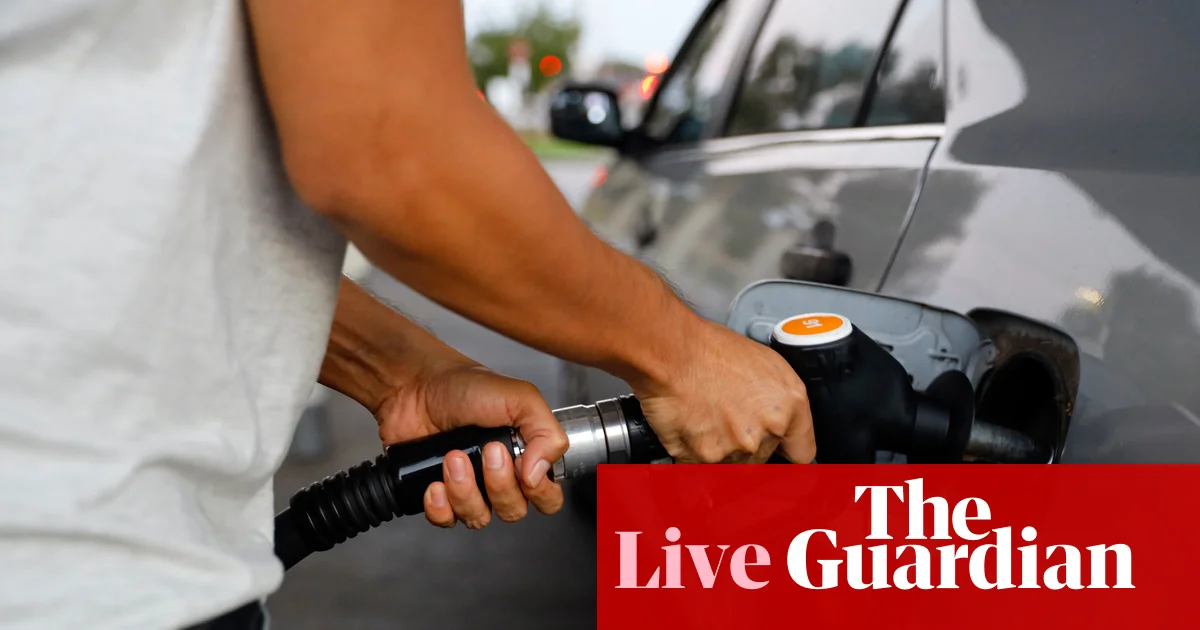
Amid mounting concerns over fuel shortages and rising prices, Canberra has employed measures to bolster supply, including relaxing fuel standards and contemplating increased ethanol integration—a move supported by regional stakeholders like the NRMA. The government’s careful public stance—emphasizing that “it’s too soon to talk about rationing”—belies the mounting pressure from economic analysts who warn that persistent inflation, driven in part by regional conflicts such as the ongoing crisis in the Middle East, could cripple the economy if swift, strategic action is not taken. Critics argue that such measures are only postponing the inevitable, highlighting the urgent need for long-term energy independence.

Security Concerns and Domestic Instability

Security experts and international observers signal that **Australia’s internal stability is being tested by covert threats and ideological radicalization**. The recent thwarting of a terrorist attack at an Invasion Day rally—an incident revealing a homemade explosive device weighted with screws and ball bearings—has rekindled debates about national security strategies. *Tony Burke*, the home affairs minister, expressed a somber tone, noting that “we were incredibly lucky” that no harm was inflicted. Such incidents underscore that the threat matrix has fundamentally shifted, with radicalization increasingly occurring online rather than in traditional training camps.

World analysts like Dr. Lucinda Harris, a geopolitical security specialist, caution that Australia’s vulnerabilities are emblematic of a broader regional instability. As alliances are tested and the Middle East’s turmoil pushes oil prices upward, **the country’s internal security and social fabric face compounded stress**, threatening to erode public confidence. These developments are casting a shadow on Australia’s international reputation—raising profound questions about how sovereignty can be safeguarded in an interconnected, risky world.

Trade, Energy, and Divergent Visions for the Future

The recent agreement to deepen trade relations with the European Union—dubbed a “win-win” by *Trade Minister Don Farrell*—epitomizes Australia’s attempt to diversify its economic partnerships. Yet, critics argue the deal primarily favors European markets, leaving Australian producers and regional industries vulnerable to the volatile energy landscape. Notably, support for the Australian Tomago aluminium smelter—a critical node in regional economic stability—receives a lifeline through a $2bn taxpayer subsidy aimed at maintaining its viability into the future. Such investments are strategic, seeking to protect key industries from the unpredictable winds of international geopolitics.

Internationally, Australia’s stance on energy independence and resource development remains ambiguous. While publicly dismissing ideas like a $40 fuel cap, the government quietly considers broad reforms—ranging from tax concessions to windfall gas levies—that seek to balance fiscal responsibility with regional growth. Historical analysts like Dr. Robert Gibbs warn that “oscillating between resilience and reform shapes a nation’s geopolitical destiny”. As regional powers and traditional allies reconsider their commitments, Australia’s ability to chart a stable course amidst tumult will ultimately determine its future role on the world stage.

Conclusion: The Weaving Tapestry of History

As the wheels of history continue to turn, the choices of today carve the contours of tomorrow’s global landscape. Australia’s internal battles—fuel shortages, security fears, economic reforms—are a mirror for the complex, interconnected chessboard on which global power is contested. With each policy decision, the nation writes a new chapter in its story, a narrative shaped by resilience, caution, and the relentless pursuit of sovereignty amidst the shadows of rising regional and global conflicts. This is not merely a tale of national survival but an epic saga of a country striving to forge its destiny amid the thunderous march of history’s relentless advance.

Exclusive: BTS Rocks Live Comeback Before Massive Crowd

In a historic evening that has captured global attention, the members of BTS—RM, Jin, Suga, J-Hope, Jimin, V, and Jung Kook—delivered a rare performance together for the first time since October 2022. This reunion marks a significant event not only for fans worldwide but also within the broader context of international cultural diplomacy. As a symbol of transcultural influence, BTS’s collective performance underscores the sustained impact of South Korean pop culture on the global stage, reaffirming the country’s soft power amidst evolving geopolitical dynamics.

While the performance itself is celebrated as a milestone for fans and the entertainment industry, its broader implications are being analyzed by geopolitical analysts and cultural experts alike. The resurgence of BTS signals a strategic reinforcement of South Korea’s cultural diplomacy, aligning with the nation’s efforts to bolster its international standing and influence, especially amidst rising power tensions in the Indo-Pacific region. The group’s ability to unite despite their individual pursuits suggests a resilient cultural force that transcends geopolitical shifts, inspiring millions across borders and fostering a shared sense of identity among youth worldwide.

In addition to its cultural significance, the performance occurs at a critical juncture when international organizations and nations are recalibrating their alliances and policies. The United States strategically leverages pop culture as a form of diplomacy, strengthening ties with allies in Asia and beyond, while China and Japan observe the influence of South Korea’s cultural exports and their impact on regional unity. Meanwhile, North Korea remains silent, its silence speaking volumes to the ongoing tensions on the peninsula. According to analysts from the International Crisis Group, cultural figures like BTS serve as a “soft power” weapon that subtly shapes perceptions and allegiances, making their performances an unintentional yet powerful political act.

Historically, cultural diplomacy has played a pivotal role in shaping international relations. Experts like historian Dr. Anne Miller note that moments like this “serve as proof of how cultural exchanges can act as force multipliers for a nation’s influence, especially when traditional means—military or economic—reach their limits.” As the world witnesses this reunion, the implications extend beyond entertainment. It is a demonstration that the battle for global influence is increasingly fought through culture and ideology, not guns or tariffs alone. With every note and dance move, BTS exemplifies how youth can be the carriers of soft power in a sharply divided world—yet history’s current chapter remains unwritten, and the outcome uncertain. As nations watch nervously from afar, the true weight of this moment lies in how cultural symbols can stir old alliances, forge new ones, or threaten the fragile peace that sustains the modern world order.

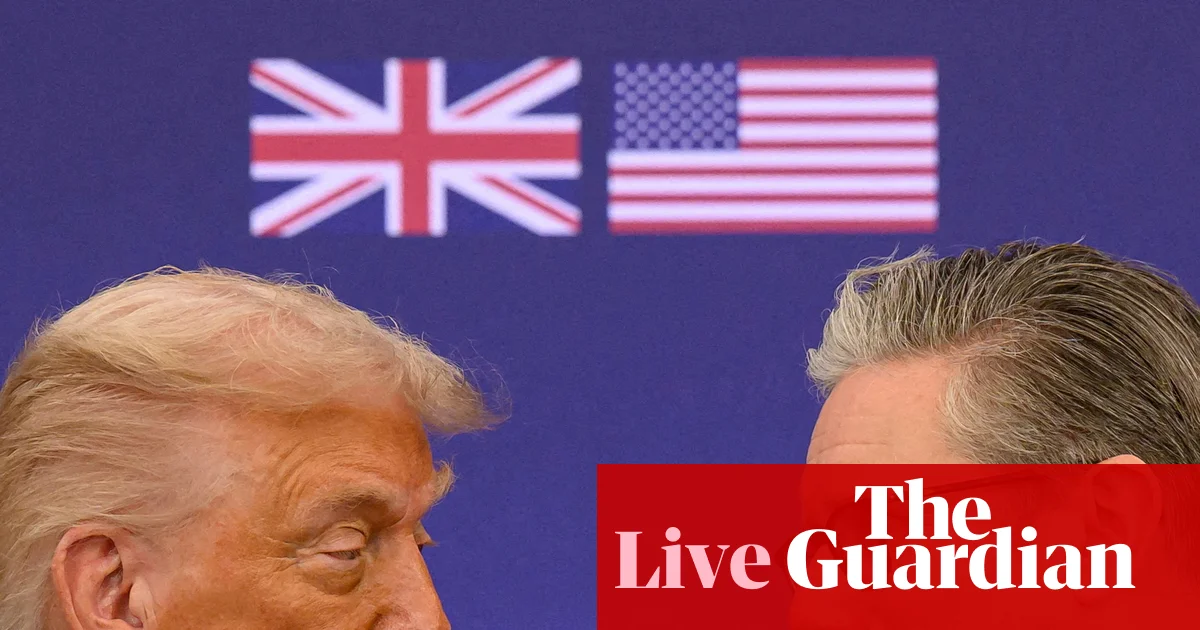
UK Minister dismisses Trump’s Nato threat, vows alliance can endure current challenges — UK Politics Live

Global Power Dynamics Shaken by US and UK Tensions Amidst Trump’s Provocations

As Donald Trump continues to flirt dangerously with the edge of diplomatic conflict, America and Britain find themselves at a pivotal juncture. During a revealing interview with the Financial Times, Trump implicitly threatened to withdraw US support for NATO if allies like the UK failed to step up militarily in the Gulf. The provocative rhetoric underscores a broader pattern of transactional diplomacy that threatens to unravel the fragile foundation of international alliances built over decades of shared interests. Subtle signals of a potential rollback of NATO’s mutual defense pact could plunge the West into a period of uncertainty and strategic vulnerability.

This come amid escalating tensions over Iran, particularly concerning the Strait of Hormuz—an essential global choke point for oil shipments. Despite dismissing the UK’s recent stance dismissively—asserting that the US does not need British naval support—Trump’s recent call for NATO to deploy minesweeping drones and even military units to counter Iran’s influence indicates a disparity between rhetorical bravado and pragmatic policy. Analysts from the European Security Council warn that such mixed signals threaten to weaken NATO’s cohesive deterrence, crucial for maintaining stability in an increasingly unpredictable geopolitical landscape. How the UK and allied nations respond now could determine the future of Western influence in the Middle East and beyond.

Strained Ties and Strategic Calculations

Within Britain, Pat McFadden, the work and pensions secretary, has played down Trump’s threats, emphasizing that the US-UK alliance remains “strong enough to outlast” this period of uncertainty. This reassurance underscores a classic posture among Western allies: reaffirming enduring bonds despite tumultuous leadership. Yet, international commentators like historian John Mearsheimer argue that such rhetoric, combined with Trump’s transactional approach, risks eroding the very foundation of collective security agreements. Meanwhile, Mark Rutte, NATO’s secretary general, pointed out that America’s mutual defense clause, Article 5, which has only been invoked once—after 9/11—can hardly be taken for granted in an era marked by unpredictable US policy shifts.

Additionally, Trump’s call for NATO to send military units to patrol the Iranian shoreline, and for European countries to lend minesweepers, reveals a deeper underlying threat: that of a fractured alliance where mutual commitments may no longer be as dependable. The concerns resonate strongly with military strategists who worry that NATO’s cohesion is under unprecedented strain. How these decisions will ripple across society—affecting energy security, trade routes, and military preparedness—remains very much a question with global stakes.

Implications for International Stability

Amidst the diplomatic turmoil, Keir Starmer of the UK Labour Party is expected to respond later this morning, promising to support households hit hardest by rising energy prices—measures worth millions aimed at alleviating economic strains. However, the broader geopolitical narrative appears rooted in a deeper contest: whether the West can maintain a united front or whether internal divisions and unpredictable leadership will give way to greater instability. International analysts emphasize that Trump’s unpredictable tactics are a warning sign, yet the response from Britain and Europe will reveal if they can safeguard their strategic interests in this new era.

As history unfolds daily, decisions made in the coming weeks will echo through generations. Will NATO adapt swiftly, preserving transatlantic strength? Or will the fractures widened by Trump’s unpredictable rhetoric cause the alliance to splinter, ushering in a new era of geopolitical chaos? The weight of history presses heavily on the present, a reminder that in global diplomacy, today’s choices are the foundations of tomorrow’s legacy. The unfolding drama leaves the world watching anxiously, as the aims of power, security, and influence collide in a theater where the stakes could not be higher.

Oscars 2026: Full Winners List — Live Updates

Global Significance of Cultural Celebrations in a Shifting World

As the world turns its gaze toward the latest installment of a renowned entertainment ceremony, the focus on film and artistic achievement offers more than just a moment of celebration. These events, often seen as cultural milestones, have historically served as a mirror to the prevailing socio-political currents across nations and regions. However, in the backdrop of turbulent geopolitical shifts, the awards season now commands a deeper analytical lens, revealing how soft power, national identity, and global influence intertwine through the arts.

International analysts and global organizations now contend that such ceremonies are increasingly a platform for soft diplomacy, where the recognition of certain films, stars, and artistic visions can subtly influence international perceptions. Countries like the United States and South Korea leverage their cinematic achievements to project cultural dominance, but this cultural export also sparks debates on cultural imperialism and national sovereignty. Meanwhile, China and Russia continue to refine their narratives, seeking to shape global image through curated artistic displays, further fueling the ongoing struggle for influence.

Historian John Merrick recently emphasized that such awards are more than superficial recognitions—they are pivotal in asserting a nation’s cultural narrative amid the current geopolitical upheavals. As international institutions like the United Nations observe this spectacle, some argue that it underscores both the potential and the limits of culture as a tool for national diplomacy. The recognition of certain films and stars often reflects broader ideological allegiances, with recent years witnessing a rise in political resonance behind Hollywood versus emerging regional cinemas seeking to redefine global narratives.

Yet, amidst this complex socio-political tapestry, the film industry remains a battleground for ideological contestation and cultural influence. Major studios and national governments both understand that artistic exports can shape the perceptions of billions worldwide; thus, the awards ceremony transcends entertainment, becoming a strategic chessboard where perception is power. As the curtains fall and the winners are unveiled, the cultural landscape of the future is subtly but undeniably being rewritten, with each accolade poised to influence international discourse for years to come. History watches on, waiting to see which visions will shape the saga of nations in an era of unprecedented global realignment.

Watch Wales vs. Italy 2026 Live — Your Guide to Free Streaming of the Six Nations Action!

As the 2026 Six Nations unfolds, it’s clear that this year’s rugby tournament isn’t just about the game; it’s a testament to how sports consumption and social engagement are rapidly evolving in our digital age. Fans across the globe are no longer bound by traditional broadcasting restrictions. Thanks to innovative streaming solutions, global audiences can now watch marquee fixtures like Wales vs. Italy for free, from anywhere in the world. This trend underscores a cultural shift—where accessibility and instantaneous connectivity are reshaping the way youth and globetrotters experience live sports.

Modern viewers are leveraging VPN technology to bypass geo-restrictions, reflecting an innovative approach to media consumption that is deeply intertwined with digital activism. Tools like ExpressVPN have become more than just utility—they’re catalysts for an evolving cultural movement that prioritizes personalized, unrestricted access. These shifts are accompanied by debates among analysts and sociologists, such as Dr. Emily Carter, who argue that this new norm democratizes access to global content, fostering a more inclusive youth culture that’s eager to engage with international sporting events and cultural phenomena alike.

The Social Relevance and Cultural Impact

This phenomenon isn’t solely about watching rugby—it’s about redefining how a generation interacts with entertainment and community. Watching Wales vs. Italy live, thanks to platforms like BBC iPlayer, signifies more than just a sporting event; it illustrates the democratization of media access and the breaking down of geographic and socio-economic barriers. Youth, in particular, see these digital tools as a way to craft their own cultural experiences, engaging in live commentary, social media discussions, and shared moments that transcend traditional boundaries. The cultural impact lies in how these practices foster a sense of global community among younger audiences, empowering them to seek out and participate in international conversations about sports, politics, and social issues alike.

Influencers like sports analysts and social media personalities are fueling this trend, turning streaming from a practical necessity into a cultural statement. They highlight that the future of sports viewing is less about adhering to traditional broadcasting schedules and more about personalized, on-demand engagement. As Dr. Carter notes, “The rise of digital streaming intertwined with social activism around fair access is shaping a youth culture that values autonomy and digital sovereignty.” This empowers young fans to become active participants rather than passive spectators, shaping a more dynamic and inclusive sporting culture.

Looking Ahead: The Next Big Question

While these technological advancements have democratized access, they also raise poignant questions about the future of digital sovereignty. If geo-restrictions can be so easily bypassed, what does this mean for traditional broadcasters and the future of regional sports rights? Will the next wave of technology further diminish the reliance on institutional broadcasters, or will it prompt new models of content ownership and monetization that challenge existing power structures? These questions form the next chapter in the ongoing story of digital culture—an evolution driven by youth-driven innovation, social consciousness, and the quest for unrestricted access.

Pete Hegseth dismisses Straits of Hormuz risks: ‘No need to worry’ – US Politics Live | Trump

Global Tensions Soar as U.S. Military Challenges Iran’s Naval Offensive in the Strait of Hormuz

In a dramatic escalation of Middle Eastern conflict, the United States has openly declared its military efforts to secure the vital Strait of Hormuz, a critical choke point for global oil supplies. With over 1,000 cargo ships held hostage after Iran’s self-initiated blockade, the U.S. has responded with a decisive military campaign targeting Iran’s navy—claiming to have destroyed 28 Iranian mine-laying vessels in recent days. Defense Secretary Pete Hegseth has asserted that the U.S. is “decimating” Iran’s military capacity “in a way the world has never seen before”, emphasizing that the U.S. has strategically planned for every possible action to ensure the flow of commerce through this crucial waterway remains uninterrupted.

Historian and international security analysts recognize this as a turning point with profound geopolitical impact. The U.S. has long sought to dominate control over Middle Eastern waterways, but Iran’s recent attempt to blockade the Strait has ignited open conflict. American officials, citing intelligence reports, affirm that Iran’s strategy includes laying more underwater mines, complicating efforts to re-establish free navigation. While Donald Trump has boasted about the heavy-handed destruction of Iranian naval capabilities, many experts warn that this aggressive stance could intensify the ongoing regional chaos, setting the stage for wider confrontation.

Within Iran, questions are mounting regarding the competency and legitimacy of the country’s new supreme leader, Mojtaba Khamenei. U.S. officials, including Hegseth, cast doubt on whether he effectively commands the fractured Iranian regime, describing him as “scared” and “injured” following the U.S.-Israeli covert operations that targeted his family. Such internal instability potentially stimulates unpredictable Iranian responses, analysts say, which could include renewed missile and drone attacks against Gulf Arab states. The repeated warnings from Iran’s leadership about American presence in the region signal a dangerously volatile phase, with the possibility of regional war spiraling beyond control.

Amid this turmoil, the geopolitical landscape is shifting dramatically. U.S. President Donald Trump has threatened “major retaliation” against Iran following Friday’s attacks on Gulf Arab states, including widespread drone assaults at Saudi Arabia. His rhetoric underscores a narrative of decisive U.S. dominance; however, critics from both sides of the political spectrum warn that such provocations threaten to destabilize an already fragile Middle East. Meanwhile, economic repercussions are rapidly emerging—gas prices have surged by more than 60 cents per gallon in key areas like Michigan, with prices at some stations already exceeding $4.30 per gallon. This inflationary shock not only affects consumers but has strategic consequences in swing states like Michigan, where economic stability often influences U.S. national elections. Political analysts warn that the rising energy costs coupled with ongoing military conflicts could significantly impact the forthcoming U.S. midterm elections.

As history unfolds in real time, the eyes of the world remain fixed on the Persian Gulf, where the mighty currents of geopolitics threaten to drown nations in chaos. With each military strike and diplomatic warning, the weight of history’s decisive chapter bears down, forcing nations to grapple with the legacy they forge in a region teetering on the edge of full-scale war. The question remains: will this be a calculated move towards stability or the spark that ignites a broader, multidimensional conflict that reshapes the world order?

Australia News Live: NSW Anti-Slavery Chief Questions Iran Football Squad’s Exit; Earthquake Rocks North of Canberra

International Ripples: Australia’s Crucial Decisions Shape the Geopolitical Landscape

Fresh developments emanating from Australia highlight a nation at a critical juncture, where internal decisions transcend borders, echoing the broader battles of sovereignty and moral responsibility on the world stage. The controversial departure of the Iranian women’s football team from Australia has sparked intense scrutiny and debate, not only about domestic policies but also about how nations handle complex issues of threat, coercion, and international law. Analysts warn that the handling of this incident could redefine Australia’s stance towards human rights and its diplomatic credibility, especially amid ongoing conflicts involving Iran and other regime-led states.

The incident underscores a fragile geopolitical balance, where the NSW anti-slavery commissioner questioned top-tier institutions—including the federal police, Sydney airport, and Qantas—over their role in facilitating the squad’s departure amidst wide-ranging concerns about coercion. Dr. James Cockayne emphasized that the athletes’ decision to leave might have been unduly influenced by threats and intimidation, echoing fears of exit trafficking—a grave issue that highlights how vulnerable individuals become pawns in larger geopolitical conflicts and authoritarian tactics.

This scenario not only raises questions about domestic oversight but also spotlights how international diplomacy and law enforcement are intertwined with issues of regime repression, especially with Iran’s regime known for its misogynistic policies and suppression of dissent. The international community, including historians and global watchdogs, warn that failure to address coercion effectively may embolden oppressive regimes and undermine the principles of free movement and asylum. The incident prompts a looming question: Does Australia’s handling reflect a broader tendency among Western nations to prioritize diplomatic relations at the expense of human rights and protective oversight?

In parallel, domestic policies such as the Victoria government’s initiative to provide free pest and building reports for homebuyers reveal a nation grappling with internal challenges of transparency and economic security. Jacinta Allan, Victorian Premier, advocates for the reform to curb excessive costs and empower consumers, a move seen as a step to reinforce confidence in Australia’s private sector amidst global economic uncertainties. Yet, these domestic shifts signify more: a concerted effort to reshape societal expectations and assert control over economic vulnerabilities, which, analysts argue, are now heavily influenced by international events, including the conflict in the Middle East.

As geopolitical tensions in the Middle East intensify, Australia stands as an exemplar of how a nation’s internal policies, international dealings, and moral stance are increasingly interconnected. The recent earthquake near Boorowa and severe flooding in Queensland further symbolize a nation resilient yet besieged by uncontrollable forces—nature and geopolitics alike. The way Australia navigates these turbulent waters will indelibly mark its role in the shifting global order, where decisions about refugee protection, international trade, and moral leadership are more intertwined than ever. History’s weight is heavy on Australia’s shoulders, with each move possibly rewriting the contours of its national identity and its influence in shaping the rules of a new geopolitical era.

Social Media Auto Publish Powered By : XYZScripts.com