Global Power Struggles Unfolding as Middle East Ceasefire Teeters
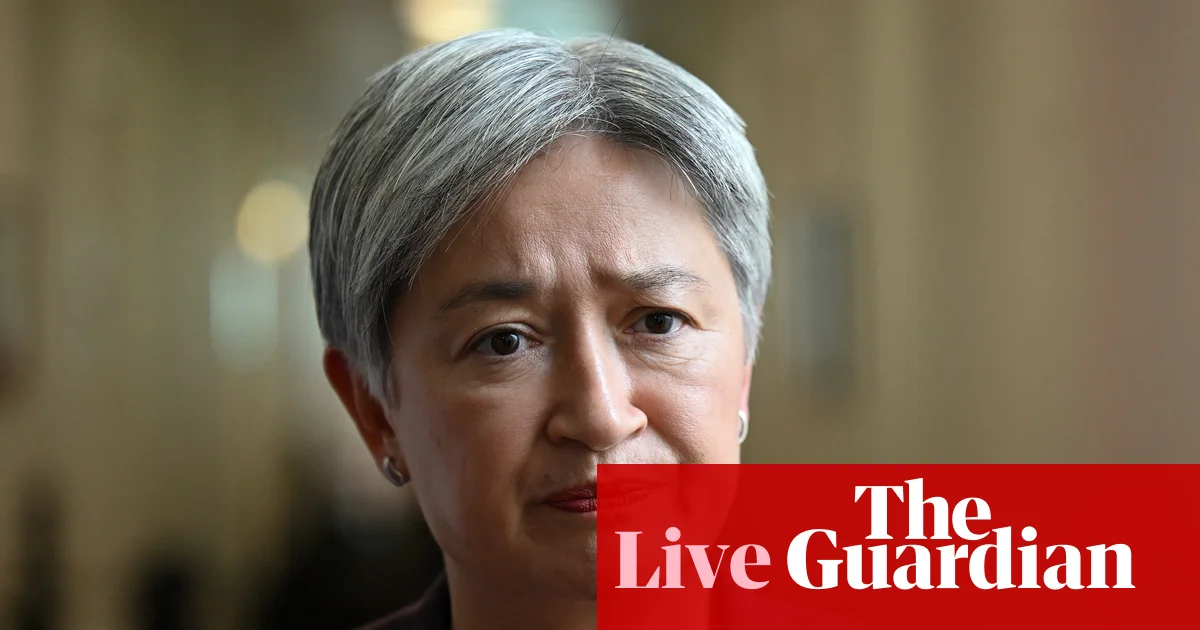
In an era where geopolitics often hangs in a delicate balance, recent developments highlight the profound impact of international decisions on nations and societies across the globe. The Middle East—a longstanding epicenter of conflict—finds itself at a critical juncture. Penny Wong, Australia’s foreign affairs minister, has issued a stark warning: the ongoing US-Iran ceasefire remains fragile and could unravel, risking catastrophic consequences not only for regional stability but for the **global economy** and **energy markets**. This fragile truce underscores a broader pattern of international uncertainty, driven by high-stakes diplomacy and shifting alliances that could reshape the geopolitical landscape for years to come.
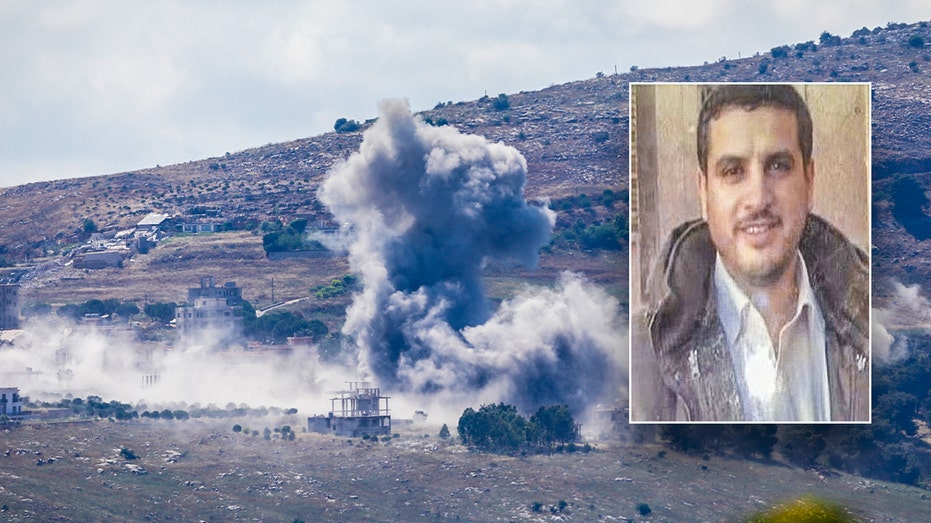
Wong’s unequivocal concern reveals an underlying truth shared by analysts and historians: every decision taken now could have reverberations far beyond immediate conflict zones. The toll on civilian populations—marked by reports of over 250 casualties from Israeli strikes in Lebanon—illustrates the human cost of these geopolitical struggles. Recognizing the stakes, Australia has actively engaged in regional diplomacy, with Prime Minister Anthony Albanese leading efforts across the Indo-Pacific. Notably, Albanese’s discussions with the Sultan of Brunei and subsequent visits to Singapore aim to fortify energy supply chains crucial to Australia’s economy, demonstrating a pragmatic approach bent on domestic resilience amidst international turbulence. These diplomatic moves exemplify how global conflicts influence economic security and social stability within nations, as they navigate an increasingly interconnected world facing unprecedented shocks.
The regional diplomacy extends further, with China reaffirming its strategic partnership with Australia. Both nations are eyeing an upward trajectory, emphasizing economic cooperation in clean energy, electric vehicles, and market stability. China’s Premier Li Qiang highlighted the importance of fostering “positive atmospheres” and “mutually beneficial cooperation,” signaling a desire for stability amid international upheaval. This re-engagement occurs within the broader context of China’s long-term ambition to boost domestic demand, participate more actively in global trade, and elevate bilateral ties with Australia—elements that analysts see as part of a shifting power dynamic that could challenge traditional Western dominance. Meanwhile, Australia’s commitment to maintaining a balanced foreign policy—upholding the **One-China policy** while advocating for regional stability—reflects a nuanced strategy designed to maximize national interests while avoiding escalation in these volatile times.
As the world watches the impending fallout from ongoing conflicts, geopolitical players face a choice: reinforce the fragile status quo or risk plunging into chaos. The United States and Iran, along with regional allies, must navigate treacherous waters, balancing de-escalation efforts with strategic interests. Australian leaders, along with international organizations like the United Nations, call for respect for international humanitarian law and the protection of civilians—reminding all that humanity’s future hinges on the choices made today. The unfolding story of this geopolitical chessboard portends a future where the balance of power could tilt dramatically, threatening to alter the course of history itself. With each diplomatic handshake and ceasefire declaration, the true weight of history presses down—reminding us that we are all witnesses to an unfolding epoch that will define global borders and societies for generations to come.