Matox News

Truth Over Trends, always!

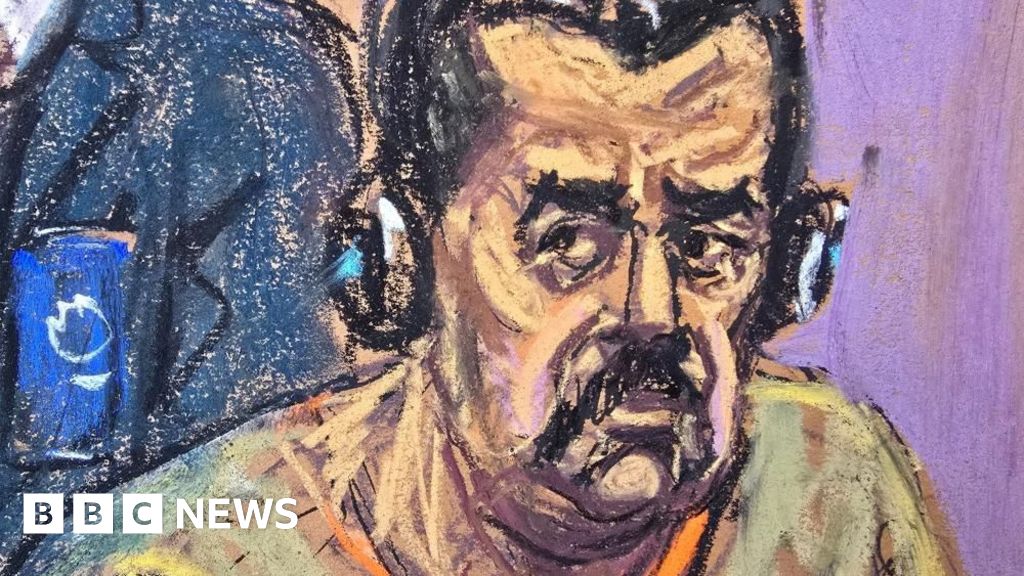
US prosecutors claim Maduro looted Venezuela’s riches in legal fee showdown

Recent remarks by international observers and political analysts shed light on the ongoing crisis in Venezuela, a nation steeped in turmoil yet pivotal within the geopolitical landscape of Latin America. As Venezuelan leader Nicolás Maduro faces mounting internal and external pressures, the question of his fate remains a focal point for global diplomacy and regional stability. The statement made by a senior diplomat, expressing sympathy for Maduro’s downfall while condemning his alleged crimes, underscores the complex sentiment surrounding the Venezuelan leadership. Her comments suggest a nuanced view—acknowledging human fallibility amidst accusations of greed and ego—themes that resonate deeply in analyses of authoritarian resilience and downfall.

Historic shifts and international responses frame the unfolding drama in Venezuela. The country, once one of Latin America’s wealthiest due to its oil reserves, has spiraled into economic collapse, hyperinflation, and social unrest under Maduro’s regime. Critics argue that his leadership, characterized by authoritarian tendencies and rampant corruption, has severely undermined the nation’s institutions. The Organization of American States (OAS), along with various Western nations, have called for accountability and justice, emphasizing the importance of upholding rule of law over entrenched tyranny. Meanwhile, China and Russia continue to back Maduro, nurturing geopolitical rivalries that complicate external interventions. This standoff illustrates the broader power struggle between Western democracies and those promoting sovereignty and strategic alliances with authoritarian regimes.

The broader geopolitical impact cannot be overstated. As Venezuela’s crisis deepens, neighboring countries and global powers face the consequences of a fractured state. The region’s stability hangs in the balance, with migrant flows and humanitarian concerns exacerbating the stakes for countries like Colombia and Brazil. Analysts warn that Maduro’s potential fall or survival could catalyze significant realignments—either toward renewed chaos or tentative stabilization—further emphasizing how internal Venezuelan politics have become a proxy battleground for global influence. The fate of its leader is thus intertwined with Latin America’s future, embodying the ongoing clash between sovereignty and intervention, order and chaos.

In the grand arc of history, Venezuela’s crisis remains a poignant reminder of how individual leaders and their decisions ripple across borders, shaping nations’ destinies. As Maduro stands at this crossroads—facing possible incarceration or political survival—the world watches. The unfolding narrative is not merely the story of one man’s downfall but a chapter in the ongoing fight over sovereignty, justice, and the future direction of Latin America. The verdict remains uncertain, yet the trajectory is clear: the shadows of history extend long, and the choices made today will echo through generations, carving the path that nations and peoples must walk into an uncertain tomorrow.
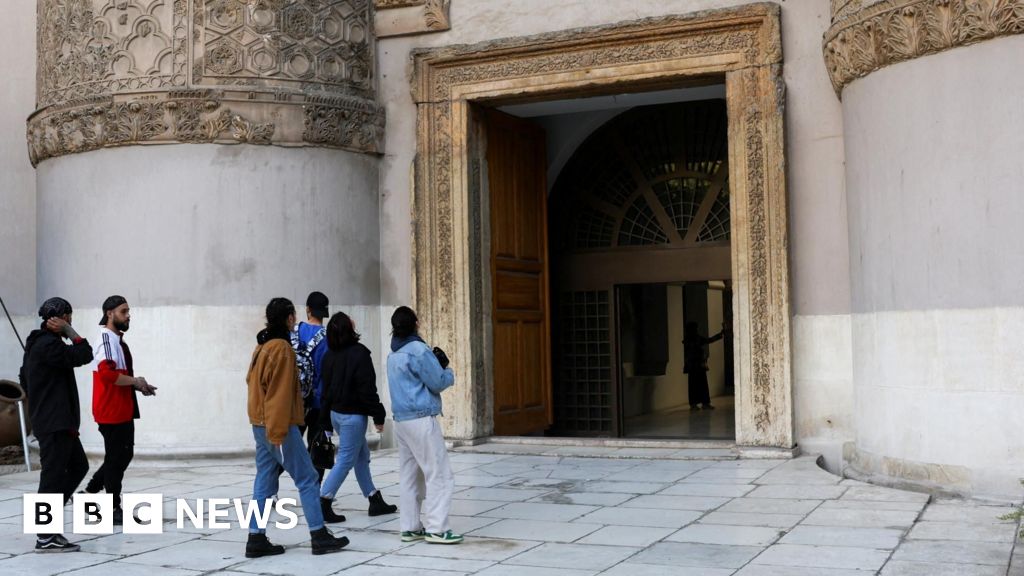

Youthful Heritage: Syria’s Ancient Statues Looted from National Museum

Ancient Artifacts Stolen from Syria’s National Museum: A Worrying Trend

In a disturbing development reflecting the persistent chaos afflicting Syria, officials confirm the theft of several invaluable artefacts from the National Museum in Damascus. The theft was reportedly uncovered on Monday when security staff found one of the museum’s doors had been forcibly broken from the inside—an alarming breach that underscores vulnerabilities in Syria’s security apparatus. Among the missing items are six marble statues from the Roman era, including relics from the ancient city of Palmyra, a symbol of Syria’s rich cultural tapestry and historical importance. This incident signals a troubling erosion of Syria’s cultural integrity and raises concerns on how ongoing turmoil impacts heritage preservation.

Authorities have launched an investigation, with Syria’s Directorate-General for Antiquities and Museums vowing to strengthen protective measures. Yet, this event is not isolated; it mirrors a broader pattern of loss and destruction that the country has endured for over a decade. Since the outbreak of civil war in 2011, Syria’s historical institutions and archaeological sites have suffered extensive damage. Damage to UNESCO World Heritage sites like Palmyra—once a jewel of the ancient Middle East—was carried out by the Islamic State group, which deliberately destroyed temples claiming they were idolatrous. Such acts, condemned internationally as war crimes, serve as a stark reminder that cultural annihilation remains an active weapon in modern warfare.

The significance of these artefacts extends beyond their historical value; they are pieces of civilization that define national identity and serve as symbols of resilience for the Syrian people. Their loss exacerbates the geopolitical impact of the ongoing conflict. By damaging Syria’s cultural patrimony, these acts not only weaken the nation’s historical fabric but also undermine its international standing. Critics argue that the theft and destruction of artefacts are indicative of the broader geopolitical struggle — a fight for influence and control over the region’s resources, history, and identity. International organizations like UNESCO have repeatedly condemned such acts, emphasizing the importance of safeguarding cultural heritage as a form of resistance against barbarism. Experts warn that the loss of these artefacts diminishes the collective memory of mankind, creating a vacuum that fuels radicalization and anti-Western sentiment.

As Syria navigates a complex landscape of rebel factions, foreign influence, and internal upheaval, the question remains: how can international efforts effectively protect what remains of Syria’s battered cultural heritage? The recent theft is a stark reminder that history is fragile and that conflict’s true cost extends far beyond the battlefield. With each artefact stolen or destroyed, the world witnesses not just the loss of history, but also the erosion of national identity and cultural sovereignty. As the narrative of Syria’s future unfolds amidst international debate, the lingering question remains: will the preservation of history become a casualty of geopolitical ambition, or will it serve as a rallying cry for renewed international commitment to protect humanity’s shared legacy? The answer lies in the ongoing struggle to balance diplomacy, security, and cultural preservation — a battle that, ultimately, defines the true cost of conflicts that continue to shape our world’s history.

Social Media Auto Publish Powered By : XYZScripts.com


