Matox News

Truth Over Trends, always!

Chernihiv Shrouded in Darkness After Major Russian Attack

Ukraine Under Siege: The Geopolitical Fallout of Russia’s Latest Strikes

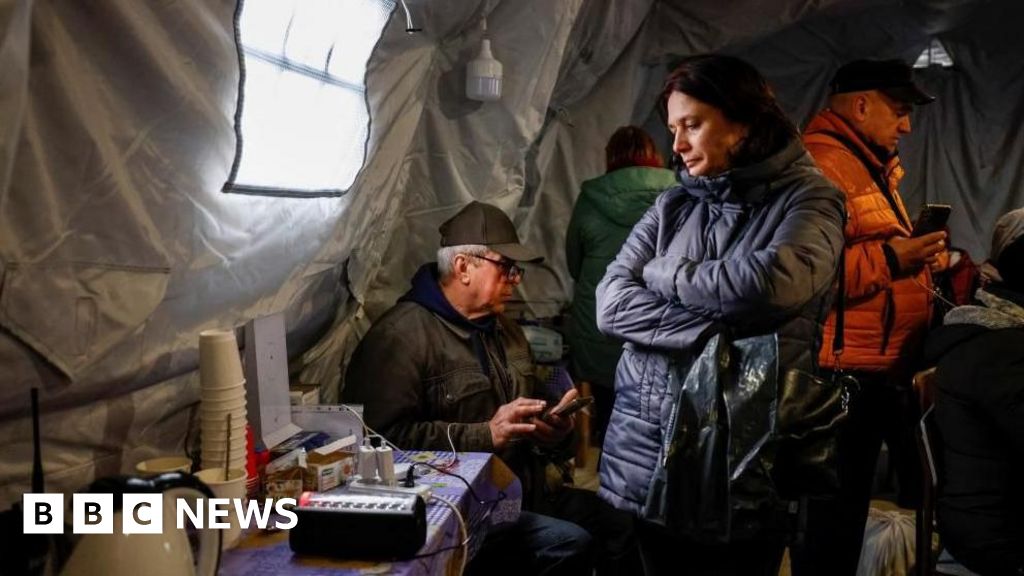
In an alarming escalation of its ongoing invasion of Ukraine, Russia has intensified its attacks on Ukrainian civilian infrastructure, with Chernihiv—a city in the country’s most northerly region—becoming the latest victim of what Kyiv describes as a “massive” missile and drone barrage. The attack has plunged Chernihiv into a complete blackout, leaving hundreds of thousands of residents without power and disrupting vital water supplies. This pattern of relentless assault signifies a clear shift in Russia’s military strategy, focusing on crippling Ukraine’s energy and logistic resilience, and raising profound questions about the future stability of the region.

Across the broader Chernihiv region, reports indicate that four civilians have been killed, including a 10-year-old girl, with ten others injured in the sustained missile strikes. The attacks have targeted the city’s electricity-generating facilities, with over 100 Shahed drones—Iran-designed UAVs carrying 50kg warheads—alongside ballistic missiles, wreaking havoc on the power grid. Deputy head of the Chernihiv Regional Military Administration, Andriy Podorvan, confirmed that these assaults are part of an alarming trend stretching back over six months, but recent months have seen a dramatic spike in frequency and intensity. The strategic targeting of energy infrastructure aims not only to weaken Ukraine’s wartime capacity but also to erode public morale, potentially paving the way for further instability in the transient ceasefire negotiations that have failed to halt hostilities.

The international community watches with growing concern. Analysts warn that sustained strikes on civilian infrastructure risk plunging Ukraine into a humanitarian crisis and further destabilizing Europe. The Biden administration and NATO allies remain cautious yet increasingly alarmed, recognizing that Russia’s escalation—be it through drone warfare or targeting of civilian targets—aims to push Kyiv into a strategic corner. The damage to Ukraine’s energy sector has exceeded $16 billion, as Kyiv grapples with the challenge of restoring power amidst dwindling supplies of replacement equipment, which can take more than a year to produce and install. In recent talks with US energy executives, Ukrainian officials have sought assistance in modernizing their grid, but tangible support—such as long-range missile systems—has so far been denied, reflecting a cautious approach driven by fears of broader escalation.

Yet, amidst the darkness, a resilient Ukrainian spirit persists. Citizens in Chernihiv remain defiant, with morale described as “high,” despite the daily hardships imposed by Russian attacks. Local leaders emphasize that they see through Moscow’s attempts to manipulate civilian suffering for political gain; instead, they find unity and resolve growing stronger. According to Oleksandr Babich, a Chernihiv resident, the city refuses to surrender, and the people are standing firm as Ukraine’s national identity is woven ever tighter by the shared experience of adversity. This crisis is not just about military conquest but a broader clash of values and sovereignty, with history now witnessing a pivotal moment that will shape the post-war order for generations.

As Russia’s assault intensifies, the full scope of its geopolitical impact begins to unfold. Politicians and military strategists alike warn that this relentless targeting of Ukraine’s infrastructure could destabilize regional alliances and provoke broader conflicts beyond Europe’s borders. Historians warn that such tactics—deliberate destruction of civilian infrastructure—are reminiscent of scorched-earth policies from past conflicts, designed to break the collective will of a nation. Yet, in the face of this new phase of warfare, the resilient Ukrainian people demonstrate that even amidst the shadows of war, hope and defiance continue to endure. With each missile launched and each city blacked out, the weight of history presses down—an indelible reminder that the future is forged today, amid chaos and conflict, where the outcome still hangs uncertain, waiting to be written by those who dare to resist.

Zillow and Redfin Under Fire for Market Manipulation in Major Lawsuit

The latest legal assault by the Federal Trade Commission (FTC) against Zillow and Redfin underscores a troubling trend where corporate giants prioritize profits over the fundamental needs of families, communities, and the integrity of the housing market. The FTC’s lawsuit alleges that these real estate firms conspired in an agreement that effectively shut out genuine competition—an act that could have profound consequences on how Americans access rental listings and how communities grow and thrive in an increasingly centralized system.

The details reveal a carefully crafted scheme where Zillow paid Redfin $100 million—an enormous sum driven by the desire to monopolize the online rental advertising space. Allegedly, this deal led Redfin to cease contracts with advertising partners, stop competing for multifamily property listings for up to nine years, and serve as a syndicator for Zillow’s listings on its own platform. Such collusion blatantly subverts the competitive principles vital for fostering a diverse, accessible housing market—a cornerstone for family stability and community resilience. The social fabric woven around homeownership and rentals is potentially frayed as markets grow increasingly opaque and dominated by monopolistic practices.

Highly concerning are the social implications beyond the market—families seeking homes and communities where shared values, access to opportunities, and local culture flourish are most directly impacted. When corporate tactics prioritize suppressing competition, it becomes more difficult for middling families and young adults to find affordable, quality housing. The broader societal costs include increased inequality and the erosion of local diversity. Notably, sociologists like Robert Putnam warn that monopolization can lead to social fragmentation, decreasing civic engagement and fostering alienation. This moves society away from the ideals of community-oriented growth toward an insulated corporate sphere that privileges profit over people’s lives.

  • The FTC’s legal action reflects a recognition that antitrust enforcement is essential to preserve the democratic right of all Americans to access housing opportunities.
  • Critical to addressing these issues are **transparency** in real estate practices and fostering multiple, independent channels of information for prospective renters and buyers.
  • Proposals include **regulatory reforms** that discourage monopolistic mergers and support community-based housing initiatives**.

As the courts examine this intricate web of corporate maneuvering, communities and families are left to grapple with the implications of a marketplace increasingly dictated by a handful of players. It is a stark reminder of the importance of social cohesion and the necessity to safeguard spaces where ordinary Americans build their futures. Reflecting on the social significance of housing, history reminds us that housing is not merely a commodity but a cornerstone of identity, stability, and social mobility. The challenge remains—how can society rebalance the scales, ensuring that the pursuit of profit does not eclipse the essence of community life? In a society fractured by economic inequality, the hope of transformation lies in restoring competition and fairness, reaffirming that the foundation of society is built on the collective strength of its families and neighborhoods.

Kyiv suffers major Russian strike, mayor warns

The recent escalation of hostilities in Ukraine has once again thrust the continent into the forefront of international concern. Over a 12-hour period, Russian forces launched an unprecedented aerial barrage, utilizing nearly 600 drones and dozens of missiles across seven regions, including Kyiv, Zaporizhzhia, Khmelnytskyi, Sumy, Mykolaiv, Chernihiv, and Odesa. This relentless attack resulted in the death of at least four civilians, including a 12-year-old girl, and injured dozens more, illustrating the brutal nature of Russia’s ongoing invasion. Such a major assault highlights the severity of this conflict’s third year and signals that Moscow remains committed to its military campaign, despite international condemnations and mounting sanctions.

Ukrainian President Volodymyr Zelensky described the bombardment as “vile,” emphasizing that many projectiles targeted critical civilian infrastructure, such as Kyiv’s Institute of Cardiology, factories, and residential buildings. The attack, which also injured three children and resulted in the death of a 59-year-old man in Sumy, demonstrates how deeply intertwined the conflict’s repercussions are for daily life. Zelensky issued a stern warning, asserting that Ukraine would retaliate to “force diplomacy” and called on its allies in Europe and America to provide stronger support. This plea underscores the broader geopolitical impact: a persistent conflict that risks drawing NATO into a larger confrontation and forcing global powers to reassess their commitments to regional stability.

Meanwhile, the wider international response reveals a landscape fraught with tension and uncertainty. Russia, on its part, continues to deny responsibility for recent incursions into Denmark, Estonia, and Romania, claiming no intent to attack NATO or EU countries but warning of a “decisive response” to any aggression against Moscow. Analysts warn that these provocations are part of a calculated strategy to test the resolve of Western military alliances, while Russia’s Foreign Minister Sergei Lavrov asserts that Moscow’s actions are defensive rather than offensive, aiming to protect its interests amidst what it perceives as encroaching NATO expansion. European nations, under the shadow of these threats, have responded by bolstering their defenses and increasing NATO’s eastern presence, as the alliance seeks to deter further Russian aggression. Yet, the risk remains palpable, with some voices, including Donald Trump, suggesting that NATO nations should shoot down Russian aircraft if necessary, revealing a growing divide over how to confront Moscow’s assertiveness.

Underpinning all of this is a shifting global strategic landscape where the decisions of Moscow, Washington, and European capitals are shaping the contours of 21st-century geopolitics. Historians and international analysts warn that the current trajectory could lead to a broader conflict, especially if diplomatic efforts continue to falter and the cycle of escalation persists. The recent drone and missile strikes, combined with NATO’s increased military activity in Eastern Europe, create a tense climate teetering on the edge of a much larger confrontation. As the world watches this unfolding drama, the weight of history presses down—each decision, each attack, each diplomatic maneuver could determine the future of not just Ukraine but global peace and stability. With tensions reaching this critical juncture, the question remains: will diplomacy prevail or will the chaos of war reshape the European continent once and for all, writing yet another chapter in the tumultuous saga of human conflict?

Denmark detects fresh drone threats over major military base — rising security concerns for the youth

Unsettling Incursions in Scandinavia Highlight Growing Geopolitical Tensions

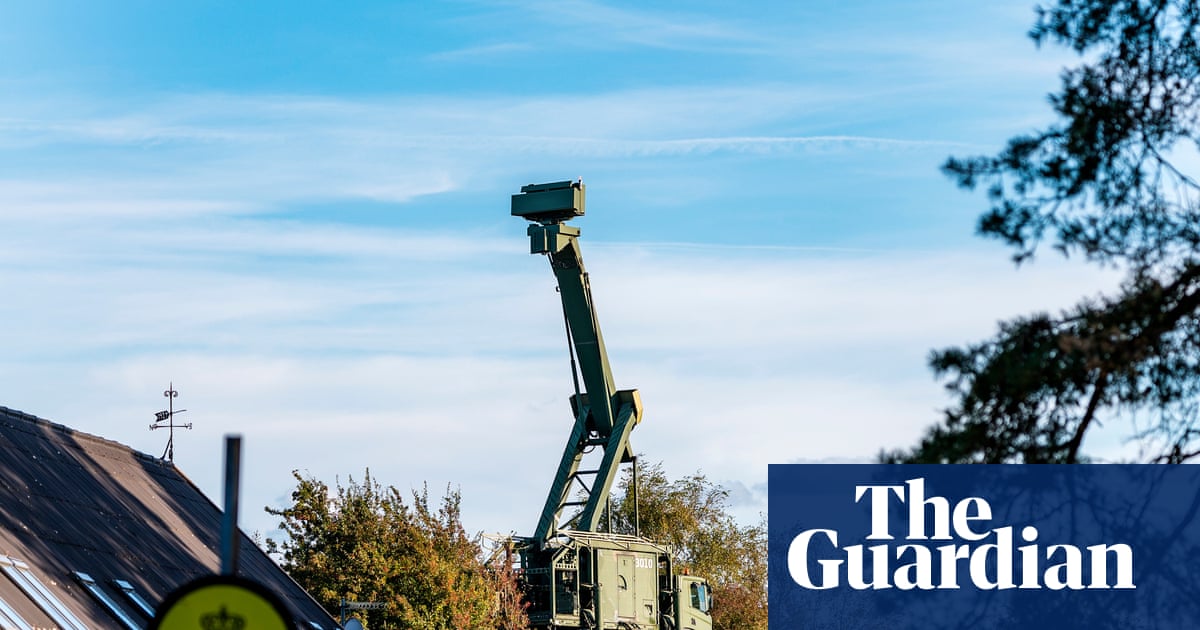
In a series of alarming developments, Denmark has become the latest focal point in what international analysts are describing as a hybrid attack—an unprecedented form of covert aggression involving unidentified drones operating over key military sites. During Friday night, these drones infiltrated numerous Danish military targets, including the nation’s largest airbase at Karup, which houses critical air force assets and command centers. The Danish military and police have acknowledged the breaches but stopped short of confirming their origin, though officials point towards Russia as a prime suspect, emphasizing the strategic threat posed by Moscow’s assertiveness in the region. This series of incursions represents a significant escalation in Europe’s security landscape, signaling a new era where hybrid warfare threatens sovereign borders without traditional military engagement.

Escalation of Hybrid Warfare and NATO’s Response

While Denmark’s prime minister, Mette Frederiksen, explicitly blamed Russia for these “hybrid attacks,” Moscow has firmly denied any involvement, dismissing the incidents as “a staged provocation.” This diplomatic dodge underlines the persistent ambiguity characteristic of hybrid warfare, where plausible deniability complicates attribution and accountability. Analysts, including security experts at the International Institute for Strategic Studies, warn that these drone incursions are more than mere demonstrations; they are strategic tests of NATO’s defenses and the West’s resilience to asymmetrical threats. The incident has prompted Denmark to procure long-range precision weapons and develop enhanced drone detection capabilities, signifying a decisive shift in national defense policies aimed at countering this new threat vector.

European Unity and the Formation of a ‘Drone Wall’

The broader European Union is responding with extraordinary measures, with defense ministers from ten nations uniting to prioritize establishing a “drone wall”—a protective barrier of anti-drone technology. The EU’s defense commissioner, Andrius Kubilius, emphasized the urgency of this initiative, urging Europe to adapt lessons learned from conflict zones like Ukraine. The move signifies a strategic pivot, aiming to reinforce the continent’s defenses against unidentified aerial threats and uphold sovereignty amid ongoing regional destabilization. The upcoming EU summit in Copenhagen, which will also be attended by Sweden’s tech-sharing offer, illustrates the bloc’s recognition that collective action is essential. Failure to act decisively risks allowing hybrid tactics to erode trust and security across member states, fundamentally altering Europe’s geopolitical stability.

How Decisions Today Will Shape the Future of European Defense

This escalating scenario presents a stark warning to the global community: the landscape of warfare has fundamentally shifted. The integration of drone technology into zones of conflict blurs the lines of traditional borders, forcing nations to rethink defense paradigms. As Danish Defense Minister Troels Lund Poulsen and Justice Minister Peter Hummelgaard accurately highlight, the purpose of these provocations extends beyond mere disruption—they aim to provoke fear, deepen divisions, and test Western resolve. History’s course hinges on how swiftly and resolutely nations respond to these invisible threats, with some experts warning that failures to innovate could leave countries vulnerable to future incursions, whether by state actors or splinter groups mimicking hostile nations’ tactics.

As this chapter of hybrid conflict unfurls, the echoes of history remind us—wars are no longer fought solely on battlefields but in shadows and cyberspaces. The coming days could very well decide whether Europe stands firm or succumbs to a new era of unseen threats, where the weight of history is not upon a distant battlefield but hanging in the skies above Scandinavia.

Social Media Auto Publish Powered By : XYZScripts.com