Matox News

Truth Over Trends, always!

Mass Exodus Underway: Youths Gear Up to Evacuate as Pacific Northwest Faces Major Flood Threat

Amidst the relentless forces of nature, residents of the Pacific Northwest and western Canada are witnessing an unprecedented surge of climate-driven challenges. Record-setting floods, driven by an intense atmospheric river, have transformed everyday life into a scene of emergency preparedness and resilience. While stories of natural disasters often depict chaos, they also underscore the vital importance of community strength, proactive planning, and embracing a lifestyle aligned with the changing environment. For the individuals living along the Skagit and Snohomish rivers, this moment is more than a natural crisis—it’s a wakeup call about the shifting tides of our climate and our role in facing them.

In Washington state, Governor Bob Ferguson declared a statewide emergency, recognizing that over 100,000 residents could soon face evacuations as floodwaters threaten to turn familiar landscapes into treacherous and unpredictable terrains. Major highways have been shut down, stranding commuters and disrupting the local economy, but amidst this chaos, there is a focus on adaptation and wellness. Many residents, inspired by authorities and climate resilience experts, are turning these challenges into opportunities for community bonding and personal growth. Evacuations in flood-prone areas like Skagit County highlight the critical importance of preparedness—not just as a safety protocol but as a lifestyle shift toward mindful resilience. The ongoing rescue efforts—using inflatable boats, helicopters, and brave rescue swimmers—serve as a stark reminder that true wellness depends on readiness and collective action when faced with adversity.

Globally, climate specialists highlight the importance of tailored strategies for urban sustainability and rural resilience. Authors like Dr. Katharine Hayhoe continually stress that understanding local impact is fundamental in developing preventive measures. For the youth—those who will inherit the consequences of today’s environmental decisions—the message is clear: embracing a lifestyle of proactive adaptation is paramount. Whether that means supporting local conservation initiatives, adopting sustainable habits, or educating oneself on climate science, these measures build a foundation of strength that transcends just surviving — they enable thriving.

  • Invest in emergency preparedness kits for your community
  • Support local infrastructure projects focused on flood mitigation
  • Educate yourself and peers about the climate impacts specific to your region

Such steps are integral in helping future generations foster a resilient mindset amid turbulent environmental times.

Crossing over into broader cultural shifts, the ongoing floods serve as a poignant reminder that wellness is not merely personal but collective. Urban areas like Seattle and Abbotsford exemplify how communities are responding adaptively, building climate-resistant infrastructure and cultivating environmentally conscious lifestyles. The emphasis on well-being now extends beyond traditional health metrics: it encompasses environmental footprint, mental resilience, and collective preparedness. Cultural conversations are evolving, inspired by thought leaders like Naomi Klein and environmental sustainability gurus, urging the next generation to see climate action as an extension of individual self-care and community pride. This holistic approach to lifestyle signifies not just a response to catastrophe but an active pursuit of personal and societal empowerment—learning how to live wisely in a world with shifting climates.

As these floods gradually recede, and communities begin the long process of recovery, the real takeaway is an inspired perception of lifestyle as an ongoing journey. Such moments of upheaval challenge us to embrace change—transcending fear and fostering hope. Resilience becomes more than just bouncing back; it transforms into a conscious way of embodying strength, adaptability, and forward-thinking in every aspect of life. Whether through supporting local initiatives, educating oneself about climate solutions, or simply fostering a mindset of readiness, each individual can contribute to shaping a resilient future. Ultimately, these natural trials reveal that wellness is rooted in our ability to adapt and thrive amid the inevitable changes ahead. It’s a journey of embracing life’s uncertainties with courage, integrity, and purpose—an inspiring testament that, with determination, we can navigate even the most turbulent waters.

Portugal gears up for major protests in first nationwide strike in 12 years

The recent general strike in Portugal underscores a critical juncture in European geopolitics, where national sovereignty encounters the relentless pressures of international economic forces and domestic ideological battles. As transport, healthcare, and public services grind to a halt, the union federations CGTP and UGT, both historically resilient, have united against a sweeping labor reform package championed by Prime Minister Luís Montenegro. These reforms, which threaten to erode decades of worker protections, symbolize an underlying tension—one that reflects the global contest between free-market policies and the social safety nets cherished across European societies.

At the heart of the upheaval lies a package of over 100 proposals that, critics argue, serve primarily to empower employers at the expense of workers’ rights. Key among them are measures allowing firms to roll over temporary contracts indefinitely, facilitate sackings via outsourcing, and eliminate guarantees for reinstating unfairly dismissed employees. While Montenegro insists that these reforms are essential for Portugal’s economic revival, many see this as veering dangerously close to undermining the country’s robust employment protections rooted in its 1976 constitution. International economists and local workers alike warn that such measures could set a precedent, not just for Portugal, but for other nations apprehensive about losing sovereignty amid the global push for deregulation.

This internal struggle is compounded by political intrigue and external pressures, as Montenegro’s government seeks support from both the Liberal Initiative and the far-right Chega party—an alliance that raises eyebrows among observers. Since the recent elections, the leader of Chega, André Ventura, has expressed reservations about the reforms but remains open to negotiations, hinting at a broader political realignment. This maneuvering occurs against the backdrop of a *pre-election landscape*, where the very fabric of Portugal’s constitutional safeguards is threatened. Critics fear that the government’s attempts to relax employment laws could lead to the amendment of the constitution itself, thus weakening one of Europe’s most steadfast legal frameworks for workers’ rights.

In this tense climate, international organizations such as the European Union and the International Labour Organization watch with concern as social unrest takes center stage. Many analysts argue that Portugal’s crisis is emblematic of a broader phenomenon—where **sovereign nations** are caught between the economic imperatives imposed by transnational institutions and the rising tide of populist nationalism defending national sovereignty and social contracts. Historically, similar episodes—such as during the eurozone crisis—have foreshadowed future tensions that threaten the EU’s unity and the stability of the European project. The language of reform has often masked deeper struggles over who holds power in shaping the social fabric, and Portugal’s current upheaval signals that this question remains fiercely contested.

As the saga unfolds, the weight of history presses heavier on all involved. The impending presidential election and the looming threat of constitutional amendments have transformed what began as economic policy into a battlefield for national identity and sovereignty. The story of Portugal’s labor reforms is not merely about local politics; it’s a microcosm of a global power struggle—one where the outcome will determine whether societies retain their social protections or capitulate to international economic forces. In the shadow of historic institutions and the echoes of past crises, the future remains uncertain, with Portugal poised at a crossroads—its decisions shaping the trajectory of entire nations yet to come. The pages of history continue to turn, writing a chapter that will resonate far beyond Europe’s borders.

Rising Stars Take Center Stage: Major Upheavals in Youth Sports Championships!

LeBron and SGA Among NBA’s Elite Scoring Streaks

As the NBA season heats up, the spotlight is firmly on two remarkable players, LeBron James of the Los Angeles Lakers and Shai Gilgeous-Alexander (SGA) of the Oklahoma City Thunder. These athletes have proven themselves indispensable assets to their respective teams, both enjoying impressive scoring streaks that are reshaping the narrative of their seasons. Even seasoned commentators like Stephen A. Smith cannot ignore the electrifying energy each brings to the court, with the potential to sway the outcomes of crucial games.

The highlight of this dynamic season has been SGA’s consistent ability to put points on the board. Recently, he has not only secured his spot among the top scorers in the league but is also competing for recognition as a potential All-Star. The support of head coach Mark Daigneault has significantly contributed to SGA’s performance, emphasizing the importance of teamwork and strategy. This resurgence has sparked conversations about whether the Thunder can make a playoff push, leveraging their star player’s momentum.

Meanwhile, LeBron James, even in the twilight of his career, continues to defy expectations. His ability to maintain a high scoring average has been nothing short of inspirational. With recent accolades, he is undoubtedly solidifying himself as one of the greatest to ever play the game. Coach Darvin Ham has praised LeBron’s leadership both on and off the court, stressing that his experience is invaluable in guiding younger players. “LeBron is more than just points; he’s a mentor,” said Ham, highlighting the star’s pivotal role in shaping the Lakers’ future.

As the season progresses, fans are not just watching records; they are witnessing unfolding stories of resilience and camaraderie. The NBA transcends mere statistics, serving as a platform uniting fans and players alike. In a world fraught with challenges, the pursuit of excellence in sports stands as a testament to the power of perseverance and passion. Whether through jaw-dropping dunks or a nail-biting final buzzer, it is moments like these that remind us why we tune in: it’s about the love of the game and the bonds it fosters across communities.

Source link

Top Nintendo Switch 2 accessories on major Black Friday deals—grab ‘em before they’re gone!

The gaming industry continues to accelerate its trajectory of innovation with Nintendo’s recent release of the Switch 2. Debuted in June at a retail price of $449, this next-generation console is rapidly becoming a game-changer, not only for consumers but also for industry dynamics. The product represents a significant leap in portable gaming technology, integrating advanced hardware capabilities that leverage disruptive innovations in console design. As early adopters flock to secure this high-demand device, it’s clear that Nintendo is capitalizing on a thriving market eager for immersive, portable entertainment experiences.

The Switch 2 stands out by adopting features that challenge existing market standards. Its robust library of exclusive games and enhanced hardware specifications set it apart from legacy systems, promising improved performance, graphics, and user engagement. Yet, despite the hype and absence of discounts on the console itself, a thriving ecosystem of third-party accessories is driving revenue. During the Black Friday sales event, accessory discounts have surged, offering consumers opportunities to upgrade and customize their gaming experience—an industry move that underscores how peripheral markets become critical revenue streams in the console ecosystem.

Industry analysts, including Gartner and MIT researchers, recognize the strategic importance of such innovations. The disruption caused by next-gen consoles like Nintendo’s lies in their ability to redefine user engagement, extend product lifecycle, and challenge dominant players such as Sony and Microsoft. The market shift towards user-centric, portable gaming platforms also signals evolving consumer preferences, emphasizing mobility and versatility over static home consoles. This disruption is anticipated to ripple across related sectors, prompting hardware manufacturers, software developers, and even service providers to reevaluate their strategies in a rapidly shifting landscape.

Looking ahead, technology leaders like Elon Musk and Peter Thiel emphasize the urgency for continuous innovation, warning that complacency could lead to obsolescence. As the gaming industry pivots toward integrated hardware advancements—potentially incorporating AI, cloud streaming, and even virtual reality—the competitive landscape is set to intensify. The race for market leadership in portable, high-performance gaming devices is more urgent than ever, compelling companies to innovate at breakneck speed. For industry watchers and stakeholders, the message is clear: those who adapt swiftly to the wave of technological disruption will dominate the decade’s gaming frontier. The future belongs to those who see innovation not just as a strategic advantage but as an existential imperative.

Three Youths Nabbed in India Over Major $800K Bank Robbery

Indian Authorities Thwart Major Heist, Underscoring Growing Security Challenges

In a dramatic display of law enforcement agility, India recently averted a significant security breach that could have had profound economic repercussions. A daring heist in Bengaluru, involving armed men posing as Central Bank officials, resulted in the theft of approximately 70 million rupees ($800,000). This incident—marked by meticulous planning and bold execution—sheds light on the complex security vulnerabilities confronting not only India but many nations striving to protect their financial infrastructure amid a rising tide of organized crime. The rapid police response and subsequent arrest of three suspects reflect a resolve to combat such threats, but the case also highlights the ongoing need for global intelligence sharing and improved security protocols.

The heist unfolded in broad daylight, with perpetrators executing a calculated deception by impersonating authorities, thus exploiting public trust and procedural complacency. According to authorities, the gang changed vehicles, employed fake registration plates, and targeted locations with minimal CCTV coverage—an indication of their sophistication and understanding of security gaps. The suspects, including a former employee of a cash transport company and a police constable, highlight a concerning nexus of insider involvement and criminal enterprise. Investigations are still ongoing, with police officials emphasizing the importance of tracking down the remaining stolen funds and dismantling the broader network behind the operation. Analysts warn that such brazen attacks expose systemic weaknesses that could inspire copycat crimes across India and beyond.

This incident also raises critical questions about the regulation and monitoring of cash transit operations. Experts and international organizations, including the World Bank and regional security analysts, have raised alarms on the laxity in compliance and oversight, which criminals exploit to conduct high-stakes robberies. The authorities’ focus on reviewing standard operating procedures—such as the routes taken by cash vehicles and their timing—points to a necessary strategic shift. If unchecked, similar tactics could be adopted elsewhere, threatening financial stability in emerging markets and undermining confidence in the banking sector. The interconnected nature of modern crime requires multinational cooperation and intelligence sharing to prevent these breaches from escalating into larger, destabilizing threats.

As India grapples with this internal security threat, the broader geopolitical landscape is also shifting. The incident underscores how organized crime, sometimes aided by corrupt officials, can destabilize economies and threaten national sovereignty. Historically, analysts like Dr. Lisa Chen from the International Security Institute have warned that such crimes are often intertwined with larger geopolitical ambitions, including funding insurgencies or destabilizing neighboring nations. The arrest of the police constable involved demonstrates a troubling challenge: the infiltration of criminal elements into the very institutions meant to safeguard societal stability. Runs on cash security protocols and inter-state coordination are indications that scalable, international-level police reforms are imperative for maintaining national integrity.

The Boundary of Justice and the Unfolding Struggles Ahead

Bangladesh’s latest security breach provides a stark reminder to the world that while police actions may temporarily restore order, the root causes of organized crime are far from eradicated. This incident could be a harbinger of more daring operations, especially as criminal syndicates become increasingly sophisticated and connected across borders. The relentless efforts of law enforcement agencies worldwide will determine whether this is merely a blip or part of a dangerous trend threatening the stability of entire regions. As historians and security experts observe these developments, one thing remains clear: the battle for security, sovereignty, and societal resilience is ongoing, and history’s next chapter is yet to be written.

Nigeria suffers major school abduction as 315 students vanish in mass kidnapping

Escalating Crisis in Nigeria: Mass Kidnappings and Their Geopolitical Ramifications

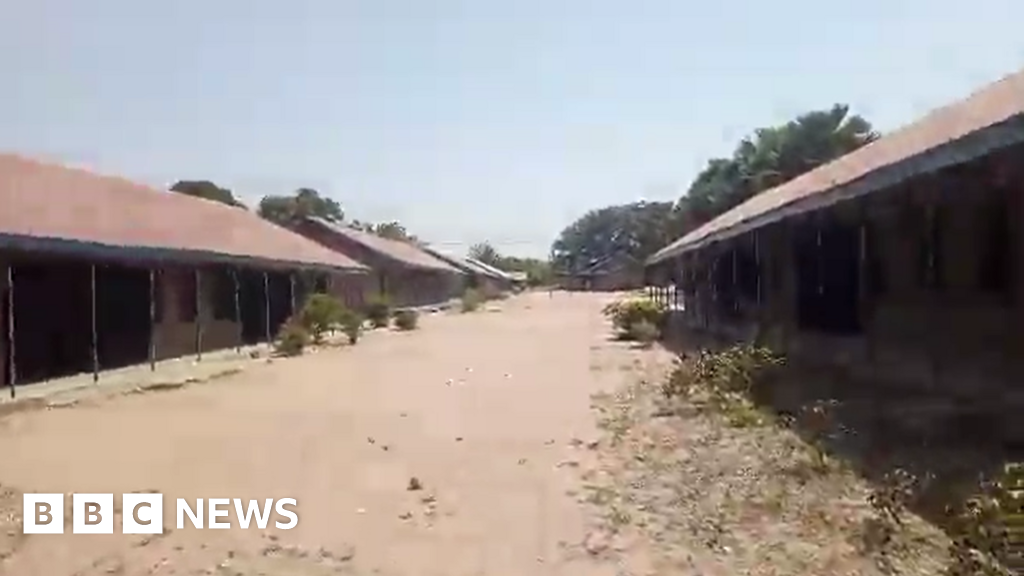
In a disturbing display of the ongoing insecurity plaguing Nigeria, reports confirm that over 300 children and staff have been kidnapped from St Mary’s School in Niger state—a tragic development that echoes the infamous Chibok abduction of 2014. According to the Christian Association of Nigeria, the revised figures indicate a significantly larger number of victims than initially reported, highlighting the grave escalation in armed group activity across the country. These mass abductions are not isolated incidents but part of a disturbing surge in violence by violent coalitions, often labeled as bandits or Islamist militants, that threaten the stability of Nigeria’s fragile security architecture.

Analysts warn that this escalation has profound geopolitical implications. The Nigerian government’s response—claiming to mobilize security forces and order school closures—struggles against a tide of multifaceted insurgencies, including Boko Haram’s remnants and criminal gangs. These groups are exploiting Nigeria’s vast and often inaccessible forested regions, making rescue operations perilous and uncertain. The recent kidnappings occur amid a backdrop of regional instability, as neighboring countries face similar challenges with militant insurgencies, leading some experts from the African Union to warn of a potential destabilization chain reaction in West Africa fueled by these uncontained conflicts.

Furthermore, the international discourse around these events has become polarized. Right-wing figures in the United States, including former President Donald Trump, have recently amplified allegations of persecution of Christians in Nigeria, claiming the government is either unable or unwilling to protect religious minorities. These claims, vehemently denied by Lagos, supply a turning point in the ongoing narrative—whether as a genuine concern or a politicized tool—highlighting how external actors are increasingly involved in Nigeria’s internal affairs. Such narratives risk complicating diplomatic efforts and may embolden militant groups, further destabilizing the region.

The geopolitical impact of Nigeria’s security crises extends beyond its borders. As Africa’s most populous nation and a key player in regional economics and politics, Nigeria’s instability threatens to undermine efforts towards regional integration and economic growth. Historians and security analysts warn that without decisive action—focusing on intelligence, community engagement, and tackling socio-economic roots—Nigeria could descend into a prolonged state of chaos, with ripple effects felt across the continent and beyond. The convergence of internal insurgencies, criminality, and international politicization ensures that Nigeria remains a critical flashpoint. The nation’s future hangs in the balance, a reminder that history is still being written with every flight of gunfire and every child’s cry, as Africa’s most vital country teeters on the edge of crisis—and perhaps, eventual breakthrough or collapse.

South Sudan’s President Kiir ousts Vice President Mel in major shake-up

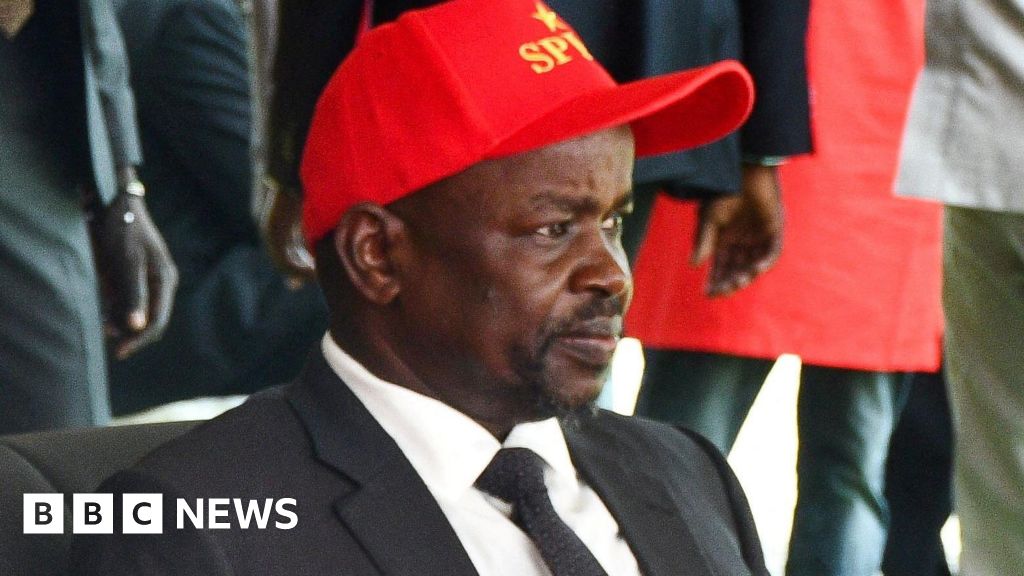
The recent dismissal of South Sudan Vice-President Benjamin Bol Mel by President Salva Kiir has sent shockwaves through the young nation’s fragile political landscape. This move, announced via decree and devoid of explanation, underscores the ongoing volatility in a country that only gained independence in 2011 but has been plagued by civil unrest ever since. The removal of Bol Mel—who previously appeared poised as Kiir’s likely successor—appears to symbolize a decisive consolidation of power amid mounting fears of renewed civil war. Analysts warn that such internal struggles threaten to unravel the last remnants of peace established under the 2018 power-sharing agreement, which has continuously faltered under the weight of old tensions and new conflicts.

South Sudan’s tumultuous history is well documented by international organizations and historians, recognizing its journey from a peaceful separation from Sudan into a maelstrom of violence. The recent crisis follows the escalation of fighting between government forces loyal to Salva Kiir and armed groups aligned with ex-vice-president Riek Machar. Notably, Machar was sacked earlier this year, arrested, and charged with serious crimes, prompting accusations from his supporters of a politically motivated witch-hunt that only worsened tensions. This cycle of power struggles exposes the underlying fragility of South Sudan’s state institutions, which continue to be vulnerable to internal divisions and external pressures, including sanctions and diplomatic isolation.

In the wake of Bol Mel’s removal, social media and local sources reflect a broad consensus: his dismissal signals an internal power struggle within the Sudanese People’s Liberation Movement (SPLM). A senior government official, speaking anonymously for security reasons, indicated that Bol Mel was viewed as a “divisive figure” whose presence was exacerbating factional discord. The apparent withdrawal of Bol Mel’s security detail and the lack of immediate replacements suggest a sudden and potentially destabilizing power vacuum. These events could accelerate the erosion of recent ceasefire efforts, with some regional analysts warning of a possible descent into chaos—a scenario that international observers, including the United States and regional powers, are desperate to prevent. Yet, the very nature of South Sudan’s regime suggests that internal factionalism remains unresolved, with entrenched elites vying for dominance amid a nation still scarred by years of violence.

The geopolitical impact of this upheaval extends beyond South Sudan’s borders. As Africa’s youngest nation, its stability affects regional security, oil markets, and international efforts aimed at fostering peace. The United States, which has historically played a dominant role in supporting South Sudan’s peace process, remains cautious, maintaining sanctions against figures like Bol Mel for purported corruption, despite his promotion to prominent security roles. The broader implications involve how neighboring nations and global institutions respond to escalating instability. As historians and analysts draw parallels with other post-conflict states, the specter of what if looms large: Could internal power struggles ignite a larger civil conflict, destabilizing the already volatile Horn of Africa?

As South Sudan’s leadership grapples with internal dissent, the weight of history presses upon its young democracy. The fate of a nation born from hope now teeters on the brink of chaos, with every decision in Juba echoing through corridors of power and across the continent. The unfolding story remains a stark reminder that in the heart of Africa—where oil riches and ethnic allegiances intersect—the future is written in moments of upheaval. History’s pen hovers, uncertain whether this chapter will forge a fragile peace or plunge South Sudan back into the shadows of conflict, a stark testament to the unpredictable course of nations in transition. And thus, the world watches, silent yet attentive, as the next pages of this turbulent saga are yet to be written.

Google Maps gets a major boost for India with Gemini updates and safety alerts

Google Elevates Maps with Gemini AI Integration in India: A Game-Changer for Digital Navigation

In a bold move to disrupt traditional navigation paradigms, Google has begun integrating its innovative Gemini AI technology into Google Maps, specifically tailored for the Indian market. This strategic deployment signifies a major leap in AI-powered navigation, transforming how millions of users plan routes, access real-time safety alerts, and explore localities. The rollout, which commenced in the U.S. and is now expanding to India, underscores Google’s relentless drive to lead in disruption and innovation—with national localization and contextual awareness at its core.

By embedding Gemini—a sophisticated generative AI model—into Maps, Google is redefining user interactions. The new features include contextual route suggestions, hands-free AI assistance, and comprehensive location details. Miriam Daniel, Google Maps’ vice president, emphasizes that localization extends beyond language translation; it involves adapting to India’s unique geographical, linguistic, and cultural landscape. The service will support nine Indian languages initially, ensuring broad accessibility while enhancing the navigational experience. This approach enables hyper-personalized guidance, empowering users with smarter, more intuitive routes.

The business implications of this innovation are profound. Google’s partnership with India’s National Highways Authority of India (NHAI) exemplifies a strategic move to harness near real-time data for enhanced safety. New features include accident-prone zone alerts supported by visual and audio warnings, designed in collaboration with local authorities. Such safety-centric updates are not only crucial for user trust but represent a strategic shift toward integrating AI with infrastructure data—ushering in a new era of disruption in transportation safety systems. Furthermore, proactive notifications about route disruptions and delays, extended to major urban centers like Delhi, Mumbai, and Bengaluru, position Google Maps as an indispensable tool for urban mobility—reshaping the very business model of how navigation services generate revenue and user engagement.

While these technological strides highlight Google’s aggressive innovation agenda, concerns over reliability persist—in particular, instances like the tragic accident involving an unfinished bridge in Uttar Pradesh have cast shadows over trust in digital navigation systems. Google’s proactive approach, including partnerships with local agencies to improve data accuracy, exemplifies an industry-wide recognition that trust and safety remain critical to long-term disruption. Industry analysts such as Gartner suggest that this fusion of AI and real-world data signifies a pivotal shift, driving a new wave of smart, adaptive infrastructure—though not without inherent risks. As AI continues to evolve, so does the industry’s need to address safety, accountability, and transparency standards.

Future Outlook: The Race Toward Ubiquitous, AI-Driven Navigation

Looking ahead, the integration of Gemini AI into Google Maps signals a seismic shift in how digital navigation intersects with daily life. With ongoing enhancements like voice-supported flyover navigation and speed limit alerts, Google is setting the stage for a future where AI doesn’t just assist but actively manages and predicts real-world conditions. Analysts from MIT and industry veterans like Peter Thiel underscore that this trajectory—marked by rapid innovation and disruptive potential—requires startups and incumbents alike to accelerate familiarity with AI-driven solutions or risk obsolescence.

This year’s developments underscore an undeniable trend: The future belongs to those who leverage AI to transform infrastructure, safety, and mobility. Market shifts favor proactive adaptation, and companies that ignore this wave risk falling behind. Awaiting just beyond the horizon are enhanced autonomous systems, smarter cities, and seamless, real-time digital-physical integration. As Google’s initiative demonstrates, the imperative is clear: disruption is accelerating, and the race to dominate the AI-powered landscape is more urgent than ever.

Zohran Mamdani Secures Major Victory for the Future

Global Power Shifts: The Dawn of a New Geopolitical Era

In recent weeks, the geopolitical landscape has undergone a series of dramatic shifts that are echoing through the corridors of power across North America. The election of Zohran Mamdani as the youngest mayor of New York City, representing a new wave of progressive, multicultural leadership, exemplifies how societal change is intertwined with global trends. Mamdani’s victory, achieved against the odds with minimal institutional backing, signals a broader appetite among the youth and marginalized communities for leadership rooted in social justice, economic reform, and a willingness to challenge entrenched power structures. The implications extend beyond municipal borders, raising questions about the evolving political paradigm in the United States and its ripple effects on international diplomacy and alliances.

Analysts and international organizations are warning that such electoral shifts reflect a larger global phenomenon where traditional center-left parties face internal pressures, often due to rapid demographic changes and the rising influence of socialist-influenced policies. The United States, long regarded as a bastion of free-market capitalism and military power, is witnessing internal debates over issues like taxation, public welfare, and foreign policy — debates that are now entangled with identity politics and social justice. Mamdani’s outspoken condemnation of Israel’s conduct during the Gaza war, and his pledge to arrest Prime Minister Benjamin Netanyahu should he visit New York, underscore how domestic politics are increasingly shaping international relations. His stance risks being a flashpoint, stirring tensions within the city’s diverse communities and beyond, potentially complicating diplomatic ties with Israel and allied nations.

Meanwhile, Europe and Asia are observing these shifts with keen interest. The global community’s attention is focused on how fresh leadership in key cities and states influences broader geopolitical strategies. As historians and experts have observed, moments of political upheaval often serve as precursors to larger transformation — whether through electoral realignments or policy shifts. In Russia and China, authoritarian regimes watch with trepidation, knowing that the success or failure of these new liberal experiments could ignite similar movements further east or west. The turning point appears to be upon us, where the ‘rules’ of international politics are being rewritten in real-time, with every election, every policy decision, acting as a stroke on the vast canvas of history.

As Mamdani prepares for his inauguration, the challenges ahead are stark. His campaign, promising reform and radical change, clashes with existing power centers such as Wall Street and the city’s traditional political elite. The looming confrontation over taxes, public funding, and urban development signals that the battles for influence and policy dominance are far from over. Meanwhile, the American electorate remains divided, with rising conservative voices led by Donald Trump, eager to frame the new leadership as a threat to the nation’s stability. The ensuing conflict will shape the next chapter of American history, perhaps determining whether the nation continues its drift into a more progressive future or retrenches into familiar patterns of resistance and nationalism.

In the end, the ongoing saga of political change is not just about elections and policies; it is about the unfolding story of nations and their societies in the face of relentless global currents. The days ahead will test the resilience of this new leadership and reveal whether modern movements can carve their place in history or be consumed by the machinery of entrenched interests. The world watches as history continues to unfold—a terrifying yet hopeful reminder that, even in chaos, the seeds of change are sown, waiting for the right moments to blossom into something unprecedented. The future remains unwritten, but the legacy of these pivotal moments will forever shape the course of human destiny.

Milei's bold 'chainsaw' approach scores major victory among youth voters
Milei’s bold ‘chainsaw’ approach scores major victory among youth voters

In what could be one of the most significant electoral shifts in South America this decade, Argentina has once again placed itself at a pivotal crossroads. The recent midterm elections saw a resounding victory for President Javier Milei and his party, La Libertad Avanza. By securing nearly 41% of the vote and dominating both chambers of Congress, Milei’s movement signifies a dramatic rejection of the traditional Peronist, welfare-centered economic model that has long defined the nation’s political landscape. His radical approach, characterized by *swift austerity measures*, has resonated with voters desperate for change amid spiraling inflation, crumbling public services, and rising unemployment. Yet, this swing toward radical market reforms not only alters domestic policy but also sends ripples across the geopolitical fabric of the continent and beyond.

Some analysts argue that Milei’s electoral surge signals a broader ideological shift within Latin America. As historians and international economists highlight, the continent has long grappled with the consequences of expansive government spending, debt reliance, and inflationary policies. Milei’s “chainsaw” tactics—his vow to drastically cut state spending—echo a global movement favoring free markets over government intervention, a stance now reinforced by his recent sweeping victory. The U.S. has openly expressed support, with former President Donald Trump praising Milei and hinting that American financial aid—potentially up to $40 billion—is contingent upon Milei’s political momentum. Such foreign backing raises alarms about external influence, with critics warning it could distort Argentina’s sovereignty and escalate tensions within the region—particularly with governments wary of U.S. interference.

For Argentina, this electoral outcome is a sharp departure from its historical reliance on populist policies. Milei’s government now faces the daunting challenge of balancing its radical reforms with the very social stability it claims to restore. Voters and social advocates are voicing concern over job losses, diminished social services, and a looming recession—crises their predecessors’ policies failed to address. Despite the market optimism following the vote, fears persist about economic overreach and the fragility of this newfound political stance. As international organizations warn of potential debt payment crises and dwindling reserves, the nation’s future hangs in the balance. What is undeniable is that, **once more, Argentina stands as a symbol of the continent’s deepening ideological contest—between the old populist order and a bold, untested free-market revolution**.

With the winds of change sweeping through the Andes, the unfolding story of Argentina represents much more than a national election outcome—it echoes across borders. The decisions taken today by Milei and his supporters will memorialize a chapter in history that shapes the region’s economic destiny, threatening to sway nations caught between tradition and transformation. As powerful forces converge, the question remains: will the electorate feel the promised benefits of these reforms, or will the price of upheaval prove too great? The pages of history continue to turn, leaving the world watching, as an unfolding narrative of resistance, resilience, and revolution continues to be written—one political upheaval at a time.

Social Media Auto Publish Powered By : XYZScripts.com