Matox News

Truth Over Trends, always!

Man accused in Palisades wildfire charges pleads not guilty in LA court

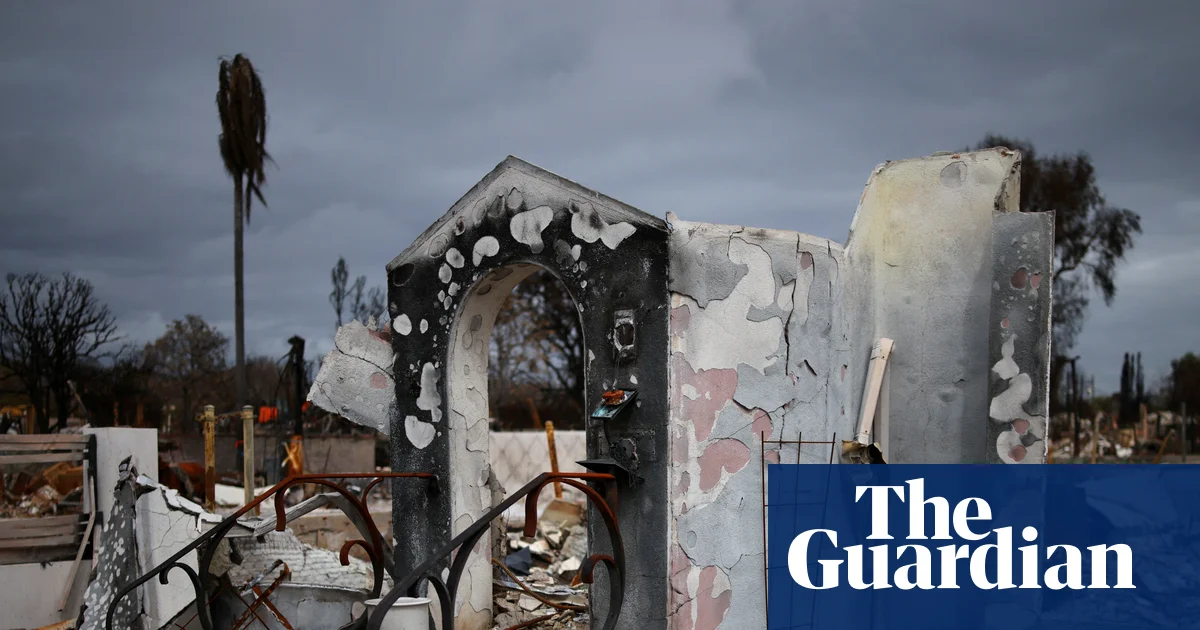
The recent Palisades fire in California has reignited not only concerns about environmental management but also about the larger geopolitical and societal implications of local crises. The fire, which tragically claimed twelve lives and razed over 6,800 structures, underscores the unpredictable and destructive power of human and natural elements intertwined in the modern world. As authorities work to address the immediate aftermath, international observers and analysts are increasingly recognizing that such disasters have ripple effects beyond regional boundaries, influencing policies, economic stability, and even global security considerations.

Legal proceedings against Jonathan Rinderknecht highlight the complexities surrounding individual responsibility amidst larger environmental and civil crises. Charged with federal arson affecting interstate commerce, Rinderknecht’s case draws attention to how digital behavior—such as his interactions with AI and geolocation data—can be scrutinized as potential indicators of intent or involvement. Historians like Dr. Linda Carter have warned that the proliferation of AI-generated content and digital footprints complicate traditional notions of guilt and innocence, especially in emergencies driven by human actions. These developments reveal a new frontier in criminal investigation, where technological intricacies shape judicial outcomes, but also threaten to infringe on civil liberties, raising questions about the limits of surveillance in safeguarding communities.

The incident also offers a lens through which to view the broader geopolitical impact of climate-related crises. As climate change continues to intensify, fires like Palisades serve as stark reminders of how environmental catastrophes can destabilize societies, strain resources, and draw international attention. Experts from organizations such as the United Nations have warned that unchecked environmental disruptions could lead to increased migration, economic hardship, and regional conflicts, especially in areas ill-prepared for such events. The destruction of California’s landscapes epitomizes the fragile balance between economic growth and environmental resilience, and the need for international cooperation in developing sustainable policies.

Meanwhile, the timing of legal and environmental responses underscores a critical debate on sovereignty and responsibility. The response to local fires, driven by national policies and emergency protocols, often influences how nations perceive threats to their stability. U.S. authorities, under growing scrutiny, must demonstrate their capacity to protect citizens without overreach. At the same time, the international community watches as nations like Russia and China contend with their own climate-related disasters, seeking to project power amidst a shifting global landscape. As historian Dr. James Parker notes, “These crises aren’t isolated; they reflect a broader struggle for influence, resilience, and control across the world’s geopolitical stage.”

As the trial of Rinderknecht approaches, with proceedings set for December 16, the outcome will likely influence future approaches to both criminal justice and disaster management. His case may become a precedent for integrating AI analysis into legal processes and determining accountability in an increasingly digital world. But as history continues to unfold, the true scope of these localized tragedies extends beyond courtrooms and firefighting efforts—prompting a fundamental reckoning with how humanity navigates a planet under siege from its own innovations and neglect.

In the end, the story of Palisades is a chapter in a much larger narrative—one of peril, resilience, and the relentless pursuit of stability amid chaos. As nations grapple with their responsibilities and citizens confront the realities of environmental and technological change, the weight of history presses upon us all. The future remains uncertain, teetering on the edge of now and the ever-approaching echo of coming storms—both natural and human-made—challenging every society to stand firm or be swept away by the storm of its own making.

Devon man loses mental health support, kills stranger in park — tragic reminder of system failures

System Failures and the Fragile Tapestry of Our Communities

In a tragic saga that underscores the profound societal repercussions of mental health neglect, the murder of Lorna England in Devon reveals significant gaps in the support systems intended to protect our most vulnerable. As investigations have shown, the intersection of mental health services, community safety, and technological vulnerabilities can have devastating consequences. The case of Cameron Davis, a man with known mental health issues whose threats went unaddressed due to administrative failures and system cyber-attacks, exemplifies how the breakdown of social safety nets endangers families and destabilizes communities.

The inquest disclosed critical shortcomings: Davis was known to mental health services since late 2021, yet on the day he murdered England, a series of missed opportunities and systemic failures culminated in tragedy. Despite warnings from Davis himself—both to police and medical personnel—that he would kill someone if not detained—these alerts were either ignored or inadequately acted upon. Notably, an emergency call made by a mental health nurse seeking police assistance was delayed due to technical glitches, attributed to a cyber-attack that corrupted NHS records, effectively removing Davis from the system’s radar. Such failures highlight the societal dilemma of reliance on digital infrastructure that is vulnerable to cyber threats and administrative oversight.

During the inquest, experts emphasized that mental health teams followed proper procedures in their assessments, but the absence of a dedicated care coordinator set the stage for missed interventions. The senior coroner, Philip Spinney, pointed out that a multi-agency risk assessment could have been convened had Davis been properly documented and monitored. This emphasizes that, when families face the repercussions of administrative errors—especially those rooted in technological vulnerabilities—the fabric of societal safety begins to fray. The question remains: how do we strengthen these safety nets to prevent future tragedies?

Social Challenges and the Need for Systemic Reform

  • Technological vulnerability: Cyber-attacks compromising vital health records expose dangerous gaps in digital security, risking the safety of at-risk individuals and the communities they belong to.
  • Community and professional disconnect: Despite clear warnings, the collective failure to act decisively illustrates a disconnection among police, healthcare, and social services, undermining efforts to mitigate risks for vulnerable populations.
  • Insufficient resource allocation: The case underscores the importance of allocating sufficient resources and establishing protocols for multi-agency collaboration, especially for individuals with complex mental health needs.

Furthermore, sociologists and social historians warn that “the erosion of community-based mental health services and reliance on digital systems alone risk creating a society where vigilance becomes a false substitute for proactive care,” as sociologist Dr. Lisa Carter notes. Our communities, especially those in rural or underserved regions, bear the brunt of these systemic deficits. The moral obligation to safeguard these lives requires not just technological fortification but a cultural shift—prioritizing compassionate, coordinated care over bureaucratic complacency.

As society grapples with these dilemmas, the image of families torn apart and communities fractured serves as a stark reminder of our collective responsibility. “Are we willing to accept the status quo,” asks mental health advocate Tom Reynolds, “or will we finally confront the uncomfortable truth that safeguarding our society depends on unwavering commitment to mental health care, technological resilience, and community engagement?” The case of Lorna England is an urgent call for reform—not only of policies but of societal values—to ensure that no other family endures such heartbreak.

In the silent moments following these tragedies, society is compelled to reflect: how do we mend the social fabric torn by neglect, misinformation, and systemic failure? Perhaps, in our pursuit of technological progress and administrative efficiency, we have overlooked the importance of human connection. Yet, there remains hope that, through renewed vigilance, community solidarity, and moral resolve, we can write a new chapter—one where our societal systems serve not just efficiency, but compassion. A future where tragedies like this become echoes of the past, rather than forewarnings of what society has failed to prevent.

Sikh man with brain tumour detained by U.S. immigration, raising concerns about fair treatment

In recent weeks, United States immigration policies have taken center stage, revealing a complex interplay of national security, legal authority, and human rights controversies. The case of Paramjit Singh, a long-time resident of Indiana and US green card holder since 1994, exemplifies the disturbing human consequences of this policy shift. Detained amid allegations based on decades-old criminal records, Singh’s case underscores a broader pattern of aggressive immigration enforcement under the administration of President Donald Trump. As the US government pushes for the deportation of perceived “undesirables,” critics argue that this approach sacrifices fundamental fairness, particularly targeting individuals with no active criminal record or recent infractions, and ignoring humanitarian concerns such as health crises.

Singh’s detention, which has spanned over two months, is emblematic of a wider crackdown on immigration that oscillates between rhetoric and reality. The Immigration and Customs Enforcement (ICE) has invoked old cases—most notably from 1999 and 2008—to justify his detention, although family and legal advocates argue these allegations are either outdated or mistaken. The case involves Singh’s minor conviction for using a public phone without payment, a conviction that nonetheless resulted in his being barred from obtaining citizenship. More troubling is the assertion by authorities that he faces additional charges, which his family contests, claiming no such fingering exists in the state’s criminal records. This pattern suggests a potential misuse or misinterpretation of legal documents, which, when combined with the detention’s conditions, raises serious questions about procedural justice.

International observers and legal experts warn that such policies threaten not only individual rights but also geopolitical stability, especially as the US seeks to project strength through border enforcement. The detention of Singh occurs against a backdrop of a “zero-tolerance” approach emphasized by the Trump administration, with rhetoric promising the deportation of the “worst of the worst.” However, critics highlight that many non-criminal immigrants, like Singh, find themselves caught in this aggressive net, often without proper recourse. Countries such as India and Pakistan have expressed concern over cases involving alleged wrongful detention of their nationals, positioning these incidents within broader diplomatic tensions. The deportation and detention policies are thus mirrored by a rising global scrutiny, as international organizations warn of the erosion of due process and human rights protections—fundamentals upon which international law is built.

  • The detention of Singh is set for a hearing on October 14, highlighting the ongoing legal tussle that underscores the policies’ unpredictability.
  • The US administration’s emphasis on removing individuals based on historical records, regardless of current activity or health status, signals an evolving immigration paradigm that prioritizes security over fairness.
  • International reactions, especially from India, reflect growing concern over the treatment of their nationals, emphasizing how domestic policies can ripple across borders, heightening geopolitical friction in an already tense global atmosphere.

Historians like Howard Zinn and analysts at international NGOs have long warned that policies championed as “security measures” often serve as smokescreens for deeper societal exclusion and racial profiling. The Singh case is more than an isolated incident; it is a symbol of a nation grappling with its identity amidst the shadows of its immigration laws, where the weight of history—both legal and societal—continues to shape individual fates. As Singh’s case prepares for its next court hearing, the question remains: how will the US reconcile its values of justice and compassion with its choice to pursue an increasingly hardline stance? Sometimes, history seems to turn on a dime, revealing that the true cost of such policies is paid not just in legal doctrine but in the lives of ordinary people—whose stories may only be heard when the pages of history are finally turned.”

Tragic methanol overload claims life of young man in São Paulo

The recent surge of methanol poisoning in Brazil is shaping up as a significant public health crisis with far-reaching geopolitical implications. Over the past few weeks, reports from the state of São Paulo reveal a tragic toll—three confirmed deaths and over 225 confirmed cases, as authorities scramble to contain an outbreak associated with contaminated alcohol. The authorities’ investigations focus on both the source of the tainted drinks and the broader risks posed by illicit alcohol markets that often evade regulation in countries vulnerable to organized crime and economic instability.

While officials remain uncertain whether this crisis is accidental or part of a deliberate effort to undermine public safety, the situation underscores issues that transcend Brazil’s borders. In a global context, dangerous products—whether contaminated alcohol or counterfeit pharmaceuticals—highlight how illicit transnational trade flows threaten national sovereignty and public health. Experts from organizations such as the World Health Organization warn that the proliferation of toxic substances like methanol—frequently sourced from illegal fuel or cleaning product channels—poses systemic risks that are often underestimated. The death of a young woman, Bruna Araújo de Souza, along with the two men and dozens of hospitalizations, has intensified calls for stricter regulation, yet the problem persists, revealing flawed enforcement of existing laws.

The response of Brazilian authorities indicates a broader struggle against the shadow economy heavily intertwined with the illicit alcohol trade. More than 10,000 bottles have been seized, and at least 11 businesses have been shut down, yet the crisis continues. The impact extends beyond health; it questions the reliability of local businesses and the safety of daily consumption, particularly in urban hubs like São Paulo. The bar near Paulista Avenue—one of Latin America’s busiest districts—reported concerns from patrons and urged caution, exemplifying how trust in local commerce is eroding amid fears of contaminated products. These events threaten social stability and highlight the importance of international cooperation in trade regulation and public health safety.

Historians and analysts caution that these incidents are not isolated; instead, they serve as stark reminders of the digital age’s complexity in enforcing laws across borders. The United Nations and Inter-American Development Bank emphasize that unresolved economic inequalities and lax regulation create fertile ground for criminal enterprises, which exploit local vulnerabilities for profit. As the world watches, Brazil’s plight underscores how local health emergencies can quickly escalate, destabilizing geopolitical relationships, especially with nations involved in illicit trade networks. The ongoing investigation into whether the poisoning was deliberate or accidental adds a layer of complexity, yet the ultimate message remains clear: how nations respond to such crises will define their resilience in the face of transnational threats.

As the shadows of this crisis stretch across the political landscape, the heavy weight of history hangs in the balance. The unfolding story of methanol poisoning in Brazil is less about isolated incidents and more about a global struggle—an ongoing battle between lawful governance and criminal shadow economies. The outcome will determine whether societies can reclaim their streets, restore faith in local businesses, and prevent future tragedies from turning into yet another chapter in the ongoing saga of international disorder. As with all moments of upheaval, this chapter remains unwritten, yet its echoes will resonate through history’s corridors for generations to come.

Florida man accused of killing and eating his own pet peacocks, authorities say

Recent events from Florida underscore a disturbing trend that transcends regional boundaries—acts of cruelty and violence that reflect broader societal tensions and value shifts. The case of Craig Vogt, a 61-year-old man charged with killing and consuming his pet peacocks out of spite, highlights how personal conflicts can escalate into extraordinary acts of cruelty. Such incidents may seem isolated, yet they serve as a stark mirror to underlying issues that resonate across nations and cultures: the erosion of civility, the rising influence of individual alienation, and the unpredictable consequences of unchecked emotion. Internationally, analysts warn that these outbursts point, {\em perhaps} alarmingly, to the fragility of social cohesion amid rapidly changing societal norms.

This case also raises questions about the underlying legal and cultural frameworks that address animal cruelty, a matter of global concern validated by institutions such as the World Organisation for Animal Health (OIE) and several national agencies. While the United States continues to grapple with inconsistent legislation across states, the incident exemplifies how personal grievances can manifest in extreme acts of violence, with potential ripple effects on community safety and social trust. Historians often cite that acts of individual violence are frequently shaped by a complex web of societal factors: economic struggles, mental health issues, or cultural attitudes. As the US justice system considers this case, international organizations observe that such stories should serve as cautionary tales, prompting a reevaluation of community support mechanisms and animal welfare laws that might prevent further tragedies.

On a broader geopolitical spectrum, the repercussions of seemingly isolated incidents contribute to the ongoing narrative of societal stability. When individual acts of cruelty go unchecked, they threaten to undermine the moral fabric of community life—an issue that populates the agendas of both emerging nations and established powers. The European Union, for instance, maintains strict animal protection policies, recognizing that the health of societal morals directly correlates with international standing and internal safety. Conversely, nations with lax enforcement risk fostering environments where such bizarre acts could become normalized, fueling unrest or destabilization amid already complex geopolitical tensions. International security think tanks warn that these micro-level anomalies, if ignored, could serve as indicators of deeper systemic unrest, especially amid the increasing social upheaval driven by economic downturns or political polarization.

Ultimately, the story of Vogt and his peacocks might seem an isolated anomaly, but beneath it lies a resonant warning: the choices made by individuals reflect, and threaten to reshape, the societal landscape. As history unfolds, nations must grapple with the subtle but potent influence of personal morality and justice, knowing that even the smallest actions can echo through the corridors of power and history. The collective hope remains that society can learn from such disturbing episodes—transforming tragedy into a catalyst for stronger, more compassionate communities—before the weight of unchecked cruelty inexorably changes the course of history itself.

MrBeast Stirs Controversy After Trapping Man in Burning Building for $500K Prize — Is It Just a Stunt or Crossed the Line?

In recent years, content creators like MrBeast have revolutionized the digital landscape, blending entertainment with daring risk-taking to carve out massive audiences. With over 440 million subscribers, MrBeast—whose real name is Jimmy Donaldson—has become one of the highest-paid and most influential YouTubers worldwide. His latest stunt video, “Would You Risk Dying for $500,000”, showcases his signature style: a heart-pumping spectacle where a professional stuntman attempts to escape a burning building while collecting bags of cash. This dramatic display of sheer audacity has surged past 45 million views, fueling discussions about safety, responsibility, and the evolution of modern entertainment.

The allure of MrBeast’s content transcends mere spectacle. It embodies the *shift towards experiential and adrenaline-fueled entertainment*, especially among younger viewers eager for intensity and authenticity. The producer’s ability to merge risk with reward taps into a fundamental human desire for challenge and adventure. Critics note that such content, although highly produced and seemingly reckless, involves careful planning—professional stuntmen, advanced safety measures like proper ventilation, fire suppression systems, and a dedicated crew of specialists ensure that the spectacle remains just that: a spectacle, not a tragedy. MrBeast’s assertion, “I take safety more serious than you could ever imagine,” underscores a responsible approach, even as the viral clip stirs debate about the boundaries of entertainment.

However, the conversation surrounding these viral videos is not solely about safety; it’s about the cultural role of risk in entertainment. Influential author and wellness expert Dr. Kelly McGonigal often emphasizes the benefits of controlled risk for personal growth and resilience. She suggests that *embracing calculated challenges* can foster a sense of achievement and self-confidence, especially for the youth who look up to these risk-takers as symbols of bravery and perseverance. MrBeast’s stunt, despite its controversial nature, exemplifies a modern spectacle where achievement is rewarded, not just through monetary gains but through the thrill of overcoming adversity. For many viewers, such moments serve as an inspiration to confront their own fears and pursue grit—values rooted firmly in traditional notions of personal strength and self-reliance.

  • Travel tip: Seek out adventure destinations that combine adrenaline activities with cultural immersion—like zip-lining in Costa Rica or mountaineering in the Himalayas—where safety precautions are paramount, and experience fuels growth.
  • Lifestyle hack: Balance high-intensity pursuits with holistic wellness practices, such as meditation and nutrition, to sustain both body and mind on your journey of self-discovery.
  • Main takeaway: Modern entertainment, whether in digital videos or real-world adventures, challenges us to step beyond comfort zones while respecting essential safety boundaries.

As we observe these daring displays and media personalities pushing the limits, it becomes clear that lifestyle is ultimately a journey—an ongoing pursuit of *embracing challenge, fostering resilience, and inspiring the individual to realize their potential*. The narratives spun by creators like MrBeast serve as a reminder that life’s true adventure lies not in avoiding risk but in mastering it responsibly. When safety and courage work hand-in-hand, they open pathways to personal growth that can ripple through every facet of life—driving us to face fears, pursue passions, and forge a future where our aspirations are limited only by our willingness to dare. In this era of rapid change, the call for youth is clear: dare to challenge, but always with respect for the journey and the risks involved. That is the essence of living fully in an age of endless possibilities.

Man gets 5 years for arson targeting YouTube star FriendlyJordies’ Bondi home

In recent developments that underscore the fragile stability of modern nation-states, incidents of domestic terrorism and organized crime reveal broader questions about law enforcement capabilities and the influence of international criminal networks. A disturbing attack in Australia, where a popular YouTuber, Jordan Shanks, known as FriendlyJordies, had his home set ablaze, highlights the dangerous intersections of organized crime, political activism, and societal unrest. The arson attack, reportedly linked to the Alameddine gang, signals a worrying trend: criminal organizations extending their reach into the fabric of democratic societies, threatening the safety of citizens and the integrity of public discourse.

Analysts suggest that this incident is not isolated but a symptom of escalating crime syndicates’ influence in Australia, with police indicating possible connections to larger organized crime groups operating across borders in Southeast Asia and the Pacific. The plight of Jordan Shanks, who had been targeted for exposing local issues, underscores how free speech is coming under assault in the age of organized crime and political censorship. These developments have significant geopolitical impact: they jeopardize sovereignty, undermine rule of law, and highlight the importance of international cooperation to combat transnational criminal networks, which often operate under the radar during global power struggles.

Decisions made at the international level, such as the strengthening of extradition treaties, regional security pacts, and intelligence-sharing agreements, are crucial in curbing such threats. However, the rise of domestic violence and lawlessness also reflect broader societal shifts—a failure of social cohesion, economic instability, and political polarization—continuing to shape a volatile landscape that the global community must address. Teachers, students, and the rising youth generation are watching intently, aware that the tone of today’s decisions could define the world they inherit.

As history witnesses moments of transformation and conflict, the ongoing saga of crime, censorship, and international collaboration remains an indelible part of the larger narrative of our era. The recent events in Australia serve as a stark reminder that the battleground of tomorrow’s geopolitical conflicts lies not only in distant borders but within the very societies we strive to protect. The weight of history presses down, urging global leaders and citizens alike to consider: how do we preserve our freedoms amid rising chaos? How do nations stand firm against the rising tide of organized threats? The answers will be written in the coming days—yet, the storm of change, like the flames that consumed a simple home, leaves behind an echo that resonates far beyond the shores of Australia.

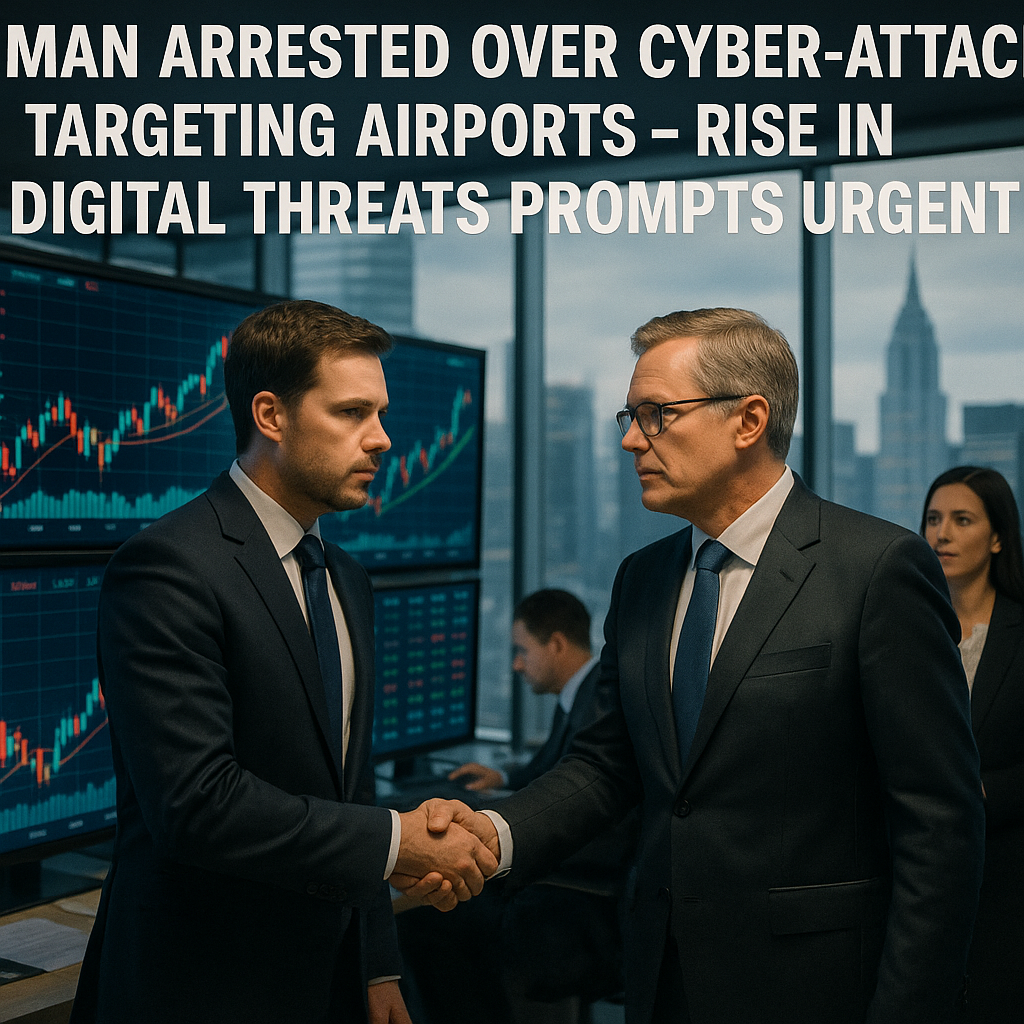
Man arrested over cyber-attack targeting airports—rise in digital threats prompts urgent action

The recent cyber-attack targeting Collins Aerospace, a prominent US aerospace and defense technology firm, underscores the escalating threats impacting critical infrastructure across Europe. The attack, which has caused days of chaos at major airports including Heathrow, Brussels, Dublin, and Berlin, highlights the vulnerabilities in the digital backbone of global transportation networks. A suspect in his forties was detained in West Sussex under suspicion of violating the Computer Misuse Act, signaling intensified law enforcement efforts against organized cybercrime groups, which, according to the European Union Agency for Cybersecurity, deploy ransomware and other malicious tools to extract hefty ransom payments in cryptocurrencies. The attack’s ripple effect has left hundreds of flights delayed or canceled and has exposed the fragile state of the aviation industry’s cybersecurity defenses, casting a shadow over the future of digital resilience in transportation.

The disruption was initiated Friday night when ransomware was deployed within Collins Aerospace’s systems—a tactic on the rise, with reported increases of 600% in cyber-attacks targeting the aviation sector over the past year, according to French aerospace firm Thales. The ransomware attack encrypts vital operations, demanding ransoms often paid in cryptocurrencies to restore systems. As a consequence, airports in Brussels, Dublin, and Berlin struggled with manual check-in processes, causing prolonged delays, cancellations, and operational bottlenecks. Heathrow Airport has been forced to deploy additional staff to manage manual check-ins, but even with backup measures, delays persist. The incident highlights the grave policy consequences for organizations unprepared for sophisticated cyber threats and signals a significant market impact on aviation companies’ operational costs and insurance premiums in the near future.

One of the most alarming aspects of this attack lies in its potential to disrupt international economic activity, as airlines and logistics operators grapple with the fallout. The incident also signals a broader threat landscape where organized cyber-crime gangs rake in hundreds of millions annually, using ransomware to target essential services. The U.S. technology conglomerate RTX Corporation, the parent of Collins Aerospace, has acknowledged the ongoing rebuilding efforts but refrained from providing a timeline for full recovery. Meanwhile, the European Commission has underscored the need for enhanced cybersecurity frameworks, urging operators to adopt proactive defense strategies, including better threat detection and incident response protocols. Economists and security analysts warn that without significant infrastructure investments and robust policy enforcement, such attacks could set back the sector’s growth, potentially inhibiting international travel and commerce during the upcoming peak seasons.

Looking ahead, this attack serves as a stark warning that cybersecurity is now the frontline battleground for national security, economic stability, and technological supremacy. As nations rally to fortify defenses, the resilience of the global economy hinges on strategic investments in digital infrastructure and cybersecurity innovation. The pandemic of cyber threats is not going to subside; rather, it is evolving into a perpetual duel where nations, corporations, and technological ecosystems must stand united. The mounting evidence suggests that the geopolitical stage is set for a future where control over cybersecurity technology and policies could determine the leaders of tomorrow’s digital economy. The pulse of this epoch beats strongest where innovation meets vigilance—an epic narrative of power, resilience, and the unyielding pursuit of technological mastery.

Social Media Auto Publish Powered By : XYZScripts.com