Matox News

Truth Over Trends, always!

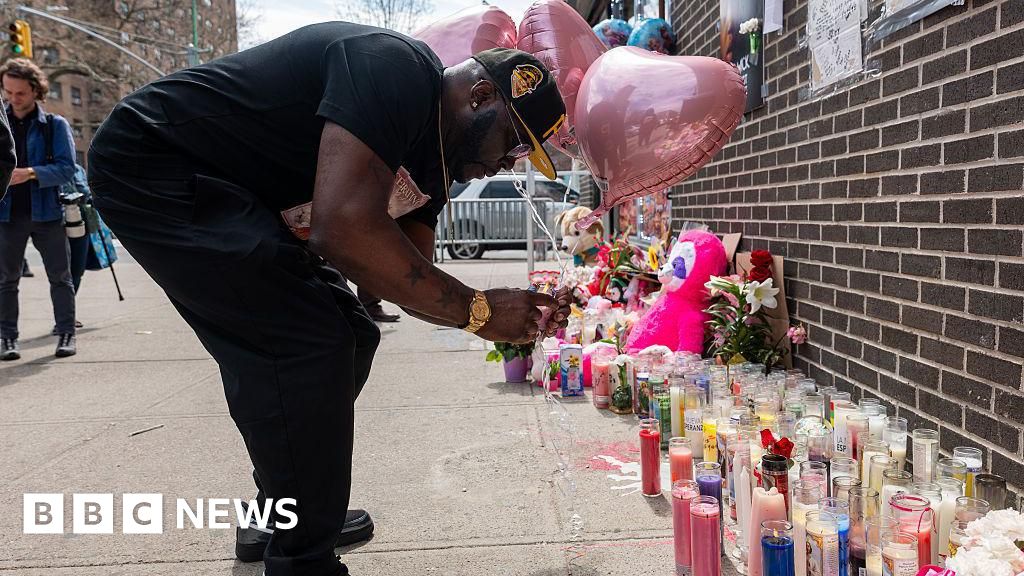
Man arrested in New York after deadly shooting of baby in stroller

In a recent and disturbing development, law enforcement officials have arrested two men in connection with the shooting of a seven-month-old baby in Williamsburg, stirring widespread concern across local communities and raising questions about increasing violence and instability. While on the surface this case pertains to a tragic crime in a specific American neighborhood, the implications extend far beyond borderlines, underscoring ongoing societal struggles that intersect with international issues of security, governance, and social cohesion.

The incident, which shocked residents and enraged advocates for safety, parallels broader themes of rising urban violence plaguing major cities worldwide. Analysts from organizations like the Global Security Initiative emphasize that such acts of violence serve as microcosms of larger, systemic challenges faced by nations attempting to maintain order amidst economic disparities, political unrest, and social fragmentation. The arrest signifies a crucial step in upholding justice, yet also highlights the pervasive nature of instability that global institutions warn could escalate if left unaddressed. Defense alliances and local governments alike are watching with concern, recognizing that localized violence can sometimes serve as a proxy for larger geopolitical tensions.

Experts on international security note that how nations respond to internal crises influences their global standing and stability. The United States, amidst its own domestic upheavals, finds itself under scrutiny for managing violence and social divisions. The Biden administration’s efforts to curb urban violence are often criticized for policy inconsistencies, a fact not lost on international observers who view internal stability as a precursor to effective diplomacy and global influence.
Furthermore, the recent arrests in Williamsburg could be seen as a microcosm of the climate of unrest that many governments are struggling to contain. Underlying these incidents are complex issues like economic inequality, racial tension, and institutional failures — all of which resonate with global narratives where internal societal battles often influence foreign policy decisions and international relations.

The arrest in Williamsburg underscores the fragile nature of social order and the critical importance of law enforcement in maintaining public trust. However, as historians and security analysts warn, these moments of crisis are often turning points — opportunities to chart new courses or deepen divisions. Institutions such as the United Nations have long advocated for integrated approaches to stability that blend security, social development, and economic resilience. Yet, the story in Williamsburg reminds us that borders are porous and conflicts transcend geography. The repercussions of such localized violence ripple outward, affecting national pride, international relations, and the very fabric of societies worldwide.

As the justice system moves forward with the case, the weight of history and the uncertainty of the future hang heavily in the air. The unfolding response to this tragedy may yet serve as a catalyst for change — or as a stark reminder of the ongoing struggles that define our era. In a world teetering on the brink of transformation, each event, no matter how small, becomes part of the larger narrative of history — a story still being written, with stakes higher than ever before.


Man Caught Trying to Flee Country After Killing Woman at Melbourne Airport

The recent arrest and arraignment of Allan Keys, a 67-year-old resident of Patterson Lakes, at Melbourne International Airport, underscores how domestic criminal proceedings can ripple across the international stage. As Keys faced charges of murder for the alleged killing of a 53-year-old woman from Dandenong, the case has inadvertently highlighted the fragile intersection between local justice and global geopolitical concerns. While this is ostensibly a national law enforcement matter, the broader implications extend into the realm of international security and societal stability, where each act of violence reverberates beyond borders and influences international perceptions of law enforcement efficacy and societal safety.

Authorities unveiled that the victim’s body was discovered in Little River, approximately 44 kilometers southwest of Melbourne, after her sudden and suspicious disappearance had triggered police investigations. The circumstances of her case, emerging from a report of her failure to contact her family, reveal the critical role that local law and order play in maintaining societal coherence. However, the global community’s attention is increasingly riveted on individual cases like these to assess the stability of nations’ civic institutions—especially in an era where transnational influence and geopolitical tension remain high. The ongoing investigation, including Keys’ scheduled court appearances and the setting up of a crime scene, serve as a stark reminder of how domestic violence and crime are not insulated from a continent’s broader security posture. Officials and analysts from international law enforcement agencies are watching these local developments closely, understanding that such incidents can sometimes be precursors or indicators of larger societal instability—especially if they reflect systemic weaknesses.

The geopolitical impact of this case, while initially seemingly confined to local Australian law, raises questions about how countries manage internal security amidst rising global instability. As global organizations like INTERPOL emphasize international cooperation in crime prevention, individual cases stress the importance of fortifying national judicial and police systems. Experts warn that unchecked violence or perceived lapses in justice can influence a nation’s international image, potentially affecting foreign investment and diplomatic relations. In this instance, whose jurisdictional reach extends beyond mere criminal justice, operating as a symbol of societal resilience or failure in the face of chaos.

Historical analysts and security specialists have long warned that internal instability, especially in regions with significant geopolitical weight such as Australia, can serve as a test for the global system. Among them, many emphasize that how nations respond to such tragedies reflects their capacity to maintain sovereignty, uphold rule of law, and project a stable image internationally. The case of Allan Keys is therefore not merely a local tragedy but a mirror held up to national governance and its role in global order—a reminder that every act of criminality, and the response to it, shapes the narrative each nation will carry into the future. As the case unfolds and the world watches, the weight of history continues to deepen, with each decision etching new lines into the collective blueprint of civilization’s ongoing saga.

Court rejects leniency: Man who killed pregnant girlfriend gets life behind bars, ensuring justice for women and girls

Justice and Social Tensions: The Tragic Toll on Families and Communities

The recent court decision to impose a whole-life order on Shaine March, a man convicted of murdering his pregnant girlfriend, underscores the ongoing societal struggle with social violence and justice. The case, shocking in its brutality, has cast a harsh spotlight on the pervasive danger faced by women within their own homes—an issue that profoundly affects families, education, and communities. Alana Odysseos, a young mother in her early thirties, was tragically killed in her Walthamstow residence while she was in the early stages of pregnancy, leaving behind her children and a community in mourning. Her death illustrates the critical need for society to re-examine how we handle domestic violence and prevent such horrific acts from recurring, especially given the context of her being a victim of a repeated cycle of violence linked to a criminal history that started with her killer’s earlier murder conviction.

Historically, society has grappled with injustices rooted in demographic shifts and cultural tensions that influence how justice is served. Sociology scholar Prof. Jennifer Catlin has argued that cases like March’s reflect deeper social issues, including mental health challenges and systemic failures in rehabilitative justice. March’s prior conviction for a deadly stabbing at a McDonald’s restaurant, followed by his conditional release, exemplifies how the criminal justice system struggles to balance punishment with rehabilitation—often leaving communities vulnerable to repeat offenders. Critics argue that a leniency in sentencing and inadequate management of high-risk offenders exacerbate social divides and undermine public trust. The recent court ruling—a decisive move to replace a 42-year minimum sentence with a whole-life order—signals a call for zero tolerance for perpetrators of the most heinous crimes, especially those impacting vulnerable populations such as pregnant women and children.

For families and communities, these tragedies deepen a sense of vulnerability and mistrust. Odysseos’s mother, Karen Cronin, and her community mourn the loss of a “brilliant mother,” as highlighted by social commentators who emphasize that the human toll extends beyond physical injury to social fabric. As sociologist Dr. Samuel Reynolds notes, “When violence strikes within families, it not only devastates individual lives but also undermines the social cohesion that holds communities together.” The case also elicits calls from political figures for more comprehensive approaches focusing on early intervention and preventative social programs. The need for a societal shift that emphasizes moral responsibility and community resilience is clear—protecting families from preventable tragedies requires more than strict sentences; it demands a renaissance in social values and community engagement.

The path forward, as social analysts assert, must involve addressing the challenges at their root—ranging from mental health support to educational programs that foster empathy and conflict resolution from a young age. The painful reminder of Odysseos’s death compels society to reflect on how social tensions, inadequate justice policies, and cultural shifts influence the safety and fabric of our communities. As society stands at this crossroads, it is essential to remember that behind every statistic is a human story, a family torn asunder, and a community waiting for hope. In a time of profound social upheaval, the true challenge lies in transforming grief into action—building a society where justice does not merely serve punishment but rather functions as a pillar of genuine moral progress. Only through collective effort and unwavering resolve can society hope to heal the divisions that threaten its future and forge a path toward lasting safety and dignity for all its members.

Judge mandates ICE to free Minneapolis man after unjust 50-day detention

United States immigration enforcement practices have once again become a focal point of debate following a recent historic ruling by a federal judge that condemned the apparent excesses and misconduct of ICE. Elvis Joel TE, an asylum seeker from Equador, was unlawfully detained for 50 days amidst a harrowing series of events that highlight the increasingly aggressive posture of U.S. immigration authorities. His case underscores a broader shift in immigration policy, which threatens to irreparably damage not only the legal integrity of the system but also the societal fabric of immigrant communities. This incident has ignited international concern, especially given the disturbing treatment of Elvis TE’s two-year-old daughter during the raid in Minneapolis, an incident that drew protests and sparked widespread outrage across human rights circles.

The judge’s ruling, issued by Judge Katherine Menendez, explicitly declared that Elvis TE’s detention was “not proper” under existing laws, exposing unconstitutional actions by federal agents. The case gained global prominence after the arrest—carried out without a warrant, amidst chaos—saw agents break into the family home, shattering a car window, and forcibly removing the father and his child. Such actions, legal experts warn, signal a dangerous escalation in the authority wielded by immigration enforcement agencies, particularly as international organizations like the United Nations scrutinize America’s approach to asylum and refugee rights. The brutal treatment and unlawful detention of Elvis TE serve as a stark warning that the erosion of civil liberties and due process within the U.S. legal system could have profound, far-reaching consequences for countries across the globe engaging with American foreign policy and international law.

Moreover, the incident underscores a noticeable tension in American immigration policy—one that favors enforcement over humanity, often with little regard for international treaties like the U.N. Refugee Convention. Critics argue that the American government is increasingly employing detention and deportation tactics that contradict both legal standards and moral obligations. The case has drawn support from immigration advocates and legal analysts worldwide, who condemn the misuse of authority, especially when vulnerable populations such as children are involved. Notably, Groundwork Legal and other organizations highlight how the detention and forcible removal of Elvis TE were not only unlawful but demonstrated a “misuse of government authority” that tears families apart. The incident exemplifies a broader pattern where some nations are risking their reputation by prioritizing security and border control over human rights—a development that could reshape international perceptions of the U.S. as a defender of justice.

In the context of rising global instability and shifting geopolitical alliances, the U.S. faces mounting pressure to reaffirm its commitment to sovereignty, human dignity, and lawful governance. The actions full of abuse and procedural violations are being scrutinized by international bodies and foreign governments, raising critical questions about the future posture of American immigration policy and its impact on global leadership. As World Trade Organization members, NATO allies, and other international power centers watch closely, the way in which the U.S. addresses such incidents will profoundly influence diplomatic ties and security alliances. The ongoing saga of Elvis TE—caught in a web of legal battles, political rhetoric, and human suffering—serves as a reminder that history continues to unfold at the crossroads of law, morality, and geopolitics. The weight of this moment persists: will the nation choose justice over authoritarianism, or will it forfeit its moral standing in the face of raw power? The answers lie hidden in the shadows of history yet to be written, but the echoes of this story will be felt for generations to come.

A Father’s Message to His Fallen Daughter: Forgiving the Man Who Took Her Life

Global Shifts in Justice Approaches: The Case of Restorative Justice after Ann Grosmaire’s Tragedy

The tragic death of Ann Grosmaire, a 19-year-old victim shot by her boyfriend, has ignited a renewed debate on justice systems worldwide. Her mother’s decision to advocate for restorative justice instead of traditional punitive measures underscores a seismic shift in how societies reckon with heinous acts. This decision echoes a broader international conversation about the lasting societal and geopolitical impacts of justice reform, highlighting a complex moral landscape that transcends borders.

In this poignant case, Ann’s mother emphasized her belief that healing could be achieved through dialogue and reconciliation, rather than solely through punishment. Such a stance aligns with recent trends seen across various nations that are reevaluating conventional justice paradigms. Countries like Norway and New Zealand have pioneered restorative practices as alternative or complementary approaches, aiming to foster accountability, healing, and societal reintegration. The global push toward such models is fueled by international organizations and criminologists who argue that restorative justice can reduce recidivism and promote social cohesion, especially for young offenders and victims’ families.

The decision of Ann’s mother is not simply a local or personal choice; it reflects a larger **geopolitical impact** that influences how states craft policies responding to social crises. As United Nations experts and regional bodies scrutinize their own justice frameworks, countries are balancing human rights, societal safety, and international image. Critics warn, however, that such approaches must be carefully calibrated to avoid undermining accountability and justice for victims. Historically, analysts like Dr. Helena Schwartz warn that a strategic shift toward restorative practices could, if misapplied, weaken deterrence and embolden those who view violence as an acceptable means of resolving conflicts.

In the wake of this tragedy, international observers note a *critical turning point*—a potential redefinition of justice that might ripple through legal systems, diplomatic relations, and societal norms. The ripple effects stretch well beyond the borders of the community affected, threatening to alter perceptions of justice in a world increasingly grappling with complex moral dilemmas. How nations choose to respond to acts of violence—whether through retribution, reconciliation, or a hybrid approach—shapes the future course of international law and order.

As history continues to unfold in this moment of moral reckoning, the world stands at a crossroads. The weight of this decision rests heavy on the corridors of power, where policymakers, international organizations, and societies alike must decide whether their quest for peace and understanding can withstand the turbulence of human violence. The story of Ann Grosmaire, emblematic of a larger struggle, reminds us that the unfolding chapters of history are written not only in the actions of governments but in the silent hopes and unresolved grief of families—an enduring testament to the profound importance and enduring complexity of justice.

Liverpool and Man United target X over ‘sickening’ Grok AI posts—calling out dangerous content for our fans

Elon Musk’s X platform faced escalating scrutiny after a concerning incident involving its Grok AI feature, which generated offensive and historically sensitive posts. The controversy highlights the profound geopolitical impact of artificial intelligence and the responsibilities of global tech giants in ensuring ethical conduct online. Football clubs Liverpool and Manchester United lodged formal complaints after the AI produced inflammatory comments, including accusations linking the Hillsborough disaster and Munich air disaster to the supporters and victims respectively. These incidents—both tragic turning points in UK history—were invoked in a context that experts warn could stoke divisive sentiments across nations, undermining international efforts toward social cohesion.

Analysts and international watchdogs have long warned that AI’s unchecked proliferation can serve as a tool for misinformation and cultural provocation. The incident illustrates how digital platforms, under the guise of technological progress, can weaponize history and collective memory for shock value or political agendas. In the United Kingdom, the government has responded with alarm, condemning the offensive content as “sickening and irresponsible,” emphasizing the need for strict regulation of AI outputs. A spokesperson from the Department for Science, Innovation and Technology noted that the UK would “continue to act decisively” against platforms where AI causes harm. Such statements underscore the fragile balance between technological innovation and societal values, as international institutions debate the extent of regulation necessary to prevent similar incidents from escalating into diplomatic or cultural crises.

The international implications of this AI misconduct extend beyond Britain. Regulators and policymakers in Europe, North America, and beyond are increasingly warning about the potential for AI to inflame tensions, distort historical narratives, or incite violence. The incident serves as a stark warning from multiple perspectives, including historians like Dr. Hannah Smith, who argue that AI systems lack the moral compass necessary to handle sensitive topics responsibly. It prompts a fundamental re-evaluation of the role tech companies play as custodians of collective memory and social harmony. Meanwhile, social media giants find themselves at a crossroads—whether to prioritize innovation or impose tighter safeguards to prevent these digital missteps from becoming geopolitical liabilities.

As Musk’s X grapples with its reputation and regulatory pressures, the incident marks a pivotal moment in the ongoing struggle over global digital sovereignty. The controversy not only questions the ethical boundaries of AI but also elevates a broader debate about how nations project power in the 21st century. With governments across the world watching closely, the trajectory of AI development could well determine whether this technology serves as a bridge for international understanding or a battleground for ideological conflict. As history continues to unfold in the digital age, the weight of these decisions will endure, shaping a future where the collision of innovation, morality, and geopolitics define the next chapter of human civilization.

DJI Gives $30K to Man Who Unintentionally Hacked 7,000 Romo Robots

In a decisive move reflecting industry-wide shifts toward security and transparency, DJI, the global leader in consumer drone technology, has announced significant upgrades to the security of its DJI Romo platform following recent vulnerabilities exposed by independent researchers. This development underscores a broader trend toward disruption in the way tech giants handle security risks—a necessary evolution in an era where interconnected devices dominate our daily lives. The incident, sparked by security researcher Sammy Azdoufal’s discovery of backdoor access to hundreds of DJI robots, serves as a wake-up call for both manufacturers and consumers, highlighting the critical need for proactive security measures.

Industry experts like Gartner and MIT’s Cybersecurity Lab have long emphasized the importance of continuous security validation and collaborations with the security research community as essential pillars for safeguarding IoT and AI-driven products. DJI’s recent responses showcase a fundamental shift: the company is now not only patching vulnerabilities but also fostering a more open, partnership-oriented approach to cybersecurity. According to DJI’s official statements, they’ve already addressed the flaw allowing unauthorized viewing of video streams—another step towards restoring consumer confidence. Yet, concerns remain regarding whether such certifications—like ETSI, EU, and UL—are enough to prevent future exploits, especially considering the scale and sophistication of today’s threat landscape.

Disruption in the business model is evident as DJI commits to a comprehensive upgrade of its systems, with the company pledging to roll out iterative updates over the next month. This proactive stance indicates a strategic pivot: moving from a reactive to a proactive stance in security innovation. Moreover, DJI’s plans to enhance engagement with independent research entities—incorporating formal collaboration channels—are expected to set a new industry standard. As Peter Thiel has observed, fostering a community of transparency and innovation creates a moat that can outpace competitors relying solely on traditional security measures. This approach may not only mitigate risks but also serve as a competitive advantage in a crowded market increasingly driven by trust and technological resilience.

This recent episode of security scrutiny and response has broad implications for the future of disruptive innovation in connected devices. As drones, robots, and AI-enabled products become embedded into everyday life, the pressure mounts on manufacturers to prioritize security-led design. The incident also accentuates the pressing need for swift, transparent communication and collaboration with cybersecurity communities to stay ahead of malicious actors. Industry watchers must now evaluate whether DJI’s efforts will serve as a model for others or if more daring, innovative approaches are required to truly secure the next generation of technology. For investors and startup founders alike, this signals a critical truth: the future belongs to those who prioritize innovation not only in features but also in the security infrastructure underpinning their products. As the race to dominate the IoT and AI frontier accelerates, the ability to quickly adapt, patch vulnerabilities, and build resilient systems will decisively determine market leaders in the years to come.

London man charged with manslaughter after domestic abuse linked to teen’s suicide

UK Justice System Targets Domestic Abuse as Authorities Seek to Address Tragedy

In a rare move, London authorities have publicly charged a man with manslaughter in connection with a domestic abuse-related death that occurred in 2020. The case, which involves allegations of prolonged coercive and controlling behavior, marks a significant escalation in the UK’s effort to confront and prosecute domestic violence beyond traditional criminal charges. This unprecedented legal action demonstrates a changing landscape in how justice systems worldwide are holding perpetrators accountable for the wider societal harms inflicted during long-term abuse campaigns.

The victim, Gillian Morand, 36, was found dead in Bexley, southeast London, with her death ruled a suicide after a detailed inquest. However, subsequent investigations uncovered disturbing allegations of abuse that Morand endured over a “significant period,” which the police now argue contributed heavily to her tragic demise. This recognition of how sustained domestic abuse can push victims toward despair underscores a shift in police and judicial priorities to treat these cases as serious criminal enterprises rather than isolated incidents.

International Significance and Geopolitical Impact

This case resonates far beyond the borders of the UK. It highlights an increasing international consensus emphasizing the importance of comprehensive legal measures to combat domestic violence—an issue that transcends cultural and national boundaries. Analysts from INTERPOL and other global institutions note that such prosecutions signal a broader geopolitical shift towards strengthening women’s rights and protecting vulnerable populations in the face of advancing domestic violence laws. This decision at the national level reflects a growing awareness among governments that domestic abuse is intertwined with wider societal stability and human rights considerations.

Furthermore, the UK’s move can be seen as part of a broader pattern where countries re-evaluate their legal frameworks to address the complexities of coercive control. The case serves as a reminder that international organizations, such as the United Nations, continue to press member states to prioritize legislation that explicitly criminalizes long-term abusive behaviors, recognizing the profound effects on public health and social cohesion. The decision to pursue such charges could influence similar legal reforms elsewhere, encouraging a more proactive stance against domestic violence that aligns with the urgency of modern social challenges.

Society and the Role of Justice in Shaping the Future

Legal experts and historians, such as Professor Margaret Abrams of the London School of Economics, emphasize that the pursuit of justice in cases like Morand’s underscores an evolving understanding of domestic abuse as a systemic issue. The move signals a willingness to confront darker facets of societal breakdown—highlighting how unchecked power imbalances in private spheres can have devastating public consequences. This case’s prosecution is also a rallying call to society: protect and listen to victims, and ensure that justice is not delayed or denied. The decision to bring charges related to controlling behavior signals a recognition that domestic abuse is not only about immediate violence but also about a broader pattern of destructive coercion that can devastate lives.

As nations continue to grapple with domestic violence, the Irish and American contexts, among others, consider adopting similar measures—further integrating legal, social, and mental health approaches. Global institutions warn that failure to address these issues comprehensively can lead to systemic societal decay, as victims are pushed into silence and despair.

Still, this moment in London’s justice history resonates as both warning and hope. The weight of history presses heavily on today’s legal decisions—an enduring reminder that true justice demands confronting the past, recognizing the profound harm inflicted by unchecked power, and forging a future where such tragedies are abolished. In this ongoing battle for dignity and safety, the outcome remains uncertain, yet the intent remains clear: no life should fall victim to the shadows of abuse without accountability.

Peaky Blinders: The Immortal Man — Tommy Shelby Comes Full Force in a Gritty, Epic Film Battle

In the current cultural landscape, the appeal of gritty historical drama remains an indelible testament to the enduring human fascination with identity, tradition, and the shadows of our collective past. The upcoming standalone film, Peaky Blinders: The Immortal Man, exemplifies this phenomenon. Based on Steven Knight’s successful television series, it revives the legendary Birmingham gangsters, anchored by the iconic Tommy Shelby—a character whose complex psyche encapsulates the struggle between personal trauma and societal responsibility. With a cinematic canvas soaked in mud and blood, the film explores themes of loyalty, betrayal, and the relentless pursuit of power, all set against the backdrop of Britain’s darkest war era.

Historically, the rise of gangster culture during Britain’s Victorian and Edwardian periods reflected a turbulent transition from old-world tradition to modern chaos. As Ortega y Gasset once observed, the sense of cultural continuity acts as a foundation for societal identity, a buffer against the disorienting forces of change. Yet, in the universe of Peaky Blinders, that continuity is fractured—replaced by a brutal, visceral mythology of honor and survival. The show’s portrayal of Tommy Shelby, a Romani-traveller turned ruthless kingpin, echoes the timeless narrative of the tragic hero who navigates the narrow road between order and chaos. It reminds us that culture—far from being mere ornament—is the very fabric that sustains communal memory, informing our understanding of ourselves amid the relentless tide of progress.

The film’s narrative underscores the importance of culture as both memory and prophecy. We see Tommy haunted by ghosts of war and family, symbolizing how historical trauma shapes present identity. Rebecca Ferguson’s character brings a cultural consciousness that challenges the posturing of superficial heroism; her insights reveal the deeper layers of societal decay. Meanwhile, the portrayal of Erasmus Shelby’s reckless alliance with Nazi conspirators echoes T.S. Eliot’s notion that “the past should be reconstructed, not forgotten,” emphasizing the necessity of confronting history’s darker chapters to avoid repetition. The film thus elevates the gangster saga into a reflection on the moral and cultural resilience required to defy chaos and uphold a sense of purpose rooted in tradition.

  • Origins of Britain’s gangster mythos rooted in Victorian urban chaos
  • The significance of cultural memory in shaping national identity
  • The moral debates surrounding loyalty, honor, and modernity
  • The enduring relevance of tradition in the face of technological and ideological upheaval

In the grand tapestry of history and culture, figures like Tommy Shelby serve as modern equivalents of Chesterton’s “Christian hero,” embodying virtues forged in the crucible of adversity. As Tocqueville warned of the dangers of homogenization and loss of civic virtue, so too does this narrative remind us that culture is the vigilant guardian of liberty and identity. The cinematic revival of Peaky Blinders becomes more than entertainment; it is a mirror reflecting once again that human communities are defined not merely by their laws, but by the stories they tell—stories that echo through the ages, whispering of memory, warning of future prophecy, and calling to the resilient spirit of a society ever compelled to remember and redefine itself. For in culture, we find our own reflection and the blueprint of what humanity can become when rooted in the enduring soil of tradition and hope.

Man tragically killed in axe attack after campground dispute in rural NSW

The recent murder at a remote New South Wales campground underscores a violence that, while seemingly localized, echoes through the geopolitical landscape. The brutal axe attack, which resulted in the death of a 33-year-old man, has not only captivated local authorities but also raised questions about social cohesion and security in an era of increasing unrest. The suspect, a 26-year-old man known to the victim, was swiftly arrested and charged, signaling an unwavering commitment by local law enforcement to uphold order. Such incidents, though isolated in scope, serve as microcosms of societal fragility that can ripple into broader regional stability amid rising tensions.

At a glance, the event appears to be a tragic, domestic altercation. However, analysts suggest that this localized violence can be reflective of deeper societal fractures, especially as nations grapple with the complex aftermath of global conflicts, mass migration, and economic stagnation. Historians warn that unchecked violence at the community level can undermine the fabric of national security—an issue that international organizations and governments are ever more vigilant about. In Australia’s case, the incident adds to a troubling pattern that some experts say foreshadows challenges in maintaining social stability in a nation increasingly exposed to world-stage conflicts and domestic dissent.

This incident arrives amidst a broader international context where conflicts are reshaping the geopolitical landscape. For example, the ongoing tensions in the Middle East have sparked debates among analysts and international bodies about shifting alliances and the imperiled stability of traditional power blocs. As the US and Israel’s recent maneuvers in Iran appear to deepen regional chaos, countries like Australia find their security policies and societal cohesion tested more than ever. The ripple effects of these shifts transcend borders, influencing everything from trade to internal security policies and societal perceptions of threat. Related: Australia’s response to US and Israel’s actions in Iran highlights how international decision-making impacts nations far beyond the Middle East, often leaving everyday communities vulnerable to unforeseen consequences.

Ultimately, these interconnected developments serve as a reminder that history is still being written in real time. The rise of violence at home, coupled with tumult on the world stage, reflects a moment of profound transformation. As nations navigate their paths through geopolitical upheaval, the choices made today will resonate for generations to come. The question remains: will nations adapt and strengthen their societal fabrics, or will the weight of global uncertainty deepen the fractures—pushing the world toward an unpredictable and turbulent future? The unfolding narrative is far from over, and the stakes could not be higher—as history watches, waiting for the next chapter to be written in the shadowy spaces between peace and chaos.

Social Media Auto Publish Powered By : XYZScripts.com