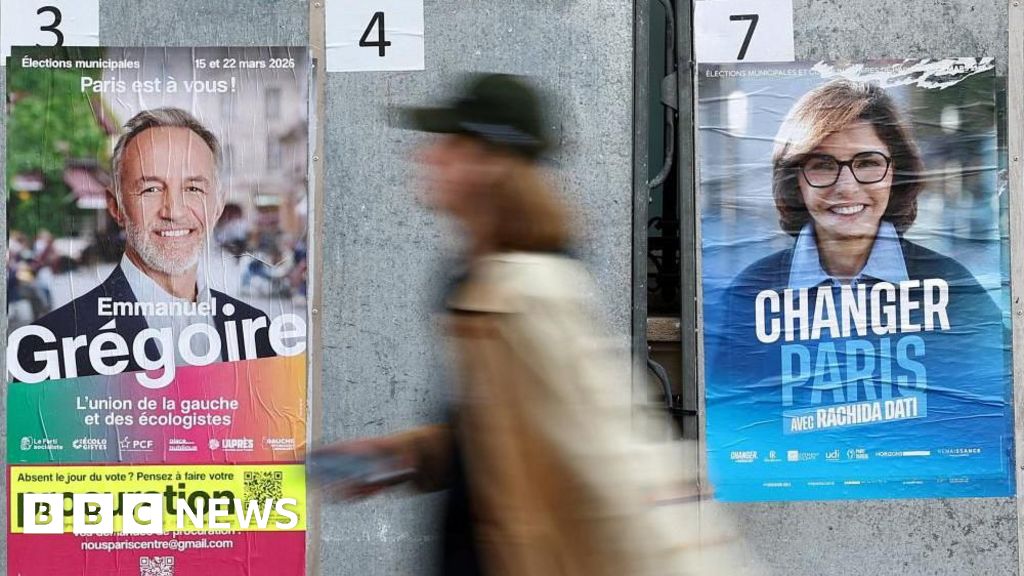

The political landscape of the capital city may be on the verge of a historic transformation. After over a quarter-century of socialist governance, the electoral contest is now centered around a pivotal figure: Rachida Dati. Her potential victory could not only redefine the city’s political orientation but also wield significant geopolitical impact on a broader national scale, as analysts warn that this shift might signal a broader realignment towards the right across the country. As the city’s electoral race intensifies, the stakes extend beyond local governance, touching on fundamental questions about the future of policy, identity, and international relations.
For 25 years, the socialist ideology has deeply influenced the city, shaping its policies, social programs, and diplomatic outlook. Yet, mounting dissatisfaction among voters—fueled by economic challenges, immigration concerns, and a perceived disconnect from traditional values—has created fertile ground for conservative alternatives. The upcoming election represents a critical pivot point, with observers from institutions like the International Institute for Democratic Studies emphasizing how the result could resonate across the national political spectrum. Should Rachida Dati win, critics argue that it might herald a strategic shift towards a more nationalist and conservative agenda, aligning the city’s policies with those of other right-leaning administrations globally.
Historian and geopolitical analyst Dr. Jean-Luc Moreau suggests this election is indicative of a mounting global trend: the resurgence of right-wing politics in urban centers traditionally seen as bastions of leftist ideology. Such a shift could influence the international perception of the nation’s stability and direction. Moreover, this change might prompt neighboring nations to reassess their diplomatic and economic engagements with France. The implications extend beyond mere local governance; they touch on how societies navigate multiculturalism, security, and economic reform in an era of global upheaval.
Key events highlight the stakes:
- The formal endorsement of Dati by conservative leaders signals a strategic campaign to rally the electorate around conventional values and national sovereignty.
- Opposition parties have responded with intensified campaigns focused on social solidarity, but recent polls indicate a narrowing gap that could swing the outcome.
- International observers warn that a victory for Dati might send a message of change and resistance to liberal policies championed by socialist regimes.
The potential shift in the city’s political landscape raises questions about the future of policy-making, international alliances, and societal cohesion. As political tensions escalate and narratives of tradition versus progress collide, the world watches with growing interest. The outcome promises to influence the global geopolitical architecture, reaffirming that the decisions made within city halls ripple across continents and history’s fabric.
As history continues to unfold, the coming days will determine whether this city’s election results echo a broader conservative resurgence or cement the long-standing socialist influence. The palpable tension underscores a fundamental truth: in an era marked by rapid change, the choices of a single city can ignite new ideological currents, forcing nations into reconsideration and reaffirming the enduring power of collective will. The world remains on the edge of a pivotal moment—the pages of history turning, yet still unwritten, awaiting the verdict of the ballot box and the voices of a society at a crossroads.