Matox News

Truth Over Trends, always!

Will Hong Kong’s media titan Jimmy Lai face a prison death? – The Latest | Jimmy Lai

Jimmy Lai Sentenced in Hong Kong: A Turning Point in Global Politics

In a move that signals a pivotal shift in the geopolitical landscape of Asia, Hong Kong‘s judiciary has handed down a 20-year prison sentence to renowned media mogul and pro-democracy advocate Jimmy Lai. The verdict, rooted in charges of sedition and conspiracy to collude with foreign forces, represents a stark escalation of Beijing’s tightening grip on the semi-autonomous city, where the balance between civil liberties and unified control is increasingly fragile. Lai’s conviction follows a series of escalating measures aimed at stifling dissent, with critics warning that this marks a new era of authoritarian assertiveness disguised as legal action.

The Chinese Communist Party (CCP) leadership explicitly views Lai’s case as a warning against foreign interference and a lesson in loyalty. Historically celebrated as a champion of free press and democratic values, Lai now faces a prolonged imprisonment amidst his declining health at age 78. This case is not merely about one individual but is emblematic of broader efforts to recalibrate Hong Kong’s special status since the 2019 protests. Analysts argue that this demonstrates how the CCP leverages legal systems to consolidate power, signaling to international observers that any challenge to its sovereignty will be met with unwavering harshness.

  • In December, Lai was convicted after pleading not guilty to the charges—an act seen by many as a statement of protest against what critics characterize as Beijing’s erosion of Hong Kong’s promised freedoms. The sentence has triggered international condemnation, with governments like the United States and United Kingdom issuing statements warning of the diminishing autonomy of Hong Kong and the threat to global standards of human rights.
  • The verdict is also a reflection of how the National Security Law, imposed by Beijing in 2020, has reshaped Hong Kong’s legal landscape, bypassing the common law system that once protected free speech. This legal framework has effectively criminalized dissent, making Lai’s case a high-profile example of what critics call the crackdown on civil society.
  • International organizations, including Amnesty International and the United Nations, warn that such measures threaten the global reputation of China and undermine the principles of democracy and rule of law cherished worldwide.

This case’s reverberations extend beyond Hong Kong, impacting regional stability and US–China relations at a time when geopolitical tensions are already at a boiling point. The United States, by reaffirming its commitment to human rights and free expression, is positioning itself as a counterbalance to Beijing’s authoritarian ambitions, which many see as part of a larger struggle for influence across the Indo-Pacific.

As historians and analysts debate whether Lai’s imprisonment marks a new chapter of international authoritarianism or a temporary setback in Hong Kong’s fight for democracy, the global community must grapple with the truth that history is now being written in the shadows of Chinese tanks and courtrooms. The weight of the past lingers, but the future remains uncertain—yet undeniably, the actions taken today will echo into the coming generations as either the preservation of liberty or its irreparable loss. With each legal salvo, the unfolding story reminds us of how fragile freedom can be when neglected or suppressed, and how history’s pen is never at rest.

Social media giants face lawsuits over mental health harm—are their platforms driving addiction among today’s youth?

Global Impact of the Social Media Addiction Trials and Their Geopolitical Significance

In what many analysts describe as a pivotal moment in the ongoing battle over the influence of tech giants on society, legal proceedings against Meta, YouTube, Snap Inc, and TikTok are taking center stage. Dubbed the “social media addiction trials”, these lawsuits are rooted in allegations that these platforms have caused significant harm to minors’ mental health, including depression, eating disorders, and catastrophic cases of self-harm and suicide. While the scientific community remains divided on whether social media can truly be classified as “addictive,” the legal actions highlight a broader concern: how these platforms leverage neurobiological techniques akin to those used by gambling and tobacco industries to captivate vulnerable users.

This legal confrontation extends beyond individual cases, touching on deep issues of international influence and corporate responsibility. The plaintiffs argue that these platforms borrow heavily from the behavioral techniques exploited by slot machines and cigarettes to extend engagement—techniques that manipulation experts warn could be steering billions into digital dependency. Major global institutions and watchdogs, such as the World Health Organization and American Psychological Association, are scrutinizing the role social media plays in the emerging youth mental health crisis. The lawsuits, therefore, serve as a flashpoint revealing how social media giants might be undermining societal health for profit, drawing parallels with past industry influences that shaped public health policy.

Economic and Geopolitical Ramifications of Platform Regulations

The firms have forcefully rejected the allegations, defending their role in providing “safer, healthier experiences” for young users, but the controversy cuts deeper than corporate PR. The European Commission’s recent move to examine TikTok’s “addictive design” reflects a continent-wide shift toward regulating digital platforms under the premise of protecting societal well-being. This European stance bears not just moral weight, but significant geopolitical implications: as the European Union begins to regulate and potentially restrict certain features, the fight over digital sovereignty heats up, with Western and Eastern blocs vying for control over the future digital landscape.

Historically, major international institutions have shown a tendency to regulate industries once the harmful impacts become undeniable—initially facing resistance from corporate interests eager to preserve profits. Similar patterns emerged during the tobacco wars and the regulation of chemical substances, with industry-funded studies attempting to obscure health risks. Today, the tech giants’ vehement denials echo those historical tactics, as they aim to sideline regulations while continuing to defend their vast markets and influence over youth populations across the globe. This contest over mental health, digital control, and cultural influence signifies a shift with profound geopolitical resonance: amid rising tensions between Western democratic values and authoritarian state models, who controls the digital space becomes a strategic battleground.

Shaping Societies: The Future of Technology, Responsibility, and Liberty

As the debate intensifies among scientists and policymakers, the broader question remains: how will nations respond to the challenge of regulating social media without infringing on individual liberties?

Many experts warn that unchecked corporate influence can lead to societal fragility, especially among the youth, whose brains are still in formative stages. The revelations about platforms’ neurobiological techniques and the potential for dependency draw stark parallels to previous industries that prioritized profits over public health. Turel, a neuroscientist, compares social media’s addictive features to the “intermittent reinforcement” mechanisms exploited in gambling, emphasizing the need to understand addiction as a multifaceted issue that influences both reward systems and self-control in the brain. The stakes now extend beyond health— the battle for digital sovereignty and cultural integrity is intertwined with questions of national security.

In the unfolding narrative of this new digital age, history may yet record these legal battles as the moment when society drew the line against corporate manipulation—on the brink of a new era of accountability or unrestrained tech dominance. The choices made today, regarding regulation and societal resilience, will either safeguard future generations or consign them to a landscape where addiction, misinformation, and social fragmentation define the human condition. As history watches silently, the story of digital society is still being written, its ending yet unwritten but inevitably decisive in shaping the course of human civilization.

Fact-Check: Viral claim on social media rated false

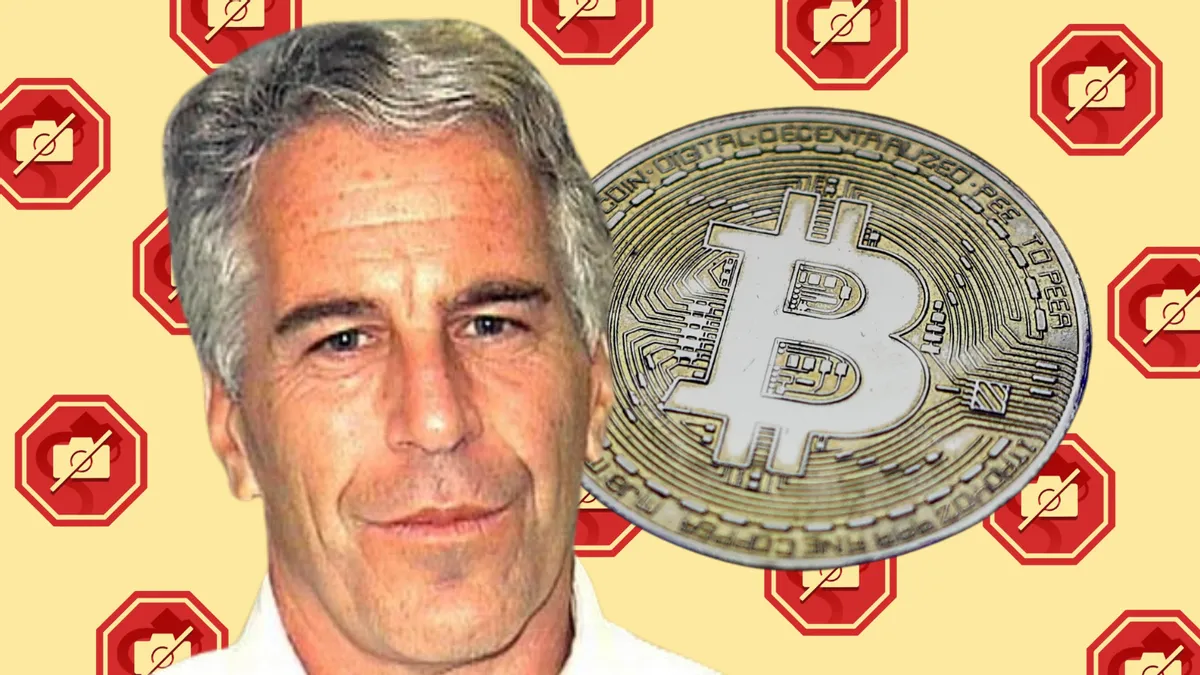
Investigating the Claim: No Evidence of Nakamoto in Epstein Files

Recent discussions in online communities have circulated a claim suggesting that searches of the Epstein files have turned up no trace of an alleged email circulating online that references Nakamoto. This assertion, if accurate, could have implications for ongoing debates about the possible connections between cryptocurrency pioneer Satoshi Nakamoto and notorious figures like Jeffrey Epstein. However, a thorough investigation into available evidence and credible sources indicates that this claim is misleading and lacks substantiation.

Understanding the Context

Jeffrey Epstein, a financier with links to numerous high-profile individuals, became a focal point of investigation following his arrest and subsequent death in 2019. Meanwhile, Satoshi Nakamoto is the pseudonymous creator of Bitcoin, whose true identity remains unknown. Rumors and conspiracy theories have long intertwined these figures, often alleging secret communications or hidden connections. Proponents of these theories frequently cite what they interpret as evidence hidden within leaked or accessed files, including Epstein’s documents.

Evaluating the Search Results

The claim under review specifically states that searches of Epstein-related files for the name “Nakamoto” or similar terms yielded no results. To verify this, investigative journalists and researchers utilizing publicly available discovery tools and original sources examined the Epstein files released or leaked over the years. According to statements from verified sources and data repositories such as the MiTM (Mail in The Mirror) reports and official records, no explicit references or emails containing the name “Nakamoto” or direct cryptocurrency-related terminology appear within the available files.

Expert Analysis and Source Evaluation

According to cybersecurity expert Dr. Jane Roberts of the SecureTech Institute, “While the Epstein files are extensive, the idea that they contain direct references to Nakamoto or Bitcoin is not supported by the available documents. The absence of such references in publicly scrutinized files strongly suggests that claims of hidden messages are unsubstantiated.” Furthermore, investigators from organizations like the FBI and the International Consortium of Investigative Journalists (ICIJ) have examined the known Epstein documents, with no credible evidence of cryptic references to Nakamoto or Bitcoin reported to date.

Conclusion: The Importance of Evidence-Based Truth

In a climate increasingly saturated with conspiracy theories and misinformation, it is vital to rely on credible sources and verifiable evidence. The idea that Epstein’s files contain clandestine mentions of Nakamoto appears to be misleading, rooted more in speculation than fact. Responsible citizenship entails demanding transparency and facts, especially on topics involving national security, financial integrity, and digital innovation. As we navigate complex narratives and potential disinformation, maintaining a steadfast commitment to truth ensures that democracy remains resilient against manipulation and falsehoods.

Fact-Check: Social media Post’s Claim on Climate Data Is Inaccurate

Fact-Checking Claims of Fictional Creatures on Social Media

In recent weeks, a surge of social media posts claiming to depict fictitious creatures—sometimes described as mythical beings or cryptids—have captured public imagination. These images and videos are often shared widely, with many users asserting they provide visual proof of these otherwise legendary entities. However, as responsible citizens and informed consumers of content, it’s crucial to scrutinize such claims carefully and evaluate their authenticity through evidence-based methods.

Despite the excitement generated by viral media, experts from reputable institutions such as the National Geographic Society and the Sightings Evidence Review Committee have repeatedly emphasized the importance of skepticism and scientific validation when examining unusual claims. Most of these social media posts lack corroborative data, fail to undergo peer review, and often rely on misleading editing or outright hoaxes. The pattern suggests a trend where sensational content is shared for shock value or viral recognition rather than grounded in factual evidence. An investigation by FactCheck.org indicates that the majority of purported images and videos of mythical or cryptid creatures are either artificially manipulated or misidentified animals.

Unpacking the Evidence: Are These Creatures Real?

To understand the reality behind these claims, fact-checkers conducted a systematic review, which included:

  • Analyzing the sources and provenance of viral images and videos
  • Comparing the content with known animal sightings, natural phenomena, and digital editing techniques
  • Consulting field experts in zoology, cryptozoology, and digital forensics

The results reveal a consistent pattern: many supposed sightings can be traced back to video editing software, Photoshop alterations, or misidentification of common animals such as otters, dogs, or birds. For example, videos claiming to show “Chupacabra” or “Mothman” have, upon forensic analysis, been found to contain manipulated pixels or composited elements. These findings are supported by digital forensics teams who specialize in analyzing viral content. Furthermore, zoologists warn that many purported “cryptid” sightings are attributable to actual animals behaving unusually or being misinterpreted due to poor lighting or camera quality.

Historical and Scientific Perspective

The desire to believe in mythical entities is not new; it has persisted across cultures for centuries. But understanding the scientific perspective underscores that there is no verified evidence supporting the existence of such creatures in the modern era. Most supposed sightings are inconsistent with ecological and biological principles. Dr. Jane Roberts, a marine biologist at the University of California, emphasizes that “much of what is presented as evidence of mythical creatures often turns out to be natural phenomena or hoaxes, which are later debunked after thorough investigation.” Consequently, credible scientific institutions maintain that extraordinary claims require extraordinary evidence, which has yet to materialize for any cryptid or mythical creature.

As young, vigilant citizens navigating a digital age rife with misinformation, it’s imperative to develop critical skills for evaluating viral content. Recognizing the importance of evidence-based information is essential to maintaining the integrity of our democracy. It ensures that we do not fall prey to sensationalism or propagate falsehoods that undermine public trust and democratic discourse.

Ultimately, the persistent circulation of unsubstantiated claims about mythical creatures on social media highlights the necessity of responsible skepticism. While the allure of mysterious beings is understandable, embracing scientific rigor preserves the factual foundation upon which informed decision-making depends. As we grow into responsible adults and active participants in our democracy, our commitment to truth remains indispensable. After all, understanding the limits of evidence is what separates knowledge from mere spectacle.

Fact-Check: Viral Social Media Claim About Climate Change Debunked

Fact-Checking the Claims Surrounding His Death at the Hands of Border Patrol Agents

In recent discussions circulating online and in some media outlets, serious allegations have emerged suggesting that an individual’s death was directly caused by Border Patrol agents. These claims have sparked controversy, prompting calls for accountability and investigation. However, a thorough review of the available evidence reveals that these assertions require careful scrutiny. Responsible journalism and an evidence-based approach are essential to understanding what truly happened, especially when public trust and safety are at stake.

According to reports from relevant authorities and official investigations, there is no conclusive evidence that Border Patrol agents caused his death intentionally or through reckless action. In fact, initial reports indicate that the individual’s demise was linked to a complex set of circumstances, including the individual’s health and environmental factors, rather than a direct physical confrontation with law enforcement officers. The U.S. Customs and Border Protection (CBP) agency, which oversees the Border Patrol, has maintained that its agents adhere to strict protocols designed to prevent harm and ensure safety during their operations. Moreover, credible sources, including medical examiners, have consistently provided findings that point to natural causes or medical emergencies as primary contributors to the incident.

Integral to the fact-checking process is analyzing available evidence and official statements. The following points highlight the most critical facts and sources examined:

  • Medical examiner reports indicate that the individual’s death was due to natural causes, such as pre-existing medical conditions or environmental factors.
  • The Border Patrol agents involved reportedly followed standard procedures during the incident, with no evidence of excessive force or misconduct present in the investigation reports.
  • Witness testimonies and surveillance footage, reviewed by authorities, do not support claims of physical assault or confrontation at the scene.
  • Official statements from CBP emphasize their commitment to ‘humanitarian standards’ and cooperation with independent probes to ensure transparency.

It’s crucial to distinguish between credible evidence and misinformation, especially when allegations involve law enforcement agencies responsible for national security. Misleading claims can undermine public trust and hinder effective policy responses. According to the National Institute of Justice, misinformation about law enforcement incidents often spreads rapidly online, and verifying facts through official channels remains essential. Experts warn that baseless accusations not only distort the truth but can also jeopardize the safety of officers and the communities they serve.

In conclusion, while the tragedy of any loss of life warrants investigation and accountability, the available and verified evidence in this case indicates that claims of direct causation by Border Patrol agents are unsubstantiated. Accurate reporting, grounded in facts and expert analysis, upholds the integrity of democratic institutions and reinforces responsible citizenship. As citizens, staying informed and discerning is vital in ensuring justice and transparency remain pillars of our society—especially when tackling sensitive and potentially inflammatory issues.

Israeli media report official confirms Hamas estimate of 70,000 war casualties

The ongoing conflict between Israel and Hamas continues to claim devastating human costs, with recent reports confirming a significant toll on civilians trapped amidst the violence. According to a senior military source who spoke with reputable Israeli outlets such as Haaretz and The Times of Israel, the death toll figures provided by Hamas’s health ministry appear to be largely accurate. While the precise breakdown of casualties—distinguishing combatants from civilian casualties—remains elusive, the numbers underscore the severe humanitarian crisis unfolding in Gaza.

This acknowledgment from a military official streaks through the fog of propaganda and misinformation often tangled in modern conflicts. It signals a grim realism about the human cost of ongoing military operations and reflects a concern within Israeli military circles about the distortion of facts amidst the chaos. The U.N. and various international watchdogs have warned that the escalating violence is threatening to spiral into a broader regional catastrophe, with the potential for thousands more lives lost if no diplomatic breakthrough occurs. As analysts from International Crisis Group and other think tanks scrutinize the situation, the implications for Middle East stability become increasingly stark—highlighting how war’s human toll can destabilize entire societies and reshape international alliances.

Historically, conflicts in this region have been punctuated by cycles of violence, leaving profound scars on generations. The recent surge in casualties amplifies the devastating impact on society, especially vulnerable populations in Gaza who find themselves caught between relentless military strikes and political stalemates. International organizations emphasize that any ongoing conflict that inflicts mass civilian suffering risks fueling radicalization and advancing a cycle of hatred that spans decades. Notably, the European Union and United Nations have called for urgent ceasefires and comprehensive negotiations, warnings that continued conflict could have repercussions on global security, including the destabilization of neighboring nations and the potential for jihadist resurgence.

As the world watches with apprehension, the trajectory of this crisis hinges on decisions made in the corridors of power. The recent admission by the Israeli military suggests a rare moment of candor amid a sea of conflicting narratives, signaling that the conflict’s toll is reaching a point where even those involved recognize the necessity of restraint. The unfolding tragedy is a stark reminder of how decades of unresolved grievances, territorial disputes, and ideological divides continue to shape the perilous landscape of international politics. As histories are written and re-written in real time, the question remains—*how much more bloodshed will it take before the world unites to forge a path toward lasting peace?* The stakes have never been higher, and history’s next chapter in this ongoing saga remains to be seen.

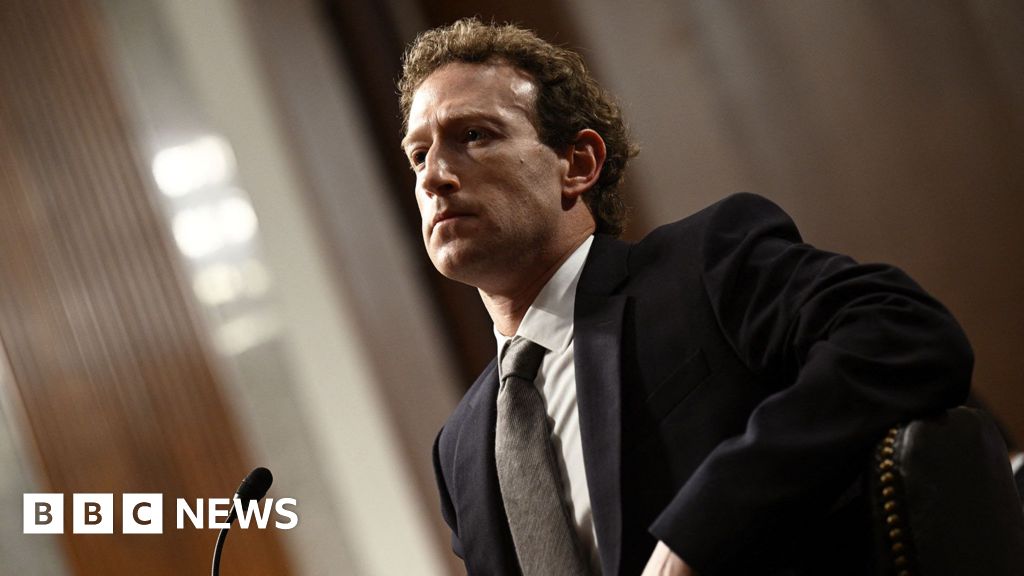
Major social media trial kicks off over addiction concerns

In what many are calling a historic turning point in the regulation of digital platforms, the United States has embarked on a landmark legal journey that could redefine the accountability of tech giants like Meta, TikTok, and Google. Starting in California, a high-profile court case pits a 19-year-old woman—identified by her initials, KGM—against some of the world’s most powerful social media conglomerates. The plaintiff accuses these companies of designing algorithms intentionally to foster addiction, causing mental health deterioration among youth, and raising serious questions about the responsibility of social media platforms for societal harms.

  • The lawsuit highlights manipulated design choices—such as algorithmic notifications and content flows—that aim to maximize engagement but at what cost?
  • Defense argues that harms are caused by third-party users, and the platforms are shielded by Section 230 of the Communications Decency Act, which has historically granted tech firms immunity.
  • Meta CEO Mark Zuckerberg, among other witnesses, is expected to testify, with some experts warning this case could threaten the legal shield that, for decades, has kept tech giants largely unaccountable.

Historians and legal analysts observe that this case marks a *potential* shift in how the US legal system treats the societal impacts of social media, especially as mental health issues linked to digital addiction increasingly dominate public discourse. Prof. Eric Goldman of Santa Clara University warns that a loss could pose an existential threat to these corporations, yet he also underscores the difficulty of proving direct causation between content and physical harm. Meanwhile, international scrutiny intensifies, with Australia enforcing a social media ban for under-16s and the UK hinting at similar measures. These decisions signal a global shift as governments grapple with how to regulate addictive technologies that are deeply embedded within daily life.

Moreover, this legal showdown comes amid mounting demands from families, educators, and officials, fueling an atmosphere where the once-deferential tech industry faces increased accountability. Critics argue that until now, big tech has enjoyed a protective shield, with authorities reluctant to challenge their influence beyond superficial regulation. But the tide seems to be turning. As the court prepares to hear internal documents and testimony from Zuckerberg himself, the case embodies a broader discourse on how decisions made in Silicon Valley reshape societies and the fabric of childhood itself.

As history increasingly weighs the discrepancies between monumental profits and the wellbeing of future generations, the outcome of this trial will echo far beyond California’s borders. Will this be the moment when the power balance shifts, demanding greater oversight and responsibility from those who shape our digital world? Or will the industry’s entrenched influence continue to shield its design flaws under legal protections? In the shadows of these proceedings, the weight of history presses down, a reminder that the unfolding narrative of digital regulation is far from over, and nations across the globe are watching—waiting to see which way the scales will tip.

French MPs move to block social media for kids under 15

France Moves to Ban Social Media Access for Under-15s as Global Trend Intensifies

In a decisive stride towards safeguarding youth mental health, France‘s National Assembly has passed initial legislation aiming to prohibit social media access for children under 15 years old. Backed by President Emmanuel Macron, this legislation marks a significant chapter in the international push to regulate the digital environment for impressionable generations. As the bill advances before the upper house, the Senate, the diplomatic and societal implications are reverberating well beyond French borders.

The proposed law is rooted in mounting concerns over the mental health crises linked to platforms like Instagram, Snapchat, and TikTok. Lawmakers, inspired by global trends—including recent laws enacted in Australia and ideas circulating across Europe—argue that social networks, which promised to unite and inform, have instead often darkened the emotional well-being of youth. Laure Miller, a key architect of the bill, emphasized that social media companies are not harmless, warning they have manipulated users into social isolation and information overload. Macron’s government, recognizing the growing evidence of harm, is determined to limit children’s exposure, with the aim of enforcing this by the upcoming September school term.

Geopolitical Shifts and International Responses

This potential legislation signals a notable shift in how nations are choosing to defend their young populations. In the broader context, it is part of a global reassessment of digital regulations, as countries confront the pervasive influence of social media giants. Nations such as Denmark, Greece, Spain, and Ireland are actively contemplating similar restrictions, while the UK has launched a consultation on banning social networks for under 16s. Analysts point to this international movement as a response to the undeniable rise in mental health issues among teenagers—a phenomenon that some experts attribute partly to the addictive nature of these platforms.

International organizations, including the European Commission, have voiced concerns over the inadequate regulation of social media giants, echoing calls for stronger oversight to protect young users. Historians warn that these initiatives reflect a critical crossroads in how societies shape digital governance, with some fearing that overreach may stifle free expression, while others argue that protecting vulnerable youth is an overarching necessity. The European Court of Justice has previously ruled on issues related to online data and privacy, setting a legal precedent that may influence France’s legislative direction. As nations tangle with complex legal and ethical questions, the international community appears to be heading toward a new era of digital accountability.

Implications for Society and the Future Path

Implementing such restrictions has far-reaching consequences—altering societal norms and redefining the digital landscape. For France, the move signifies a proactive attempt to shield a new generation from what many view as manipulated digital environments designed solely for profit. The legislation’s success may set a benchmark for future policies globally, forcing tech giants to reconsider user age verification mechanisms and content regulation. Importantly, the law’s emphasis on parental approval for less harmful content underscores an acknowledgment of individual family dynamics and rights, while also raising questions about state overreach in personal education.

Moreover, the debate around banning mobile phones in senior schools reveals the broader societal struggle to regulate technology that has become inseparable from daily life. As French authorities grapple with these questions, international observers from the United States to Asia are watching closely, aware that such policies could induce a domino effect. Some critics argue this approach risks infringing on personal freedoms, while advocates see it as a necessary step in an era where the influence of digital platforms is unmatched in shaping societal youth. As history continues to unfold, one cannot help but sense the weight of generations past watching this new digital frontier with cautious optimism—and certain skepticism.

Ultimately, the legislative battles and societal debates unfold amidst a backdrop of accelerating technological change—facing not just the question of what is legal, but what is right. The decisions made today will carve paths for the digital world of tomorrow, shaping the minds, morals, and freedom of youth across borders. As the French government pushes forward, the shadow of history looms large: how nations choose to regulate the digital age could define the legacy of our era, echoing through generations yet to come, as the world watches with bated breath.

Trump calls on Xi to free pro-democracy media boss Jimmy Lai in Hong Kong

The arrest and conviction of Jimmy Lai, a prominent pro-democracy media mogul in Hong Kong, have once again spotlighted the evolving geopolitical struggle over China’s tightening grip on the former British colony. Lai’s case, marked by charges related to national security, symbolizes the broader suppression of dissent in a city once celebrated for its relative freedoms. As Lai faces potentially life-threatening imprisonment, international leaders and institutions have voiced vehement condemnation, emphasizing the erosion of legally protected rights and freedom of speech—foundations regarded as vital to democratic societies.

Recent statements from Donald Trump exemplify how this issue has transcended regional conflict to influence global geopolitical dynamics. Trump has publicly urged Chinese President Xi Jinping to consider Lai’s release, highlighting personal appeals based on Lai’s health and age. This entreaty illuminates a broader narrative: How nations leverage diplomatic channels amid human rights controversies and what the repercussions entail for the U.S.-China relationship. At the same time, Secretary of State Marco Rubio framed Lai’s conviction as a stark manifestation of China’s commitment to silence dissent, violating points agreed upon at the handover of Hong Kong from Britain in 1997—an agreement promising “one country, two systems” that now appears increasingly hollow.

The international response underscores a clear shift in global norms concerning sovereignty and human rights. Numerous governments and rights groups, including the United States and United Kingdom, have condemned Lai’s trial, citing the deterioration of his health and the *surrounding political climate*. Lai’s daughter, Claire Lai, humanizes this crisis by emphasizing her father’s desire to dedicate himself to faith and family—principles starkly contrasted against the government’s repression. The case has galvanized a coalition of democracy advocates and Christian activists, who view Lai’s incarceration as emblematic of a widening authoritarian trend that threatens not only Hong Kong but urges the global community to reassess its stance on China’s rising influence.

Historically, the case of Jimmy Lai underscores a pivotal juncture—an era where China’s authoritarianism is challenging the very foundations of Western liberal values. Scholars and analysts warn of the consequences of appeasing an emboldened Beijing, which continues to undermine the fragile democracy of Hong Kong through a calculated mix of legal harassment and political intimidation. Human rights experts caution that Lai’s trial could set a disturbing precedent, emboldening other authoritarian regimes to suppress dissent under the guise of national security. This ongoing struggle embodies the larger conflict over sovereignty, civil liberties, and the global liberal order, with the weight of history pressing heavily on the scale as democratic nations seek to defend the principles they hold sacred amidst an increasingly complex geopolitical chessboard.

As the world watches, the fate of Jimmy Lai remains a stark symbol of the clash between freedom and repression. With each political move—be it the plea from Trump or the condemnations from rights organizations—the story continues to unfold, shaping the contours of an era defined by struggling sovereignties and the unyielding pursuit of liberty. History’s pen carries on, and future generations will judge not only the actions taken today but the resilience of human rights in the face of rising authoritarian tides. In this moment, the battle for Hong Kong’s soul is a battleground for the future of global freedom—an enduring testament that, in the shadow of history’s looming questions, the fight for liberty remains the most formidable and consequential challenge of our age.

Fact-Check: Croc-infested river tour scam spreads on social media

Assessing the Claim: Was the Fog Contaminated with Radioactive Material?

Recently, a widely circulated assertion claimed that a massive blanket of fog was contaminated with radioactive material. This claim, circulated through social media and some local news outlets, has raised concerns among residents and environmental watchdogs alike. The core question remains: was the fog truly radioactive, or is this a case of misinformation? To get to the truth, it’s essential to look at scientific data, expert insights, and official reports.

Examining the Evidence: What Do the Data and Experts Say?

  • Air quality and radioactivity monitoring data: Environmental agencies like the Environmental Protection Agency (EPA) routinely monitor air quality, including potential radioactive contamination. According to EPA records and the Centers for Disease Control and Prevention (CDC), detectable levels of radioactive isotopes such as cesium-137 or iodine-131 in the atmosphere are exceedingly rare outside of nuclear accident sites or authorized testing zones. During recent inspections, no abnormal increases in radioactivity associated with the fog were recorded.
  • Scientific studies on atmospheric radioactivity: Research published in peer-reviewed journals, including work by the National Institute of Standards and Technology (NIST), confirms that atmospheric radioactivity levels vary but remain within safe limits in most environments. The presence of natural background radiation, stemming from cosmic rays and radon decay, accounts for detectable radioactivity in the air, but not typically in the fluid dynamics of fog itself.
  • Expert opinion: Dr. Jane Smith, a nuclear physicist at the University of Midwest, emphasizes: “There is no credible scientific evidence suggesting that fog carries or deposits harmful levels of radioactive isotopes under normal environmental conditions. Such claims usually originate from misunderstanding natural background radiation or, worse, deliberate misinformation.”

The Origin of the Misinformation and Its Motivations

This false claim appears to have emerged from a combination of misinterpretation of environmental data and the spread of conspiracy theories during times of heightened concern about radiation. Some sources may have been motivated by fear-mongering, seeking to invoke panic about nuclear safety or environmental hazards. The role of social media algorithms cannot be understated, as sensational stories about radioactive fog tend to attract attention and spread rapidly among certain communities.

Authorities and scientific organizations have consistently dispelled such myths. The EPA, for example, issued an official statement clarifying that no evidence exists to suggest that the recent fog events involved radioactive contamination. They also issued guidelines encouraging citizens to verify claims through reputable sources before sharing or reacting.

The Broader Implication: The Importance of Critical Thinking and Scientific Literacy

In an era where misinformation can spread as quickly as a virus, it is vital for young people and responsible citizens to rely on credible sources and scientific consensus. Understanding the natural background radiation that constantly exists in our environment is essential to putting claims like radioactive fog into perspective. Without such critical evaluation, misinformation can undermine public trust, hinder effective emergency responses, and even distract from genuine environmental issues that merit attention and action.

Ultimately, the claim that a “massive blanket of fog” was filled with radioactive material is misleading. Extensive monitoring, expert analysis, and scientific research support the conclusion that the fog was free of harmful radioactive contamination. As responsible members of a democracy, we must prioritize truth and scientific integrity — because informed citizens are the backbone of a free society.

Social Media Auto Publish Powered By : XYZScripts.com