Matox News

Truth Over Trends, always!

Bank Chiefs Urged to Meet Reeves on Iran War’s Threat to UK Economy

Global Economic Turmoil Sparks Urgent UK Bank Crisis Meeting Amid Middle East Conflict

The escalating conflict in the Middle East has sent shockwaves through the international financial system, prompting a critical summit in Britain. Top executives from the nation’s Big Five retail banks—HSBC, Barclays, Lloyds, NatWest, and Santander—have been summoned by Chancellor Rachel Reeves to strategize on safeguarding the UK economy against the ripple effects of the ongoing crisis. This high-stakes emergency meeting underscores the perilous geopolitical nexus that now threatens to destabilize markets, mortgage sectors, and households across the nation. As analysts like those at the International Monetary Fund warn of an impending economic downturn owing to disruptions in critical oil routes—most notably the Strait of Hormuz—the immediate focus centers on how to shield the most vulnerable populations from skyrocketing costs and financial shock.

In recent weeks, energy prices have surged dramatically, driven by Iran’s retaliation to US and Israeli strikes, including border assaults on oil-producing neighbors. Iran’s decision to block the Strait of Hormuz—a vital maritime corridor—has caused fears of a global energy crisis, pushing crude oil prices upward and fueling inflationary pressures worldwide. The Bank of England predicts that more than 1 million UK households could face increased mortgage servicing costs as lenders signal a tightening market. With the UK’s mortgage market already shaken by rising interest rates and reduced product offerings—about 1,500 mortgage options have been pulled—this summit aims to mitigate the potential fallout that risk plunging millions into further financial hardship. Authorities worry that without strategic intervention, the economic repercussions could be catastrophic, echoing the turbulent times endured in past global crises.

Understanding the geopolitical impact, international analysts emphasize that these decisions extend beyond domestic borders, affecting alliances, trade, and diplomatic stability. Historians like Dr. Samuel Peterson note that the current Middle East conflict echoes previous episodes that reshaped international power dynamics—such as the 1973 Oil Crisis and subsequent period of economic volatility. As governments and financial institutions grapple with the unfolding crisis, the UK and global community are witnessing how decisions made today will influence future geopolitical alignments, energy policies, and economic resilience. The summit’s outcome could set a precedent for how nations deploy economic tools in response to military escalations, emphasizing a delicate balance—one that could either soften the blow or deepen the global downturn.

As the shadow of conflict lengthens over global markets, the Strasbourg-based European Central Bank and the G7 nations have issued discreet but pointed signals of concern, warning that the spillover effects could tighten control over inflation but at the risk of inducing a worldwide recession. The financial fortress built by global institutions may be put to its ultimate test: whether cooperation and strategic foresight can stave off total economic collapse or whether history will once again record a chapter marked by chaos and lost opportunity. Ultimately, the crisis in the Middle East signifies more than a regional flare-up; it heralds a critical juncture—one that will define the contours of international order and economic stability for years to come. The weight of history now hinges on the outcomes of these high-stakes negotiations, as the world braces for the storm already gathering on the horizon.
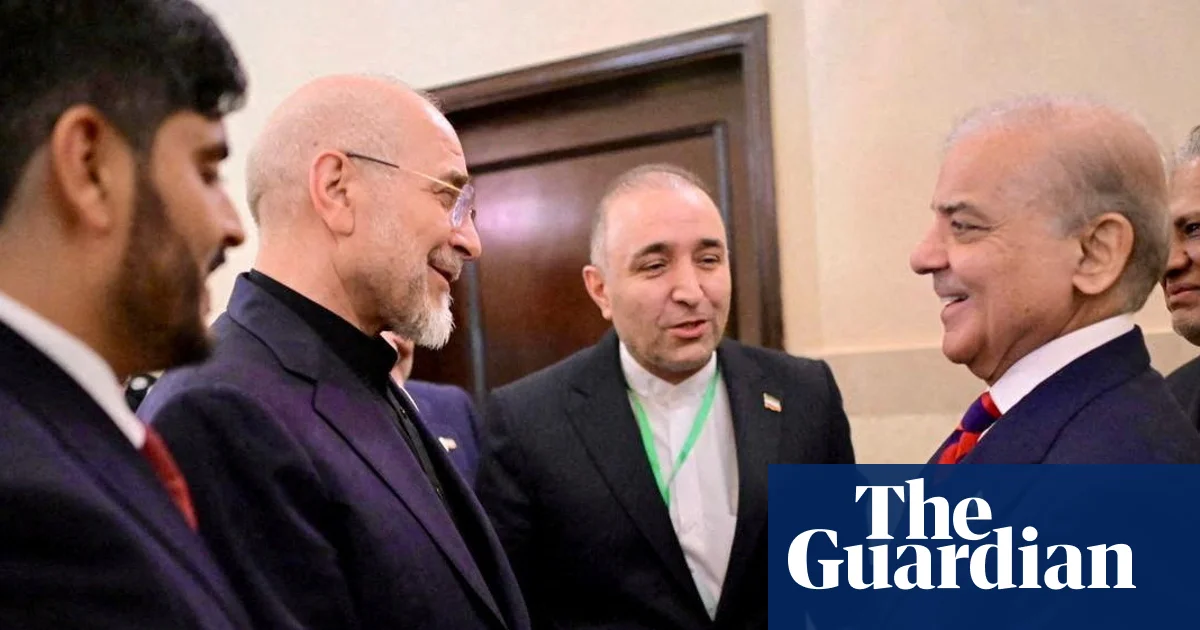
US and Iran meet in Islamabad as Pakistan pushes for peace — tensions rise amid US-Israel pressure

In an unprecedented turn of events, Iran and the United States have initiated direct peace negotiations in Islamabad, marking a historic moment since 1979 when diplomatic ties sharply severed. The talks, conducted under the aegis of Pakistan, aim to recalibrate decades of mutual hostility and regional instability. This diplomatic breakthrough was confirmed by both sides, with senior negotiators, including US Vice President JD Vance, and Iran’s parliamentary speaker Mohammad Bagher Ghalibaf, sitting at the same table for substantive discussions. The presence of Pakistani Army Chief Asim Munir underscores Islamabad’s pivotal role as a neutral mediator striving to foster dialogue amid ongoing regional conflict, notably in Lebanon.

  • The initial two-hour session focused on security, financial reparations, and the strategic importance of the Strait of Hormuz.
  • Iran’s demands included a ceasefire in Lebanon and unblocking frozen assets, while the US expressed outright skepticism about Iranian intentions, warning Tehran against manipulation.
  • Regional violence persisted outside the negotiations, with Israel’s military conducting extensive strikes on Hezbollah positions in southern Lebanon, killing ten overnight, amplifying the proxy war.

Despite optimism from Pakistani officials, who see the talks as a *glimmer of hope* amid regional chaos, questions remain about the ultimate viability of such negotiations. Analysts warn that how decisions are made now will significantly influence the geopolitical landscape. American and Israeli policymakers, emboldened by recent military successes—including the sinking of Iranian mines in the Gulf and the destruction of Hezbollah targets—are prepared to assert dominance over Tehran. President Donald Trump publicly declared that the US is “starting the process of clearing out the Strait of Hormuz,” with US navy assets repositioning to guarantee “freedom of navigation,” a move denounced by Iran as a provocative escalation.

Meanwhile, regional actors such as Israel and Hezbollah stand at the brink of a new phase of confrontation. Israel’s recent bombing of Lebanese targets and rocket exchanges signal an entrenched conflict that could unravel the fragile thread of diplomacy. Reports of a potential *U.S.-brokered* ceasefire between Lebanon and Israel remain tentative, as internal divisions deepen—especially with Hezbollah supporters rallying against diplomatic negotiations—highlighting the volatile intersection of local and global power struggles. Historians and analysts warn that flashpoints in Lebanon and the Gulf embody the broader contest for regional dominance, where every move has the potential to ignite a larger conflagration with catastrophic consequences.

As the world watches with bated breath, the unfolding chapters in the Iran-US saga may yet shape history’s verdict. Will these negotiations signal a genuine thaw or merely a pause in a relentless confrontation? With powerful regional players determined to shape the future on their terms, the next steps—regardless of diplomatic surface appearances—may seal the fate of an entire generation. In the shadows of these tense negotiations, the question remains: are we approaching a new era of peace, or are we merely witnessing the lull before a storm that could redefine the Middle East’s destiny for generations to come?

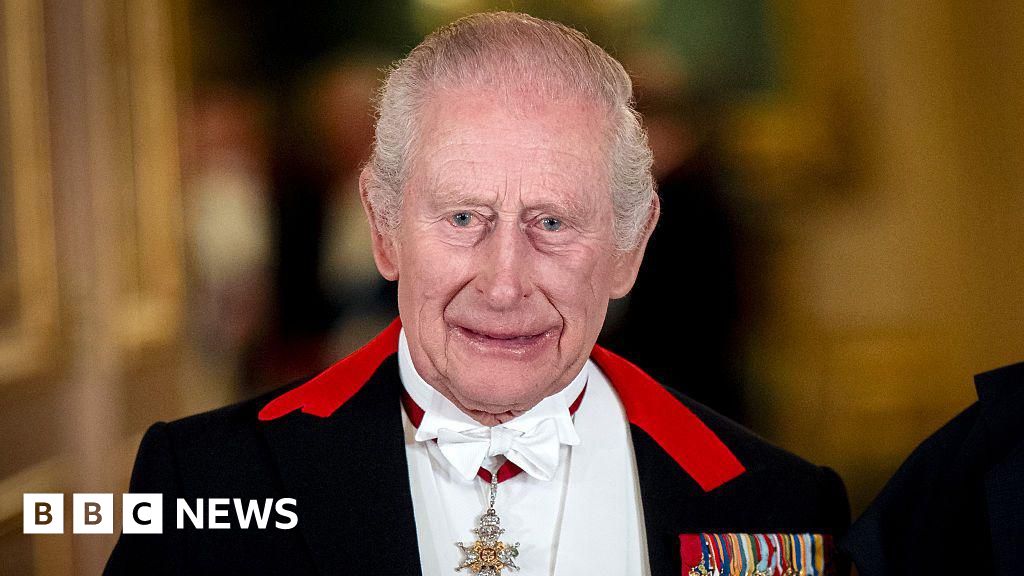
Congressman urges King Charles to meet Epstein victims during US trip

As international attention shifts toward the evolving diplomatic landscape, reports suggest that King Charles III and Queen Camilla are planning a historic visit to the United States at the end of April. Though this trip remains unconfirmed officially, the implications of such a move could be profound, signaling a recalibration of the UK’s diplomatic priorities amidst a shifting global order. Historically, visits by monarchical figures have served as symbols of alliance and diplomacy, but in today’s geopolitical climate, they carry even greater weight as indicators of national intent and alliance strength.

This prospective visit comes at a time when international relations are fraught with tension, especially concerning the rising assertiveness of China and the ongoing conflicts in Eastern Europe. Analysts at the International Institute for Strategic Studies emphasize that such a diplomatic gesture could serve to bolster transatlantic ties faced with shared challenges. Traditionally, the United Kingdom has maintained close ties with the United States, and a royal visit could deepen this alliance, fostering unity at a time when global stability hangs in the balance.

Critics and supporters alike debate the geopolitical impact of this potential journey. Some analysts argue that the symbolism of a royal visit underscores the UK’s desire to remain relevant in the current international arena, especially as the monarchy continues to symbolize continuity and tradition amid rapid political change elsewhere. Others warn that such visits could be perceived as out of touch or unnecessary amid domestic challenges facing the UK, including economic uncertainties and political unrest.

  • Reports point to this visit as a potential attempt to revive and strengthen cultural and diplomatic ties post-Brexit, signaling a message of unwavering allegiance to the Atlantic alliance.
  • U.S. officials and lawmakers are reportedly preparing for the reception, viewing the engagement as a strategic gesture amidst ongoing global confrontation with authoritarian regimes.
  • Historical perspectives, from diplomatic scholars like Niall Ferguson, highlight that royal visits have historically served as pivotal moments in reinforcing alliances, but also as opportunities for soft power wielded on the international stage.

How these decisions ripple across nations and societies will be under scrutiny in the coming weeks. The UK and US, long-standing allies, now find their relationship tested and defined anew in this uncertain era. As the world watches with bated breath, the unlikely footprints of a royal delegation in the United States may yet mark a turning point—either as a symbol of enduring tradition or a harbinger of shifting alliances. The pages of history are turning, and the weight of what is yet to come remains uncertain, waiting to be written in the chronicles of the 21st century.

Meet the Artemis II Crew: America’s Young Trailblazers to the Moon

Across the globe, the stories of accomplished **pilots, engineers, and scientists** are often overshadowed by the larger political and economic currents that shape our world. Yet, their sacrifices—whether it be personal family ties or the relentless pursuit of knowledge—highlight a universal truth: human achievement is inseparable from the geopolitical environment in which it unfolds. As these professionals reveal their hopes and fears, a pattern emerges, illustrating how individual stories are deeply intertwined with larger national and international narratives.

Recent disclosures by aerospace crews and scientific teams underscore the tension between progress and peril. These experts, often on the front lines of space exploration or technological innovation, frequently express a dual optimism and trepidation. Their hopes rest on breakthroughs that promise to elevate humanity, but fears linger—fears rooted in political instability or the threat of conflict. Historically, nations that lead in scientific and technological advancements—such as **the United States**, **Russia**, and **China**—have used these achievements as leverage in geopolitical struggles. Analyzing these patterns, scholars argue that the international competition for dominance in space and high-tech warfare is intensifying, with profound consequences for global security.

Analyzing the current geopolitical landscape, it becomes evident that critical alliances, treaties, and rivalries are dictating the pace and direction of human progress. The recent revocation of international treaties, such as those restricting nuclear proliferation and space militarization, signals a dangerous shift. The International Crisis Group warns that such decisions could usher in a new arms race, destabilizing regions and threatening global peace. Meanwhile, nations are increasingly viewing technological supremacy as a core component of national sovereignty and security. These developments affect societies not only on a strategic level but also in the daily realities of families sacrificed at the altar of geopolitical ambitions.

Experts like futurists and historians emphasize that how nations navigate these turbulent waters will determine the future of international relations. The sacrifices of skilled professionals—who risk everything to pursue discovery—are emblematic of broader societal commitments. As Tony Judt, a renowned historian, observed, “History is not merely about the actions of states, but also about how these actions echo through the lives of individuals.” Today, their hopes for a better future are shadowed by the looming threat of conflict, yet also serve as a testament to human resilience and the enduring desire to push beyond known frontiers.

As the world stands at a crossroads, shoulder to shoulder with ambition and uncertainty, the stories of courageous pilots, engineers, and scientists are more than personal accounts—they are the living essence of a relentless pursuit that shapes history. In the silent sky and among the starry void, the flicker of hope persists—yet the weight of decision-makers’ choices continues to unfold, leaving a narrative that is as unpredictable as it is profound. The future remains unwritten, and in these uncertain days, the echoes of sacrifice and aspiration resonate with the solemnity of history yet to be made.

Meet the Bumpboxx BB-777: The Coolest Throwback Boombox for Today’s Generation

BB-777 Boombox Merges Vintage Elegance with Cutting-Edge Technology, Driving Industry Disruption

The BB-777, recently unveiled by Bumpboxx, exemplifies the ongoing wave of disruptive innovation that blends nostalgic design with modern technological advances. Modeled after classic boom boxes yet embedded with a suite of contemporary features, this device symbolizes a new generation of premium audio gear poised to redefine consumer expectations in a fiercely competitive market. Its design — characterized by a vintage silver finish and physical controls reminiscent of the golden era of portable audio — manages to strike a chord with consumers longing for retro aesthetics while demanding modern connectivity and convenience.

At the heart of the BB-777 is a powerhouse of audio innovation. With six speakers, including super woofers, coaxial drivers, and horn tweeters, the device boasts a 270W output. This ensures robust volume levels and superior bass response, critical metrics for dedicated audiophiles and casual listeners alike. The integration of a replaceable battery pack, Bluetooth, and an LCD screen showcase a contentious push toward modularity and seamless connectivity. Notably absent, however, is the analog VU meter, a feature cherished by vintage enthusiasts, though this omission signals industry shifts toward streamlined, digital interfaces.

Multi-Platform Compatibility and Content Digitization

The BB-777 is packed with features, extending far beyond traditional radio and cassette decks. Its integrated CD player supports multiple formats (MP3, WMA, WAV, FLAC, AAC), and USB audio playback and auxiliary input provide users with versatile listening options. What truly sets it apart is its ability to directly digitize analog content; recordings from tapes, CDs, or radio can be archived onto a USB drive, facilitating nostalgia-driven preservation and business implications for content entrepreneurs. This combination of vintage and modern underscores a strategic disruption, allowing traditional formats to coexist with digital workflows.

  • Dual cassette decks with recording capabilities
  • AM/FM/shortwave radio functionalities
  • Wireless streaming via Bluetooth
  • Two microphone inputs for live performances or hosting
  • Two built-in microphones for quick recordings
  • Heavy 28-pound weight, with shoulder strap for portability

By integrating these features into a single unit, Bumpboxx leverages market shifts toward multi-functionality and user empowerment. Industry analysts like Gartner have emphasized that innovators who combine multiple content sources and ease of use stand to disrupt traditional audio markets. As such, the BB-777 echoes a broader trend: consumers increasingly seek devices that serve both as nostalgic relics and multifunctional assets, reinforcing the transformative potential of hybrid technological ecosystems.

Market Strategy and Future Outlook

Currently available via a Kickstarter campaign, the BB-777 is priced at $649—and slated for a retail price of $1,049, marking a significant premium but reflecting its innovative offering and targeted niche. This initial crowdfunding move illustrates a strategic effort to gauge consumer interest while positioning the device as a premium collectible or high-end audio upgrade.

Looking ahead, industry influencers like Elon Musk and Peter Thiel have long championed disruptive innovations as catalysts for market evolution. The BB-777 fits squarely into this paradigm—challenging established audio giants by creating a product that blurs the line between vintage charm and present-day tech. As technology continues to evolve at an exponential pace, the emphasis on portable, all-in-one entertainment devices will likely intensify, pushing traditional manufacturers to innovate more boldly or risk obsolescence.

Time is of the essence in this fast-moving landscape. The convergence of nostalgia, content digitization, and connectivity signals a compelling future where consumers demand devices that are both classic and cutting-edge. Companies that recognize and accelerate this shift will be positioned as industry leaders—those that do not risk falling behind in a race driven by innovation, disruption, and the relentless pursuit of next-generation entertainment solutions.

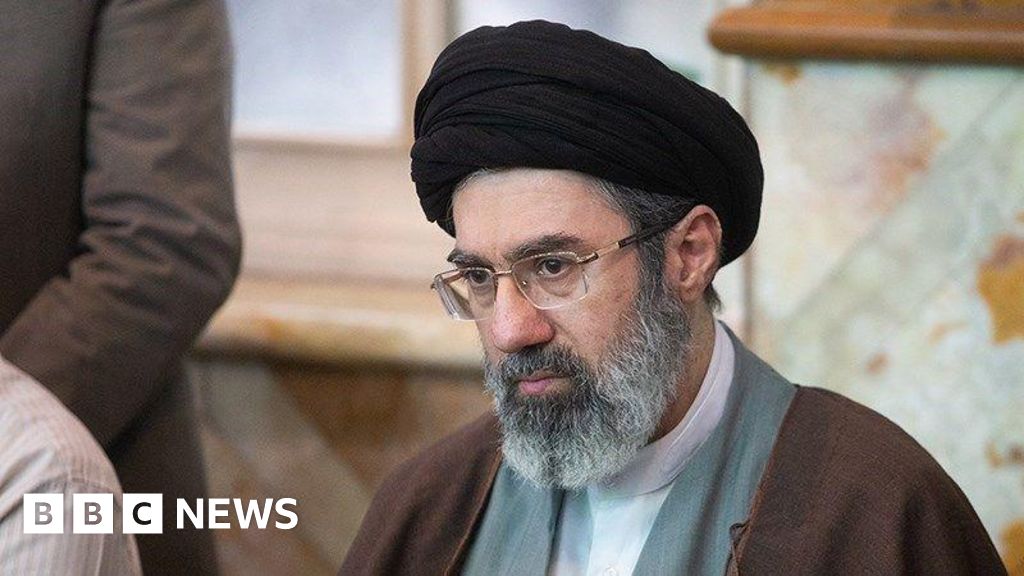
Meet Mojtaba Khamenei: Iran's Next in Line for Power
Meet Mojtaba Khamenei: Iran’s Next in Line for Power

Global Implications of Religious Leadership and Geopolitical Shifts

In one of the most striking examples of individual agency intersecting with international geopolitics, the story of Mojtaba—a devout figure who traveled to Qom in 1999—represents more than a personal spiritual journey. The city, recognized worldwide as a pivotal centre of Shia theology, continues to serve as a significant hub for religious authority in the Middle East. His decision, markedly unconventional given the cultural norms surrounding clerical progression, underscores emerging shifts within the religious and geopolitical landscape of the region. Unlike most of his contemporaries, Mojtaba did not don clerical attire until he was 30, raising questions about generational change and the evolving role of religious scholars within their societies and beyond.

This individual’s choice to pursue religious education later in life coincides with broader international trends—marked by regional tension, shifting alliances, and the ongoing struggle for influence in a volatile geopolitical climate. As analysts observe, this more mature approach to seminary study suggests a strategic recalibration of religious authority, positioning scholars to influence not only religious circles but also societal and political discourse. Such shifts inevitably impact how nations like Iran project power, both internally and externally, especially as religious figures gain—or lose—political legitimacy amidst upheaval and reform efforts.

The international community, particularly Western powers and regional adversaries, watch these developments intently. The rise of figures like Mojtaba, who embody both tradition and modernity, could recalibrate the influence of religious institutions in geopolitics—possibly affecting Iran’s diplomatic strategies, regional stability, and cellular networks of influence across the Middle East. Meanwhile, Tehran continues to navigate turbulent waters, balancing hardline factions with reformist voices, a dynamic that historians and policymakers scrutinize for signals of transformation or impending conflict.

According to experts from the International Crisis Group and renowned scholars of Middle Eastern history, the decisions made within religious spheres often cascade into broader political consequences. As the world teeters on the edge of potential conflict zones, understanding how individual trajectories such as Mojtaba’s influence society becomes essential. The evolution of religious authority—shaped by personal choices and societal shifts—has the power to foment peace or ignite friction across borders, especially as nations grapple with radical ideologies, economic sanctions, and diplomatic negotiations.

In the grand tapestry of history, stories like Mojtaba’s serve as a reminder that the path of a single individual can ripple outward, shaping eras of change. As geopolitical tensions simmer and alliances shift, the significance of religious leadership in turbulence and transformation remains ever-present. With each decision, each change of attire, and each step toward theological enlightenment, the world collectively inches toward an uncertain future—where the weight of history presses down, and the next chapter waits to be written in the shadows of modern tumult. The unfolding struggle for influence, both spiritual and political, continues to define our era, leaving nations and societies to grapple with the profound consequences of their choices—an ongoing saga as old as time itself, yet as fresh as the dawn of tomorrow.

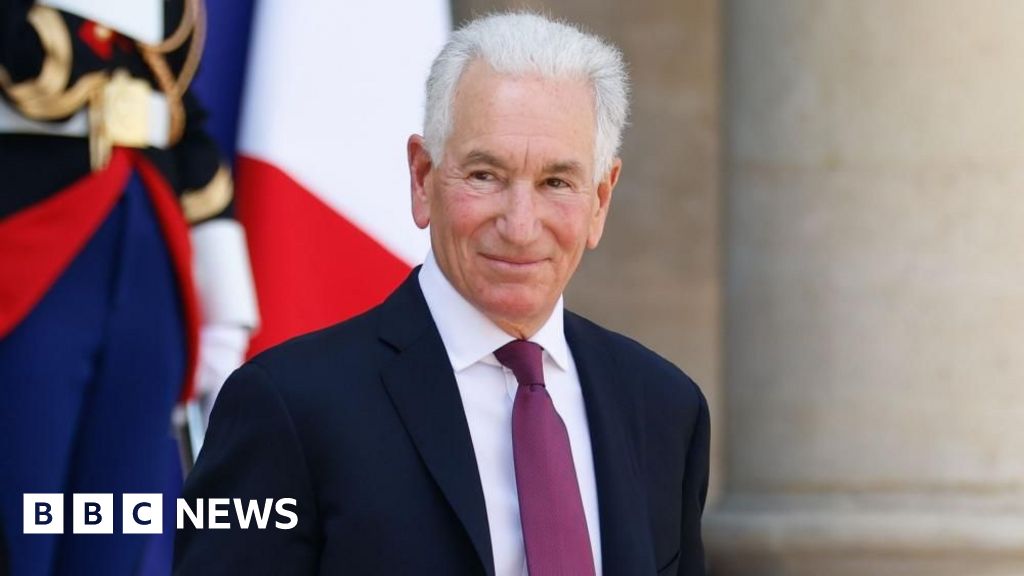
US Ambassador to France to meet Foreign Minister Following Diplomatic Tensions

In a development that subtly underscores the ongoing intricacies of international diplomacy, Charles Kushner recently engaged in a high-level discussion with the French foreign minister. The encounter followed a notable delay, as Kushner failed to respond to a formal summons issued earlier in the week, an omission that has not gone unnoticed by global observers. Such diplomatic lapses, while seemingly minor, can serve as catalysts for broader geopolitical ramifications, especially within the increasingly interconnected fabric of world affairs.

Analysts suggest that this meeting signals a complex shift within traditional diplomatic protocols, emphasizing how individual actors, especially those connected to major economic networks, influence national foreign policies. Historically, figures like Kushner—who has maintained prominent ties with influential political and financial circles—have become symbols of intertwined interests. Their actions often ripple beyond local borders, shaping perceptions among international partners. The failure to respond to diplomatic summons may appear trivial but carries potent implications—potentially undermining trust, sowing confusion, and raising questions about the stability of diplomatic communications amidst growing global tensions.

Furthermore, this incident arrives amid mounting concerns among international institutions and policy analysts about the shifting balance of power. While some interpret Kushner’s delayed response as personal negligence, others view it as symptomatic of broader power struggles and diplomatic uncertainties. The United Nations and regional alliances have repeatedly warned that such disjointed signals weaken collective security efforts. Historian Dr. Emily Harper notes that moments like these—often dismissed as routine—constitute real turning points, revealing how fragile the veneer of diplomatic consensus can be in times of rising global unrest. Decisions to ignore summons or bypass diplomatic norms exacerbate geopolitical fragilities, threatening to unleash unpredictable consequences.

As the world watches, the significance of Kushner’s interaction with France’s foreign minister encapsulates a broader narrative—one where individual actions reflect and influence the tides of history. The unfolding story of diplomatic chasms and alliances is far from static; it serves as a stark reminder that international stability hinges on adherence to established norms and the masters of diplomacy’ ability to navigate turbulent waters. With each decision, nations and societies stand at a crossroads, their future forged in the crucible of these high-stakes encounters. As history continues to write itself, the weight of the moment presses down—*a reminder that the currents of geopolitics are relentless, and no player is too minor to leave a lasting mark.*

From Uber driver in the U.S. to fearing jihadist threats in Somalia—how local roots meet global dangers

Geopolitical Shifts in the Wake of Somali Deportations: A Warning from the Frontlines

In recent months, a wave of deportations from the United States to Somalia has exposed the fragility of international migration policies amid rising anti-immigrant rhetoric and changing administrations. These deportations, involving Somali nationals who sought refuge in the US, are not merely individual cases but signals of profound geopolitical repercussions that resonate far beyond the borders of the United States. As President Donald Trump publicly disparages Somali migrants, calling for tougher restrictions and even suggesting they should “go back to where they came from,” the international community, analysts, and historians warn that these policies threaten to undermine years of fragile stability in the Horn of Africa while fueling anti-foreigner sentiments domestically.

Most noteworthy is the case of Mahad Mohamud, a Somali man deported from Minneapolis after spending over a decade in various countries, including South Africa, Brazil, and the US. Mahad, known on social media as Garyaqaan, built a significant following defending his clan’s interests in Somalia—an act viewed with suspicion by US authorities amid the broader discourse of national security. His case highlights how independent voices, particularly those amplified through social media, are increasingly perceived as threats to political narratives. Mahad’s detention and eventual deportation—despite his claims of innocence and FBI clearance—mirror broader policies that cast aside nuanced assessments of individual safety in favor of harsh border enforcement. The geopolitical impact is vast, as deported individuals often face an unstable Somalia ravaged by years of anarchy, Islamist insurgencies, and economic collapse. Historians warn that these policies, driven by election-year rhetoric, risk reigniting conflicts and depriving Somali society of diaspora-led development efforts.

Moreover, the deportation crisis is casting a long shadow over the Somali-American community—America’s largest Somali diaspora, numbering approximately 80,000 in Minneapolis alone. Following statements from President Trump vowing the end of temporary protected status, the Somali community faces renewed hostility, with social media videos depicting immigration agents conducting door-to-door searches in neighborhoods like Little Mogadishu. Many residents, fearing deportation, have responded by evacuating their homes discreetly, leaving lives in limbo. This tension unravels the broader how decisions made in Washington directly affect the fabric of local societies, fueling fears, protests, and a sense of abandonment. These developments echo the warnings of international observers who argue that a shift towards aggressive immigration crackdowns without comprehensive security frameworks risks destabilizing immigrant communities in the US while emboldening Islamist militant groups like al-Shabab. The repercussions for stability and security, both in the US and the Horn of Africa, are profound and ongoing.

As history’s ongoing narrative unfolds, the deportation phenomenon underscores a brutal reality: policies driven by populist rhetoric often overlook the intricate human stories behind migration. Mahad Mohamud’s heartfelt reunion with his children and his fears of assassination are emblematic of the human toll inflicted by political agendas that treat these individuals as mere pawns. Analysts and seasoned diplomats warn that the current trajectory risks not only exacerbating Somalia’s humanitarian crisis but also deepening the divide between immigrant communities and their host nations, creating fertile ground for radicalization and conflict. With the shadows of past conflicts and current instability lengthening, the international community is left to ponder whether these policies will serve as a turning point or a catalyst for unforeseen chaos. The weight of history presses heavily upon these unfolding events, reminding the world that in the arena of geopolitics, choices today carve the legacy of tomorrow—a legacy still being written, and nowhere more critically than in the lives of those caught between nations.

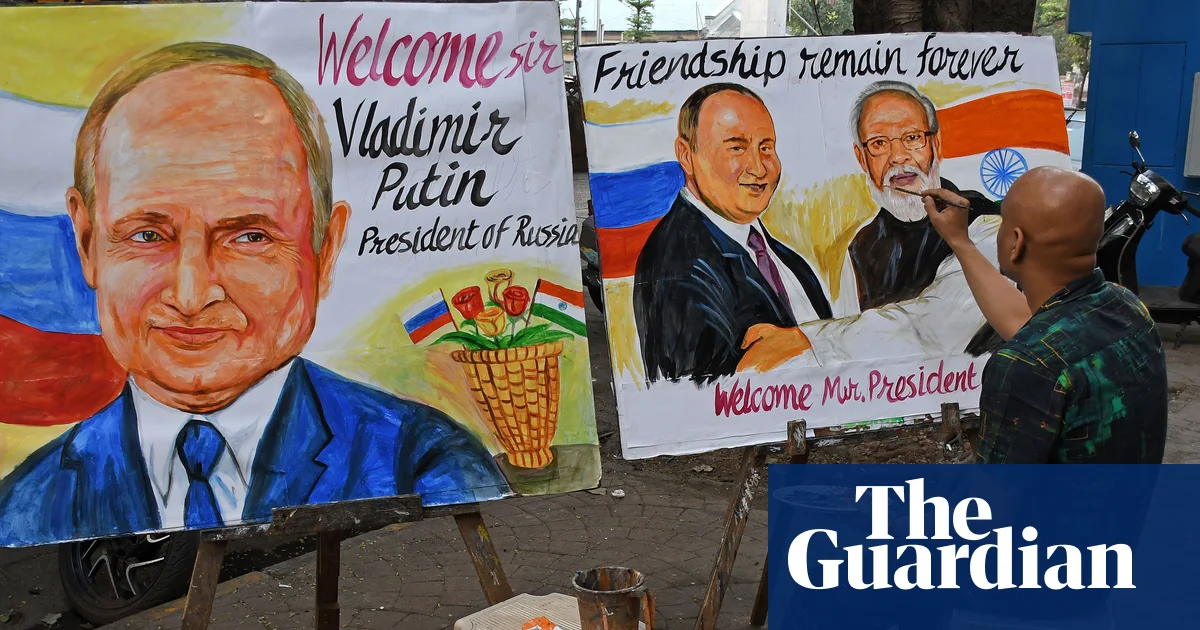
Putin and Modi Prepare to Meet Amid Rising Challenges for Russia and India

In a display of resilience and strategic recalibration, Vladimir Putin recently traveled to India, marking a significant moment in the ongoing reshaping of international alliances. This visit, occurring against the backdrop of an increasingly tense global scene, underscores the enduring importance of India’s relationship with Russia amidst escalating pressures from the United States and its allies. Just four years ago, Putin’s previous visit to India reflected a world still in relative balance, where Moscow maintained a perceived closeness to Delhi. However, subsequent years have seen dramatic shifts—culminating in Russia’s invasion of Ukraine, which transformed Putin into a pariah on the world stage and resulted in widespread sanctions, travel bans, and diplomatic isolation.

The importance of Putin’s current trip neither merely symbolic nor superficial: it is an emphatic message that Russia is carving out a path toward international normalization despite Western efforts to isolate it. According to analysts like Petr Topychkanov of the Stockholm International Peace Research Institute, the very fact that Putin is on the diplomatic trail signals a tangible shift—“Russia is no longer anxious about political isolation.”

For India, the stakes are different but equally vital. Navigating a complex geopolitical landscape marked by a semi-isolationist America, a weakened Russia, and an increasingly assertive China presents a delicate balancing act. As Aparna Pande of the Hudson Institute notes, New Delhi’s policy has shifted towards “hedging,” signaling to the world that, despite deeper ties with Moscow, India retains multiple options should the geopolitical winds shift. India’s strategic dependence on Russia for military hardware remains significant, yet it has also sought to diversify, reducing reliance from approximately 70% to below 40% in recent years—an effort to safeguard itself from external pressures, especially from China.

The geopolitical significance of the India–Russia relationship extends beyond mere trade, primarily rooted in security concerns. India’s historic reliance on Moscow’s defense industry, especially for advanced weaponry like the S-400 missile systems and Sukhoi jets, is balanced with a nuanced diplomatic approach that aims to avoid complete dependency. While upcoming talks between Putin and Modi are likely to focus on military supplies, they also illustrate a relationship defined by a core realism rooted in geographic necessity. As Pande remarks, the alliance is “based on pure realpolitik,” with India actively maneuvering to ensure that its strategic interests remain intact, even as Moscow deepens ties with Beijing.

The question of oil

Amid these strategic moves, the energy sector remains a crucial battleground. India has historically purchased large quantities of Russian oil—around 70% of its defense procurement from Moscow—yet recent Western sanctions seek to curtail those exchanges. As a response, India has begun importing more from the United States and the Middle East, aiming to reduce reliance on Russian energy supplies. Nevertheless, Putin’s spokesperson Dmitry Peskov has emphasized that despite obstacles, economic and energy cooperation will continue, asserting Moscow’s technological resilience in bypassing Western sanctions.

Within this shifting landscape, India’s diplomatic dance remains precarious. While it seeks to maintain its longstanding ties with Russia, it also recognizes the growing threat posed by China, making balancing relationships an existential priority. The very fabric of international relations is being rewritten, with each decision echoing through the corridors of power, impacting societies and the global order. As the world collectively wrestles with the consequences of war, sanctions, and diplomatic brinkmanship, history continues to unfold—its narrative uncertain, yet undeniably profound. In this complex chess game, the path forward remains clouded, and the true impact of Putin’s visit to India will be felt in the days—and perhaps decades—to come, as nations try to navigate the chaos of a redefining world.

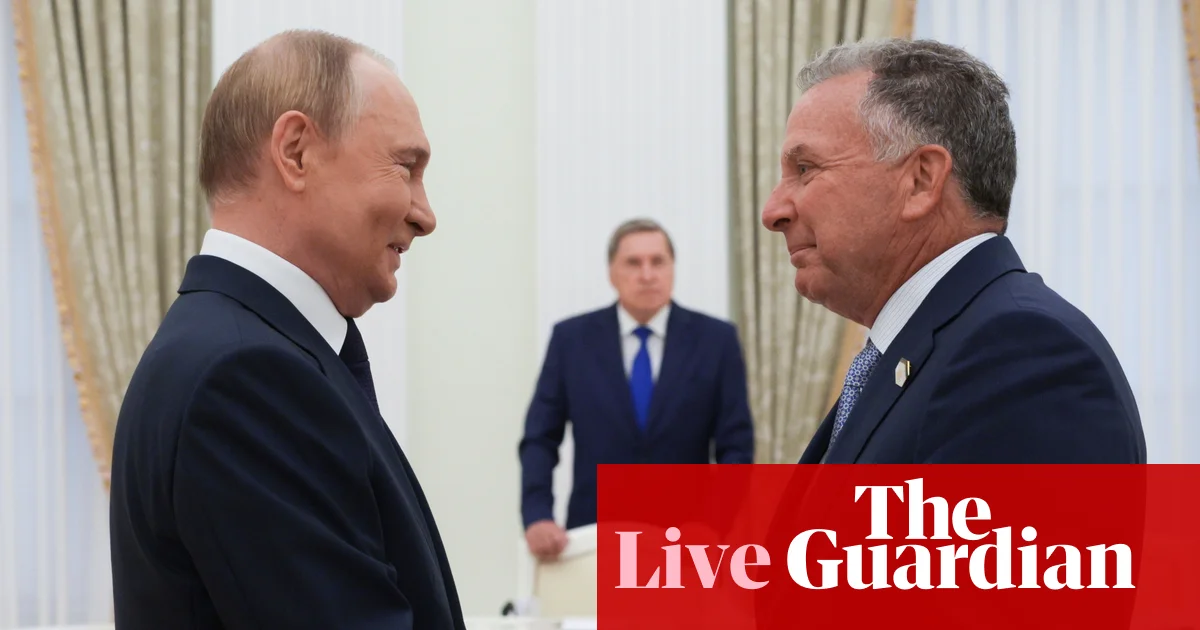
Ukraine War Update: Trump Ally Witkoff to Meet Putin in Moscow as US Pushes for Peace

Rising Tensions and Fragile Diplomacy: The Geopolitical Aftermath of the Ukraine Conflict

The ongoing conflict in Ukraine continues to shape the geopolitical landscape of Eastern Europe and beyond. As Vladimir Putin consolidates control over strategic territories such as Pokrovsk and Vovchansk—key towns believed to have fallen into Russian hands—international observers like NATO and the European Union watch with mounting concern. Despite the Kremlin refusing to confirm these reports, Moscow heralds these advances as successes, while Kyiv insists it remains in full territorial control. This ambiguity underscores the dangerous fluidity of the frontlines as Russia claims to have captured over 19% of Ukrainian territory—a stark increase since 2023—highlighting the persistent threat of a broader regional destabilization.

Amid these developments, Ukrainian President Volodymyr Zelenskyy remains resilient, asserting that Russia “must not be rewarded” for its invasion. His diplomatic efforts frenquently involve engaging with European leaders such as Emmanuel Macron and Friedrich Merz, seeking tangible security guarantees and reaffirmation of sovereignty. However, skepticism shadows these talks. Critics from the EU warn that the recent Putin-Witkoff negotiations risk pressuring Ukraine into concessions that could compromise its sovereignty or territorial integrity, casting a shadow over the fragile prospects for peace.

In this tense climate, Steve Witkoff, an envoy linked to Donald Trump‘s inner circle, plays a pivotal role. His recent meetings with Vladimir Putin in Moscow have reignited debates about the nature of American diplomacy. Analysts like Julian Borger note Witkoff’s controversial approach—advising Kremlin officials that land swaps and territorial concessions might be necessary. This approach has sparked fierce criticism, especially regarding the controversial 28-point peace proposal that seems to favor Moscow’s maximalist demands. The profound influence of such diplomatic maneuvering underscores how outside actors, including the United States, continue to shape the conflict, often blurring the lines between peace efforts and power plays.

The geopolitical implications of these negotiations are profound. As historians and international organizations warn, the consequences extend far beyond Ukraine’s borders. An escalation or miscalculation could ignite a broader conflict, dragging NATO allies into a wider confrontation. Meanwhile, Russia’s military advances have accelerated since 2022, with the fastest territorial gains recorded in recent months. The strategic importance of Pokrovsk as the gateway to Donetsk places immense pressure on Ukrainian forces, which refuse to acknowledge Russian territorial gains and remain committed to defending their sovereignty.

Apart from military conflicts, internal crises burden Kyiv’s efforts. Recent scandals involving corruption within Zelenskyy’s government threaten to undermine diplomatic and military strategies just as negotiations intensify. The recent missile attack by Russia in Dnipro, killing several civilians, reminds the world that the war’s human toll remains devastating. As the crisis unfolds, the balance of power, diplomacy, and internal resilience will determine whether Ukraine will triumph, concede, or endure a protracted stalemate— a chapter of history yet unwritten, teetering on the edge of transformation.

As history watches, the choices made in Moscow, Kyiv, and Western capitals hold the potential to redefine sovereignty and influence for generations. Will diplomacy prevail amid the chaos, or will the specter of escalation forever alter the course of modern geopolitics? One thing remains certain—this is a pivotal moment in the 21st century’s global struggle, with each decision echoing across a battlefield where the true winners and losers are yet to be determined. The unfolding chapter of this conflict reminds us all: the weight of history continues to hang in the balance.

Social Media Auto Publish Powered By : XYZScripts.com