Matox News

Truth Over Trends, always!

Meet Trump's "Drone Guy" Becoming Key Player in Ukraine Peace Talks
Meet Trump’s “Drone Guy” Becoming Key Player in Ukraine Peace Talks

Geopolitical Shifts and Emerging Power Players in US Military Politics

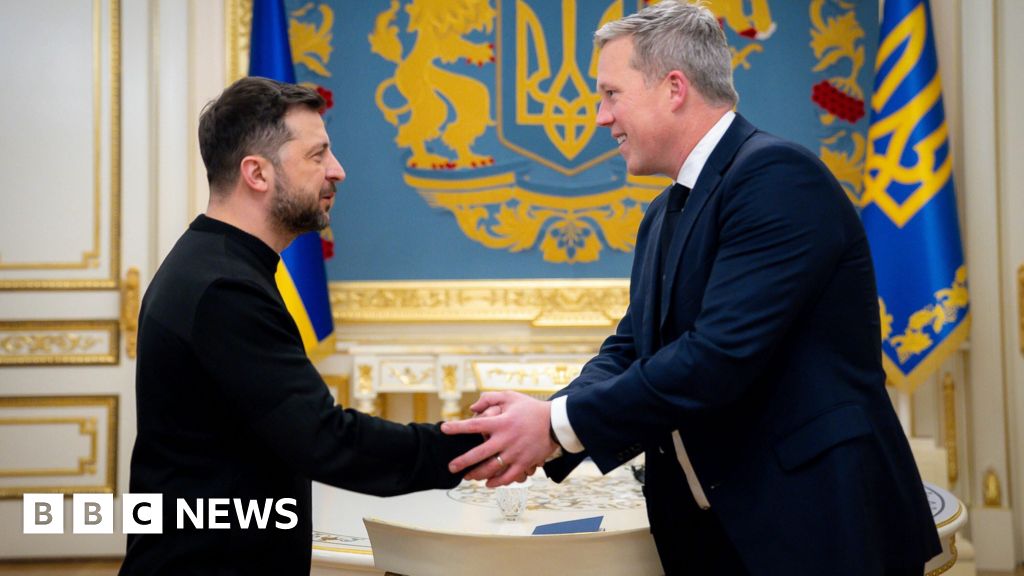
In the tangled web of international power, the recent appointment of Dan Driscoll as the youngest-ever Army Secretary in the United States marks a notable shift in the country’s military and geopolitical landscape. At only 39, Driscoll’s rise to prominence underscores an emerging trend where technology, youth, and political alliances forge new avenues for influence—an aspect not lost on international analysts and historians. Despite his limited diplomatic experience, Driscoll’s close ties with key figures like Vice President JD Vance and former President Donald Trump signifies a potential reorientation of America’s military and strategic priorities, especially regarding the ongoing crisis in Ukraine.

His unannounced visit to Kyiv and subsequent discussions with Ukrainian officials signal a significant departure from traditional diplomatic channels, hinting at a more direct or even unconventional approach to conflict resolution. The fact that Driscoll, with no formal background in international diplomacy, engaged in top-level talks with Zelensky and Russian officials, demonstrates a possible shift toward a strategy where military technology and unorthodox negotiations play an increasing role. Analysts, including those from international think tanks, warn that such moves could recalibrate America’s role in global conflicts, tilting the balance of influence in ways reminiscent of Cold War-era brinkmanship, but now driven by emerging battlefield technologies and rapid information exchanges.

Trump’s recent social media hints about directing his envoy Steve Witkoff to meet with Vladimir Putin in Moscow—plus Driscoll’s overt involvement—highlight an essential shift: the potential melding of military preparedness with diplomatic gambits. This combination might redefine how America projects power and mediates conflicts in our multipolar world. More critically, Driscoll’s vision of future warfare—where every soldier harnesses drones and artificial intelligence—reflects a broader trend towards technological dominance. Historical voices from military strategists and defense analysts warn that as societies become more reliant on silicon and software, the battlefield itself transforms into an arena of information warfare and automation, promising both unprecedented efficiency and dangerous vulnerabilities.

In the backdrop of these developments, questions emerge about Driscoll’s possible future role – whether as a key figure in negotiations over Ukraine, potential defense secretary, or a strategic envoy. Warnings from international bodies suggest that the autonomy and rapid decision-making enabled by technological integration could either speed up peace processes or plunge the world into new conflicts. As Europe, Russia, and Ukraine grapple with this shifting power dynamic, history warns us that decisions made today—often in backrooms and secret negotiations—could reverberate through generations. The unfolding saga of a young, tech-savvy military leader navigating a world on the brink underscores that history’s weight is immense, and the future remains unwritten — a ticking clock where each move could tilt the global balance and redefine the nature of warfare itself.
Meet the contenders: Will anyone step up for the challenge?

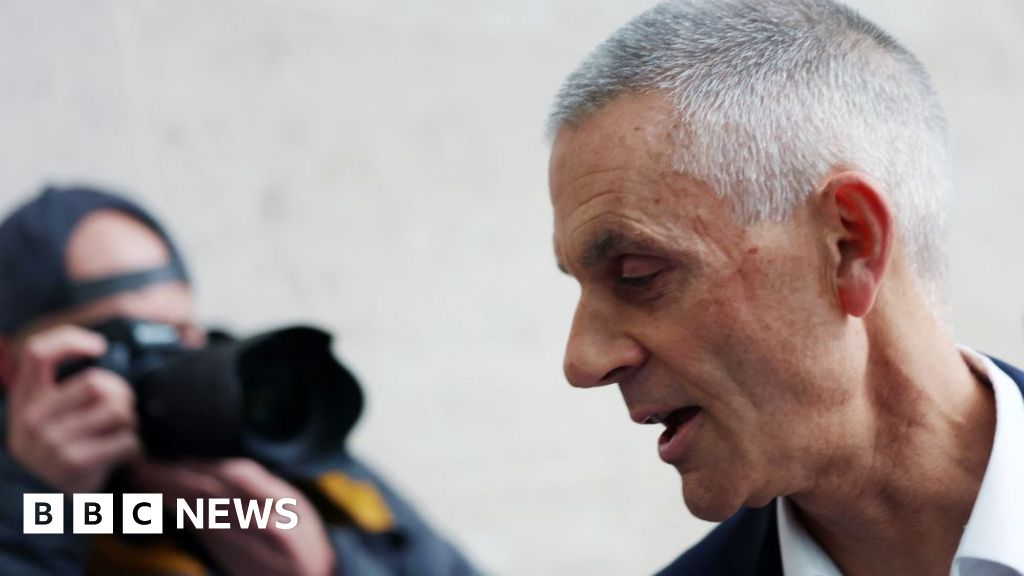
In a landscape where culture stands as both the mirror and the prophecy of society, the recent upheavals within the British Broadcasting Corporation serve as a poignant reminder of the fragile but vital role media plays in shaping national identity. As tim Davie, the outgoing director general, resigns under a cloud of crises and controversy, we are compelled to confront the enduring question: how does the culture of a nation reflect its soul, and what does its preservation demand in times of turmoil? In this epoch, the essence of culture becomes intertwined with the very fabric of tradition and societal continuity, echoing Ortega y Gasset’s assertion that “the culture of a nation is the collective memory that molds its future.”

Davie’s tenure, marked by high-profile missteps and the relentless media hunt for accountability, highlights a truth well articulated by thinkers like G.K. Chesterton: “A nation’s greatness is measured by how it treats its cultural institutions.” The BBC, historically a bastion of national storytelling, faces the challenge of reconciling its role as a guardian of tradition with the demands of an ever-evolving media environment. The internal struggles—exacerbated by scandals over documentaries and editorial slights—are symptomatic of a deeper cultural crisis: the erosion of confidence in institutions that shape societal memory. Yet, beyond the headlines, the core issue remains: the relevance of culture to a nation’s identity and societal cohesion is timeless. As Tocqueville noted, democracy’s strength hinges on a shared cultural fabric; without it, society risks unraveling amidst superficial spectacle.

Amidst the discourse, the question of who will next hold the reins of the BBC emerges as a symbol of the broader struggle to preserve tradition amid chaos. Figures such as Jay Hunt, a veteran who has steered major networks and now sits at Apple Europe, exemplify the kind of leadership that balances creative vision with institutional integrity. The potential appointment of such figures signals an understanding: leadership at this juncture is not merely about policy or strategic direction but about safeguarding the cultural memory from the discord of current upheavals. As historians like Tocqueville remind us, “Institutions survive because they adapt,” and the next DG must be deeply rooted in the sovereignty of cultural continuity. This is not just about managing a broadcasting empire; it is about steering a cultural vessel through turbulent waters toward the dawn of a renewed national narrative.

In the final analysis, the question of the BBC’s future echoes a broader philosophical truth: culture is both memory—the collective archive of human endeavor—and prophecy—the blueprint of what humankind aspires to become. Recognizing this, every transition, every challenge faced by the institution becomes a reflection of society’s willingness to honor its roots while daring to envision the future. As the next chapter unfolds, perhaps it will be a reminder that the true power of culture resides not merely in its preservation but in its capacity to continually inspire humanity’s eternal pursuit of meaning, truth, and identity—prophecy etched into the collective story of a nation, forever lingering at the cusp of memory and possibility.

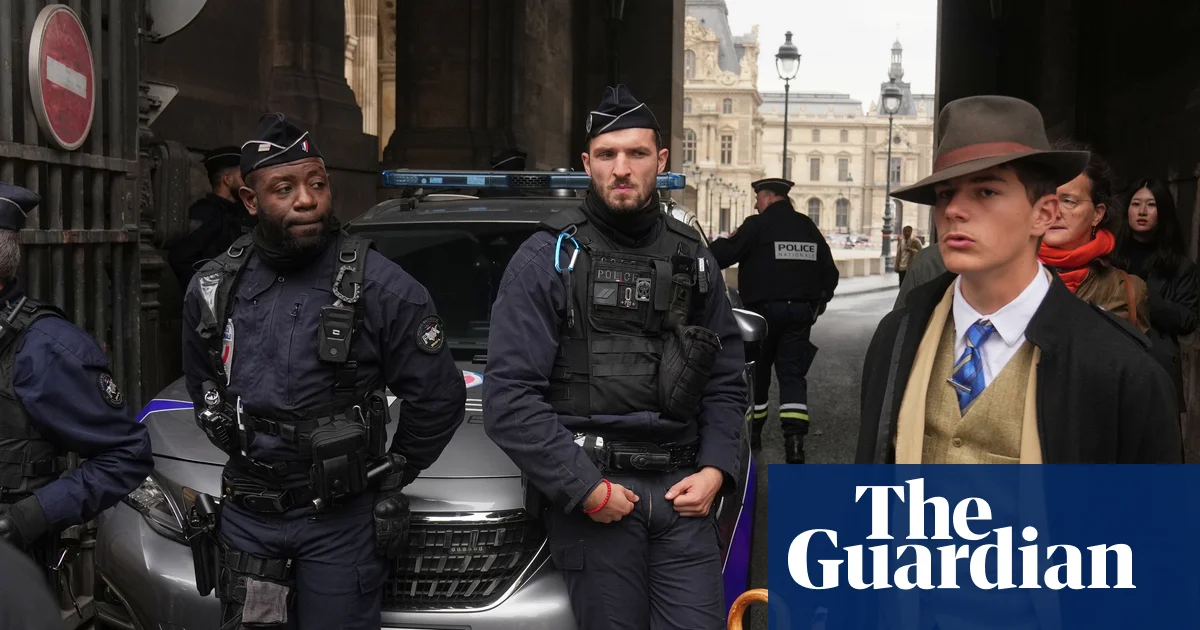
Meet ‘Fedora Man’: Dapper French Teen Revealed as Louvre Heist Hero in Viral Photo | France

In a striking manifestation of how digital imagery can shape global narratives, a 15-year-old French youth, Pedro Elias Garzon Delvaux, inadvertently became an international phenomenon through a single photograph. His image, captured by Associated Press photographer Thibault Camus amidst the chaos of the French crown jewel heist, captured the imagination of millions across the world. Clad in vintage fashion, including a fedora, Pedro’s unintended role in this modern-day mystery showcases how media, perception, and historical aesthetics converge into a powerful symbol that transcends national borders. This phenomenon underscores a key geopolitical impact: how cultural symbols and images can ignite transnational stories that influence public sentiment and societal outlooks.

  • Pedro, a lover of 20th-century history and classic detectives, was merely passing through when police barricades closed access to the Louvre. His coincidental presence in the frame turned him into an eerie chess piece in a worldwide narrative concerning art theft, national identity, and cultural heritage. The image sparked online debates on whether the “fedora man” was an AI fabrication or a true shadow figure of the underworld. Such narratives challenge perceptions of authenticity and the digital age’s influence on reality, with analysts from institutions like INTERPOL emphasizing the need for cautious verification amid rapid information dissemination.
  • The viral spread of his image, with over 5 million views and headlines across continents, demonstrates the power of visual storytelling in shaping public discourse. As international commentators dissect the implications, many note how image-driven narratives reflect a broader cultural shift: one where individual stories are magnified into symbols of societal anxieties or aspirations. In this case, Pedro’s vintage attire and mysterious aura evoke an era-long gone, yet their resonance in the digital age emphasizes how cultural memory is harnessed and repurposed in contemporary geopolitics.

Historians and analysts recognize this event as emblematic of a new era where images serve as potent flags in the ongoing battle for cultural influence. The incident highlights an ongoing phenomenon: the blending of historical aesthetics with modern storytelling, fueling debates about identity, authenticity, and the role of digital media in shaping perceptions. As European nations remain vigilant over their cultural treasures, the story of Pedro not only offers a glimpse into the power of visual imagery but also signals how global narratives about legality, art, and history are increasingly constructed through social media’s lens.

As the episode concludes with Pedro’s relaxed outlook—publicly waiting for film roles—one cannot ignore how this small story echoes larger themes in international relations and societal values. The innocence of a boy unwittingly caught in a global myth reminds us that, in this era, history is perpetually in the making, and every image carries the potential to reshape perceptions and influence global affairs. In the end, this story remains a testament to a critical turning point: the digital age’s capacity to transform humble moments into enduring symbols, shaping the course of history in unpredictable ways, with the weight of the future still counting down in the shadows of the past.

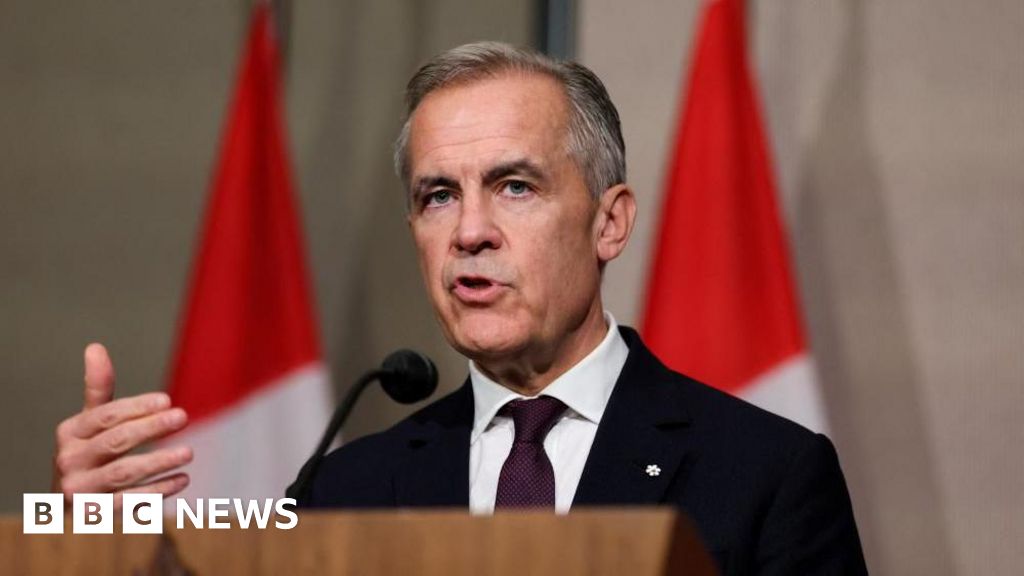
Canada’s Prime Minister Carney heads to China to meet Xi Jinping—a new chapter begins

Canada Eyes New Alliances as China and U.S. Trade Tensions Escalate

In a move that signals a significant shift in its diplomatic calculus, Canada has accepted an invitation to meet with President Xi Jinping. This diplomatic overture, announced after Prime Minister Mark Carney and Xi’s brief 40-minute discussion during the Asia-Pacific Economic Cooperation (APEC) summit, marks a “turning point” in the historically complex relationship between Ottawa and Beijing. The timing is critical: with escalating tensions emanating from ongoing trade disputes and geopolitical row, Canada’s engagement with China underscores a strategic recalibration that could reshape its international alliances.

Since 2018, relations between Canada and China have spiraled downward, culminating in a diplomatic crisis that saw Beijing arrest two Canadian citizens—Michael Spavor and Michael Kovrig—on espionage charges. Their detention closely followed the arrest of Huawei’s CFO, Meng Wanzhou, in Canada at the behest of U.S. authorities; a move that some analysts argue was a tit-for-tat diplomacy that underscored the fragile state of global diplomatic decorum. Despite their eventual release in 2021, tensions persisted, mounting further as Beijing imposed tariffs on vital Canadian exports like canola, while Canadian retaliatory tariffs targeted Chinese electric vehicles and other sectors. The period has thus evidenced what many call a “two-front trade war,” impacting Canadian farmers, especially in Western provinces, and threatening economic stability in sectors vital to national livelihoods.

The geopolitical impact of Canada pivoting towards China and other major economies is profound. As Analysts warn, this strategic move could serve as a blueprint for other Western nations disenchanted with the kinetic and economic warfare of the U.S.-China rivalry, amplifying the contest for influence in the Indo-Pacific and beyond. Decisions to deepen ties with Asian economic giants coincide with American efforts to tighten its grip on Canadian trade, evident in the recent tariff hikes and diplomatic freezes imposed by Washington, notably after the suspension of trade negotiations triggered by a controversial advertisement by Ontario’s Premier. This turns Canada’s international stance into a high-stakes chessboard, where its ability to navigate between the world’s two largest powers will determine its economic standing for decades to come.

Building on recent turning points, China has publicly expressed a willingness to work with Canada, seeking to “push relations back onto a healthy, stable, and sustainable track.” However, the shadows of the past—foreign interference accusations, trade sanctions, and geopolitical confrontations—loom large. Historians and international watchdogs contend that these diplomatic disputes reflect broader strategies, where entrenched national interests often clash beneath diplomatic veneer. The United Nations and major think tanks have warned that such multipolar tensions threaten the stability of global markets, emphasizing that the outcome hinges on the will and wisdom of leaders to prioritize peace over rivalry. Yet, as history illustrates time and again, the sands of international stability are shifting, and the decisions made today will resonate long into the future—when the fog of diplomacy finally clears and history either judges this moment as a smart realignment or a costly misstep.

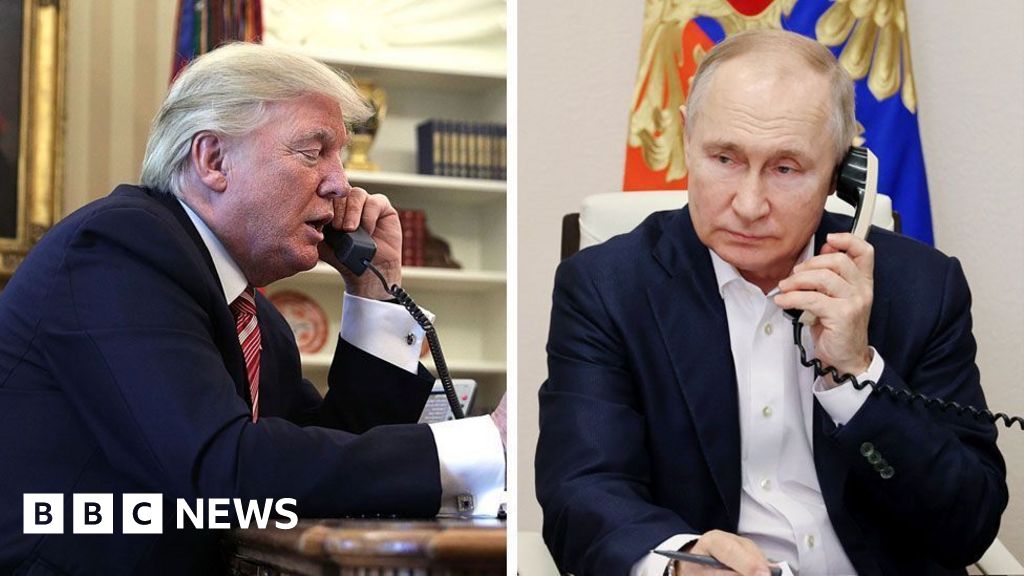
Trump vows to meet Putin again after promising call advances U.S.-Russia relations

In a series of high-stakes diplomatic maneuvers, the United States and Russia are embroiled in a complex game of strategic brinkmanship at a critical juncture in global affairs. This latest development follows President Donald Trump‘s recent exchange with Vladimir Putin, marked by a phone call described by Washington as “very productive” and the anticipation of a face-to-face summit in Hungary. The geopolitical impact of these conversations reaches far beyond bilateral relations, affecting not only Ukraine but also the broader European and international stability. In a world seeking avenues for peace, the specter of renewed conflict looms large, driven by decisions made in backroom negotiations and public posturing.

  • On Thursday, Trump and Putin engaged in their first significant dialogue since mid-August, concluding with an agreement to convene more detailed discussions next week. The Kremlin highlighted that work on the summit would commence “immediately” after what they called an “extremely frank and trustful” call. This marks a notable shift from previous tensions and underscores how key leaders are maneuvering in the shadows of war, attempting to influence the geopolitical landscape with limited transparency.
  • Meanwhile, Ukrainian President Zelensky faces mounting pressure as the Biden administration contemplates arming Kyiv with advanced Tomahawk missiles, capable of deep strikes into Russia. Zelensky’s statement that Moscow is “rushing to resume dialogue” as soon as it perceives these weapons underscored the fragile, volatile nature of the ongoing conflict. The decision to supply Ukraine with such capabilities could drastically alter the war’s dynamics, leading to a potential escalation or stalemate, depending largely on how Russia perceives these moves.

Analysts and historians are warning that the recent diplomatic activities signal a shift toward greater unpredictability in an already volatile region. International organizations like the United Nations have cautioned against the escalation of hostilities, while European leaders such as Viktor Orban of Hungary advocate for diplomacy over confrontation—calling for patience, strength, and dialogue as the only viable path to peace. But the question remains: are these overtures genuine attempts at resolution, or just tactical steps in a broader chess game designed to influence the post-conflict order?

As Washington and Moscow continue to clasp onto their divergent visions for global dominance, the potential repercussions extend to economic spheres. Trump’s insistence that high-level advisors from both nations will meet to discuss trade “when the war is over” reflects the deep interconnection between geopolitics and economic strategy. Conversely, on the battleground, Russian missile strikes amid diplomatic talks serve as a grim reminder that peace remains elusive, and the path to stability is fraught with peril. Domestically, these developments are resonating among young people worldwide, keenly aware that the decisions made today will shape the future they inherit.

Indeed, the thread of history is being woven with each diplomatic encounter, each missile launch, and each negotiation. The world watches with bated breath as world leaders navigate a landscape where old alliances are tested and new rivalries emerge. In this relentless pursuit of power and peace, the curtain has yet to fall on the drama that will determine whether the 21st century will be remembered as an era of harmony or chaos. The weight of these choices, forged in the crucible of conflict and diplomacy, echoes through generations, reminding us that the unfolding story is far from over — it is only just beginning.

Meet the Hostages Freed: What You Need to Know

Gaza Conflict Escalates as Hamas Releases Hostages Amid Devastation

The ongoing conflict between Israel and Hamas has reached a critical juncture, with recent developments revealing both tragic human tolls and shifting geopolitical strategies. According to the Israeli military, 20 hostages have been released by Hamas and returned to Israel, yet the grim reality remains stark, as 48 hostages continue to be held in Gaza. This stark divide underscores the brutal human cost of the conflict, where families across the region face uncertainty and despair. The situation is further compounded by the death toll, with Gaza’s Hamas-run health ministry reporting more than 67,000 killed—a figure that international analysts believe may even understate the true scale of devastation.

Within this fraught landscape, the stories of individual hostages reveal a haunting tapestry of suffering. The twin brothers Gali and Ziv Berman were abducted from Kibbutz Kfar Aza, Ziv held for over 40 days, enduring separation and uncertainty before their eventual release amid a fragile ceasefire. Similarly, Ariel Cunio was forced to confront what he described as “a horror movie” in captivity, only to be freed months later. Others, like Yosef-Chaim Ohana, still face an uncertain future, with Hamas claiming his body was returned after being found dead in Gaza. These individual tales are emblematic of the broader implications of the conflict—how international decisions and military actions directly impact lives, shaping the social fabric of both nations.

International Reactions and Geopolitical Ramifications

The United Nations and various Western allies have condemned the violence, yet their calls for restraint are overshadowed by a fundamental shift—how international pressure is recalibrating, with some nations seizing opportunities amid chaos. Countries like Tanzania and Thailand mourn their fallen citizens, whose deaths in Gaza have ignited debates about international involvement and the limits of diplomatic intervention. Meanwhile, Israel faces mounting pressure to justify its military actions, which have already resulted in a humanitarian crisis that many attribute to a defensive stance against a ruthless enemy. The real turning point is in how diplomatic strategies evolve amidst this violence, with some analysts warning that a failure to pursue a decisive resolution risks a prolonged regional conflict with far-reaching consequences beyond Gaza.

Historians such as Benny Morris and Finkelstein, along with international organizations like Amnesty International, suggest that each decision—whether to escalate or negotiate—will ripple through history, shaping the future of Middle Eastern stability. The shift towards military escalation appears to be the prevailing option for many nations, as they grapple with defending their interests in a volatile geopolitical chessboard. The high human cost and the emotional toll on families continue to underscore that the repercussions, both immediate and long-term, threaten to redefine notions of security, sovereignty, and humanity itself.

The Weight of History Still Unfolding

As dozens of families mourn their lost and mourn the hope of reunion, and as the world observes with bated breath, the regional landscape stands at a dangerous crossroads. Hamas’ release of hostages and the human stories intertwined with the violence serve as a sobering reminder: the decisions made today will echo through the corridors of history, long after the guns fall silent and the dust settles. The relentless cycle of violence and diplomacy continues, leaving behind a legacy of resilience, tragedy, and the uncertain promise of peace. As nations debate and confront their own responsibilities, the unfolding chapters of this conflict serve as a stark testament to the enduring, often tragic, resilience of the human spirit in the face of relentless upheaval.

Upcoming Stars Shine: Meet the Breakthrough Athletes to Watch This Season!

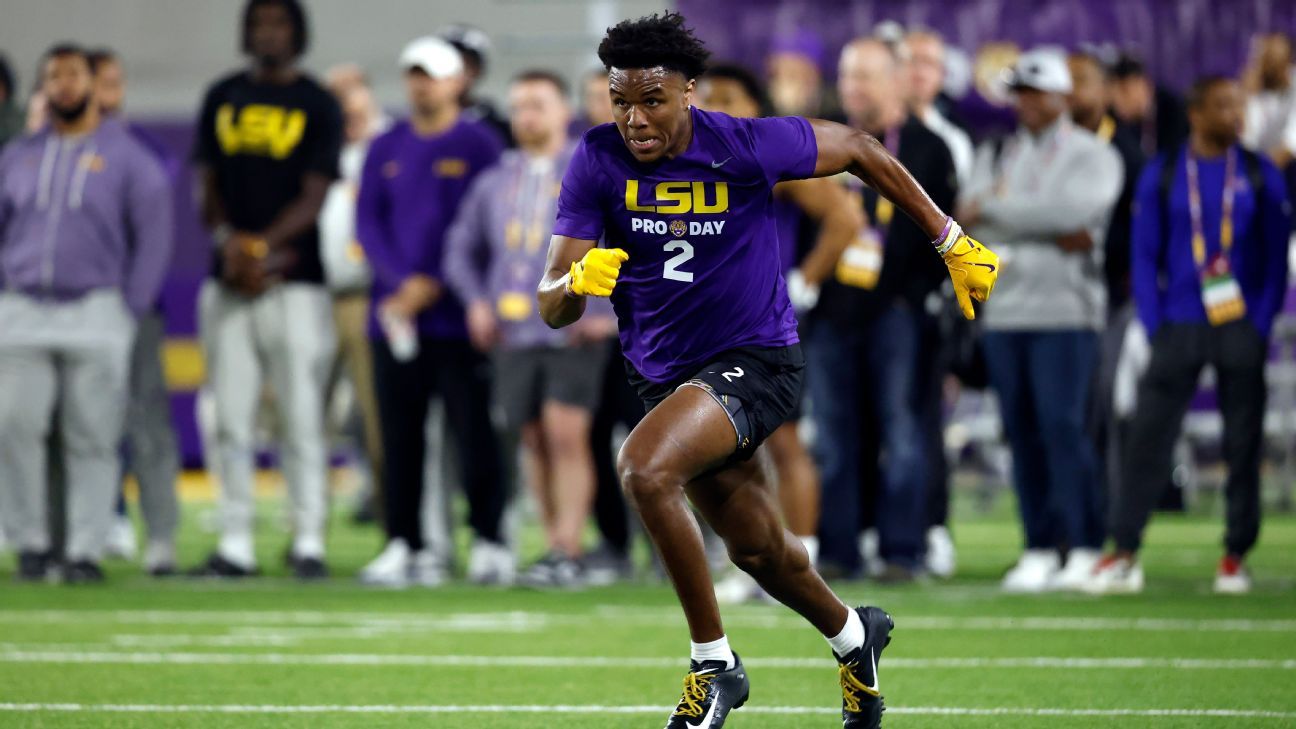
Tragedy Strikes: Ex-LSU Star Kyren Lacy Allegedly Linked to Fatal Crash

In a harrowing turn of events, Louisiana State Police have released video footage and records related to a fatal crash that took place in December 2024, allegedly involving former LSU football player Kyren Lacy. The incident has shed light on the potentially devastating consequences that can accompany life off the field for young athletes. As a celebrated player for the LSU Tigers, Lacy had garnered much attention during his time with the team, yet this tragic incident casts a shadow on what was once a promising sports career.

The video footage shows critical moments leading up to the accident, allowing investigators to piece together a narrative of events that resulted in the tragic loss of life. Officers stress the importance of understanding the dangerous combination of speed and impaired decision-making, which can prove fatal on the roads. Commentator and former athlete Chris Doleman shared, “It’s a heart-wrenching reminder of the realities young stars face. They must find the right coaching both on and off the field.”

As the legal proceedings unfold, the football community is left to grapple with significant questions about accountability and mentorship for young athletes. Player safety extends beyond the gridiron; it encompasses the values instilled in players regarding responsibility and choices made in their daily lives. Lacy’s journey serves as a poignant reminder that the lessons of discipline and respect taught on the field are just as crucial in life. The narrative that evolves from this situation will undoubtedly resonate with aspiring athletes and fans alike.

In conclusion, while LSU football has brought many joyous moments, this incident highlights that sports carry profound responsibilities. As we reflect on the legacy of young athletes, it is imperative to remember that their journeys are about much more than games won or lost. The fabric of sports is woven with the threads of community, character, and, most importantly, unity. In times of turmoil, sports remind us of our shared humanity and the importance of making choices that honor the values we cherish both on and off the field. It is in our collective resolve that we find strength and inspiration, echoing the spirit of sport as a true unifying force.

Source link

Meet the startup co-founded by NBA star Russell Westbrook, redefining end-of-life planning for the next generation

AI-Driven Innovation Disrupts End-of-Life Planning Industry with Eazewell’s Vision

In a remarkable display of technological innovation and market disruption, Eazewell, an AI-powered platform dedicated to simplifying end-of-life and funeral planning, has entered a traditionally fragmented industry. Founded in 2024 by Donnell Beverly Jr.—whose personal loss catalyzed the venture—Eazewell leverages cutting-edge artificial intelligence to automate tasks that once weighed heavily on grieving families. This initiative exemplifies the seismic shifts occurring as AI begins to redefine how life’s final transitions are managed, with significant business implications for sectors ranging from funeral services to digital estate management.

The core innovation behind Eazewell is its AI agent, available around the clock, which empowers families to effortlessly coordinate funeral arrangements, manage paperwork, and even cancel credit accounts on behalf of the deceased. This automated approach resolves longstanding inefficiencies within the industry, often plagued by manual, time-consuming processes. The platform’s recent rollout of an enterprise solution for hospice providers, senior living facilities, and insurers further extends its disruption. By integrating seamlessly into existing software ecosystems, Eazewell positions itself as a market-changing enabler for enterprise-level stakeholders, promising to transform industry standards.

Market Implications for Traditional and Emerging Players

According to leading analysts from firms like Gartner, the integration of AI-driven automation into sensitive segments such as end-of-life planning is a strategic game-changer with broad implications. Already, Eazewell reports assisting over 100,000 families, a testament to the scalability of its approach. As the platform broadens to include digital asset management—an increasingly vital concern in a digital-first era—the industry is poised for a fundamental shift. The ongoing digital transformation hints at a world where legacy management and estate planning become seamlessly integrated into everyday digital life, challenging established traditional players resistant to technological evolution.

The Broader Context of Disruption and Innovation

Disruptors like Elon Musk’s Neuralink and Peter Thiel-backed startups have demonstrated the enormous potential of AI to overhaul deeply rooted industries. Eazewell’s focus aligns with this trajectory by highlighting how AI’s influence extends well beyond the here and now, into the posthumous realm. The company’s forward-looking vision, including managing digital assets and inheritance, exemplifies how innovation is converging with industry standards of trust and security. Notably, industry experts and forecasters see these advancements as not just improvements but essential evolutions for businesses seeking resilience amid changing consumer expectations and technological norms.

The significance of this evolution transcends mere convenience: it heralds a new era where disruption can unlock new revenue streams, reduce operational costs, and elevate service standards. As AI and automation continue to mature, competition will intensify, compelling entrenched industries to innovate or face obsolescence. The urgency for stakeholders—whether traditional funeral service providers or emerging digital estate managers—is clear: adapt rapidly or be left behind in a rapidly transforming landscape that demands technological agility and disruptive thinking.

Future Outlook: An Urgency for Strategic Adoption

Looking ahead, the potential of AI to revolutionize end-of-life services signifies more than just a niche innovation; it foreshadows a broader societal shift. Industry visionaries and technology leaders emphasize that the pace of change necessitates proactive engagement. Experts from institutions like MIT forecast that AI-driven end-of-life management will become a standard component of digital identity and estate planning platforms within the next decade. This evolution presents a crucial call to action for investors and businesses alike: position strategically now to harness the impending wave of disruption, leveraging innovation to serve a growing demand with compassion and efficiency.

As the industry broadens its horizons, it becomes evident that disruption is inevitable. The integration of AI into sensitive life-stage services embodies both a technological leap and a philosophical shift—one where technology’s role is to ease burden, empower families, and fundamentally reimagine what legacy means in a digital age. The race for innovation is on, and those who move decisively will shape the future of a trillion-dollar industry—and redefine how society handles its most profound moments.

Inside Trump and Hegseth's high-level meet with U.S. generals
Inside Trump and Hegseth’s high-level meet with U.S. generals

US Military Overhaul Signals Shift Toward Traditional Values Under New Administration

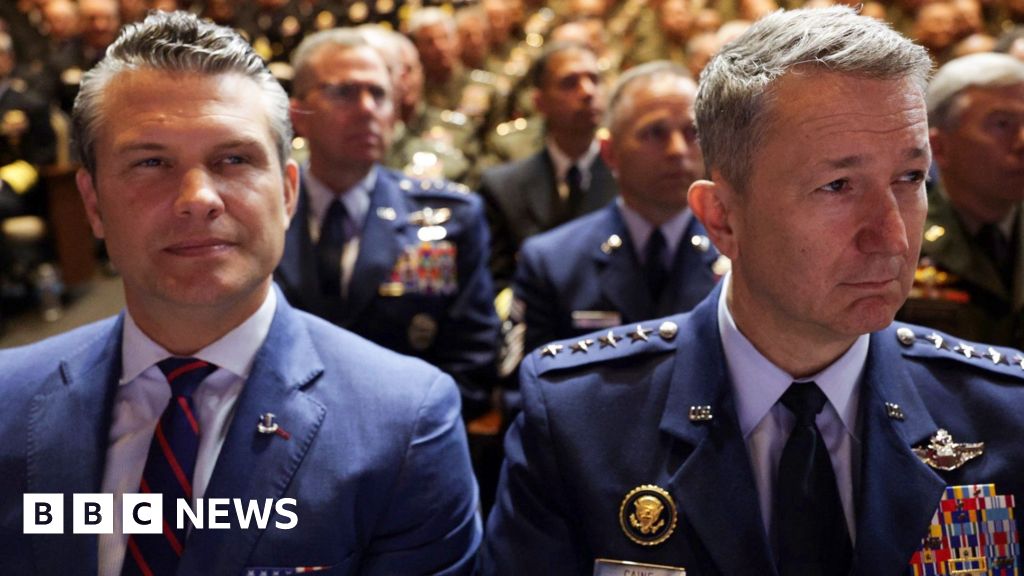
In a striking display of military restructuring, hundreds of US generals and admirals convened this week at the Marine Corps Museum in Quantico, Virginia, marking a rare event that underscores a significant shift in American defense policy. Summoned from their international postings, these senior leaders received a set of deliberate directives from Defense Secretary Pete Hegseth, indicating a deliberate move toward conservative, traditional values within the armed forces. This assembly signals more than just internal discipline; it embodies a broader geopolitical stance that could reshape America’s military posture and its diplomatic interactions worldwide.

The core of these directives revolves around bolstering physical fitness, grooming standards, and a contentious emphasis on returning to “the highest male standard” for combat roles. Such measures appear designed to reinforce a sense of discipline rooted in traditional masculinity, which some analysts argue could be a strategic move to strengthen the military’s fighting spirit amid escalating global tensions. The timing coincides with a presidential address from President Donald Trump, who articulated a desire for an armed forces that embody American strength and resilience. The directives reportedly include stringent new standards, likely transforming recruitment criteria, training, and the internal culture of the US military, with ripple effects expected to influence international perceptions of US military readiness and ideological direction.

This move has ignited debate among international scholars and security experts about its geopolitical implications. Critics warn that emphasizing a return to traditional gender standards and physical requirements may marginalize certain groups and could hinder the diversity and adaptability of the armed forces. Conversely, supporters contend that such measures are vital for restoring discipline and effectiveness, particularly as global rivals like China and Russia demonstrate increased military assertiveness. The shift reflects a broader ideological realignment within the US, which some see as a deliberate effort to reassert American strength by emphasizing traditional notions of masculinity as a core component of military readiness.

Historian and geopolitical analyst Dr. Emily Carter notes that these developments are influenced by a series of mounting challenges that threaten longstanding global stability. “This is not just about discipline; it’s about a strategic culture shift,” she emphasizes, pointing to recent international conflicts and the unpredictable trajectory of global alliances. Until now, the US military’s leadership has emphasized inclusiveness and modernization, but the new directives suggest a purposeful pivot back toward a more rugged, traditional form of military excellence—one that signals a willingness to confront global rivals with renewed confidence. Such decisions, however, also raise questions: how will allies and adversaries perceive this American reassertion? And what are the long-term effects on America’s internal unity and global influence?

As the world watches this transformation unfold, the weight of history looms large. Each decision redefines the battlefield—not only of military conflicts but of international ideology and influence. Major powers are quietly recalibrating their strategies in response, recognizing that the true nature of victory extends beyond battlefield tactics to cultural resilience. Underneath the surface, a global contest whispers —a battle of values that challenges the very fabric of society and determines the future direction of our interconnected world. The unfolding story of the US military’s ideological evolution is a testament to the enduring rivalry between tradition and modernity, where every step taken today echoes across the corridors of history, shaping the destiny of nations yet to come.

Social Media Auto Publish Powered By : XYZScripts.com