Matox News

Truth Over Trends, always!

Kent meningitis outbreak sparks urgent push for routine youth vaccinations in England

The Global Implications of Vaccination Trends Amid a Meningitis Outbreak

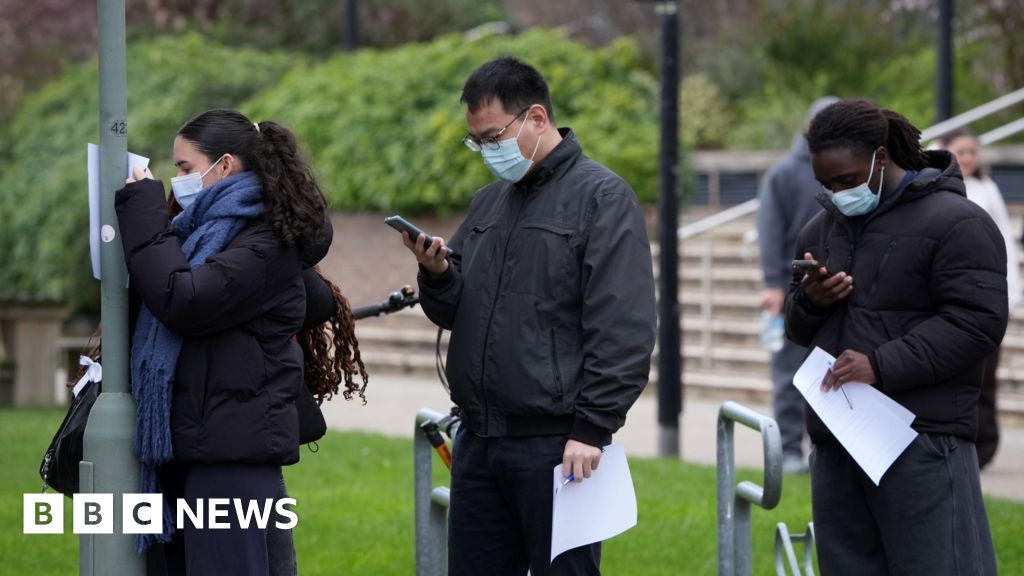
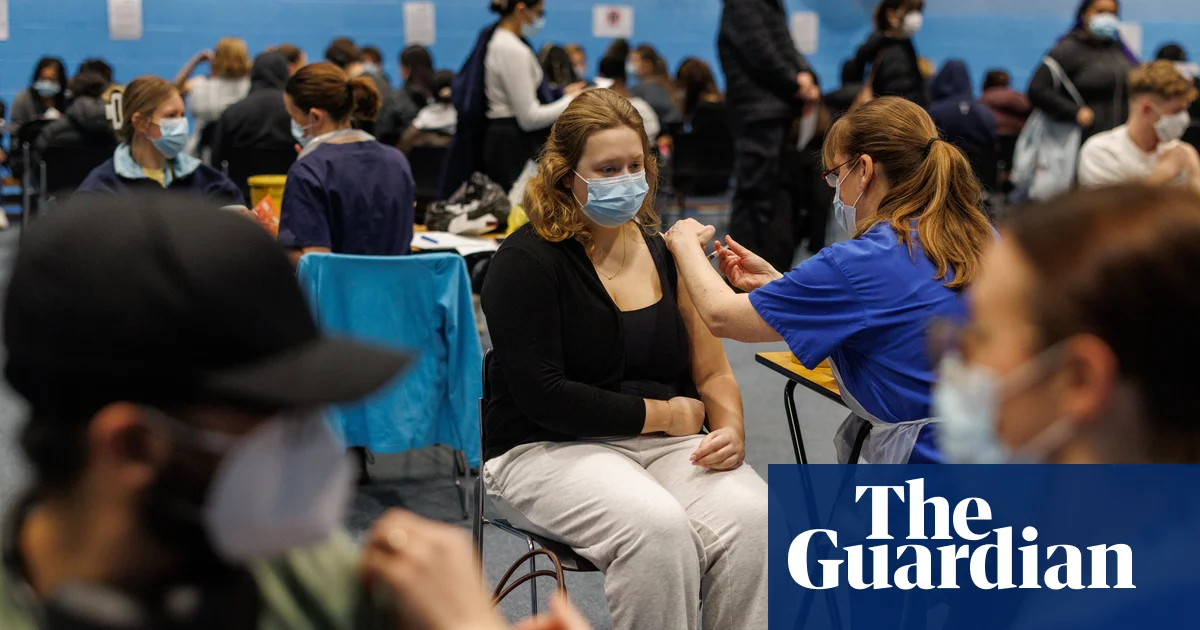
In the wake of a recent meningitis outbreak in Kent, England, the urgency for vaccination has surged dramatically, illuminating not only the resilience of public health systems but also the fragile state of herd immunity in certain regions. Despite the grim toll—two teenagers lost their lives and 18 others hospitalized—the outbreak has paradoxically ignited a significant uptick in routine immunizations across the country, especially among teenagers. According to local health authorities, thousands of adolescents have responded proactively by booking or receiving vaccines against meningitis strains A, C, W, and Y, as well as diphtheria, polio, and tetanus. Such a surge is viewed as a silver lining, a stark reminder of the importance of vaccines, even as experts warn that the current vaccination rate remains insufficient, with only 72% of year-nine pupils vaccinated compared to the 95% target recommended by health authorities.

This localized crisis underscores a broader question of vaccine complacency that resonates beyond the United Kingdom, threatening to undermine decades of public health progress. Analysis from noted histo­rians and global health experts emphasizes that the success of immunization programs has, in some ways, fostered complacency, causing a decline in awareness of the malignant potential of vaccine-preventable diseases. The current spike in vaccination interest, particularly for the MenACWY vaccine, reflects a reactive response to an immediate threat. However, international organizations like the World Health Organization (WHO) and others warn that such outbreaks, if left unchecked, could pave the way for broader regional or even global health crises. They stress that maintaining high vaccination coverage is crucial in preventing a repeat of history’s darker chapters, when deadly outbreaks swept through populations unprotected.

The geopolitical impact of such health crises is profound, influencing both societal stability and international relations. Regions with effective vaccination campaigns tend to experience less social unrest and economic disruption. Conversely, lapses in immunization, often fueled by misinformation and vaccine hesitancy, can precipitate outbreaks that strain healthcare resources and create political tension, especially in multicultural societies where trust in public institutions is already fragile. According to the WHO, vaccine confidence remains a key component in national security, with health infrastructure serving as a frontline defense against both biological and geopolitical threats. When nations neglect these defenses, they risk opening pathways for illnesses to spread, thereby destabilizing regional peace and security.

As health authorities and analysts continue to analyze the unfolding crisis, they unanimously point to the need for a sustained, proactive approach towards immunization—one that transcends reactive campaigns. The challenge lies in transforming recent wake-up calls into long-term policy shifts that prioritize vaccine education and access at community levels. Political leaders and international bodies are urged to act swiftly. They must reinforce the importance of vaccines as a fundamental pillar of sovereignty and societal resilience. History teaches us that the unpreparedness and complacency in the face of infectious diseases often come at a heavy cost, leaving scars on nations’ collective memory. The current outbreak may serve as a stark reminder and an inflection point—one where history is still being written, with each decision shaping the legacy of a generation. As societies grapple with the ongoing threat of vaccine-preventable diseases, the world faces a sobering truth: in the realm of health security, the margin for error is razor-thin, and the next chapter of history remains unwritten, depending on choices made today.
NHS Ignored Kent Meningitis Threat for Two Days, Report Reveals

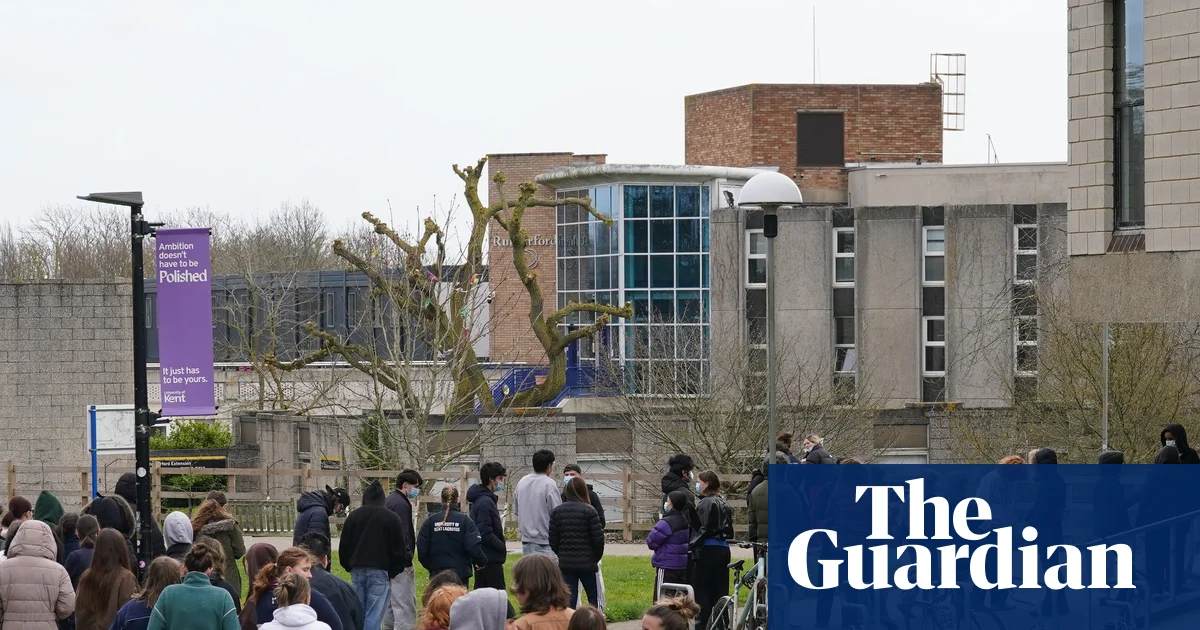
The recent meningitis outbreak in East Kent has once again illuminated the essential role of swift governmental response in safeguarding public health. Initially detected at the Queen Elizabeth the Queen Mother Hospital in Margate, the outbreak served as a stark reminder of the dangers posed by delays in incident reporting. Despite the hospital’s internal recognition of the risks, their decision to wait for a confirmed diagnosis before alerting UKHSA potentially hampered timely intervention. According to Dr. Des Holden, acting chief executive of East Kent Hospitals NHS Trust, officials could have acted sooner, exemplifying a common pitfall within bureaucratic health responses that often prioritize confirmation over immediacy. This hesitation, critics argue, underscores how delays in notifying international health agencies can slow down crucial preventative measures, such as the administration of antibiotics to close contacts or the deployment of targeted vaccination campaigns.

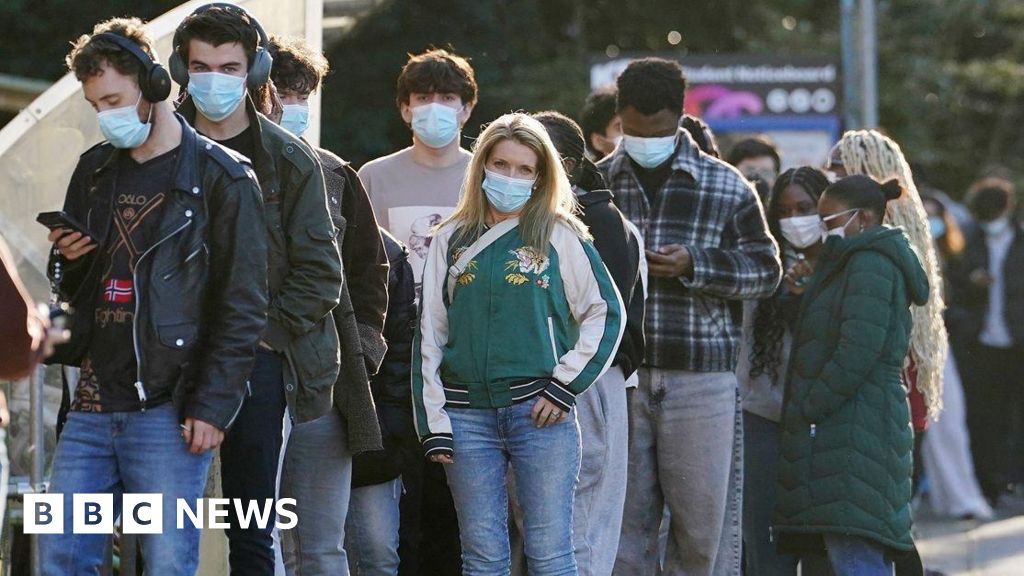
Most concerning is the tragic loss of life—two students, including Juliette Kenny, an 18-year-old described by her family as “fit, healthy, and strong,” fell victim to the disease. The outbreak peaked on 13 March, with 29 cases initially reported. As of recent reports, confirmed cases have decreased slightly to 23, yet the underlying threat remains. International institutions, such as WHO, often emphasize the importance of early detection and rapid response—mandates that local health authorities failed to fully implement during this crisis. The delays highlight a classic case study of how bureaucratic inertia and communication gaps can turn localized health issues into broader crises, especially in densely populated university environments where close contact accelerates transmission. Such events spark widespread debate among health analysts and historians, who warn that, without systemic reform, similar outbreaks could become a recurring threat amid ongoing global health challenges.

In the geopolitical context, the outbreak in Kent showcases the vulnerabilities of national health security in a world increasingly interconnected by travel and migration. Britain‘s response, including the rapid vaccination campaign starting on March 18 and the distribution of over 10,000 vaccines, underscores a critical lesson: preparedness and swift action remain paramount in containing infectious diseases. Yet, critics argue that the initial response was sluggish, exposing cracks in the UK’s public health infrastructure that could be exploited by both natural outbreaks and biological threats. Analysts suggest that these safety gaps weaken the overall resilience of nations and allow geopolitical rivals to exploit perceived weaknesses. Furthermore, the moral dilemma faced by health authorities—balancing process with urgency—reflects broader challenges faced by governments tasked with protecting their citizens amidst unprecedented health crises.

As the global community watches, the Kent meningitis outbreak acts as a stark reminder that history’s lessons remain ever-present: early detection, decisive action, and transparency are not just administrative ideals but vital components of national security. The cost of delay, exemplified by the loss of youthful lives, echoes through the corridors of history, warning future administrations that the true measure of a nation’s strength lies not just in its military might or economic power but in its capacity to safeguard the health and vitality of its people. The unfolding story in Kent is a chapter yet to be fully written—a testament to how urgent decisions, or the lack thereof, shape the course of history and define the resilience of societies under threat.

Health officials admit meningitis outbreak still not under control—youth safety at risk

Health Workers in England on Alert as Vaccination Campaign Continues

As England advances its extensive public health vaccination program, health workers across the nation are being urged to remain vigilant for signs of infection among the vaccinated population. Thousands of individuals have already received their COVID-19 jabs, a testament to the government’s commitment to curbing the pandemic. However, this widespread immunization effort introduces complex social challenges, particularly for families and communities already grappling with the ripple effects of the crisis.

While vaccination is a critical tool in the fight against the virus, public health experts warn that breakthrough infections, although rare, require careful monitoring to prevent transmission. Health professionals are being trained to identify symptoms early, ensuring swift isolation and treatment. The emphasis on meticulous health surveillance underscores a broader societal concern: how do we maintain trust and resilience within our communities amid ongoing health uncertainties? This question extends beyond medical protocols, touching on social cohesion and communal responsibility.

This ongoing health drive has significant implications for families and educational institutions. Schools, for instance, are navigating the delicate balance between reopening and safeguarding students. As vaccination efforts target vulnerable populations, questions arise about how children and young adults will be protected from the virus while maintaining essential social and educational development. Sociologists such as Dr. Jonathan H. Marks highlight that the pandemic’s disruption to routine social interactions may have long-term effects on community bonding and youth mental health. The challenge lies in ensuring that educational institutions are equipped not just with vaccines but also with resources to address new social and emotional needs.

The broader societal impact also concerns how cultural shifts and demographic changes are reshaping the fabric of society. The pandemic has exposed and exacerbated existing inequalities, deepening divides that threaten to fracture trust in institutions. The uneven access to healthcare and vaccination among different socioeconomic groups sparks concern among social commentators, who emphasize that true societal resilience involves bridging these gaps and fostering inclusive community engagement. Building trust requires a comprehensive approach—integrating healthcare, education, and social services—to ensure that all communities feel valued, protected, and heard.

Ultimately, society faces a pivotal moment: whether to succumb to fear and division or to leverage this crisis as a catalyst for meaningful transformation. As Dr. Robert Putnam reminds us, “communities thrive when social capital is prioritized, and collective effort triumphs over individual apathy.” The ongoing vaccination campaign could become a narrative of hope, underlying the importance of unity, moral responsibility, and shared purpose. For families, educators, and community leaders, the path forward entails not only managing health risks but also reaffirming the social bonds that underpin a resilient society—an acknowledgment that it is through our collective effort that society can emerge stronger, more equitable, and truly prepared for the challenges ahead.

Unprecedented meningitis surge alarms authorities, highlighting urgent societal risks

Public Health Crisis in Kent Sparks Broader Reflection on Society’s Preparedness

The recent confirmation of 15 cases of meningitis in Kent has cast a grim spotlight on the ongoing vulnerabilities within our public health infrastructure. This outbreak, which tragically resulted in the loss of two lives, underscores not only the immediate medical challenge but also the deep-seated societal issues that influence how communities respond to health crises. While infectious diseases remain a constant threat, the manner in which they interface with educational institutions, families, and local communities reveals much about the resilience and gaps within our social fabric.

The outbreak’s emergence in a region where young populations are typically the most vulnerable places the interplay between health and education systems at the forefront of concern. Schools, community centers, and youth groups serve as critical hubs of social interaction, but they also become potential vectors for communicable diseases if proactive measures are not universally enforced. According to sociologists like Dr. Emily Thomson, a researcher on public health and social equity, “When health disparities intersect with educational access, the societal fallout isn’t just medical—it’s fundamentally about the cohesion and future stability of our communities.” This reality emphasizes the importance of robust vaccination programs and targeted outreach to vulnerable demographics, particularly in areas where social tensions, socio-economic disparities, and resource limitations exacerbate existing vulnerabilities.

For families, the outbreak raises pressing concerns about the safety and well-being of children and elderly members. Many parents and guardians question the adequacy of local healthcare responses, fueling debates about governmental priorities and community responsibility. As historian David Ramirez notes, “Public health crises often act as a mirror, revealing the strengths and weaknesses of our societal commitments to collective welfare.” In marginalized neighborhoods, where access to healthcare can be unpredictable, outbreaks like this further widen existing social divides, challenging notions of fairness and shared civic duty.

Addressing such challenges demands a focus on sustainable solutions that go beyond immediate containment.

  • Strengthening local healthcare infrastructure
  • Implementing proactive vaccination and education campaigns
  • Fostering community-led health initiatives
  • Ensuring equitable access to medical services across socio-economic lines

The Kent meningitis case reminds society of the pressing need to reconnect health security with social justice. As social commentators argue, an unprepared and fragmented response not only endangers lives but also sows distrust and division within communities. To heal and build a resilient society, emphasis must be placed on unifying efforts that prioritize human dignity, shared responsibility, and preventive health measures. In the face of invisible epidemics and societal fissures, the hope for renewal lies in our collective ability to learn, adapt, and forge a future where crises no longer divide, but serve as catalysts for building stronger, more just communities.

UKHSA Watches Closely as Brighton University Meningitis Cases Emerge

Rising Concerns Over Meningitis Among Students Highlight Societal Challenges

The recent diagnosis of two students at the University of Brighton with meningitis has reignited concerns over public health vulnerabilities and social awareness. The UK Health and Security Agency (UKHSA) has emphasized its vigilance, closely monitoring the situation as the community grapples with this potentially fatal yet often misunderstood disease. While the university reports that both students are recovering and that those who had close contact are receiving precautionary treatment, the incident underscores a broader societal issue: the lack of widespread awareness about early symptoms of serious illnesses and the social dynamics that may hinder prompt medical attention, especially among youth.

Social Tensions and Cultural Shifts in Health Vigilance

Health sociologists have pointed out that young adults often dismiss early warning signs of illnesses as mere inconveniences or minor ailments. Charlotte Flynn, a health protection consultant at UKHSA South East, notes that symptoms like fever, headache, and fatigue can be easily mistaken for more benign conditions such as hangovers or flu. This dangerous confusion is compounded by cultural shifts that prioritize resilience and independence, leading many students to ignore symptoms until medical intervention becomes urgent. Such delays not only threaten individual lives but also place strain on healthcare resources and community health programs.

Underlying this issue are social factors like patterns of communal living, peer influence, and a sometimes dismissive attitude towards health concerns. Historically, sociologists such as C. Wright Mills have highlighted how societal norms and power structures influence health behaviors. In the context of student communities, the social pressure to appear resilient or unaffected can discourage early reporting of symptoms, further complicating containment efforts. The university’s assertion that meningococcal bacteria do not spread easily—but only through prolonged, close contact—serves as a reminder that habits within these communities can either mitigate or exacerbate health risks.

Implications for Families, Education, and Society

  • Families face emotional stresses when a loved one falls ill, often feeling helpless amid the ambiguity of early symptoms. This distress can be compounded by imperfect knowledge or access to healthcare, particularly among socio-economically disadvantaged families.
  • Educational institutions bear the burden of balancing academic continuity with health vigilance, implementing measures that include information dissemination and contact tracing. As Brighton’s administration states, they have “gone above and beyond” in guiding students, yet the challenge remains to foster a culture of proactive health engagement.
  • Communities are tasked with fostering environments where health awareness is normalized and stigma surrounding illness is reduced. The incident raises questions about how to cultivate younger generations’ sense of personal responsibility while ensuring they do not feel overwhelmed by fears or misinformation.

As social commentators and sociologists like Zygmunt Bauman have argued, society’s capacity to adapt and respond to such challenges hinges on collective consciousness and moral commitments. The hope is that through improved education, community engagement, and responsible health practices, society can rebuild a culture that values early intervention and collective well-being. The tragic irony remains that, in a time of unparalleled technological and informational access, the very youth most vulnerable may be the least prepared to recognize the signs that could save their lives. Society stands at a crossroads—where understanding, vigilance, and compassion could turn today’s crisis into a catalyst for societal resilience and transformation.

Social Media Auto Publish Powered By : XYZScripts.com