Matox News

Truth Over Trends, always!

Rishi Sunak Joins Microsoft and Anthropic as Advisor, Embracing Tech Leadership

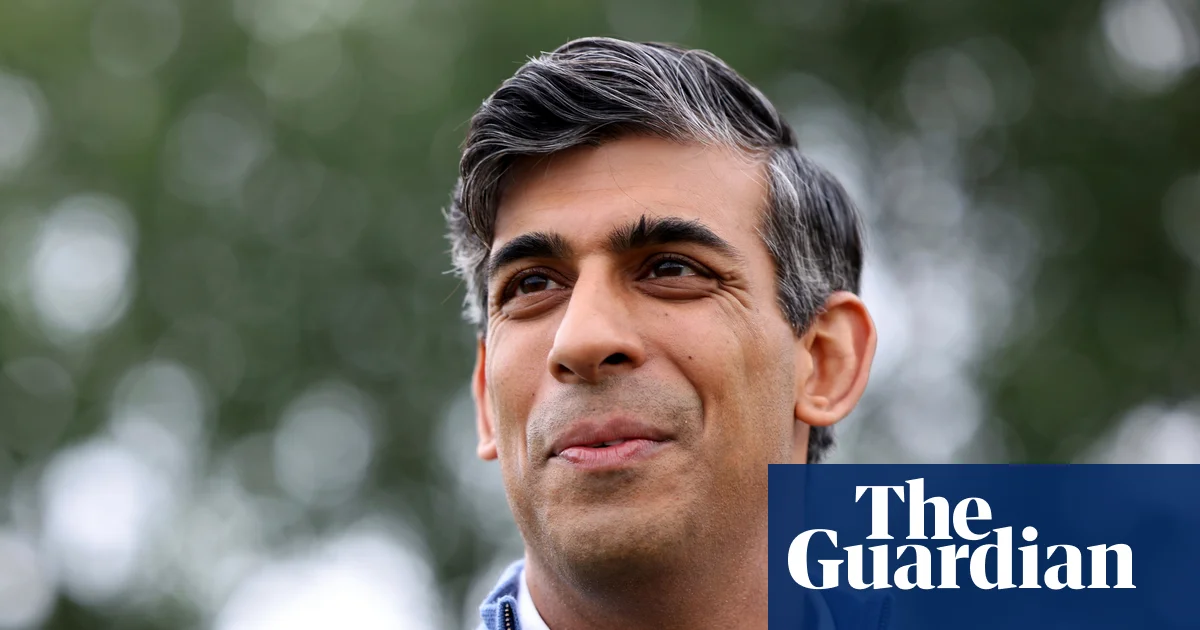
In a move that underscores the shifting tide of global influence and the intertwining of politics and big technology, Rishi Sunak, the former UK Prime Minister, has secured prominent advisory positions with Microsoft and Anthropic. These appointments, officially disclosed through the Westminster Advisory Committee on Business Appointments (Acoba), mark a significant development not only for Sunak’s career but also for the geopolitical landscape shaped by the relentless advance of artificial intelligence and digital dominance. As Sunak joins these tech giants, the global community must scrutinize the deeper geopolitical impact—what such insider influence signifies amidst rising tensions over technological supremacy and international regulations.

  • Sunak’s new roles include advising Microsoft, a titan with a market capitalization surpassing $3.9 trillion, which has been at the forefront of AI and cloud computing innovation and has extensive collaborations with governments across the globe.
  • The appointment follows his previous engagements—serving as a senior adviser to Goldman Sachs, and as a paid speechmaker for US investment giants like Bain Capital and Makena Capital, which collectively have earned him over £150,000 per engagement.
  • Sunak’s strategic meetings with key figures, including Bill Gates and representatives from OpenAI, coincided with major investments and agreements—most notably his £2.5 billion deal to establish new datacentres aligned with Microsoft’s push into AI infrastructure and digital transformation.

The geopolitical implications of these developments cannot be overstated. As Sunak continues to bridge the worlds of politics and technology, critics argue that the lines between national governance and corporate influence are blurring to an unprecedented degree. This is particularly significant as nations worldwide grapple with the security risks associated with advanced AI—risks that include economic disruption, information manipulation, and even political interference. Historians and analysts warn that such revolving door politics may reshape national sovereignty, raising questions about the ability of democratic institutions to regulate powerful industry giants whose influence now straddles global borders.

Furthermore, the technological rivalry between superpowers—particularly between the United States and China—is intensifying, with AI and digital infrastructure at the center of strategic competition. The U.S. government’s deepening ties with corporate giants like Microsoft and Anthropic signal an era where liberal democracies may increasingly rely on private sector alliances to maintain their technological edge. Meanwhile, China advances its own AI initiatives, aiming to challenge Western dominance; but the depth of Western corporate influence, exemplified by Sunak’s appointments, complicates the narrative of national independence in the tech race.

International organizations and security analysts emphasize the importance of transparent regulation amidst the geopolitical shifts. The European Union, for example, is pursuing rigorous AI legislation, seeking to curb undue influence and safeguard societal interests. Yet, in London, the recent acceptance of Sunak’s advisory roles, coupled with the prior government’s involvement in blocking deals like Activision’s overhaul, signals a divergence from a clear regulatory trajectory. It hints at a future where Corporate-Political alliances may supersede the public’s oversight, potentially jeopardizing societal trust and national security in the process.

As the layers of this unfolding saga are peeled back, the world stands on the precipice of profound transformation. Will the decisions forged in smoke-filled rooms among billionaires and ex-politicians shape a new era of digital dominance, or will they serve as a cautionary tale about unchecked influence and the perils of technological hubris? The weight of history, as it continues to be written, reminds us that in the age of rapid innovation, every alliance, treaty, and appointment reverberates beyond borders—reshaping the very fabric of societies and the geopolitical chessboard itself. This ongoing drama is far from over; indeed, it is only just beginning, with the next chapter poised to define the course of our collective future.

Tech giants’ climate bets face Trump crackdown as funding gets scrutinized

Tech Giants and Policy Shifts Signal Disruption in Carbon Removal and AI Development

The recent rollback of federal funding for direct air capture (DAC) initiatives marks a pivotal juncture for the American tech and energy sectors. Under the Biden administration, extensive investments, including a $3.5 billion initiative to establish regional DAC hubs, aimed to solidify U.S. leadership in innovative climate tech. However, with the emergence of a new administration openly skeptical of climate action—underlining a concerted effort to undermine these initiatives—the landscape is shifting dramatically. President Trump’s FY2026 budget proposal, which targets ending funding for DAC, hydrogen hubs, and other clean energy projects, effectively stokes uncertainty in a sector that has already been disrupted by ideological battles.

This policy retreat reflects a broader trend of disruption in clean energy innovation. Major corporations such as Microsoft and Amazon have committed billions toward carbon removal, betting on DAC as a pathway to a carbon-negative future. Yet, the recent funding cuts threaten to derail these forward-looking investments. Notably, startups like California-based CarbonCapture have announced plans to relocate projects internationally, citing the lack of U.S. governmental support. The decline underscores a shrinking window for American leadership in disruptive climate technologies.

Meanwhile, disruption extends into AI development. As tech giants expand their AI infrastructure—building energy-intensive data centers and hardware—their carbon footprints have paradoxically grown, despite commitments to sustainability. Analysts warn that reliance on DAC to offset escalating emissions could be a pseudo-solution, diverting attention from essential emissions reductions. Industry leaders like Peter Thiel and MIT researchers emphasize that innovation in breakthrough clean energy tech—such as advanced nuclear or fusion—must remain a priority, or risk ceding global dominance to nations like China, aggressively investing in next-generation clean tech.

Business Implications and Future Outlook

The implications of these developments are profound. With governmental support waning, American corporations face a strategic inflection point: to prioritize internal innovation or to significantly reduce reliance on uncertain policy outcomes. The Biden-era push for regional DAC hubs and public-private partnerships set the stage for U.S. dominance in climate tech; now, partisan polarization threatens that edge. The disruption could accelerate the shift of clean energy investments abroad, particularly to Canada and Europe, which remain committed to climate innovation, potentially leaving American firms at a competitive disadvantage. The window for reclaiming global leadership narrows, compelling industry leaders and policymakers to act decisively and creatively.

Going forward, urgent action is required to mitigate the impact of policy fluctuations. Innovation hubs, private capital, and strategic partnerships will determine whether the U.S. can maintain its technological edge. As Elon Musk and others advocate for a focus on disruptive technologies—such as quantum computing, breakthrough energy, and AI—only a bold, unified approach can counterbalance the current trend of retreat and fragment. The coming years will be crucial in defining the direction of American tech and energy sectors — the race for future dominance is on, and the time to lead is now.

Trump calls on Microsoft to dismiss global affairs chief Lisa Monaco

Microsoft Under Scrutiny as Political Tensions Hit Tech Leadership

The intersection of politics and cutting-edge technology continues to reshape the landscape of corporate governance and national security. Microsoft has found itself embroiled in controversy following the appointment of Lisa Monaco as the company’s president of global affairs. Formerly a senior National Security aide under Barack Obama and Deputy Attorney General under Joe Biden, Monaco’s role grants her access to highly sensitive information, raising concerns among critics about potential conflicts of interest and security vulnerabilities. This political friction underscores a broader trend where deliberations over national security intersect directly with corporate decision-making—an environment that demands innovation in security protocols and strategic agility from tech giants.

In response to critics, notably former President Donald Trump, who called for her immediate dismissal citing national security concerns, the debate highlights the evolving business implications of such appointments. Trump’s administration rescinded Monaco’s security clearance earlier this year, reflecting ongoing efforts by political figures to influence corporate leadership roles through security and ideological lenses. Meanwhile, Microsoft’s response to the controversy remains cautious, with TechCrunch reporting that Monaco assumed her role in May, overseeing cybersecurity policies and international diplomatic relationships—an area where technological disruption is critical to maintaining security and competitive advantage.

Beyond the immediate political fallout, this controversy exemplifies the **disruption** occurring within the tech industry—particularly around national security and business strategy. Critics like right-wing activist Laura Loomer have used the controversy to allege unfair political bias, urging for termination of all Microsoft government contracts. This political activism amplifies the already complex challenges of balancing innovation and security with public relations and political pressures. It also signals a larger industry trend: tech firms are increasingly becoming battlegrounds for ideological influence, with the potential to impact major contracts, international negotiations, and global security strategies.

Strategic Market Shifts and Industry Disruption

As governmental oversight tightens, industry leaders must innovate rapidly—particularly in cybersecurity and geopolitical risk management—to sustain their competitive edge. The industry is witnessing unprecedented disruption in how tech companies navigate political landscapes. Notable milestones include increased partnerships with foreign governments, integration of advanced AI for threat detection, and hybrid policies that better align corporate governance with national security requirements.

Experts from institutions like Gartner warn that failures to adapt could threaten market stability, prompting a wave of strategic investments aimed at safeguarding data sovereignty and operational integrity. The forward-looking trajectory indicates that those who prioritize security innovation—such as deploying decentralized blockchain governance models or integrating AI-driven threat intelligence—will dominate the next decade. However, the evolving political environment necessitates bold, disruptive strategies, where swift executive decisions and unwavering commitment to security can spell both success and peril.

Conclusion: An Urgent Call for Innovation and Vigilance

The ongoing saga featuring Microsoft and its leadership exemplifies a broader narrative—where the future of technological dominance hinges on resilience, innovation, and the capacity to navigate geopolitical turmoil. Industry leaders must act swiftly, deploying disruptive innovations that secure both their platforms and their reputations amidst mounting political risks. As emerging technologies like AI, quantum computing, and blockchain continue to revolutionize the digital realm, the capacity to adapt to this rapidly shifting landscape will determine which firms lead—and which fall behind. The imperative for bold vision and relentless security innovation has never been more urgent in shaping a resilient, competitive global tech ecosystem.

Social Media Auto Publish Powered By : XYZScripts.com