Matox News

Truth Over Trends, always!

Microsoft under fire again over Windows security recall—what’s really at stake?

Microsoft’s Recall AI: A Cybersecurity Disruption or a Flawed Innovation?

In a landscape where privacy concerns and cybersecurity vulnerabilities are reshaping the trajectory of digital innovation, Microsoft’s Recall feature exemplifies the double-edged sword of revolutionary technology. Announced as an AI-powered tool designed to monitor and aggregate a user’s digital footprint—screenshots, messages, emails, browsing history—Recall promised a new frontier in data management and cybersecurity. However, the technology has encountered significant hurdles, exemplifying how disruption often comes with unforeseen risks. Designed to create a secure vault harnessed by Windows Hello authentication and virtualization-based security enclaves, Recall’s core promise was to shield sensitive information from latent malware—malicious code capable of riding along during authentication or process rendering. Yet, recent expert analyses, most notably by cybersecurity researcher Alexander Hagenah, reveal fundamental security flaws in Microsoft’s approach.

Hagenah’s creation of TotalRecall Reloaded—a tool that extracts data from Recall—serves as a stark warning to industry leaders. It demonstrates how “latent malware” can bypass Microsoft’s vault protections by silently activating Recall’s timeline and forcing user authentication, thereby gaining access to sensitive captured data. This exposes a critical gap: while Microsoft commits to unbreakable enclave technology, Hagenah’s findings suggest that the “trust boundary ends too early,” allowing malware to exploit the interface between secure storage and unprotected processes. Microsoft’s claims that their VBS enclave and timeout protections are sufficient are challenged by practical demonstrations of bypasses, raising the question: are we truly secure, or are we just betting on partially intact walls?.

This industry-facing debate highlights a larger trend—the risk of over-reliance on cryptography and hardware enclaves without comprehensive architecture scrutiny. Microsoft argues that their measures prevent malware from “riding along” with authentication, but Hagenah’s critique, echoed by security veterans, emphasizes that decrypted content is still rendered in environments vulnerable to injection and memory exploits. This frames a disturbing reality: malware capable of secretly sitting in the background could hijack memory or monitor decryptions regardless of whether Recall’s vault is technically “secure”. The implications extend beyond Recall, hinting at systemic vulnerabilities in Windows security architecture—a challenge that classic security layers may not fully address in an emerging era of AI-driven attack vectors.

For tech innovators and disruptors, Microsoft’s Recall saga exemplifies crucial lessons: disruption must be paired with rigorous security paradigms. As industry giants such as Gartner analysts suggest, the future belongs to those who can attain a delicate balance—advancing innovation while safeguarding user trust. Companies must ask: are they deploying features that are truly tamper-proof, or just inviting a new class of vulnerabilities? With artificial intelligence increasingly entrenched in operational cores, and malware evolving in sophistication, the urgency to iterate on security frameworks is more pressing than ever. The ever-present risk is that, in an attempt to outpace cyber threats, enterprises may foster a false sense of security—leaving vital data exposed to unseen infiltration.

Looking ahead, the trajectory of tech innovation signals a need for deep integration of security considerations at every architectural layer. The disruption triggered by Recall exposes a fundamental truth: the future of cybersecurity hinges on the ability to think ahead—anticipating vulnerabilities before they are exploited. As Microsoft and its competitors refine their AI and security architectures, a sense of urgency surges. Today’s breakthroughs could easily morph into tomorrow’s vulnerabilities if innovation outpaces security. For the contemporary youth, this moment marks a demand: advocate for resilient, disruptive tech that prioritizes security as a foundational element—not an afterthought—lest the promise of AI-driven services become a Trojan horse for cyber chaos.

WireGuard Dev Blocked by Microsoft, Puts Updates on Hold—Youth Tech World Reacts

Microsoft’s Account Lockout Crisis Disrupts Critical Open Source Projects, Signals Industry Wake-Up Call

In a troubling development for the open-source and cybersecurity communities, WireGuard, a leading VPN protocol powering security solutions like Mullvad and adopted globally for its lightweight yet robust security features, has been effectively sidelined. The creator, Jason Donenfeld, reports being locked out of his Microsoft developer account, rendering him unable to ship vital updates for WireGuard for Windows. This incident underscores a broader and disturbing trend of unannounced account suspensions impacting crucial software projects and raising questions about the resilience of the infrastructure that supports digital innovation and security.

The impact of this lockout extends beyond WireGuard. Industry observers point out parallels with other high-profile cases, such as VeraCrypt, a widely used encryption tool with hundreds of thousands of users. Both projects faced sudden account termination without prior warning, halting updates and potentially exposing users to vulnerabilities. Mounir Idrassi, the VeraCrypt developer, highlighted the significant risk posed by such disruptions, noting that the inability to push critical updates due to account suspension threatens the very security guarantees that open source promises its user base. This phenomenon demonstrates a worrisome shift in industry power dynamics, where even open source projects—traditionally considered resilient—are vulnerable to unilateral platform decisions.

Innovation and Disruption in the Tech Infrastructure

This incident marks a pivotal moment for the broader software and security ecosystem. Microsoft‘s new mandatory account verification process, supposedly designed to enhance security, inadvertently introduces significant operational risks for developers. As Donenfeld explained, he was subjected to an “access restricted” error despite having verified his identity through third-party verification providers. The process, part of Microsoft’s Windows Hardware Program, required developers to upload government-issued IDs, a move that aligns with efforts to combat counterfeiting and malicious hacks, but also concentrates immense power in Microsoft’s hands—power that can disrupt entire projects if misused or misjudged.

  • Developers unable to ship updates, leaving software exposed to potential vulnerabilities.
  • Open-source projects face higher risks of operational failure due to platform dependency.
  • Potential threats to security and user trust if critical updates are delayed or blocked.

Industry analysts like Gartner increasingly warn about the consequences of over-centralization in platform control, emphasizing that *innovation thrives in environments that balance security with developer autonomy*. The lockout incidents at Microsoft exemplify the tipping point where cloud and platform monopolies threaten to undermine that balance, pushing open source and innovative startups into precarious positions.

Implications for the Future of Tech and Industry Response

While Microsoft’s support team has indicated that the verification program has concluded and that efforts are underway to resolve these issues, the incident underscores an urgent need for industry-level reforms. The ongoing sidelining of key projects signals a fundamental question: How resilient is the modern software ecosystem to platform policies and algorithmic gatekeeping? Tech entrepreneurs, led by visionary figures like Elon Musk and Peter Thiel, stress the importance of decentralization, open standards, and resilient infrastructure as vital countermeasures to preserve innovation in a rapidly converging digital future.

Forward-looking industry leaders acknowledge that this crisis is a wake-up call. If the industry does not develop mechanisms to prevent such disruptions—such as decentralized identity verification, regulatory safeguards, or alternative distribution channels—the risk of stagnation and security compromise will only grow. The clock is ticking for developers, enterprises, and policy makers to rethink reliance on monolithic platform ecosystems. An era of disruption driven by platform dependency is upon us, and the need for resilient, open, and flexible technological infrastructure has never been more urgent.

The coming months will be critical as stakeholders work to restore the affected projects and explore resilient avenues of software deployment. As the industry stands at this crossroads, reflective of an entrenched oligopoly, the battle for control and security in the digital age is only intensifying. The choices made now will define the landscape of innovation for years to come—marking a period where agility, autonomy, and resilience become the strategic pillars of technological progress.

Try the Xbox Full Screen Experience on any PC or tablet—game on the go!

Microsoft Reinvents Gaming with Full Screen Experience (FSE) Expansion Across Windows Devices

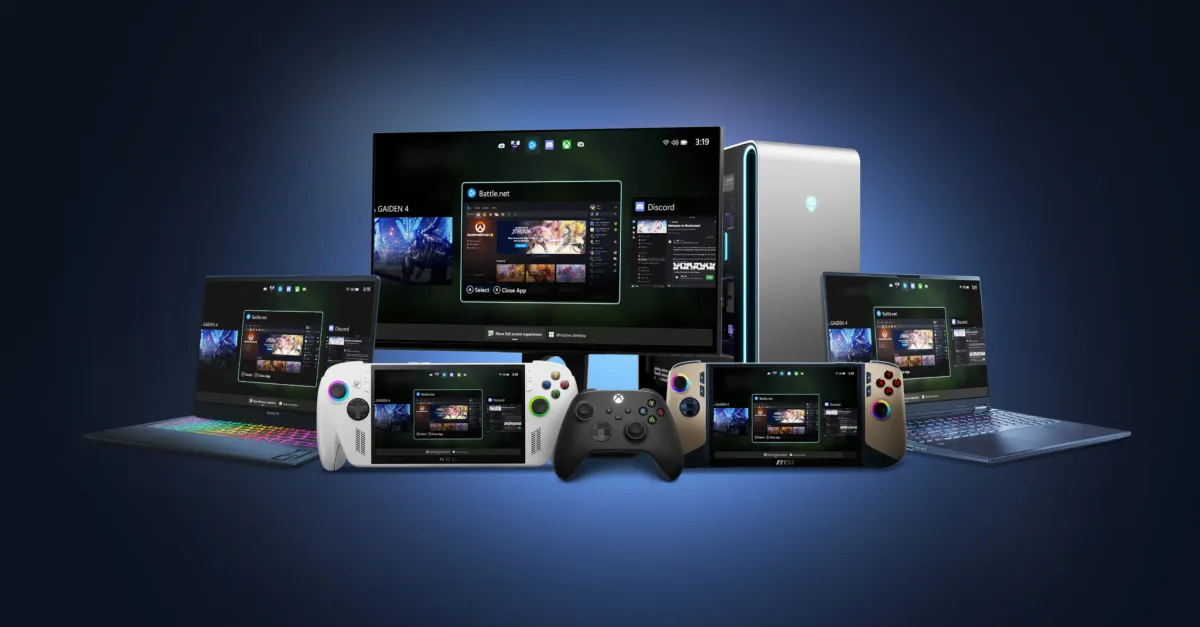
In a significant move toward disruption of traditional gaming interfaces, Microsoft has announced the expansion of its Full Screen Experience (FSE) to a broader range of Windows devices — including laptops, desktops, and tablets — via the latest Windows Insider Preview Builds. This development underscores the company’s strategic push to integrate a more immersive, console-like gaming experience into everyday computing, creating a paradigm shift in how users engage with games across multiple form factors. The rollout, currently in the experimental Dev and Beta channels, is a clear sign of Microsoft’s intent to fuse console and PC gaming, bridging hardware ecosystems and setting new industry standards.

The FSE feature, which was previously limited to select Xbox Insider environments, is now more accessible, offering users a more streamlined, high-fidelity, full-screen gaming immersion from their Windows PCs. To activate the feature, users simply hover over the Task View icon on the taskbar and select the Xbox full-screen experience option, or use the shortcut Win + F11. This straightforward interface enhancement, coupled with easy toggling in the Game Bar settings, demonstrates Microsoft’s focus on user-centric innovation — making powerful gaming features more intuitive and widely available. “Microsoft aims to challenge the boundaries between Windows and Xbox, delivering a seamless, console-like experience that could fundamentally alter desktop gaming,” notes industry analyst Sarah Chen of TechInsights.

However, the rollout isn’t universal yet. As Microsoft explains, access to FSE is “gradually rolling out” and requires the latest Windows Insider Builds alongside the Xbox app from the Microsoft Store. This phased approach reflects a strategic move—optimizing the technology while managing the massive scale of Windows’ global user base. SuchControlled rollout strategies are typical of Microsoft’s approach to innovation, allowing them to gather feedback and fine-tune the feature before a broad public release. The potential implications are profound, positioning Microsoft to challenge other gaming platforms and reshape user expectations—particularly as the industry shifts toward more integrated, high-performance gaming environments that leverage PC hardware and cloud services.

The broader implications of Microsoft’s FSE expansion reach well beyond just user experience. By enhancing the gaming capabilities of Windows devices, Microsoft is reinforcing its position as the dominant ecosystem for gaming, possibly disrupting competitors like Sony and Nintendo, which are more console-focused. Industry insiders believe this move could catalyze new business models around integrated hardware-software packages and cloud-based gaming services—areas where giants like Elon Musk’s Neuralink and Google’s Stadia are vying for dominance. Significant, too, is how Microsoft’s decision reflects a larger industry trend—a shift towards more versatile, immersive computing platforms that blur the lines between gaming and productivity, fueling a future where innovation accelerates at an unprecedented rate.

Looking ahead, the expansion of FSE on Windows signals an urgent need for gamers, developers, and tech enthusiasts alike to stay alert. As Microsoft’s strategy to embed high-fidelity gaming into daily computing unfolds, industry stakeholders must adapt and innovate swiftly, or risk being left behind in an evolving landscape driven by disruptive technology. The move toward more immersive, seamless gaming experiences is just beginning; the industry must now prepare for a future where the next big leap isn’t just hardware or software, but the integration of both into a holistic, user-focused ecosystem that redefines how and where we game. The race for the next generation of immersive tech is on, and Microsoft’s bold steps might just steer the industry toward a transformative era of digital interaction.

MP Slams Microsoft for Ripping Off NHS — Calls for UK Firms to Take Over

In an era where digital infrastructure is becoming the backbone of society, the growing reliance on U.S.-based technology giants like Microsoft raises profound social concerns within the communities and institutions of the United Kingdom. Recent parliamentary discussions have spotlighted how these multinational corporations, through multi-billion-pound contracts, have entrenched themselves within the very fabric of public services—most notably in the NHS. Allegations from members of Parliament suggest a disturbing pattern of monopoly power, where these corporations are accused of exploiting public funds for profit, thereby compromising the principles of sociotechnical sovereignty that should underpin a nation’s digital future. Such dependence not only drains taxpayer resources but also erodes public trust in the institutions meant to serve the people, affecting families, educators, and community safety alike.

Key figures such as Samantha Niblett, a Labour MP and former technology professional, have vividly criticized these arrangements, suggesting that corporations like Microsoft have “ripped off” the NHS through contracts that lock the public sector into overpriced, outdated systems. For example, the Department of Food and Rural Affairs’ renewal of Windows 10, now obsolete, demonstrates how entrenched reliance on foreign technology can lead to increased costs—resources that could otherwise be invested in community health, education, or social welfare. This phenomenon reflects a broader social tension: the loss of local control and the risk of dependency on entities outside national borders, which can destabilize communal resilience and threaten the moral fabric of society. Historian and social theorist Richard Wolin notes that such digital dependencies threaten to transform citizens into passive consumers rather than active participants in society, worsening social fragmentation and inequality.

Furthermore, the government’s pattern of awarding contracts to large U.S. technology providers—such as OpenAI, Google, and Anthropic—raises urgent questions about demographic shifts and the future of domestic innovation. Critics argue that these deals inhibit the growth of local tech industries, restricting opportunities for small, indigenous companies to develop and thrive. This situation not only hampers economic diversification but also impacts families and communities who rely on local employment and technological sovereignty. As MP Emily Middleton pointed out, the vast expenditure—around £1 billion annually—does not reflect value for money; instead, it illustrates a troubling pattern of complacency where the UK becomes a mere market for US digital giants, rather than a nation cultivating its own technological talents. Such reliance can deepen societal divisions, alienate communities from the digital tools designed to serve them, and undermine the shared trust necessary for social cohesion.

In response, parliamentarians like Murray emphasize the need to build sovereign tech capacity by fostering local innovation and streamlining procurement processes to make them more inclusive. This approach calls for societal and educational reforms aimed at empowering youth and future generations to participate actively in a digital economy rooted in national interests rather than foreign monopolies. As social commentator Dr. Susan B. Carle has argued, fostering a “culture of independence” in technological development is essential to nurturing the moral and civic virtues of a self-reliant society. Fundamentally, societal progress depends on our collective ability to reflect on these challenges—how social issues intertwine with technological dependence—and to envision a future where families and communities are not just consumers of technology but architects of their own digital destinies. Society must navigate the tension between technological advancement and moral sovereignty, lest we allow our shared future to be dictated by corporate interests rather than by the principles that uphold a free and resilient society.

Is Wall Street Losing Trust in AI?

Market Turmoil Signals Growing Caution in AI Sector

This week’s significant decline in tech stocks indicates a notable shift in investor confidence toward artificial intelligence (AI), a sector long hailed for its disruptive potential. The Nasdaq Composite Index experienced a sharp 3% drop, marking its worst weekly performance since April—coinciding with major geopolitical developments and tariff threats that continue to ripple through the market. While companies like Palantir, Oracle, and Nvidia have shown resilience historically, they have suffered double-digit declines this week, with Palantir falling by 11% alone. This downturn underscores the emerging market reality: AI’s rapid innovation is not only transforming industries but also triggering heightened investor scrutiny of valuations and growth expectations.

Recent earnings reports from industry giants reveal a sobering reality: both Meta and Microsoft have reaffirmed their commitment to deepening investments in AI, spending heavily to fuel future breakthroughs. However, rather than boosting confidence, these announcements have amplified concerns about whether current valuation levels are sustainable, given the market’s already high expectations. According to several analysts, including Gartner and MIT experts, valuations appear to be stretched and susceptible to sharp corrections amid ongoing geopolitical and economic uncertainties. Jack Ablin, chief investment officer of Cresset Capital, succinctly summarized the mood: “Just the slightest bit of bad news gets exaggerated… and good news isn’t enough to overcome this high bar of expectation.”

The disruption driven by AI innovation remains unprecedented, with some industry leaders arguing that the broader industry might be overestimating its near-term potential. Market shifts—marked by frequent overhypes and corrections—highlight the urgent need for a strategic reassessment among investors and tech firms alike. As Elon Musk and Peter Thiel have previously warned, disruptive technologies-driven sectors face a delicate balance: pushing the frontier of what’s possible while managing the inherent risks of overvaluation and market sentiment volatility. The current trend underscores a pivotal moment for AI, where foundational breakthroughs are increasingly intertwined with market narratives—potentially setting the stage for either explosive growth or painful corrections.

Looking ahead, the future of AI and related technologies hinges on how well industry leaders navigate this turbulence. Disruption remains inevitable; however, the business implications are clear: those who can harness genuine innovation without succumbing to hype-driven bubbles will shape the next era of technological dominance. The coming months promise heightened scrutiny, but also unparalleled opportunities for pioneering companies ready to redefine the boundaries of what AI can achieve. In this rapidly evolving landscape, urgency, foresight, and strategic resilience will separate winners from the rest—a principle that every forward-thinking tech enterprise must heed now, more than ever.

Microsoft’s new agent platform signals a rightward tech shift | The Verge

In an epochal shift within the technology landscape, Microsoft is positioning itself at the forefront of the AI revolution through groundbreaking developments unveiled at its recent GitHub Universe developer conference in San Francisco. As AI accelerates its encroachment into core facets of software development, disruption is becoming inevitable, signaling both opportunity and strategic recalibration for industry leaders.

The conference spotlight was on GitHub’s ambitious initiative to transform into an AI-powered coding hub with the introduction of Agent HQ. This new interface aims to serve as an ecosystem where outside coding assistants—including OpenAI’s Codex, Anthropic’s Claude Code, and emerging AI agents from Google, Cognition, and xAI—can seamlessly integrate with GitHub’s platform. These advances are designed to reinforce GitHub’s role as the connective tissue for AI-driven software development, effectively making it the central node where AI agents interact directly with vast codebases used by over 180 million developers globally.

  • Enhanced ecosystem openness, allowing multiple AI providers to plug into GitHub
  • Strategic move to maintain Microsoft’s centrality in the developer universe
  • Potential to embed AI as the default collaborator in coding workflows

Such strategic positioning underscores a clear mandate: to remain indispensable in an industry on the cusp of profound transformation. Jared Palmer, GitHub’s new senior vice president, emphasized the goal of fostering an “arms-wide-open ecosystem” where developers retain control, regardless of which AI tools they adopt. As Microsoft’s Jay Parikh, overseeing CoreAI, articulates, the focus is on “building better tools and fostering choice,” as the company accelerates efforts to integrate AI into every layer of software infrastructure. This approach aligns with industry analysis from Gartner, which asserts that the next decade will see AI become embedded in nearly all development tools—disrupting traditional workflows and redefining efficiency thresholds.

The implications extend beyond mere productivity gains. With Microsoft’s deep-rooted partnership with OpenAI—cited explicitly by CEO Satya Nadella as the catalyst behind the surge of AI coding innovations—the company aims to dominate the emerging “AI code economy.” Nadella’s reference to “the billion to ten-billion happened at GitHub” highlights a pivotal trend: AI-generated code is not just augmenting human effort but fundamentally altering the creative and specification phases of software engineering. This evolution is increasingly pushing humans towards design, strategy, and oversight, while delegating routine coding tasks to powerful GPUs and AI agents. Harvard’s MIT AI Lab and industry insiders warn that such disruption could render traditional development paradigms obsolete unless companies adapt swiftly.

Looking ahead, Microsoft’s strategic focus on disruptive AI integration signals an urgent call to industry players: those who fail to adapt risk obsolescence in a fiercely competitive AI arms race. The converging force of innovation, strategic alliances, and ecosystem decentralization suggests a future where agility and openness are paramount. The industry must accelerate investment in AI infrastructure, talent, and alliances, recognizing that the next wave of technological dominance hinges on early, bold action. As Elon Musk and Peter Thiel have long warned, this is the era where the first movers will captivate the market—those who recognize the industry’s tectonic shifts now will shape the digital future or be swept aside.

Windows Woes: The Real Hurdle for Handhelds

Microsoft’s Infamous Xbox Ally: A Reflection of Industry Disruption & the Rise of Linux-Based Innovation

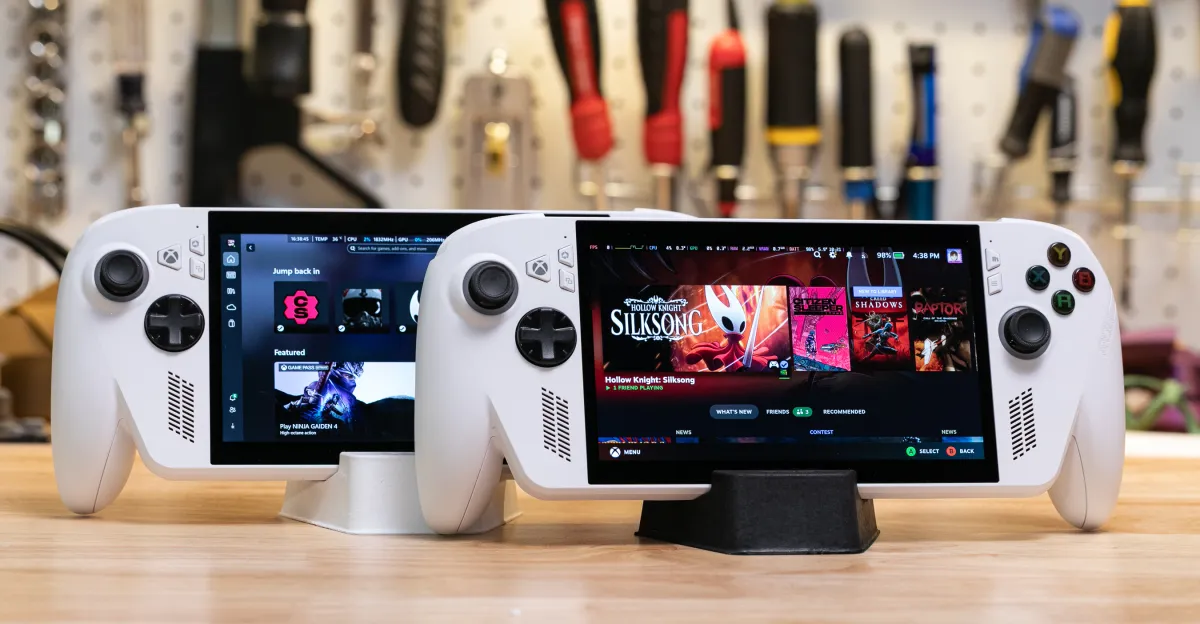
In an era defined by technological innovation and rapid disruption, the recent release ofMicrosoft’s Xbox Ally handheld console underscores a pivotal moment in gaming hardware evolution. Priced at a hefty $600, this device was engineered with high expectations—aiming to bridge the gap between traditional Windows gaming and portable entertainment. However, as reports emerge of fundamental flaws—such as unreliable sleep modes and battery drainage, the console highlights a disturbing reality: even the largest tech companies face critical challenges in optimizing hardware for portable, user-centric gaming experiences.

This misstep, seemingly a failure of Microsoft’s longstanding Windows ecosystem, starkly contrasts with Bazzite — a Linux-based firmware that is steadily disrupting the industry by delivering faster, more reliable performance. Notably, Bazzite significantly outperforms Windows in running Windows games, often by as much as 30%, and offers a smoother launch and wake experience, marking a notable shift in business implications. This Linux-driven innovation illustrates a broader trend where open-source communities, empowered by giants like Valve and MIT, are challenging established Operating Systems and forcing incumbents to rethink their strategies.

The Linux community’s rapid development of Bazzite showcases a disruptive capacity that rivals, and in some cases surpasses, major OS platforms in specific niches such as handheld gaming. The community’s ability to swiftly address hardware issues—like fixing sleep mode failures within days of obtaining the device—exemplifies a new paradigm of collaborative innovation. Industry analysts from Gartner warn of potential obsolescence for traditional OS paradigms if legacy players like Microsoft fail to adapt swiftly to this wave of open-source disruption. With Linux-based firmware offering more *customization, speed, and stability*, gamers and developers alike are reconsidering the value proposition of proprietary software monopolies.

Looking into the future, the industry’s battlefield is shifting. Companies that embrace adaptability, foster disruption-driven innovation, and forge successful partnerships with open-source communities will dominate the next frontier. The displacement of Windows in portable gaming, as illustrated by the success of Linux firmware like Bazzite, signals that the era of monopoly-based OS control may be waning. Industry leaders, including Elon Musk and Peter Thiel, have long championed disruptive entrepreneurship; now, it is evident that disruption is not only a trend but a necessity for survival. The race is on: those who fail to innovate risk being left behind as a new wave of hardware disruptors—powered by open source—reshape the landscape of gaming and beyond.

Microsoft Teams narrows your privacy—now your boss will know when you’re out of the office

In an era where hybrid work models and remote working have gained unprecedented popularity, the return to office life has sparked a wave of technological innovations aimed at monitoring employee presence. Microsoft is now at the forefront with its latest Teams update, rolling out in December, that essentially turns the platform into a digital office snitch. The new feature leverages Wi-Fi connection data to automatically detect when an employee arrives at the workplace. Once connected to the office’s Wi-Fi, Teams registers your arrival; disconnect, and the platform notes your departure. While some see this as a helpful tool for managers, it also raises serious questions about privacy and employee autonomy.

This shift in workplace monitoring isn’t happening in a vacuum. Critics argue that the move represents a **cultural impact** where worker privacy is increasingly sacrificed under the guise of productivity and accountability. The update, which is off by default, can be enabled or disabled by tenant administrators. However, the mere availability of such a feature signals a broader societal shift towards constant surveillance in the professional sphere—an evolution that could redefine what it means to have privacy at work. For young professionals, many of whom grew up in an era of digital transparency, this raises a pivotal question: Is this the future of work or a new form of social control?

Historically, technology has been a tool for empowerment, but recent trends suggest it’s increasingly being used to monitor and regulate behavior. Influencers and analysts like Shoshana Zuboff, a renowned sociologist, warn about the erosion of individual freedoms as corporate surveillance expands. The concern is that the next step could be a society where employees are constantly under watch, with many tools designed not just for efficiency but for compliance enforcement. Interestingly, past experiments, such as Amazon’s return-to-office policies, faced backlash when employees found ways to spoof Wi-Fi SSIDs to avoid detection. This indicates a tension between tech-driven oversight and the human desire for autonomy—an ongoing tug-of-war for control in the digital age.

  • Top trends in workplace tech:
  • Location tracking via Wi-Fi as part of HR management
  • Increased integration of AI and automation in daily work
  • Leverage of chat tools for document and message management
  • Empowerment vs. surveillance: where will this balance tip?

Despite the controversy, Microsoft’s rollout seems to reflect an undeniable trend: employers increasingly seek seamless oversight amidst a workforce that still gravitates toward flexible work arrangements. This raises critical questions about social relevance and the future of privacy in the workplace. For the youth, particularly those fighting against the tide of hyper-surveillance, the core issue is whether technological innovation should serve us or control us. As Microsoft continues to enhance Teams, the broader conversation shouldn’t just be about productivity but about who controls the narrative of work and freedom in today’s digital society.

And here’s the next big question: as these tools become more sophisticated and deeply integrated into our daily lives, will society push back, or are we quietly accepting a future where privacy becomes a privilege? The answer could reshape not only our workplaces but the entire fabric of social life, forcing us to ask whether technological progress brings liberation or just a new set of chains.

Microsoft’s Rejected Office Icons: What Could Have Been

Microsoft’s Visual Overhaul: A Sign of Broader Innovation and Industry Shake-up

Microsoft has recently launched a refreshed set of Office icons, embracing a more modern, colorful, and flexible design language. This move is more than mere aesthetics; it reflects the company’s strategic pivot towards enhanced user experience, digital branding consistency, and a broader push for design-driven innovation within the enterprise software sector. By publicly sharing early design concepts, including radically different directions for Word, Excel, and PowerPoint, Microsoft signals its intent to stay ahead of the curve and adapt to the shifting expectations of a digital-first, youthful audience.

Disruption Through Design: A New Standard for Tech Giants

This icon refresh is emblematic of a larger trend among major technology firms embracing disruption through visual and UX innovation. According to industry analysts from Gartner and MIT’s Media Lab, visual identity updates often precede major product and process transformations, serving as a signaling mechanism for future capabilities. Microsoft’s initiative to experiment with different design concepts—some reminiscent of older Mac icons—indicates a deliberate strategy to balance nostalgia with innovation, and demonstrates how usability and brand coherence are now central to enterprise technology’s competitive edge.

  • Enhanced clarity and simplicity for intuitive user interaction
  • Better cross-platform consistency across Windows and iOS
  • Fostering a more youthful, dynamic brand image to appeal to next-gen users

Critics and design experts note that such visual reinventions are crucial for maintaining relevance in an evolving tech landscape. As Elon Musk emphasized in recent Tesla updates, disruption often begins with a fundamental shift in perception—what users see and feel. Microsoft’s latest move echoes a broader industry paradigm shift, positioning it as a bold innovator rather than a reactive player.

Business Implications and Future Outlook

The rollout of these redesigned icons, especially on platforms like Windows and iOS, demonstrates Microsoft’s commitment to a cohesive, future-proof ecosystem. This approach could serve as a template for other tech behemoths seeking to redefine their brand identity amidst stiff competition from startups and new entrants leveraging faster innovation cycles. Additionally, the strategic alignment with cloud-based collaboration tools—such as Teams, OneDrive, and Outlook—suggests that Microsoft sees visual coherence as integral to fostering higher user engagement and productivity.

Given the rapid pace of technological evolution, it is imperative for industry leaders and investors to monitor how such visual and UX innovations influence adoption patterns and productivity metrics. Disruption is no longer confined to functionality alone but extends deeply into perceptual and branding domains, inevitably impacting market share and long-term viability. As Peter Thiel and other thought leaders warn, complacency in innovation can soon become an existential threat in this hyper-competitive digital arena.

Looking ahead, the next few years promise intensified experimentation as companies seek to balance cutting-edge innovation with user-centric design. Microsoft’s visual metamorphosis signals a broader evolutionary phase, where visual and functional innovation intertwine to forge new standards of industry disruption. At a moment when the tech landscape is more competitive than ever, those who innovate rapidly and authentically will shape the future of work, communication, and enterprise technology—making the urgency for strategic, disruptive leadership unmistakably clear.

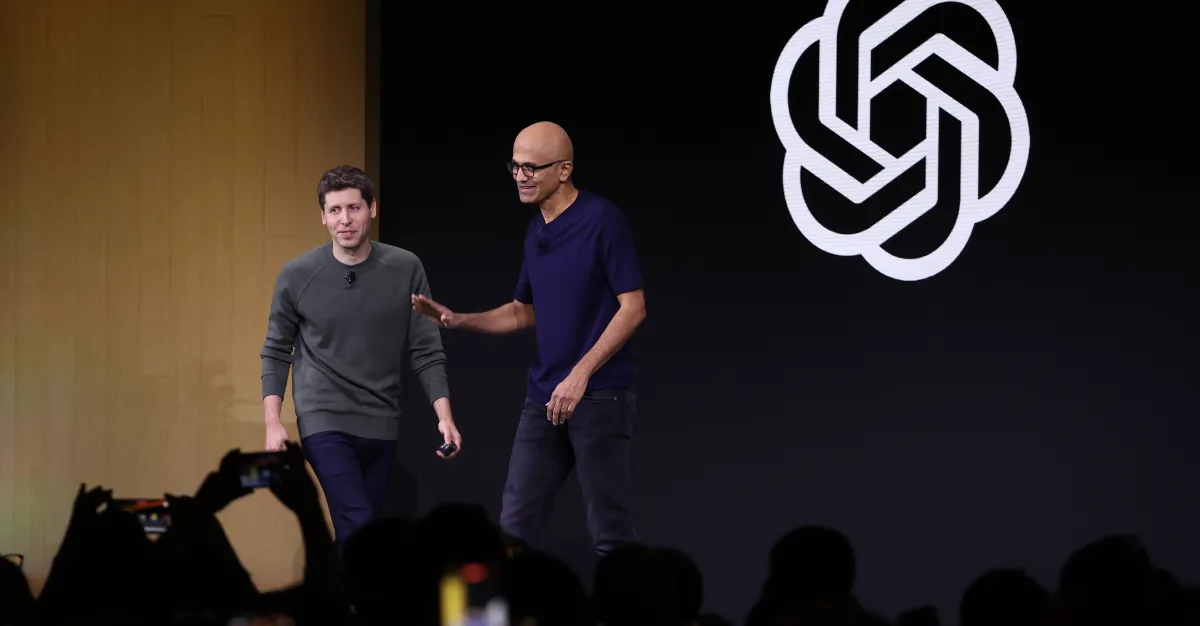
Microsoft’s Got AI Data Centers—While OpenAI Plays Catch-Up, Nadella Shows Who’s Boss

AI Infrastructure Evolution Accelerates with Nvidia and Industry Giants at Forefront

In a remarkable display of innovation and industry disruption, the latest advancements in AI hardware infrastructure signal a seismic shift toward dominance by tech titans such as Nvidia, OpenAI, and Microsoft. The deployment of a colossal AI system comprising over 4,600 Nvidia GB300 rack computers, powered by the highly sought-after Blackwell Ultra GPU chips, exemplifies the accelerated push toward supercharged AI capabilities. These systems utilize Nvidia’s cutting-edge InfiniBand networking technology, a strategic asset acquired through Nvidia’s 2019 $6.9 billion purchase of Mellanox, which has enabled unparalleled data transfer speeds critical for training today’s most advanced AI models.

The stakes are high as OpenAI, one of the most influential players in generative AI, ramps up its data center investments amidst reports of strained relationships with its partner Microsoft. With estimates suggesting OpenAI has committed over $1 trillion toward developing its own dedicated data centers, the firm’s strategic pivot underscores a broader industry trend: the race for AI sovereignty is intensifying. Notably, OpenAI’s recent high-profile data center deals with Nvidia and AMD signals a multi-vendor approach, aiming to diversify hardware dependencies and increase resilience.

  • OpenAI’s investments aim to support models with “hundreds of trillions of parameters”
  • CEO Sam Altman anticipates additional, soon-to-be-announced deals

Microsoft’s Strategic Positioning: A Power Play in AI Infrastructure

Meanwhile, Microsoft asserts its leadership by leveraging an extensive global network of more than 300 data centers across 34 countries. The company claims its infrastructure is “uniquely positioned” to meet the stringent demands of frontier AI workloads, capable of supporting models with unprecedented scale. This aggressive positioning underscores Microsoft’s intent to embed itself at the core of the AI revolution, facilitating the next wave of innovation that could reshape industries across sectors.

With AI models growing exponentially in complexity—aiming at horizons of hundreds of trillions of parameters—the deployment and management of such infrastructure will be key. Microsoft’s upcoming showcase at TechCrunch Disrupt 2025 illustrates its ambition to lead the narrative in this space, with CTO Kevin Scott expected to outline plans to scale AI workloads further. As the industry witnesses these developments, a new era of AI-powered business transformation is becoming non-negotiable.

Industry Outlook: Disruption as a Catalyst for Change

Experts such as Gartner analysts and MIT researchers emphasize that the convergence of hardware innovation and strategic data center investments marks a decisive turning point. Tech giants recognizing the need for self-sufficient AI ecosystems aim to outmaneuver traditional cloud providers, disrupting existing business models. This evolution underscores a broader warning: organizations that fail to adapt to the accelerating pace of innovation risk being left behind.

Looking ahead, the urgency is clear. The race to dominate AI infrastructure is not just about technological leadership but about shaping the future economic landscape. As Nvidia, OpenAI, and Microsoft push the boundaries of what current infrastructure can deliver, the industry must brace for a future where AI’s capabilities redefine competitiveness and market norms. The next decade will likely see a consolidation of power among these key players, with disruptive technology acting as the engine for exponential growth and strategic realignment.

Social Media Auto Publish Powered By : XYZScripts.com