Matox News

Truth Over Trends, always!

Lack of Iran War Plan Sparks Chaos, Threatens U.S. Military Future, Critics Warn

Escalation in the Middle East: A Turning Point in Global Power Dynamics

The recent conflict between the US and Iran has erupted into one of the most significant military interventions in the Middle East since the 2003 Iraq invasion. Under former President Donald Trump, the US launched overwhelming strikes aimed at toppling Iran’s leadership, marking a decisive shift from prior diplomatic efforts. Yet, as the military campaign unfolds, critics and analysts alike are warning that the aftermath could reshape the geopolitical landscape for decades to come, with ripple effects touching societies from Tehran to Washington, and extending globally.

The initial strikes caused devastating casualties, including the tragic death of 175 civilians in a girls’ school—an incident attributed to flawed targeting data, emphasizing how chaotic and unpredictable modern warfare has become. Iran’s military swiftly responded with a barrage of missile attacks, some of which disrupted regional stability by targeting US military assets in Kuwait and provoking firefights with drone strikes. The US military’s response, including the loss of six personnel, underscores the unexpected intensity and volatility of this conflict. Military analysts like Philip Gordon have noted that comprehensive planning was absent or incomplete at best, and the chaos seen thus far is consistent with the tactics Iran has historically employed—targeting neighbors and closing the Strait of Hormuz, a choke point vital to global oil supplies.

One of the most concerning turning points is the US decision to shift strategies from eliminating Iran’s nuclear ambitions to focusing heavily on opening the Strait of Hormuz. This strategic pivot, driven by economic imperatives—namely soaring oil prices—has injected an unpredictable element into an already complex conflict. As Michael Singh of the Washington Institute points out, each of these shifting objectives would require distinct military plans. Now, with Iran exercising its sovereign rights to blockade and threaten maritime trade, the risk of a protracted, globalized war looms large. The geopolitical impact here is profound—potentially dragging the US into a long, costly conflict that could diminish its military dominance and reshape alliances overnight.

Internally, US decision-making has been marred by prioritization of operational security over strategic coherence. The Trump administration’s efforts to bypass traditional diplomatic channels and excluded extensive planning with key agencies reflect a reckless approach, critics argue. This approach risks spreading resources thin, straining military capabilities across Asia and the Middle East—areas where adversaries like China and North Korea remain formidable threats. As Jennifer Kavanagh warns, the long-term consequences will likely include a significant erosion of US military power projection—an outcome that could alter global power balances for generations. The situation, as noted by historians and security analysts, resembles a critical historical juncture—one where decisions taken in the heat of momentous conflict could either cement US dominance or hasten its decline amid a shifting world order.

As this chapter in history continues to unfold, it leaves the international community at a crossroads—facing moral dilemmas, strategic ambiguities, and uncertain futures. The echoes of past interventions linger, warning that the pages of history often mark the beginning, not the end, of long-lasting global transformations. In the shadows of this chaos, the weight of present choices determines the course of the future—whether nations will find themselves embroiled in decades-long conflict or forge a new path toward stability. Time will tell if this is yet another turning point or the prelude to a darker chapter in the saga of international power.
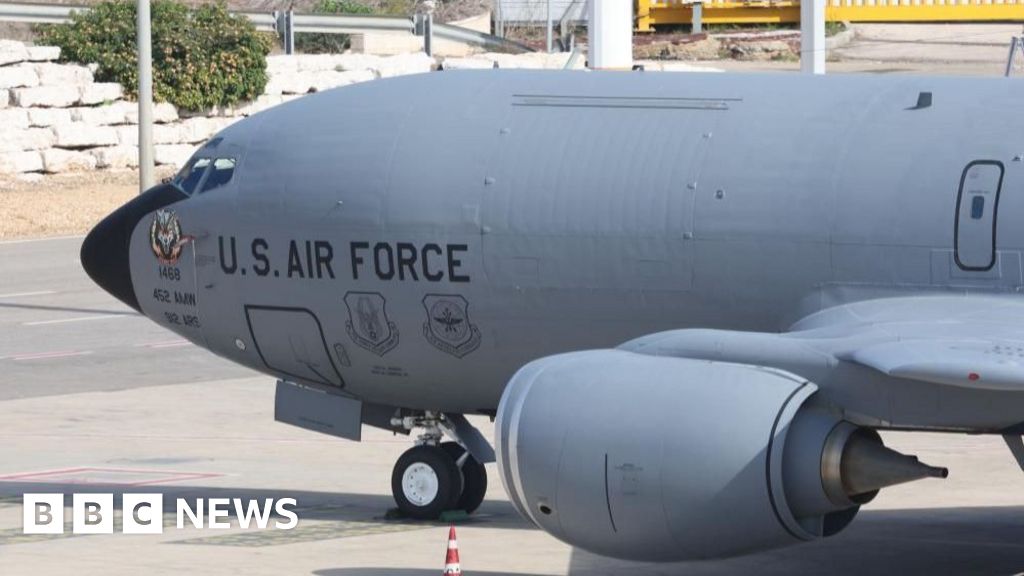
US refueling plane crashes in Iraq, military confirms—raising serious concerns

The US Central Command reported urgent rescue efforts underway after a refuelling aircraft went down over western Iraq. This incident, seemingly isolated on the surface, carries profound geopolitical implications at a time of ongoing regional instability and shifting international alliances. As rescue teams mobilize and investigations commence, analysts globally are scrutinizing the incident for underlying tensions that may go beyond a mere aviation mishap.

Historically, Iraq has been a focal point of international strategic interests, especially since the early 2000s. The recent incident highlights the persistent presence of the US military and its allies in the region—serving as both a deterrence against hostile actors and a reminder of unresolved conflicts. According to defence experts, such accidents often raise questions about the safety and preparedness of military systems operating in volatile environments. The incident underscores how recent shifts in regional alliances and increased military patrols—sometimes driven by covert geopolitical motives—are heightening the risk of mishaps that could escalate into larger crises.

International organizations and think tanks have weighed in, emphasizing that such accidents are rarely merely technical failures. Commentators like geopolitical analyst Dr. Maria Jensen warn that incidents involving US military assets in Iraq are potentially deliberate flashpoints. Furthermore, United Nations reports note that ongoing conflicts and unresolved territorial disputes continue to destabilize the region, with the risk of accidents escalating tensions among local factions, regional powers, and Western interests. Historical precedent reminds us that seemingly minor incidents can often serve as preludes to broader conflicts, especially when escalating narratives are already in motion.

As rescue operations unfold amidst a backdrop of regional unrest, the international community remains divided. While some nations call for restraint, others leverage incidents like this to justify increased military presence or covert operations. The incident portends a turning point—an inflection in the delicate balance of power—where even accidental mishaps might serve to justify stronger interventions or retaliatory actions. Such developments could profoundly impact not only Iraq and its neighboring countries but also the global geopolitical landscape, which remains on high alert for potential flashpoints.

Ultimately, the fate of the downed aircraft and the subsequent rescue efforts represent more than a military operation; they symbolize the fragile mosaic of modern geopolitics, where every incident can ripple across borders and ignite a chain of unpredictable consequences. As history continues to be written, the world watches with bated breath, knowing that within these events lie the seeds of future conflicts—reminding all of us that in the theater of international power, the line between accident and escalation is perilously thin.

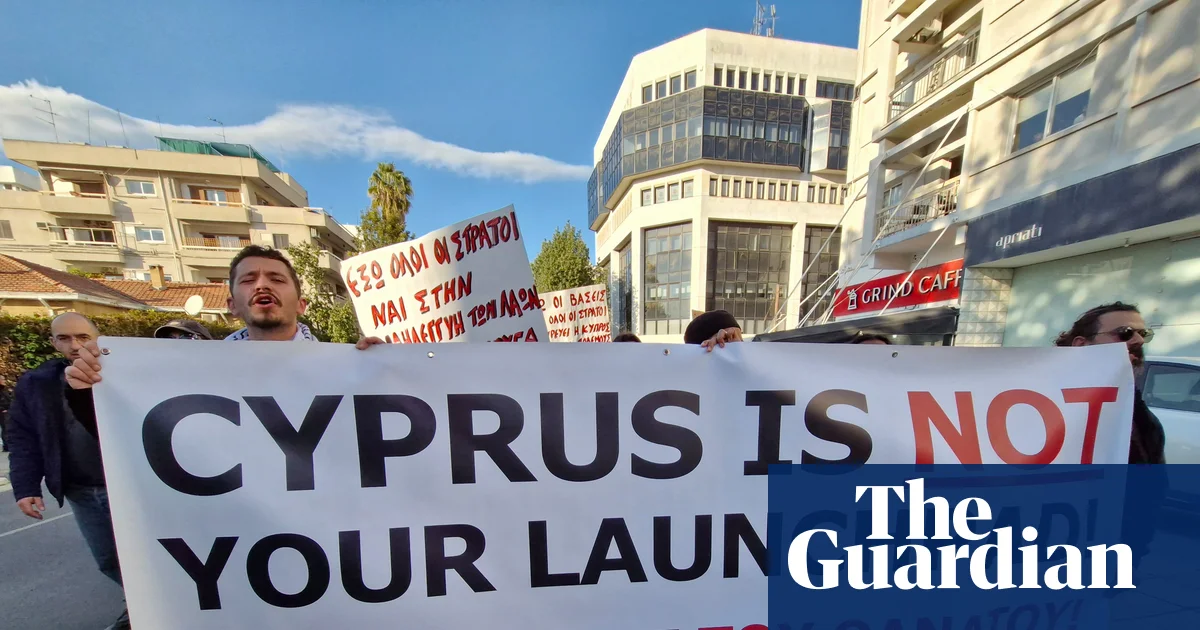
UK under pressure as locals demand removal of Cyprus military bases

In a dramatic escalation of regional tensions, Britain faces mounting pressure from Cyprus and international observers to withdraw its military bases from the island, amid a series of provocative attacks by regional actors. The unprecedented drone strike on RAF Akrotiri and subsequent interception of additional aerial threats have thrust the colonial-era installations into the geopolitical spotlight. Notably, the protests sweeping through Nicosia underscore a broader sentiment of resentment towards these bases, perceived by many as remnants of colonial dominance and potential catalysts for regional instability. As the island grapples with its complex history and contemporary security threats, the core question remains: how do decisions regarding these bases influence regional stability and the future of Cypriot sovereignty?

Analysts point to the increasing role of regional proxy conflicts and the evolving Middle Eastern landscape as critical factors fueling this crisis. The Cypriot foreign minister, Constantinos Kombos, disclosed that the drone responsible for the attack was launched from Lebanon, a nation long embroiled in turmoil and linked to Iran’s Islamic Revolutionary Guard Corps and Hezbollah. This connection signals a dangerous expansion of proxy warfare into the Eastern Mediterranean, with Iran seeking to extend its influence and destabilize U.S.-allied nations in Europe and the Middle East. The incident underscores the precarious security environment—an environment where British assets, especially the crucial RAF Akrotiri airbase, are now seen as targets in a broader regional chess game. This evolution of threats prompts a re-evaluation of Britain’s strategic interests and raises questions about the sustainability of foreign military presence in historically complex territories.

International organizations and military experts warn that the continued reliance on outdated colonial arrangements could have disastrous consequences. The NATO alliance, often positioned as the guarantor of regional security, faces its own internal struggles, especially with Turkey’s opposition to Cyprus’s NATO membership. Despite ongoing efforts to bolster Cyprus’s defenses with European military cooperation and rapid deployment of European ships and aircraft, critics argue that these measures fall short of deterring well-equipped adversaries armed with precision drone technology and proxy support. Needless to say, such vulnerabilities threaten not only regional peace but also the global balance of power, with potential ramifications cascading into international markets and diplomatic relations.

The unfolding crisis commands the attention of historians and geopolitical analysts who warn that this chapter in Cyprus’s history might prove pivotal. As historians note, the last major upheaval — the Turkish invasion in 1974 — reshaped the island’s political landscape. Today, the threat of renewed conflict and the expansion of proxy wars over strategic territories like Akrotiri cast a shadow over the island’s future. The decision by Oxford and London to maintain these bases, despite international protests, signals a stubborn commitment to preserving post-colonial military dominance—yet it also risks igniting a conflict that could eclipse even the past upheavals. With socio-political unrest simmering and calls for full Cypriot sovereignty growing louder, the question remains: will these historic quarrels deepen or finally give way to a new chapter of independence and peace? As the world watches, one truth persists—Rome wasn’t built in a day, and the flames of this unfolding saga have only just begun to ignite.

Australia updates: Wong hints at military aid in Middle East — no plans for offensive action against Iran, Victoria

Geopolitical Impact of Middle East Conflict and Domestic Unrest: Australia’s Strategic Position

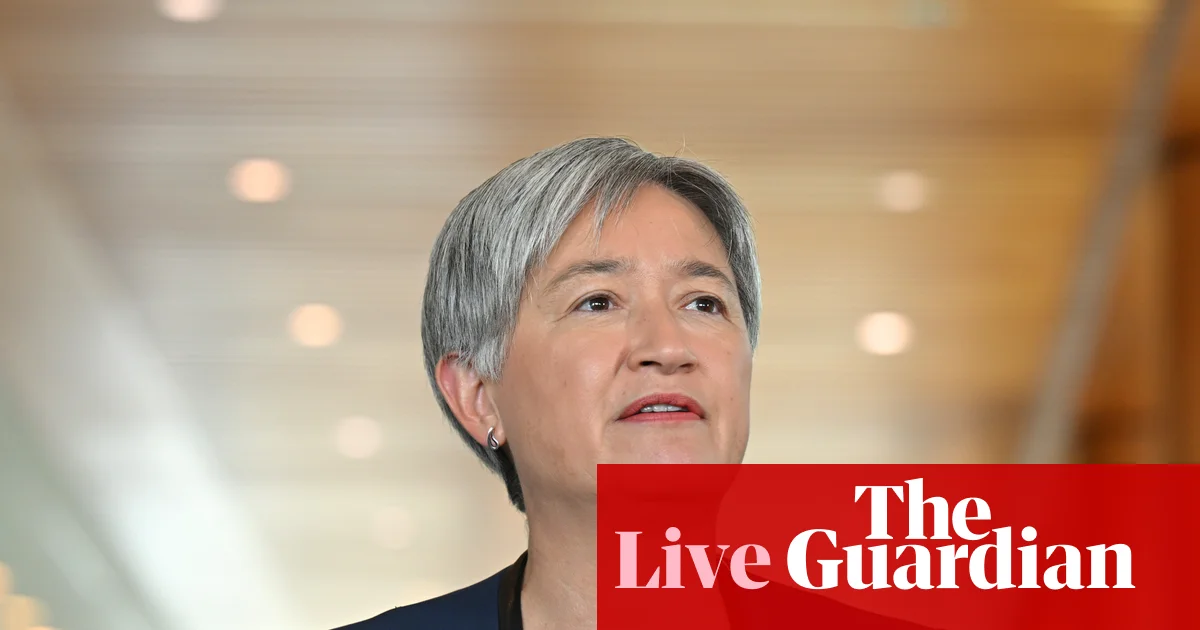
In an era marked by escalating international conflicts, Australia is carefully recalibrating its foreign and military policies amidst a complex web of regional tensions. Penny Wong, the nation’s foreign minister, has clarified that Australia will not engage in offensive actions against Iran, emphasizing instead Australia’s potential role in providing defensive military support to countries under threat. As regional powers like Iran ramp up missile and drone attacks, and non-participating nations face attacks through proxy tactics, the geopolitical landscape becomes even more volatile. The international community, including respected analysts and organizations like the United Nations, watches closely as Australia aims to balance its regional security commitments with prudent diplomacy, striving to avoid entanglement in a broader conflict.

The Australian government’s stance illustrates a cautious yet firm approach. Wong’s statements underscore a commitment to defending allies without crossing into offensive operations, a stance echoed by military strategists who warn against unnecessary escalation. The potential for “defensive military assistance” reflects a strategic necessity to safeguard regional stability, especially given Iran’s ongoing missile and drone deployment targeting non-participating countries. This approach signals a wider trend among Western allies, aligning with US and Israeli policies, but with an explicit limit: no ground troops. The decision—highlighted by analysts as a calculated move—aims to counter Iran’s expanding influence while avoiding a direct confrontation that could spiral into a larger regional war.

Domestically, Australia is experiencing its own turmoil, with violent incidents and political debates over security measures illuminating the broader societal impact of regional conflicts. Recent tragedies, including a savage knife attack at a Melbourne train station which resulted in the death of a bystander, have prompted urgent discussions about youth violence and community safety. Political figures like Mary-Anne Thomas and opposition spokespersons criticize what they call failures of the current community safety policies, invoking a heightened sense of urgency. This internal strife underscores how international crises often cast long shadows over social cohesion, as governments grapple with balancing national security with the need to restore public trust and safety.

  • Wong’s declaration that Australia could step in defensively in the Middle East, without offensive engagement
  • Iran’s relentless missile and drone assaults prompting regional instability and international responses
  • Australian repatriation efforts mobilized amidst rising regional violence—over 1,500 Australians evacuated from the Middle East
  • The internal crisis in Victoria, with youth violence and community safety at the forefront of political discourse

Historical scholars and international analysts warn that such strategic decisions carry profound geopolitical impact. The careful stance Australia adopts today could shape the future of regional alliances and influence global responses to Iran’s aggressive posture. Meanwhile, domestic unrest threatens to ignite larger societal debates about law, order, and national identity in a time of global upheaval. As policymakers walk this tightrope, the weight of history presses down—reminding us that the choices made in this volatile period will echo through generations.

The unfolding drama in the Middle East and within Australia’s borders leaves the world perched at a crossroads. Will this be a moment of restraint or the spark that ignites a broader conflict? As figures like Wong emphasize transparency and caution, the true test lies ahead—whether diplomacy prevails or history plunges into chaos, the next chapter remains unwritten. Humanity watches, holding its breath as the delicate balance between peace and war flickers in the shadows of history’s latestturning point.

Trump warns Spain: No trade without military base access

The recent decision by Spain to prevent United States military forces from utilizing its bases for strikes against Iran marks a significant turning point in international geopolitics. This move, announced amid escalating tensions in the Middle East, underscores a broader realignment of global alliances and sovereignty issues that are shaping the modern era of international security. It signals a departure from the longstanding implicit cooperation that has characterized U.S. military strategies in Europe, and highlights the growing assertiveness of nations seeking to carve out independent foreign policy paths.

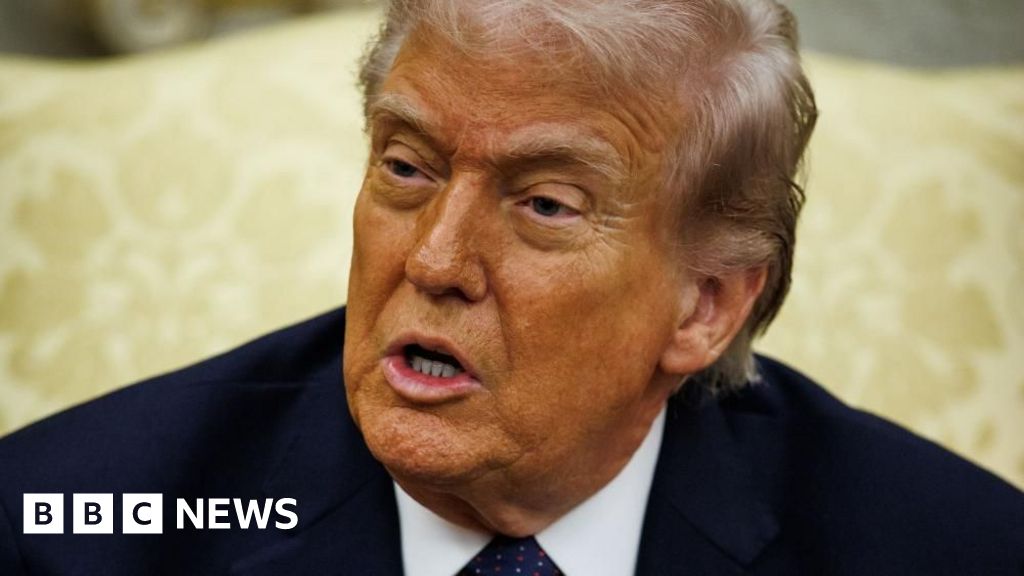
Following Spain’s decision, former U.S. President Donald Trump sharply condemned the move, arguing that it jeopardizes American national security interests and undermines the necessary, swift military responses to regional threats. His rhetoric reflected a broader concern among U.S. policymakers who view bases across Europe and the Mediterranean as critical assets in maintaining strategic dominance. The implications extend far beyond Spain itself; analysts suggest this could embolden other host nations to scrutinize or restrict U.S. military operations, thereby complicating America’s ability to respond effectively in a volatile Middle East. According to international security analysts, maintaining unimpeded access to bases is often seen as vital to U.S. strategic flexibility, especially in a region where rapid action can determine outcomes in conflict or diplomatic stalemates.

This development comes against the backdrop of a shifting geopolitical landscape where global influence is increasingly contested. Spain, which historically maintained a policy of strategic neutrality, appears to be asserting a more independent foreign stance amidst rising nationalistic sentiments and economic pressures. Meanwhile, Iran continues to challenge Western influence, with mounting concerns over nuclear proliferation and regional influence. The decision by Spain is being viewed by many experts as a reflection of a broader desire among Western nations to reassert sovereignty and diversify their security partnerships. American and European diplomats are now faced with the daunting task of recalibrating their military and diplomatic strategies to adapt to this new reality.

International organizations such as the North Atlantic Treaty Organization (NATO) have historically provided a framework for collective defense, but recent events underscore fundamental shifts. As historian Dr. Peter Roberts notes, “The era of unquestioned U.S. military supremacy in Europe is receding. States are increasingly willing to challenge the old order, asserting their independence in the face of global uncertainty.” The consequences of Spain’s move could intensify regional instability, change the balance of power in the Mediterranean, and influence future treaties related to military cooperation and sovereignty. This rising assertiveness not only reshapes alliances but also profoundly impacts societies that depend on stability, security, and the delicate balance of diplomacy and deterrence.

As history continues to unfold in the shadows of historic conflicts and Cold War rivalries, the question remains: how will global powers adapt to a world where the old paradigms of dominance are challenged from within and beyond? The weight of this moment is a stark reminder of the fragility of peace and the relentless push for national sovereignty. In the theater of international relations, where decisions are often made in quiet backrooms, the risk of miscalculation looms large. And so, the trajectory of this new chapter in the geopolitics of the 21st century hangs in delicate balance, its outcome capable of reshaping the world order itself—destined to be remembered as a defining moment in the ongoing saga of history’s fierce conflicts and fragile alliances.

US sanctions Rwanda’s military leaders over DR Congo clashes

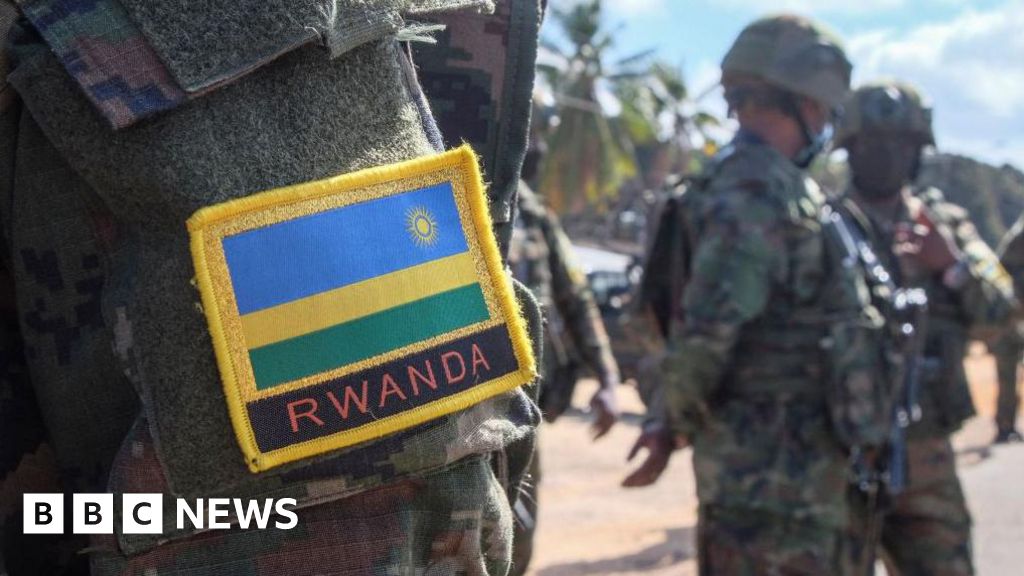
The escalating diplomatic tensions between Rwanda and Washington have taken a decisive turn, igniting fears of deeper geopolitical shifts in eastern Africa. Rwanda officially accused the United States of adopting a “one-sided” and politically motivated stance in recent international maneuvers, raising alarms over the growing influence of global powers in regional conflicts. As Rwanda navigates its sovereignty amid international pressures, analysts warn that such accusations underscore a broader contest for influence in Africa—an arena increasingly seen as a strategic chessboard.

Rwanda’s ire centers around recent decisions made at the United Nations and within bilateral negotiations, where the U.S. has taken positions that Rwanda claims dismiss its security concerns and diplomatic interests. International observers highlight that the U.S. response appears to favor certain factions within the regional conflict landscape, aligning with Western interests at the expense of Rwandan sovereignty. Historically, foreign intervention—whether in the form of aid, sanctions, or diplomatic pressure—has long influenced African states’ trajectories, often at the expense of their internal stability and autonomy. Rwanda’s leadership contends that such external influence undermines regional peace efforts and ignores the complex realities on the ground.

The geopolitical impact of this diplomatic standoff extends beyond the borders of Rwanda and the United States. It exemplifies a broader struggle among major global players—particularly China, Russia, and the European Union—to reshape Africa’s geopolitical map. The International Crisis Group and other think tanks warn that increased competition risks destabilizing already fragile regions, fueling cycles of violence and economic uncertainty. Moreover, Africans and their leaders are increasingly vocal about the need to chart independent paths, resisting external meddling and asserting sovereignty in shaping their futures.

History offers a cautionary tale—where external powers, often cloaked in the guise of aid or diplomacy, have historically exploited regional conflicts for strategic gains. As Rwanda’s accusations echo through international corridors, the world faces a pivotal moment: will existing powers respect Africa’s sovereignty, or will the continent become an arena for greater geopolitical rivalry? The answer may well determine whether the winds of change carry toward peace and stability or if they blow toward enduring conflict. In the shadows of history, the unfolding story warns that the stakes are nothing less than the future sovereignty of nations and the true meaning of independence in a fractured world order.

Bolivian Military Plane Crashes, Killing at Least 11 with Cash for the People

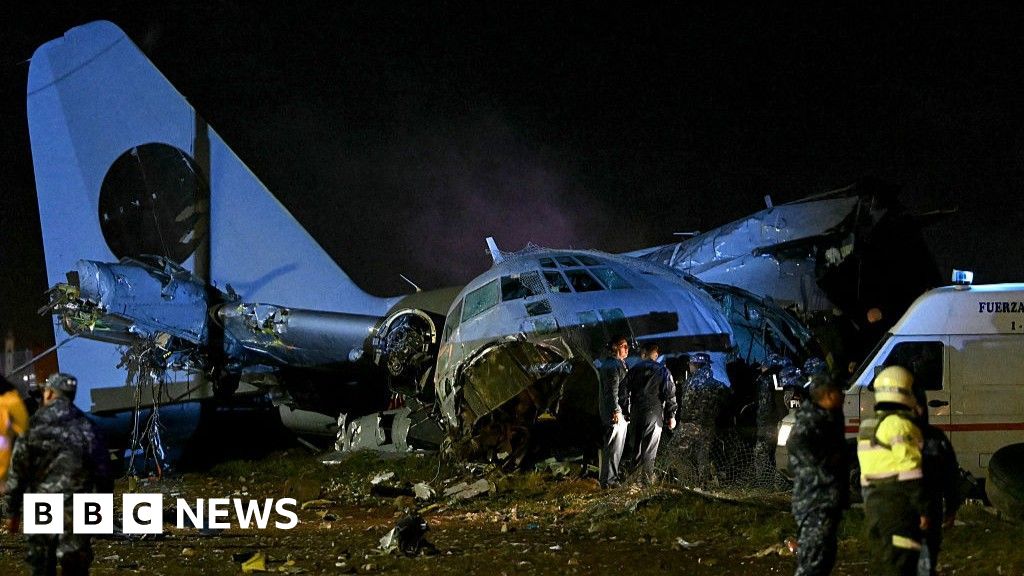
In the wake of an unfolding international crisis, South America finds itself confronting the complex repercussions of a recent tragedy involving a concealed financial dispute. According to Minister of Defence Marcelo Salinas, authorities are actively addressing an incident where illicit funds—lacking official recognition—are purportedly involved in a scenario of grave national concern. Salinas declared, “I want to make it clear to those who are trying to take money from the plane involved in this tragedy that this money has no legal value since it has not been issued by the Central Bank and does not have a serial number, and that attempting to use this money is a crime.” This statement underscores the gravity of the illicit financial conduct intertwined with a situation that appears to hold broader implications for regional stability and security.

The incident signals more than just a local misadventure; it echoes with geopolitical ramifications that reach beyond national borders. Analysts warn that the covert handling of unregulated currency may be a symptom of larger financial disarray or clandestine dealings amidst the horn of Latin America. The **Central Bank**—a pillar of economic sovereignty—has explicitly disavowed any association with these unfiled notes, emphasizing the importance of legal tender in maintaining economic order. International economic watchdogs, such as the WTO and IMF, are closely monitoring reports, highlighting how even minor financial irregularities can ripple into regional instability and undermine international confidence. The social and political echoes of this incident threaten to destabilize hard-won diplomatic relations, especially as neighboring nations brace for potential fallout.

Historically, such incidents serve as stark reminders of how fragile economic sovereignty can be in a volatile geopolitical landscape. Historians and geopolitical analysts point to past crises—such as the destabilization caused by unregulated financial activity during regional conflicts—to illustrate the potential consequences of unchecked illicit transactions. The incident also invigorates debates about sovereignty, national security, and the reach of transnational criminal networks. According to International Security Council reports, these covert financial operations often serve as funding sources for broader destabilization efforts, complicating efforts by governments to safeguard their sovereignty. As regional leaders convene to assess the situation, the question remains whether this shadowy financial activity signals a deeper infiltration into national security infrastructure or an isolated anomaly.

As the world watches, the fate of this incident is poised to influence the geopolitical map for years to come. The unfolding narrative is not simply about a clandestine financial transaction; it encapsulates the enduring struggle for sovereignty in an interconnected world where internal vulnerabilities can quickly escalate into external threats. With every decision and investigation, history unfolds—reminding us that the lines between stability and chaos are often dictated by unseen financial currents. The weight of events continues to press down on nations, compelling leaders to confront the destructive potential of illicit financial networks. As the echoes of this crisis reverberate across the continent, one fact remains clear: the pages of history are turning, and the choices made today will shape the destinies of nations for generations to come.

Democrats criticize US military for shooting down CBP drone at border—are they putting politics over security?

U.S. Border Security and the Flawed Logic of Anti-Drone Operations

The recent series of incidents along the U.S.-Mexico border reveals a troubling trend in America’s border security and aviation management. With airspace closures, drone misidentification, and intra-agency conflicts, the American federal government appears to be caught in a cycle of chaos and indecision. The latest event involving the U.S. military shooting down a drone presumed to be a threat, only to discover it belonged to U.S. Customs and Border Protection, underscores a misjudged strategy that threatens not just national security, but also public trust. Analysts warn that such reckless operations, powered by improvised high-energy laser deployments, could escalate into larger diplomatic and military miscalculations, especially given the sensitive border region.

The strategic missteps were compounded by inter-agency disagreements—particularly between the Pentagon, the FAA, and CBP—illustrating a fractured command structure. Congressional critics, especially Democratic members like Senators Tammy Duckworth and representatives Rick Larsen and Bennie Thompson, have voiced grave concerns about the lack of coordination and the “incompetence” fueling these border violations. These incidents are a clear reflection of a broader deficiency in strategic planning and oversight, fueling fears of escalation that could create international tensions or even unintended conflicts.

International observers and historians have repeatedly warned about the peril of uncoordinated military actions near contested borders. Such blunders can rapidly spiral into crises, especially in a geopolitically sensitive region like North America. The use of high-energy lasers—a technology still in its infancy—raises questions about its safety and efficacy. The FAA’s call for a comprehensive safety review underscores the technology’s emerging risks, and experts warn that deploying such systems without proper regulation could violate international norms and invite retaliation. This chaos occurs amid a backdrop of ongoing debates about border security, drug trafficking, and migrants—pressing issues that demand prudent, coordinated responses rather than reckless show-of-force tactics.

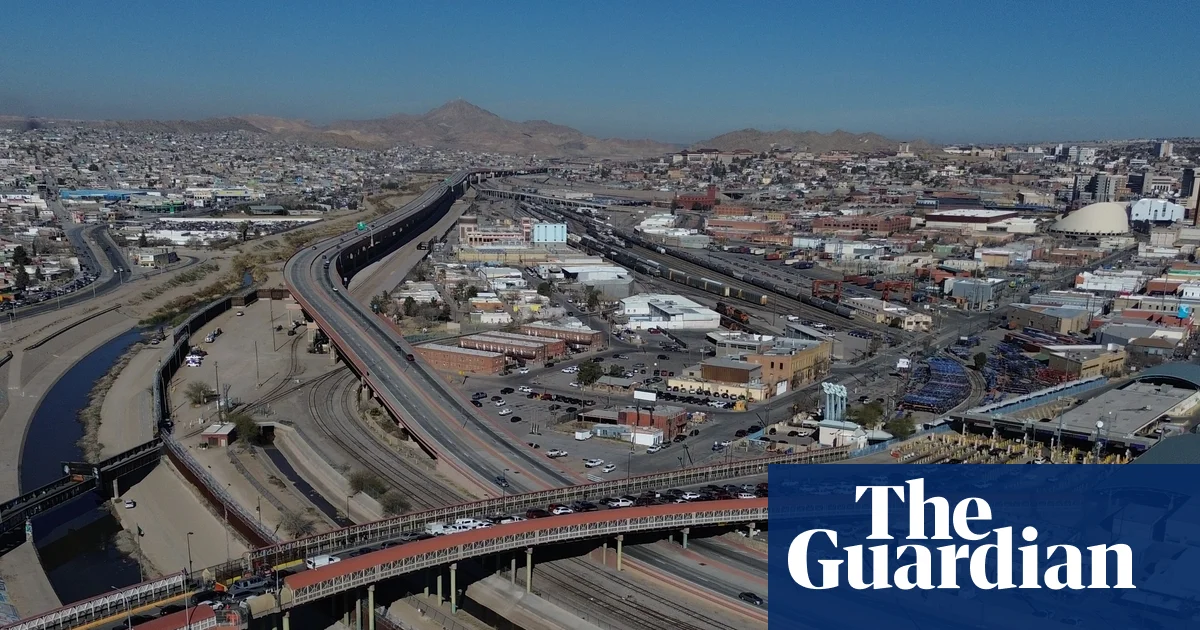
The U.S. border remains a flashpoint for geopolitical contention, with organized crime, drug cartels, and increased militarization making the region volatile. The incident near Fort Hancock, adjacent to one of the world’s most active smuggling corridors linked to the Sinaloa cartel, demonstrates how missteps in security operations risk fueling violence and destabilization. As international organizations like the United Nations assess the implications of U.S. border policies, history teaches that haphazard military interventions only deepen conflicts and undermine sovereignty. The continuing dispute over the management of drone technology serves as a stark warning: decisions taken in haste today could cast long shadows over future geopolitical stability. In the evolving chessboard of global power, mishandled border security operations threaten to become catalysts for far larger conflicts, echoing historic failures in reckless militarization.

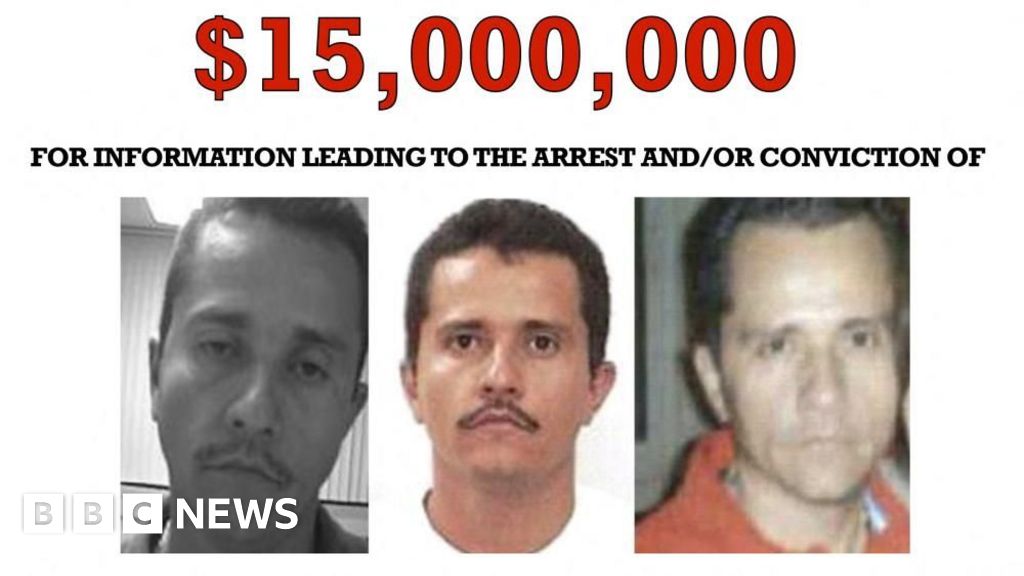
El Mencho, Mexico's top drug kingpin, taken out in military raid
El Mencho, Mexico’s top drug kingpin, taken out in military raid

The name Nemesio Oseguera Cervantes, better known as “El Mencho,” is etched into the annals of international crime as the leader of one of Mexico’s most formidable drug cartels. This notorious figure symbolizes not only the persistent challenge of organized crime in Latin America but also the broader geopolitical implications that ripple across continents. As law enforcement agencies worldwide gear up in a relentless pursuit, analysts underscore that the flickering of El Mencho’s influence is a defiant testament to the resilience of transnational criminal syndicates amid a changing global landscape.

El Mencho’s cartel has expanded its reach far beyond Mexico’s borders, fueling violence and destabilization that defy national boundaries. International organizations such as the United Nations Office on Drugs and Crime (UNODC) warn that these organizations now operate with unprecedented sophistication, integrating money laundering, trafficking, and cybercrime into a seamless web that ensnares societies. The geopolitical impact of their operations extends into U.S. border states, Central America, and even distant regions where illicit flows threaten regional stability. Governments, particularly in North America and Central America, have responded with increased military and law enforcement cooperation, yet the entrenched nature of such cartels complicates efforts to dismantle these sprawling networks.

Historian and geopolitical analyst Professor James Patterson highlights a critical turning point: “El Mencho’s resilience exemplifies the unintended consequences of decades-long drug policies that have prioritized interdiction over root causes.” In this context, the ongoing campaigns to target cartel leadership often result in power shifts rather than eliminations, allowing new figures to rise and perpetuate chaos. The international community’s divided tactics reflect a broader debate about how to effectively confront and eradicate these socio-economic tumors without exacerbating violence or undermining sovereignty.

As questions about the future intensify, the core concern remains: how do nations adapt to and contain the far-reaching influence of such criminal entities? The very fabric of societal stability is at stake, with vulnerable communities bearing the brunt of violence and corruption. Meanwhile, some voices warn that persistent efforts to dismantle powerful cartels risk collateral damage, potentially destabilizing regional politics and economies further. Throughout history, the rise and fall of criminal regimes have often shaped the course of nations, and El Mencho’s persistent grip on the drug trade signals that this phase of the struggle is far from over. The ongoing saga reflects a stark reality — that the decisions taken today will intricately weave into the fabric of future geopolitics, perhaps for generations to come.

Trump teases limited military strike on Iran, fueling tensions among youth conservatives

In a rapidly evolving geopolitical landscape, President Donald Trump issued a stark new threat against Iran just days after he suggested the Middle Eastern nation had approximately ten days to accept a comprehensive deal aimed at restricting its nuclear ambitions. This provocative stance underscores a broader shift in U.S. foreign policy, emphasizing maximized pressure and increased brinkmanship. The timing and rhetoric raise fresh concerns over the potential unraveling of diplomatic efforts that have sought to stabilize the region and prevent the proliferation of nuclear weapons.

The immediate aftermath of Trump’s announcement has already reverberated across global capitals and international institutions. Major powers such as Russia and China, along with European allies, have expressed alarm over what many interpret as a return to a confrontational posture that risks plunging the region into renewed instability. The United Nations Security Council and other multilateral platforms are closely monitoring developments, with some analysts warning that miscalculations or accidental escalations could ignite regional war or diminish fragile diplomatic gains made over recent years. These fears are compounded by recent historical patterns where diplomatic deadlines have often precipitated crises, energizing hawks who favor an uncompromising approach towards Iran’s nuclear program.

Generally perceived as a critical juncture in ongoing negotiations, the situation has sparked commentary from historians and security experts warning against the dangers of rigid ultimatums. Notably, international organizations like the International Atomic Energy Agency (IAEA) stress the importance of sustained diplomacy. “Decisive actions that ignore the complex web of regional and global interests risk undermining decades of diplomatic progress,” said Dr. Laura Matthews, a renowned geopolitical analyst. Her words echo concerns among many in the international community who view Iran’s nuclear pursuits less as an immediate threat and more as a complex negotiation with significant long-term implications for global security and regional stability.

  • The recent escalation underscores the fragile balance of power in the Middle East, where alliances are shifting and mistrust runs deep.
  • U.S. allies in Europe and the Gulf Cooperative Council have issued mixed responses, with some urging restraint and others expressing support for a firm stance.
  • Diplomatic efforts, including recent talks in Vienna and Geneva, aim to revitalize the 2015 Joint Comprehensive Plan of Action (JCPOA), yet these negotiations now face unprecedented hurdles.

As the world watches with bated breath, the unfolding drama risks settling into a decisive moment that could determine the future of global peace and security. The complex interplay of national interests, ideological divides, and historical grievances suggests that this is more than a simple matter of diplomacy—it is a test of the international community’s collective will. The decisions made in this critical window could either usher in a new era of cooperation or plunge entire regions into chaos. The weight of history presses heavily on the shoulders of current leaders, and once the course is set, the ripple effects will resound for generations to come, transforming the geopolitical landscape in ways yet unforeseen. Here, at this precipice, the world stands on the edge of a new chapter—one that will be written by those who dare to shape the future amidst the shadows of past conflicts.

Social Media Auto Publish Powered By : XYZScripts.com