Matox News

Truth Over Trends, always!

US ramps up military presence with warships and fighters near Iran

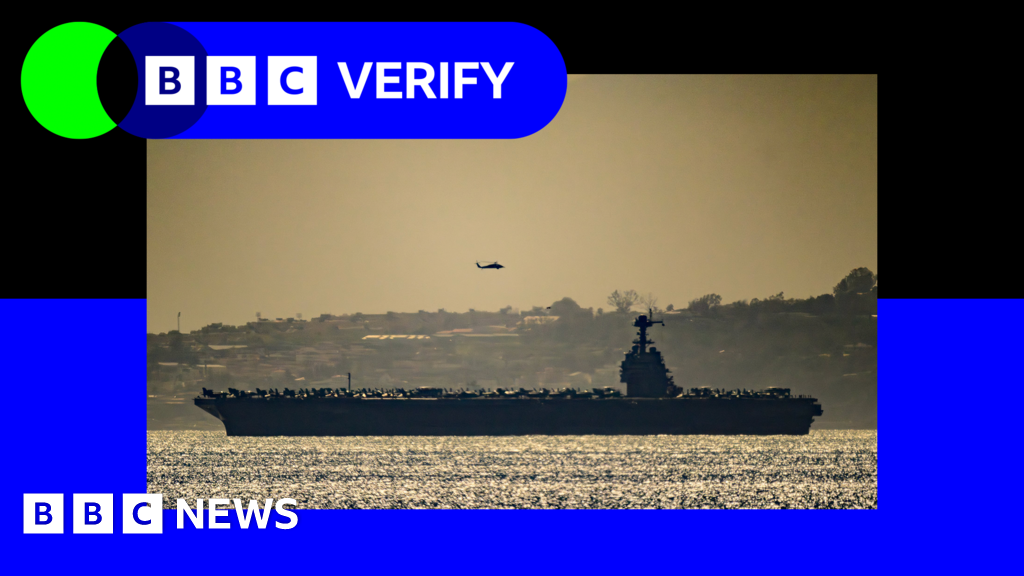
Recent international maritime activity underscores a significant shift in the geopolitical landscape, illustrating the readiness of the United States to project power amid mounting global tensions. Ship-tracking data confirms the movement of key naval assets, including the USS Mahan, a prominent destroyer in the US Navy’s strike group, which recently transited the strategic Strait of Gibraltar. This passage is not merely routine navigation but a clear signal reinforcing America’s military posture, particularly as the Gerald R. Ford aircraft carrier was observed off the coast of Morocco, suggesting a rapid redeployment towards an increasingly volatile Middle Eastern theater.

The U.S. military escalation was further evidenced by the tracked movement of another aircraft carrier, the USS Abraham Lincoln, earlier this week. Experts and analysts highlight that these movements are indicative of a broader strategic pivot, possibly in response to regional conflicts or emerging threats that threaten the stability of global order. Such naval deployments are often interpreted as signals to rival states, including Russia and China, as well as regional actors embroiled in complex conflicts. The active deployment of these formidable warships, capable of projecting air and sea dominance, underscores the U.S.’s commitment to maintaining freedom of navigation and safeguarding allied interests in strategically vital corridors.

International organizations, including NATO and the United Nations, have expressed cautious interest in these developments, with some analysts warning that such show-of-force maneuvers could escalate existing tensions or ignite new flashpoints. Historians warn that rapid naval movements by superpowers often precede larger confrontations, emphasizing the importance of diplomatic restraint. Yet, the current troop and asset mobilizations suggest that the calculus has shifted; the era of cautious diplomacy may be giving way to a more assertive posture. Countries in the Middle East and North Africa watch closely, aware that these demonstrations of military strength could influence regional alliances and political calculations.

This ongoing strategic ballet emphasizes how decisions at the highest levels of government ripple through societies worldwide, affecting not just geopolitics but the lives of millions. As these mighty warships cut through the Atlantic and reposition near tense hotspots, the world faces a critical juncture: a confrontation, a compromise, or an unpredictable turn in history. The unfolding narrative remains uncertain, but what is clear is that the great powers are once again aligning their ships and interests, shaping a future fraught with danger yet ripe with the potential for unforeseen change.
White House urges Iran to strike deal as U.S. boosts military presence

Amid escalating international tensions, reports emerging from US media indicate that President Donald Trump has engaged in high-level discussions with national security advisers regarding potential military action. Sources reveal that an attack could be launched as early as Saturday, underscoring the precarious state of global stability. These developments unfold against a backdrop of complex geopolitical maneuvering, where the decision of an influential superpower carries profound consequences for regional and world order alike.

The possibility of a preemptive strike highlights a critical juncture in international relations, raising questions about the escalation of conflicts and the fragility of diplomatic channels. Historically, decisions by superpowers to resort to military force have often recalibrated the global chessboard, leading to unpredictable repercussions. Experts suggest that such an action, if undertaken, would be indicative of America’s intent to project strength and deter perceived threats, but also increases the risk of unintended consequences, including a broader regional conflict. International organizations and foreign governments continue to monitor the situation closely, aware that the decision will reverberate across multiple theaters of geopolitical interest.

Analysts argue that the geopolitical impact of such a strike would not be confined to the immediate target. Historically, when the US has engaged in unilateral military actions, it has precipitated shifts in alliances, economic sanctions, and diplomatic realignments. Countries in the region, especially those with vested interests in stability, are bracing for the possibility of escalation. Senior international diplomats and security analysts warn that rushed decisions could undermine long-standing efforts at diplomacy and increase instability, especially if aligned with broader narratives of national security and sovereignty. The drama unfolding now underscores the delicate balance of power and the perilous path toward conflict, where every decision writ large shapes the lives and societies of millions.

As the wheels of war turn ominously closer, history reminds us of the destructive power of unchecked military cravings and the ripple effects that follow. The shadow of past conflicts looms large, where once hesitant diplomacy was abandoned for force, leaving nations fractured and communities scarred. The world watches with bated breath as America’s leadership grapples with this decisive moment, bearing the weight not only of immediate strategic interests but of the historical trajectory they forge. The unfolding story offers a stark reminder: in the arena of international power, every decision is a chapter in the ongoing narrative of history—one that could end in chaos or the hard-won stability of peace, depending on the choices made in these critical hours.

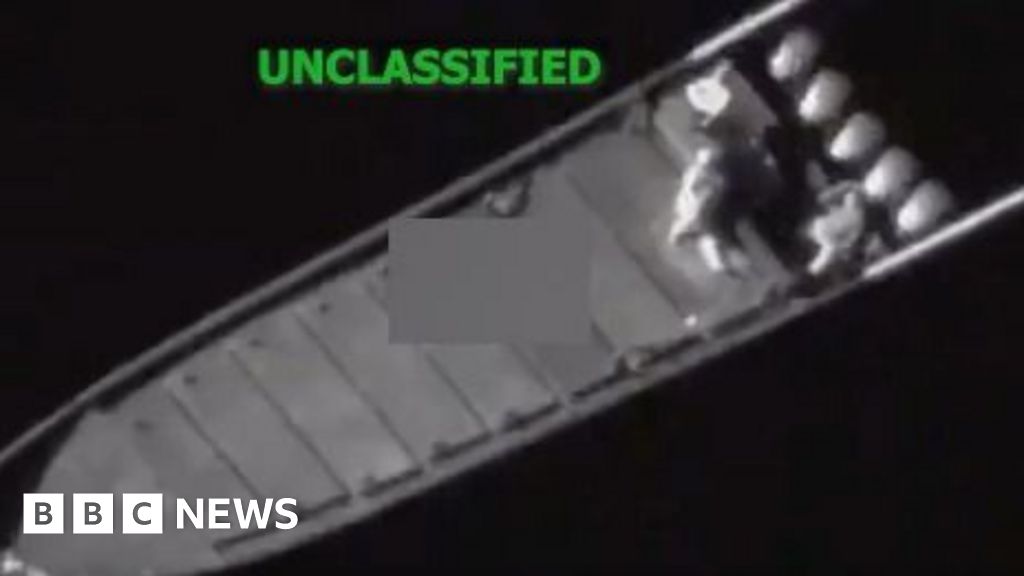
US military: 11 killed in strikes on suspected drug boats—tough crackdown continues

In recent months, a disturbing wave of violence has emerged across parts of Central and South America, with reports indicating that more than 130 individuals have been killed in supposed “narco-trafficking operations” allegedly spearheaded by the United States. These actions, which have been characterized by some analysts as aggressive counter-narcotics campaigns, are raising serious questions about their legal, ethical, and geopolitical implications. The toll on local communities and political stability underscores a critical juncture for regional sovereignty and international law.

International observers and regional authorities are divided in their responses. While some praise the efforts to combat drug cartels that threaten societal order, others caution against the overreach of foreign military and law enforcement agencies that risk violating national sovereignty. According to renowned geopolitical analysts, these operations could serve to destabilize governments, exacerbate existing violence, and foster anti-American sentiment that may ripple throughout Latin America. The U.S. government asserts that its actions are necessary to dismantle powerful criminal networks, yet critics argue this approach often results in unintended humanitarian consequences and undermines local legal processes.

From a broader perspective, the geopolitical impact of this escalation extends beyond regional borders. By engaging in aggressive anti-drug campaigns, the United States may be unintentionally fueling a narrative of interventionism that hampers diplomatic relationships with other emerging powers, such as China and Russia. International organizations like the United Nations have called for a *comprehensive, multilateral approach* to narcotics control—yet, many argue that unilateral military actions, cloaked as anti-drug efforts, undermine the very foundations of international cooperation. Historically, such strategies have often led to a cycle of violence and instability, revealing the inherent risks of substituting diplomatic solutions with force.

As histories of past conflicts remind us, the true turning point lies in understanding the complex socio-economic roots of narcotics trafficking and addressing them through sustainable development and law enforcement reforms. The growing death toll and accusations of extrajudicial killings serve as a stark warning: the pursuit of a drug-free society cannot justify disregarding human rights or sovereignty. Nations across the world watch eagerly, aware that each decision made today could shape the future stability of entire regions. The story of these violence-laden campaigns is still unwritten, yet its current chapters echo through halls of international authority—a testament to the enduring, often tragic, struggle of nations to forge peace amid chaos and to define their destiny amid the shadows of unresolved conflicts.

El Paso No-Fly Fail Sparks Broader Drone Security Crisis for America

Broader Implications of Recent U.S. Anti-Drone Innovations Highlighted by El Paso Airspace Incident

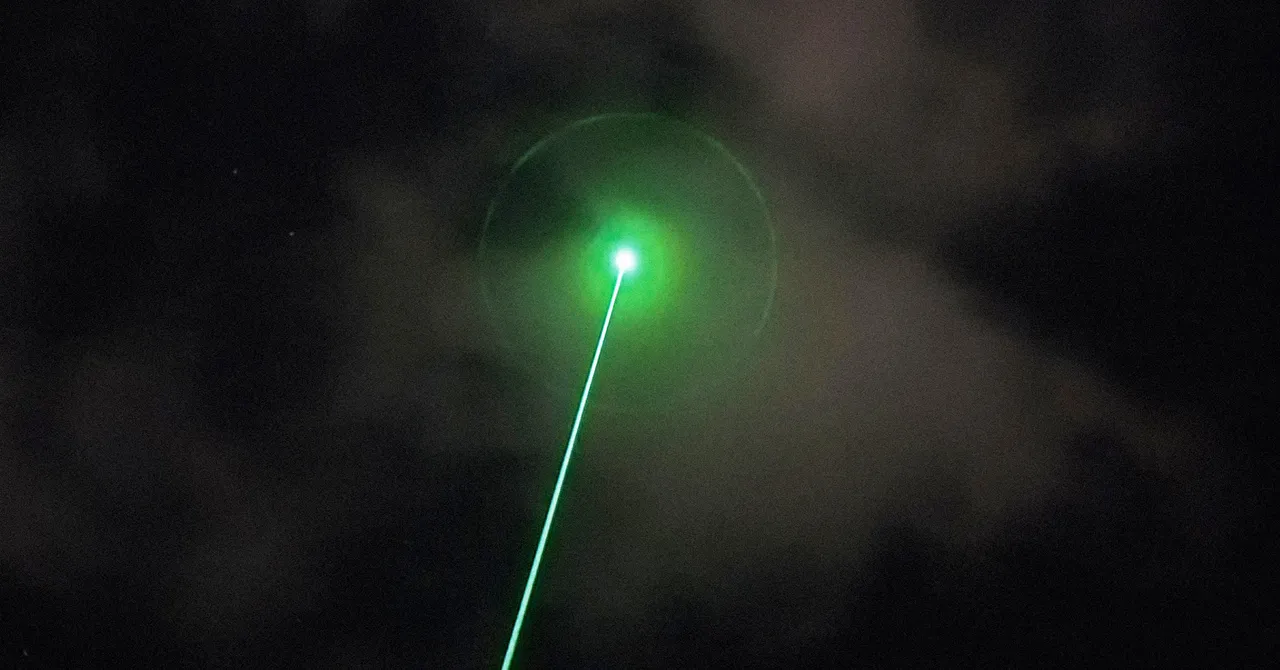
The recent airspace closure over El Paso, Texas, has raised significant questions about the trajectory of U.S. nationally critical drone defense technologies. Although the closure lasted only eight hours, the incident underscores a pivotal shift toward energy-based weaponry as the future of short-range air defense systems. The event, initially attributed to potential incursion by Mexican cartel drones, appears now to involve the deployment of laser counter-drone systems supplied by AeroVironment—a company at the forefront of energy weapon innovations.

According to public reports, the defense system used was the LOCUST anti-drone laser, a 20-kilowatt directed energy weapon designed specifically for small drone neutralization. This marks a significant step in disrupting traditional air defense paradigms—moving away from bulky, costly interceptors toward lightweight, energy-efficient lasers. Industry analysts note that these systems have become particularly relevant given the proliferation of inexpensive and accessible drones. As high-powered microwave and laser defenses ramp up, a new era of energy-based warfare is emerging, potentially reshaping how national security responds to non-traditional aerial threats.

Innovation in Anti-Drone Technologies and Industry Disruption

The deployment of the LOCUST system, along with its subsequent acquisition by BlueHalo (a subsidiary of AV Inc.), signals a broader disruptive wave in defense innovation. The shift toward directed-energy weapons aligns with the U.S. Army’s ongoing experiments, such as the recent energy weapon tests aimed at establishing energy-based multi-mission defense capabilities. Such systems promise higher operational readiness, reduced logistics burdens, and faster response times compared to traditional missile-based systems.

  • Key features include portability, reduced cost per shot, and rapid engagement.
  • Recent developments have seen the delivery of multiple LOCUST units to the U.S. Army as part of the AMP-HEL program.
  • Industry leaders emphasize that energy weapons could soon become integral components of integrated air defense architectures.

Experts like Peter Thiel and institutions such as MIT predict that disruption driven by directed-energy systems will redefine battlefield paradigms, placing energy weapons as the preferred method of drone suppression. This technological leap favors agile, scalable defense solutions that could soon render legacy countermeasures obsolete, fundamentally shifting the market landscape and geopolitical dynamics.

The Future: A Race Toward Dominance in Energy-Driven Defense

What makes this shift urgent is the accelerating proliferation of low-cost drones, which can be deployed swiftly and in large numbers. The increasing affordability and accessibility of such hardware threaten to undermine established airspace security protocols, compelling both government and private sectors to prioritize energy-based defense innovations. As defense giants and emerging startups race to develop more sophisticated laser and microwave systems, the geopolitical stakes are higher than ever.

In this context, innovation and disruption are not merely buzzwords—they are the blueprint for national security and economic strength in the 21st century. The El Paso incident highlights that energy weapons, once relegated to science fiction, are now being operationalized at a rapid pace. The question for industry leaders and policymakers is clear: Who will lead this new arms race, and how will global power balances shift in the face of technological superiority? The future belongs to those who recognize that energy-based defense systems are not just an evolution—they are a revolution, demanding swift strategic adaptation to stay ahead of emerging threats.

Her Father's Gaza War Grave Destroyed by Israel: Aussie Military Woman Seeks Justice and Truth
Her Father’s Gaza War Grave Destroyed by Israel: Aussie Military Woman Seeks Justice and Truth

The ongoing conflict in Gaza has once again underscored the devastating consequences of regional instability on historical and national memory. Recent satellite imagery reveals significant damage and possible destruction of the Gaza War Cemetery, where Australian soldiers from World War II are buried. The mutilation of these graves, reportedly caused by the Israel Defense Forces (IDF) during military operations, has stirred a global outcry, especially among families of the fallen and nations who hold those sacrifices sacred. Wilma Spence, among many, mourns the apparent obliteration of her father’s grave—an act she perceives as a profound disrespect to those who served and died for freedom.

This incident exemplifies how international conflicts are not contained solely within theatres of war but have profound effects on societal memory and diplomatic relations. The IDF’s justification—that graves were destroyed to address “underground terrorist infrastructure”—fails to quell skepticism among international observers and veteran communities. The Commonwealth War Graves Commission has expressed concern over the damage, with experts warning that the full extent of destruction may take years to repair. Such actions, analysts argue, threaten to rewrite history and undermine the moral authority of nations committed to safeguarding their war dead—especially when these graves symbolize sacrifice amid the chaos of global confrontation.

The geopolitical impact of these incidents extends beyond grief. Regional powers like Israel are engaging in complex military operations that often blur the lines between combatant and civilian zones, raising questions about international accountability. The diplomatic fallout influences alliances, aid policies, and international perceptions of legitimacy. The withdrawal or destruction of war graves challenges the notion of respect for tradition and international law, igniting debates on how contemporary military actions should reconcile with historical memory. Experts from institutions like The International Crisis Group warn that such acts may fuel resentment and be exploited by proxy groups, jeopardizing prospects for lasting peace in the region.

Meanwhile, families of the fallen, such as Wilma’s, highlight the broader social consequences. The loss of grave sites not only erases physical symbols of heroism but also scars collective memory and national identity. Wilma’s persistent efforts—writing to government officials and demanding accountability—illustrate the ongoing struggle of societies to reconcile military necessity with moral obligation. As President Isaac Herzog of Israel prepares to visit Australia amidst rising tensions, the question remains: will world leaders uphold their responsibilities to preserve history, or will the tides of warfare continue to wash away the foundations of collective remembrance?

The future of international diplomacy hinges on how these controversies are addressed. Will international organizations step in to enforce respect for war graves, or will regional and global powers prioritize strategic interests over historical dignity? The unfolding narrative leaves an indelible mark, emphasizing that in a world fraught with conflict, history—whether in the form of graves or memories—is both a heritage and a battleground. As witnesses like Wilma watch their ancestors’ resting places vanish, the weight of history presses heavily on the present, casting a shadow over the promise of peace and remembrance. The story of the Gaza war cemetery is not merely about physical destruction; it is a stark reminder that the consequences of war resonate across generations, shaping the destiny of nations and the moral fabric of humanity itself.”

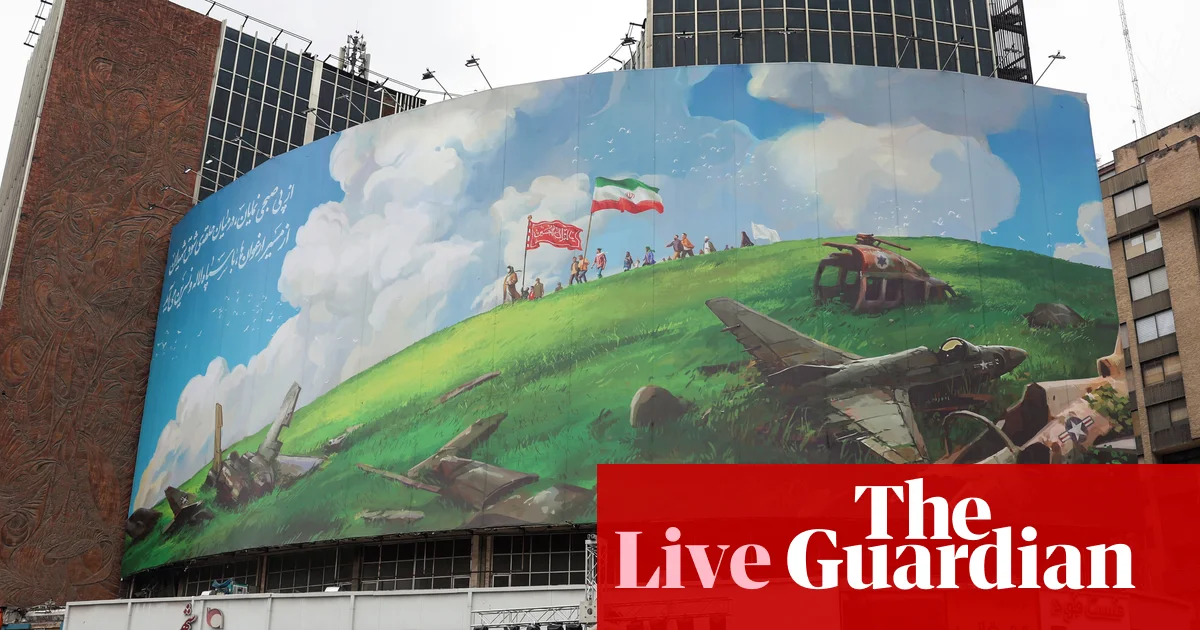
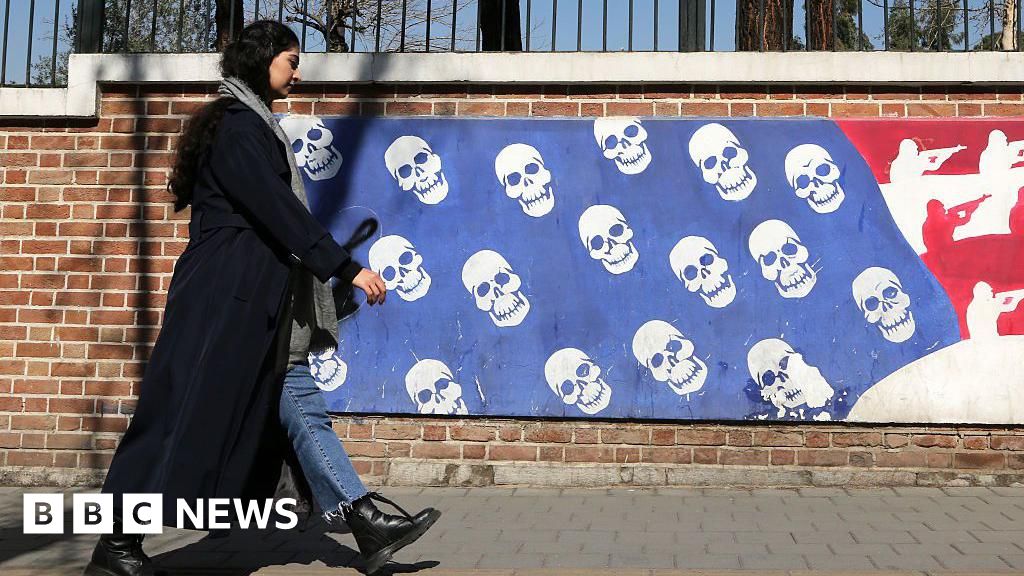
US and Iran Prepare for Nuclear Talks in Oman as Trump Warns of Military Action — Live Updates | Iran

Geopolitical Tensions Escalate as Iran and United States Face Off Ahead of Critical Negotiations in Oman

Amidst a backdrop of simmering regional conflict and shifting alliances, the upcoming U.S.-Iran nuclear negotiations in Oman are poised to be a decisive moment in the ongoing struggle for influence and security in the Middle East. High-stakes diplomacy is unfolding against a tense landscape marked by military posturing and deep mistrust. As Iran enters the talks with a firm stance, US military movements in the region continue to underscore the volatility of this diplomatic push for stability. The international community, including analysts from institutions such as The International Institute for Strategic Studies, is watching with bated breath, recognizing that the outcomes could shape the global picture for years to come.

Recent days have seen a noteworthy escalation of military activity, with the deployment of a formidable US naval task force including an aircraft carrier strike group near Iran. This build-up is widely interpreted as a warning of possible military intervention, a reality that Tehran appears to be well-aware of. The Iranian foreign minister Abbas Araghchi, speaking from Istanbul, reaffirmed Iran’s determination, stating, “We engage in good faith and stand firm on our rights.” He emphasized that durable agreements rely on respect and mutual commitments—principles that Tehran perceives as being frequently violated by inconsistent US policies. The juxtaposition of Iran’s diplomatic rhetoric with its unwavering maximalist position underscores the geopolitical game at play—where each side is testing the other’s resolve in a high-stakes negotiation that could either steer the region toward stability or plunge it into further chaos.

Adding to the uncertainty and volatility, recent incidents in international waters have only intensified tensions. The US military claimed to have shot down an Iranian drone approaching the USS Abraham Lincoln in the Arabian Sea, claiming it was an act of self-defense. Iran disputed this, asserting the drone was conducting surveillance in international waters. Meanwhile, US President Donald Trump has kept the rhetoric incendiary, asserting that the US “armada” in the region is larger than what was deployed to topple Venezuela. Trump’s comments reflect a calculated bluff—or perhaps a test of Iran’s willingness to escalate. As experts like Dr. Laura Jayes warn, such displays of military strength make it clear that the region remains on the brink, with a single misstep potentially igniting wider conflict.

Of particular concern is Iran’s unwavering position on limiting negotiations solely to nuclear issues, dismissing US demands to address its ballistic missile program and regional sponsorship of terrorist organizations. The US, led by Secretary of State Marco Rubio, insists on an all-encompassing approach, intensifying the risk of deadlock. Iran’s Foreign Minister Abbas Araghchi’s announcement that negotiations will proceed underscores an expectation that compromises are unlikely in the short term. As international diplomats deliberate, many analysts warn that the failure of these talks could result in a return to open hostility. Yet, with each side holding maximalist positions, the outcome remains shrouded in uncertainty, poised to define the geopolitical balance in the Middle East and beyond. It is a reminder that history often hinges on pivotal moments like this—a fragile, fleeting window in which peace could either be preserved or shattered, leaving a scar on the pages of history for generations to come.

Gunmen massacre dozens in Nigeria amid U.S. military deployment escalation

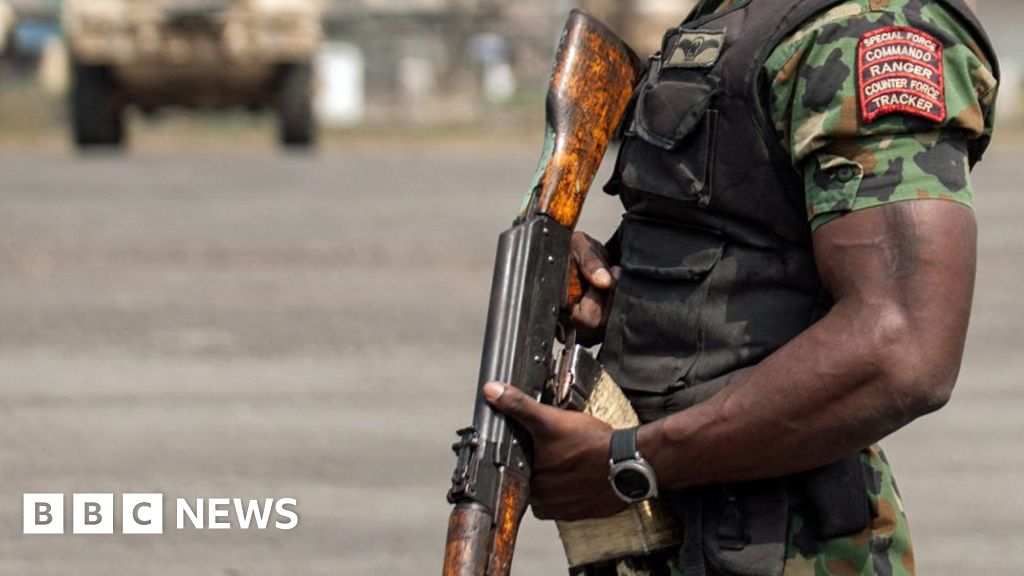
The recent violence in the western state of Kwara has once again underscored the fragile security architecture in Nigeria’s socio-political landscape. According to local officials and eyewitness reports, shops and homes were torched in a brutal attack on two villages. The incident not only highlights persistent local tensions but also raises alarms about the broader stability of the region, which has long been a hotspot for communal conflicts and insurgent activity. As Nigeria grapples with multiple security challenges, analysts warn that uncontrolled violence could threaten national unity, calling into question the effectiveness of government strategies aimed at restoring peace.

The attack, described by a Kwara lawmaker, mirrors patterns seen elsewhere in Nigeria, where militant groups and ethnic tensions collide, often with devastating consequences. While authorities remain tight-lipped about the motives behind this specific assault, it comes amidst a rising tide of unrest across several northern and western states. International organizations, including the United Nations and regional bodies like the Economic Community of West African States, have repeatedly emphasized the importance of addressing root causes of violence—poverty, political marginalization, and unchecked militancy. Yet, the persistent outbreaks of violence suggest that these efforts are insufficient or perhaps hindered by deeper failures in governance and security cooperation.

Historically, analysts like Dr. Monica Brown of the International Crisis Group have pointed to Nigeria’s complex federation and ethnic mosaic as underlying factors complicating peace processes. As violence spreads and villages burn, fears are mounting among neighboring nations; the geopolitical impact extends beyond Nigeria’s borders, affecting trade, regional stability, and international perceptions of West Africa’s resilience. Countries such as Benin and Nigeria’s southern neighbors are on alert, knowing that unchecked violence can easily spill over borders—exacerbating an already volatile security environment.

In this turbulent landscape, the international community’s role remains critical. Some analysts point to the need for a cohesive strategy that combines military action with socio-economic reforms, emphasizing that true peace requires addressing systemic issues. As global powers weigh their interests, questions about sovereignty, intervention, and aid become increasingly fraught. The unfolding saga in Kwara is a stark reminder: history is never static, and today’s violence may well shape the continent’s future for generations to come. The flames of conflict burn fiercely, hinting at a turbulent chapter yet unwritten, and leaving the world to face the profound consequences of unresolved conflicts in Nigeria’s heartland.

Pakistan Military claims destruction of 92 militants in Balochistan crackdown

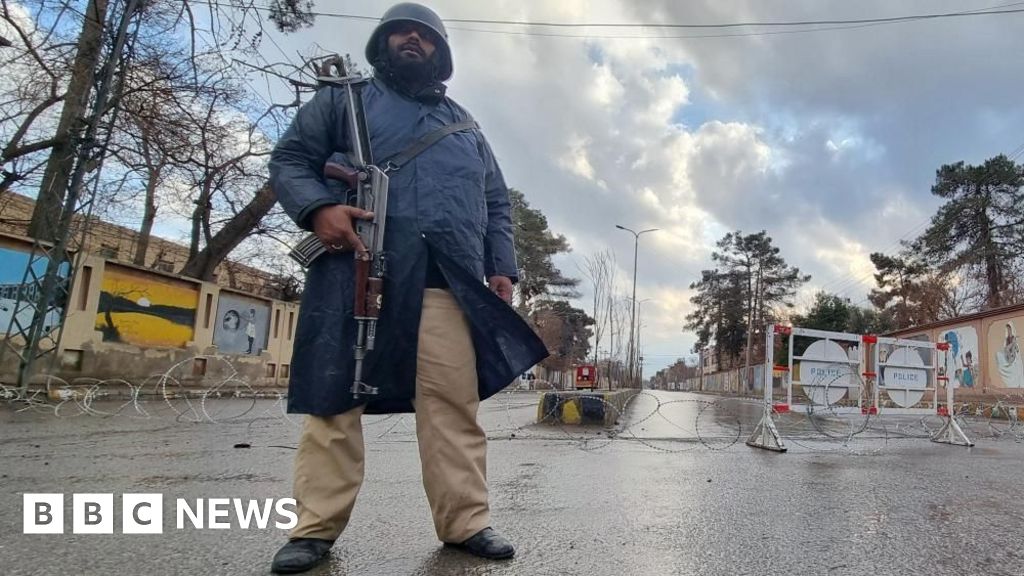
The recent wave of militant violence in Pakistan has ignited alarm across the international community, revealing an escalating security crisis that threatens regional stability. According to reports, a brutal series of attacks has claimed the lives of at least 15 security personnel and 18 civilians, with militants launching coordinated assaults across multiple cities within the province. These violent episodes underscore the persistent challenge Pakistan faces from extremist factions that continue to operate with reckless abandon, exploiting vulnerable security conditions and expanding their influence amid ongoing political and economic turbulence.

Analysts and international security experts have expressed concern over the rising complexity and frequency of militant operations across Pakistan’s urban centers. The attacks, characterized by strategically timed assaults on military outposts, public spaces, and government buildings, demonstrate a disturbing level of planning and coordination. Historians contextualize these events as part of a long-standing pattern of insurgency fueled by regional rivalries, ideological extremism, and unresolved socio-political grievances. The situation has prompted calls from organizations such as the United Nations for greater regional cooperation to counteract militant networks that often operate with impunity along porous borders, especially attaching to Afghanistan’s unstable terrain.

The geopolitical impact of this violence extends beyond Pakistan’s borders. As a nuclear-armed nation, its internal security directly influences the stability of South Asia and the broader Indo-Pacific region. India has long maintained that Pakistan’s assistance in counter-terrorism efforts remains inadequate, blaming Islamabad for harboring militant groups that threaten regional peace. Meanwhile, the United States and allied Western nations continue to monitor the situation closely, although geopolitical priorities shift amid rising tensions with China and Russia. The stability of Pakistan, which is a critical player in the global fight against terrorism, depends heavily on internal security and the capacity of its government to suppress extremist elements and restore order.

This ongoing turmoil underscores a pivotal turning point: the fragile balance between combating militant insurgencies and maintaining civil authority. Critics argue that current policies are insufficient and that broader reforms—ranging from military measures to socio-economic development—are urgently needed. The stability of Pakistan is intricately linked with international security; a failure to contain the insurgents will only deepen regional conflicts and embolden terrorist networks, risking a broader chain reaction of instability. As history continues to unfold, nations stand at a crucial crossroads – one that could determine whether the region slides into further chaos or finds a path toward renewed stability. For now, the specter of violence persists, serving as a stark reminder that the fight against extremism is far from over, and the world must remain vigilant as the storm of instability continues to swell on the horizon.

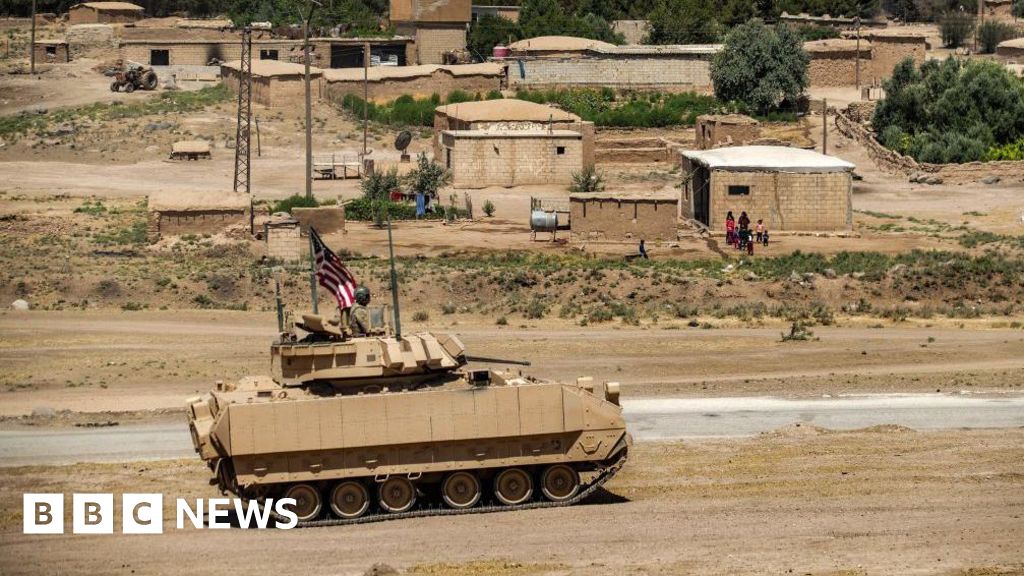
Three Americans killed by ISIS gunman in Syria, U.S. military reports

The recent ambush in Palmyra, Syria, resulting in the death of two US soldiers and a civilian interpreter, marks a stark reminder that the geopolitical landscape in the Middle East remains perilous and volatile. According to the US Central Command, the attack was carried out by a gunman allegedly affiliated with Syrian security forces, with some reports indicating the involvement of elements hostile to both the Syrian government and Western interests. The unclaimed responsibility by any militant group, combined with the Syrian Observatory for Human Rights suggesting the attacker may have been part of the Syrian security apparatus, underscores the complex web of alliances and betrayals woven into the region’s ongoing chaos.

This incident comes amid renewed tensions regarding the U.S. military presence in Syria—a contentious issue that continues to shape international perceptions and impact regional stability. An area where the Syrian government admits to having little control, Palmyra has long been a strategic and symbolic frontline. The attack’s timing, during a joint US–Syrian security operation, highlights the fragile peace and the persistent threat posed by remnants of the Islamic State (IS), which, despite losing territorial control in 2019, still manages to carry out insurgent attacks. The ongoing battle against IS is not just about retaking territory; it’s a broader fight for influence, sovereignty, and regional dominance by global and local powers alike.

International reactions emphasize hardline resolve. US Defense Secretary Pete Hegseth issued a warning that echoes through the corridors of power: “if you target Americans—anywhere in the world—you will spend your brief, anxious life knowing the United States will hunt you, find you, and ruthlessly kill you.” This rhetoric signals an escalation in US military posture and commitment to counter-terrorism operations, despite the risk to diplomatic relations. Meanwhile, Syria’s Foreign Minister Asaad al-Shaibani condemned the attack, extending condolences to the victims’ families, as the Assad regime seeks to project stability amidst chaos. The incident risks igniting further clashes in a landscape where alliances are shifting, and the lines between friend and foe blur.

Historically, analysts and international organizations have warned of the consequences of prolonged foreign military intervention. Global institutions like the United Nations estimate that between 5,000 and 7,000 fighters remain active for IS across Syria and Iraq. Despite recent victories, the jihadist threat persists, facilitated by fractured governance and regional rivalries. The recent rapprochement between Syria and the international coalition combating IS, which includes the US, signifies a precarious hope for stability—yet it also necessitates vigilant watchfulness. As the US continues its military presence, seemingly committed to a undefined mission in Syria, the risk remains that innocents, soldiers, and local populations will continue to pay the price of geopolitical chess games that no longer resemble clean victories.

As history unfolds amid the dust and ruins of Palmyra, the global stage stands at a crossroads. The narratives of American strength, Syrian sovereignty, and the fight against extremism intersect in a tragic tableau—one where decisions made today will echo for generations. With each loss, each attack, the world’s balance teeters anew. The question remains: how much longer can this fragile mosaic withstand the relentless tides of conflict, or are we simply witnessing the beginning of an even darker chapter in Middle Eastern history?

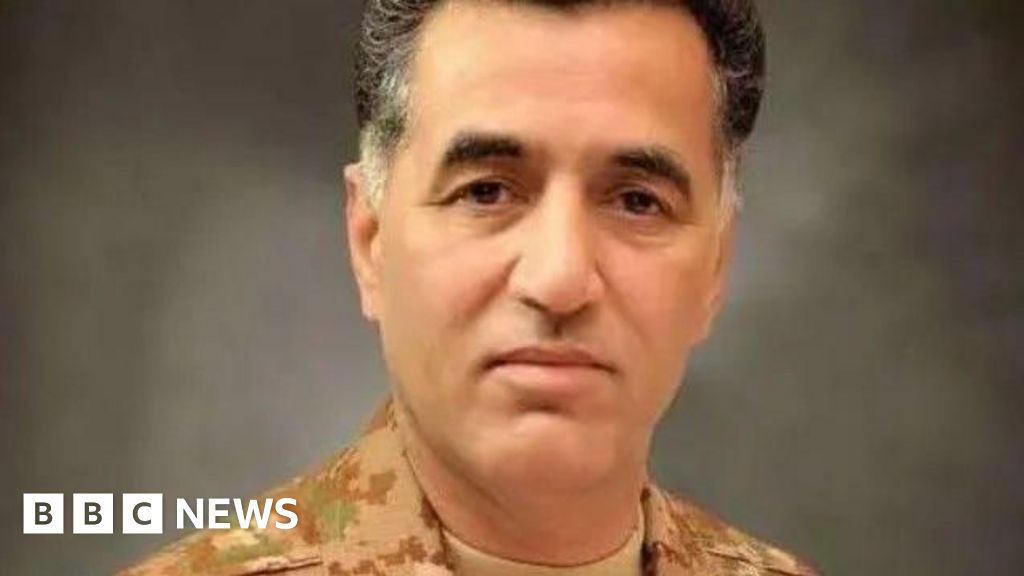
Pakistan’s military locks up ex-spy chief Faiz Hameed for 14 years ahead of critical elections

Pakistan continues to find itself at a critical juncture in its complex political landscape, as recent developments signal both internal struggles and broader implications for regional stability. The sentencing of Faiz Hameed, the former head of the Inter-Services Intelligence (ISI), to 14 years in prison marks a historic moment—the first time in Pakistan’s history that an ISI chief has been court martialled. This unprecedented move speaks volumes about the shifting balance of power within Pakistan’s military and civilian spheres, and serves as a stark reminder of the persistent turbulence in the nation’s governance.

The charges against Hameed—including violation of state secrets and interference in political processes—underscore the tense intersection between Pakistan’s military elite and its political leadership. Hameed, a key figure during Imran Khan’s tenure as prime minister, was known for his staunch support of the ousted leader. The military’s move to prosecute and imprison its former intelligence chief not only intensifies the ongoing politicization of Pakistan’s military institutions but also sends a clear message to those in power: accountability is gaining ground, even against the military’s upper echelons. Historians and security analysts see the case as a *possible sign of internal reforms or factional struggles within Pakistan’s powerful military establishment*, which has historically operated with significant autonomy from civilian authority.

Official reports from the Pakistan Army, citing the Pakistan Army Act, reveal that the court martial proceedings lasted *over a year* and were conducted behind closed doors—symptomatic of the secretive nature that often cloaks military interventions. The charges levied include misuse of powers, involvement in political agitation, and harm to citizens, especially regarding alleged protests related to Khan’s arrest on 9 May 2023. The verdict, although denied public transparency, indicates an intention to curb political interference within the military’s ranks, a move that could shift the longstanding tradition of military dominance in the nation’s politics and mark a pivot toward demonstrating accountability and strengthening civil-military boundaries.

Internationally, this development draws sharp attention from observers and institutions. Global organizations, such as the United Nations and regional security partners, watch closely as Pakistan’s internal dynamics may influence regional stability, especially given ongoing tensions in neighboring India, Afghanistan, and beyond. Analysts warn that any weakening of military influence could have unpredictable consequences, either paving the way toward greater democratic reform or triggering internal unrest. As Pakistan’s future remains uncertain, the court’s decision to sentence a figure of such influence signals an internal shift, but also suggests an escalating battle for dominance between civil authority and military power.

What remains clear is that history continues to unfold rapidly for a nation caught in the throes of reform, resistance, and the relentless pursuit of power. The story of Faiz Hameed is not just about one man—it’s a chapter in a larger narrative of a nation striving to redefine itself. As the dust settles and courts proceed, the weight of Pakistan’s history presses on, leaving the world to ponder whether this moment signifies the dawn of transparency or the prelude to further chaos. Decisions taken today will echo in the corridors of history, shaping the future of a nation whose destiny remains intricately woven into the fabric of regional and global security.

Social Media Auto Publish Powered By : XYZScripts.com