Matox News

Truth Over Trends, always!

Trump vows military pay despite government shutdown—stand strong for America's defenders
Trump vows military pay despite government shutdown—stand strong for America’s defenders

The recent federal government shutdown in the United States marks a pivotal moment in American politics, revealing the underlying fissures between the executive branch and Congress. President Donald Trump claimed on Saturday that he had devised a plan to pay US military personnel despite the shutdown, instructing his defense secretary, Pete Hegseth, to release funds and ensure active-duty troops receive their paychecks. This move underscores how leadership attempts to navigate a fractured legislative landscape, seeking to leverage executive authority to mitigate immediate fallout but risking broader constitutional and geopolitical consequences. As the shutdown extends into its second week, the impact on national security and international reputation becomes increasingly profound, revealing how internal discord can influence a nation’s global standing.

Established by partisan impasse, the shutdown has already begun to exert tangible effects, furloughing over 750,000 federal employees and delaying paychecks for more than 1.3 million military personnel. Historically, such shutdowns have exposed vulnerabilities in the U.S. federal system, with expert analysts highlighting the danger of prolonged stalemates on the country’s ability to project power and maintain stability. During the 2018-2019 impasse, broad legal protections ensured that federal workers received back pay once operations resumed; however, the current crisis flags a broader erosion of political comity. The Senate, still deadlocked over legislation to reopen government services, has seen Democrats, led by Chuck Schumer, confidently oppose efforts by the White House to bypass congressional approval—highlighting ideological divides that threaten to deepen and embolden partisan disputes.

The geopolitical impact of internal U.S. conflicts cannot be underestimated. While the world watches a superpower embroiled in internal strife, other nations are recalibrating their strategies, aware that American credibility hinges on the stability of its institutions. US foreign policy and military commitments risk disruption if ongoing discord hampers decision-making or operational capacity. Critics warn that such crises weaken America’s global deterrence and embolden adversaries, reminding allied nations of vulnerabilities inherent in its political system. International organizations and strategic analysts warn that continued instability could shift the balance of geopolitical power, emboldening rival powers like China and Russia to test U.S. resolve in key regions across Asia, the Middle East, and Eastern Europe. The tumult in Washington thus echoes far beyond borders, illustrating how internal political dynamics directly shape external security realities.

History’s lens makes clear that moments of internal crisis often serve as turning points with lasting consequences. Though President Trump’s administration seeks to utilize executive authority to assert control, experts warn of the dangers of such unilateral measures in a fragile democratic fabric. Scholars and international observers caution that persistent dysfunction threatens long-term stability and exposes vulnerabilities that adversaries may exploit. As the nation teeters on the brink of a precipice, the decisions taken today will echo through history, revealing whether the United States can withstand internal discord or falter, revealing cracks in its global dominance. In this unfolding narrative, the weight of history hangs heavy, foreshadowing a future shaped as much by internal betrayal as by external challenges—an uncertain chapter for a superpower still grappling to define its destiny amidst the chaos of its own making.

Big explosion at Tennessee military plant shakes nearby homes—a wake-up call for safety

Explosion at Tennessee Military Explosives Facility Sparks International Concerns

The recent blast at Accurate Energetic Systems in rural Tennessee marks a troubling escalation in domestic security threats and raises questions about the stability of critical infrastructure within the United States. The powerful explosion, which shook homes miles away and sent debris flying across the site, is a stark reminder of the ongoing vulnerabilities faced by nations dependent on complex military supply chains. While initial reports confirm that emergency responders are still assessing the situation, the incident’s ripple effects are already being felt beyond local borders, as international security analysts speculate on potential geopolitical ramifications.

The incident took place at a key site near Bucksnort, approximately 60 miles southwest of Nashville. Experts suggest that the blast’s magnitude signals not only potential safety lapses but also a concerning deterioration of domestic defense preparedness. Historically, such incidents—especially at military-grade manufacturing facilities—are rare but carry profound implications. They signal vulnerabilities that could be exploited by adversaries or malicious actors, especially amid rising global tensions. Prominent geopolitical analysts have pointed to this event as a warning shot, illustrating how fragile the perceived safety of critical production sites really is in an increasingly uncertain global landscape.

International Implications and Rising Tensions

While the United States deals with this localized industrial incident, the global geopolitical stage is simmering with conflicts, disputes, and strategic shifts. Organizations such as NATO and the United Nations continuously monitor how domestic vulnerabilities could impact international stability. Historically, events like these—when they occur within controlled military productions—offer insights into a nation’s ability to withstand internal threats. The timing of this explosion is particularly notable in an era where international powers are increasingly concerned about proliferation, sabotage, and cyber-attacks aimed at undermining national security.

Recently, Russia and China have stepped up efforts to leverage internal vulnerabilities within Western alliances, emphasizing the importance of resilient infrastructure. Such incidents in the United States could be exploited by hostile foreign powers or terrorist organizations seeking to erode confidence in American security measures. The international community is thus paying keen attention, with some analysts warning that this is *not* merely an industrial accident but potentially a sign of deeper, more insidious threats that are actively evolving in the shadows of global diplomacy.

Consequences for Society and Policy

  • The blast raises urgent questions about industrial safety regulations and the adequacy of security protocols protecting military manufacturing sites—crucial for national defense.
  • The incident underscores the importance of robust intelligence and surveillance to prevent sabotage or malicious infiltration of strategic facilities, especially amid a wave of cyber and physical threats.
  • It signals to allied nations that internal stability and security are essential pillars for maintaining global influence and protecting shared values against rising authoritarian challenges.

While authorities investigate the cause of the explosion, the world watches with a sense of foreboding. This event serves as a stark warning that, as the global order shifts and chaos looms in geopolitical arenas from the South China Sea to Eastern Europe, the foundations of national security are more vulnerable than ever. The echoes of this blast will resonate through diplomatic corridors and military strategy rooms for years to come, shaping policy and perception in a world where stability is fragile and history is still being written.

Did Russians really establish a military base in my childhood home?

Rising Tensions in Zaporizhzhia: Satellite Evidence Highlights Strategic Occupation

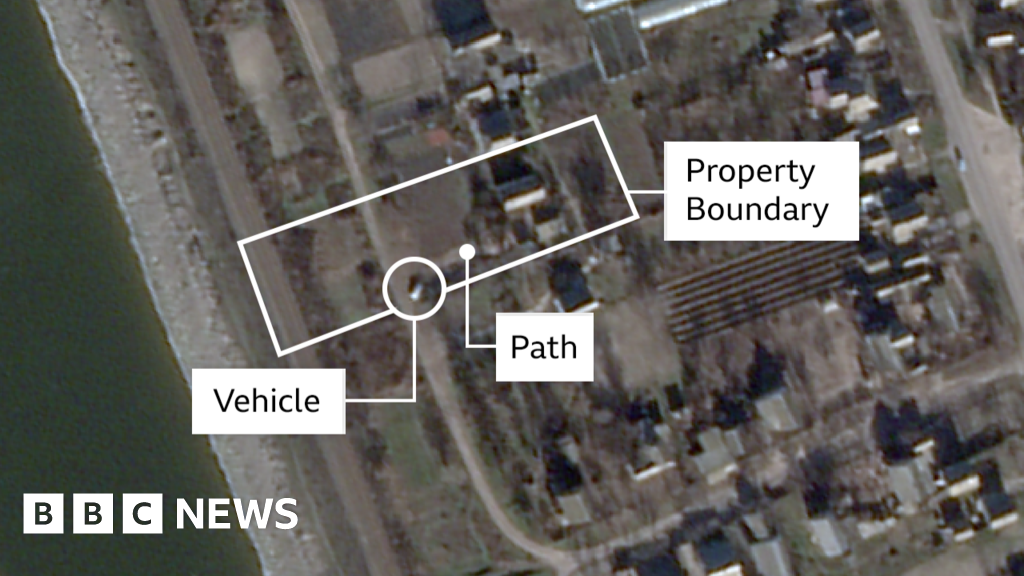
The ongoing conflict in Ukraine has once again moved into a critical phase, with satellite imagery revealing disturbing insights into the evolving Russian military strategy in the southern regions of Ukraine. Verkhnya Krynytsya, a small, sleepy village in Zaporizhzhia, exemplifies how the war’s brutal reality continues to reshape societies and geostrategic landscapes. Once a peaceful community imbued with Ukrainian culture and memories, it now appears to be a pivotal node in Russia’s tactical operations. Satellite images from as recently as 2023 illustrate a well-established, periodically used path leading directly to what was once the residence of a local Ukrainian, highlighting the covert activity purporting to involve both occupation forces and possible new residents—described by analysts as likely Russian military personnel seeking clandestine logistics routes.

Experts and international organizations, such as the United Nations and think tanks specializing in global security, warn that these small-scale tactical movements are symptomatic of a broader shift towards fortified, occupied zones. The imagery, analyzed by BBC Verify, indicates that the path—absent early in the invasion—reappeared six months post-occupation, and became more defined over time. Its reappearance and use by vehicles further confirm ongoing Russian presence and infrastructure development in an area where Ukrainian forces face relentless aerial and ground assaults. Such movements symbolize a strategic deepening of Russia’s hold in Ukraine’s south, which analysts say could have profound geopolitical implications for regional stability and NATO’s security calculus.

The Human Cost and Societal Shift Under Occupation

The human toll in Verkhnya Krynytsya exemplifies the broader suffering inflicted by unyielding conflict. Once a peaceful village with local traditions, it has been rapidly transformed by war. The destruction of the nearby Kakhovka dam in June 2023 caused floods that devastated homes and livelihoods, further displacing residents. According to eyewitness accounts, many locals fled, leaving behind ghostly remnants of their past lives. Those who remained live under constant fear: Ukrainian residents report frequent drone attacks, while Russian occupation has introduced an atmosphere of suspicion and repression. In interviews, residents have expressed fear of speaking openly, knowing retribution from occupation forces can be swift and brutal, exemplified by the torture of local leaders caught resisting. The geopolitical impact is evident—these occupied territories are becoming a buffer zone, transforming populations physically and culturally, and complicating Ukraine’s fight for sovereignty.

Adding to this turmoil, the destruction of the Kakhovka dam has drastically altered the local environment, turning what was once called “the Sea” into a flooded wasteland. This environmental catastrophe underscores how ecological and military crises intertwine, complicating reconstruction efforts and hindering civilian lives. As international aid workers and Ukrainian forces strategize to regain lost ground, the shadow of occupation persists. The symbolism of a small village, now a silent battleground, echoes the broader narrative of Ukraine’s resilience and Russia’s expanding footprint—the true battle for control and influence. Historians warn that such micro-manipulations, if unchecked, could set dangerous precedents, transforming the region’s future.

The Broader Geopolitical Ramifications

Global leaders continue to grapple with the implications of Russia’s ongoing military expansion in Ukraine. The European Union, NATO, and the U.S. government monitor satellite reports with growing concern, recognizing that these strategic shifts may signal a new phase in Russia’s campaign—one designed not just for territorial conquest but for carving out a sustainable occupation zone. Experts caution that the longer these small villages are occupied and militarized, the more entrenched the conflict will become, potentially dragging Europe into an even broader confrontation. And with Ukraine’s military resilience tested repeatedly, the conflict now hinges on how the international community responds to Russia’s tactics of covert occupation, environmental devastation, and societal upheaval.

As the world watches the unfolding story in Verkhnya Krynytsya and other frontline communities, what remains clear is that history continues to be written with every satellite image, every displaced family, and every strategic maneuver. The fate of Ukraine hangs in the balance, with each decision rippling across nations and societies, shaping the future of a continent caught in the crucible of conflict. The question now is whether this fragile line of resistance can hold or if these small villages will become the silent witnesses to a theater of war that will define generations to come.

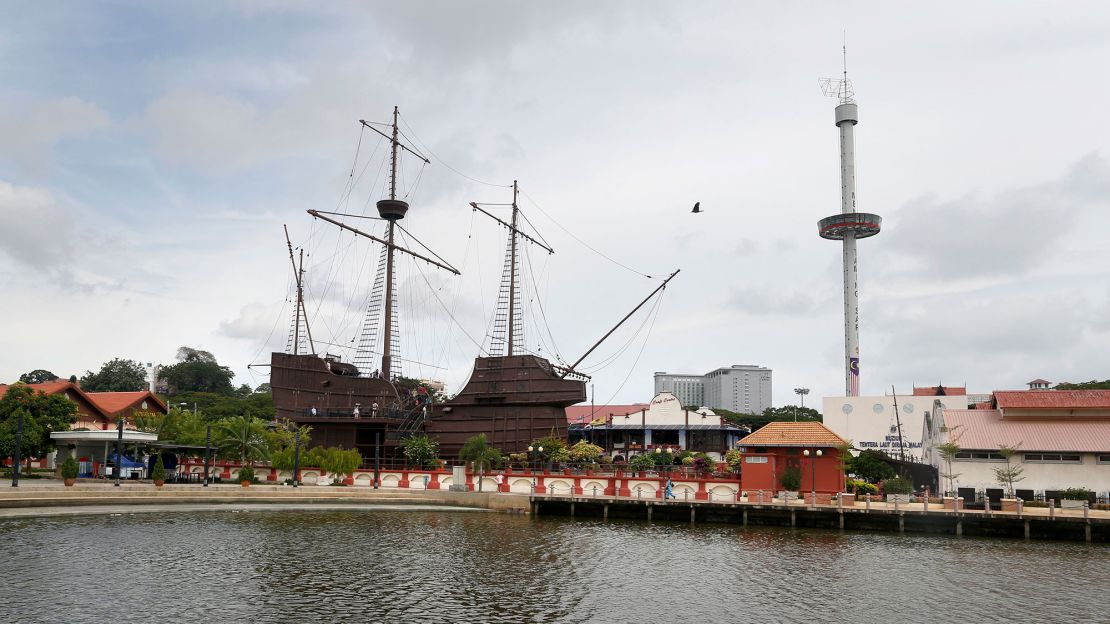
Hidden shipwrecks still lost at sea—plus the few that finally surfaced

In a world increasingly obsessed with personal well-being and lifestyle enhancement, the pursuit of adventure remains a timeless catalyst for growth. Far beyond the typical gym session or meditation retreat, the depths of the ocean harbor stories—treasures, mysteries, and lessons—that inspire a modern, youth-centric quest for meaning. From the icy waters near Antarctica to historic shipwrecks scattered across the globe, each sunken vessel embodies resilience and discovery, fueling not just adventure tourism but also a renewed appreciation for personal impact—health, leisure, and inspiration wrapped into one daring expedition.

One of the most recent and captivating chapters in maritime history unfolded in March 2022, when the remarkably preserved wreck of Ernest Shackleton’s HMS Endurance was found nearly two miles beneath the Antarctic seas. This discovery isn’t just about relics of exploration; it’s a reminder that embracing the unknown can propel individuals into a deeper understanding of themselves and the world. For young explorers, these tales evoke a sense of limitless possibility—a vital sentiment in a culture that champions adventure-driven wellness and physical resilience. As the endures of such expeditions demonstrate, pushing the boundaries of exploration directly correlates with a sense of personal empowerment and life enrichment.

Travelers seeking authentic experiences are increasingly drawn to extraordinary sites where history whispers from sunken ships like the Vasa in Stockholm or the mysterious Chuuk Lagoon. The Vasa, a 17th-century Swedish warship recovered after sinking on its maiden voyage, now stands as an inspiring symbol of historical resilience. Meanwhile, the haunting coral-covered remains in Chuuk Lagoon—left behind after Operation Hailstone during WWII—offer divers a chance to connect deeply with history and cultivate mental wellness. These experiences don’t just add stories to one’s travel portfolio; they foster a narrative of curiosity and resilience that encourages youth to pursue adventures that challenge and transform.

  • Travel tip: Devote time to uncover hidden histories—whether through snorkeling, diving, or museum visits—allowing yourself to be immersed in stories of perseverance and discovery.
  • Lifestyle hack: Integrate exploration into your routine—be it weekend hikes, local archaeological sites, or historical tours—to nurture resilience and curiosity.
  • Main takeaway: Rediscover the thrill of personal impact through active engagement with history and adventure, forging a lifestyle rooted in curiosity, health, and inspiration.

Ultimately, these deep-sea stories remind the modern youth that life itself is an adventure worth embracing. As explorers like Clive Cussler echoed in their pursuits, the elusiveness of sunken ships fuels a quest that mirrors life’s own unpredictable voyage—full of surprises, setbacks, and triumphs. Just as recovered artifacts from the Uluburun ship reveal treasures of the Bronze Age, our journeys—whether literal or metaphorical—are about uncovering what lies beneath the surface. By daring to venture into the unknown, young minds and bodies can **transform challenges into opportunities**, forging a path that synthesizes wellness, discovery, and purpose. So, set sail with the conviction to seek not just new destinations, but new perspectives that will shape your story—one of resilience, adventure, and profound personal impact.

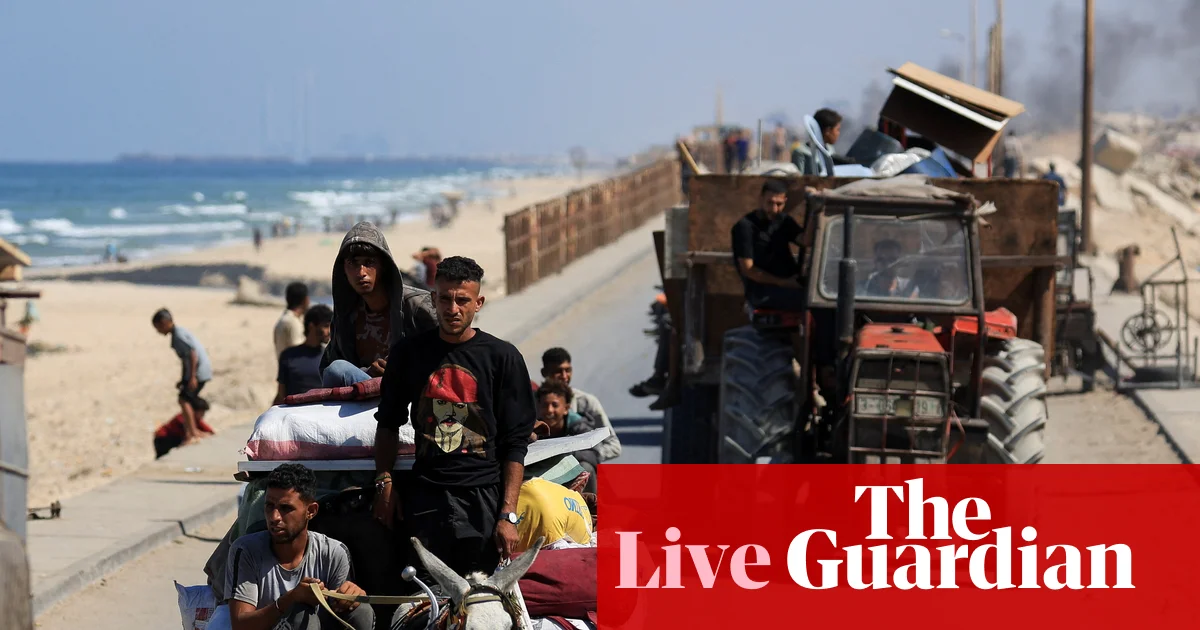
Israel shuts down Gaza’s last southern route as military offensive intensifies on Gaza City — live updates

The ongoing Israeli military offensive in Gaza marks a significant escalation in the Middle East crisis, with profound geopolitical impact that threatens regional stability and influences the world’s power dynamics. As Israel moves to cut off access routes from Gaza’s south to north, the humanitarian toll continues to mount, with the UN reporting over a quarter of a million displaced residents in just the past month. The latest military decisions, including the closure of critical transit routes and increased aerial and ground operations, underscore a strategic shift that may shape future Israeli-Palestinian relations for generations.

Simultaneously, Hamas is reviewing a recent plan presented by Donald Trump in Washington, which many view as a pivotal turning point. Israeli and Arab leaders have broadly supported the 20-point proposal, which aims to de-escalate the violence, yet Hamas’s response remains uncertain. Trump has presented an ultimatum, declaring that Hamas has “three or four days” to accept or face severe repercussions. This high-stakes diplomatic maneuvering directly affects not only the immediate conflict but also regional alliances, with many analysts warning that the failure or acceptance of the plan may determine whether the region slides further into chaos or begins a fragile path toward peace.

Globally, reactions to the crisis reveal divisions and strategic calculations. The Australian government, accused of enabling Israel’s military actions through tepid critiques, faces mounting international pressure, with critics asserting that such policies embolden atrocities and undermine international law. On the ground, the human cost is staggering: the Palestinian health ministry reports over 66,000 deaths and hundreds of thousands injured since October 2023, emphasizing the severity of the humanitarian catastrophe. Meanwhile, the recent attack by Yemen’s Houthi rebels on a Dutch-flagged cargo ship, which caused substantial damage and injuries, demonstrates that regional conflicts are intertwining, further destabilizing an already volatile situation.

In the broader global context, the Middle East remains a hotspot of tension, with Iran facing renewed sanctions over its nuclear program, and Yemen becoming a theater of proxy conflict as the Houthis threaten Western interests with their assault on shipping lanes. The Global Sumud Flotilla attempting to break the naval blockade of Gaza reports being threatened and impeded by unidentified vessels, illustrating the high risks and escalating confrontations at sea. This layered and interconnected instability leaves history at a crossroads, with the choices made today echoing into the future of international order, justice, and peace, as the world watches with bated breath—the weight of history still unfolding.

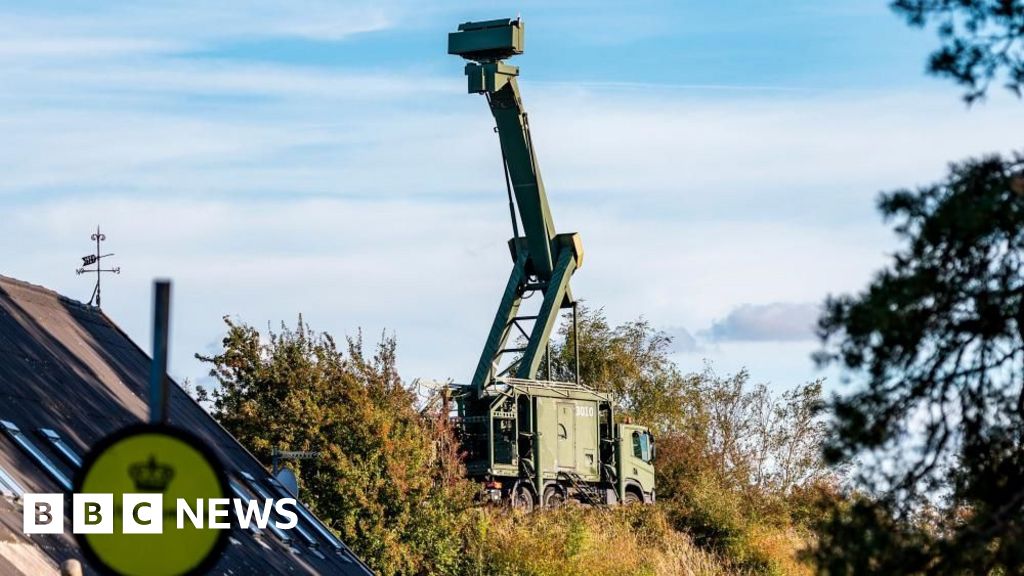
Danish Military Bases Spotted Under Drone Watch Amid Rising Air Tensions

Recent sightings of unidentified drones near military and civil infrastructure across Denmark, Germany, Norway, and Lithuania have sent shockwaves through an increasingly tense European security landscape. The series of incursions, notably the drone activity above key military bases like Karup airbase in Denmark, align with a disturbing pattern of aerial disruptions that threaten the stability of the continent. These events come just days after major airports in the region, including Copenhagen and Oslo, experienced temporary closures due to drone activity, highlighting vulnerabilities within civilian and military airspace alike.

Analysts suggest that these incidents are part of a broader hybrid attack, a sophisticated blend of military and non-military tactics designed to destabilize and undermine interconnected security systems. The Danish Defense Ministry has cautiously refrained from accusing any state actor, though some officials hint at the possibility of Russian involvement. This suspicion is fueled by recent heightened tensions between Russia and NATO allies, with Eastern European countries such as Estonia and Poland reporting similar incursions involving Russian drones and fighter jets. The North Atlantic Treaty Organization (NATO) has responded with urgent consultations, as fears grow that Moscow may be engaging in a broader strategy of indirect aggression, leveraging these covert operations to weaken Western unity and sow discord in the heart of Europe.

Government officials and international organizations warn that these drone incursions signal a new phase in hybrid warfare, where the battlefield extends beyond traditional combat zones to include the cloud of technological vulnerabilities that modern societies have come to depend upon. German Interior Minister Alexander Dobrindt has emphasized the high threat level, ordering further investigations and regional discussions on how to counteract this rising threat. Meanwhile, U.S. and European security analysts cite the increasing frequency of such incidents as a warning that the age of aerial proxy conflicts has arrived, demanding a coordinated, strategic response to prevent escalation into overt conflict.

As Russian officials vehemently deny involvement, dismissing allegations as “absurd provocations”, the weight of history and recent events suggest a more complex reality. Past accusations of hybrid assaults, coupled with Russia’s openly strategic posture in Eastern Europe, leave many experts questioning whether these violations are a form of weaponized diplomacy. The unfolding drama in Northern Europe encapsulates a larger narrative of geopolitical rivalry, where control of information, airspace, and influence determines the fate of nations. The world watches as the specter of war, cloaked in the shadows of digital and aerial warfare, lingers just beyond the horizon, leaving humanity at a perilous crossroads where every decision could tip the balance towards peace or chaos. The consequences of these silent battles will echo through history, shaping the legacy of this turbulent era.

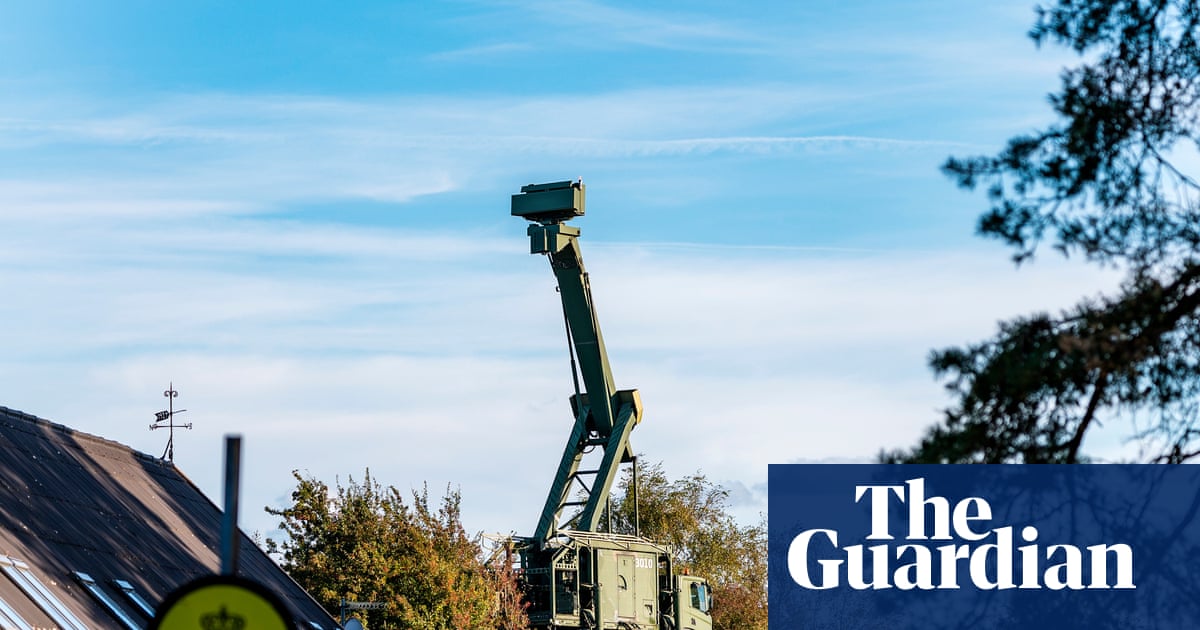
Denmark detects fresh drone threats over major military base — rising security concerns for the youth

Unsettling Incursions in Scandinavia Highlight Growing Geopolitical Tensions

In a series of alarming developments, Denmark has become the latest focal point in what international analysts are describing as a hybrid attack—an unprecedented form of covert aggression involving unidentified drones operating over key military sites. During Friday night, these drones infiltrated numerous Danish military targets, including the nation’s largest airbase at Karup, which houses critical air force assets and command centers. The Danish military and police have acknowledged the breaches but stopped short of confirming their origin, though officials point towards Russia as a prime suspect, emphasizing the strategic threat posed by Moscow’s assertiveness in the region. This series of incursions represents a significant escalation in Europe’s security landscape, signaling a new era where hybrid warfare threatens sovereign borders without traditional military engagement.

Escalation of Hybrid Warfare and NATO’s Response

While Denmark’s prime minister, Mette Frederiksen, explicitly blamed Russia for these “hybrid attacks,” Moscow has firmly denied any involvement, dismissing the incidents as “a staged provocation.” This diplomatic dodge underlines the persistent ambiguity characteristic of hybrid warfare, where plausible deniability complicates attribution and accountability. Analysts, including security experts at the International Institute for Strategic Studies, warn that these drone incursions are more than mere demonstrations; they are strategic tests of NATO’s defenses and the West’s resilience to asymmetrical threats. The incident has prompted Denmark to procure long-range precision weapons and develop enhanced drone detection capabilities, signifying a decisive shift in national defense policies aimed at countering this new threat vector.

European Unity and the Formation of a ‘Drone Wall’

The broader European Union is responding with extraordinary measures, with defense ministers from ten nations uniting to prioritize establishing a “drone wall”—a protective barrier of anti-drone technology. The EU’s defense commissioner, Andrius Kubilius, emphasized the urgency of this initiative, urging Europe to adapt lessons learned from conflict zones like Ukraine. The move signifies a strategic pivot, aiming to reinforce the continent’s defenses against unidentified aerial threats and uphold sovereignty amid ongoing regional destabilization. The upcoming EU summit in Copenhagen, which will also be attended by Sweden’s tech-sharing offer, illustrates the bloc’s recognition that collective action is essential. Failure to act decisively risks allowing hybrid tactics to erode trust and security across member states, fundamentally altering Europe’s geopolitical stability.

How Decisions Today Will Shape the Future of European Defense

This escalating scenario presents a stark warning to the global community: the landscape of warfare has fundamentally shifted. The integration of drone technology into zones of conflict blurs the lines of traditional borders, forcing nations to rethink defense paradigms. As Danish Defense Minister Troels Lund Poulsen and Justice Minister Peter Hummelgaard accurately highlight, the purpose of these provocations extends beyond mere disruption—they aim to provoke fear, deepen divisions, and test Western resolve. History’s course hinges on how swiftly and resolutely nations respond to these invisible threats, with some experts warning that failures to innovate could leave countries vulnerable to future incursions, whether by state actors or splinter groups mimicking hostile nations’ tactics.

As this chapter of hybrid conflict unfurls, the echoes of history remind us—wars are no longer fought solely on battlefields but in shadows and cyberspaces. The coming days could very well decide whether Europe stands firm or succumbs to a new era of unseen threats, where the weight of history is not upon a distant battlefield but hanging in the skies above Scandinavia.

Social Media Auto Publish Powered By : XYZScripts.com