Matox News

Truth Over Trends, always!

Over 30 killed as military airstrike targets hospital—urgent questions remain

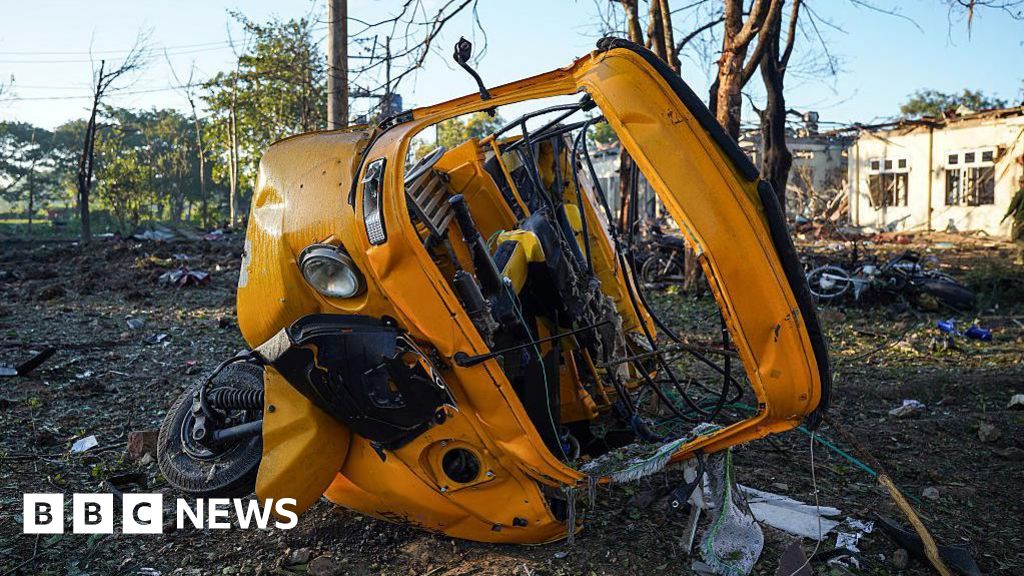
In a troubling escalation of Myanmar’s ongoing civil conflict, deadly air strikes have once again shattered the fragile veneer of stability in the country. Reports confirm that at least 34 civilians, including patients at a hospital in Mrauk-U, were killed when the military regime launched an indiscriminate attack—shocking the international community and underscoring the brutal realities of this protracted conflict. These strikes are emblematic of the regime’s aggressive pushback against ethnic militias, notably the Arakan Army, which has fiercely resisted the military’s attempt to reassert control over contested regions in Rakhine state. With the country’s first election since the February 2021 coup looming on December 28, the military’s escalation points to a deeper struggle over sovereignty, legitimacy, and control.

This episode in Myanmar’s tumultuous political landscape demonstrates the profound geopolitical impact of external influence. The military’s recent procurement of advanced technology and weaponry from Russia and China has significantly shifted the battlefield dynamics, enabling rapid territorial gains through relentless airstrikes and heavy bombardments. These developments have alarmed analysts and international entities like the United Nations, with UN human rights chief Tom Andrews describing the upcoming elections as a “sham,” designed to legitimize a fundamentally illegitimate regime. The military’s tactics of targeting civilian infrastructure, including hospitals and religious sites, serve to defy international condemnation and deepen the humanitarian crisis. As civil liberties deteriorate—a crackdown that has already led to tens of thousands of arrests—the regime’s actions threaten to plunge Myanmar into a new era of violence and despair.

Meanwhile, opposition groups, ethnic militias, and political dissidents have vowed to boycott the elections in protest against what they see as a rigged process designed to entrench military power. Incidents such as the arrest of a candidate from a central Myanmar region and the detention of activists reveal a government intent on silencing dissent. These measures reflect a broader pattern of repression that has become a defining feature of Myanmar’s internal struggles, with rights groups warning that the military regime is consolidating authority through sheer force. The international community’s inability to intervene decisively has left a power vacuum, allowing the junta to conduct its brutal campaign under a cloak of legitimacy—an uneasy, dangerous compromise that may only embolden the regime.

As the world watches Myanmar’s tragedy unfold, history warns us of the peril that comes with turning a blind eye to tyranny. With each bomb dropped and every soldier deployed, the nation drifts further from peace and into the abyss of chaos. The decisions made in the coming weeks will shape Myanmar’s future—either as a sovereign nation fighting for survival or as a fractured state shackled beneath the heel of militarism. In this moment of profound upheaval, the weight of history presses down on every stakeholder, and the story of Myanmar hangs delicately in the balance—its destiny still uncertain, its struggles echoing across borders as a stark reminder of the cost of unchecked power.
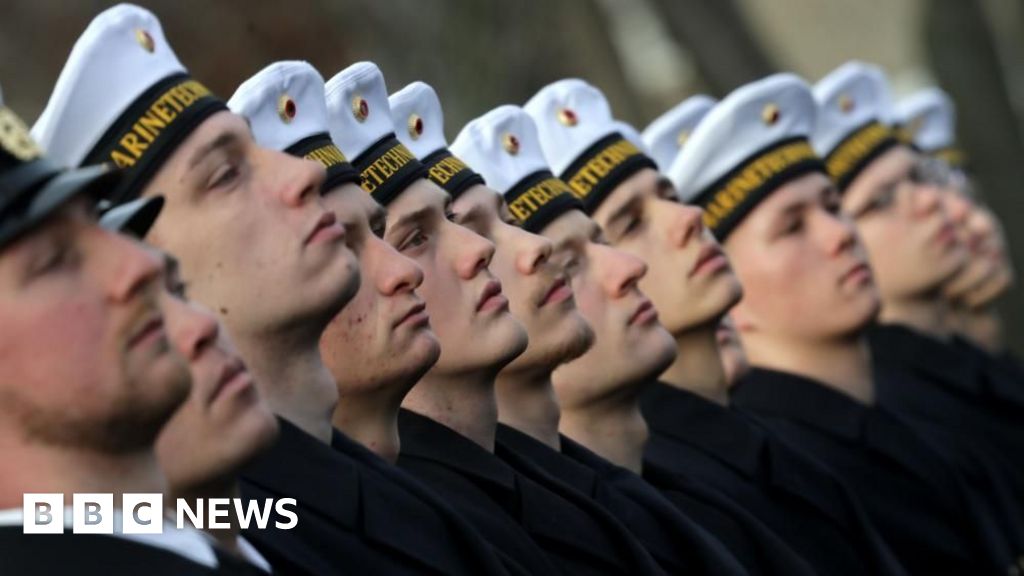
Which European nations are beefing up with mandatory or voluntary military service?

In a clear response to Russia’s full-scale invasion of Ukraine in 2022 and the lingering specter of renewed geopolitical conflict, many of Europe’s NATO member states are recalibrating their military strategies. Across the continent, nations are mobilizing efforts to bolster their armed forces—either by reintroducing conscription, expanding volunteer schemes, or modernizing their professional armies. This surge in military recruitment signifies a fundamental shift in Europe’s defense posture, driven by the perceived threat of Russian aggression and a broader assertion of sovereignty amidst geopolitical instability.

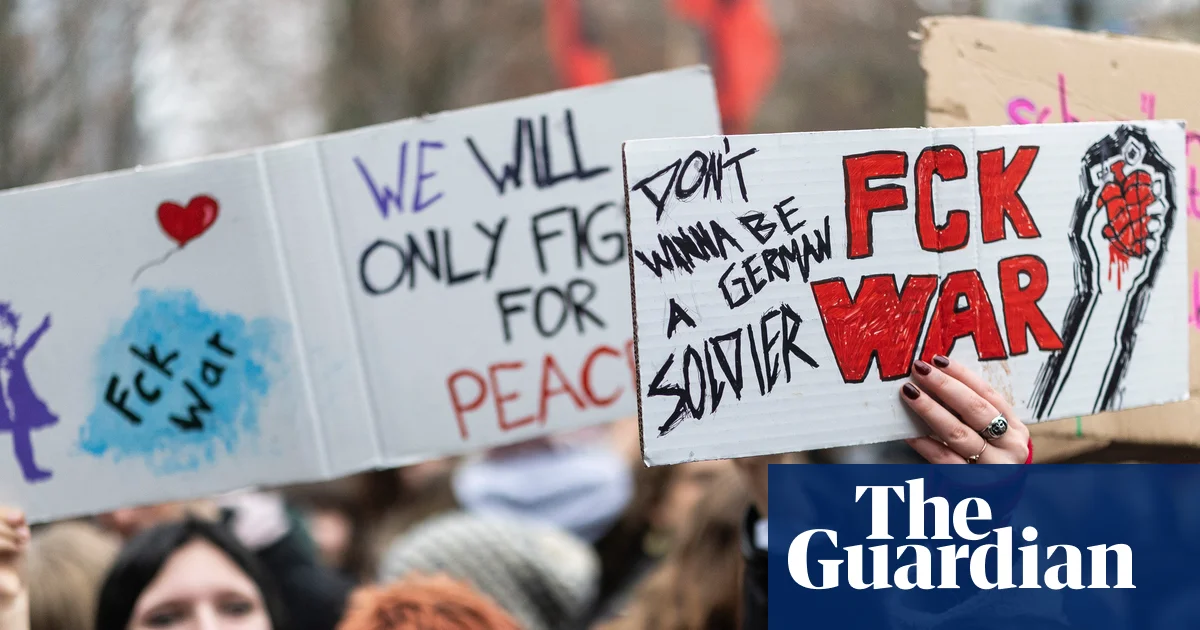
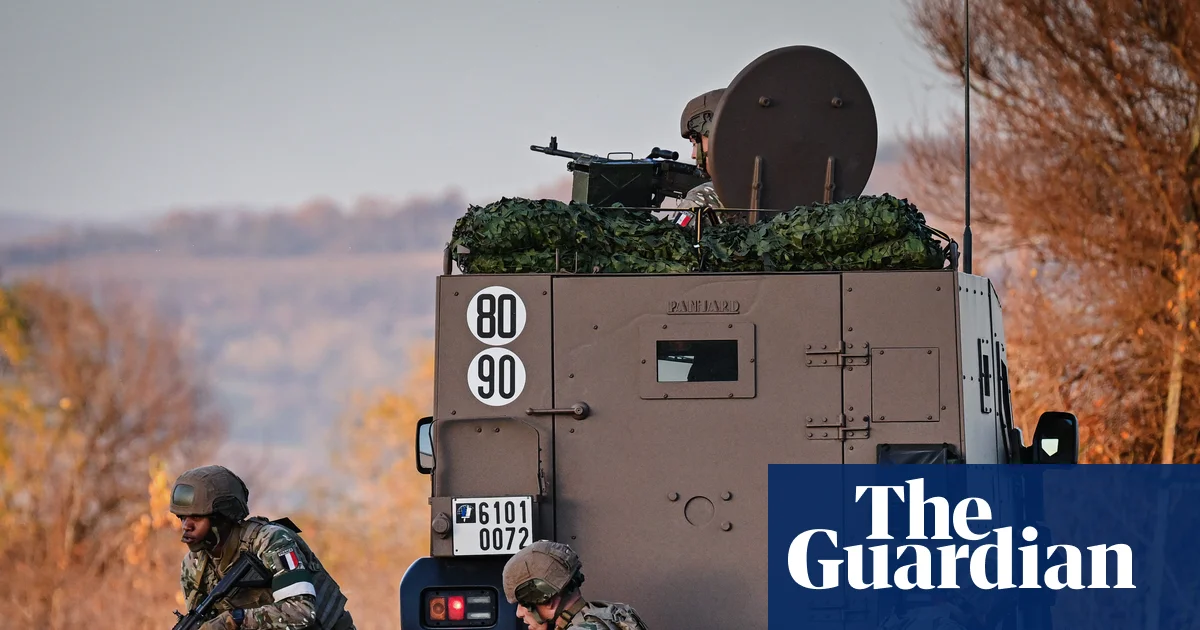
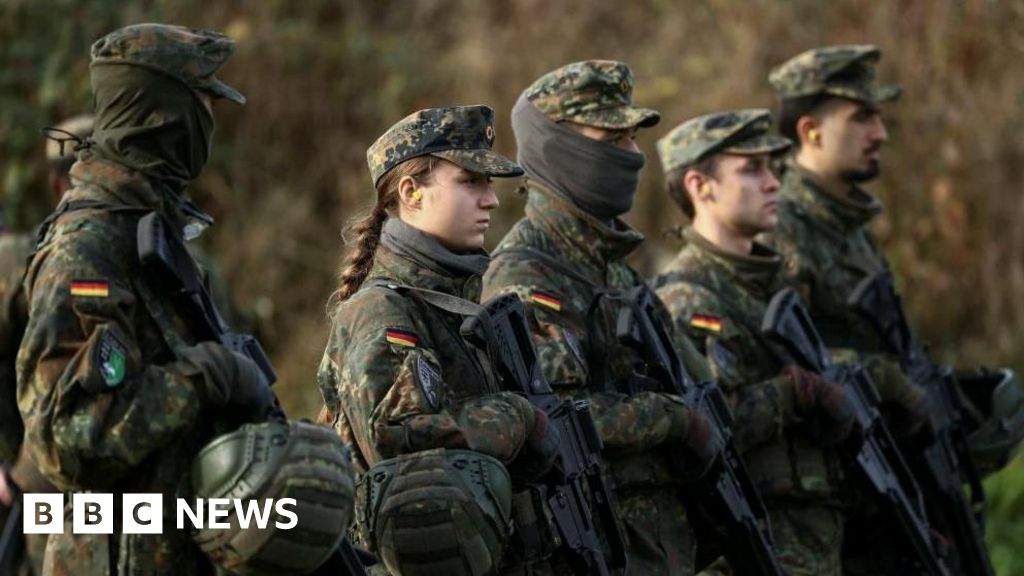
Countries like Germany and France are leading this transformation. Germany has returned to a strategy of voluntary military service, with a legislative move aimed at creating Europe’s “strongest conventional army” by 2035. Parliament has approved a law requiring all 18-year-old men to fill out recruitment questionnaires and undergo medical exams—potentially enabling a future return to compulsory service if circumstances demand. Chancellor Friedrich Merz has articulated a vision of expanding the military from 183,000 to 260,000 active troops, an initiative that has sparked protests among young Germans who fear becoming “cannon fodder.” Historians and defense analysts warn that such militarization, while pragmatic, risks stoking societal divisions and reigniting memories of Europe’s turbulent past.

Meanwhile, France is pioneering a voluntary national service program aimed at attracting the youth—primarily 18- and 19-year-olds—offering €800 per month for 10 months of military training. President Emmanuel Macron emphasized the importance of mobilizing the nation to defend itself, invoking nationalist themes to rally support. This shift reflects a broader European trend: while Norway and Estonia maintain conscription policies, others like Belgium and Poland have launched targeted voluntary schemes to increase their reserve forces. Global institutions such as NATO have voiced cautious optimism, viewing these moves as necessary for collective security, yet critics argue such efforts could exacerbate tensions and escalate regional conflicts.

In the broader context, Turkey continues its longstanding conscription policy, with men aged 20-41 obligated to serve for 6-12 months, reinforcing its military strength as it faces regional security challenges. Meanwhile, Croatia plans to reintroduce conscription next year, mandating two months of military training for young men aged 19 to 29. As Germany and France work towards expanding their armies, other nations like Austria and Switzerland maintain compulsory military duties for their populations—highlighting a continent in flux, balancing traditional conscription with modern volunteerism. The common thread is evident: European nations are actively adjusting their defense doctrines to reflect a new era where the threat landscape remains unpredictable, and the weight of history whispers ominously in the background.

As Europe stands at this crucial juncture, the decisions taken today—whether to conscript or to rely solely on volunteers—will shape societies for generations. The unfolding narrative is more than a matter of military logistics; it is a story intertwined with national identity, sovereignty, and the collective security of freedom itself. In the quiet before the next storm, history watches silently—its pages yet unwritten, its voice echoing with the weight of uncertainty. The continent’s future hinges on choices made now, daring to confront or evade the shadows cast by the past—an enduring testament to the fragile yet resilient fabric of civilization, still awaiting the next chapter of its destiny.

Germany pushes for voluntary military service for 18-year-olds, shaping a stronger future youth force

Germany Revamps Its Military Policy in Response to Rising Geopolitical Tensions

The recent decision by Germany’s Bundestag to introduce voluntary military service marks a pivotal moment in European defense policy. In a close vote of 323 to 272, the German parliament approved the measure, signaling a strategic shift amidst swirling uncertainties stemming from Russia’s full-scale invasion of Ukraine. Chancellor Friedrich Merz has made rebuilding the Bundeswehr into Europe’s strongest conventional army a central goal, aligning himself with a broader NATO push to bolster collective defense capabilities. This decision comes at a time when European nations grapple with existential threats that threaten to reshape the continent’s security landscape.

Historian and defense analysts underscore that this move signifies more than just military expansion; it signals Germany’s acknowledgment of a changed geopolitical reality. Historically, Germany has maintained a pacifist stance since ending compulsory service in 2011, but the current threat environment has compelled a reevaluation. The new policy envisions raising the standing army by 20,000 personnel over the next year and increasing the reserve forces to about 200,000—aiming to meet NATO’s evolving force standards. The decision to implement voluntary service is reportedly designed to maximize recruitment incentives, offering approximately €2,600 per month to volunteers—an attractive proposition in contrast to neighboring France, where volunteers will receive at least €800 monthly.

How Decisions Shape Nations and Societies

The widespread protests from German youth reflect a significant societal divide about the nation’s renewed militarization. Many young Germans oppose the move, citing personal and moral reservations about military service. As student protests erupt across 90 cities like Hamburg, critics argue that the shift toward militarization risks igniting a generational rift—raising concerns about the long-term societal impact of increased recruitment and training. The protest organizers warn that war offers “no prospects for the future” and could threaten the livelihoods of young Germans already wary of a return to a militarized society, illustrating how **domestic opinion** can influence, and sometimes hinder, strategic national policies.

By aligning with NATO strategies and increasing its defense spending, Germany demonstrates an intent to shift from a peaceful, post-Cold War stance to a more assertive military posture. The move also signals a broader European response, with France recently announcing voluntary military training for 18- and 19-year-olds, emphasizing a continent-wide recognition of the escalating threats from Russia and other geopolitical adversaries. International organizations, such as the European Union and NATO, now watch closely as the policies taken by Berlin unfold, with many analysts warning that these steps could trigger a renewed arms race and further destabilize an already fragile geopolitical order.

The Long Shadow of History and an Uncertain Future

As Germany prepares to reintroduce a form of conscription—initially voluntary, but with the potential for future mandatory service—history looms large. The Cold War army of nearly half a million starkly contrasts with today’s force of 182,000, illustrating decades of demilitarization and peace-oriented policy shifts. Yet, the current trajectory reflects a ©reversal of practice, motivated by concerns that in a crisis, time would be wasted determining who is operationally capable of defending the homeland. It is a stark reminder of how international conflicts can swiftly recalibrate national priorities, transforming internal debates into urgent questions of sovereignty and security.

As the world watches, the weight of history presses heavily on Germany’s shoulders. The nation’s future, now entangled with questions of military readiness, societal values, and international stability, hangs in a delicate balance. Each decision echoes through the corridors of power, shaping the course of Europe’s security architecture. The current moves may be seen as definitive steps towards renewed strength, but they also carry the unpredictable risks of reigniting old conflicts on a continent scarred by war—reminding the global community that in the theater of geopolitics, history’s unfinished story remains perilously open-ended.

Germany approves military service plan after student protests

In a striking demonstration of Germany’s tumultuous geopolitical landscape, the Bundestag recently rubberstamped a contentious new military service model amid fervent protests by youth across the nation. The legislation, which mandates screening all 18-year-old men for military suitability starting January 1, signals a clear shift towards rearmament—an echo of Germany’s Cold War past when conscription was a fundamental aspect of national defense. This move, championed by Defense Minister Boris Pistorius, aims to rebuild the German armed forces to reach a desirable strength of 460,000 personnel—comprising 260,000 active soldiers and 200,000 reservists—replacing the current modest force of approximately 182,000 active soldiers. Yet, this effort faces fierce opposition from a vociferous youth movement and critics warning of the societal and moral costs involved.

Public demonstrations erupted across Germany with students and young activists striking from classes, voicing their opposition to what they see as a dangerous regression towards militaristic nationalism. Alicia, a 17-year-old protester in Berlin’s Kreuzberg district, articulated a sentiment shared by many: “I’m striking against conscription and in opposition to the rearmament that’s taking place, not least because I don’t think the government is doing enough to secure peace through diplomatic means.” These protests mirror a broader undercurrent of skepticism about the government’s shift towards militarism at a time when many see diplomacy and international cooperation as the true pathways to lasting peace. International observers, including analysts from the European Council on Foreign Relations, warn that rearmament risks inflaming regional conflicts and eroding the post-World War II consensus that aimed to *keep Germany as a peaceful, democratic state.*

The decision’s geopolitical impact extends well beyond border disputes or military strength; it’s reshaping Germany’s role within Europe and the wider Atlantic alliance. Critics, such as the left-wing Die Linke, argue that this move undermines Germany’s commitment to peace and risks rekindling a militarized nationalism reminiscent of its dark past. Meanwhile, conservative voices emphasize the need for a prepared and patriotic military force, asserting that the new laws will inspire a sense of national duty among young Germans. Notably, Friedrich Merz of the CDU highlighted the importance of soldiers fighting for their country rather than monetary gain, advocating a “patriotism-driven” military ethos. This debate echoes historically charged tensions about national identity and the morality of military service, with critics pointing out the problematic echoes of Germany’s Nazi-era atrocities—a point often raised by historians warning against the resurgence of militaristic chauvinism.

Simultaneously, the German government is advancing legislation on an array of socio-economic issues, including a controversial pension law aimed at stabilizing an aging society. The legislation was fiercely debated, with young lawmakers raising concerns over demographic shifts and the burden of support placed on future workers. The law’s passage, which maintains state pensions at 48% of wages until 2031 and introduces tax incentives for extended workforce participation, reflects a broader attempt to balance economic sustainability with social security. Yet, opposition from within the coalition underscores fears that such policies merely shift burdens onto the youth, compounding the societal stresses of demographic decline. As the nation’s political landscape shudders under these dual shifts—toward rearmament and social austerity—the true test lies in how Germany’s leadership navigates this turbulent epoch. Will this be a chapter of renewed strength or the ignition of a perilous cycle of militarism and social discord? History continues to unfold, its pages heavy with implications for Europe and the world.

Experts demand release of boat strike footage as US admiral claims no ‘kill them all’ orders | US military

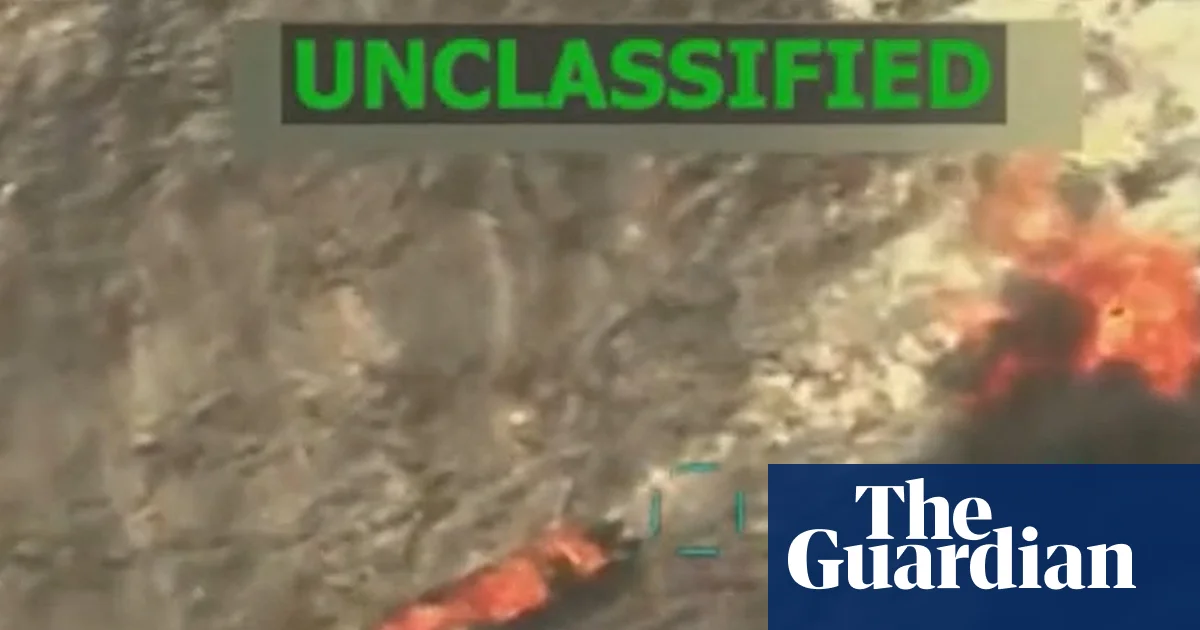
In a sharply escalating confrontation on the global stage, the United States has come under intense scrutiny over its recent military operations against suspected narcotics vessels in the Caribbean. The controversy erupted following reports that a U.S. military strike, ordered during the Trump administration, resulted in the death of survivors—an action that has ignited debates over legality, ethics, and the very nature of American military engagement in conflict zones. The attack, which took the lives of 11 individuals, is now a flashpoint in discussions about the use of force in international waters, especially when linked to the ongoing war on drugs and fentanyl trafficking from Venezuela.

This recent wave of strikes marks a paradigmatic shift from traditional interdiction efforts, moving toward a more aggressive and controversial strategy. Defense officials claim that the operations are intended to curb the flow of illegal narcotics into the U.S., but critics—including prominent human rights organizations and congressional investigators—argue that these actions breach international law and principles of due process. According to Sarah Yager of Human Rights Watch, the U.S. cannot legally justify killing presumed vesseľ operators without a formal declaration of war, warning that the current approach risks setting a dangerous precedent where extrajudicial killings become normalized without accountability, especially as the Biden administration faces mounting calls for transparency.

The controversy substantially deepened when allegations emerged that Secretary of Defense Pete Hegseth had issued explicit orders to “kill them all,” including survivors attempting to surrender or escape the wreckage. This claim has ignited bipartisan concern in Washington, as lawmakers from both parties question whether such directives violate rules of engagement and international humanitarian laws. During congressional hearings, military officials vehemently denied the existence of any explicit “kill all” orders, although some senators, such as Thom Tillis, expressed alarm at the possible implications of targeting defenseless individuals. The debate underscores the geopolitical impact of America’s expanding latitude for military action, which threatens to undermine the perceived legitimacy of U.S. foreign policy while risking new conflicts in fragile regions.

Analysts warn that, beyond its immediate legal and ethical questions, this campaign could have profound repercussions on global stability. Historian John Jones from the International Security Council states that when a superpower resorts to extrajudicial strikes, it risks eroding international norms that safeguard human rights and sovereignty. Critics contend that the U.S.’s aggressive tactics may fuel anti-American sentiments across Latin America and the Caribbean, fostering instability and empowering hostile actors. As the global community watches, the West’s confidence in its moral authority hangs in the balance, with the forces of geopolitics and justice colliding in a tumultuous contest for influence and moral legitimacy. The unfolding controversy leaves the world on edge, as history’s pen continues to chart a new chapter—one that might forever redefine the boundaries of military authority and the moral boundaries of intervention.

Australia pledges $95M military aid to Ukraine amid rising tensions; suspect faces murder charge in northern NSW

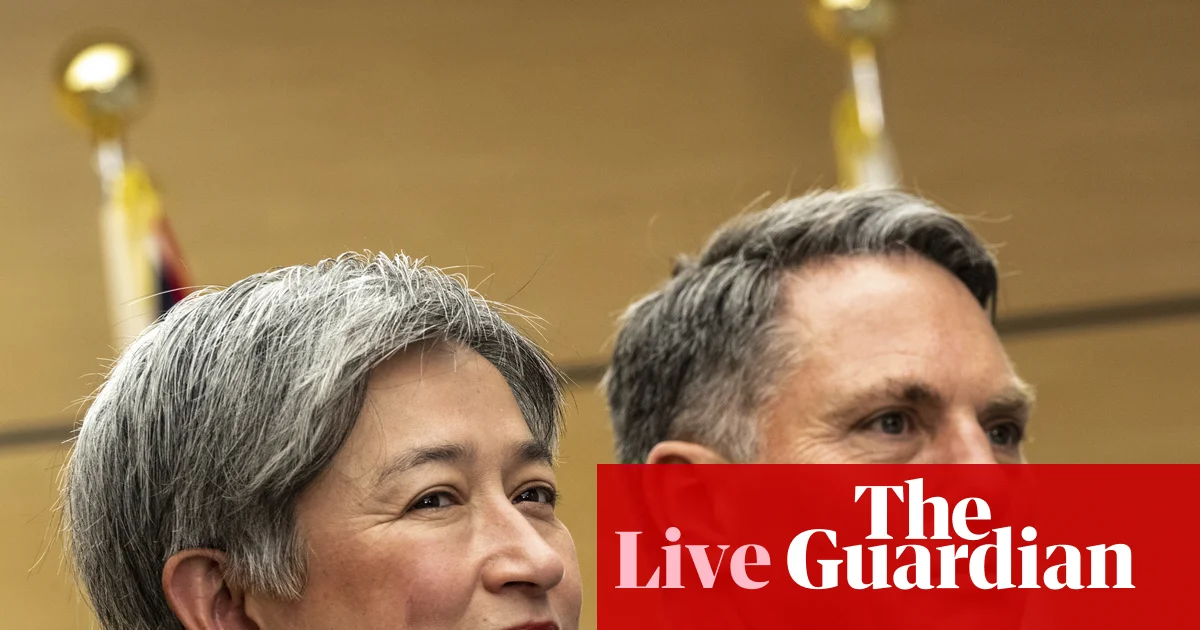
In a decisive move that underscores the mounting international tensions amid an ongoing conflict in Ukraine, the Australian government has pledged an additional $95 million in military support for Kyiv, bolstering its commitment to counter Russia’s aggression. Announced by Defence Minister Richard Marles and Foreign Minister Penny Wong, this latest aid package raises Australia’s total support since the conflict’s onset to over $1.7 billion. This reinforcement is not isolated; it aligns with NATO-led initiatives such as the Prioritised Ukraine Requirements List (PURL), aimed at delivering critical military equipment including radars, munitions, and the final deployment of 49 Abrams tanks to bolster Ukraine’s defenses.

As Australia exhibits unwavering backing for Ukraine’s sovereignty, the global repercussions of such commitments ripple across geopolitics. The decision to intensify sanctions against Moscow’s shadow fleet of oil tankers signals a broader effort by allied nations to choke Russia’s circumventing tactics—highlighted by the targeted measures on vessels supporting Moscow’s illicit energy trade. These diplomatic and military maneuvers, analyzed by international observers, reinforce the trajectory of multilateral efforts to uphold international law against Moscow’s provocations. Experts from institutions like the Council on Foreign Relations warn that these actions could set a precedent that complicates future diplomatic negotiations, potentially intensifying the geopolitical divide.

Simultaneously, domestic issues dominate the political landscape. In Australia, economic policy debates confront the reality of slow growth and persistent inflation, with Treasurer Jim Chalmers dismissing claims that the economy might be at its “speed limit.” The recent national accounts, showing just 2.1% annual growth, are being interpreted optimistically, with Chalmers emphasizing that private sector recovery and productivity gains signal a promising outlook. However, the buildup of inflationary pressures has sparked speculation of impending interest rate hikes by the Reserve Bank of Australia, risking a delicate balancing act for policymakers intent on maintaining economic momentum without igniting runaway inflation.

Meanwhile, issues underlying the nation’s internal security and resource management have gained prominence. The Australian Bureau of Statistics announced it would begin accounting for illegal cigarette sales—a covert economy that has seen a 29% drop in legal tobacco sales, an anomaly revealing deeper challenges. Experts warn that the surge in black market tobacco trade not only skews economic data but also facilitates criminal activity, exemplifying how organized gangs may exploit economic shifts. The government’s efforts to estimate illicit sales through innovative methods like wastewater detection aim to bring these shadow activities into the official economic framework, a move that could reshape how Australia measures its growth and stability.

From the battlefield of eastern Europe to the halls of domestic policy, Australia’s decisions reflect a nation grappling with international responsibilities and internal vulnerabilities. The support for Ukraine demonstrates an active role on the global stage, defending what many see as the values of sovereignty and democracy. At the same time, the challenges at home—economic slowdowns, inflation, and illicit trade—serve as a stark reminder that the weight of history is not only shaped by international conflict but also by the resilience and resolve of societies to confront their own crises. As policymakers navigate these intersecting currents, one thing remains clear: the unfolding story of national and international sovereignty continues to be written, and the next chapter may determine the balance of power for generations to come.

Russia’s Mega Missile Showdown: Powerful But Crashing on the Frontlines

In a landscape marked by rapid technological advancements, Russia’s recent missile tests reveal a nation still striving to modernize its nuclear arsenal amidst ongoing geopolitical tensions. Despite signals from Moscow that the Sarmat intercontinental ballistic missile (ICBM) would soon be operational, recent failures cast doubt on its readiness, illustrating the broader challenges faced by Russia in maintaining a credible nuclear force. This development signals a significant industry disruption within Russia’s defense sector, where modernization efforts have stalled and technological hurdles have hampered deployment timelines. Meanwhile, the US continues to monitor with precision, emphasizing the importance of surveillance and strategic advantage.

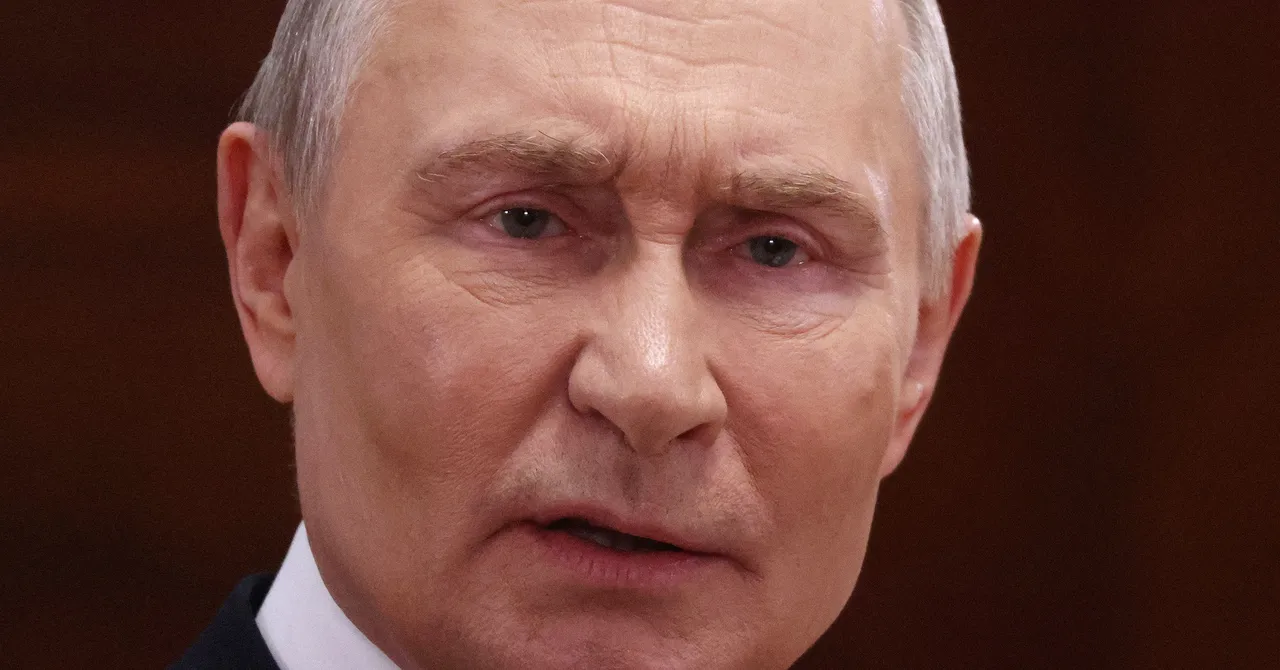
Russia’s strategic missile program, once considered a centerpiece in its military doctrine, now faces setbacks that could impact global stability. The Sarmat missile, capable of carrying multiple warheads and targeting distant adversaries, was heralded as a game-changer in nuclear deterrence. However, recent test failures—despite high-profile declarations from President Vladimir Putin—underscore the risks of overreliance on aging technology and ambitious claims. As noted by military analysts at MIT and defense think tanks, this persistent technical lag leaves Russia’s nuclear deterrent vulnerable, which could prompt shifts in global strategic calculations. Concurrently, Moscow’s emphasis on replenishing assets essential to the Ukraine conflict has diverted resources from nuclear modernization, illustrating a prioritization of conventional forces over strategic deterrence. Notably, the scheduled test of the shorter-range Yars missile demonstrates Russia’s ongoing efforts to maintain a layered nuclear posture, but confidence in these systems remains fragile amid repeated failures. Russia’s internal debate about the efficacy of its arsenal reflects a broader trend among key military powers—where innovation is often outpaced by geopolitical ambitions and budgetary constraints.

The implications for business and innovation in the defense industry are profound. As nations like the United States utilize advanced surveillance platforms such as the RC-135S Cobra Ball—equipped with optical and electronic sensors—to monitor missile tests, private defense contractors and government agencies face mounting pressure to accelerate technological breakthroughs. Indeed, the rise of artificial intelligence, machine learning, and next-generation sensors are reshaping how strategic assets are tested, validated, and deployed. Private sector innovators and established defense giants are now competing in a high-stakes race to develop systems capable of ensuring missile accuracy, stealth, and rapid deployment—areas that are becoming central in the era of disruptive military technology.

Looking ahead, the future trajectory of nuclear modernization remains uncertain. While Russia’s failure to bring the Sarmat into operational readiness underscores the fragility of current military technology, it also emphasizes the increasing importance of innovation that can disrupt traditional deterrence models. Leading experts, including those from Gartner and the Belfer Center at Harvard, warn that the next decade will be critical as advanced hypersonic weapons, cyber capabilities, and AI-driven command systems redefine strategic stability. The lesson is clear: in the race for supremacy, businesses and governments must prioritize disruptive innovation to stay ahead of technological obsolescence. Otherwise, the risk is that defects in current arsenals could introduce unpredictable instability, forcing the world into an unpredictable future where technological primacy determines peace or conflict.

US military in Kyiv amid Europe’s warning on Russia’s peace proposal

International Power Struggles Intensify Amid Ukraine Crisis

The United States has dispatched its most senior military officials to Ukraine in what appears to be a significant escalation in diplomatic efforts. Senior Pentagon officials, including Army Secretary Dan Driscoll and top military commanders, arrived in Kyiv amidst reports of behind-the-scenes negotiations aiming to broker a peace plan. This unprecedented visit underscores a rising geopolitical contest involving Washington, Moscow, and Kyiv, with the stakes extending far beyond Ukraine’s borders. Analysts emphasize that the presence of such high-ranking officials signals a deliberate attempt by the US to influence the course of the conflict, potentially shaping future borders and alliances in Eastern Europe.

Meanwhile, reports have surfaced of a clandestine draft 28-point plan crafted jointly by American and Russian intermediaries. Details suggest this proposal would require Kyiv to cede territories in the Donbas region, dramatically reduce its armed forces, and relinquish some military capabilities—a series of concessions that Ukrainian President Zelensky and his government have categorically rejected. Experts, including seasoned analysts from international think tanks, warn that such concessions could merely serve as a prelude to Moscow’s broader strategic aims—eroding Ukrainian sovereignty and reasserting Russian dominance in the region. The absence of formal participation from EU officials in these negotiations raises fears that the proposed framework might be significantly skewed in favor of Moscow, further destabilizing the fragile balance of power in Europe.

The European Union, worried about the potential erosion of Ukraine’s sovereignty, has voiced stern warnings. EU foreign policy chief Kaja Kallas emphasized that any lasting peace must involve Ukrainian consensus and European backing, dismissing the notion that Kyiv should accept capitulation. Concurrently, French Foreign Minister Jean-Noël Barrot reiterated the unwavering stance that Ukraine “does not want any form of capitulation.” This resistance highlights the broader geopolitical impact: a divided Western stance on how best to support Ukraine’s independence while avoiding outright capitulation to Russia’s demands. Meanwhile, Moscow continues to discredit talks, with Kremlin spokesman Dmitry Peskov denying that any formal negotiations are ongoing, though reports suggest secret meetings and backchannel talks are intensifying.

In the midst of diplomatic tension, Ukrainian cities remain under brutal attack. On Wednesday, Ternopil suffered a devastating missile and drone strike, killing at least 26 civilians and leaving many more missing. This ongoing assault underscores the high human cost of the conflict and raises questions about the real intentions behind these diplomatic maneuverings. While Kyiv’s leadership has firmly stated its refusal to surrender territory, the relentless violence illustrates that the war’s conclusion remains elusive. As President Zelensky observed from Turkey, the conflict’s humanity is being sacrificed on the altar of geopolitical power plays, and the world bears witness to a brutal chapter yet unresolved.

History’s pages are turning in Ukraine, with the trajectory of the conflict potentially steering the future of Europe and global order. As the US and Russia trace tentative pathways toward a resolution—with concessions that threaten to redefine sovereignty—the weight of this moment echoes through history. The choices made today could either restore peace or deepen the scars of a war that endures in the memories of a battered nation. As the shadows of history unfurl, the world stands at a precipice, watching with bated breath as the delicate balance of power teeters, and the fate of Ukraine hangs in the balance—untainted, unresolved, and waiting for the next chapter to be written.

EU Paves Way for Faster Military Moves Across Europe, Boosting Youth Defense Confidence

The European Union is intensifying its efforts to reinforce military readiness across its member states in a move that signals a clear shift towards integrated defense capabilities. The recent announcement by the EU executive to streamline cross-border troop movements is part of a broader strategic initiative to counteract escalating regional tensions, specifically in light of recent warnings from security experts regarding Russia’s potential to attack within five years. The EU is positioning itself to become a frontline defender, emphasizing a coordinated approach that could dramatically alter the continent’s security landscape. As European leaders debate the logistics and funding of this ambitious plan, the core aim remains the same: bolster deterrence and ensure swift military response in the face of emerging threats.

The crux of this initiative involves dismantling bureaucratic hurdles that currently hinder rapid troop movements. According to EU officials, obstacles such as inadequate infrastructure—bridges incapable of supporting heavy tanks, narrow railway tunnels, and incompatible track gauges—pose serious impediments to military logistics. The European Commission has proposed creating a “military Schengen” zone, allowing armies to traverse borders as seamlessly as civilians do. Key to this plan is prioritizing the strengthening of 500 critical points—bridges, tunnels, roads, and ports—at an estimated cost of €100bn. Such investments are seen as essential for ensuring that NATO’s collective defense is complemented by improved continental military mobility, a point underscored by Kaja Kallas, the EU foreign policy chief, who bluntly stated that existing rules, such as the 45-day notice requirement for troop movement, are “not good enough” for an era of heightened tension.

This move draws considerable attention from analysts and international organizations concerned with the geopolitical ramifications. While the EU emphasizes that these measures are designed to underpin NATO’s strategic planning, critics warn of a potential escalation of tensions, especially with Russia. The prospect of Europe becoming a more militarized continent—ready to move armies swiftly across borders—raises fears of militarization spiraling further. Historian and security analyst Dr. Marcus Feldman warns that such initiatives may inadvertently provoke an arms race or regional instability. Nevertheless, EU officials maintain that modernization of infrastructure and legal reforms are vital deterrents against potential aggression, especially in a volatile security climate spurred by Moscow’s recent strategic postures.

Funding remains the most contentious aspect of this initiative. The EU plans to allocate approximately €17.6bn from its long-term budget, with a broader €2tn plan facing resistance from member states wary of increased spending. Nevertheless, the logic remains clear: in an increasingly unpredictable world, preparedness and rapid mobilization are the new currencies of security. As nations within the bloc are often required to co-fund defense projects, the convergence of economic and strategic interests highlights an evolving geopolitical landscape—one where collective action is increasingly deemed necessary to navigate threats that transcend borders. The coming years will test whether these measures can deliver a credible deterrent or merely serve as a fragile veneer over underlying divisions and uncertainties.

As the echoes of history reverberate through the corridors of power, the unfolding plans for a more integrated and mobile European military force cement a stark reality: the continent stands at a crucial juncture. The decisions made today—how well infrastructure is upgraded, how swiftly policies adapt—will undoubtedly shape the fabric of European sovereignty and security for generations. The weight of history is pressing down, with each step towards militarization carrying profound consequences; the thresholds of peace and conflict are now razor-thin, and the world watches as Europe writes its next chapter in a saga of resilience and confrontation.

Ex-Israeli military legal chief arrested over leaked video of alleged Palestinian detainee abuse

Israel’s Internal Crisis Deepens as Leaked Military Video Sparks International Outcry

The recent exposure of a clandestine video involving the Israel Defense Forces (IDF) at the Sde Teiman military base has ignited a fierce national and international debate, illuminating the profound geopolitical impact of military accountability amid ongoing conflict with Palestinian territories. The footage, broadcast widely in August 2024, allegedly depicts reserve soldiers brutalizing a Palestinian detainee, with claims of severe abuse including beatings and sexual violence. This revelation has stunned global pundits and analysts, who warn it signals a troubling turning point in the perception of Israel’s military ethics and legal integrity.

The fallout from the leak has underscored a stark division within Israeli society. On the right, political figures and military supporters have condemned the release of the video as an attack on the nation’s honor. Many see it as a deliberate smear campaign, aimed at damaging Israel’s image amidst its ongoing struggle with regional adversaries. Supporters, including prominent lawmakers aligned with Prime Minister Benjamin Netanyahu, have called for harsh measures against those responsible, framing the incident as a defamation of Israeli military personnel and a threat to national security. Conversely, on the political left, critics argue that the footage vindicates long-standing allegations of systemic abuse and torture within the detention system, which international organizations like the UN have repeatedly condemned. These contrasting narratives reveal how decisions made in secrecy can ripple through geopolitical alliances and societal trust.

Leadership Scandals and International Repercussions

The scandal escalated further with the dramatic resignation of Major General Yifat Tomer-Yerushalmi, the former Military Advocate General, who admitted to leaking the video. Her departure was coupled with a high-profile police search and her subsequent arrest, highlighting the severe domino effect of internal military and political conflicts. The incident exposed fissures within Israel’s leadership, with figures such as Defense Minister Israel Katz openly condemning her, describing her actions as an unpatriotic breach of duty, while Prime Minister Netanyahu characterized the incident as “perhaps the most severe public relations attack since Israel’s founding.” Such rhetoric underscores how domestic disagreements are intertwined with the larger geopolitical narrative of Israel’s self-image as both a democratic state and a regional military power.

International observers have voiced concern over how this internal turmoil could influence Israel’s standing on the global stage. Western allies, especially the United States and European countries, are scrutinizing the credibility of Israeli claims about its military conduct amid calls for transparency and accountability. Global institutions such as Human Rights Watch and Amnesty International have seized upon the video and its aftermath to reiterate longstanding accusations of violations against Palestinian detainees. The broader how decisions taken in Jerusalem affect regional stability is a subject of intense debate among analysts, many warning that unchecked military misconduct could undermine diplomatic efforts in the fragile Middle East peace process.

Historical Echoes and Future Uncertainties

Historians and geopolitical analysts warn that Israel’s internal struggles now echo the turbulent times of the 20th century, where military upheavals and political crises foreshadowed larger regional conflicts. The recent events at Sde Teiman serve as a reminder that what begins as a domestic controversy often has a potent ripple effect across borders. As Israel confronts accusations of brutality and attempts to contain the fallout, the specter of regional destabilization looms. The revelations have stirred calls from many quarters for robust reforms, yet beneath the surface lies a deeper question: how will the unfolding narrative shape the future of Israeli society and its relations with the Palestinian people?

As history continues to be written in real time, the weight of every decision—whether it involves suppression, transparency, or accountability—may ultimately determine the fate of a region already teetering on the edge of chaos. The world watches with bated breath, aware that in this crucible of controversy, the lines between justice and nationalism are often blurred, and that the pages of history are yet to turn on what may become one of the defining moments of the 21st century.

Social Media Auto Publish Powered By : XYZScripts.com