Matox News

Truth Over Trends, always!

Ripley’s Unveiled as Winning Bidder for $12 Million Golden Toilet, Sparking Cultural Buzz

In an age where the boundary between art and spectacle blurs with every passing day, the story of Maurizio Cattelan’s America—a fully functional 18-karat gold toilet—epitomizes the tempestuous intersection of culture, commerce, and identity. Valued at over $12 million and shrouded in the mystique of theft, the work is more than a provocative homage to luxury; it is a mirror held up to our society’s obsession with material excess and superficial spectacle. Once installed in the Guggenheim, this opulent bidet—an ostentatious symbol of wealth—evoked both admiration and disdain, revealing how culture now often reflects the complexities and contradictions of the human condition.

Art critics and cultural philosophers interpret Cattelan’s creation as a cultural statement that challenges the sacredness of artistic and societal institutions. As T.S. Eliot noted, genuine culture acts as a memory and prophecy; it roots us in history while illuminating potential futures. The gold toilet, with its conspicuous luxury, compels society to confront the paradox of beauty and vanity, emblematic of a civilization increasingly preoccupied with the superficial. The theft from Blenheim Palace in 2019—an audacious act—only accentuates the dangerous allure of cultural symbols that question authority and value, echoing historical parallels of revolutionary upheaval and cultural critique.

  • In this context, the auction of the second version of the golden toilet—sold at Sotheby’s with a starting bid pegged to its actual gold weight—embodies the commodification of art, transforming cultural critique into a transaction.
  • The unveiling of the second piece, revealing its connection to a broader series crafted by Cattelan, invites us to reconsider the role of art as both a mirror to society and a marketplace commodity.
  • The involvement of Ripley’s Believe It or Not!, a cultural fixture known for celebrating oddities, underscores how modern spectacle often revels in blurring the boundaries between high art, entertainment, and societal commentary.

This saga, punctuated with theft, auction, and celebrity fascination, reflects a deeper truth: culture remains the vital fabric of societal identity—an inheritance and a prophecy intertwined. Philosophers like G.K. Chesterton argued that tradition, when understood rightly, is the living reflection of human continuity, not mere relics. Today’s cultural landscape, obsessed with novelty and spectacle, risks losing sight of this continuity, reducing art to fleeting trends. Yet, beneath the veneer of gold and controversy, there persists an enduring dialogue about human nature, morality, and the values that define us all. Culture, therefore, acts as both a collective memory informing who we are and a prophetic voice beckoning us toward who we might become.

As we stand amidst layers of history and innovation, the crescendo of human creativity remains a testament to our eternal quest for meaning and transcendence. Culture, in its highest form, is neither merely the past nor the present—it is the silent poetry of the human soul, whispering of both memory and prophecy, guiding us through the corridors of time with its deceptive shimmer yet unfading light. And in this eternal dialogue, may we recognize in every work—be it gold-plated or humble—the indelible imprint of what it means to be truly alive.
Philippines on High Alert: Over 1 Million Evacuated as Typhoon Fung-wong Approaches

Philippines Faces Devastating Typhoon Fung-wong Amid Climate Crisis

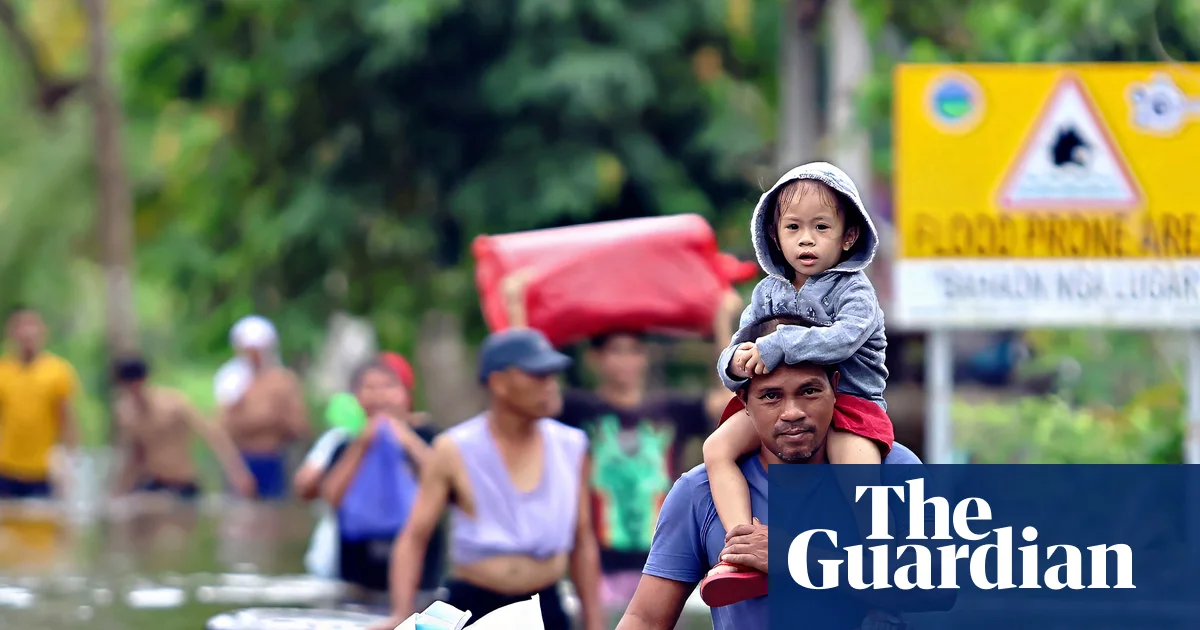
The Philippines, a nation frequently battered by natural disasters, is bracing once again for the destructive impact of Typhoon Fung-wong, a super-typhoon expected to make landfall on its east coast. As the storm approaches, the archipelago has already experienced widespread flooding, with over 1 million evacuations and at least two confirmed fatalities. The situation underscores the persistent threat posed by increasingly severe weather events—an alarming trend scientists attribute directly to the ongoing climate crisis. With winds reaching sustained speeds of 185 km/h and gusts soaring up to 230 km/h, the typhoon’s arrival is anticipated to bring catastrophic rains and storm surges that threaten lives, infrastructure, and economic stability across the nation.

The global impact of such extreme weather patterns can no longer be ignored. According to international climate analysts, rising ocean temperatures—driven by human emissions—fuel stronger, more unpredictable cyclones. The Philippines, situated on the Pacific “Ring of Fire” and prone to such storms, has become a living laboratory observing the tangible consequences of climate change. Historians and environmental experts warn that unless decisive action is taken internationally, these super-typhoons could become the new norm rather than the exception. This storm, hitting amidst a year already marked by an unprecedented number of severe storms, exemplifies how current geopolitical policies and environmental neglect are leaving vulnerable societies exposed to the wrath of nature.

The decision-making of regional governments and international institutions is critical in shaping outcomes for affected populations. Philippine authorities, under warnings from scientists and civil defense officials, have preemptively evacuated over 1.2 million residents, closing schools and businesses. Military and rescue teams, however, face immense challenges amid dangerous conditions, with rescue operations hampered by rising floodwaters and storm surges. Obeying evacuation orders and investing in disaster preparedness remains essential—not only for immediate safety, but also as a testament to the geopolitical importance of resilient infrastructure in disaster-prone nations. Analysts argue that the Philippines’ repeated suffering is a stark reminder that climate justice must be a global priority, emphasizing how inaction by wealthier nations exacerbates the plight of developing regions. It is a moral and strategic failure to ignore the growing climate threat, which now demands a unified international response to prevent further tragedies.

As the storm’s eye approaches Aurora and neighboring provinces, the narrative of climate vulnerability continues to unfold with urgency. News footage shows streets transformed into torrents, communities stranded and countless lives in peril. International institutions like the United Nations have issued warnings linking these extreme weather events to climate change, but tangible action remains elusive. With each passing storm, history records a stark lesson: failure to address the root causes of climate instability will only deepen global disparities and human suffering. The Philippines, a nation resilient in spirit but strained beyond measure, stands at the frontlines of a crisis that transcends borders and defies easy solutions. As families brace for the worst, the question lingers—how many more must suffer before decisive, transformative action is finally taken? The answer, still unwritten, weighs heavily on the world’s conscience as history marches toward an uncertain, storm-ravaged future.

Ofgem Reveals Two Million Customers Could Claim £240 Million from Unclaimed Accounts

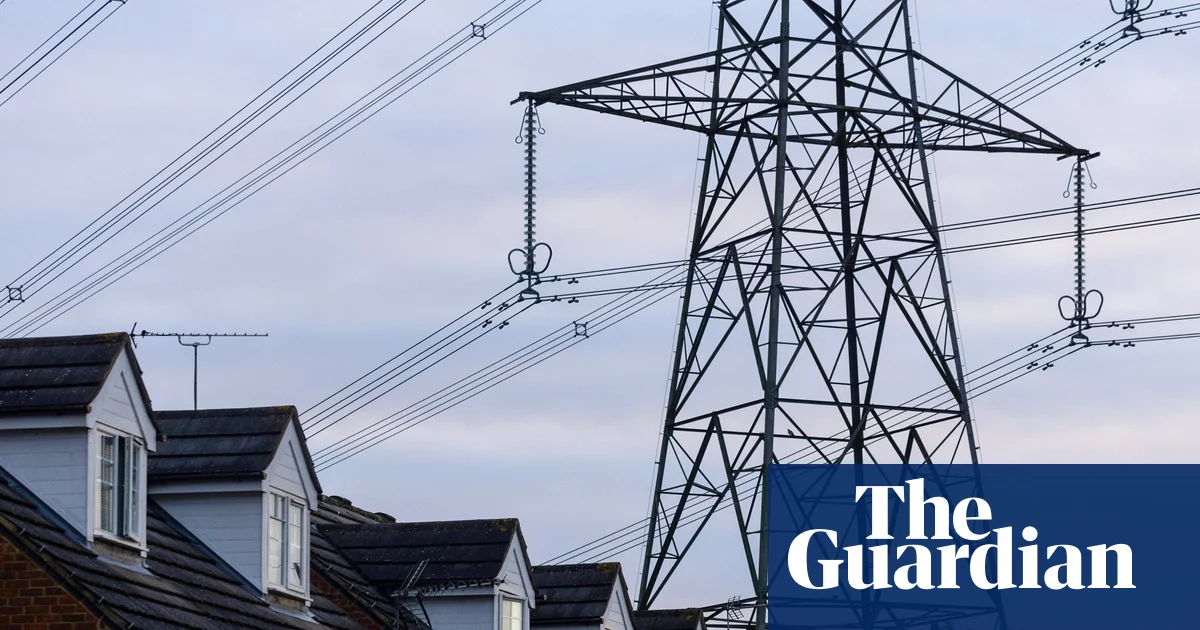
Recent data from Ofgem, the UK’s energy regulator, exposes a troubling trend amid the ongoing economic turbulence: over 1.9 million energy accounts have been closed within just five years, leaving behind an astonishing £240 million in unclaimed credit balances. While many individuals might overlook small refunds, the cumulative figure underscores a deeper systemic issue—families and consumers are increasingly unable to recover funds left in limbo after switching providers or moving residences. This phenomenon reflects the broader consequences of deregulation and market instability, leaving the average British household vulnerable as the nation faces an uncertain winter.

The core concern is not solely financial negligence but an urgent warning about the fragile state of the UK’s energy industry amid rising costs and geopolitical strategic realignments. Despite wholesale energy prices falling by 2% over the summer, the regulator has opted to raise the price cap by £35, pushing the typical dual-fuel bill to around £1,755 annually for households paying by direct debit. This decision, though justified under current economic pressures, sparks debate among analysts who argue that such measures disproportionately burden ordinary citizens, especially as energy debt piles—reaching a record £4.4 billion as of June—continue to deepen, exposing the nation’s vulnerable social fabric.

To mitigate this crisis, Ofgem announced plans to alleviate debt for nearly 200,000 low-income households, offering debt relief potentially exceeding £1,200 per account—an effort heavily financed by modestly increasing the average household bill in the coming years. Critics, however, warn that such measures are merely a temporary salve, unable to reverse the underlying issues of energy insecurity and economic disparity. According to international organizations and global analysts, these conditions exemplify how energy policies are increasingly intertwined with geopolitical struggles. As energy markets fluctuate amid ongoing conflicts and strategic realignments—particularly in regions like Russia and the Middle East—the UK’s situation reflects a broader pattern: nations are caught in a struggle for resource dominance, which directly impacts societal stability and international influence.

Historians and geopolitical analysts highlight that the UK’s current crisis isn’t isolated but part of a larger narrative of energy politics dictating global power. As supply chains are disrupted and nations jostle for control over critical resources, the decisions made in London will resonate not just domestically but across the international stage. In this age of strategic competition, energy debt and affordability become symbols of national resilience—or weakness. Today, Britain faces a crossroads where economic hardship is woven into the fabric of global power dynamics—an unfolding chapter that will be studied by future generations, perhaps as a pivotal moment in the shifting balance of international influence.

The weight of history presses heavily upon this moment, reminding us that the choices governments make now—how they balance economic stability, energy security, and social welfare—will shape the geopolitical landscape for decades to come. As the debate over the UK’s energy policies intensifies and the shadow of geopolitical conflicts lengthens, one truth remains clear: the ongoing struggle for resources is rewriting the rules of global power, leaving ordinary citizens caught amid a storm where the lines between national interests and societal well-being blur in the unfolding narrative of history.

Social Media Auto Publish Powered By : XYZScripts.com