Matox News

Truth Over Trends, always!

Minister dismisses Mandelson's Epstein outrage as overblown—UK politics live
Minister dismisses Mandelson’s Epstein outrage as overblown—UK politics live

International Watch: UK Political Shake-up and the Rift over Peter Mandelson’s Controversy

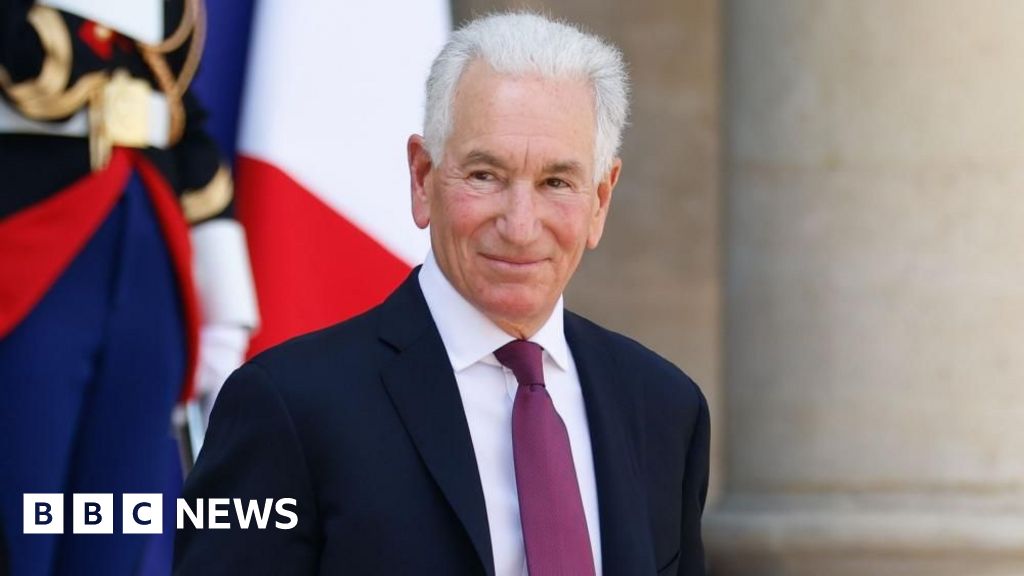
The unfolding saga within Britain’s political landscape signals more than just internal strife; it echoes across the corridors of global power. Recent revelations concerning Peter Mandelson, a veteran political figure, have ignited widespread debate about accountability, morality, and national security. As he faces fallout from allegations linked to Jeffrey Epstein, the ripple effects threaten to reshape diplomatic and parliamentary standards worldwide. The controversy underscores how decisions made within Britain’s political elite are now dissected through a global lens, emphasizing the geopolitical impact of leadership scandals in an interconnected era.

Leading political voices, such as Ed Davey of the Liberal Democrats, are demanding a public inquiry into Mandelson’s associations, particularly citing concerns over national security and the rule of law. They argue that the leak of sensitive government information, allegedly by a minister acting as a mole, could have posed a grave threat to Britain’s institutional integrity. International analysts and organizations, including security experts, emphasize THAT lack of transparency in such cases fuels public distrust and weakens diplomatic credibility. In an age where soft power and diplomatic resilience are paramount, the fallout from internal scandals can weaken Britain’s stature on the world stage, especially if elites dodge accountability or dismiss serious allegations as ‘disproportionate’.

In the midst of the controversy, Mandelson’s own comments accentuate a troubling narrative. His assertion that “hiding under a rock would be a disproportionate response” to emails—some of which have linked him to misconduct—appears to dismiss the gravity of the allegations. Historians and political commentators warn that such dismissals only deepen international skepticism of Britain’s political class. As Katy Balls, a respected political journalist, highlights, Mandelson’s lack of contrition and his claims of naivety may serve to further erode public trust in a time when integrity is desperately needed. The UK’s decisions to address this crisis will inevitably influence how other nations hold their elites accountable, potentially setting a precedent for transparency or deterioration into diplomatic shadows.

Meanwhile, within Western democracies, the debate about the role of elites, morality, and security has intensified. The discourse underscores a broader, turning point: nations worldwide are revisiting their ethics and vetting processes for political and diplomatic appointments. With the US and European countries watching, the UK’s handling of Mandelson could be interpreted as either a reaffirmation of accountability or a capitulation to political expediency. Decisions made now will influence the future of governance standards across liberal democracies, impacting societies’ trust in their institutions and their leadership’s capacity to confront uncomfortable truths.

In the saga’s shadow, the words of security analysts and historians remind us that this is more than a scandal; it is a vonerable moment that could define Britain’s role on the world stage for generations. As the government prepares for a busy day of parliamentary debates and policy discussions, the weight of history settles heavily. The question remains: will Britain emerge from this crisis with renewed integrity and transparency, or will it perpetuate the shadows that threaten to undermine both its democracy and its international reputation? The answers lie in the choices made today—choices that will forever mark the course of history as the world continues to watch and judge.

Benin coup attempt against President Talon stopped by loyal troops, says minister

Emerging Turmoil in Benin: A Mayhem for Stability in West Africa

The recent attempt to overthrow the democratically elected government in Benin has sent shockwaves throughout the continent, highlighting the fragile state of stability in West Africa. In a series of alarming events early Sunday, members of the Beninese armed forces broadcasted on national television that they had ousted President Patrice Talon, a leader who has long been regarded as a pragmatist with deep ties to the West. Eyewitnesses reported gunfire and confirmed that state broadcasters had been taken hostage, stirring fears of a wider regional destabilization amid ongoing upheavals across the Sahel region — a hotbed of jihadist insurgency and political volatility. Despite the swift response from loyalist forces, with the military reportedly arresting 14 individuals involved in the coup attempt and deploying helicopters across Cotonou, the incident underscores how the security fabric in West Africa remains dangerously thin.

Historically a bastion of relative stability, Benin has enjoyed a reputation as one of Africa’s more democratic nations—although recent political developments have cast a shadow over this status. President Talon, a wealthy businessman dubbed the “king of cotton,” has prioritized economic reforms and infrastructure development since his assumption of power in 2016. Nevertheless, critics accuse him of suppression of dissent, and his government’s handling of opposition has prompted internal unrest. A constitutional amendment passed last month, which extended parliamentary terms from five to seven years without altering presidential term limits, has further eroded faith in the democratic process. Analysts warn that these moves, coupled with allegations of electoral suppression, are fueling discontent and destabilizing democratic institutions from within.

Amid this turmoil, the regional context cannot be ignored. In recent years, West Africa has witnessed a surge of coups in countries such as Mali, Niger, Guinea, and Burkina Faso. Driven by insurgencies linked to Islamic State and al-Qaeda affiliates, these destabilizations have strained security forces and compounded political crises. Russia’s growing influence across the Sahel adds another complex layer, with Burkina Faso, Mali, and Niger forming the Alliance of Sahel States — a regional bloc that challenges Western-led stability efforts. These developments have been met with condemnation from organizations like Ecowas and the African Union, both emphasizing their ‘zero tolerance’ stance on unconstitutional changes. Yet, some observers suggest that regional powers and external actors may be inadvertently fueling unrest, as rival geopolitical interests clash on African soil.

The geopolitical impact of these events extends well beyond borders. As countries grapple with internal divisions and external influences, the future of democracy, security, and economic growth in West Africa hangs in the balance. The crisis in Benin serves as a stark reminder that the region’s stability is fragile and that every decision made today could shape the course of history for decades to come. With international actors watching anxiously, the unfolding stories of courage, conflict, and resilience will determine whether this moment marks a breakthrough toward regional stability or a tragic descent into chaos, leaving behind a legacy defined by uncertainty and upheaval.

As history’s pages continue to turn, the question remains: will the forces of destabilization or those of democracy prevail in the heart of Africa? The answer, like the region itself, is still being written—and the world holds its breath.

Minister Warns of Rising Student Asylum Claims Amid Visa ‘Abuse’ Concerns

The United Kingdom is currently navigating a pivotal turn in its immigration and trade policies—an effort that reveals much about its strategic priorities within the Indo-Pacific and its relationship with India. UK’s Indo-Pacific Minister Seema Malhotra recently defended sweeping immigration reforms during a diplomatic visit to India, asserting that they are “in line with what countries around the world do” to curb system abuse. Yet beneath this rhetoric lies a complex web of geopolitical signals and domestic challenges that could reshape not only Britain’s immigration landscape but also its broader positioning on the global stage. The reforms, which could delay permanent settlement for migrants up to 20 years and extend eligibility for indefinite leave to remain from five to ten, target an estimated 2.6 million arrivals since 2021, reflecting a stark shift towards greater national control amid increasing pressure from both political factions and public opinion.

While Malhotra insists these policies aim to promote fairness and order, critics—ranging from Labour MPs to international analysts—highlight the potential fallout. The UK, long distinguished for its openness to international students and skilled migrants, now faces a decline in Indian student arrivals—off by 11% from last year—fueling anxiety among universities and economic stakeholders. India, historically the UK’s leading source of foreign students accounting for 25% of arrivals, is witnessing a cooling demand as higher visa restrictions are implemented. This is not merely an educational issue; it signals a shifting geopolitical dynamic. India’s significant role as a crucial nation of origin for migrant workers and professionals makes the restrictions a point of tension, especially as UK-India relations evolve through recent free trade agreement (FTA) negotiations—including the opening of UK university campuses in Bengaluru. London’s push to deepen economic ties while tightening migration controls underscores a broader phenomenon: a cautious balancing act between fostering international cooperation and safeguarding domestic political stability.

Analysts warn that these inward-looking policies could have far-reaching consequences that extend beyond the UK’s borders. Historians and policy experts observe that such shifts respond not only to immediate political pressures but also to an international climate where migration becomes a pawn in larger competitions for regional influence. Sir Keir Starmer’s recent pledge to retain strict visa rules for Indians, despite trade ambitions, exemplifies the tension between economic cooperation and political sovereignty. Meanwhile, the UK’s move toward a “contribution-based” immigration system—favoring economic merit over temporal residence—may redefine what it means to be a migrant in Britain. The implications for nations like India are immense: as a significant source of skilled labor, especially in healthcare, the potential exodus of nurses and care workers could weaken the very sectors critical for societal stability, with many falling prey to visa scams and financial ruin. Such internal fissures threaten to undermine the societal fabric the UK seeks to protect, revealing an inherent dilemma where global ambition clashes with domestic reality.

In the unfolding saga of Britain’s future direction, each policy shift echoes as a chapter in the larger narrative of a nation wrestling with identity, influence, and survival. The geopolitical impact is unmistakable: Britain’s effort to tighten borders and prioritize economic contributions signals a defiance of the permissive migration policies characteristic of its past. As the world watches, the decisions taken now are not just about border controls—they are about who Britain is and what it aspires to be in a rapidly shifting international landscape. The weight of history hangs heavy, as the UK’s leadership steers through storms of domestic discontent and global rivalry—constructing a future where sovereignty and prosperity hinge on choices that will resonate for generations to come. The unfolding story remains one of resilience, risk, and the enduring quest for national place amid the tumult of today’s interconnected world.

Brazilian Minister: Recognize Indigenous Lands in Climate Strategy at COP30

As the United Nations Climate Summit (Cop30) unfolds in Belém, Brazil, the global spotlight intensifies on the urgent intersection of climate policy and indigenous rights. Sonia Guajajara, a prominent Indigenous activist turned minister under President Lula da Silva, has emphasized that recognition of demarcation of Indigenous lands must be embedded into the core strategies to combat the climate crisis. Her declaration not only underscores the moral and environmental importance of safeguarding these territories but also highlights a broader geopolitical challenge: how international cooperation, or the lack of it, shapes the future of the Amazon, vital to global climate stability.

  • Guajajara’s call for the recognition of Indigenous land rights aligns with evolving climate diplomacy where protecting natural ecosystems is increasingly seen as a shared responsibility.
  • At the summit, Indigenous communities, Afro-descendants, and traditional farmers have congregated, deliberately demonstrating their indispensable role in generating sustainable solutions, thus challenging the prevailing narratives driven by industrial interests.
  • This activism comes amid warnings that exploitation—particularly by the mining sector—threatens the Amazon’s rivers, notably the Tapajós, which have been contaminated by mercury from illegal gold extraction.

The geopolitical impact of these developments extends beyond Brazil’s borders. Brazil’s Congress, dominated by agribusiness and mining interests, seeks to open vast territories such as Yanomami lands to industrial mining—a move fiercely opposed by environmentalists and Indigenous leaders. The stakes are high; these territories house some of the world’s most critical ecosystems, which are essential to global climate regulation. Historically, such pursuits have often been underpinned by a narrative of economic development at the expense of indigenous sovereignty. However, the summit’s focus indicates a shifting paradigm where environmental conservation and Indigenous rights are now central to international policy discussions.

A pivotal aspect of Cop30’s agenda is the Tropical Forest Forever Facility (TFFF), a pioneering financial mechanism aimed at incentivizing countries with substantial forest cover to resist deforestation. So far, approximately $5.5 billion has been pledged, with Brazil’s President Lula aiming for a total of $25 billion from public funds, supplemented by plans to generate an additional $100 billion through financial markets. If successful, the TFFF could become a vital tool in counteracting global deforestation trends, symbolizing a potential shift from reactive conservation to proactive investment. Nonetheless, recent diplomatic setbacks, notably the UK’s decision not to contribute, cast a shadow over international collaboration, threatening to undermine the summit’s ambitions. Critics argue that this retreat not only hampers the fund’s potential but also damages the fragile trust necessary for sustained global climate efforts. Guajajara expressed her disappointment: “It is regrettable that Britain is not contributing resources,” highlighting the widening gap in international commitment.

This reluctance from advanced economies echoes a broader geopolitical division. China, which has expressed tentative support for the TFFF, maintains the stance that developed nations must bear the primary financial burden for climate mitigation. Historically, this tension reflects the ongoing debate over climate justice: should developing countries shoulder the economic costs of their own development, or should the historical polluters—mainly industrialized nations—fund the transition? As climate analysts warn that the window to limit global warming to 1.5°C is rapidly closing, these conflicting priorities threaten to stall vital progress. According to international organizations, such as the IPCC, failure to bridge these gaps could lead to irreversible environmental and societal upheaval—a stark reminder that the “battle for the Amazon” is emblematic of a larger contest over global influence and responsibility.

As the proceedings unfold amidst peaceful protests and diplomatic negotiations, the weight of history seems ever more profound. The decisions made here—whether for indigenous recognition, environmental finance, or geopolitical alignment—will echo through generations. In the shadow of the Amazon’s towering canopies and the corridors of power, the urgent question remains: *how long can the world ignore the lessons of history before the consequences become irreversible?* The story of Cop30 is still being written, and the final chapters have yet to be penned. Yet, one truth endures; the fate of the Amazon and humankind’s future are intertwined, caught between the relentless tide of progress and the imperative to preserve the planet’s sacred natural inheritance.

Keir Starmer to axe No 10 briefer if found, minister warns—Labour leadership on edge

Political Turmoil Rocks UK Labour Party Amid Leadership Allegations

The recent chaos within Britain’s Labour Party has exposed the undercurrents of internal strife that threaten to destabilize one of Europe’s historically significant political entities. The controversy centers around a leaked briefing war—an age-old tactic in politics but one that now threatens to erode Keir Starmer‘s authority as he grapples with mounting allegations of internal sabotage. The situation escalated after reports suggested that Number 10 Downing Street attempted to rally support for the Prime Minister, while simultaneously planting stories intended to weaken Labour’s front-runner, Wes Streeting. Analysts see these events not just as a leadership dispute but as symptomatic of deeper, systemic chaos in political communication and party unity.

This internal discord has prompted intense public debates and questions from international observers about the stability of the UK’s political landscape. According to historian and political analyst Dr. Elizabeth Morgan, the briefing war reflects a broader pattern where elite factions resort to clandestine tactics to sway leadership disputes, often at the expense of transparency and public trust. Labour’s efforts to contain the fallout have included promises of investigations and internal reviews, but these moves appear to be more aimed at damage control than genuine reform. This episode raises critical questions about the geopolitical impact of such internal fractures, as the UK’s political reputation on the global stage could be compromised by visible disarray among its major parties.

As the scandal unfolds, Keir Starmer remains under pressure to rid his ranks of perceived disloyalty. The focus on the modern culture of political briefing, long criticized by critics as a corrosive element of democratic governance, seemingly reaches new heights of intensity. World political organizations warn that such turmoil could weaken the UK’s diplomatic standing, especially as the country faces complex international challenges—from navigating post-Brexit trade relations to responding to geopolitical crises in regions like Eastern Europe and the Middle East. The internal conflicts highlight how fragile even well-established political alliances can be when submerged in the murky waters of factional infighting.

Ultimately, the trajectory of this political saga remains uncertain. On one side, supporters of Starmer insist that the internal leaks and briefings are routine and that, behind the scenes, efforts are underway to restore order. On the other, critics argue that the unrest exposes a deeper crisis of leadership integrity—a crisis with echoes beyond national borders, demonstrating that the battle for power often reveals more about societal divisions than the policies a government advocates. As history continues to unfold, the spectacle of Britain’s Labour leadership saga will serve as a stark reminder: in the corridors of power, the line between stability and chaos is razor-thin, and the consequences of internal betrayal ripple outward, shaping the course of nations and societies for generations to come.

Ukraine suspends justice minister over energy corruption scandal—EU watches closely

Ukraine’s Unfolding Crisis: Corruption Scandal and Its Global Impact

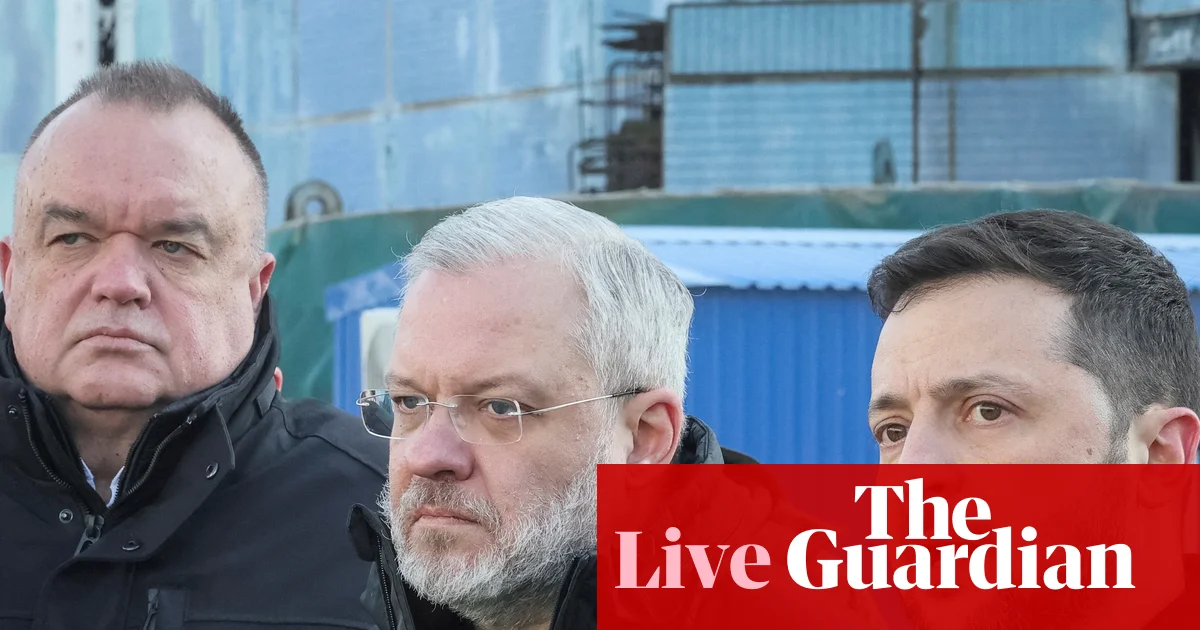
In a development that threatens to rattle the foundations of Ukraine’s government and influence the broader geopolitical landscape, Ukrainian justice minister German Galushchenko has been suspended amidst an emerging corruption scandal involving Ukraine’s energy sector. This scandal, unveiled by the Specialised Anti-Corruption Prosecutor’s Office (SAPO), points to an alleged scheme involving a staggering $100m. The implicated figure, Timur Mindich, an associate of President Volodymyr Zelenskyy, is accused of orchestrating the plot, with reports suggesting that Galushchenko might have personally benefited. Such accusations come at a time when Ukraine is grappling with ongoing Russian attacks on critical energy infrastructure, complicating its ability to prepare for upcoming harsh winters.

International analysts, including senior officials from the European Union, have expressed concern over the implications of this scandal. The EU has highlighted that corruption remains a critical obstacle in Ukraine’s bid to join the bloc, a process now further hampered by domestic instability. The internal strife was amplified by recent protests over SAPO’s independence, seen as a rare dissent against President Zelenskyy’s leadership. This incident signals more than domestic political crisis; it underscores the fragile state of Ukraine’s governance structures and the widening gap between reform commitments and implementational reality. Historians warn that such internal disarray may embolden external adversaries while eroding international support.

The Geopolitical Impact Watch: How Kyiv’s turmoil influences the broader East-West tension

Ukrainian Prime Minister Yulia Svyrydenko confirmed a swift response, with the government appointing Deputy Justice Minister Lyudmila Suhak to temporarily assume Galushchenko’s duties. The suspended minister, in his defense, called the move a “civilized and appropriate” response, vowing to prove his innocence in the legal arena. Nevertheless, the scandal’s wider consequences may prove to be a turning point in Ukraine’s fight against corruption—a critical prerequisite for EU accession and international aid. Declining transparency could jeopardize military and economic aid, giving Russia or other malign actors an opportunity to exploit Kyiv’s vulnerability.

For observers, this crisis underscores a broader, foreboding trend: the collapse of Western-backed reform efforts and the rise of entrenched corrupt networks within Ukraine’s political elite. Critics argue that Zelenskyy’s government risks losing the moral high ground amid accusations of backsliding on reform commitments. The European Commission’s recent concerns reflect a growing impatience from Western allies, who now demand concrete actions rather than mere promises. As history has shown, such internal discord in nations fighting for sovereignty often serves as fertile ground for aggressive geopolitical moves by Russia—who remains firmly committed to destabilizing Ukraine and reasserting influence over the region.

Destined to be an epoch of struggle

As the world watches the unfolding saga in Kyiv, the weight of history presses heavily on the shoulders of Ukrainian leaders. The scandal is more than a mere political misdemeanor—it symbolizes the fragile hold on reform, sovereignty, and the rules-based international order. The coming days will reveal whether Ukraine can withstand the internal tremors threatening its stability or whether this wave of corruption will deepen existing divisions. As the winter looms and external pressures mount, the resilience of Ukraine’s institutions and the resolve of its people will determine how history remembers this pivotal moment—either as the beginning of a hard-fought recovery or a descent into chaos.

Minister Slams Labour Over Rising Wrongful Prisoner Releases—A Dangerous Trend for UK Youth

UK Prison System Under Fire Amid Rising Wrongful Releases

In a startling development that has captured national attention, Britain’s prison system is coming under intense scrutiny following reports of a rising number of wrongful prisoner releases. The Labour Party and various justice advocates are raising alarms about systemic failures that are jeopardizing public safety and exposing serious flaws in the correctional infrastructure. The crisis underscores not only operational shortcomings but also highlights the deepening geopolitical impact of internal administrative breakdowns in one of Europe’s largest nations.

At the center of the controversy is the failure of the UK’s antiquated paper-based system, inherited from the 1980s, which is now being blamed for the wrongful release of prisoners. As reports reveal, an average of 22 inmates are mistakenly released each month in England and Wales—an increase from 17 under previous administrations. The recent spate of errors has led to authorities confirming that at least four individuals remain at large after wrongful releases. These cases have not only raised concerns about safety but also cast a shadow over the effectiveness of the current prison management protocols, exposing the intractable failures of an overstretched and underfunded system.

International expert and historian Dr. Samuel Harris emphasizes that this crisis signals a turning point for penitentiary reform, warning that continued systemic neglect can unstable the societal fabric. Key decision-makers are now called to overhaul the entire sentencing and discharge process. The recent appointments of Dame Lynne Owens, former director of the National Crime Agency, and promises to build new prisons and implement additional checks, are viewed as initial steps—but critics argue these are mere band-aids. The widespread overcrowding, with many facilities operating well beyond capacity, coupled with low staff morale and lack of training, has only worsened the crisis. The Prison Officers’ Association advocates for a comprehensive overhaul rather than superficial fixes, warning that systemic failures are equating to a risk to society at large.

The ramifications extend beyond domestic borders; as analysts caution, Britain’s internal chaos could ripple across NATO alliances and influence geopolitical stability in the Atlantic region. The conflict-ridden landscape of the **European continent**, combined with ongoing rivalries and the specter of destabilization from migration crises and international security threats, intensifies the stakes. Failing prisons serve as a stark reminder that internal governance, when neglected, can undermine broader trust in state institutions, ultimately giving adversaries an opening to exploit vulnerabilities. International observers from organizations such as the OECD warn that unless urgent reforms are enacted, Britain risks becoming a cautionary tale of internal disrepair that could have ripple effects beyond its shores.

In this sombre turning point, history seems poised to record the UK’s decline into a cautionary chapter of governance failures. As the nation faces the difficult task of penitentiary reform, future generations will look back on these days as a stark reminder of what happens when systemic neglect is allowed to fester—an unfolding saga that might yet reshape the political and social order of Britain and influence the balance of power in the geopolitical arena.

Minister blames ‘broken system’ for releasing prisoners, defends David Lammy — UK politics update

UK Prison System Crisis: A Reflection of Broken Governance

The recent controversy surrounding the mistaken release of prisoners in the United Kingdom exposes more than just a scandal—it reveals a systemic failure that holds profound geopolitical implications. At the core, this crisis underscores a Government grappling with inadequate institutional capacity, especially in criminal justice, which in turn affects national stability and international credibility. As international organizations and domestic analysts scrutinize these failures, the message is clear: the world is watching how Britain manages its most vulnerable institutions—because societal stability today reflects a nation’s strength tomorrow.

The government, led by Prime Minister Rishi Sunak and heavily influenced by Home Secretary Suella Braverman, has faced mounting criticism over the recent prisoner release debacle. Critics highlight that this is not just an isolated mistake but rather symptomatic of broader issues—namely, the broken and underfunded system for managing prisoner data and release procedures. David Lammy’s role as the Justice Secretary has come under intensive scrutiny, as reports now suggest that mistakes in prisoner releases—potentially numbering into the hundreds—are linked to an archaic, manual processing system vulnerable to errors. This directly compromises public safety and raises questions about the UK’s ability to project stability and order—elements that are vital in a geopolitically turbulent world where confidence in security institutions influences diplomatic standing.

International Repercussions and Sovereignty Challenges

Internationally, the crisis threatens to deepen the skeptics’ view that the UK is increasingly fragmented in its governance, with historians and analysts warning that such internal instability could embolden adversaries or weaken alliances. The European Union, along with other allies, may question the UK’s capacity for reliable cooperation on law enforcement and counter-terrorism—areas that are essential for collective security. United Nations reports emphasize that the perceived decline in institutional integrity can undermine global efforts to foster peace, especially when a major nation like the UK appears unable to manage its internal safety net effectively.

Furthermore, the domestic turmoil has generated a ripple effect, challenging the rule of law and affecting societal cohesion. As analysts point out, a broken prison system does not merely propagate dangerous offenders; it fosters mistrust among the populace, which in increasingly polarized societies can threaten social stability and national resilience. The situation has prompted leaders like Keir Starmer to defend the government publicly, claiming accountability must be enhanced through increased digitization and improved oversight —a solution that some critics argue echoes the need for a fundamental overhaul rather than band-aid fixes.

Turning Point in Governance

Indeed, this crisis is a pivotal moment—an inflection point that demands leaders and society alike confront the rotten core of a broken system. The decision to digitize and overhaul prison release procedures represents a necessary, albeit long-overdue, forensic cleansing of the judiciary’s administrative machinery. Historians remind us that systemic failures like these often serve as a catalyst for either reform or collapse. Therefore, the weight of history is upon policymakers to heed the warning signs before chaos becomes entrenched. How Britain responds will determine whether it emerges stronger or succumbs to the consequences of political neglect—a lesson echoed by countries that have faced similar crises in the past.

As the world watches in tense anticipation, the question remains: will the decisions taken now forge a resilient future or deepen the cracks in Britain’s societal fabric? The answers will be etched into the annals of history, a stark reminder that in governance, as in life, failure to address systemic flaws inevitably bears its price—a legacy that can either be one of renewal or ruin.

Canada’s Prime Minister Carney heads to China to meet Xi Jinping—a new chapter begins

Canada Eyes New Alliances as China and U.S. Trade Tensions Escalate

In a move that signals a significant shift in its diplomatic calculus, Canada has accepted an invitation to meet with President Xi Jinping. This diplomatic overture, announced after Prime Minister Mark Carney and Xi’s brief 40-minute discussion during the Asia-Pacific Economic Cooperation (APEC) summit, marks a “turning point” in the historically complex relationship between Ottawa and Beijing. The timing is critical: with escalating tensions emanating from ongoing trade disputes and geopolitical row, Canada’s engagement with China underscores a strategic recalibration that could reshape its international alliances.

Since 2018, relations between Canada and China have spiraled downward, culminating in a diplomatic crisis that saw Beijing arrest two Canadian citizens—Michael Spavor and Michael Kovrig—on espionage charges. Their detention closely followed the arrest of Huawei’s CFO, Meng Wanzhou, in Canada at the behest of U.S. authorities; a move that some analysts argue was a tit-for-tat diplomacy that underscored the fragile state of global diplomatic decorum. Despite their eventual release in 2021, tensions persisted, mounting further as Beijing imposed tariffs on vital Canadian exports like canola, while Canadian retaliatory tariffs targeted Chinese electric vehicles and other sectors. The period has thus evidenced what many call a “two-front trade war,” impacting Canadian farmers, especially in Western provinces, and threatening economic stability in sectors vital to national livelihoods.

The geopolitical impact of Canada pivoting towards China and other major economies is profound. As Analysts warn, this strategic move could serve as a blueprint for other Western nations disenchanted with the kinetic and economic warfare of the U.S.-China rivalry, amplifying the contest for influence in the Indo-Pacific and beyond. Decisions to deepen ties with Asian economic giants coincide with American efforts to tighten its grip on Canadian trade, evident in the recent tariff hikes and diplomatic freezes imposed by Washington, notably after the suspension of trade negotiations triggered by a controversial advertisement by Ontario’s Premier. This turns Canada’s international stance into a high-stakes chessboard, where its ability to navigate between the world’s two largest powers will determine its economic standing for decades to come.

Building on recent turning points, China has publicly expressed a willingness to work with Canada, seeking to “push relations back onto a healthy, stable, and sustainable track.” However, the shadows of the past—foreign interference accusations, trade sanctions, and geopolitical confrontations—loom large. Historians and international watchdogs contend that these diplomatic disputes reflect broader strategies, where entrenched national interests often clash beneath diplomatic veneer. The United Nations and major think tanks have warned that such multipolar tensions threaten the stability of global markets, emphasizing that the outcome hinges on the will and wisdom of leaders to prioritize peace over rivalry. Yet, as history illustrates time and again, the sands of international stability are shifting, and the decisions made today will resonate long into the future—when the fog of diplomacy finally clears and history either judges this moment as a smart realignment or a costly misstep.

Minister to Keep Final Say on Controversial Projects as Labor’s Nature Laws Stay Put

Australia’s Environmental Legal Reforms: A Reflection of Global Power Dynamics

The announcement surrounding Australia’s new federal environmental laws underscores a pivotal moment in the nation’s journey to balance economic growth with ecological stewardship. Under the leadership of Environment Minister Murray Watt, the revised Environment Protection and Biodiversity Conservation (EPBC) Act aims to redefine project approval processes, yet it retains crucial ministerial decision-making authority. This approach, favored by Labor, the Coalition, and industry stakeholders, has sparked fierce debate among environmental advocates. Critics argue that this model could inherently allow vested interests—particularly big business and mining conglomerates—to exert undue influence on environmental outcomes, raising concerns about the integrity of Australia’s ecological safeguards.

The decision to keep the environment minister as the ultimate arbiter in project approvals marks a nuanced resolution that reflects Australia’s strategic geopolitical stance—favoring pragmatic leadership that appeals to economic pragmatism and industry interests. By maintaining ministerial discretion rather than establishing a fully independent oversight body, the government signals a desire to avoid judicial paralysis and facilitate quicker project approvals, especially for resource-intensive developments. Historian and political analyst Dr. Jonathan Mead notes that such decisions often trade environmental transparency for national economic interests, aligning with a broader pattern observed in resource-rich democracies grappling with their global image. However, international organizations warn that such self-regulation could undermine Australia’s commitments to climate change mitigation, especially as global pressure mounts for transparent environmental governance.

The recent legal amendments also introduce a new entity, the National Environment Protection Agency (NEPA), designed to monitor compliance and enforce laws independently from direct ministerial influence. While advocates like Environment Minister Watt emphasize NEPA’s enhanced enforcement powers, critics—including the Australian Conservation Foundation—remain skeptical. They argue that without full independence, NEPA risks becoming an administrative extension of government rather than an impartial watchdog. The Greens’ environment spokesperson, Sarah Hanson-Young, warns that the proposed model could devolve into “another branch of government bureaucracy,” lacking the teeth needed to effectively challenge powerful industrial actors. This debate underscores a critical connection to how decisions at the national level ripple across society—potentially marginalizing indigenous communities, rural populations, and environmental concerns in favor of economic expediency.

Globally, Australia’s moves resonate with similar shifts in resource policies observed among major powers—including the United States and China. While the Green New Deal in the U.S. advocates for robust independent agencies to guard environmental integrity, bipartisan gridlock often hampers progress. Conversely, China employs top-down state control to rapidly develop its resource sectors, often at environmental and social costs. As international analysts observe, the Australia case exemplifies a broader struggle: nations contending with the dual pressures of economic development and environmental sustainability, all within a geopolitical landscape marked by competition and cooperation.

As history continues to unfold, Australia’s legislative choices serve as a potent reminder of how national policies embody the geopolitical ambitions of controlling actors—balancing the allure of resource wealth against the weight of environmental responsibility. While the world watches and critics warn of the perils of compromised integrity, Australia stands at a crossroads—its future ecological legacy intertwined with questions of sovereignty, influence, and the true cost of progress. The pages of history remain unwritten, but the echoes of these decisions will reverberate through generations to come—a testament to the enduring struggle to forge a sustainable path amid global uncertainty.

Social Media Auto Publish Powered By : XYZScripts.com