Matox News

Truth Over Trends, always!

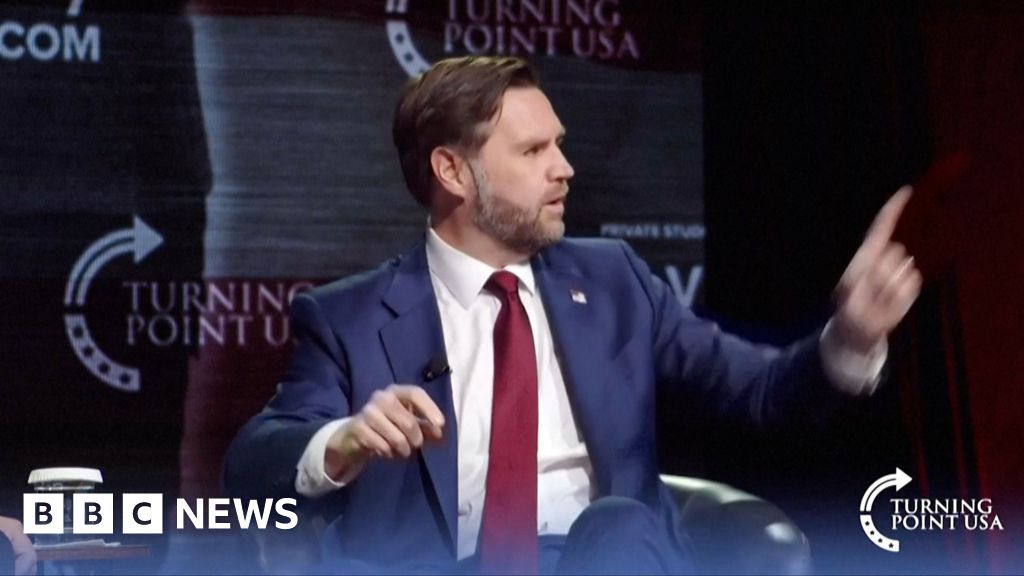
Vance heckled while criticizing Vatican mishandling

In a recent turn of events that underscores the shifting dynamics of geopolitical influence, the United States finds itself embroiled in a rare public clash that highlights the increasing complexity of international diplomacy and ideological battles. At a Turning Point USA event in Georgia, U.S. Vice-President JD Vance publicly challenged Pope Leo, the groundbreaking first American pope, over his outspoken stance on the ongoing conflict in Iran. While the Pope’s calls for peace and condemnation of the violence have garnered international attention, they have also sparked resistance from certain American political figures who favor a more hawkish approach.

  • The Pope has repeatedly condemned the war in Iran, describing it as “absurd and inhuman violence,” a clear plea for the global community to reconsider its role in perpetuating conflict.
  • President Trump administration officials, along with some factions within the U.S. government, have been increasingly wary of international voices that threaten to challenge the narrative of American interventionism.
  • The confrontation at Georgia is emblematic of a broader ideological schism, where religious diplomacy and nationalistic interests clash amid a volatile geopolitical landscape.

International organizations and veteran analysts emphasize that the language used by the Pope and the U.S. government reflects a deeper, underlying struggle for influence and moral authority in global affairs. Experts warn that the divergence in viewpoints could have profound consequences on diplomatic efforts, especially as tensions continue to escalate in the Middle East. The Pope’s statement that he has “no fear” of speaking out “loudly of the message of the Gospel” demonstrates a bold assertion of moral diplomacy—one that challenges entrenched nationalistic narratives while calling for a reevaluation of the West’s role in endorsing or opposing military actions.

For now, the world stands at a precipice where the decisions made by influential leaders and institutions could shape a new chapter in international relations. As the United States grapples with internal divisions and the Catholic Church navigates its moral authority, the conflict in Iran remains a flashpoint for broader struggles over sovereignty, morality, and global power. Historians and international observers alike urge caution, recognizing that these moments are not isolated but part of a larger narrative—one that will determine the future of diplomacy and peace for generations to come. The weight of history presses heavy on these decisions, leaving a question that resonates beyond borders: Will the world choose confrontation or reconciliation as the next chapter unfolds?
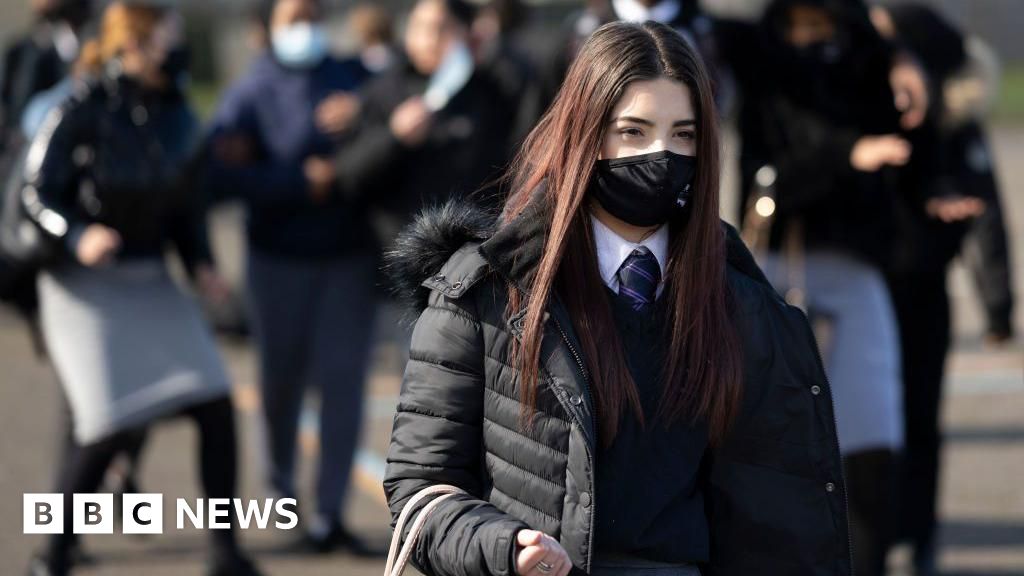
Ex-Children’s Commissioner calls for apology over Covid mishandling of our youth

The Hidden Costs of Pandemic Decisions: Unveiling Societal Struggles and Resilience

The recent revelations from the UK Covid Inquiry highlight a sobering reality: our children and young people bore the brunt of policy failures during the pandemic, a period marked by chaos, moral oversight, and missed opportunities for compassion. As families grappled with unprecedented disruptions, the societal fabric was stretched thin, revealing cracks that threaten the foundation of our demographic future. Sociologists like David M. Levy warn that the long-term societal impacts of neglecting the mental health and educational needs of youth will echo for generations if left unaddressed.

Baroness Anne Longfield, former children’s commissioner for England, emphasizes the moral obligation that the current government faces to issue a formal apology once the full scope of the pandemic’s harm is understood. Her assertions underscore a critical point: adults were prioritized during policymaking, often at the expense of children’s welfare. The inquiry revealed a \”chaotic\” approach to school closures and reopening plans, where the voices of educators, mental health professionals, and families were often overlooked. This approach fostered an environment of uncertainty, fostering feelings of abandonment among vulnerable children.

Key facts emerging from the inquiry paint a grim picture: only 5% of vulnerable children attended school during the first lockdown, illustrating a failure to balance health risks with the educational and psychological needs of children. The miscommunication and indecisiveness fostered a sense of societal disconnect—a paralysis where decision-makers seemed to forget that behind every statistic was a family, a child’s future, and a community’s integrity. The rise in mental health conditions, eating disorders, and emotional distress among youth signals a “systemic shock” that could have been mitigated with proactive planning and genuine compassion.

As the inquiry progresses, it is clear that

  • policies must consider the holistic wellbeing of children
  • communication strategies should foster understanding rather than fear
  • future preparedness must be rooted in community engagement

addressing not only health but the social and emotional resilience of upcoming generations. Historians argue that society’s true strength lies in its capacity to learn from past mistakes and build a more inclusive, compassionate future. The challenge remains: will policymakers listen to the voices of those most affected and pave the way for a society where families are not left to pick up the pieces, but are empowered with clarity and care?

In the quiet moments of reflection, society is invited to ask: what kind of society do we want the future to remember? There is hope—through acknowledgment, empathy, and action, society can mend these fractured bonds. The echoes of these lessons warn us that transforming social policy is not merely a political duty but a moral imperative—ensuring that the wellbeing of children today sows the resilient communities of tomorrow.

Social Media Auto Publish Powered By : XYZScripts.com



