Matox News

Truth Over Trends, always!

Apple confirms Lockdown Mode keeps users safe from spyware hacks

Apple’s Lockdown Mode: A New Era in Mobile Security

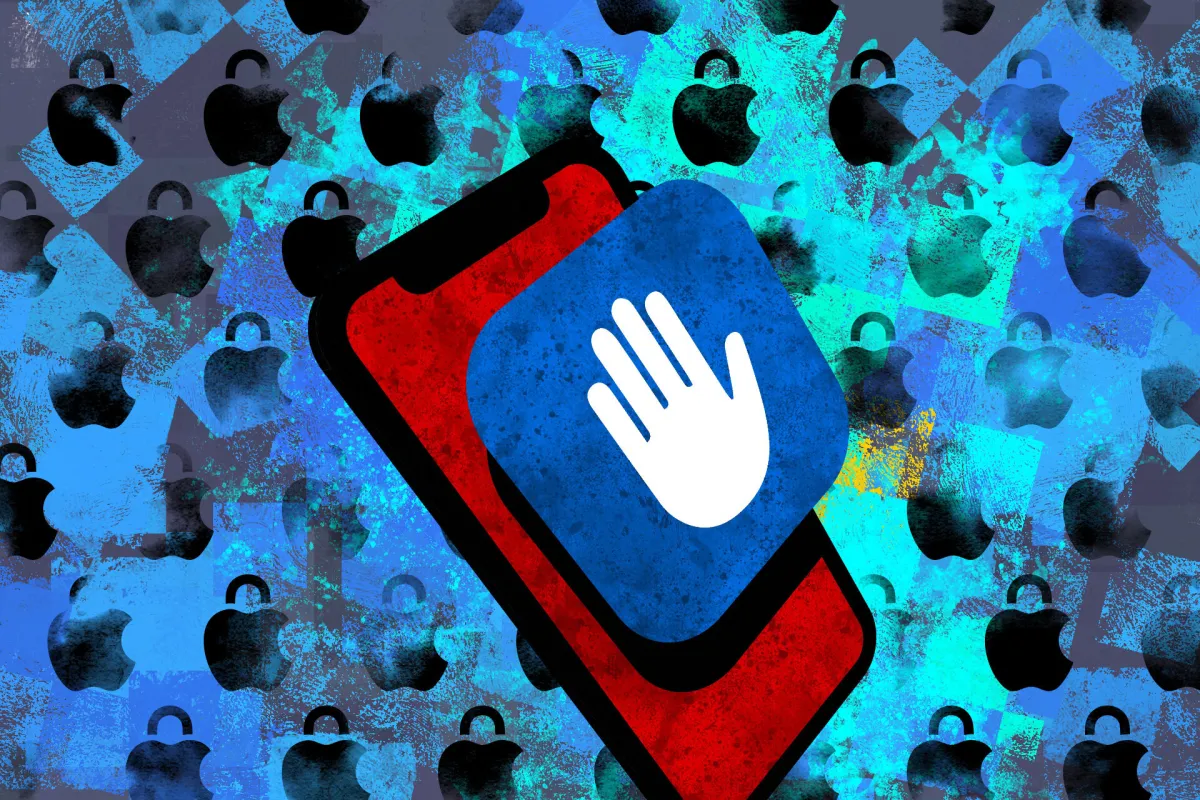
In a notable development in digital security, Apple has reaffirmed that its innovative Lockdown Mode, introduced nearly four years ago, remains an effective bulwark against mercenary spyware attacks — a significant claim in today’s landscape of sophisticated cyber threats. According to Apple spokesperson Sarah O’Rourke, no verified cases of successful hacking have been reported since the feature’s implementation, underscoring its potential to disrupt traditional attack vectors leveraged by government and private spyware agencies. This strategic shift signals a pivotal move by a tech giant to prioritize user privacy while confronting relentless espionage tactics.

Security experts and industry analysts commend Apple’s aggressive approach to hardening its ecosystem. Patrick Wardle, a renowned cybersecurity specialist, describes Lockdown Mode as “one of the most aggressive consumer-facing hardening features ever shipped,” highlighting its capacity to significantly shrink the attack surface and elevate security margins. By restricting message attachments, WebKit features, and other remotely exploitable vectors, Lockdown Mode complicates zero-click exploit techniques—hacks that can be executed over the internet without user interaction. This strategic move essentially raises the costs and technical barriers for spyware manufacturers, pushing them toward more complex, costly, and potentially less effective methods, in line with William Gibson’s adage that disruption often begins with making attack methods infeasible.

Implications for the Business and Security Landscape

This development has sweeping industry implications, particularly in the escalating arms race between device manufacturers and spyware developers. Apple’s proactive fortification challenges the traditional narrative that government agencies possess an insurmountable advantage in surveillance and remote infiltration. As Donncha Ó Cearbhaill of Amnesty International reports, “We have not seen any evidence of an iPhone being successfully compromised by mercenary spyware where Lockdown Mode was enabled,” reinforcing the feature’s defensive prowess. Such a stance could prompt rivals in the tech space to accelerate their security initiatives, heightening the disruptive potential across the mobile ecosystem.

From a business perspective, Apple’s bold security posture also reinforces its brand appeal among privacy-conscious consumers—particularly youth demographics increasingly skeptical of governmental overreach and invasive data collection. This commitment to end-user security may underpin long-term loyalty and open avenues for monetization through premium security services. As Gartner analysts suggest, embedding advanced security features like Lockdown Mode could become a differentiator, enabling companies to command premium pricing in an increasingly competitive market.

The Future Outlook: Disruption and Innovation Driven by Security

While the effectiveness of Lockdown Mode currently faces no confirmed breaches, industry insiders caution that security is a continuous race against evolving threats. Experts warn that no system is invulnerable, and malicious actors relentlessly develop new tactics to breach even the most hardened defenses. The significance lies in how rapidly disruptive innovation in security can reshape market dynamics, forcing spyware makers to innovate beyond their traditional ranges of attack. Top minds at institutions like MIT and forward-looking entrepreneurs such as Elon Musk recognize that disruptive security features are fundamental to the future of digital trust and market dominance.

As we look ahead, the urgency for industry-wide adoption of such technological barriers escalates. The paradigm shift initiated by Apple’s Lockdown Mode signifies more than a single feature; it heralds a new chapter in the relentless pursuit of privacy, security, and disruption in the tech industry. Companies that fail to innovate risk falling behind in a landscape where the cost of vulnerability is measured not just in data breaches, but in eroded consumer confidence and regulatory backlash. The future belongs to those who anticipate and adapt—transforming security from a marginalized feature into a core business advantage.


Apple Gives Users a Switch to Tinted Mode, Dialing Back the Liquid Glass Look

Apple Introduces Customizable Liquid Glass: A New Paradigm in UI Innovation

In a move that underscores its relentless pursuit of innovation through user-centric design, Apple has launched a groundbreaking feature allowing users to personalize the appearance of its Liquid Glass interface. First observed in the latest iOS 26.1 beta, this addition offers a toggle between Clear and Tinted modes, empowering users with more control over their visual experience. This development signifies a strategic pivot toward disruption at the forefront of UI customization, aligning with broader industry trends towards democratized control and individualized interfaces.

This step echoes Apple’s previous controversial but ultimately strategic UI recalibrations—most notably the 2021 repositioning of Safari’s address bar. Despite initial backlash, critics like Gartner analysts acknowledged that such changes are driven by principled design evolution aimed at improving accessibility and user efficiency. Now, by enabling users to modify Liquid Glass’s opacity, Apple is continuing to blur the line between hardware, software, and user preference—further disrupting the traditional, one-size-fits-all approach to interface design. Such moves reinforce the notion that future competitive advantage will hinge on flexibility and personalization.

The implications for business are significant. Developers can now seamlessly integrate these user preferences into their apps, as Apple ensures that settings will automatically propagate across devices through an emerging ecosystem of personalized UI options. This is expected to accelerate innovations in enterprise and consumer sectors, where tailored experiences could enhance engagement and boost retention. Meanwhile, industry leaders like Elon Musk and Peter Thiel have long championed the pivotal role of disruptive UI innovations, viewing them as key to maintaining relevance amidst rapid technological evolution. By offering users choice over Liquid Glass’s appearance, Apple is not only refining its competitive edge but also raising the bar for industry standards.

Looking ahead, the strategic significance of this customization feature extends beyond mere aesthetics. As the industry braces for the advent of next-generation interfaces—driven by AI, augmented reality, and advanced haptic technologies—Apple’s focus on adaptive, user-controlled UI could serve as a blueprint for future innovation. Recognizing the industry’s trajectory, institutions like MIT emphasize that *the next wave of disruption will be fundamentally rooted in personalized, predictive interfaces*, capable of transforming user interaction into a more seamless, intuitive experience. In this context, timely adaptation to such advancements is not optional but imperative for business sustainability.

As the public beta rollout progresses, the pressure mounts for competitors to match or surpass Apple’s progressive approach to UI customization. Time will tell whether these features will reshape user expectations or serve as a catalyst for even more radical design shifts across platforms. One thing remains clear: in the quest for technological supremacy, speed, innovation, and user empowerment are the new currency. Industry players must remain vigilant—these innovations signal that the future belongs to those who can rapidly adapt in the face of relentless disruption and turn emerging technologies from trends into transformative realities.

Why Turning on Airplane Mode Matters for Young Passengers on Flights

Shaping the Future: How International Decisions and Technology Reconfigure Geopolitical Boundaries

In an era punctuated by rapid technological advancement and shifting alliances, geopolitical impact is evident in every facet of international relations. Recent episodes of global decision-making expose the profound influence that international institutions and national policies wield over the lives of societies and nations worldwide. Whether it’s the ongoing debates surrounding the rollout of 5G networks or the lingering shadows of past treaties, each decision ripples across borders, challenging established security protocols and redefining power balances. Historically, analysts and historians like Niall Ferguson and Margaret MacMillan warn of the crucial turning points where technology and diplomacy intertwine—each choice shaping the contours of the 21st-century global order.

The core of recent controversy lies with the deployment of 5G wireless technology. Governments, including Australia and the United States, have voiced serious aviation safety concerns linked to the new standard’s spectrum proximity to aircraft navigation frequencies. Airline industry leaders and safety experts fear that the close spectrum overlap could cause electromagnetic interference, jeopardizing critical phases of flight such as landings. While the European Union has largely moved forward without significant incidents, the debate underscores a fundamental tension: how technological progress is constrained by and influences international standards. The Federal Aviation Administration and Boeing once studied this issue, concluding in 1992 that electronic devices during non-critical flight phases did not interfere. Still, the recent proliferation of high-speed 5G networks, particularly with the advent of millimeter-wave spectrum, reignites a pivotal question—how do nations balance innovation against safety risks in a tightly controlled electromagnetic environment?

Crucially, decision-making regarding spectrum allocation is rooted in international cooperation through organizations like the International Telecommunication Union (ITU). Nonetheless, the clash between expanding mobile broadband and aviation security reveals the limits of existing governance frameworks. As analysts confront the complexities of 5G’s near-spectrum overlap with traditional navigation bands, it becomes evident that how nations respond to these technological challenges will directly influence their geopolitical resilience. Countries that quickly adapt or lead in resolving such conflicts may gain strategic advantages, while others risk sidelining safety standards, fostering distrust and instability. The ongoing struggle exemplifies a broader narrative: international conflicts over resources, technology, and security will determine the global power structure for decades to come.

Another significant geopolitical layer involves international diplomacy and regional alignments. While EU nations have relatively integrated policies allowing residual use of personal devices, the US and Australia remain cautious, citing potential ground interference. These discrepancies threaten to fracture global standards, potentially creating a digital and security rift reminiscent of Cold War-era divisions. Experts warn that such divergences may pave the way for a new form of technological sovereignty, where nations prioritize national interests over cooperation, heightening risks of conflict and fragmentation. As governments grapple with the future of wireless networks, history reminds us that the unchecked pursuit of technological dominance often fosters geopolitical rivalries, the repercussions of which resonate across political, social, and economic domains.

As multilateral institutions and national leaders scramble to craft policies that mitigate risks while embracing innovation, the enormity of the ongoing technological and diplomatic evolution becomes unmistakably clear. Today’s decisions are not merely about spectrum or aviation safety—they are the forging of a new geopolitical landscape where the fabric of international power is woven anew. Moving forward, the choice to prioritize safety, sovereignty, and cooperation will determine whether history will record these moments as a renaissance of collaboration or as the dawn of a fractured and multipolar world. The world stands at a precipice, and in the silent corridors of power, the echo of these decisions will reverberate through the ages—molding a future still being written in the crucible of history’s unfolding saga.

Social Media Auto Publish Powered By : XYZScripts.com



