Matox News

Truth Over Trends, always!

Mother warns: Cutting home education risks hurting our kids' future
Mother warns: Cutting home education risks hurting our kids’ future

The recent announcement by Barnsley Council to reduce the number of children receiving home education by 30% has ignited a fierce debate on the state of educational choice and parental rights within the community. Campaigners and legal experts contend that such a target is not only misguided but also “unlawful,” raising serious questions about the council’s approach to individual freedoms, community wellbeing, and the role of local authorities in safeguarding vulnerable children. This controversy underscores enduring tensions between government oversight and personal liberty, with profound implications for families and social cohesion.

The push to curtail home education reflects broader concerns about safeguarding and social integration. Advocates argue that increased oversight could address potential neglect or exploitation, citing instances where home-educated children might lack access to essential resources or socialization opportunities. However, critics, including legal scholars and social commentators, point out that the government’s role should be to support and empower parental choices rather than to impose sweeping reductions. Such measures risk stigmatizing families who opt for alternative forms of learning, often rooted in cultural or moral values, and may lead to unintended marginalization of communities that value independence and bespoke education approaches.

Research from sociologists like Michael Young and James Coleman highlights that education is not solely a tool for academic achievement but a vital component of social fabric. When families face state-imposed restrictions, the ripple effects extend beyond individual children, impacting families, local communities, and the future of society itself. The community’s stability depends on fostering an environment where diverse educational choices are respected, rather than undermined by bureaucratic targets. Moreover, recent social studies emphasize that community cohesion is strengthened when families feel that their cultural and educational values are validated and protected—something that arbitrary reductions threaten to diminish.

The legal assertion that Barnsley’s target is “unlawful” emphasizes the importance of adhering to principles of parental rights and individual freedoms. As public policy increasingly intersects with personal moral judgments, the challenge lies in balancing protection with respect for personal agency. From a societal perspective, fostering an environment that supports diverse upbringing methods—be they religious, philosophical, or cultural—bolsters social resilience and promotes a multipolar society. Leaders and educators alike must consider that the strength of a society is measured not solely by its adherence to uniform standards but by its capacity to accommodate different visions of the good life.

As communities grapple with these issues, the ultimate question remains: how can society uphold safety and inclusivity without silencing the voices of families who seek to shape their children’s education beyond the conventional systems? History teaches us that transformations often begin in moments of controversy, where societal values are challenged and redefined. In this ongoing socio-educational dialogue, there lies the hope of nurturing a society that respects both individual autonomy and collective responsibility—recognizing that, beneath all policies, it is the human element—the children, the families, and the communities—that holds society’s true strength and potential. As we reflect on these struggles, we are reminded that the journey toward a more just and compassionate society is continuous, requiring vigilance, empathy, and steadfast commitment to preserving the dignity of every voice in the mosaic of our shared future.
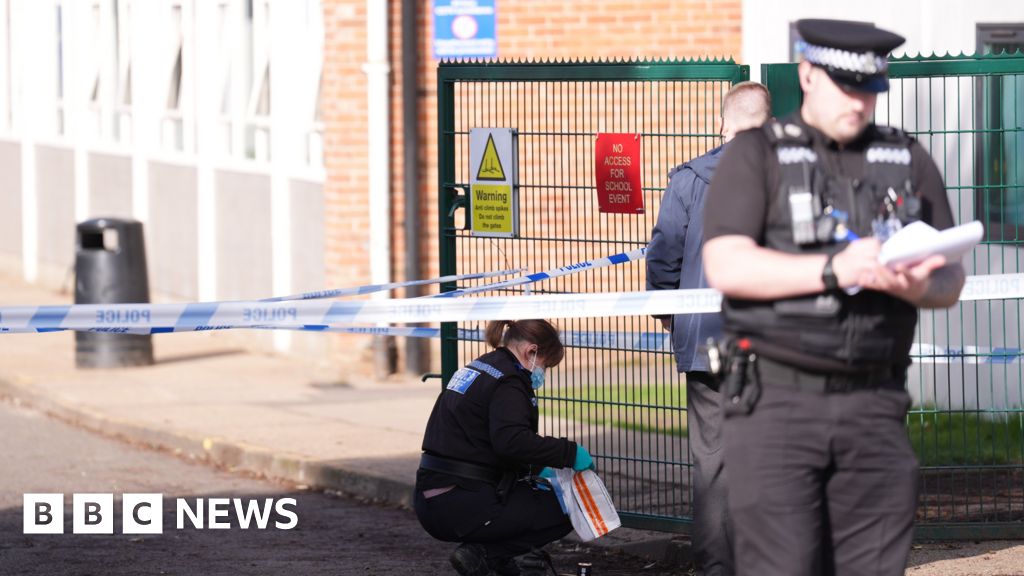
Mother of stabbed student was overseas and terrified during ordeal

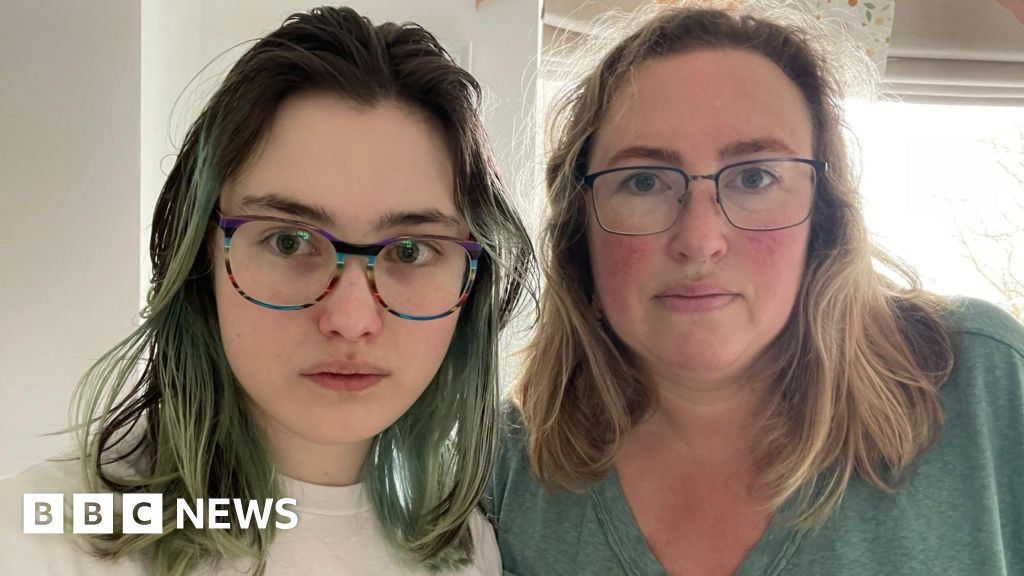
In a stark reminder of the ongoing challenges faced by families and communities, the parents of a 15-year-old girl who recently survived a stabbing have publicly expressed their overwhelmed gratitude for the wave of support they received. This incident, while deeply personal for the family involved, echoes broader societal issues linked to rising youth violence and the societal factors that contribute to it. As sociologists and community leaders analyze these tragedies, questions about the state of social safety nets, educational systems, and community cohesion come into sharp focus.

Such acts of violence disproportionately impact underprivileged neighborhoods, where lack of access to quality education, economic opportunities, and comprehensive social services creates a fragile societal fabric. Historians warn that “the breakdown of community structures often correlates with increased violence,” emphasizing how demographic shifts and social tensions influence youth behavior. This incident underscores not only the individual trauma but also how families and schools are affected by an environment that often fails to address underlying issues—mental health, poverty, and exposure to violence.

Educational institutions, which serve as the gateways to personal growth and societal integration, face increasing challenges in fostering safe and supportive spaces. Many schools are ill-equipped to provide the mental health interventions needed to address troubled youth, leaving students vulnerable to external influences that may lead to violence. Sociologists such as James Garbarino point out that early intervention and community-based programs are crucial in breaking the cycle of violence. Yet, these initiatives often face funding cuts and political resistance, which hinder their effectiveness and leave children and families at risk.

At the heart of this social crisis lies a need to rethink how society approaches youth development. Community resilience depends on creating inclusive environments where young people feel valued, understood, and supported. Social commentators advocate for a stronger partnership between families, schools, and local governments to develop policies aimed at prevention rather than punishment. Initiatives such as mentorship programs, youth engagement activities, and improved mental health services have demonstrated promise in fostering a sense of purpose and belonging—crucial factors in steering young individuals away from destructive paths.

As society grapples with these challenges, it is vital to remember that each headline about youth violence is ultimately a reflection of societal priorities. Behind every incident is a story of unmet human needs, neglected communities, and the urgent call for moral responsibility. Society faces a moral choice: to continue reacting with crisis control, or to invest in the foundations of social justice and community health that nurture hope and resilience. As families rally and communities strive for healing, the enduring question remains: will society rise to meet its moral obligation to protect its most vulnerable, or will these tragedies become the new normal?’.

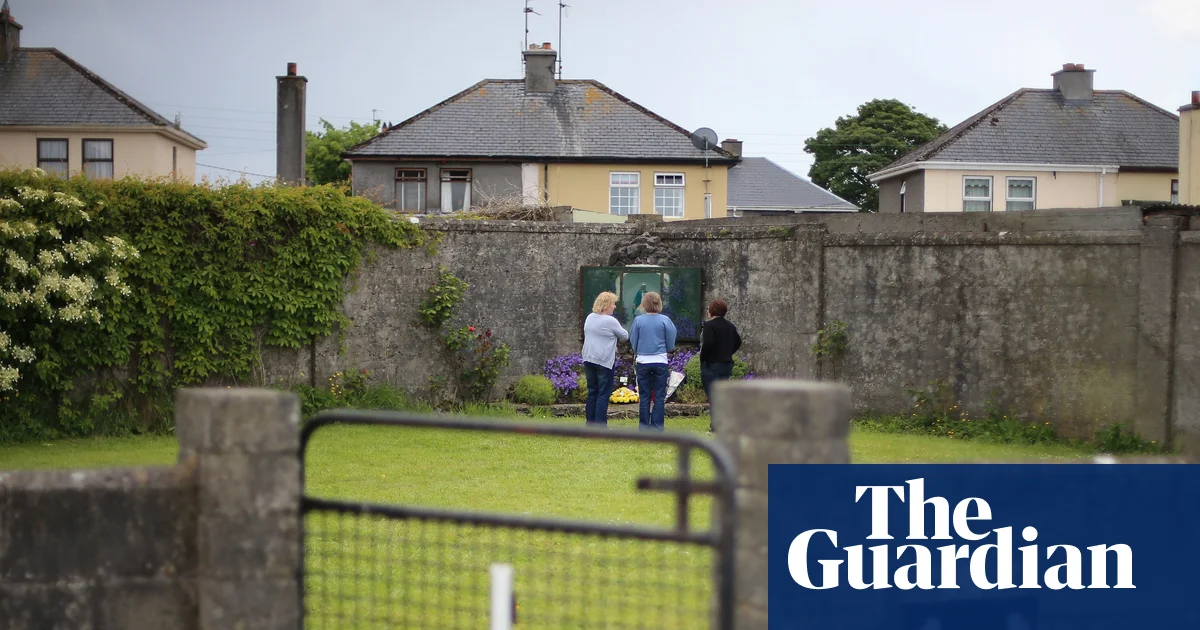
UK drops plan to cut benefits for Ireland’s mother and baby home survivors

UK and Ireland Reach Breakthrough in Historical Justice for Mother and Baby Home Survivors

The recent decision by Downing Street to drop plans to cut benefits for survivors of Ireland’s notorious mother and baby homes marks a significant turn in the ongoing effort to address a dark chapter in Irish history. This move follows intense international pressure and underscores the geopolitical significance of the relationship between Britain and Ireland. As a result, survivors living in the UK—estimated at up to 13,000—will retain access to essential benefits regardless of whether they accept compensation from Dublin, thereby protecting their dignity and social wellbeing. This decision signals a shift across the transnational landscape, with implications for the future of justice, reconciliation, and the role of historical accountability within the broader UK-Irish dynamics.

The government’s initial plans to restrict survivors’ benefits stemmed from concerns over the financial implications of Ireland’s redress scheme. Introduced after a 2021 inquiry exposed systemic cruelty, neglect, and the unnecessary death of hundreds of infants, Ireland’s compensation effort sought to provide recognition and redress to tens of thousands of victims. However, officials in Britain had feared the scheme’s classifications—particularly regarding savings—could jeopardize means-tested benefits like universal credit and social care funds, creating fear and distress among survivors. Campaigners such as Patricia Carey and community organizations like Irish in Britain warned that such policies risked re-traumatizing a community still seeking justice. Their advocacy and international diplomatic engagement—highlighted during the recent Anglo-Irish summit—culminated in recognition of the deep ripple effects these policies could have on society and the geostrategic alliance between the two nations.

At the heart of this corporate and diplomatic endeavor lies the geopolitical impact, which cannot be understated. The Irish government’s redress scheme aims to confront a painful legacy, yet its initial economic framing threatened to isolate survivors within a system of social stigma—one that historians and analysts suggest has long been a barrier to true reconciliation. The decision to disregard Ireland’s payments for survivors in Britain signifies a nuanced approach by both governments, emphasizing acknowledgment and solidarity over fiscal austerity. This alignment not only reflects renewed diplomatic cooperation but also signals to the rest of the international community that resolving historic injustices requires more than monetary compensation; it demands a moral commitment that transcends borders. As Liam Conlon, a Labour MP who championed Philomena’s law, articulated, the effort is about “tackling stigma, shame, and ensuring dignity,” embodying a moral blueprint with wider implications for how nations confront their pasts and aim for healing.

In a broader sense, these developments echo the ongoing evolution of international justice and the role of societal memory. As historians caution, these moments are pivotal; they serve as benchmarks for how societies reckon with historic trauma while balancing political, economic, and social interests. The survivors’ stories—like that of Philomena Lee, whose decades-long search for her son inspired the Oscar-nominated film—are emblematic of a collective yearning for acknowledgment and redemption. Yet, the fight continues, and as this chapter closes with meaningful progress, the path ahead remains fraught with challenges. The weight of history presses on, reminding the global community that the true cost of injustice is paid not just in monetary terms, but in the dignity and lives of those who suffered in silence. As the world watches, it is yet to be seen if this moment will be remembered as a turning point—or if, in the shadows of unresolved pain, history’s most profound lessons will still go unheeded.

Navalny’s mother calls poison evidence proof he was targeted and murdered

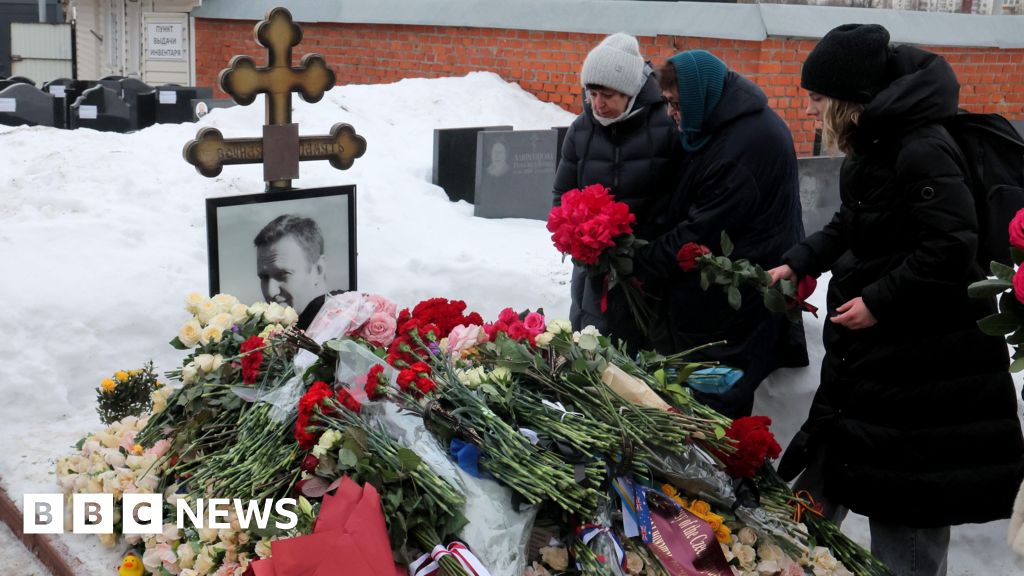
As the world marks the second anniversary of the death of Alexei Navalny, his mother, Lyudmila Navalnaya, delivers a poignant reminder that challenges to political sovereignty in Russia extend far beyond individual human tragedies. She asserts that her son’s death was not merely a tragic consequence of incarceration but an event reflective of a broader geopolitical struggle, one that tests the resilience of international norms and the sovereignty of nations.

Unveiling a Deadly System and Its Impact on Global Stability

Navalny’s death in prison, widely seen as a breach of human rights, resonates as a stark warning to Western democracies and autocratic regimes alike. Analysts from the International Institute for Strategic Studies highlight that this event underscores the peril of unchecked authoritarianism, which threatens to destabilize regional equilibrium. Despite global diplomatic efforts, Russia remains resolute in suppressing political dissent, thereby challenging the principles of sovereignty and self-determination. Such actions have prompted rising concern among nations who view navalny’s fate as a bellwether for the trajectory of Russia’s internal governance and its international commitments.

Global Reactions and the Struggle for Accountability

The international community, especially the European Union and the United States, faces mounting pressure to balance strategic interests with the imperative of human rights enforcement. The United Nations has repeatedly called for transparency and accountability but remains hamstrung by political divisions. According to prominent historians like Anne Applebaum, the modern world enters a new phase where the fight for democratic values is contested through geopolitical power plays. As Russia dismisses Western criticisms, the risk increases that the global order will fragment into competing spheres of influence. This dynamic directly affects societies worldwide by threatening to erode the international legal frameworks that once underpinned diplomatic stability.

How Decisions on the International Stage Shape Societies

Every diplomatic move concerning Russia reverberates across national borders, influencing regional security, economic stability, and public perceptions of justice and governance. The decision by Western nations to impose sanctions or engage in dialogue directly impacts the stability of Eastern Europe and beyond. Such choices are scrutinized by global analysts, who warn that persistent inaction or misguided policies could embolden other regimes to adopt similarly ruthless tactics. As history demonstrates, the suppression of political dissent in Russia does not occur in isolation; it threatens to empower autocratic tendencies across the world, destabilizing the international system itself.

Historical Echoes and the Unfolding Reality

Throughout history, instances of political repression have often marked turning points—either sparking upheaval or cementing authoritarian rule. Today’s situation, with Navalny’s death serving as a somber reminder, echoes the warnings of pre-World War II upheavals when unchecked tyranny went unchallenged. Analysts like Timothy Snyder suggest that this era may well define the global landscape for decades to come. The weight of this unfolding narrative underscores the importance of steadfast resistance to oppressive regimes, lest the lessons of history be lost and humanity march toward an uncertain future where the triumph of individual rights and sovereignty remains under threat.

As nations grapple with the repercussions of the Navalny tragedy, the historical significance becomes painfully clear: the decisions made today will determine whether democracy endures or succumbs beneath the weight of authoritarian ambition. The story is far from over; indeed, the arc of history continues to be written by those willing to confront tyranny and stand firm for the principles that safeguard human dignity. In this moment of peril and hope, the world remains a battleground of ideas—where the future of freedom itself hangs in the balance, and the echoes of history threaten to shape the destiny of generations yet unborn.

FBI Releases Images of Masked Suspect in Savannah Guthrie's Mother Case
FBI Releases Images of Masked Suspect in Savannah Guthrie’s Mother Case

In a development that resonates far beyond the borders of Arizona, the mysterious disappearance of Savannah’s mother from her Tucson residence has ignited a wave of concern among local and international observers alike. Last seen on the night of January 31, her sudden vanishing underscores persistent vulnerabilities in domestic security and raises questions about broader geopolitical implications rooted in regional stability and societal resilience.

This incident, while ostensibly a personal tragedy, echoes the larger patterns of insecurity that ripple through many nations grappling with increasing social unrest and unpredictable threats. Analysts highlight that such cases—though often dismissed as isolated—serve as stark reminders of an underlying global trend: a weakening fabric of personal safety amid a tumultuous geopolitical landscape. The United Nations and various regional security agencies warn that domestic vulnerabilities often intersect with larger political fault lines, destabilizing societies from the ground up. Decisions taken in the corridors of power—be they policies on immigration, law enforcement, or border security—inevitably shape the safety and stability of communities like Tucson, with ripple effects reaching well beyond American borders.

Historically, America has positioned itself as a beacon of personal freedom and security; however, recent incidents reveal cracks in this narrative. Experts caution that the ongoing internal struggles over resource allocation, migration, and civil liberties are fueling a rise in unpredictable events. According to respected analysts such as those at the Cato Institute, these incidents threaten to undermine the fabric of national cohesion and challenge the perception of America as a safe haven. Meanwhile, international bodies observe that such domestic unrest can influence bilateral relations, particularly with neighboring countries that share migration corridors or economic ties with the United States.

At a time when global tensions escalate—particularly with rising powers vying for dominance—the plight of individual citizens like Savannah’s mother masks the broader geopolitical stakes. Security, stability, and societal confidence are delicate threads pulled taut by international shifts and internal decision-making. International organizations, including INTERPOL and NATO, have repeatedly warned that neglecting these domestic issues can create openings for destabilizing elements, both from within and outside national borders. As world leaders debate alliances, trade, and military strategies, the security of ordinary citizens remains an essential yet often overlooked piece of the strategic puzzle.

The unfolding story of Savannah’s missing mother is thus more than a personal tragedy; it is a symbolic chapter in the ongoing narrative of a world teetering at a crossroads. History’s pen continues to write a complex and often tragic story—one that demands vigilance, decisive action, and a recognition that today’s decisions directly shape tomorrow’s societies. As communities worldwide grapple with chaos and change, the weight of history presses heavily on the present, reminding us that every disappearance, every crisis, is a piece in a much larger and more urgent puzzle—one that will ultimately define the future of nations and civilizations alike.

Savannah Guthrie vows: “We will pay” to bring mother back safely

The recent report circulating globally about Nancy Guthrie, an 84-year-old woman rumored to have been abducted, marks a critical juncture in international security and diplomatic relations. The plea from a US news anchor—quoting, “We received your message”—highlights the urgent humanitarian crisis that has captured attention across diplomatic circles and media worldwide. Though details remain scarce, the implications underscore the complex web of geopolitical tensions and the fragility of peace in an era increasingly defined by international disputes and diplomatic failures.

Experts from think tanks and international organizations emphasize that such incidents are rarely isolated. The possible abduction of a civilian—particularly in a context where reports suggest political or territorial motives—could serve as a catalyst for broader regional instability. Analysts warn that this situation may be intertwined with ongoing conflicts or behind-the-scenes negotiations involving major powers vying for influence. The incident raises alarms about how individual vulnerabilities are exploited amid geopolitical rivalries, transforming personal tragedies into symbols of larger strategic conflicts. Ultimately, the fate of Nancy Guthrie could become a battleground for power plays, with global repercussions that extend far beyond her family’s grief.

The international community watches intently, with nations recognizing that decisions made in the coming days will shape regional stability. The ongoing crisis could influence the actions of United Nations members and regional alliances, pressuring leaders to respond decisively or risk emboldening actors who thrive on chaos. In some circles, this incident underscores the importance of assertive diplomacy and resilience—a stance that many argue should be taken to defend national sovereignty and safeguard citizens. Historian Dr. Samuel Ortiz notes that in history, such critical moments—when personal security intersects with international diplomacy—often serve as turning points, demanding renewed resolve from world leaders.

As the international arena remains tense and volatile, the enduring question remains: how will this case influence the future of geopolitical negotiations? Will it serve as a wake-up call for greater cooperation, or will it deepen divisions and fuel further conflicts? The unfolding narrative bears witness to history in the making, reminding us that behind every diplomatic handshake lies the human toll of unresolved disputes. The world waits with bated breath—knowing that the decisions made today will echo for generations, as history continues to be written in the shadows of crisis and hope.

Oscar-nominated actress Dianne Ladd, proud mother of Laura Dern, passes away at 89

Global Geopolitical Impact: A Reflection on the Passing of Diane Ladd

The recent passing of Diane Ladd, a treasured icon of Hollywood and a symbol of artistic resilience, marks not only the end of an illustrious career but also prompts reflection on cultural influence and societal values worldwide. As a three-time Academy Award nominee renowned for her roles on stage and screen, Ladd’s legacy underscores the profound role of arts and entertainment in shaping national identity and international perceptions. Her career trajectory, spanning decades, exemplifies how individual talents contribute to a country’s soft power, influencing global culture and the perception of societal values.

In the realm of international diplomacy and cultural exchange, figures like Ladd serve as cultural ambassadors, fostering mutual understanding through shared narratives and artistic expression. Her collaborations and appearances in films that often explored complex human stories resonated beyond borders, reinforcing the global language of cinema. These narratives, embraced worldwide, shape international discourse on empathy, social justice, and human rights. Analysts from institutions like the United Nations Educational, Scientific and Cultural Organization (UNESCO) have long emphasized the importance of arts in diplomatic relations, with figures like Ladd embodying this vital link. As historians highlight, cultural diplomacy remains one of the most enduring strategies for peaceful engagement among nations, making her life’s work a subtle but impactful form of international influence.

Meanwhile, the personal tragedies faced by Ladd—such as the loss of her infant daughter—echo across societal lines, reminding societies worldwide of the universality of grief and resilience. Her daughter, Laura Dern, publicly shared that her final moments were spent surrounded by family, underscoring the human dimensions behind public figures and how personal stories often intertwine with national narratives. Such personal histories serve as poignant warnings, emphasizing that even in the brightest lights of fame, personal struggles persist, and societal attention to mental health and family well-being remains critical. >The loss of her granddaughter and her own reflections during interviews serve as somber reminders of life’s fragility and the enduring human capacity to overcome adversity.

Looking forward, the legacy of cultural icons like Diane Ladd will continue to influence how societies perceive history and progress. As international analysts and cultural scholars debate the evolution of media and its role in shaping future generations, her artistry exemplifies the enduring power of storytelling to forge a collective identity. The importance of nurturing cultural talents is a message that echoes across global institutions, emphasizing that today’s arts and entertainment sector is integral to shaping a worldview rooted in resilience and hope. Yet, as history unfolds, the world remains a stage where triumph and tragedy intermingle, leaving an indelible mark on the fabric of global society. In this ongoing narrative, the lessons of the past serve as the foundation for a future still being written, with the weight of history urging nations and peoples alike to remember that their stories, like hers, are part of a wider, unfolding mosaic of human experience.

Storm chasers venture into the eye of Hurricane Melissa—braving Mother Nature’s fury.

In a striking display of nature’s relentless power, Hurricane Melissa—with wind speeds soaring to 175mph (282km/h)—has become the year’s fiercest storm and the most formidable of the 2025 cyclone season. The US Air Force Reserve’s “Hurricane Hunters” recently ventured into its eye, gathering crucial data for the National Hurricane Center amid mounting concerns about the increasing intensity and frequency of such phenomena. As this catastrophic storm approaches late Monday or early Tuesday in Jamaica and then traverses across eastern Cuba and the Bahamas, the global community remains on high alert, cognizant of the broader geopolitical and societal impacts unfolding in its wake.

Environmental experts and international analysts have pointed to climate change as a primary driver behind the escalation of superstorms like Melissa. Historically, storm intensity has been regarded as a natural cycle, but recent patterns have alarmed climate scientists worldwide. A report by the Intergovernmental Panel on Climate Change (IPCC) warns that without decisive global action, hurricanes could become not only more frequent but also more devastating. Such meteorological upheavals threaten economic stability and threaten to deepen societal disparities—particularly in vulnerable nations within the Caribbean and downstream in North America and beyond. This storm’s trajectory and ferocity underscore a glaring reminder: humanity is at a crossroads, where environmental decisions of the past now manifest as future tragedies.

The geopolitical impact of hurricanes like Melissa stretches beyond the natural realm, influencing international power dynamics and security concerns. Countries in the Caribbean, dependent on tourism and agriculture, face economic crises should these storms cause extensive destruction. Rivalries and alliances may also shift as nations struggle to provide aid and infrastructure rebuilding—an often overlooked facet of climate-related disasters. Meanwhile, U.S. and international organizations are coordinating emergency preparedness and relief efforts, though critics highlight disparities in aid distribution and resilience planning. The storm’s approach serves as a stark reminder that climate challenges echo geopolitical struggles, compelling leaders to prioritize environmental stability in their strategic calculations.

Prominent historians and analysts, such as Dr. Patrick M., argue that Melissa’s unprecedented strength signals a pivotal moment in global history—one where nations must confront the harsh reality that natural calamities are no longer isolated incidents but components of a broader, interconnected crisis. The climate negotiations and treaties drafted over recent decades now face increased scrutiny, as skeptics decry the lack of concrete action. The unfolding drama of Hurricane Melissa encapsulates a moment where environmental, social, and political threads intertwine, forging a narrative that will shape policies for generations. As the storm’s winds rage and ocean’s fury swells, the world must grapple with this emerging truth: history is being rewritten beneath the storm clouds, and how humanity reacts may determine the course of civilizations yet to come.

Thailand’s Queen Mother Sirikit Passes at 93 — A Lasting Legacy Ahead of the Future

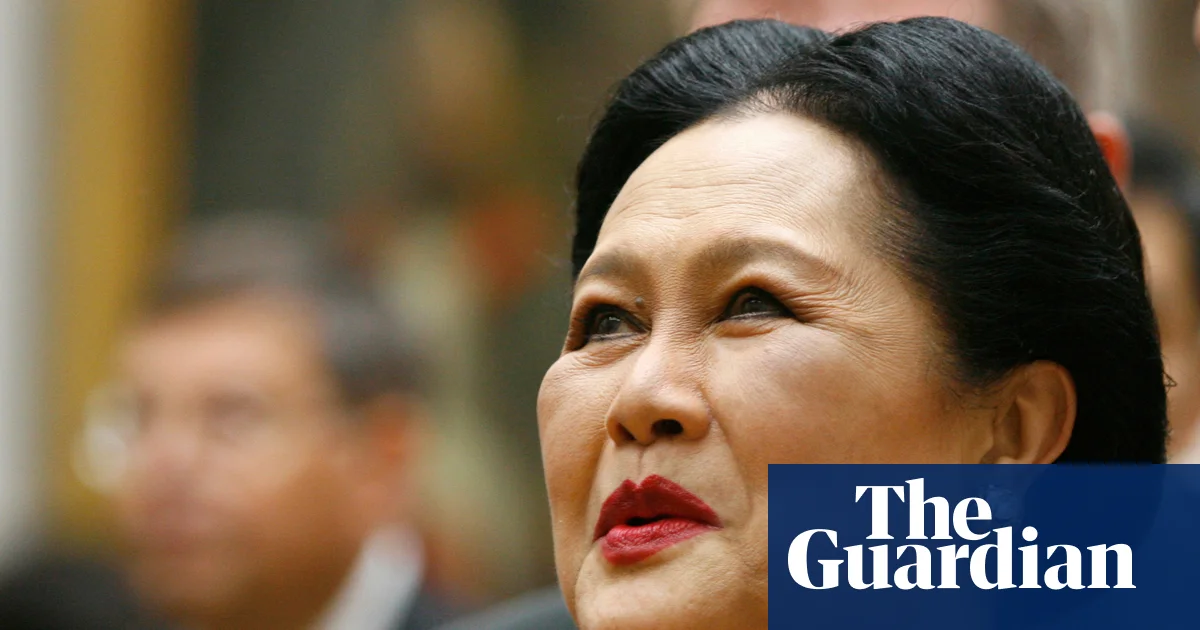
Thailand has experienced a profound national loss with the death of Queen Mother Sirikit, a towering figure who symbolized resilience, cultural pride, and maternal virtue for over nine decades. Her passing at age 93, announced by the Thai Royal Household, marks a pivotal moment not only for Thailand but also for the shifting dynamics of Southeast Asian geopolitics. Her death, after years of declining health, underscores the end of an era where the monarchy was both a unifying symbol and a subtle political actor—an institution whose influence extends far beyond the palace walls, shaping the socio-political fabric of the nation.

Despite her largely quiet public life since her 2012 stroke, Queen Sirikit remained a revered maternal figurehead, celebrated for her charitable work and the preservation of Thai tradition. Her deep-rooted ties to cultural identity and national cohesion rendered her an indelible part of Thailand’s collective consciousness. The declaration of a one-year mourning period exemplifies the magnitude of her significance, which transcended political boundaries and fostered a unifying narrative amid the nation’s long history of coups and government instability. In a country where lèse-majesté laws strictly curb any criticism of the monarchy, her death will be observed with profound reverence, emphasizing her enduring role as the cornerstone of Thai identity.

Historically, the Thailands’ monarchy has served as an anchor amidst turbulent political tides. King Bhumibol Adulyadej, her husband, reigned for 70 years, a period marked by stability through crises and upheavals. Queen Sirikit, from her Parisian roots—where she studied music and languages—wove herself into the social and cultural fabric of Thailand, revitalizing traditional weaving and silk industries and embarking on development initiatives in rural areas. Her dynamic involvement in political affairs, particularly as acting regent during her husband’s absences, exemplifies how the royal family has often intertwined with state affairs, subtly influencing policy and political shifts.

The geopolitical implications of her death ripple through Southeast Asia, where monarchies remain powerful symbols. Many analysts emphasize that Thailand’s monarchy, long regarded as a stabilizing yet discreet political force, continues to influence regional dynamics. With her son, King Maha Vajiralongkorn, now ascending the throne, questions remain about how the monarchy will navigate Thailand’s evolving political landscape. Observers such as political historians and international organizations warn that the royal family’s role could become even more critical in maintaining regional stability or, conversely, ignite tensions if internal or external forces seek to challenge royal authority.

As the world watches, and Thailand mourns, the death of Queen Mother Sirikit signals not merely a personal loss but the fading of a legacy that symbolized maternal authority, cultural preservation, and a subtle, often opaque, political presence. The process of her farewell, marked by official ceremonies and national mourning, invites reflection on how a single figure can embody the history—and perhaps the future—of a nation. Under the weight of history, the question remains: how will Thailand’s monarchy adapt and endure in an era of rapid change, and how will their decisions reshape the geopolitical contours of Southeast Asia? The answer lies hidden in the ongoing unfolding narrative—a story written in the quiet resilience of a nation, and in the shadows where power still silently resides, waiting for the next chapter to be inked in the pages of history.

Mother of Hostage Tamir Nimrodi Holds Her Breath as She Awaits Trump’s Peace Initiative

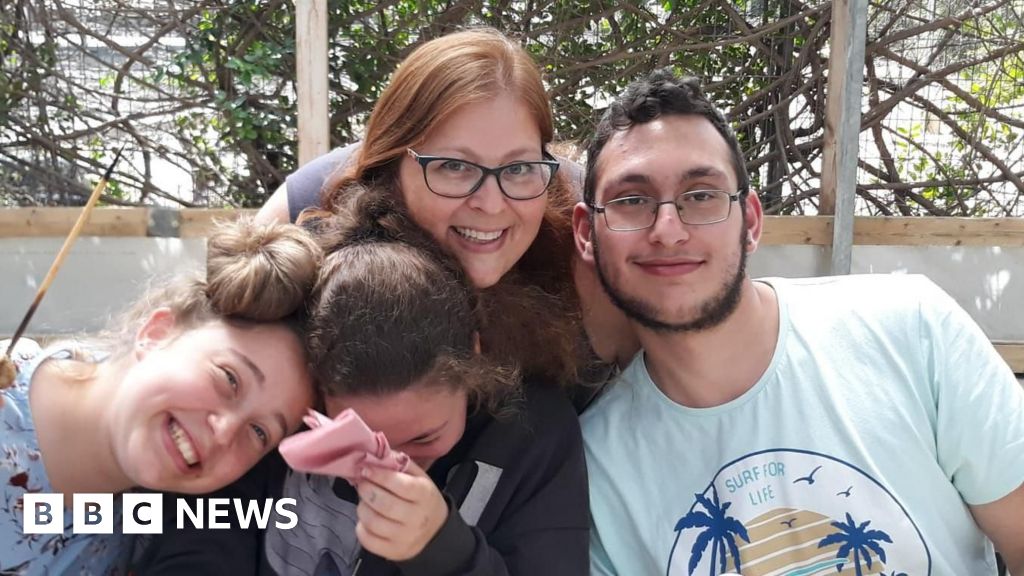
The recent developments surrounding the ongoing conflict in Gaza have cast a spotlight on the fragile equilibrium of the Middle East, underscoring how decisions made at the highest international levels resonate deeply within the fabric of nations and societies. It has been nearly two years since the unprecedented attack by Hamas, which resulted in the brutal abduction of over 250 innocent civilians and the deaths of thousands of Israelis. The personal toll has been staggering; families like that of Herut Nimrodi continue to cling to hope for the return of loved ones, amid a landscape of unresolved conflict and political uncertainty. These stories, heartbreaking yet emblematic of resilience, are now intertwined with a critical diplomatic effort fueled by the United States and its proposed peace plan.

The emerging Trump peace initiative signifies a potential shift in how the international community might diffuse one of the most entrenched conflicts of the 21st century. While the plan is still under indirect negotiation, early signs suggest a different level of momentum—analysts and historians observe that such urgency might herald a rare window for peace. According to sources close to the negotiations, this plan aims to facilitate the *simultaneous* release of hostages and the de-escalation of hostilities, marking a pivotal turning point in regional diplomacy. The significance of these developments extends beyond immediate security concerns, highlighting what U.S. policymakers hope will be a blueprint for stability—yet how these decisions affect nations remains a complex calculus of geopolitics, public sentiment, and international law.

However, skepticism remains among seasoned analysts and international organizations. Many warn that such fragile negotiations could be derailed by regional factions or unforeseen escalations. The United Nations and other bodies have issued cautious statements emphasizing the importance of *verifiable* progress, but the delicate balance of trust among involved parties continues to erode. At the heart of this crisis lie real human tragedies—families torn apart, memories frozen in time, and the haunting hope of closure. As historian Dr. David Friedman notes, the history of peace negotiations suggests that this moment, while promising, could easily dissolve into another cycle of conflict unless concrete actions follow diplomatic rhetoric. The weight of history has often shown that the true turning point lies in whether human lives can be prioritized over geopolitical gains.

The geopolitical impact of the upcoming negotiations cannot be understated. Success could signal a new era of regional cooperation, potentially inspiring other conflict zones worldwide to pursue settlement through diplomatic means. Conversely, failure or missteps could deepen regional tensions, emboldening extremism and prolonging instability. The ripple effects of this moment will reverberate across borders, influencing economic, security, and social policies for decades. As the leaders of Israel, the Palestinian territories, and key global partners weigh their options, the world watches with bated breath, understanding that this is more than just another diplomatic effort—it’s a
battle for the soul of the Middle East and an enduring lesson about the high stakes of international decision-making.

In the shadows of diplomacy, the stories of ordinary families remind us what is truly at stake. The abduction of Tamir Nimrodi—captured in a haunting social media video—serves as a stark reminder of the human cost of ongoing hostilities. His mother’s unwavering hope, fueled by the belief that Trump’s plan might finally bring him home, underscores a resolve that echoes across countless families suffering in silence. Yet, their hopes are tinged with despair; days turn into years, and with every silence from Gaza, the fear of loss deepens, leaving a nation teetering on the brink of either reconciliation or prolonged chaos. The future remains uncertain, and as history continues to unfold, the world bears witness to whether justice, mercy, and diplomacy can transcend the cycle of violence, or if this chapter will once again be written in tragedy—an enduring story of hope and heartbreak intertwined on the pages of history.

Social Media Auto Publish Powered By : XYZScripts.com