Matox News

Truth Over Trends, always!

SoftBank’s Nvidia move sparks market buzz and questions linger

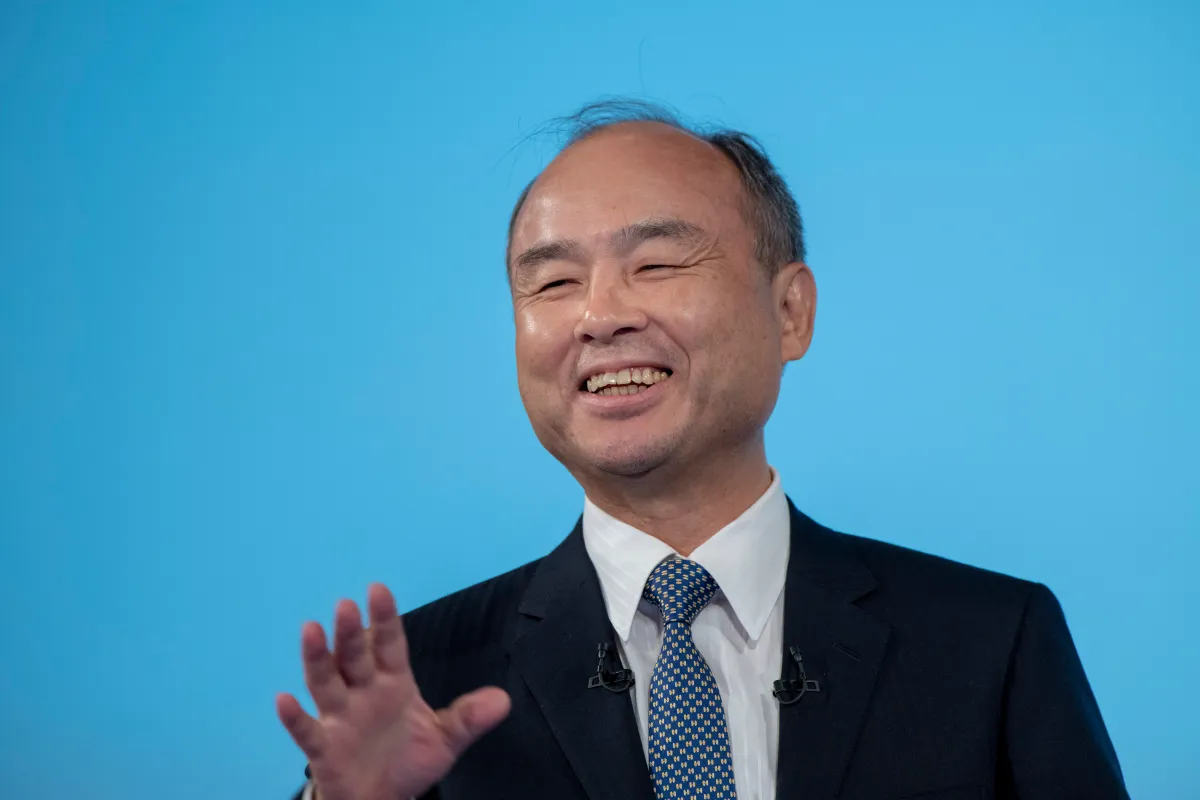
SoftBank’s Masayoshi Son Makes Bold Move into AI, Signaling Industry Shift

In a move that underscores the relentless pursuit of disruption and innovation, Masayoshi Son, founder of SoftBank, has liquidated his entire $5.8 billion stake in Nvidia, a leader in artificial intelligence hardware, to fully commit to AI-focused investments. This aggressive repositioning highlights the growing strategic importance of AI technology as the key driver of future market dominance. Son’s reputation for high-stakes decision-making, coupled with his history of market upheavals, positions this shift as a pivotal moment for investors looking to capitalize on AI’s potential to reshape industries.

Son’s commitment aligns with broader industry trends identified by institutions like Gartner, which forecasts AI as a multi-trillion-dollar sector poised to disrupt everything from finance to manufacturing. By reallocating his capital—once heavily tied to tech giants like Nvidia—Son is sending a clear signal that the future belongs to AI-driven business models. This move could propel SoftBank into an even more dominant position within the AI ecosystem, challenging traditional tech giants and paving the way for startups and emergent platforms to flourish. Industry analysts suggest that such a decisive refocus on AI-driven ventures might accelerate the pace of innovation and create new market leaders across multiple sectors.

Historical Context and Business Asymmetry

Son’s history of high-risk, high-reward bets has often set the stage for industry disruption. During the late 1990s dot-com bubble, he saw his net worth soar to $78 billion, only to be decimated when the bubble burst, wiping out $70 billion overnight. Despite this turmoil, Son’s legendary investment in Alibaba—made after a brief meeting with Jack Ma—turned into one of the most lucrative tech bets ever, fueling his comeback and cementing his reputation as a visionary investor. His early faith in Alibaba’s potential rewrote the narrative for Asian tech firms and demonstrated how bold bets could yield industry-shifting results.

While some have criticized Son’s willingness to stay long at the table, his pattern of daring investments, such as his backing of WeWork and Uber, reflects a penchant for embracing ambitious visions, even amid turmoil. These moves often highlight the *industry’s* tendency toward over optimism and hype cycles, but they also showcase Son’s ability to challenge conventional wisdom and amplify funding for innovation. His latest focus on AI may be part of another strategic gamble to sustain his legacy as a disruptor capable of riding the next wave of technology revolutions.

Implications for Investors and Industry Dynamics

The bold reallocation demonstrates that industry landscape is ripe for a paradigm shift driven by AI. As Elon Musk and Peter Thiel warn, *the next decade could redefine economic power — with AI at the core*. With SoftBank’s pivot, the foundational question becomes: which players will capture the value in this transformation? Companies that harness AI’s capacity for automation, predictive analytics, and autonomous systems will likely emerge as net winners, while traditional firms lagging behind risk obsolescence.

  • Increased investment in AI startups and infrastructure
  • Emergence of new business models driven by intelligent automation
  • Potential for market consolidation around AI pioneers
  • Regulatory and ethical challenges accompanying rapid technological advances

Looking forward, the technological and business implications of Son’s move emphasize an urgent need for firms, entrepreneurs, and investors to adapt swiftly. As AI continues to accelerate, those who fail to recognize its transformative potential risk becoming irrelevant in a universe where innovation and disruption are the only constants. Son’s aggressive stance reminds us that in the realm of breakthrough technology, it’s often the boldest bets that define the future.

Move Aside Claudia: Jonathan Ross Steals the Spotlight as a Traitors Style Icon in the Youth Scene

In the realm of reality television, style has long transcended mere aesthetics to become a cultural statement. This season of Celebrity Traitors, a hit UK-based game show, has vividly demonstrated that wardrobe choices are now more than just fashion—they’re powerful tools for social signaling. While the audience expects suspense over who will survive each night’s murder, a subtler, more profound battle is unfolding: the battle for perception. And no one has mastered this quite like Jonathan Ross. His eclectic, flamboyant outfits on the show are not only a reflection of his personality but are actively shaping the social narrative, blurring the lines between performance and strategy.

Influenced by a mix of vintage Hollywood style and pop culture icons, Ross’s wardrobe choices have become a cultural phenomenon in their own right. From tailored dapper suits to daring Top Gun-inspired jumpsuits, his looks are meticulously curated to *signal dominance and authority*. Fashion psychologist Dr. Dion Terrelonge highlights how Ross’s self-styled ‘costumes’ serve to convey the message: “I am a leader who commands attention.” Far from accidental, Ross’s choices are a calculated act rooted in perception management. His wardrobe is like a visual language, telling viewers he’s in control—even when he’s secretly orchestrating betrayal. This approach echoes the work of sociologists who argue that fashion, especially in high-stakes environments, functions as an extension of social power and status.

  • On-trend fashion as a social tool: Ross’s bold looks—ranging from aviator sunglasses to fuzzy stoles—are more than just eye candy; they’re part of a strategic play, signaling to both contestants and viewers that he’s a ‘big dog’ in the game.
  • Viral influence: Fans and fashion enthusiasts online have started mimicking Ross’s most striking outfits, turning his wardrobe into a trending cultural phenomenon that extends far beyond the show.
  • The social psychology behind costume: Experts suggest that dressing in a way that commands attention might increase perceived authority—vital in a game designed around deception and trust.

What makes Ross’s fashion stunt even more compelling is his choice to control his appearance even during moments of vulnerability. Known for plotting his looks himself—sometimes packing a full goth ensemble just in case—the broadcaster’s wardrobe becomes a live canvas for his dual identity: the charming host by day, the covert traitor by night. Such deliberate styling echoes the archetypes of the ‘big, bold’ hero characters in popular culture—think Maverick or Sherlock Holmes—yet here, it’s used for a much darker purpose. The social relevance of this trend is undeniable: it underscores how personal style can influence perception, especially when tied to concepts of authority, trustworthiness, and deception.

As the narrative twists unfold, the real question facing us is whether this trend of fashion-as-strategy will continue to evolve—especially in an era where image overtakes substance at an unprecedented pace. Is the rise of such flamboyant displays of style a sign that society is shifting towards an even more performative culture? And, perhaps more intriguingly, what could be next? If dressing complex and commanding on-screen can help a traitor hide in plain sight, are we witnessing the dawn of a new social era—where how we dress is becoming the ultimate form of social camouflage? The future, it seems, is as much about what’s on the outside as what’s hidden behind it.

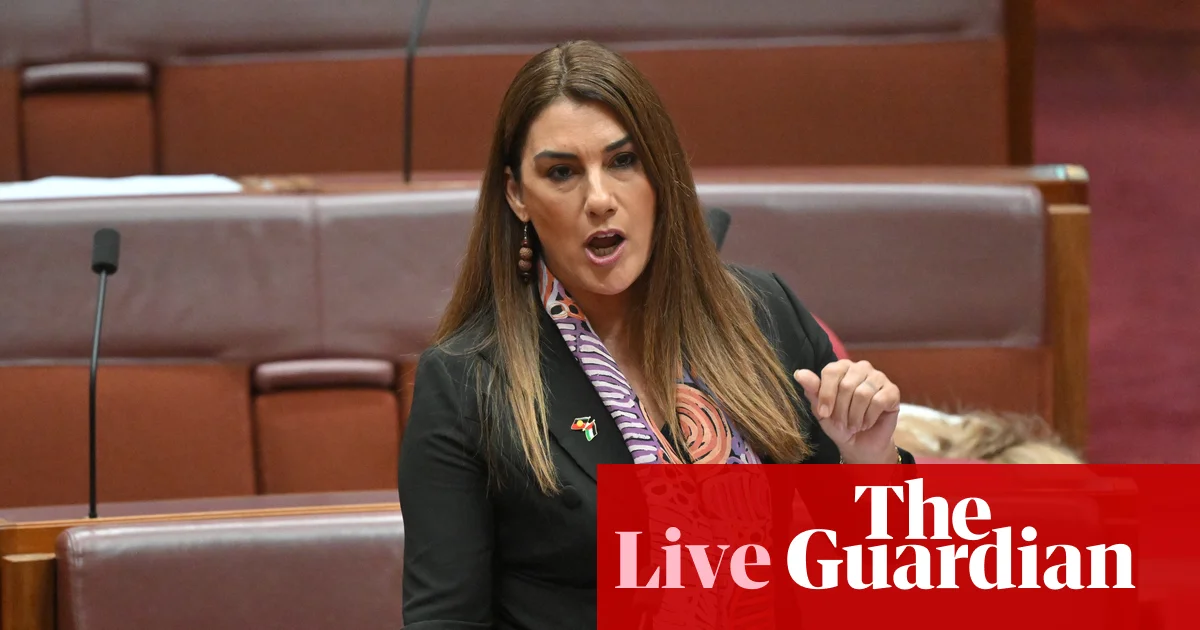
Australia News Live: Thorpe tells Albanese to move past Voice setback after Indigenous treaty clears Victorian parliament

Emerging Shifts in National Commitments and International Tensions Reshape Global Geopolitics

In a landscape steeped in rapid change, recent developments across nations reveal a profound transformation in how countries are engaging with issues of sovereignty, policy independence, and international cooperation. Australia has taken a historic step, passing its first treaty with traditional owners in a move that has sent ripples through geopolitics and Indigenous rights globally. This milestone signifies a break from past colonial frameworks and signals a potential recalibration of national identity and sovereignty. As Lidia Thorpe, a prominent Indigenous senator, asserts, this treaty marks a good start towards “real self-determination”, challenging the long-standing narrative that post-colonial states are resigned to their subordinate roles within global structures.

However, this progressive shift is not happening in isolation; it feeds into a broader contest for national sovereignty witnessed elsewhere. In Victoria, the passage of the Indigenous treaty aligns with a global increase in directly empowering indigenous and local governments—yet, critics warn that such victories could be undermined by overarching international pressures or domestic political stalls. Meanwhile, in Queensland, a tragic incident involving a young girl struck by lightning exemplifies the ongoing domestic crises rooted in local societal challenges—an inward reflection on societal resilience amid external geopolitical turbulence.

The international arena is also seeing strategic realignments. Australia and Papua New Guinea are deepening their security cooperation through new agreements designed to both enhance regional stability and counter transnational crime. These steps are emblematic of a wider surge in regional diplomacy, motivated by rising external threats from expanding powers like China and Russia. Similarly, Australia’s partnership with Papua New Guinea aims to fortify borders against illicit flows, emphasizing the importance of sovereignty while navigating the complex web of international alliances.

Within this context, debates over climate policy reflect a growing divide between economic independence and international commitments. Maria Kovacic and other members of the Liberal faction are grappling with the necessity for a feasible path toward net zero, including potential reliance on nuclear technology—a move that could alter the tectonic plates of global energy politics. Analysts warn that such policy debates are not merely domestic; they are the battlegrounds for influence over energy markets and technological dominances that will define the twenty-first century. Meanwhile, the Australian government faces accusations of opacity, with calls to improve transparency and accountability—an internal struggle that underscores tensions within the fabric of liberal democracies worldwide.

As history accelerates, we are witnessing the dismantling of old paradigms and the rise of new configurations—some peaceful, others fraught with conflict. The passage of treaties, the forging of security alliances, and the internal policy debates reflect a world that is both reshaping and being reshaped. Time will reveal whether these shifts forge a more sovereign, just, and balanced future or plunge nations into deeper crises of identity and trust, echoing the tumult of our most turbulent eras. The pages of history are turning—what will they record about this pivotal decade in global history?

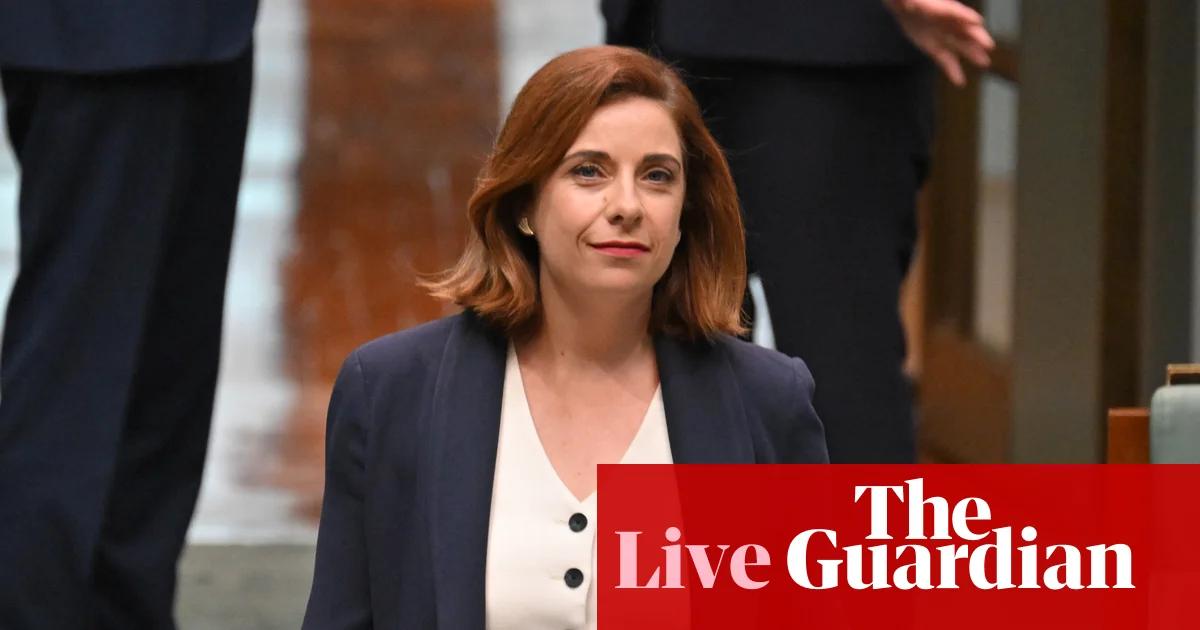
Australia Politics Live: Telcos Hit Harder But Liberals Must Move Beyond Howard Era, Hastie Warns

The recent developments in Australia’s national politics and policy landscape highlight the significant geopolitical impact of domestic decisions on regional stability and international perceptions. The Australian government’s move to escalate fines for telecommunications companies failing to connect users to the emergency triple zero service, now set at $30 million, underscores a notable shift towards reinforcing critical infrastructure accountability. This regulation, driven by bipartisan support from Labor and Coalition members, marks a clear message that corporate negligence in essential services will not be tolerated. As analysts from the International Institute for Strategic Studies observe, such measures reflect Australia’s intent to project strength and resilience, especially as it faces regional challenges and global scrutiny over public safety standards.

Simultaneously, the Australian Parliament has taken steps to increase transparency in telecommunications outages by mandating companies to maintain a public register of network disruptions that are updated in real-time. This proactive move follows the September outage incident involving Optus, which exposed vulnerabilities in Australia’s emergency response network. The decision to require ongoing transparency can be viewed as part of a broader strategy to bolster public confidence not only domestically but also in Australia’s role as a regional leader in digital infrastructure. This initiative signals a clear posture: the government prioritizes sovereignty over critical communications, ensuring that international partners and allies see Australia as committed to public safety and technological sovereignty. The U.S.-based National Security Council comments that such transparency measures may serve as a template for other nations seeking to safeguard their own emergency networks against cyber threats and operational failures.

At the same time, internal political struggles continue to shape the nation’s trajectory. Barnaby Joyce, a veteran figure in Australia’s conservative ranks, has indicated he will consider his political future over the upcoming summer, with speculation swirling over his potential joining of One Nation. Meanwhile, fellow nationalist figure Andrew Hastie has voiced warnings that the Liberal party can no longer navigate the political landscape by *living in the Howard era*. These internal debates carry profound geopolitical consequences—a fractured conservative bloc may weaken Australia’s stance on strategically vital issues such as climate policy and regional alliances. As political analyst Dr. Liu Zhang from Beijing’s Institute for International Studies notes, a divided Australian government could undermine the nation’s ability to act decisively on the international stage, particularly amid rising regional tensions with China and the Indo-Pacific.

Furthermore, these internal tensions, intertwined with the ongoing debate about Net Zero emissions, demonstrate how national policy decisions echo across borders. The Labor government’s firm stance on higher penalties for telcos and increased transparency reflects a broader push to demonstrate international credibility—particularly in the face of global climate commitments and regional security pacts. What remains at stake is not merely Australia’s domestic policy but its global standing as a stable, responsible actor in an increasingly uncertain international order. As global institutions like the United Nations scrutinize national commitments, the resolve—or wavering—of Australian leaders in such foundational issues will unavoidably influence regional trust and assertiveness. The course of these domestic struggles, political choices, and policy decisions are chapters in a larger narrative—the story of a nation navigating the tumultuous waters of a shifting geopolitical landscape, the outcome of which will shape history in ways yet to unfold, leaving the world watching with bated breath as Australia writes its next move.

TechCrunch Mobility: Bold Move, No Hostility – The Future of Mobility Looks Different

In the rapidly evolving landscape of transportation technology, autonomous vehicles (AVs) and electric mobility stand at the forefront of a disruptive wave that promises to overhaul traditional industry paradigms. Recent developments highlight how pioneering companies are leveraging breakthrough innovations to challenge incumbents and reshape economic opportunities. Notably, Luminar, a leader in lidar technology, is embroiled in a dramatic internal power struggle that could have far-reaching implications for the autonomous vehicle sector. The bid by Austin Russell, Luminar’s founder and former CEO, to acquire the company underscores an ongoing narrative of disruption from within, as visionary entrepreneurs seek to redefine competitive advantage amid tumultuous boardroom politics.

Russell’s return to the scene with a new venture, Russell AI Labs, signals a strategic pivot that could catalyze industry-wide innovation. The proposed bid involves acquiring or merging with other automotive tech entities, hinting at a broader trend of consolidation and diversification aimed at accelerating autonomous and sensor technology integration. This move coincides with key market shifts, as Gartner and other research institutions emphasize the importance of business model agility for AV success. Companies willing to disrupt entrenched supply chains and pivot toward value-driven services will dominate the next decade, with startups like Russell AI Labs poised to challenge established giants.

Simultaneously, the electric aviation sector exemplifies how disruption extends beyond ground mobility. Lilium, once considered a disruptor in vertical takeoff and landing (VTOL) aircraft, has transitioned its assets to Archer Aviation after ceasing operations. The acquisition of all 300 patents for €18 million underscores a strategic move driven by a desire to capitalize on legacy tech and optimize urban air mobility. While the industry is still embryonic, this deal exemplifies the potential for patent consolidation as a weapon against incumbent transportation giants, actively shaping urban mobility’s future.

  • Emerging startups like Airbound and Dexory are receiving significant funding—$8.65 million in seed capital and $165 million in Series C, respectively—highlighting investor confidence in automation and logistics innovation as markets mature and infrastructure demands escalate.
  • International expansion continues unabated, with Pony.ai and WeRide gaining regulatory approval to list on the Hong Kong Stock Exchange, signaling a burgeoning Chinese presence in global autonomous markets.

As the industry accelerates, *strategic partnerships* are becoming vital. Stellantis’ collaboration with Pony.ai aims to deploy robotaxis across Europe, threading together traditional automakers’ market reach with cutting-edge AV software—setting a precedent for legacy automakers to embrace disruption proactively. Meanwhile, automakers like Stellantis are reorienting their investment strategies; despite betting big on AVs, Stellantis plans to scale back electrification investments in favor of strengthening manufacturing capacity—highlighting a broader industry tension between supply chain resilience and innovation acceleration. Furthermore, companies like Waymo exemplify the trend of international expansion, with plans to operate robotaxi services in London, and strategic collaborations such as with DoorDash, to explore driverless delivery solutions—an indicator of the industry’s push toward multifaceted mobility ecosystems.

The future belongs to those who move fast and innovate relentlessly. With regulatory landscapes shifting rapidly, technological advances accelerating, and bold entrepreneurs pushing boundaries, the industry is poised for transformative change. Stakeholders who understand the importance of disruption, strategic agility, and disruptive business models will shape the mobility of tomorrow. The race is on, and incumbents who hesitate risk ceding their market dominance to new wave innovators. For investors, policymakers, and technologists alike, one thing is clear: the time to be bold and adapt is now. The next few years will define the trajectory of transport, and those who act decisively will reap the rewards in the decade ahead.

Ex-Lidar Chief Makes Bold Move to Take Back Control

Emerging Disruption in Lidar Technology and the Future of Autonomous Vehicles

Recent developments in the autonomous vehicle sector underscore the relentless pace of innovation and disruption driving this high-stakes industry forward. Luminar Technologies, a leading name in lidar sensor manufacturing, faces a turbulent period following the unexpected departure of its founder and CEO, Austin Russell. The 30-year-old billionaire’s abrupt resignation earlier this year, amid an ethics investigation, sent shockwaves through the automotive tech landscape. Now, Russell is leveraging his entrepreneurial acumen to regain influence by launching a new venture aimed squarely at advancing lidar technology—a critical component of self-driving car systems.

In September, Russell co-founded a new enterprise alongside Markus Schaefer, CTO of Mercedes-Benz Group AG, and Murtaza Ahmed, a former managing partner at Softbank. This high-profile collaboration highlights a strategic shift that signals a broader industry pivot. By aligning with major automotive OEMs and top-tier investment firms, Russell’s startup is positioned to challenge incumbent providers like Luminar, which has encountered financial headwinds—including several layoffs and the threat of delisting from the NASDAQ. The move exemplifies how disruption is not limited to technological innovation but extends into reimagining business models and corporate governance at the core of emerging mobility ecosystems.

The landscape of lidar technology is rapidly evolving, with recent analyses from institutions like Gartner emphasizing its critical role in autonomous vehicle development. Innovations in sensor design, data processing, and AI integration are creating a competitive battleground where established players are pressured to sustain pace or risk obsolescence. Key features fueling this disruption include improved range, enhanced resolution, and reduced manufacturing costs, enabling scalable deployment for next-generation AV fleets. These advancements could catalyze a new era, democratizing access to autonomous mobility and forcing traditional automotive giants to rethink their strategies. As Elon Musk and other industry pioneers have warned, technology races like these have the potential to redefine the global automotive order in just a few short years.

The implications for automakers and investors are profound. The challenge now involves balancing innovation with financial stability, especially as market volatility and regulatory hurdles persist. For startups like Russell’s new venture to succeed, they will need to demonstrate not only technological supremacy but also sustainable business models that attract long-term capital. The industry’s trajectory suggests that those who can integrate cutting-edge lidar solutions with broader intelligent transportation systems could dominate the future mobility landscape. This is a critical moment—a defining juncture where future-forward companies are poised to reshape the automotive ecosystem and redefine what is possible with autonomous tech. Stakeholders across sectors must remain vigilant and agile, capitalizing on this disruptive wave to achieve strategic advantage.

As the industry hurtles toward what some analysts call a technological inflection point, the urgency of embracing innovation is clear. The next decade will reveal whether these startups can translate groundbreaking ideas into scalable, mainstream solutions that revolutionize transportation. For investors, policymakers, and tech entrepreneurs alike, the message is unmistakable: the race to dominate the future of mobility has begun, and only those willing to push boundaries and challenge assumptions will thrive in the new era of autonomous driving.

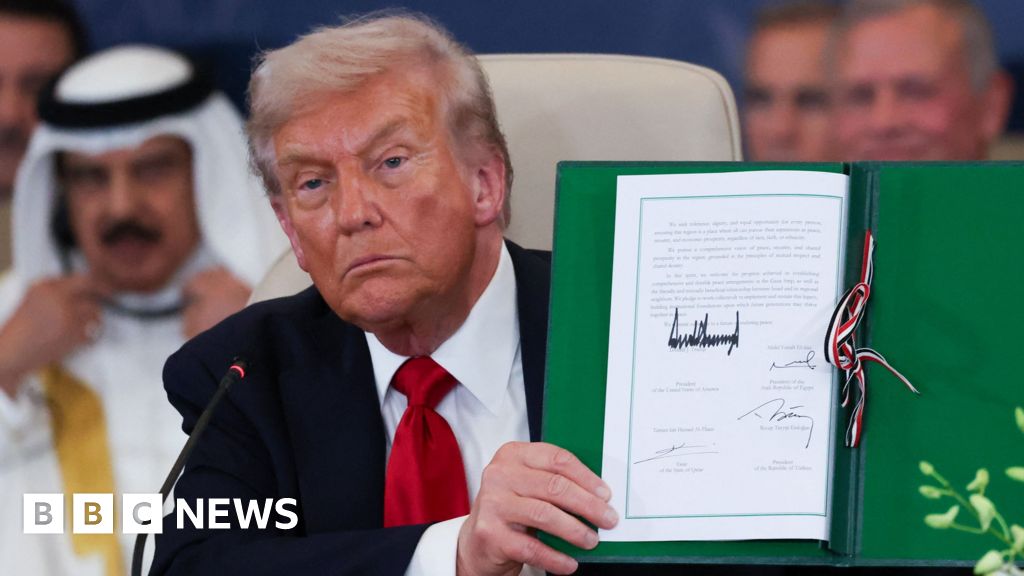
Trump kicks off first phase of Egypt deal, signaling bold new move

In a significant milestone for Middle Eastern geopolitics, US President Donald Trump along with other key world leaders convened in Egypt to sign the groundbreaking first phase of a ceasefire agreement in Gaza. This diplomatic breakthrough follows a period marked by intense violence, hostages, and longstanding tensions. The summit, hosted by Egypt’s President Sisi, was carefully orchestrated to serve as a turning point—an effort to forge a new path toward peace in a region historically plagued by conflict. The agreement’s signing marked a notable moment, not just for the immediate ceasefire, but for what analysts argue could be a foundation upon which a broader peace process might be built.

The symbolism was palpable. Trump posed proudly in front of a banner reading “Peace 2025,” signifying a forward-looking vision that aims to secure stability over the coming years. During the summit, Trump, Sisi, Qatar’s Emir Tamim bin Hamad Al Thani, and Turkey’s President Erdogan all signed the document, explicitly endorsing the initial phase of peace. The gathering’s optics signaled a rare moment of international consensus on the necessity of renewing dialogue in a tumultuous region that has endured decades of conflict. The involvement of key players exemplifies a recognition that international cooperation remains crucial for the stability of the Middle East, and that only through unified effort can progress be achieved.

Furthermore, the release of Israeli hostages and Palestinian prisoners prior to the signing could be seen as a pragmatic step toward de-escalation—an acknowledgment that confidence-building measures are essential for any meaningful peace. As historians and international analysts point out, this phase could set a precedent, emphasizing that even amidst enduring conflicts, diplomacy remains an indispensable tool. The United Nations and various international organizations have cautiously welcomed the progress, highlighting that the road ahead remains fraught with challenges. Yet, this effort demonstrates that the collective will of regional and global powers can, at least temporarily, override the divisions that have long defined the landscape.

The geopolitical impact of this development extends far beyond Gaza. The outcome may influence U.S.-Middle Eastern relations, reshape alliances, and impact broader regional stability. Countries such as Turkey and Qatar, often viewed as regional mediators, are positioning themselves as pivotal stakeholders in a peace process that could redefine traditional power balances. For Israel and the Palestinian Authority, this is a moment of immense hope and uncertainty alike—an opportunity to build on momentum or risk slipping back into cycle of violence. As the international community watches closely, experts warn that real peace will depend on sustained negotiations and tangible changes on the ground.

Yet, history has shown that the path to peace in the Middle East is seldom straightforward. The looming question remains whether this first phase signifies a true turning point or merely a fragile pause in a long-standing saga. As the dust settles on the summit, the world’s gaze remains fixed on a region where each decision—each handshake and promise—could rewrite the narrative of conflict. The future of the Middle East holds its breath, as the weight of history continues to unfold with every diplomatic gesture, every scrap of hope offering a glimpse of what could be, if only the will persists.

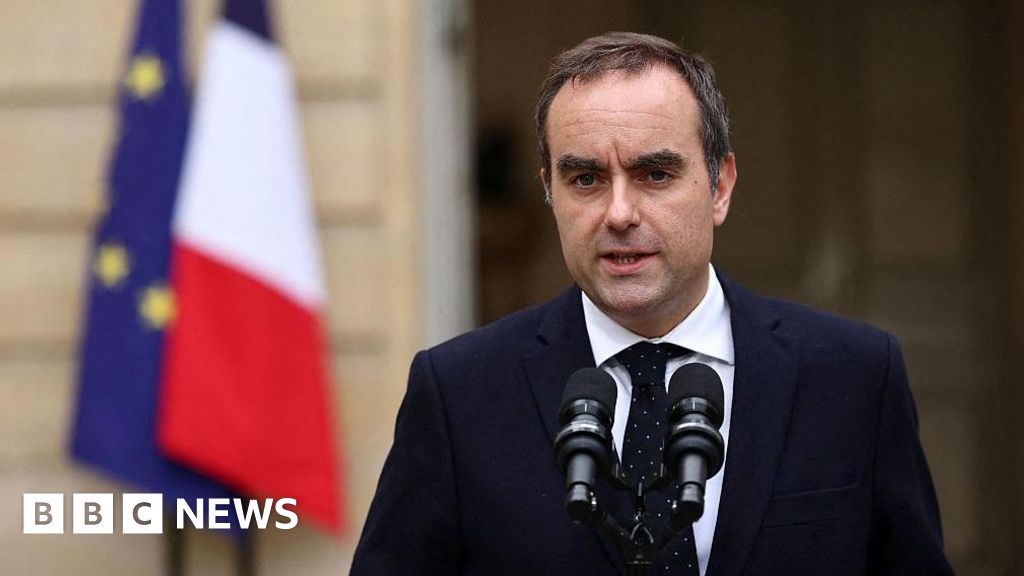
Macron to name new French PM within 48 hours—bold move ahead of key decisions

France’s Political Turmoil: A Nation on the Brink of Uncertain Future

The recent developments in France signify a critical juncture in the nation’s political landscape, with President Emmanuel Macron poised to name a new prime minister within the next 48 hours, as confirmed by the Elysee Palace. This move comes amidst escalating political division following snap elections in July 2024 that failed to produce a clear parliamentary majority. Since then, France has been mired in a political stalemate, with successive prime ministers, including Sébastien Lecornu, struggling to steer the country through its daunting economic and social crises. Historians warn that such persistent instability could erode France‘s influence within the European Union and compromise global efforts to address economic and security challenges.

This internal crisis, driven by an inability to form a cohesive government, masks the deeper problems that threaten France’s future trajectory. The nation faces mounting debt—€3.4 trillion, nearly 114% of its GDP—placing it behind only Greece and Italy within the eurozone. Previous governments have failed to implement sustainable reforms, often ousted after presenting austerity budgets that were politically unfeasible to pass. Now, with Macron’s coalition fractured and factions on the far right and left voicing extreme demands—including calls for fresh elections and Macron’s resignation—the question arises whether France can stabilize or if it teeters on the brink of deeper chaos. Analysts from the European Economic Review suggest that ongoing fiscal turmoil and ideological rigidity could weaken France’s position on the global stage, emboldening rivals and destabilizing regional alliances.

The international geopolitical impact of France’s internal disarray extends beyond its borders. As a core member of the European Union and a nuclear power, France’s stability is crucial for European security architecture and its role as a mediator on the world stage. Geopolitical strategist Dr. Marcus Bell points out that the declining authority of Macron’s government may lead to a shift in regional balances, with the potential rise of populist and nationalist movements pushing an inward-looking agenda. This political fragmentation could impair Europe’s collective response to emerging threats, such as instability in Eastern Europe, rising Russia-China alliances, and the ongoing global competition for influence in Africa and the Middle East. As some international organizations warn, “a divided France may embolden adversaries,” particularly amid crises testing the resilience of Western democracies.

Meanwhile, within France, leaders are increasingly aware of the stakes.

  • Far-right leader Marine Le Pen has reiterated her stance against the current government, vowing to prevent the formation of any new administration and demanding fresh elections.
  • Left-wing factions, exemplified by Mathilde Panot, are pushing for the resignation of Macron, citing constitutional failures and systemic discontent.

Ever more apparent is the divergence between political factions, as Macron’s once steady leadership appears increasingly isolated. The international community watches with cautious concern, recognizing that the outcomes in France will influence the broader geopolitical landscape. As Macron navigates this turbulent period—a moment historians may later regard as a turning point—the weight of history lingers, awaiting the next chapter to be written. How France’s leaders choose to act now may very well determine whether the nation emerges stronger from these shadows or descends into a period of unprecedented chaos, echoing through the annals of history for generations to come.

Israelis commemorate 7 October, pushing for Gaza peace talks to move forward

The recent anniversary of the October 7, 2023, Hamas-led attack on Israel underscores a pivotal moment in the ongoing Middle Eastern crisis, which has now entered its second year with devastating consequences. Over 1,200 lives were lost in the initial assault—marked as the deadliest day for Jews since the Holocaust—prompting an unprecedented military response by Israel. The Israeli military’s onslaught on Gaza has resulted in the deaths of more than 67,000 civilians, according to figures from Hamas-controlled health authorities, a grim statistic that echoes through international corridors and is validated by organizations like the UN. As imbued with grief and resolve, Prime Minister Benjamin Netanyahu declared that Israel’s resilience remains unbroken despite the immense pain, vowing to achieve the war’s primary aims: the return of hostages, the eradication of Hamas’s regime, and ensuring Gaza’s inability to threaten Israel again.

  • Amid ongoing bloodshed, Egyptian-mediated negotiations in Sharm el-Sheikh have been a rare glimmer of diplomatic effort, aiming to forge a ceasefire and an end to the violence. However, reports indicate that these talks are “tough” and lacking tangible breakthroughs, with disagreements centered on the Israeli withdrawal from Gaza and the guarantees Hamas seeks against renewed hostilities. The stakes reach far beyond the battlefield, as regional and global actors anxiously watch for signs of de-escalation or escalation.
  • The United Nations and international analysts emphasize the _urgent need_ for a sustainable peace plan, with Trump’s peace initiative being touted as a “historic opportunity.” Yet, the complexities of trust, security, and sovereignty render these diplomatic efforts fragile. The US‘s involvement, alongside Arab mediators and European powers, underscores how this conflict continues to threaten regional stability and influence foreign policy calculations across continents.

Official memorials in Israel were postponed to reflect on the tragedy of 2023, yet communal mourning persists. Across the country, including in Tel Aviv, families and citizens gathered to honor those lost, highlighting a society deeply scarred yet fiercely resilient. Meanwhile, in the diplomatic arena, indirect talks in Egypt reveal a divided front, as disagreements over Gaza’s future governance, the fate of hostages, and the humanitarian crisis persist. Palestinian officials report that negotiations are mired in “tough” disagreements, especially over Israeli troop withdrawals and guarantees against renewed fighting. The involvement of prominent US figures like Jared Kushner suggests a renewed American interest in facilitating a lasting peace—a goal that remains elusive yet critical given the history of broken treaties and promises.

In Gaza, the relentless Israeli bombardment persists amidst dire humanitarian conditions. Hospitals depleted, civilians displaced and desperate, the war’s toll is evident: children buried in rubble, families hiding from the deafening echoes of artillery, and a world watching with tense anticipation. The loss of life, reported by local health authorities and confirmed with difficulty by independent outlets, paints a stark tableau of suffering. As Israel continues its operations and Gaza’s hospitals reach collapse, the international community—particularly European and Arab nations—faces mounting pressure to intervene, prevent further humanitarian catastrophe, and craft an end to this cycle of violence that threatens to redraw the geopolitical map of the Middle East.

As history unfolds, the weight of this moment presses heavily upon all involved. The conflict remains a testament to the tragic consequences of unresolved grievances, failed diplomacy, and radicalized ambitions. The echoes of this harrowing chapter will reverberate through generations, a stark reminder that in the sands of Gaza and the streets of Jerusalem, the quest for peace remains a perilous pursuit—a fragile thread woven through the tapestry of history, where the next chapter is yet unwritten and the world holds its breath for what is to come.

Green groups slam move to weaken protections for English national parks

In a move that has ignited fierce debate across the United Kingdom and raised concerns among environmentalists worldwide, the government is considering revisions to planning laws that could significantly weaken protections for iconic national parks such as Dartmoor and the Lake District. This proposed shift, driven by the Treasury and championed by Chancellor Rachel Reeves, aims to facilitate the construction of 1.5 million new homes and major infrastructure projects, purportedly to plug a £30 billion fiscal gap. However, critics warn that this decision is a “kneejerk bid for growth” that threatens the very essence of the natural heritage cherished by millions and has far-reaching geopolitical impact beyond Britain’s borders.

Originally established by the postwar Labour government under Clement Attlee in 1949, national parks in the UK were designed to conserve natural beauty, wildlife, and cultural heritage while promoting access and recreation. Yet, recent governmental discussions threaten to upend this legacy. A key change being proposed would remove a duty that mandates public authorities to “seek to further” environmental and cultural aims within these protected areas. Critics, including prominent environmental organizations like the RSPB and the Wildlife Trusts, argue that the move is not evidence-based and will accelerate environmental degradation, undermining decades of conservation efforts.

The controversy underscores a broader, global concern: how economic pressure often trumps environmental stewardship. Historians and analysts have long noted that the deliberate creation of national parks was a conscious effort to balance economic development with the preservation of natural landscapes. Now, as international organizations like the United Nations reflect on climate and biodiversity crises, the UK’s potential rollback serves as a warning to other nations contemplating similar relaxations in environmental protections. The decision threatens to diminish Britain’s standing as a global leader in conservation, impacting international reputations and policies aimed at the biodiversity crisis.

  • The UK ranks poorly in European comparisons regarding green space sacrifice to development, with thousands of sites at risk under the new proposals.
  • Over 170 organizations, including major NGOs and conservation groups, have publicly condemned the plans, emphasizing the economic and social value of preserved landscapes, which attract millions of visitors and generate billions in revenue annually.
  • Analysts warn that sacrificing green spaces for short-term economic gains could lead to irreversible damage, affecting public health, climate resilience, and cultural heritage.

As the debate rages in Westminster, international voices caution against complacency. Renowned environmental historian Dr. Emily Howard warns that “history teaches us that once natural landscapes are sacrificed, they rarely recover.” The proposed legal amendments could serve as a precedent, emboldening other nations to prioritize economic growth over environmental integrity, further destabilizing fragile ecosystems on a global scale. The unfolding political drama emphasizes that decision-makers must grapple with a fundamental question: whether the pursuit of immediate economic benefits can justify the erosion of the very natural resources that sustain societies across generations.

The weight of history presses heavily on today’s legislators. The UK’s national parks, born from postwar recovery and a vision of national renewal, now stand at a crossroads. Will future generations inherit a legacy of preservation or a landscape scarred by shortsighted development? As the legislative clock ticks toward a critical vote, the world watches with bated breath. The outcome will not only determine the fate of these treasured lands but will also send a powerful message about the values that shape nations and societies in our tumultuous era. In this moment, history is writing itself, with each decision echoing across borders and time — a testament to the enduring struggle between progress and preservation.

Social Media Auto Publish Powered By : XYZScripts.com