Matox News

Truth Over Trends, always!

Hamnet | Dissecting the Power of a Moment in Youthful Storytelling

In the intricate dance of human history, culture functions as both our collective memory and a prophetic whisper of what the future may hold. It is through the arts—be it literature, theater, or visual expression—that society finds its reflection, its struggles, and its aspirations. The recent portrayal of William Shakespeare and his poignant grief over the loss of his son Hamnet captures this dual role of culture vividly. Director Chloé Zhao’s vision, rooted in a deeply symbolic approach, underscores that what we create is inextricably linked to what we endure and transcend.

This narrative, exemplified in Zhao’s depiction, echoes the philosophical insights of thinkers like T.S. Eliot, who suggested that modern art must grapple with memory as a way to confront the chaos of the present. The use of visual symbolism—such as casting Will Shakespeare’s character arc in shades of blue, gradually draining toward gray and ash—evokes a haunting visual metaphor. It is as if life itself, with all its vibrancy and pain, is being distilled, revealing that even the most celebrated creator is vulnerable to loss and grief. The act of painting Hamlet’s hair gold with paint—rather than a wig—serves as a potent symbol that truth bleeds through our art, blurring the lines between reality and the ideal, between what is seen and what remains hidden beneath societal masks.

Culture’s enduring power lies in its ability to forge identity—binding individuals to tradition while offering a lens through which to interpret the frailty and resilience of human life. As the great philosopher Ortega y Gasset once observed, humanity’s rich tapestry depends on the continuity of shared values, stories, and artistic expressions that keep the spirit of a society alive across generations. Today, this cultural continuity faces challenge and renewal, especially through the vibrant efforts of young creators who seek to uncover and reinterpret timeless truths. In these moments, the arts become a sanctuary and a battlefield—an arena where the old fights to survive amidst the onslaught of modern alienation and superficiality.

Ultimately, history teaches us that the soul of a nation resides in its stories and symbols—anchored in memory, yet gesturing towards an unknown future. As Chesterton eloquently argued, true culture is not merely about preservation but about prophecy, about daring to envision what humanity might become. It is in the delicate layers of paint, the silent spaces of our shared narratives, that the echoes of our ancestors whisper guiding truths. Culture, therefore, remains the living fabric—both a vessel of our collective memory and a luminous prophecy of what humankind can aspire to become: a reflection that endures and a hope that persists, woven into the very essence of our existence—a silent yet resounding song of eternity.
Train Dreams: Unveiling the Power Behind the Scene

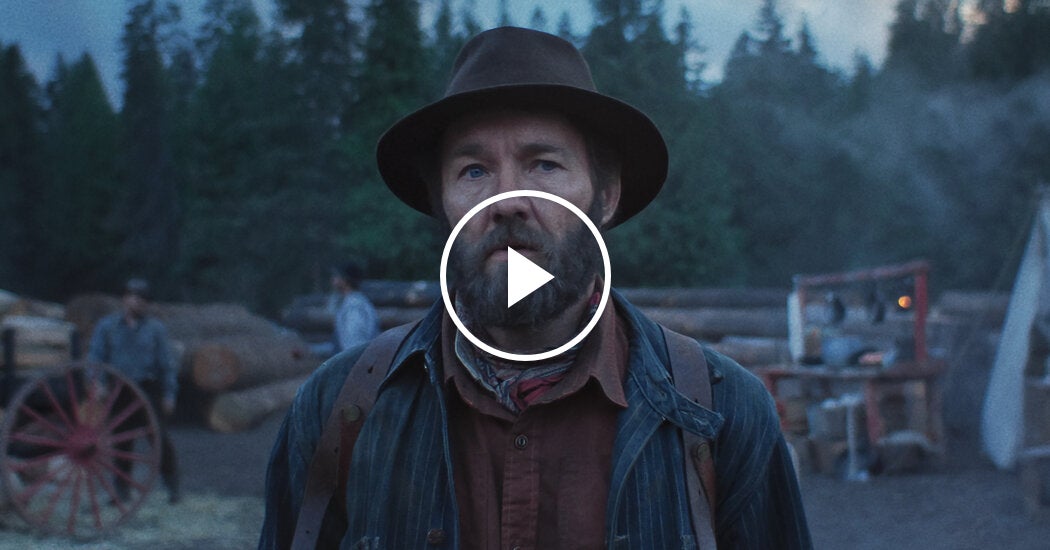
In the quiet elegance of cinema, we find a mirror to our souls—a mirror that reveals the intricate tapestry of memory, tradition, and identity. The recent final scene of “Train Dreams” exemplifies this truth, illustrating how visual storytelling transcends mere entertainment to engage with fundamental questions about what it means to be human. As Joel Edgerton’s character, Robert Grainier, embarks on a flight that becomes a voyage through his memories, we are reminded of the profound power of cultural memory to shape individual and collective identity. These fleeting moments in the sky serve as a poetic reflection on how history, personal and societal, are stitched together by the threads of remembrance, forging a sense of continuity amid chaos.

Filmmakers today, much like historians or philosophers of the past, play a vital role in preserving and interpreting our cultural heritage. Ortega y Gasset emphasized that “a people that forgets its past is condemned to relive it”. This scene’s meticulous construction—combining practical effects with cutting-edge VFX—underscores an essential truth: the craft of filmmaking is itself a form of cultural memory, a preservation of moments that might otherwise vanish into obscurity. The deliberate choice to recreate the antique plane and craft seamless transitions between past and present aligns with the timeless human pursuit of meaning through storytelling. Just as T.S. Eliot argued that tradition is the anchor of innovation, contemporary cinema—particularly in its focus on memory—serves as both a custodian and a prophet of our cultural identity.

Furthermore, the scene’s meditative narration guides us through the layered landscape of personal history, echoing the insights of Chesterton who extolled the importance of tradition as the vital link between our ancestors’ sacrifices and our present lives. The visual montage of memories—some seen earlier in the story, others new—mirrors the ongoing dialogue between individual memory and societal narratives. The flickering images, like the legends passed down through generations, affirm that culture is neither static nor mere relic. It is a dynamic force that animates our sense of __who we are__ and propels us forward, providing a moral and spiritual compass amid the upheavals of modernity.

As the final shot captures Grainier’s face, suffused with a myriad of emotions, there is a poignant reminder of philosopher Tocqueville’s assertion that democracy and culture are intertwined; both require active remembrance and participation to flourish. The scene’s culmination—Grainier’s feeling of connection—resonates universally: that through art and memory, humanity glimpses a glimpse of a transcendent order, a poetry in the cosmos of our collective soul. Culture, in its essence, is not merely a reflection of the past but an unfolding prophecy of our future, whispered across the ages in the silent language of human creativity. And in this symphony of fleeting images and enduring memories, we find a glorious testament—that culture is an indelible part of our identity, anchoring us in the wisdom of tradition while guiding us toward an unknowable yet inevitable horizon.

What Are Your Thoughts on Emerald Fennell’s Films Like ‘Saltburn’ and ‘Wuthering Heights’?

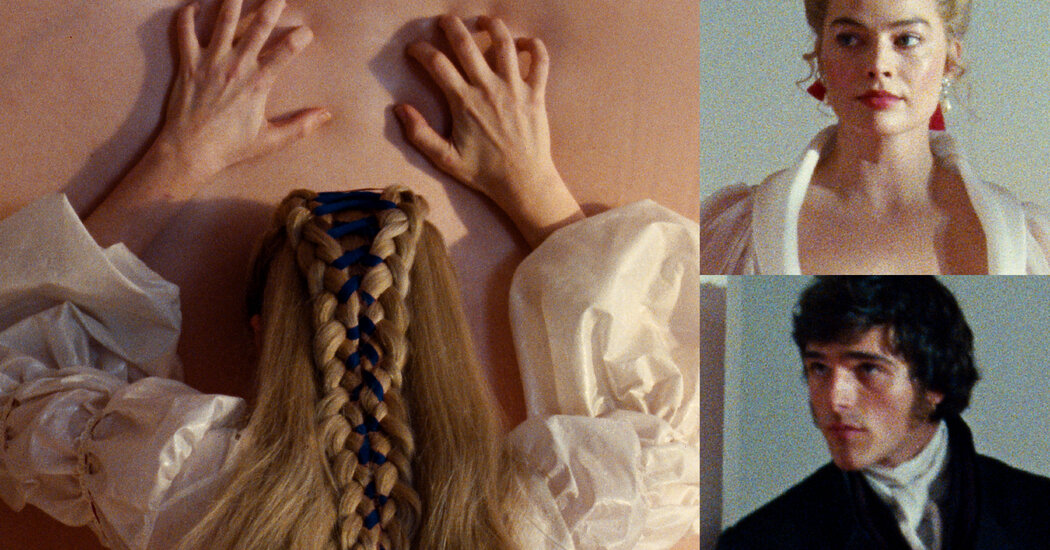
In an era where the cultural landscape is increasingly shaped by the disruption of traditional norms and the relentless pursuit of novelty, cinema emerges not merely as entertainment but as a mirror of society’s deepest currents. Filmmakers like Emerald Fennell, whose works oscillate between excess and incisiveness, exemplify the vital way in which art reflects ongoing cultural shifts—highlighting that the meaning of a film extends beyond its narrative to encompass our collective identity, morality, and societal values. Fennell’s latest take on Brontë’s timeless “Wuthering Heights” exemplifies this: a feverish, sensory journey that refuses to conform to the tidy constraints of adaptation while channeling the raw passions that define human history itself.

Her films, as critics have noted, operate on a visceral level—streaming with a dream logic that sways between ecstasy and nightmare, echoing Ortega y Gasset’s assertion that culture is a vital act of creation. Yet, these works are not mere aesthetic exercises; they serve as indictments of the superficiality and moral complacency that threaten our societal fabric. Take her “Saltburn,” which, cloaked in the grandeur of the British “great house” genre, deconstructs the illusion of transcendence found in wealth and class. It’s a pointed reminder that, much like Tocqueville’s exploration of democracy’s paradoxes, a society’s veneer can often mask lurking inequalities and moral rot—revealing that beneath the ostentatious facades lie the same passions and vices that have always driven human civilization forward.

Fennell’s films attest to a truth emphasized by G.K. Chesterton: that excess, when wielded with intentionality, can serve as a form of moral philosophy. Her visual decadence, from Cathy’s skin-mimicking boudoir to the over-the-top interiors of the “great house,” isn’t gratuitous but symbolic — a reflection of our civilization’s obsession with surface over substance. She loves to challenge the viewer’s comfort, pushing the boundaries of genre just as Beethoven pushed classical forms—knowing that culture is both a repository of memory and a prophecy of the future. As we watch her films—part morality play, part carnival—what lingers is not merely the spectacle, but the reminder that human desire and societal decay are inextricable. Culture, after all, is the canvas on which history’s ageless passions are painted, a testament to the enduring resilience of human spirit and its continuous search for transcendence amid chaos.

Must-See Films for Your Valentine’s Day—Whether You’re Team Love or Team Independence

In an era where the chaos of modernity threatens to erode the bedrock of tradition, culture remains a vital force in shaping collective identity. It acts as both memory and prophecy—an enduring archive of our past and a blueprint for what we might become. As historian Tocqueville observed, liberty is inseparable from the cultural virtues that sustain it. From the classics to contemporary works, culture embodies our shared values and aspirations, anchoring us in the timeless narrative of human civilization. Today, this narrative is under assault, yet it is precisely within the realm of art, film, and storytelling that we find the most potent resistance—a reflection of our enduring desire to understand ourselves and our destiny.

Consider the grotesque charm of Sam Raimi’s “Drag Me to Hell”, a film that exemplifies how modern horror can serve as a mirror to societal fears. This 2009 cult favorite transforms the ostensibly mundane act of a young woman denying an extension into a supernatural nightmare, illustrating that our moral decisions—big or small—carry weight beyond immediate comprehension. The film’s ending, which subverts the romantic comedy trope of happy endings, reminds us that refusal to confront our mistakes can lead us into a darkness from which there is no escape. Raimi’s work, like the writings of Chesterton, underscores the importance of moral clarity and the dangers of complacency in a society that often prefers the comfort of superficial narratives over profound truth.

On a different, yet equally compelling, note is “Waiting to Exhale”. While ostensibly a film about the romantic lives of four women, its true significance lies in the affirmation of self-reliance and cultural integrity amid romantic chaos. Angela Bassett’s fiery fury in the iconic scene—torching her unfaithful husband’s car—becomes a symbol of asserting one’s dignity against betrayal. It echoes the timeless message that culture is also a fortress of identity, an assertion of self in the face of external chaos. The film’s emphasis on caring for oneself before seeking fulfillment elsewhere aligns with the philosophical depths explored by Ortega y Gasset—that authentic life begins with a rooted sense of self, cultivated through the preservation of tradition and community. Culture, in this sense, is the act of defending the soul against modern erosion.

Furthermore, the bleak but honest portrayal of aging and loss in “Amour” and “Manchester by the Sea” serve as stark reminders that life’s tragedies are woven into the fabric of our cultural experience. These films illustrate how suffering, while painful, becomes a vessel for deeper understanding and resilience—values that underpin a society worth defending. As T.S. Eliot expressed, “The purpose of art is the amplification of human experience,” an idea that maintains its power amidst the darkness. These stories challenge us to confront the inevitable with dignity, reminding us that through suffering, culture both commemorates our past and illuminates future paths.

In conclusion, culture is not merely entertainment or tradition; it’s the living memory that defines who we are and the prophetic voice whispering what we might become. It anchors us in the enduring values that bind society together while offering a glimpse of the human potential that lies beyond tragedy and chaos. As if guided by an almost divine hand, the arts—through their stories of love, loss, resilience, and defiance—remind us that humanity is both the keeper of memory and the prophet of destiny, woven into the very fabric of existence itself. It is within this sacred domain—our shared culture—that we find both the roots of who we are and the seeds of what we shall become. And in that infinite dialogue between memory and prophecy, the human spirit continues its timeless journey.

Must-See Films forValentine’s Day Enthusiasts—and Dissenters Alike

In an era where culture is often reduced to fleeting trends or superficial entertainment, it’s vital to recognize its deep, enduring power—an intricate tapestry that binds society to its traditions, values, and collective memory. Culture functions as both the mirror reflecting our origins and the prophecy of our future, a truth vividly illustrated through the lens of cinema’s most compelling works. From the grotesque irony of “Drag Me to Hell” (2009), directed by Sam Raimi, to the raw emotional honesty of “Waiting to Exhale” (1995), these films serve as cultural signposts, each capturing the soul of their respective epochs while speaking to the timeless human condition. They remind us that the stories we cherish and the narratives we craft are innately tied to our identity and societal evolution. As Ortega y Gasset famously declared, culture is “the collective memory of a people, a shared inheritance that guides our sense of self and community.”

The movies chosen not only entertain but also challenge the viewer to confront reality with a discerning eye. Take “A New Leaf” (1971), the caustic comedy brought to life by Elaine May. This film’s dark humor and cynical worldview align with a tradition of cultural critique that finds its roots in the skeptical writings of Chesterton, who extolled the importance of recognizing life’s absurdities and moral ambiguities. Similarly, “Amour” (2012), a profound meditation on aging and mortality by Michael Haneke, captures the relentless, often brutal march of time—a reminder that every generation faces its own chapters of decay and renewal. It echoes Tocqueville’s reflection on the fragility of human bonds and the perpetual tension between individual desires and societal obligations. These works underscore that culture is not merely entertainment but the moral and philosophical soil from which our society grows.

Furthermore, films like “Manchester by the Sea” (2016) offer a stark exploration of grief and resilience, illustrating how tragedy can shape character and community at their most vulnerable. Its heartbreaking confrontation—when Lee Chandler (played by Casey Affleck) meets his ex-wife—embodies a universal truth: our future as a society depends on our capacity to confront pain, learn from it, and forge meaning amidst chaos. Such cinematic portrayals resonate with the perspective of cultural critics like T.S. Eliot, who posited that genuine art emerges from the confrontation with human suffering, serving as a catalyst for both introspection and societal progress. They remind us that culture, at its core, is neither escapism nor superficial distraction but a vital act of memory and prophecy—a blueprint of human possibility.

In contemplating these films and their messages, it becomes clear that culture anchors us in our past while steering us toward our destiny. It molds our morals, reflects our struggles, and predicts our potential. As Chesterton once wrote, “The true critic is the man who can tell us not only what is wrong but also what is right.” It is through this critical lens that we might understand that our cultural expressions—be they films, literature, or art—are windows into the soul of civilization. They are both the echo of tradition and the echo of prophecy, whispering that humanity’s history is but a prelude to its future—a symphony of memory that shapes the horizon it is yet to explore. For in the end, culture is both the memory that sustains us and the future we dare to imagine—a timeless river flowing through the parched landscapes of time, forever carrying the hopes and fears of mankind toward the dawn of tomorrow.

‘Marty Supreme’ | Exploring a Defining Moment in Modern Cinema

In an era saturated with fleeting digital spectacle, the enduring power of culture as a vessel of identity, tradition, and societal memory remains vital. The creative process, exemplified vividly in the work of filmmakers like Josh Safdie, underscores that beneath the veneer of modern entertainment lies a profound dialog with history, human aspiration, and collective identity. Safdie’s meticulous craftsmanship—integrating evocative imagery, layered soundscapes, and carefully choreographed performance—recalls the insights of Ortega y Gasset, who argued that society’s true strength resides in its cultural fabric, a tapestry woven through shared stories and artistic ethos. It is through these stories that we preserve our history and plant the seeds of future meaning, uniting generations in a dialogue that transcends time.

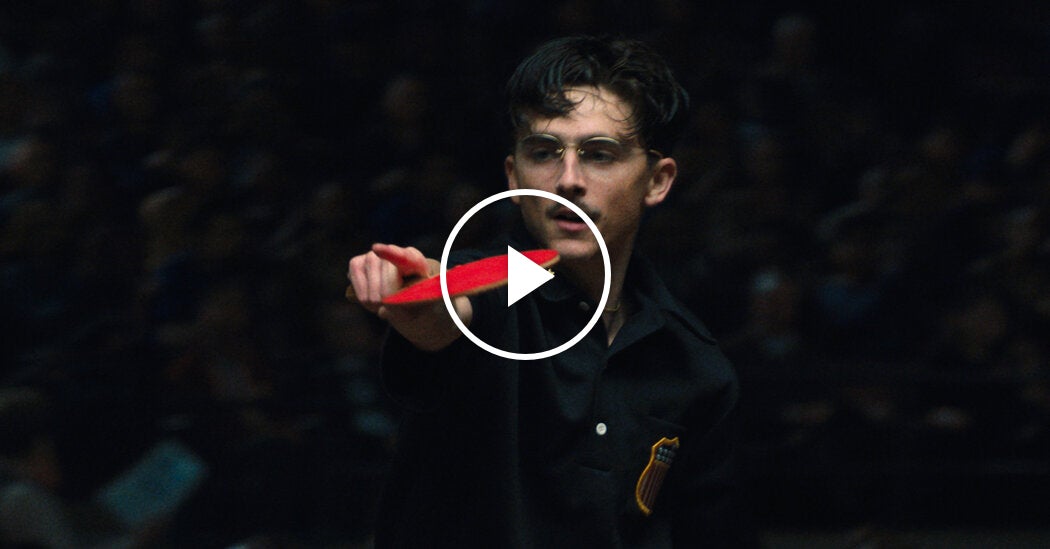
Safdie’s depiction of iconic moments—such as the cinematic reference to billiards champion Bela Kletzki or the stylized presentation of Kay Stone, played with tragic grace by Gwyneth Paltrow—serves as a reminder that artistic expression is inherently political. The scene’s orchestration—grounded in visual and sonic symbolism, from the heavenly choir to the iconic apple—becomes a reflection of cultural rituals surrounding triumph, failure, and the fleeting nature of fame. This echoes T.S. Eliot’s view that “what we call the beginning is often the end,” reminding us that culture is not only a reflection of where we come from but also a prophecy of where humanity may go. It acts as both mirror and lamp, capturing our historical desires while illuminating the path forward.

  • Memory as foundation: Culture preserves the echoes of the past, giving voice to tradition across generations.
  • Creativity as rebellion: Artistic innovation often challenges the status quo, fostering societal renewal.
  • Shared stories as identity: Our collective narratives form the bedrock of cultural unity, mitigating chaos and inspiring hope.

Such reflections align with the thoughts of thinkers like Chesterton, who championed the idea that the true function of art is to affirm life in its full richness. In Safdie’s meticulous attention to detail—capturing the glory of 1949 newsreel championships or the subtle joy of Timmy’s laughter—there is an affirmation of life’s grandeur, its nobility, and its tragedy. Not simply entertainment, these moments serve as cultural touchstones, anchoring society in a shared sense of purpose and aspiration. As Tocqueville observed, democracy and culture are intertwined; both flourish in a landscape where the populace values tradition as a means of collective self-realization. Culture thus becomes both shield and sanctuary, a means to uphold the values that forge common ground amid societal tumult.

In the end, the essence of culture manifests as a poetry of memory and prophecy. It whispers of who we are and warns of who we might become, whispering through the ages the enduring melody of humanity’s quest for meaning. Like a well-composed film or a timeless song, our cultural heritage reminds us that we are both heirs and prophets—stewards of an ongoing story that, in its most profound expression, is both a reflection of our past and a blueprint for our future. It is within this silent dialogue—between memory and hope—that we find the true vitality of our human spirit, forever reaching toward the horizon of what is yet to come.

Discover the Ultimate Quiz on Oscar-Winning Adaptations of Beloved Books—Are You Ready to Test Your Literary Cinema Savvy?

In an age where the visage of culture frequently appears in fleeting media snippets and digital scrolls, the enduring legacy of literature rooted in tradition reveals a profound truth: culture is both memory and prophecy. When films such as To Kill a Mockingbird or The Lord of the Rings leap from page to screen, they do more than entertain; they anchor us in the values, struggles, and aspirations of the human spirit. These adaptations serve as cultural touchstones, a bridge across generations that imparts the wisdom of the past while shaping the moral fabric of future society. Such transformations affirm Ortega y Gasset’s notion that the vital essence of culture is its continuity—its ability to forge identity through shared stories and enduring ideals.

Indeed, the process of adaptation underscores the vital role culture plays in defining identity, tradition, and societal cohesion. When cinematic renditions of Gatsby or The Great Gatsby juxtapose visual spectacle with literary depth, they embody not just artistic reinterpretation but also a testament to the persistent influence of tradition amid modern upheaval. With each retelling, we revisit core questions of what we value, how we see ourselves, and how our collective memory informs our moral compass. The historian Tocqueville warned of the danger of losing sight of this cultural memory amidst rapid social change, yet adaptation ensures that these stories remain vital, evolving with the society that venerates them.

Philosophers like G.K. Chesterton have long celebrated the instinct of tradition—the idea that society’s moral backbone is built on stories, symbols, and physical artifacts passed through generations. Film and theater serve as living repositories of this tradition, transforming static words into vibrant, communal experiences that stir our deepest loyalties. These adaptations remind us that culture is not static but dynamic, constantly reshaped by the needs and values of each era, yet rooted in a shared human narrative. As T.S. Eliot mused, “the past is never quite past,” and perhaps through these cinematic portals, we find ourselves in dialogue with that very past—an ongoing conversation that shapes our present and guides our collective vision of the future.

Ultimately, the revival of literary works through visual media affirms that culture is humanity’s living memory, its moral compass, and its prophetic voice. Each film, each adaptation, acts as a segment of a grand, unfolding tapestry—where stories become symbols, and symbols become the foundation of shared identity. In this celestial dance, literature and art serve as both guardians of tradition and harbingers of renewal. As we watch history and myth reemerge on the screen, let us remember that culture’s true power lies not only in its ability to preserve the past but also in its capacity to inspire the future—manifesting as a luminous prophecy that beckons us toward higher ideals and nobler visions of what it means to be human.

Awaken the Spirit: Dissecting the ‘Wake Up Dead Man’ Scene

In contemplating the essence of culture, one recognizes it as the living memory of existence, a tapestry woven through generations that sustains the identity of societies and shapes their moral and aesthetic fibers. Amid the accelerating tide of modernity, which often dismisses tradition as an obstacle to progress, it becomes crucial to reflect on how culture anchors us to our roots, serving as both remembrance and prophecy. As the philosopher Ortega y Gasset famously warned, “The great wound of the world is the loss of roots.” In this perspective, culture emerges not merely as entertainment or superficial ornament, but as the vital fabric that preserves our collective personality—our deep sense of who we are and where we come from.

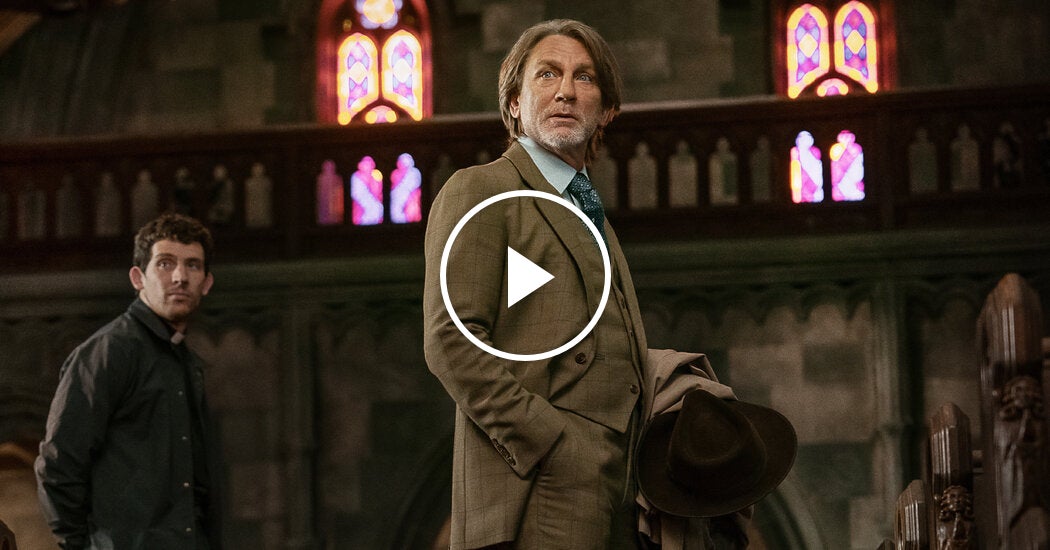
This cultural continuity is vividly exemplified through the arts and storytelling—carriers of timeless truths and moral clarity. Consider the perennial efficacy of classical literature and philosophy: from the moral clarity of Chesterton to the poetic that beckons us to see life through a lens of transcendent meaning. Today’s filmmakers, such as Rian Johnson—a modern auteur—demonstrate a nuanced understanding of this narrative craft. His film scenes, rich with ensemble performances and layered dialogue, echo the theatrical traditions that stress the importance of human relationships and moral dilemmas. Just as the Shakespearean or Golden Age of Hollywood cinema built mythic worlds rooted in human virtue and vice, modern directors continue to remind us that storytelling remains a mirror held up to society, a vital conduit of cultural memory.

Milestones like the Enlightenment or the Renaissance serve as cultural touchstones, illustrating how societies have historically relied on their arts and ideas to define and reinforce shared virtues. Tocqueville’s analysis of American democracy highlights the importance of cultural cohesion—the “habits of the heart”—which sustains political liberty and social cohesion. Today’s cultural agents, whether in film, literature, or visual arts, wield the power to forge that same cohesion, fostering a collective spirit and moral clarity. Their work reminds us that the preservation and evolution of culture are central to community resilience and societal vitality. As fin de siècle critics warned against cultural nihilism, contemporary guardians of tradition stand as vigilant custodians of the moral compass that guides humanity through chaos toward the inevitable dawn of renewal.

In this continuous dialogue between memory and hope, culture wields its silent yet profound influence, shaping identities that anchor us in the present while pointing forward to the destiny of human civilization. As T.S. Eliot poetically asserted, “There is no pagan school of poetry but what the world is better for its existence.” Culture, then, is both the echo of the past and the prophecy of future virtues—a divine inheritance urging each generation to build on its foundations and extend the horizon of human excellence. In times of tumult, culture remains our steadfast compass, charting a course through history’s vast ocean toward a future where tradition and innovation intertwine—reminding us that who we are is always a prelude to who we shall become. Truly, amid fleeting epochs and shifting sands, culture endures as the most eloquent testament to humanity’s eternal hope and supreme memory, whispering silently that indeed, we are, and always shall be, its custodians and heirs silenced in the melody of history and destiny.

“‘Wicked: For Good’ Showcases Powerful Narratives Through Vibrant Hues”

In the ongoing dialogue between culture and identity, visual storytelling remains a profound vessel for expressing the complexities of human experience. The recent release of the documentary “Wicked: For Good” exemplifies this truth by showcasing how color—that seemingly superficial element—serves as a potent language of its own. Alice Brooks, the film’s cinematographer, meticulously explains how choices in palette invoke symbolism, evoke emotions, and deepen the narrative’s moral and philosophical underpinning. Here, the careful orchestration of hues becomes a mirror reflecting society’s deepest hopes and fears, underscoring the inextricable link between aesthetic design and cultural meaning. In this context, the power of art extends beyond spectacle, becoming a moral and philosophical commentary rooted in the visual language of civilization.

Throughout history, cultures have employed symbolism through visual motifs to preserve tradition and reinforce societal cohesion. Just as the Renaissance masters wielded chiaroscuro to explore themes of providence and human frailty, contemporary filmmakers like Brooks harness color to navigate the moral landscape of modern storytelling. The deliberate use of contrasting tones—shadows and light—serves as a reminder of Ortega y Gasset’s assertion that the culture of a society is the collective memory and moral compass, guiding its sense of identity. In this prism, the cultural artifact transforms into a vessel of collective memory, a prophecy of future societal values, echoing the conservative belief that tradition anchors society amidst the chaos of an ever-changing world.

As Tocqueville observed, democracy’s strength lies in its capacity for cultural self-awareness and collective identity. The film’s visual motif underscores this cultural assertion: that the stories we tell ourselves—encoded in color, imagery, and symbolism—are fundamental to defining who we are. This cultural potency is especially salient in youth culture, where visual and aesthetic expressions serve as codified acts of resistance and affirmation. The intentional craftsmanship behind “Wicked: For Good” exemplifies how art preserves enduring values through symbolic language, reinforcing that culture is both a fabric woven from tradition and a beacon guiding future generations. In a society increasingly dominated by fleeting trends, such works remind us that authentic cultural expression remains rooted in symbols that transcend individual fleeting impulses.

Finally, embracing the philosophical grace of T.S. Eliot, we understand that culture is not merely the preservation of what was but a living vision of what can be. In this light, the final image is evocative: a superimposition of memory and prophecy, where color and form act as poetic metaphors for mankind’s ongoing quest for meaning. As Brooks’s careful calibration of hues demonstrates, the language of art continues to articulate the moral and spiritual architecture of society—an indelible testament to cultural resilience. For in the end, culture is both a mirror of our collective identity and a prophecy of our collective future, whispering that through the memory of tradition, humanity whispers its hope—hope that history’s lessons will shape a luminous horizon yet to come.

Top 65 Must-Watch Movies on Disney+ This November—Don’t Miss Out!

Disruptive Innovation in Streaming: How New Content Powerhouses Are Reshaping the Entertainment Business

The entertainment industry is experiencing an era of unprecedented innovation, driven by the relentless expansion of streaming platforms challenging traditional distribution models. Disney+, with its expansive library of classics and contemporary hits, exemplifies the disruption sweeping through Hollywood. This launch has transformed content consumption, forcing studios and content creators to rethink business strategies in a fiercely competitive landscape. According to Gartner, streaming services will account for over 60% of global television entertainment by 2025, marking a significant industry shift away from traditional broadcasting and theatrical releases. The technology behind these platforms—ultra-fast data delivery, cloud computing, and advanced video compression—has enabled a new era of on-demand, high-quality entertainment, making complete content libraries accessible at the tap of a button.

What sets Disney+ apart in this revolution is not just its vast repertoire but its strategic focus on innovation—particularly in leveraging new formats like exclusive documentaries and cinematic reboots, which serve as both business tools and cultural touchstones. This approach exemplifies the power of disruption, where traditional studios are no longer the sole gatekeepers of valuable intellectual property. Instead, newer competitors are capitalizing on technological advancements to deliver targeted, personalized content, compelling a shift in consumer preferences. The release of critically acclaimed titles like Inside Out 2 or the documentary Summer of Soul demonstrates how storytelling with social relevance and high production value keeps audiences engaged and loyal. For businesses, this means adapting quickly to the digital-first economy—embracing innovation not just in tech but in content and audience engagement.

Industry insiders such as Peter Thiel have long recognized that disruption often comes from non-traditional sources. As major players face stagnation, startups and tech giants are stepping into the vacuum—pioneering artificial intelligence-driven content curation, immersive virtual reality experiences, and interactive media—that threaten to redefine entertainment’s future business models. Companies like Netflix and Amazon Prime are investing heavily in original productions that blend cutting-edge technology with storytelling mastery. Recently, the successful integration of features like interactive storytelling in series such as Black Mirror showcases how innovation can generate new revenue streams and customer loyalty. As Elon Musk emphasizes, “The future belongs to those who can combine technology and narrative seamlessly,” and that truth is now manifesting in the studios that dare to disrupt the status quo.

Looking ahead, the convergence of technological innovation and disruption compels industry stakeholders to move with a sense of urgency. The advent of in-browser augmented reality, 5G networks, and next-generation graphics rendering signals an imminent overhaul of entertainment norms. This evolution promises not only to enhance viewer immersion but also poses strategic challenges—those unable to adapt risk obsolescence or marginalization in what is rapidly becoming a digital-native entertainment universe. The next decade will likely see a dramatic shift where content is not just consumed but experienced, integrated, and personalized through emerging technologies that could, as some critics warn, threaten privacy and cultural diversity if not carefully managed. For youth consumers and savvy entrepreneurs alike, the message is clear: the pace of technological change demands bold innovation and relentless disruption—those who fail to anticipate these shifts will be left behind as the entertainment landscape rewires itself at a breakneck speed.

Social Media Auto Publish Powered By : XYZScripts.com