Matox News

Truth Over Trends, always!

Discover the Ultimate Quiz on Oscar-Winning Adaptations of Beloved Books—Are You Ready to Test Your Literary Cinema Savvy?

In an age where the visage of culture frequently appears in fleeting media snippets and digital scrolls, the enduring legacy of literature rooted in tradition reveals a profound truth: culture is both memory and prophecy. When films such as To Kill a Mockingbird or The Lord of the Rings leap from page to screen, they do more than entertain; they anchor us in the values, struggles, and aspirations of the human spirit. These adaptations serve as cultural touchstones, a bridge across generations that imparts the wisdom of the past while shaping the moral fabric of future society. Such transformations affirm Ortega y Gasset’s notion that the vital essence of culture is its continuity—its ability to forge identity through shared stories and enduring ideals.

Indeed, the process of adaptation underscores the vital role culture plays in defining identity, tradition, and societal cohesion. When cinematic renditions of Gatsby or The Great Gatsby juxtapose visual spectacle with literary depth, they embody not just artistic reinterpretation but also a testament to the persistent influence of tradition amid modern upheaval. With each retelling, we revisit core questions of what we value, how we see ourselves, and how our collective memory informs our moral compass. The historian Tocqueville warned of the danger of losing sight of this cultural memory amidst rapid social change, yet adaptation ensures that these stories remain vital, evolving with the society that venerates them.

Philosophers like G.K. Chesterton have long celebrated the instinct of tradition—the idea that society’s moral backbone is built on stories, symbols, and physical artifacts passed through generations. Film and theater serve as living repositories of this tradition, transforming static words into vibrant, communal experiences that stir our deepest loyalties. These adaptations remind us that culture is not static but dynamic, constantly reshaped by the needs and values of each era, yet rooted in a shared human narrative. As T.S. Eliot mused, “the past is never quite past,” and perhaps through these cinematic portals, we find ourselves in dialogue with that very past—an ongoing conversation that shapes our present and guides our collective vision of the future.

Ultimately, the revival of literary works through visual media affirms that culture is humanity’s living memory, its moral compass, and its prophetic voice. Each film, each adaptation, acts as a segment of a grand, unfolding tapestry—where stories become symbols, and symbols become the foundation of shared identity. In this celestial dance, literature and art serve as both guardians of tradition and harbingers of renewal. As we watch history and myth reemerge on the screen, let us remember that culture’s true power lies not only in its ability to preserve the past but also in its capacity to inspire the future—manifesting as a luminous prophecy that beckons us toward higher ideals and nobler visions of what it means to be human.

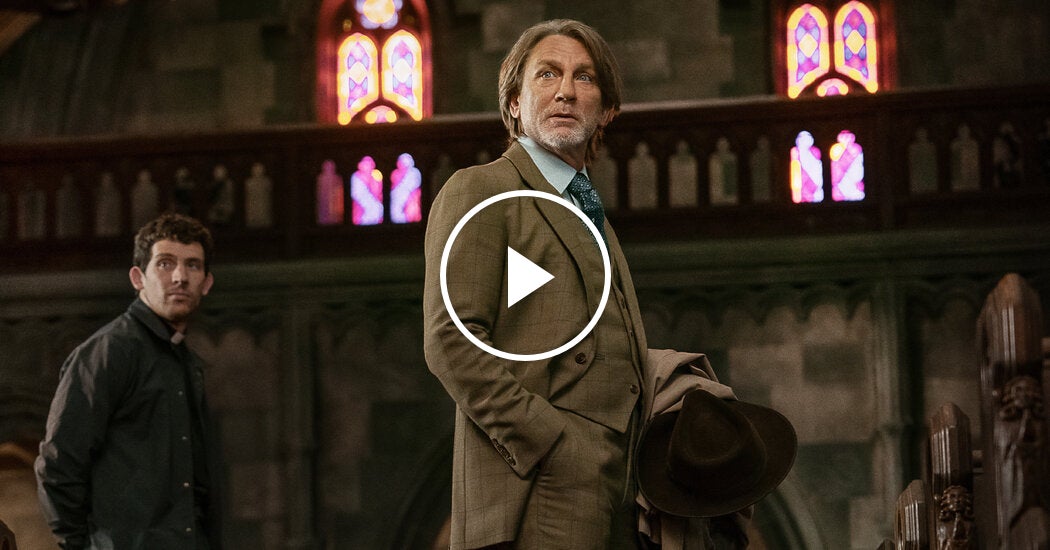
Awaken the Spirit: Dissecting the ‘Wake Up Dead Man’ Scene

In contemplating the essence of culture, one recognizes it as the living memory of existence, a tapestry woven through generations that sustains the identity of societies and shapes their moral and aesthetic fibers. Amid the accelerating tide of modernity, which often dismisses tradition as an obstacle to progress, it becomes crucial to reflect on how culture anchors us to our roots, serving as both remembrance and prophecy. As the philosopher Ortega y Gasset famously warned, “The great wound of the world is the loss of roots.” In this perspective, culture emerges not merely as entertainment or superficial ornament, but as the vital fabric that preserves our collective personality—our deep sense of who we are and where we come from.

This cultural continuity is vividly exemplified through the arts and storytelling—carriers of timeless truths and moral clarity. Consider the perennial efficacy of classical literature and philosophy: from the moral clarity of Chesterton to the poetic that beckons us to see life through a lens of transcendent meaning. Today’s filmmakers, such as Rian Johnson—a modern auteur—demonstrate a nuanced understanding of this narrative craft. His film scenes, rich with ensemble performances and layered dialogue, echo the theatrical traditions that stress the importance of human relationships and moral dilemmas. Just as the Shakespearean or Golden Age of Hollywood cinema built mythic worlds rooted in human virtue and vice, modern directors continue to remind us that storytelling remains a mirror held up to society, a vital conduit of cultural memory.

Milestones like the Enlightenment or the Renaissance serve as cultural touchstones, illustrating how societies have historically relied on their arts and ideas to define and reinforce shared virtues. Tocqueville’s analysis of American democracy highlights the importance of cultural cohesion—the “habits of the heart”—which sustains political liberty and social cohesion. Today’s cultural agents, whether in film, literature, or visual arts, wield the power to forge that same cohesion, fostering a collective spirit and moral clarity. Their work reminds us that the preservation and evolution of culture are central to community resilience and societal vitality. As fin de siècle critics warned against cultural nihilism, contemporary guardians of tradition stand as vigilant custodians of the moral compass that guides humanity through chaos toward the inevitable dawn of renewal.

In this continuous dialogue between memory and hope, culture wields its silent yet profound influence, shaping identities that anchor us in the present while pointing forward to the destiny of human civilization. As T.S. Eliot poetically asserted, “There is no pagan school of poetry but what the world is better for its existence.” Culture, then, is both the echo of the past and the prophecy of future virtues—a divine inheritance urging each generation to build on its foundations and extend the horizon of human excellence. In times of tumult, culture remains our steadfast compass, charting a course through history’s vast ocean toward a future where tradition and innovation intertwine—reminding us that who we are is always a prelude to who we shall become. Truly, amid fleeting epochs and shifting sands, culture endures as the most eloquent testament to humanity’s eternal hope and supreme memory, whispering silently that indeed, we are, and always shall be, its custodians and heirs silenced in the melody of history and destiny.

“‘Wicked: For Good’ Showcases Powerful Narratives Through Vibrant Hues”

In the ongoing dialogue between culture and identity, visual storytelling remains a profound vessel for expressing the complexities of human experience. The recent release of the documentary “Wicked: For Good” exemplifies this truth by showcasing how color—that seemingly superficial element—serves as a potent language of its own. Alice Brooks, the film’s cinematographer, meticulously explains how choices in palette invoke symbolism, evoke emotions, and deepen the narrative’s moral and philosophical underpinning. Here, the careful orchestration of hues becomes a mirror reflecting society’s deepest hopes and fears, underscoring the inextricable link between aesthetic design and cultural meaning. In this context, the power of art extends beyond spectacle, becoming a moral and philosophical commentary rooted in the visual language of civilization.

Throughout history, cultures have employed symbolism through visual motifs to preserve tradition and reinforce societal cohesion. Just as the Renaissance masters wielded chiaroscuro to explore themes of providence and human frailty, contemporary filmmakers like Brooks harness color to navigate the moral landscape of modern storytelling. The deliberate use of contrasting tones—shadows and light—serves as a reminder of Ortega y Gasset’s assertion that the culture of a society is the collective memory and moral compass, guiding its sense of identity. In this prism, the cultural artifact transforms into a vessel of collective memory, a prophecy of future societal values, echoing the conservative belief that tradition anchors society amidst the chaos of an ever-changing world.

As Tocqueville observed, democracy’s strength lies in its capacity for cultural self-awareness and collective identity. The film’s visual motif underscores this cultural assertion: that the stories we tell ourselves—encoded in color, imagery, and symbolism—are fundamental to defining who we are. This cultural potency is especially salient in youth culture, where visual and aesthetic expressions serve as codified acts of resistance and affirmation. The intentional craftsmanship behind “Wicked: For Good” exemplifies how art preserves enduring values through symbolic language, reinforcing that culture is both a fabric woven from tradition and a beacon guiding future generations. In a society increasingly dominated by fleeting trends, such works remind us that authentic cultural expression remains rooted in symbols that transcend individual fleeting impulses.

Finally, embracing the philosophical grace of T.S. Eliot, we understand that culture is not merely the preservation of what was but a living vision of what can be. In this light, the final image is evocative: a superimposition of memory and prophecy, where color and form act as poetic metaphors for mankind’s ongoing quest for meaning. As Brooks’s careful calibration of hues demonstrates, the language of art continues to articulate the moral and spiritual architecture of society—an indelible testament to cultural resilience. For in the end, culture is both a mirror of our collective identity and a prophecy of our collective future, whispering that through the memory of tradition, humanity whispers its hope—hope that history’s lessons will shape a luminous horizon yet to come.

Top 65 Must-Watch Movies on Disney+ This November—Don’t Miss Out!

Disruptive Innovation in Streaming: How New Content Powerhouses Are Reshaping the Entertainment Business

The entertainment industry is experiencing an era of unprecedented innovation, driven by the relentless expansion of streaming platforms challenging traditional distribution models. Disney+, with its expansive library of classics and contemporary hits, exemplifies the disruption sweeping through Hollywood. This launch has transformed content consumption, forcing studios and content creators to rethink business strategies in a fiercely competitive landscape. According to Gartner, streaming services will account for over 60% of global television entertainment by 2025, marking a significant industry shift away from traditional broadcasting and theatrical releases. The technology behind these platforms—ultra-fast data delivery, cloud computing, and advanced video compression—has enabled a new era of on-demand, high-quality entertainment, making complete content libraries accessible at the tap of a button.

What sets Disney+ apart in this revolution is not just its vast repertoire but its strategic focus on innovation—particularly in leveraging new formats like exclusive documentaries and cinematic reboots, which serve as both business tools and cultural touchstones. This approach exemplifies the power of disruption, where traditional studios are no longer the sole gatekeepers of valuable intellectual property. Instead, newer competitors are capitalizing on technological advancements to deliver targeted, personalized content, compelling a shift in consumer preferences. The release of critically acclaimed titles like Inside Out 2 or the documentary Summer of Soul demonstrates how storytelling with social relevance and high production value keeps audiences engaged and loyal. For businesses, this means adapting quickly to the digital-first economy—embracing innovation not just in tech but in content and audience engagement.

Industry insiders such as Peter Thiel have long recognized that disruption often comes from non-traditional sources. As major players face stagnation, startups and tech giants are stepping into the vacuum—pioneering artificial intelligence-driven content curation, immersive virtual reality experiences, and interactive media—that threaten to redefine entertainment’s future business models. Companies like Netflix and Amazon Prime are investing heavily in original productions that blend cutting-edge technology with storytelling mastery. Recently, the successful integration of features like interactive storytelling in series such as Black Mirror showcases how innovation can generate new revenue streams and customer loyalty. As Elon Musk emphasizes, “The future belongs to those who can combine technology and narrative seamlessly,” and that truth is now manifesting in the studios that dare to disrupt the status quo.

Looking ahead, the convergence of technological innovation and disruption compels industry stakeholders to move with a sense of urgency. The advent of in-browser augmented reality, 5G networks, and next-generation graphics rendering signals an imminent overhaul of entertainment norms. This evolution promises not only to enhance viewer immersion but also poses strategic challenges—those unable to adapt risk obsolescence or marginalization in what is rapidly becoming a digital-native entertainment universe. The next decade will likely see a dramatic shift where content is not just consumed but experienced, integrated, and personalized through emerging technologies that could, as some critics warn, threaten privacy and cultural diversity if not carefully managed. For youth consumers and savvy entrepreneurs alike, the message is clear: the pace of technological change demands bold innovation and relentless disruption—those who fail to anticipate these shifts will be left behind as the entertainment landscape rewires itself at a breakneck speed.

Unlocking the Power: ‘A House of Dynamite’ — Behind the Scenes of a Defining Moment

In the realm of cinema, the craft of storytelling has often served as a mirror reflecting the core tensions of our society—our fears, our hopes, and the underlying philosophical currents that shape our collective identity. The recent depiction of a nuclear crisis in “A House of Dynamite” exemplifies how contemporary cinema continues to explore the profound stakes of our geopolitical realities. Director Kathryn Bigelow masterfully constructs a seamless narrative that underscores the visceral urgency of national security, where the choreography of locations—from a reconstructed White House Situation Room to the strategic command centers in Omaha—serves as a testament to the cultural obsession with control, technology, and the brinkmanship that defines the modern age.

What emerges from this cinematic tableau is an intricate dance between philosophical paradigms—one hawkish, the other cautious—embodying the perennial debate over the use of power and restraint. On one side, the aggressive posture of military command reflects a view echoed in Ortega y Gasset‘s assertion that “life is a sum of battles fought in the name of civilization.” Conversely, the advocates for measured deliberation evoke the wisdom of T.S. Eliot, who warned against the chaos of unrestrained action. The scene captures a cultural battleground, where the tension between tradition and innovation manifests not only in command decisions but also in the very architecture—standing as silent witnesses to the epochs of history, crafted to resemble colonial-era pillars and porticoes akin to the White House’s original form. Such details evoke a sense of continuity, of culture as a vessel of collective memory.

This rigorous emphasis on authenticity, as seen in the meticulous recreation of military and political venues, demonstrates that culture is no mere backdrop but the foundation of societal identity. The response of military personnel, convinced by the set’s accuracy, exemplifies the power of cultural elements to forge realism and authority. This echoes G.K. Chesterton’s sentiment that “tradition means giving a vote to the most obscure of all classes—our ancestors.” For a society that perceives itself as rooted in historical continuity, culture becomes a safeguard against the chaos of fragmentation.

Ultimately, the depiction of nuclear threat in cinema is more than entertainment; it is a symbolic allegory of humanity’s ongoing struggle to balance power and prudence. Like the works of Chesterton and Eliot, this portrayal reminds us that culture is both memory and prophecy—a luminous bridge linking the sacred inheritance of our traditions with the divine potential of our future. As we contemplate the flickering lights of ICBMs streaking across the sky, we are called to remember that our culture, steeped in history yet alive with prophecy, is the sacred script of human destiny—one that demands we choose wisely the words we inscribe on our collective soul.

Dare to camp out at the iconic ‘Ghostbusters’ firehouse this Halloween—are you tough enough?

In a world increasingly driven by immersive experiences and nostalgic adventures, the collaboration between Sony and Vacasa epitomizes a trend where entertainment meets lifestyle in unprecedented ways. Recently, in Portland, Oregon, a unique opportunity has emerged for enthusiasts and thrill-seekers alike: a chance to spend three extraordinary nights inside a recreation of the iconic Ghostbusters Firehouse—a structure straight out of the 1984 film that captured the imagination of generations. While famously set in New York City, this meticulously recreated firehouse transports visitors into the heart of ghostbusting action right in the Pacific Northwest, blurring the lines between blockbuster fantasy and tangible experience. Such initiatives underscore a broader shift towards experiential living, where personal impact—whether in health, leisure, or inspiration—is fueled by engaging, real-world adventures that ignite the spirit of youthful curiosity.

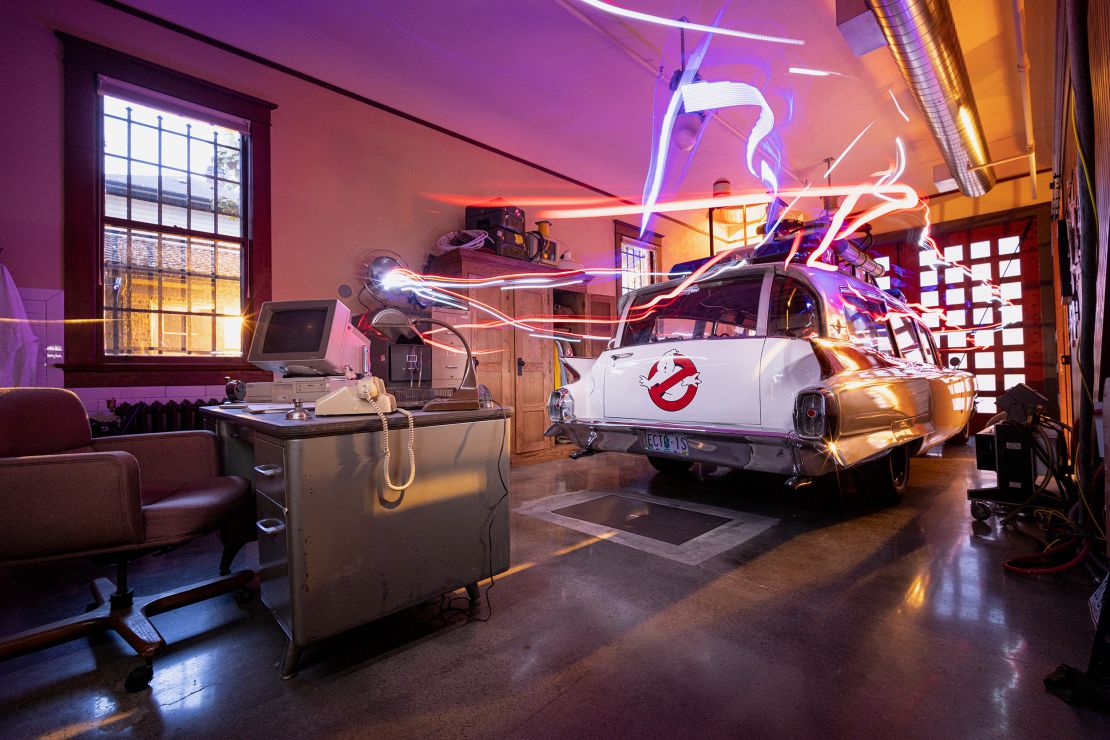
The firehouse itself is a meticulously designed homage to the beloved franchise, loaded with authentic details that resonate with long-time fans and newcomers alike. From the classic Proton Packs and Ghost Traps to the Ecto-Containment Unit and the famous Ecto-1 vehicle parked in the bay, every element is curated to ensure an immersive encounter. Participants can don the familiar Ghostbusters fight suits and partake in activities that blend entertainment with cultural nostalgia. The experience, slated for October 28 to 31—just in time for the spooky season—encourages guests to embrace a playful spirit, igniting a sense of adventure that aligns well with burgeoning wellness trends emphasizing mental rejuvenation through joy and creativity. Allison Lowrie of Vacasa emphasizes their dedication to detail, recognizing that such lifestyle capsules serve as vital outlets for personal well-being in a world often dominated by digital overload.

Adding to the appeal, the event’s timing during late October aligns with a cultural penchant for spooky festivities, reinforcing the notion that lifestyle is an evolving tapestry woven from shared experiences, memories, and stories. This initiative also exemplifies how iconic cultural symbols—like the Ghostbusters—are being repurposed to foster communal engagement and personal impact, transforming passive fandom into active participation. Even if one cannot attend physically, the virtual Matterport 360 tour extends this frontier into the digital realm, ensuring that technology enhances accessibility and broadens the reach of such lifestyle innovations. For those with a penchant for travel and adventure, upcoming project tips include prioritizing authentic, niche experiences, and exploring destinations that offer deeper cultural resonance beyond mundane sightseeing.

Ultimately, this creative venture invites a broader reflection: in embracing lifestyle shifts rooted in fun, nostalgia, and shared culture, individuals can forge a more vibrant, inspiring worldview. It challenges the conventional notion of leisure as mere downtime and instead frames it as an active, transformative journey—one where personal impact is crafted through memorable adventures. As cultural icons become catalysts for wellness and self-expression, the journey to embracing a fuller, more vibrant life is ongoing, propelled by imagination, connection, and the fearless pursuit of experiential living. Whether chasing ghosts or forging new memories, every step taken in pursuit of joy reaffirms an essential truth—the pursuit of wellness is, finally, a reflection of the courageous spirit that resides in us all.

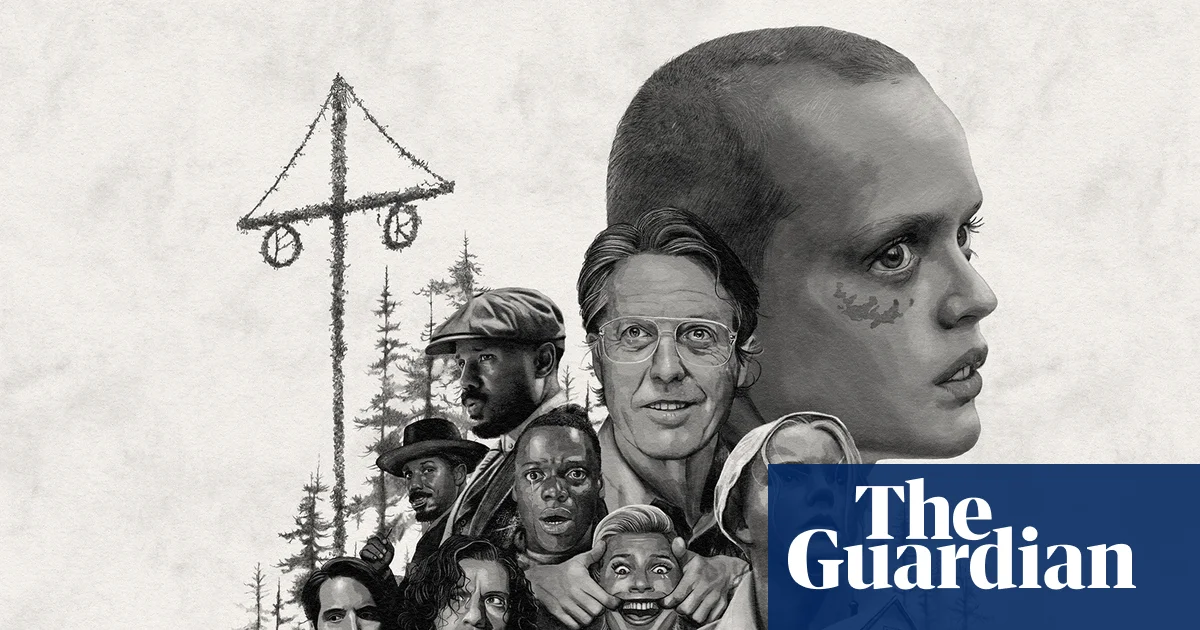
Revamping fear: How evolving horror movies are shaping youth culture and driving profit

In our modern era, where societal fracture lines have deepened and alienation seems endemic, culture remains the vessel through which we define ourselves, preserve tradition, and anticipate the future. No genre better exemplifies this than the evolving realm of horror, which—despite its reputation—has become a mirror for the collective psyche of the 21st century. From its origins tangled in gothic antiquity, horror has consistently haunted the margins of respectability, yet at each cycle, it has reasserted itself as a genre capable of profound commentary. As Ortega y Gasset believed, culture is not merely ornamentation but a vital arena for understanding human existence—horror, in its essence, is a visceral dialogue with mortality, morality, and the chaos that underpins our shared reality.

The renaissance of horror in recent years signals a cultural shift from superficial entertainment to a nuanced exploration of contemporary fears and anxieties. The rise of “elevated horror”—epic-length films by directors like Jordan Peele, Robert Eggers, and Jennifer Kent—demonstrate a deliberate move away from pulp and slasher tropes, embracing complex narratives and aesthetic experimentation. Their work abandons the traditional 90-minute formula to delve deeply into themes of societal trauma, identity, and existential dread. These auteurs recognize, as T.S. Eliot did, that the true function of art is to serve as both memory and prophecy—a means to confront the darkness of today while illuminating the path forward. Horror’s capacity for metaphor allows it to address issues like racial injustice, colonialism, and environmental decay with a symbolic language that speaks directly to the core of societal decency and decadence alike.

Moreover, the genre’s international infusion—enabled by the proliferation of digital media—has broadened the horizons of what horror can embody. From the visceral extremities of France’s New French Extremity to Korea’s unflinching psychodramas, filmmakers now push boundaries that once seemed sacrosanct, echoing Chesterton’s assertion that “the true critic,” especially in times of moral decline, must be a *defender of culture* against entropy. Today’s horror, with its innovations in visual storytelling and narrative ambiguity, blurs the line between arthouse and mainstream, reflecting a culture increasingly skeptical of simple narratives and eager for provocation and reflection. This tension suggests that in every shadow cast by a horror film lies the unspoken truth of our collective soul—a testament to our fears, hopes, and moral compass.

As history reveals, the genre’s cycles of reinvention—spurred by breakthroughs like The Blair Witch Project and Get Out—are not accidental. Each wave signifies a society grappling with new terrors, be they technological, political, or existential. The modern horror landscape recognizes this; it constructs masterpieces like Eggers’s Nosferatu or Fargeat’s vicious narratives, to echo the ancient truth that through darkness, we find our deepest selves. While mainstream cinema dons the guise of heroism and moral certainty, horror dares to peer into the abyss, revealing that perhaps the true measure of our civilization lies not solely in our progress but in our resilience to face what lurks beneath—whether it be social upheaval, internal trauma, or the unseen horrors of a world unmoored. In this continuous process, culture becomes both a guardian of memory and a prophet of future reckonings, whispering softly that humanity’s greatest strength is not avoidance, but the courage to confront the shadows within and without, with eyes wide open and hearts steadfast.

Challenge Your Knowledge: Iconic Horror Novels That Made the Leap to the Screen

As we consider the enduring legacy of literature and its vital transformation through adaptation, we are reminded of the profound relationship between art, identity, and society. In an age increasingly dominated by visual spectacle, movies, television, and theatrical renditions serve not merely as entertainment but as modern reflections of our collective soul. This process echoes the timeless insights of Ortega y Gasset, who observed that culture is both a mirror and a blueprint—offering us an image of who we were and a prophecy of who we might become. Whether through the Gothic gloom of H.P. Lovecraft or the chilling fundamentals of Stephen King, horror adaptations showcase the cultural fears and moral preoccupations that define civilizations, illustrating that even in fear, there is a reflection of our deepest truths.

Throughout history, cultural shifts have often been heralded by the stories we tell each other. The transition of literary works into visually compelling media often signals a society’s evolving relationship with its history and ideals. Gothic horror, for instance, with its roots in romanticism and enlightenment fears, has morphed into a mirror for contemporary anxieties—be it the terrors of the digital age or the moral darkness lurking behind modern facades. As C.S. Lewis pointed out, art’s role is to luminate the shadows cast by human frailty; any successful adaptation manages to keep that moral tension alive, engaging new generations with questions that are as old as the human condition itself. The power of film and television to reanimate these stories reminds us that culture is less static than we often think—it is a living, breathing dialogue between memory and prophecy.

The importance of adapting works of literature into visual storytelling lies in its ability to preserve tradition while constantly rekindling societal debate. Just as the Renaissance rediscovered classical knowledge and Tocqueville warned about the tyranny of democratic equality eroding individual greatness, contemporary cultural adaptations serve as a counterbalance; they keep alive a sense of wonder and moral complexity. These stories are not just entertainment—they are the cornerstone of our cultural identity, lending purpose and continuity amid the chaos of change. By reimagining stories of darkness and light, society navigates its fears while reaffirming its aspirations, reminding us that our cultural memory is a fertile ground where history’s lessons bloom anew.

As the currents of history flow onward, the role of culture as memory and prophecy becomes ever clearer. It is both the echo of what humankind has endured and the blueprint of what might yet come to pass. The writings that become films, the stories that transform into plays—these are the threads with which we weave the fabric of our civilization. Culture, in all its forms, bears witness to the eternal human quest for meaning—to understand the shadows and to illuminate the dawn. In this delicate dance of remembrance and anticipation, we find that our shared stories are neither relics nor mere predictions but the very essence of our ongoing human journey.’

Social Media Auto Publish Powered By : XYZScripts.com