Matox News

Truth Over Trends, always!

Discover Laurie Spiegel’s groundbreaking early ambient album—must-listen for young tech enthusiasts

Exploring the Intersection of Innovation and Disruption in Music Technology

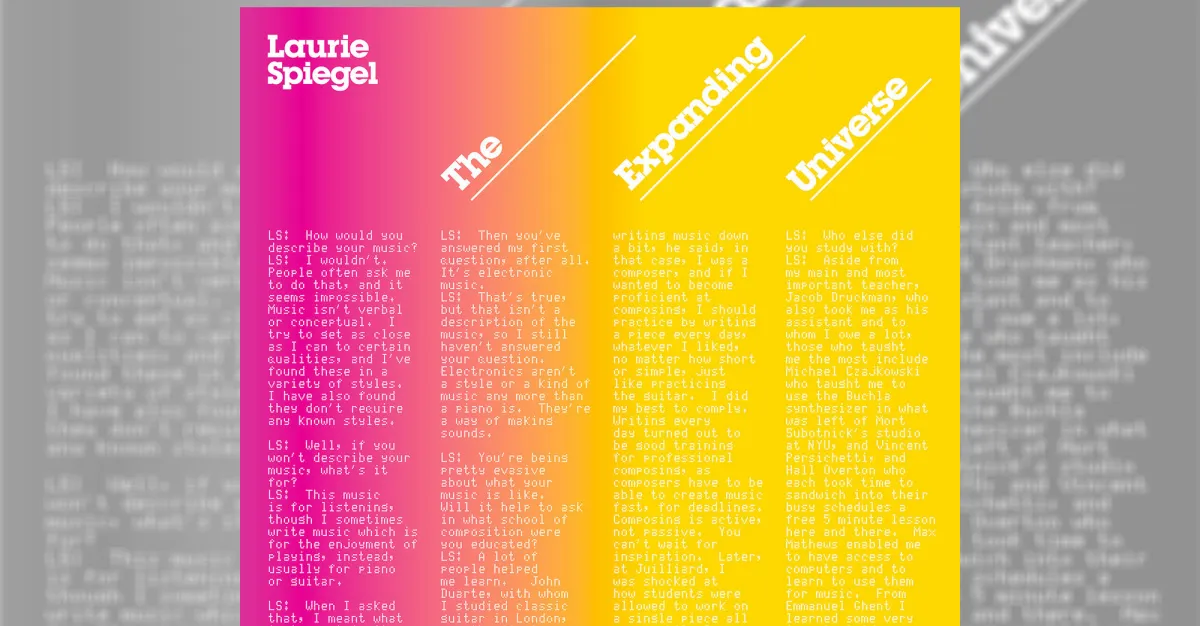
Recent insights into the pioneering work of Laurie Spiegel, a trailblazer in electronic composition, underscore the rapid evolution of music technology and its profound implications for the industry. Spiegel’s 1980 masterpiece, The Expanding Universe, exemplifies a blend of synth experimentalism with nascent algorithmic composition techniques—a precursor to today’s AI-driven music creation. Her pioneering approach challenges traditional notions of instrumentation and composition, signaling a paradigm shift that continues to influence contemporary artists and tech innovators.

Within this context, we observe a broader disruption in how music is produced, consumed, and monetized. The absence of percussion in much of Spiegel’s work, juxtaposed with tracks like “Clockworks”—which ventures into proto-industrial and noise aesthetics—illustrates a departure from mainstream norms. Remarkably, the track’s elements suggest potential for unlicensed sample-free generation and repurposing within platforms like Underground Hip-Hop. This phenomenon signifies a potential for innovative artists and tech firms to leverage AI-powered algorithms for creating proprietary sounds, bypassing traditional copyright constraints and redefining value in digital music ecosystems.

Industry analysts, including Gartner and MIT researchers, emphasize that this wave of technological disruption is set to overhaul the music industry’s economic model. Companies such as OpenAI, Google, and Apple are investing heavily in AI-driven generative tools. These innovations promise to democratize music creation—reducing the barriers for aspiring artists—whilst presenting challenges for legacy labels heavily reliant on licensed recordings. Moreover, the rise of algorithmic works raises questions about authorship, ownership, and intellectual property in digital platforms, compelling stakeholders to rethink existing policies.

As disruptive technologies continue to mature, industry insiders warn that failure to adapt could lead to obsolescence for traditional players. The shifting landscape demands a forward-looking approach—embracing blockchain, AI, and real-time data analytics to remain competitive. The evolution from Spiegel’s experimental synths to cutting-edge neural network compositions encapsulates a larger trend: innovation is erasing the boundaries of creative production. Futures of music and tech are converging towards an era where artificial intelligence not only augments but potentially surpasses human creativity, requiring industry leaders and entrepreneurs to act swiftly or face obsolescence.

In conclusion, the current trajectory signals a period of unprecedented opportunity and threat. The rapid integration of AI and algorithmic techniques into music underscores the importance of strategic foresight. Key players—be they established giants like Apple or agile startups—must harness this momentum to shape the future of cultural creation. As industry icons like Elon Musk and Peter Thiel advocate for relentless innovation, the window to influence this transformative wave narrows. The relentless march of technology underscores one enduring truth: those who adapt today will define the soundscape of tomorrow.


Arturia’s FX Collection 6 Debuts with 2 New Effects and $99 Entry Option

Arturia Launches FX Collection 6, Signaling Innovation in Digital Audio Effects

In a bold move that underscores continued disruption in the audio technology sector, Arturia has unveiled the latest iteration of its flagship effects suite, FX Collection 6. This release, featuring two new plugins—EFX Ambient and Pitch Shifter-910—demonstrates the company’s focus on pushing boundaries and democratizing professional-grade tools for musicians, producers, and sound designers.

The evolution of FX Collection from a modest 15 effects in 2020 to 39 in 2026 exemplifies how innovative software companies are transforming the industry landscape. With a strategic pricing model—offering a $99 introductory version with six effects, and a comprehensive FX Collection Pro priced at $499—the company is effectively broadening its market reach. This move could potentially challenge more established players while also reaffirming Arturia’s position as a pioneer in disruptive innovation. Industry analysts, like Gartner, have observed that the value proposition of such extensive collections is increasingly compelling, especially as high-quality effects become more accessible.

Disruption Through Unique Sound Design and Nostalgia-Driven Features

The newly introduced Pitch Shifter-910 pays homage to the legendary Eventide H910 Harmonizer from 1974, revered for its distinctive sound and glitchy quirks. Arturia preserves this retro aesthetic, emphasizing the plugin’s character over transparency. As a result, users can enjoy a deliberately unconventional experience, creating harmonies that embrace unpredictability—an approach that appeals particularly to young creatives seeking to differentiate their sound. The inclusion of modern modes that adjust artifacts caters to versatility, but the overall design invites users to revel in its unique digital imperfections.

The second addition, EFX Ambient, challenges traditional effects paradigms with its unpredictable ethos. It offers an eclectic range of effects—ethereal reverbs, shimmer, resonators, glitch processing, and reverse delays—that distort expectations and foster experimental soundscapes. Its six modes, each with distinct sonic fingerprints, are combined with an intuitive X/Y control for adding vibrant movement, making it a potent tool for creative exploration and sonic disruption. This aligns with trends identified in MIT research, which highlight the growing demand for effects that foster emotional resonance and immersive experiences in music production.

Business Implications and Industry Outlook

With the rise of affordable, high-impact effects suites like FX Collection 6, major players in the industry may need to reconsider their strategies. As software-driven innovation accelerates, established companies that cling to hardware dominance or proprietary formats could find themselves at risk. The convergence of nostalgia and technological innovation—exemplified by Arturia’s homage to vintage effects—poses a strategic challenge for competitors and opens the door for startups and smaller firms to disrupt traditional models of digital audio effects.

Looking ahead, industry leaders like Elon Musk and Peter Thiel have emphasized that rapid innovation and market agility are essential in navigating the fast-evolving tech landscape. The current trajectory suggests that audio effects and DAWs will become increasingly integrated with artificial intelligence, machine learning, and real-time contextual adaptation, compelling companies to innovate or risk obsolescence. In this climate, Arturia’s continued growth and expanding effect library signal a trend that shapes the future of music technology—a future where disruption is the new norm and those who innovate fastest will command the new soundscape.

Live Nation’s Monopoly Battle Spurs Friction in Trump’s DOJ

Live Nation’s Antitrust Saga Signals Disruption in the Live Entertainment Sector

The ongoing legal confrontation between Live Nation and the U.S. Department of Justice (DOJ) underscores a critical turning point for the entertainment industry, where technological innovation and market power are increasingly under scrutiny. The DOJ’s May 2024 lawsuit aims to break up Live Nation-Ticketmaster, alleging that its dominant position in ticket distribution stifles competition and limits consumer choice. This case is viewed as a significant test for how antitrust regulations will evolve amidst a landscape increasingly shaped by digital platforms and market consolidation.

Interestingly, reports suggest that Live Nation executives have attempted to bypass the traditional antitrust channels, opting instead to negotiate directly with sympathetic senior officials—an indication of the high stakes involved. According to Semafor, some of these negotiations have excluded antitrust chief Gail Slater, who advocates for a trial scheduled for March—a move that highlights ongoing internal disagreements within the DOJ on how aggressively to pursue the case. Such intra-agency debates reflect broader industry tensions, where industry giants’ influence clashes with regulatory efforts to preserve competitive dynamics. Market observers note that this discord signals a potential shift towards a more cautious approach to antitrust enforcement, driven in part by a pro-business administration that favors technological innovation and free-market principles.

The implications for business are profound. Disruption in the ticketing domain exemplifies how consolidated power can threaten market innovation and consumer access. Some analysts argue that the case could set a precedent for breaking up other dominant tech-enabled enterprises—potentially transforming how digital ecosystems operate. As MIT economists point out, the intersection of market dominance and technological innovation will require regulatory frameworks that balance preventing monopolistic practices and encouraging disruptive business models. The industry is on edge, as a court ruling against Live Nation could herald a new era of market decentralization—or further entrench existing giants, depending on the outcome.

Industry leaders like Elon Musk and Peter Thiel have long championed disruption-driven innovation, emphasizing the importance of competitive markets for technological progress. Today’s legal battles indicate a pivotal moment where government intervention may either curb monopoly power or inadvertently hinder innovation by overly restricting large-scale corporate consolidation. With Gartner forecasting a rapid rise in industry shifts driven by AI and digital platforms, the stakes are higher than ever.

The future of the live entertainment industry hinges on how regulators navigate this complex landscape. Will they champion a broken-up, more competitive marketplace conducive to innovation? Or will they uphold the status quo, empowering incumbent giants and risking further stifling of disruptive startups? The outcome of the Live Nation case could redefine the industry’s trajectory, with repercussions extending into how digital platforms influence market dynamics across sectors. As technology continues its relentless march forward, stakeholders must act swiftly to adapt—recognizing that in the arena of innovation and disruption, the clock is ticking, and the future belongs to those who grasp the opportunities now emerging from the chaos.

Inside Bad Bunny’s Game-Changing Super Bowl Halftime Show

Innovation Disrupts Super Bowl Halftime Productions: A New Era of Event Engineering

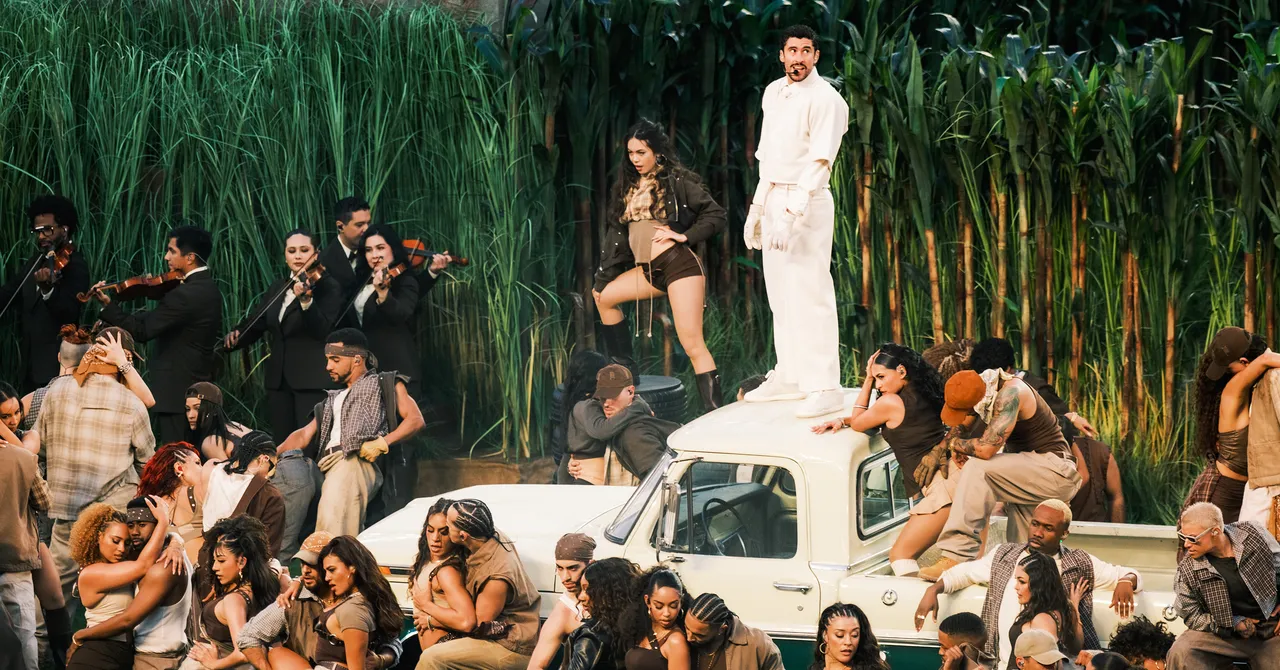
As the Super Bowl approaches its nearly 60-year milestone, the complexity of delivering awe-inspiring halftime shows continues to escalate, driven by groundbreaking innovations and logistical challenges that are redefining the sports & entertainment landscape. Leading production firms like Tribe Inc. exemplify how the convergence of creative vision and technological disruption is setting the stage for a new era of large-scale event management. These enterprises leverage advanced engineering, design innovation, and strategic planning to overcome industry-specific hurdles—whether they’re environmental, safety-related, or logistical—highlighting how the future of entertainment delivery is being reshaped by technological ingenuity.

This year, the challenge was rooted not in the usual concerns over security or leaks but in environmental constraints. The star of the show, Bad Bunny, aimed to recreate the Puerto Rican landscape on Levi’s Stadium’s natural grass—a feat that would have demanded significant innovation beyond traditional stage design. The limitations imposed by NFL regulations meant that conventional methods—like rolling carts loaded with plants—were rendered impossible due to the risk of damaging the pristine grass. Instead, production teams had to explore alternative, disruptive solutions centered on modular, eco-friendly stage designs and advanced digital and ecological engineering. This shift underscores the broader industry trend toward integrating sustainability with spectacular design, aligning with the sustainability ambitions of major corporations such as Apple and Google while transforming their event experiences.

Driving Innovation and Industry Disruption

The collaborative efforts between production companies and cutting-edge technology providers exemplify the sector’s trajectory towards innovative disruption. In the case of the Super Bowl, this translates to the use of augmented reality (AR), virtual set design, and advanced stage machinery to create immersive experiences without damaging stadium infrastructure. Experts like Peter Thiel and institutions such as MIT emphasize that such technological ecosystem integration isn’t just about spectacle—it’s about redefining the fundamental business models of live entertainment. Companies able to leverage these innovations achieve a competitive edge, offering more elaborate shows with reduced logistical footprints, ultimately cutting costs while amplifying audience engagement.

Furthermore, this year’s event showcases a broader industry shift toward sustainable design practices, echoing trends identified by Gartner’s research in enterprise innovation. These include:

  • Use of modular, reusable set components that can be rapidly deployed and disassembled.
  • Implementation of digital twin simulations to anticipate and optimize logistical planning.
  • Eco-conscious materials replacing traditional, environmentally detrimental options.

Such innovations are not merely about aesthetics; they symbolize a disruptive influence on how major events are orchestrated at scale. As the industry embraces strategic integration of digital and ecological technologies, the potential for disruption extends far beyond the Super Bowl, influencing conferences, concerts, and even space-based staged events in the near future.

Looking Ahead: A Future of Rapid Transformation

The trajectory of event production signals enormous opportunities for business disruption and technological innovation. Companies that innovate rapidly will define the future of entertainment—blurring lines between physical and digital realms, and setting new standards for spectacle and sustainability. Industry leaders, investors, and entrepreneurs who recognize these shifts now will secure significant competitive advantages in what is rapidly becoming a playfield dominated by cutting-edge, disruptive technologies. As Elon Musk and other visionaries predict, the next decade promises a wave of technological amalgamation—transforming once-impossible visions into reality, with the potential to revolutionize how audiences globally consume entertainment and live experiences.

In this fast-evolving landscape, the urgency remains clear: the ability to innovate quickly and disrupt traditional paradigms is vital for businesses aiming to capitalize on emerging market opportunities. The Super Bowl’s evolving spectacle provides just a glimpse of what’s possible when creative ingenuity meets technological disruption—an era where the only limit is—and perhaps, should be—our own imagination.

You’ll want to hear Mandy, Indiana’s new record: URGH—fresh, bold, and ready to make waves

In an era where technological innovation is reshaping industries at an unprecedented pace, the music sector remains no exception. Rising bands like Mandy, Indiana are exemplifying how creative disruption, powered by cutting-edge digital tools and bold artistic vision, is redefining the landscape. Their latest release, URGH, not only captures the audience’s attention but also signals a significant shift toward more avant-garde, border-pushing soundscapes that challenge traditional industry norms.

Equipped with advanced production techniques and an unapologetic approach to lyricism—most notably with Valentine Caulfield’s fierce vocal delivery in French—Mandy Indiana leverages technological innovation to amplify emotional and cultural impact. This approach echoes the disruptive strategies heralded by tech giants like Apple and Spotify in their pursuit of personalized and immersive experiences. Within the modern music industry, this translates into a focus on authentic, visceral content that resonates deeply with youthful audiences eager for authenticity and rebellion—traits epitomized in Caulfield’s confrontational lyrics and stark visual aesthetics.

The business implications of such innovation are profound. Disruptors like Mandy Indiana are shifting the paradigm from traditional album cycles toward crowded digital landscapes where rapid content deployment and genre-blurring are key. By harnessing platforms like Bandcamp and leveraging social media for direct artist-to-fan engagement, emerging acts are bypassing established gatekeepers, gaining independence, and capturing market share in ways previously deemed impossible. Industry analysts from Gartner highlight that this democratization accelerates the discovery of fresh talent and fosters a competitive environment ripe for innovation. Concerted efforts to capitalize on this upheaval could redefine revenue models, emphasizing licensing, streaming, and merchandise over conventional album sales.

Looking ahead, the implications are clear: the industry must adapt swiftly or risk being left behind amidst the digital revolution’s relentless tide. As industry veterans and new challengers alike explore technologies such as AI-driven content creation, augmented reality concerts, and blockchain-based rights management, the potential to rewrite the rules of engagement is immense. Forward-thinking companies that accelerate their embrace of innovation will not only survive but thrive in this new era—the question remains whether existing giants will pivot quickly enough or surrender their dominance to the next generation of disruptive creators.

With artists like Mandy Indiana spearheading the movement, the future of music is undeniably one of fierce innovation and disruptive change. As digital tools become more sophisticated and cultural boundaries continue to expand, the industry faces a pivotal moment—one where the ability to innovate will determine who leads and who follows. The urgency to develop new business models, harness emerging technologies, and foster authentic artistic expression has never been greater. As we stand at this crossroads, one thing is certain: the next wave of musical evolution is already underway, and those who recognize its disruptive power will shape the cultural and economic landscape of tomorrow.

You gotta hear Sudan Archives’ viral violin banger for the club

Emerging Innovator Sudan Archives Ushers in a New Era of Sonic Disruption

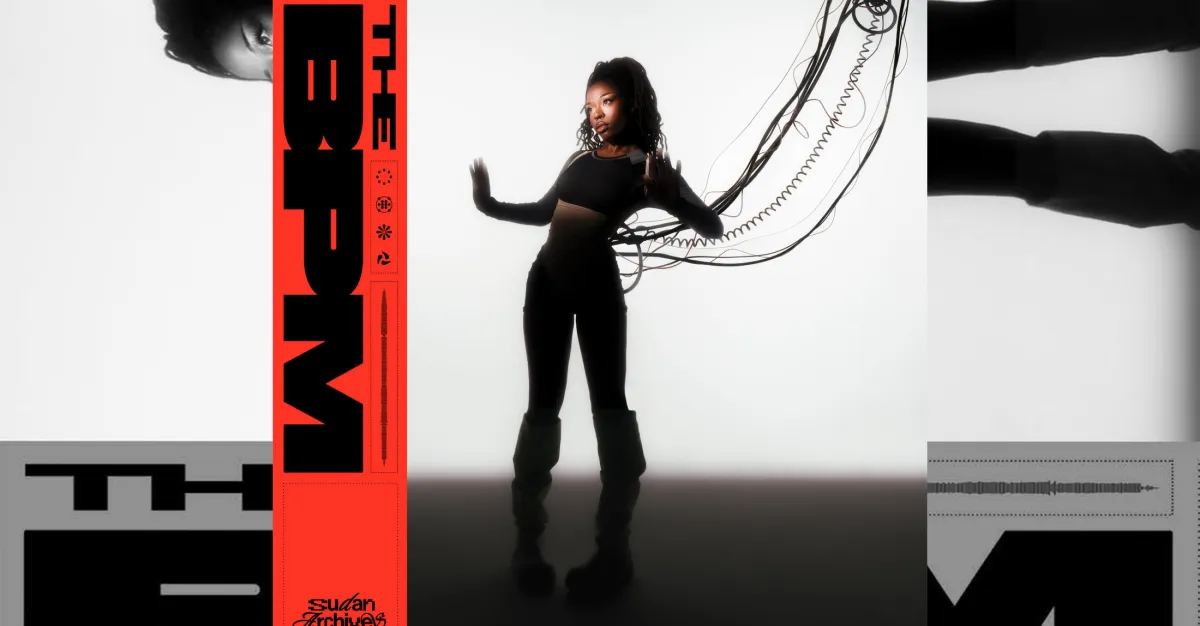
In a landscape where digital technology continually transforms the entertainment industry, Sudan Archives exemplifies how groundbreaking innovation can redefine musical boundaries. Her latest album, The BPM, not only showcases her cutting-edge artistry but also underscores a pivotal trend in the broader shift toward immersive, genre-blurring soundscapes. As industry analysts from Gartner and leading tech think tanks observe, the future belongs to artists who integrate sophisticated electronic elements and unconventional structures—traits that Sudan Archives exemplifies with striking authenticity.

Building on her experimental roots, Archives has continuously expanded her sonic palette, deploying a blend of organic violin passages and modern electronic elements. Her earlier works, such as Athena and Natural Brown Prom Queen, leaned into sound collage, sampling, and experimental pop. But with The BPM, she ventures into fully technological terrains, weaving autotune, drum ’n’ bass breaks, house stabs, and techno synths into her distinctive violin-forward aesthetic. This innovation resonates with the disruptive spirit full of industry shifts towards AI-driven production and algorithmic curation, reflecting a broader move where artists harness tech for unprecedented creative control and sonic depth.

The album The BPM epitomizes the volatile, eclectic essence of contemporary dance music, bouncing unpredictably across genres—four-on-the-floor funk, trap influences, Irish jigs, and more—daringly defying conventional pop song structures. Industry experts note that this approach fosters a hyper-competitive environment, demanding artists innovate relentlessly to engage audiences. If we consider insights from institutions like MIT Media Lab, this kind of sonic experimentation signifies a fundamental disruptor to traditional music paradigms, shifting power from major labels to independent creators empowered by digital distribution platforms such as Bandcamp and streaming giants like Spotify and Apple Music.

Business Implications: A New Paradigm for Disruptive Creativity

  • Decentralized distribution enhances artist control and revenue streams
  • Genre-blurring and sonic unpredictability increase listener engagement, cultivating niche markets
  • Technological innovation, including AI-assisted production and immersive experiences, are becoming standard tools for emerging artists

This evolution signifies more than just artistic experimentation; it signals a fundamental industry shift towards democratization and technological disruption. Emerging talents like Sudan Archives are leveraging these tools to carve distinct identities outside traditional commercial frameworks, aligning with futurists like Elon Musk and Peter Thiel, who champion disruptive innovations spanning beyond automotive and finance into cultural sectors.

Looking ahead, the trajectory suggests that artists who embrace technological adaptability and cross-genre experimentation will become the new vanguard of the industry. In a world where AI, virtual reality, and blockchain technology are redefining value creation and distribution, the pace of innovation accelerates. The urgency for existing industry players to adapt or face obsolescence is palpable. Sudan Archives’ pioneering approach exemplifies a broader trend that promises to reshape not just music, but the entire entertainment and creative economy—an exciting, if tumultuous, frontier dominated by those willing to disrupt entrenched norms and push sonic boundaries.

The Trump Administration’s Ongoing Clash with Pop Icons: A Confrontation That’s Doomed to Fail | Music

Amidst the chaos of political crises and geopolitical upheaval, a subtler yet profoundly significant battleground persists: the realm of culture. In recent weeks, the spectacle of social media manipulation reveals how modern administration propaganda leverages cultural symbols—music, memes, and icons—to shape public perception and, ultimately, societal identity. This toxic game, orchestrated by a government increasingly resembling a pop culture agitator, exemplifies Ortega y Gasset’s assertion that “You are what you stand for,” highlighting how cultural narrative forms the foundation of collective self-understanding. When culture is deliberately weaponized, it becomes a battleground where the soul of society is contested, revealing the power struggles behind the veneer of political discourse.

The disturbing trend of government-aligned pop culture abuse underscores a stark truth: culture is inseparable from identity. As artists like Olivia Rodrigo, Jess Glynne, and Kenny Loggins vocally oppose their work being co-opted for propaganda, they expose a disturbing paradox. These cultural icons, once symbols of individual expression, are now pawns in a manipulative game where their creative output is used not to uplift, but to divide and disorient. Chesterton reminds us that true art and tradition are rooted in a moral vision, transcending superficial trends. When authorities distort this vision—by turning lyrics into political slogans—the cultural fabric frays, undermining society’s sense of continuity and shared purpose.

Moreover, the phenomenon reveals an underlying philosophical truth: culture carries the memory of a people’s history and the prophecy of its future. Tocqueville’s insight that democracy and culture are intertwined becomes evident as the current administration channels the lowest common denominator of engagement—employing memes and viral soundbites to manipulate public sentiment. Yet, as T.S. Eliot observed, a culture’s vitality depends on its capacity for both reflection and prophecy. When culture is weaponized for entertainment and distraction, it risks becoming sterile, stripping society of its soul and reducing it to a spectacle of chaos. It is in this cultural wasteland that the true battle for identity unfolds, testing whether societies will preserve their moral and historical integrity or succumb to superficiality.

  • Historically, regimes that manipulate cultural symbols—be it totalitarian states or populist movements—have sought to redefine national identity through propaganda, eroding the moral foundations that sustain a resilient society.
  • Contemporary artists and thinkers—like Zach Bryan and others—demonstrate that active cultural resistance is possible when rooted in authenticity and moral conviction, rather than reactive outrage.
  • The challenge remains for the youth of today to discern between superficial entertainment and enduring cultural values that bind communities across generations.

In this theater of deception, the clarity of cultural memory and the courage to forge a hopeful prophecy become paramount. Chesterton once warned that “Poets and mystics are always right about the future,” because they speak from the depths of tradition and the heights of aspiration. When society recognizes that culture is both memory and prophecy, it can withstand the assaults of cynicism and cynics alike. Amid the noise of manipulated memes and political spectacle, the enduring voice of a culture rooted in truth, history, and moral purpose whispers silently, guiding humanity through the darkness toward a dawn of genuine understanding and hope. It is here, in embracing our cultural memory as a living prophecy, that we find the true strength to shape a future worth inheriting—one that upholds the dignity, identity, and moral foundations of a civilization.

Top Albums of 2025: The Essential Soundtrack for a New Generation

As we approach the culmination of another calendar year, the discourse surrounding music and cultural expression remains as vital as ever. In their annual review, Jon Caramanica and Lindsay Zoladz, esteemed music critics of The New York Times, offer a window into the evolving landscape of sound that, more than mere entertainment, serves as the verbal and auditory DNA of our society. Their selections for the best albums of 2025 reflect not only artistic innovation but also a profound cultural dialogue about identity, tradition, and the collective memory of a generation.

Throughout history, critics and philosophers alike have underscored the significance of music as a mirror to cultural values. Ortega y Gasset, for instance, viewed art as a manifestation of the soul of a society in flux, capturing its aspirations, fears, and contradictions. Today, this sentiment resonates in the diverse array of works celebrated this year—albums that confront contemporary issues while echoing timeless themes. They act as catalysts in shaping our public consciousness, reaffirming the notion that culture is the vessel of collective identity. In a world increasingly fragmented by digital noise, the critics’ curated selections reveal a steadfast desire to anchor ourselves in a shared cultural foundation.

The

  • Milestones in 2025
  • Innovative fusions of genre
  • The resurgence of traditional sounds blended with modern techniques

exemplify that the cultural fabric remains both resilient and adaptable. Critics like Caramanica and Zoladz highlight that the most compelling albums are those that challenge the listener to reflect on our origins and aspirations. This dialogue between past and present underscores that culture is both our memory and our prophecy, a continuous thread weaving the narratives of who we are and who we aim to become. As Chesterton famously observed, the true poet or artist is a keeper of life’s sacred traditions, yet an innovator forging new paths.

Ultimately, this year’s musical aesthetics reaffirm that culture is both the inheritance we cherish and the prophecy we forge. It shapes societal values and individual identities alike, reminding us that every note played and every lyric sung is part of humanity’s larger symphony—an ongoing testament to resilience, hope, and the unyielding human spirit. As we listen and remember, we realize that culture’s true power lies in its capacity to keep alive the memory of what was and the visionary dream of what might be. Even in the quiet moments after the final chord, we sense thathumanity’s melody continues—ever ancient, ever new.

The Wiggles respond to controversy over appearance in Ecstasy music video, sparking debate among youth and cultural commentators

The Cultural Significance of Moral Boundaries in a Fragmented Society

In an era where mass media and social platforms serve as both mirrors and magnifiers of society’s moral compass, the recent controversy involving the Australian children’s music group The Wiggles underscores a profound cultural truth: the importance of defending the innocence of tradition against disruptive influences. When two of its members appeared inadvertently in a music video seemingly endorsing drug use, the incident illuminated the fragile boundaries that separate the cherished innocence of childhood from the encroachments of modern entertainment’s moral ambiguity. As a group created in 1991, originally as a university project, The Wiggles represent a cultural institution—an icon of generational identity, rooted in simplicity, community, and unyielding values. Their swift disavowal reflects that fundamental understanding: that culture acts as society’s moral scaffolding.

What we see here is not merely a flurry of headlines but a reflection of a much deeper cultural battle—a conflict between the preservation of societal traditionalism and the relentless drift of the moral zeitgeist. Philosopher G.K. Chesterton observed that “the true critic is not a man who walks around with a notebook,” but one who understands that the power of culture lies in its capacity to transmit a society’s organic values from one generation to the next. The deletion of the TikTok video and the standard official repudiation by The Wiggles confirm, in a modern context, that the guardianship of childhood innocence remains a cultural imperative. In an age when pop culture often blurs moral lines, the response of the group underscores the timeless truth: that our cultural institutions exist to anchor us to shared values, even amid chaos.

  • Tradition as a foundation of societal cohesion
  • Innocence as a societal value worth defending
  • Media literacy in recognizing and resisting destructive influences

Such incidents also evoke echoes of historical parallels—where societal upheavals have been catalyzed or exacerbated by cultural shifts that threaten moral order. Like Tocqueville’s warnings about democracy’s potential to erode civility, today’s digital landscape can destabilize the moral bedrock that sustains community bonds. It is crucial to realize, as Ortega y Gasset reminds us, that cultural continuity is fundamental to the individual’s sense of identity and purpose. When a society’s shared symbols and narratives are compromised, the collective self-shrinks, leaving individuals adrift in a sea of relativism.

Amidst this cultural turbulence, the role of the youth becomes particularly significant. They stand at the crossroads of tradition and transformation, tasked with the vital duty to discern what cultural elements are worth holding onto. As C.S. Lewis and others have pointed out, it is in the cultural memory—the stories, myths, and moral codes passed down—that we find our refuge and our prophecy. When the guardians of tradition act decisively, they reaffirm that culture is both memory—an inheritance—and prophecy—a vision of what humanity can become if it remains rooted in its moral compass.

The Enduring Power of Culture as Humanity’s Moral North

In a world increasingly dictated by transient fashion and fleeting popular trends, the unassailable core of culture persists as both an act of remembrance and a call to the future. The incident with The Wiggles and the associated controversy may seem minor on the surface, but it encapsulates a vital truth: that society’s strength depends on its ability to uphold its foundational values. As T.S. Eliot famously lauded, true culture is the union of the sensuous and the moral—an unceasing effort to create a sacred space for the human spirit.

Thus, in these delicate moments of cultural defense, we are reminded that the collective memory of a society forms a living bridge to the future. The heritage of morality and tradition is not merely a static repository, but an active force propelling humanity toward a horizon where virtue and memory entwine. As we stand amid the ruins of moral chaos, the echo of our cultural past whispers hope; a silent prophecy imprinted in every shared story, every preserved value—a testament that, ultimately, culture is both the memory and the torch of humanity’s enduring quest for meaning and virtue.

Indian research shows music speeds healing even under anesthesia

In a world where geopolitical stability often hinges on economic strength, military power, and diplomatic influence, recent developments in the realm of international health and technological innovation serve as a stark reminder of how decisions in one sector can ripple across nations. A compelling example emerges from India, where groundbreaking research at Maulana Azad Medical College has shed light on the subtle yet profound impact of musical intervention during surgeries. This seemingly modest discovery could herald a new paradigm—reducing drug dependency in operating theatres worldwide and possibly lowering the healthcare burden for developing countries, ultimately affecting global health policy and economic stability.

Meanwhile, across the Atlantic and in Europe, the global scene grows increasingly tense as geopolitical competitors vie for influence, often leveraging strategic alliances and regional conflicts. Under the shadow of ongoing conflicts, such as the Ukraine crisis and tensions in the South China Sea, international institutions face mounting pressure to maintain stability without escalating hostilities. These crises serve as a stark warning: decisions made in distant theatres of conflict may deeply influence economic markets, global security, and even technological partnerships. Analysts warn that ongoing disputes threaten to fragment the international order, forcing nations to reassess their strategic alignments and defense postures in a multipolar world.

Within this web of shifting alliances and regional conflicts, the United States and China emerge as central actors, each vying to cement their influence through trade, technology, and military preparedness. Institutions like the United Nations emphasize diplomacy, yet the reality remains that power politics are increasingly characterized by a competition for technological mastery and economic dominance. As AI developments, cyber capabilities, and emerging markets grow in importance, so too does the importance of aligning national interests with broader geopolitical strategies. It is clear from the perspectives of international analysts and historians that this era is shaping up to be one of the most pivotal since the Cold War, with repercussions that could determine the global order for decades to come.

In this unfolding chapter of history, the delicate balance of peace and conflict is often dictated not just by treaties or military might, but by capacity to innovate, adapt, and influence societal perceptions on a global scale. As nations grapple with the long-term effects of recent upheavals and scientific breakthroughs—such as the integration of music into anesthesia care—the world stands at a crossroads. Will humanity harness its collective resources to promote stability and prosperity, or will the chaos of competing interests lead to an irreversible fracture of the world order? The answer lies in the choices that policies, leaders, and societies make now—decisions that echo through the corridors of history, their weight still unfolding, as the future of the world hangs precariously in the balance amidst the ongoing march of history’s relentless tide.

Social Media Auto Publish Powered By : XYZScripts.com