Matox News

Truth Over Trends, always!

You’ve Got to Hear the Hard-Hitting Message of “I’ve Seen All I Need to See”

Emerging Technologies Set to Reshape Business Landscape: A Deep Dive into Innovation and Disruption

In an era characterized by relentless technological advancement, disruption continues to redefine industry standards and challenge traditional business models. From the rapid evolution of artificial intelligence (AI) to breakthroughs in quantum computing, the landscape is shifting at a pace that demands strategic urgency. Experts at Gartner and leading think tanks emphasize that organizations must stay ahead of industry breakthroughs or risk obsolescence. Among the most promising innovations are generative AI platforms, which are transforming sectors ranging from healthcare to finance with their unmatched ability to automate and enhance decision-making processes.

Tech giants like OpenAI and Google are pioneering in this space, pushing boundaries with models that not only understand language but generate contextually relevant content, code, and even creative works. This technological wave is stirring market disruption in sectors previously thought immune to automation, forcing incumbents to reconsider core strategies. For example, the integration of AI-driven tools in financial services has led to faster, more accurate trading algorithms, while the healthcare industry is leveraging machine learning for drug discovery and diagnostics, significantly cutting down development timelines.

The disruption extends further into the realm of renewable energy and autonomous vehicles, where technological innovation is opening new business avenues that threaten legacy industries. Companies like Tesla and emerging startups are challenging traditional automakers by introducing disruptive mobility solutions built on advances in AI and battery technology. Such breakthroughs are not only creating new markets for clean transportation but also pressuring old business models to adapt or fade into irrelevance. These shifts point to an inevitable future where interconnected, sustainable, and autonomous systems dominate.

Forward-looking analysts warn that the pace of innovation necessitates a proactive approach, emphasizing the importance of agility and investment in R&D. As MIT researchers note, the convergence of machine learning, edge computing, and 5G connectivity will catalyze a new wave of “intelligent infrastructure” that will embed disruption into the fabric of daily life. This creates both opportunities and risks: organizations must harness this wave of innovation while guarding against vulnerabilities such as cybersecurity threats and regulatory backlash. Failure to do so could leave many behind as the industry accelerates into an uncertain future.

Ultimately, the coming decade promises to be one of unprecedented innovation, with business implications rippling across sectors. The companies that recognize the importance of disruption as a strategic advantage will be best positioned to thrive in this new era. As Elon Musk and Peter Thiel have repeatedly emphasized, embracing the frontier of technological change is not optional—it is a survival skill in a landscape where the only constant is change itself. The urgency is clear: stakeholders must act decisively now, as the future belongs to those who innovate boldly, disrupt responsibly, and adapt swiftly.

OpenAI gears up to launch game-changing generative music tool for young creators

OpenAI’s Latest Innovation: AI-Generated Music Signals a New Era of Creative Disruption

Leading AI pioneer OpenAI is reportedly developing a groundbreaking tool capable of generating music from text and audio prompts, a move that could redefine the boundaries of creative content production. According to a report by The Information, this technology aims to facilitate seamless integration of AI-driven music into videos, personalized entertainment, and even interactive applications. Such innovation exemplifies the escalating trend of disruption within the digital content industry, threatening traditional pathways of music composition and licensing.

The proposed tool could radically enhance how content creators, from amateur vloggers to major streaming platforms, source and produce music. By enabling generation of original soundtracks tailored to specific scenes or emotional tones, OpenAI is shaping a future where AI becomes an integral partner in creative workflows. Moreover, the collaboration with students from the Juilliard School to annotate musical scores indicates a strategic investment in high-quality training data, underscoring the company’s commitment to elevating the sophistication of AI-generated compositions. These advancements signal a shift toward democratizing music production, potentially lowering barriers for aspiring artists and redefining the economic landscape for musicians and record labels alike.

Business Implications and Competitive Landscape

This development positions OpenAI as a formidable disruptor in the burgeoning field of generative music, a market already populated by players like Google and Suno. While OpenAI’s prior models concentrated on text and speech synthesis, the new focus on music marks a strategic expansion into a lucrative segment worth billions globally. Industry analysts from firms like Gartner emphasize that advancements in AI-powered audio are poised to revolutionize personalized entertainment, advertising, and even live performances, where AI can generate real-time accompaniments or remix tracks on the fly.

However, the market also faces significant challenges. Intellectual property rights, ethical considerations, and the potential for market saturation pose hurdles that could impact the adoption and commercialization of these tools. Still, the innovation underscores a broader industry trend: as AI technology matures, companies capable of combining creativity with computational power will dominate future markets. The capability to instantly craft custom compositions gives businesses a strategic edge, accelerating their ability to adapt to shifting consumer preferences and content consumption habits.

The Future of AI-Generated Music and Industry Outlook

Looking ahead, industry insiders and technologists warn that the pace of AI innovation is only accelerating. As Elon Musk and Peter Thiel have repeatedly emphasized, *”disruption is inevitable”*, urging stakeholders to prepare for a near future where AI-generated content becomes ubiquitous. OpenAI’s push into music signifies more than just a new feature; it heralds a paradigm shift in what is possible within entertainment, advertising, and gaming sectors. The race to dominate this next frontier is already underway, with societal, legal, and technological implications that demand urgent attention.

The momentum behind generative AI indicates that we are on the cusp of a transformation that will challenge existing structures and unlock unprecedented creative possibilities. Businesses, creators, and investors who recognize these trends early will be best positioned to leverage the full potential of AI-driven innovation. As AI continues to evolve, staying ahead of the curve will be vital—those who act now may shape the very fabric of tomorrow’s digital economy.

Trump hits high notes over White House renovation: “Music to my ears” amid rising criticism

In a move that has ignited both political debate and historical concern, President Donald Trump has pushed forward with plans to demolish a portion of the White House East Wing to create a sprawling, 90,000 sq ft luxury ballroom. Valued at approximately $250 million, this ambitious project aims to facilitate grand parties, state visits, and social events, transforming the iconic residence into a hub of both history and modern extravagance. As a seasoned property developer, Trump’s vision for the White House reflects his lifelong penchant for bold, transformative projects—yet it raises crucial questions about respect for national heritage and public oversight.

Despite the White House’s deep roots as a symbol of enduring American leadership, critics—including historic preservationists and even political rivals—have voiced serious concerns. The National Trust for Historic Preservation issued a pointed letter warning that the new construction could “overwhelm the White House itself” and risk “permanently disrupt[ing] the carefully balanced classical design.” This historic landmark, dating back to the late 1700s, has undergone numerous renovations—Harry Truman’s 1948 overhaul, for example, preserved its structural integrity but did not alter its exterior footprint to the extent Trump’s plan proposes. Critics argue that the new ballroom, in its scale and placement, could irreversibly damage the White House’s architectural harmony, which has been carefully maintained over the centuries.

This controversy is further amplified by the political undertones surrounding the project. Often painted as a symbol of restoration and reform by conservatives, the White House historically functions as a national monument as well as a residence. The critics’ cries for a public review process reflect a broader call for transparency and accountability, embodying a movement that seeks to ensure that preservation and progress go hand in hand. Interestingly, Trump officials insist that the renovation will be privately funded and will not burden taxpayers, framing the project as a reflection of personal initiative rather than government excess. This echoes a broader narrative championed by free-marketers and lifestyle advocates, emphasizing individual enterprise and private innovation in shaping American iconography.

In the broader context of lifestyle evolution, these debates about the White House resonate with shifting priorities around public heritage and personal impact. As cultural icons evolve with each generation, so too does the conversation about what it means to preserve history while embracing modernity. Visionaries like Gordon Ramsay or Parker Guide emphasize that our environments—whether homes, public spaces, or national landmarks—should reflect both history and welcome innovation. While critics worry about historic erosion, proponents argue that thoughtful renovation can breathe new life into aging structures, allowing them to serve future generations.

  • Respect the historical significance of national landmarks and advocate for transparent review processes.
  • Balance innovative pursuits with cultural preservation to ensure legacy is maintained for future impact.
  • Embrace lifestyle shifts that prioritize private funding and personal enterprise as drivers of progress.

As this story unfolds, it reminds us that lifestyle is a journey—an ongoing dialogue between the past and the future. Individuals and communities alike are challenged to find that delicate harmony where tradition informs progress, inspiring us to see every challenge as an opportunity for renewal. The White House’s story reflects a broader truth: that our most cherished symbols are alive, evolving with our collective choices, and our capacity to embrace visionary decisions with reverence and responsibility.

Roland Shifts Gears: Now Honoring Its Legacy, Not Just Cashing In

Roland’s Innovative Legacy and the Disruption in Music Technology

Few companies in the history of electronic music have had as profound an impact as Roland. Its iconic TR-808 drum machine remains a symbol of innovation, shaping genres from hip-hop to electronic dance music for over four decades. According to industry veteran analyses, Roland’s pioneering work in analog synthesizers and drum machines set the foundation for modern digital sound design, making it a cornerstone of music technology evolution.

However, Roland’s strategic shift toward digital modeling and software emulation in the late 1990s marks an industry-wide disruption. After nearly abandoning analog circuitry—once its crown jewel—Roland doubled down on digital technology, seeking to replicate its vintage sounds through code. Despite a resurgence in the vintage synth market driven by consumer appetite for authentic, tactile gear—and a clear market shift towards analog reissues—Roland maintained its focus on digital, citing technological advantages and cost-effective manufacturing. Such decisions reflect an industry grappling with the tension between innovation and tradition, with companies like Roland navigating the complex landscape of preserving heritage while adapting to market demands.

Market Shifts and Business Implications

The industry is witnessing a paradigm shift driven by consumer trends and technological disruption. The resurgence of vintage synths on the used market highlighted a fundamental shift: musicians value authentic analog sound and tactile interaction. Roland’s strategy to repackage classic sounds into Boutique series instruments has proven lucrative, but it raises questions about the company’s long-term innovation trajectory. The trend mirrors broader industry expectations—customers increasingly demand tools that respect the heritage of sound while integrating seamlessly with modern digital workflows.

Major tech analysts like Gartner underscore the importance of disruptive innovation in this space. The emergence of AI-driven sound modeling and portable synthesizers has transformed market expectations, challenging established players like Roland to innovate or risk obsolescence. Companies that succeed will likely marry heritage-driven nostalgia with cutting-edge technology, creating new value propositions for young musicians eager for authentic sound and deep customization. This strategic positioning toward hybridity could redefine competitive dynamics, compelling incumbents to accelerate R&D investments and embrace rapid iteration. Failure to adapt risks ceding ground to startups exploiting AI and machine learning—markedly disrupting traditional manufacturing and marketing paradigms.

The Road Ahead: Innovation as a Call to Action

Looking forward, the industry’s trajectory suggests that disruption is inevitable: those who harness emerging technologies—such as AI sound synthesis, ultra-portable hardware, and cloud-based collaboration—will define the next era of musical creativity. As Elon Musk repeatedly emphasizes, speed of innovation is crucial to maintaining competitive advantage in fast-paced markets. Firms investing in next-gen digital sound models and robust community platforms will likely secure the fertile ground of the future music landscape. The race to innovate is on, and by combining heritage with technological evolution, the industry can unlock unprecedented creative potential, demanding urgent strategic shifts from established giants like Roland.

In summary, the legacy of Roland underscores how disruption stems from embracing technological change while honoring heritage. As the balance shifts toward hybrid analog-digital experiences, companies that innovate swiftly and creatively will shape the soundscape of tomorrow. The question remains: will they leverage their past as a springboard, or be left behind in the wake of relentless technological progress? The future of music technology hinges on this dynamic, and the time for bold moves has never been more urgent.

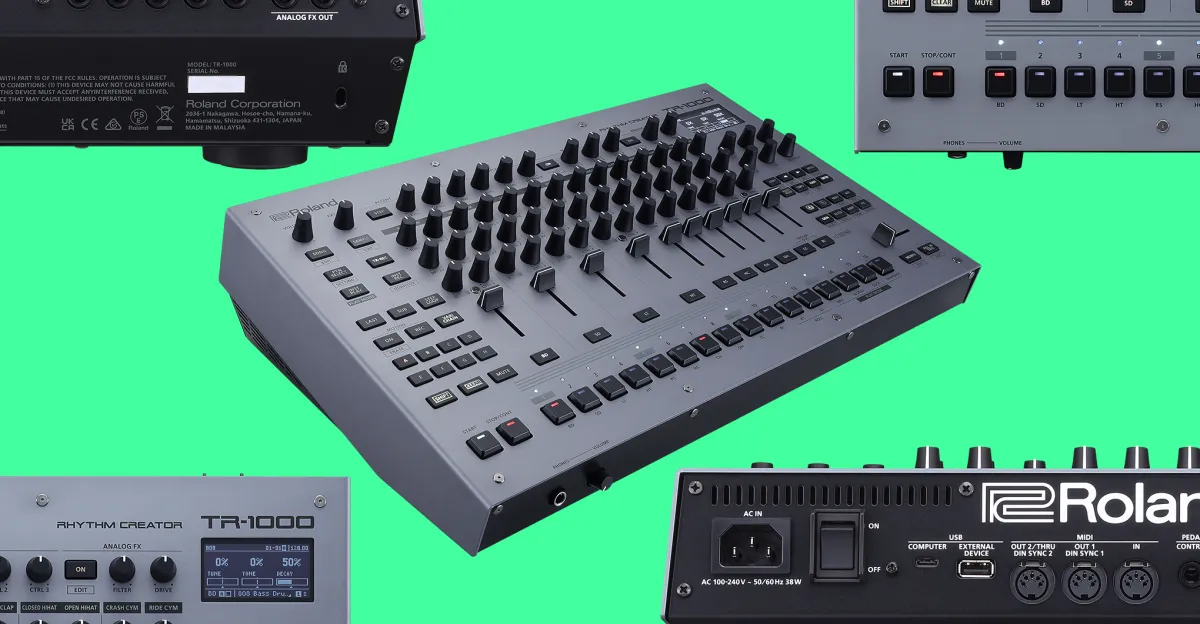
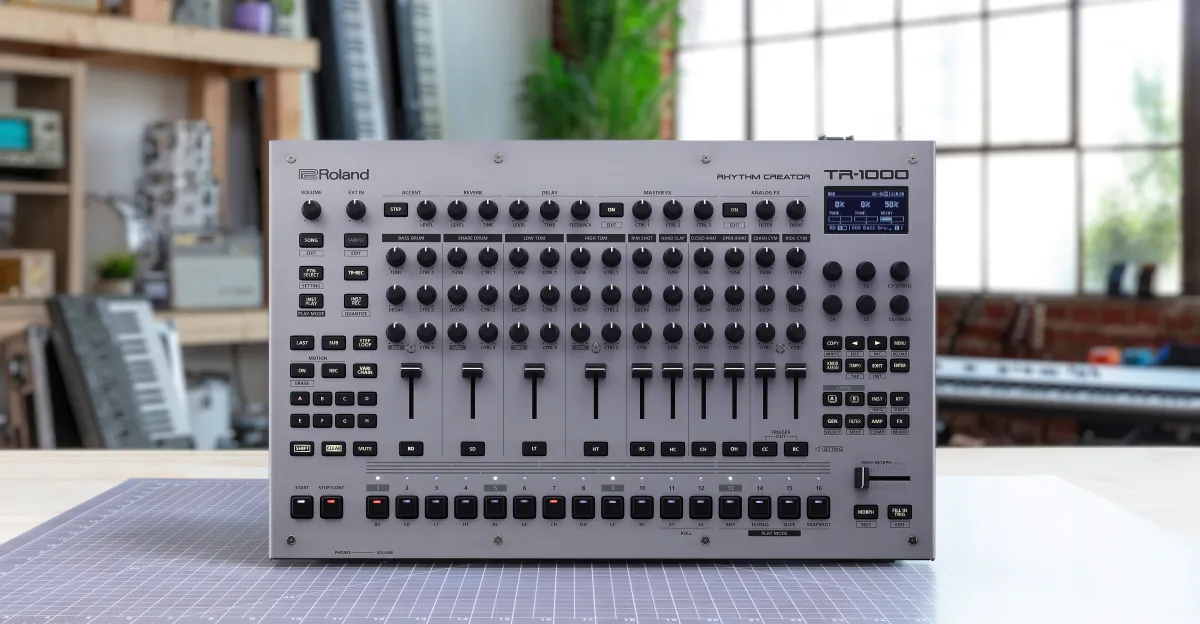
Roland’s TR-1000: First analog drum machine in four decades — a game-changer for young producers

The music production landscape is witnessing yet another transformative moment as Roland unveils the TR-1000, a hybrid synthesizer that seamlessly fuses analog grit with modern digital interface. Designed with a focus on user experience and tactile control, this device features an analog filter, drive section, and a multitude of knobs, buttons, and faders—purposely built to streamline workflow and reduce reliance on complex menus. This approach signifies a notable shift toward mainstreaming tactile, hardware-based production tools, catering to both seasoned producers and studios craving authentic sound textures. Such innovations indicate an industry that increasingly valuesimmediacy and visceral engagement, crucial in a fast-evolving musical climate where raw tone often outperforms sterile digital emulation.

The debut of the TR-1000 underscores the profound disruption within the traditional analog and digital synthesis markets. Priced at $2,699.99, it challenges the common perception that high-quality analog gear is prohibitively expensive. Compared to vintage icons like the TR-808 and TR-909, which command astronomical prices on the resale market, the TR-1000 positions itself as an accessible, cost-effective alternative. Its strategic pricing could dramatically shift consumer expectations, making professional-grade sound design more attainable for emerging producers and independent studios. This innovation demonstrates Roland’s response to growing demand for hybrid instruments that bridge classic warmth with modern versatility, paving the way for a new wave of competitive products in the synthesizer industry.

Business Impact and Industry Implications

The introduction of the TR-1000 exemplifies how traditional industry giants are leveraging disruptive innovation to redefine market dynamics. Gartner analysts highlight that firms investing in tactile, high-fidelity hardware are capitalizing on shifts in consumer preference away from purely software-based solutions. This trend suggests a departure from the era of digital dominance toward a renaissance of physical interfaces that inspire creativity through sensory engagement. Consequently, smaller startups and legacy brands must innovate rapidly or risk obsolescence. The TR-1000’s appeal to a broad demographic—ranging from veteran producers to young enthusiasts—also offers a glimpse into the future of a market that prizes personalized, immediate interaction with sound.

  • Enhanced workflow with minimal menu navigation
  • Integration of vintage sound characteristics with modern controls
  • Competitive pricing disrupting high-end analog market valuations
  • Potential to democratize professional-grade music production tools

Looking Ahead: The Future of Innovation in Musical Devices

As industry leaders like Elon Musk and Peter Thiel have noted, technological innovation that disrupts established paradigms often comes from bridging seemingly incompatible worlds—digital and analog, hardware and software. The TR-1000 signals a pivotal shift that could catalyze broader industry trends towards hybrid instruments with tactile and sonic authenticity. Market analysts warn that those who fail to embrace this disruption risk becoming irrelevant as consumers increasingly demand versatile, immersive, and intuitive musical tools. If Roland’s strategy proves successful, the music tech industry may soon see a surge of affordable, high-fidelity hardware that revolutionizes how future generations create and experience sound. The clock is ticking, and the race for innovation in this space is only intensifying—marking an exciting, high-stakes epoch for producers worldwide.

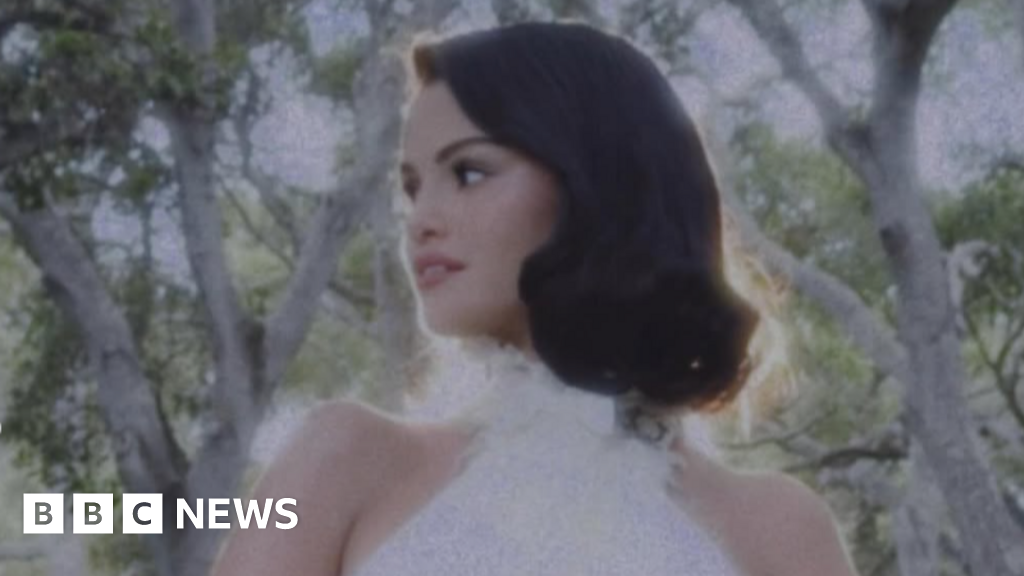
Selena Gomez Couples Up with Music Producer Benny Blanco in Stylish California Wedding

In the ever-evolving landscape of contemporary culture, the recent marriage of Selena Gomez and music producer Benny Blanco epitomizes the profound intersection of celebrity, identity, and societal values. Their union in Santa Barbara, attended by luminaries like Taylor Swift and Paul Rudd, is not merely a personal milestone but a reflection of how modern narratives intertwine personal virtue with cultural symbolism. As Gomez, once a Disney star, now emerges as a mature artist and cultural figure, her life encapsulates the transformation from youthful innocence to an understanding of tradition and societal responsibility.

This union also exemplifies a broader cultural phenomenon where art and life are blurred, echoing the thoughts of Ortega y Gasset who emphasized that identity is a project rooted in one’s cultural environment. Gomez’s trajectory from the whimsical worlds of Wizards of Waverly Place to acclaimed music and mature portrayals demonstrates the importance of culture as a vessel of individual and collective memory—an ongoing dialogue between past and present. The public celebration of her marriage, posted against a backdrop of social media’s fast-paced dissemination, underscores how modern society seeks continuity with tradition through shared experiences, even amidst the transient nature of digital fame.

  • Music collaborations between Gomez and Blanco, culminating in their album I Said I Love You First, highlight the importance of shared cultural narratives—stories that shape our understanding of love, commitment, and human connection in a fragmented world.
  • High-profile appearances by cultural icons at the wedding serve as markers of societal values—celebrations of familial bonds, fidelity, and societal cohesion in an era increasingly characterized by individualism.

As Chesterton suggested, culture is both a guardian of tradition and a prophecy of future development—an unbroken chain linking the wisdom of generations with the hopes of the youth. Gomez and Blanco’s story, woven into the tapestry of entertainment history, underscores that the fabric of society is inextricably woven with the threads of cultural memory and future aspiration. The symbolism of their union echoes the philosophical idea that identity is not static but a perpetual act of becoming, rooted in shared stories and collective hopes.

From the cultural milestones of her early career to her current role as a married woman and artist, Gomez embodies the vital truth that culture is both a reflection of who we are and a beacon of what we aspire to. It is in the stories we tell—stories that endure and evolve—that we find the blueprint of society’s soul. Like a lyrical refrain that echoes through the corridors of time, culture remains both the memory of humanity and the prophecy of its future—fostering a landscape where tradition sustains hope, and hope reforms tradition into a living, breathing testament to our shared humanity.

Empowering Voices: Sarah McLachlan Reflects on Her Journey Against Traditional Roles in Music and Beyond

Sarah McLachlan, a name once synonymous with the vibrant, empowering movements of the 1990s music scene, finds herself contemplating her artistic identity after an 11-year hiatus from releasing original songs. In her own words, she pondered, “What do I have to say at this point in my life?” Such introspection reveals a broader cultural conversation regarding the implications of identity, privilege, and societal expectation on artistry. McLachlan’s emergence during an era marked by the rise of female singer-songwriters, including luminaries like Alanis Morissette and the Indigo Girls, made her more than just an artist; she was a cultural icon who challenged conventional narratives and reshaped our understanding of gender roles in music and beyond.

McLachlan’s legacy can be traced back to her founding of Lilith Fair, a revolutionary music festival convened to celebrate female musicians and dismantle the prevailing gender biases of the industry. In a time when radio stations claimed it was “too much” to have more than one female artist on the airwaves, McLachlan bravely organized a series of all-female concerts that blossomed into a nationwide phenomenon. This bold move not only defied societal expectations but also drew attention to the, at times, insidious sexism inherent in the music industry. As cultural critic Tocqueville once noted in reference to democratic values, it is often the undercurrents of social mores that shape a culture’s identity. McLachlan and her contemporaries exemplified the resilience of women standing against such currents.

In her recent works, McLachlan continues to grapple with the complexities of her position in society. Addressing contemporary issues through songs like “One in a Long Line,” she projects her concerns regarding the erosion of women’s rights onto a canvas that resonates with upcoming generations. Her emphasis on community and unity stands as a counterpoint to divisive political narratives. McLachlan aptly states, “It’s about the generations coming forward and what we’re creating for them and what the world’s going to look like.” This articulation of legacy and responsibility aligns with the notions laid down by Ortega y Gasset, who emphasized the importance of the individual’s role within the broader societal context. McLachlan serves as both a witness and a participant, a voice urging younger generations to assert their own narratives in a world rife with complexities.

Ultimately, the recent resurgence of McLachlan’s work not only highlights her evolution as an artist but underscores the vital connection between culture, identity, and societal values. A new documentary, Lilith Fair: Building a Mystery, re-examines the festival’s powerful legacy, portraying the joy and solidarity it fostered amidst a backdrop of cultural turbulence. The documentary serves as both a reminder of what has been accomplished and a clarion call for future generations to continue the fight for equality and representation. As McLachlan herself muses, “Is it just fear? Is it control?” Thereby, she reflects the philosophical quest for understanding the roots of cultural dynamics that perhaps stymie progress. In a world where art often mirrors society, McLachlan exemplifies the enduring power of culture to shape identity and forge collective memory—a lingering echo of the past that resonates with hopes for a more promising future.

The rich tapestry of McLachlan’s life and work illustrates that culture is more than mere entertainment; it is a vessel of memory and an architect of tomorrow’s identity. In her lyrics and public stances, we witness the echo of G.K. Chesterton’s assertion that “tradition means giving votes to our ancestors.” For McLachlan, the reverberations of the past fuel her ambition to craft a future defined not by constraints but by compassion and creativity. As we engage with her music, we are reminded that culture not only preserves our identities but also foretells the ever-evolving narrative of humanity—a narrative that is at once a reflection of who we have been and a prophecy of who we may yet become.

Unlock Your Music Scene: Ckord Connects You to Local Tunes and Artist Vibes!

The Rise of Ckord: A New Era in Live Music Experience

In an age where digital consumption has largely replaced traditional forms of entertainment, the return of live music events has become a vibrant trend among youth culture. Enter Ckord, the groundbreaking mobile platform designed to connect users with live music events in their area. With its focus on local performances, Ckord serves not only as a guide to concerts, shows, and gigs but also as a catalyst for a broader revival of community engagement and the shared social experience of music. This trend underscores a remarkable shift in the way young people are interacting with music and each other.

Gone are the days when discovering live performances meant laboring through local newspapers or browsing outdated flyers taped to telephone poles. Ckord leverages technology to streamline this process, allowing users to access a comprehensive list of events at their fingertips. Sociologist and cultural analyst Dr. Emma Wong notes that music is increasingly viewed as a communal experience rather than a passive activity. This suggests a demographic eager for engagement, an audience that craves not just entertainment but a sense of connection with their peers. By aggregating information on local events, Ckord allows users to not only find entertainment but also to cultivate a sense of belonging within their communities.

The implications of this trend are profound. As young individuals flock to live music events, they are likely to experience a resurgence in community spirit, akin to that seen during classic rock festivals of the 1960s and ’70s. It’s not just about the music; it’s about the shared energy, the collective vibe, and the unforgettable moments that occur when people gather. With the rise of Ckord, we see a return to an era where live performances serve as a focal point for social interaction. In an increasingly polarized world, this could signify a necessary remedy for social disconnection.

  • Ckord leads the charge in local music discovery.
  • It promotes community unity through shared experiences.
  • This trend could signal a revival of local arts and culture.
  • Youth engagement at live events is set to reshape consumer entertainment choices.

Yet, as this trend flourishes, one cannot help but ask: What lies ahead for platforms like Ckord? As more users adopt the app, will there be a corresponding rise in the quality of performances and local talent? Additionally, how will this influence the music industry at large—will we see a shift toward prioritizing local artists over mainstream icons? The next big question that arises is how our changing relationship with music and technology will redefine not just our entertainment choices, but our broader cultural landscape in the years to come. The future of live music could very well hinge on the answers to these questions, driving a new narrative that marries innovation and tradition in the ever-evolving world of youth culture.

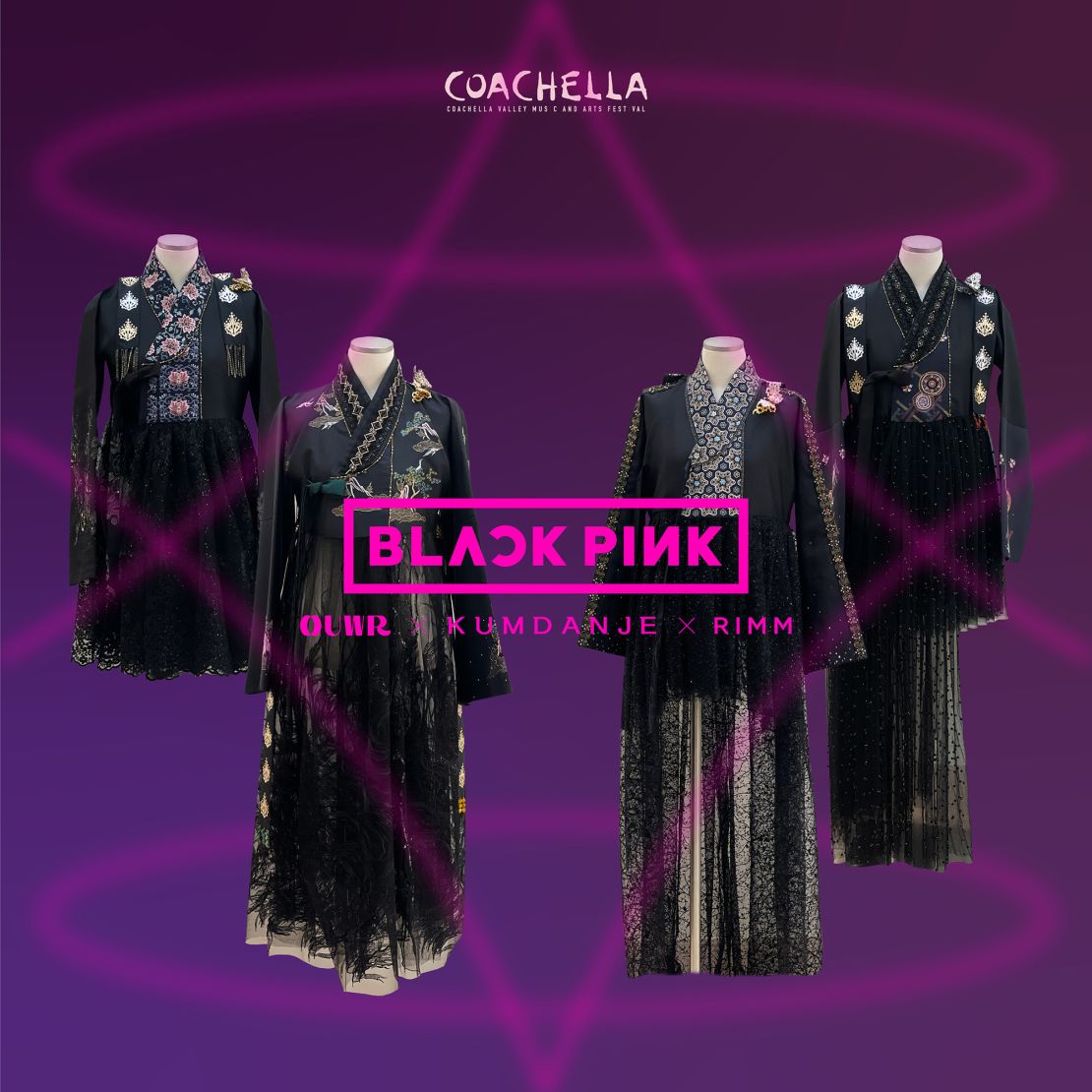
Blackpink Turns Heads at Coachella in Traditional Hanboks

Blackpink’s Historic Coachella Performance and the Rising Role of Korean Culture in Global Politics

In a moment that transcended entertainment and echoed across the geopolitical landscape, Blackpink, the iconic K-Pop girl group, made history at Coachella 2023 by becoming the first Asian act to headline the festival. Their performance, attended by over 125,000 fans, was not merely a display of musical talent but a deliberate assertion of cultural pride. The group honored their Korean heritage by debuting on stage in stunning hanboks, traditional Korean garments richly embroidered with symbolic motifs. This act was a potent statement, intertwining fashion, culture, and geopolitics, highlighting how nations leverage cultural diplomacy to elevate their influence on the international stage.

The significance of this moment extends far beyond the festival grounds. By incorporating hanboks into their performance, Blackpink subtly challenged Western-centric narratives that have historically marginalized Asian cultures in global pop and political spheres. According to cultural analysts, such displays of cultural pride serve as a form of soft power—an assertion of identity in a world often dominated by Western hegemony. The group’s ability to seamlessly fuse traditional Korean elements with modern pop iconography exemplifies the rising influence of South Korea as a cultural powerhouse, capable of shaping international perceptions and expanding its soft power reach.

The Cultural and Political Roots of Korea’s Expanding Global Influence

In recent years, South Korea has steadily ascended as a major player in both global culture and geopolitics. From the global dominance of K-Pop to Korean cinema’s critical success, the country’s cultural exports have become vital tools for shaping international narratives. Historians and geopolitical commentators argue that this cultural ascent correlates with South Korea’s strategic state policies aimed at fostering national pride and leveraging cultural diplomacy as a counterbalance against North Korea’s persistent threat. The use of traditional garments like hanboks during such high-profile events signals an intentional effort to promote Korea’s rich heritage, making cultural identity a cornerstone of their nation-branding strategy.

Furthermore, the appearance of hanboks with intricate embroidery or modern adaptations at major fashion events—such as Seoul Fashion Week or Milan Fashion Week—demonstrates a deliberate attempt by Korean designers to present their culture globally. International organizations and industry analysts alike recognize this as a calculated move that consolidates Korean soft power, bolster ties with diaspora communities, and perpetuate a narrative of cultural resilience. This is especially critical considering the regional tensions in East Asia, where soft power becomes an essential tool for diplomacy and influence without direct confrontation.

Fashion as an International Language of Power and Identity

The spectacle at Coachella was not only cultural but also deeply political. Internationally renowned fashion brands like Dolce & Gabbana and local artisans contributed to the group’s look, transforming their stage into a visual manifesto of Korean cultural resurgence. As historians note, fashion has long served as an expression of power and identity—witness Madonna’s Jean Paul Gaultier cone bras or Geri Halliwell’s Union Jack mini dresses—each moment capturing a turning point in cultural history. The use of hanboks, embroidered with symbols of royalty like peonies, underscored a refusal to let traditional culture be confined to the past, instead presenting it as a living, breathing force shaping Korea’s future aspirations.

As the world watches this evolution, the message is clear: nations are increasingly aware that soft power through culture can reconfigure global narratives, shape alliances, and influence societal perceptions. The cultural diplomacy embodied by Blackpink’s groundbreaking performance, therefore, marks not just a moment of teenage fanfare but a pivotal junction in the ongoing contest for influence—where tradition meets modernity on the grand stage of geopolitics.

If history is any guide, the echoes of this event will resonate through generations, a testament that when nations harness their cultural symbols at moments of global visibility, they carve their names into the fabric of history. As we stand on the brink of further shifts, one thing remains undeniable: the stages of the world are the new battlegrounds for influence, where tradition and innovation collide amid the relentless tide of change.

Social Media Auto Publish Powered By : XYZScripts.com