Matox News

Truth Over Trends, always!

Muslim Voters Shift from Labour to the Greens: A Sign of Changing Society

Rising Social Tensions and Demographic Shifts Reshape Communities, Families, and Education in Britain

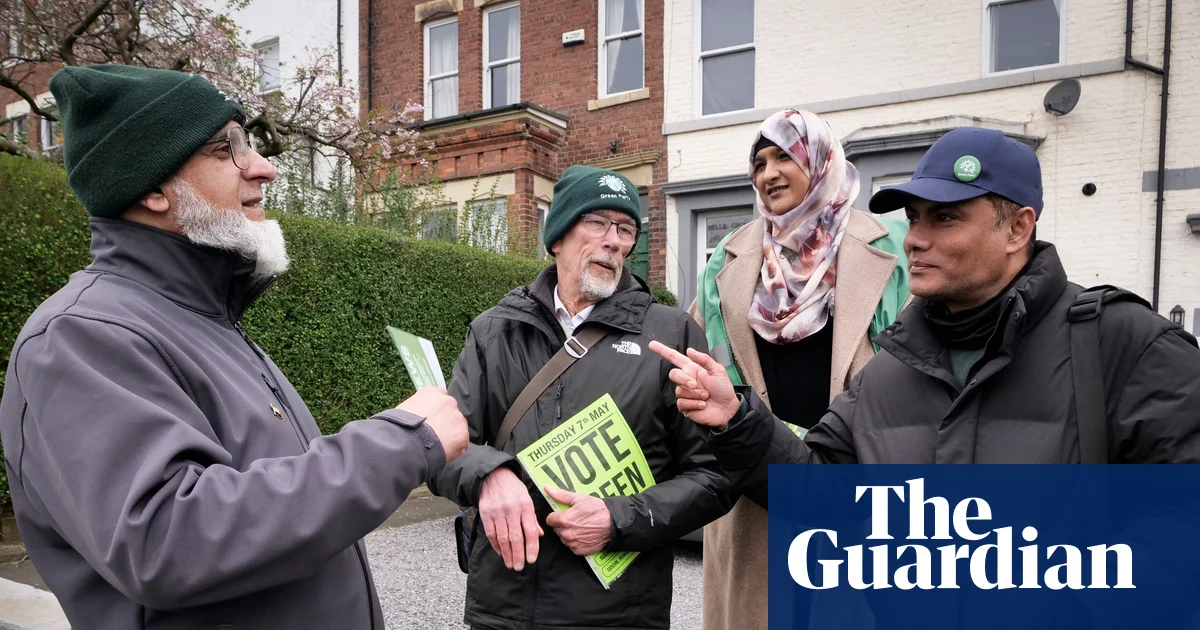
The demographic landscape of Britain is undergoing profound transformation, with Muslim communities increasingly asserting political influence while traditional working-class neighborhoods experience a sense of disconnection and abandonment. Sociologists warn that these social shifts are not merely external phenomena but deeply affect the fabric of families, education, and community cohesion. As communities become more diverse, issues surrounding identity, support, and political representation are at the forefront of societal change. The voices of individuals like Mohammed Suleman and Khaled Musharraf exemplify how demographic evolution fosters new political alliances and social activism, often motivated by shared concerns such as rising racial tensions and climate change.

The rise of political activism among Muslim voters reveals a departure from long-standing party loyalties, with data indicating waning support for traditional parties like Labour. Muslim voters now question whether their needs and voices are truly recognized by mainstream institutions. Surveys from Labour Muslim Network highlight this growing discontent: disapproval of Labour’s effectiveness in representing Muslim interests jumped from 46.8% in 2020 to 63% in 2022. This shift, accentuated by episodes of racial violence and heightened fears of discrimination and marginalization, has shifted many Muslims toward parties that they see as more aligned with their interests, including the Green Party. Supporters such as Musharraf argue that issues like climate justice resonate deeply with Muslim communities, especially those impacted directly by environmental crises back home.

This evolving political landscape reflects broader social tensions and cultural shifts that ripple into family units and local communities. The effects on families are multifaceted: increased feelings of alienation among younger generations, a rise in activism, and an urgent demand for representation and respect. In places like Walker, where tradition once maintained social cohesion through faith and industry, residents express a sense of loss and disconnection, often hanging British flags alongside signs of economic deprivation. Campaigns led by figures like Matt Williams and grassroots movements reveal a community desperate for true change and social recognition. The challenges here are compounded by a lack of opportunities and the erosion of social supports, which historically kept these communities united.

Despite the narrative of division, many activists believe there remains hope for societal transformation, rooted in community-led initiatives and moral resistance. Figures like Begum challenge stereotypes, advocating for respect grounded in faith and shared human dignity. Her defense against accusations of oppressive customs illustrates the importance of understanding and challenging prejudice at its root, emphasizing the moral necessity of supporting families against social marginalization. As social commentators debate the future of multicultural Britain, the critical question remains: will these communities be recognized and empowered, or will they continue to drift apart, fractured by neglect and prejudice? In times of upheaval, societal resilience hinges on our collective capacity to listen, to bridge divides, and to restore the bonds that sustain families, education, and community life. Only through such unity can society hope to face its challenges—not with despair, but with a renewed conviction that change begins within each shared home and school, shaping a future rooted in justice and compassion.
Young Hindu Hero Defies Odds to Stand Up for Muslim Friend

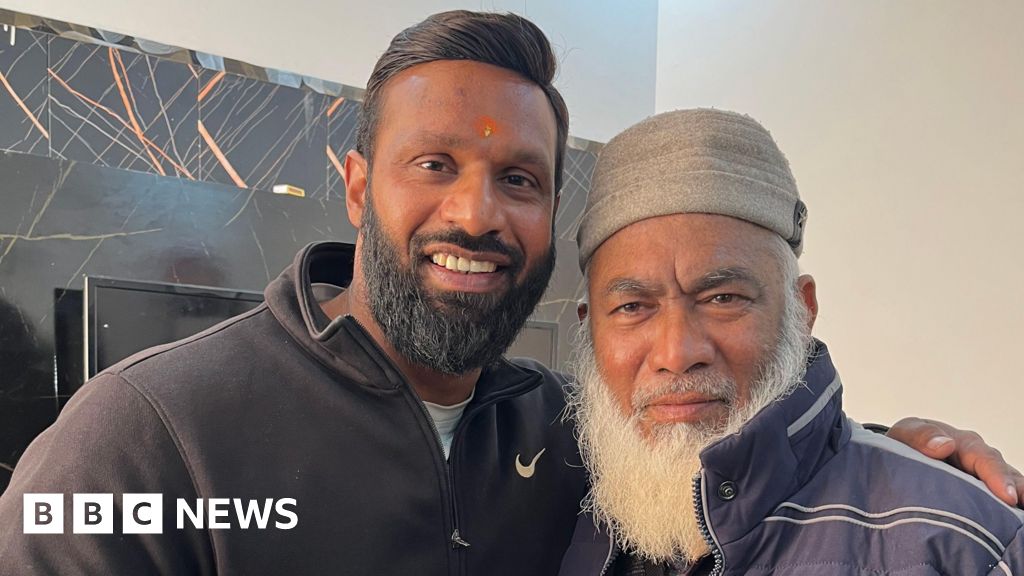
In a striking display of moral courage, Deepak Kumar, an activist and social leader, has publicly confronted rising Hindu vigilante groups in India. His stance, which challenges the growing tide of extremism and lawlessness, is being hailed by many human rights advocates as a rare act of heroism amid an increasingly polarized political landscape. However, this act of defiance has also come with a high cost—Kumar now faces impending death threats from those who see his confrontation as an attack on their ideological worldview. His case underscores the fraught social dynamics within India and illustrates a deeper confrontation over the future of rule of law, national identity, and societal cohesion.

This incident occurs against a backdrop of intense geopolitical shifts, both within South Asia and the broader international arena. Analysts from the International Crisis Group and regional security think tanks warn that hindu nationalist groups are not merely internal threats but have pivotal roles in shaping broader regional stability. Their aggressive tactics have prompted debates about the limits of free expression, religious freedom, and government authority. The government of India, led by Prime Minister Narendra Modi, finds itself at a crossroads—balancing rising nationalist sentiments with global diplomatic pressures to uphold secular principles embodied in the country’s constitution. This delicate balancing act is being closely scrutinized by international organizations such as the United Nations, which continues to assess reports of human rights violations linked to vigilantism.

Historians and geopolitical analysts point out that the decision of individual actors like Kumar to challenge vigilante groups represents a broader resistance to dangerous narratives that threaten the nation’s social fabric. The implications extend beyond India, influencing strategic calculations across the Indian Ocean region and neighboring Pakistan. The underlying warning is clear: allowing unchecked extremist groups to operate could spiral into regional unrest, destabilizing governments, and undermining the very institutions meant to uphold order. It is a testament to the fact that individual acts of bravery can catalyze larger societal debates about the rule of law, collective identity, and national security.

As debates intensify, the international community watches with growing concern. China and Russia have expressed cautious support for India’s internal sovereignty while voicing skepticism about Western criticisms. Meanwhile, the United States and European Union emphasize the importance of protecting minorities and democratic values. The ongoing struggle over these values signifies a pivotal chapter in the global contest for ideological dominance amidst rising nationalist fervor. The choices made now—how India and other nations respond to such challenges—will carve the geopolitical landscape for decades to come. As historians look back, they will see these moments as either turning points towards stability or precursors to further chaos in an increasingly fragile world order.

In the shadow of these turbulent currents, the story of Deepak Kumar becomes more than a single act of heroism—his confrontation marks a crucial point in history, reminding all nations that the fight for justice and social cohesion often begins at the individual level. The world holds its breath, aware that these choices are not isolated but interconnected threads woven into the vast tapestry of global history—where every decision echoes in the corridors of power, and the unfolding narrative leaves us all witnesses to the ongoing battle for the soul of civilization.

Social Media Auto Publish Powered By : XYZScripts.com



