Matox News

Truth Over Trends, always!

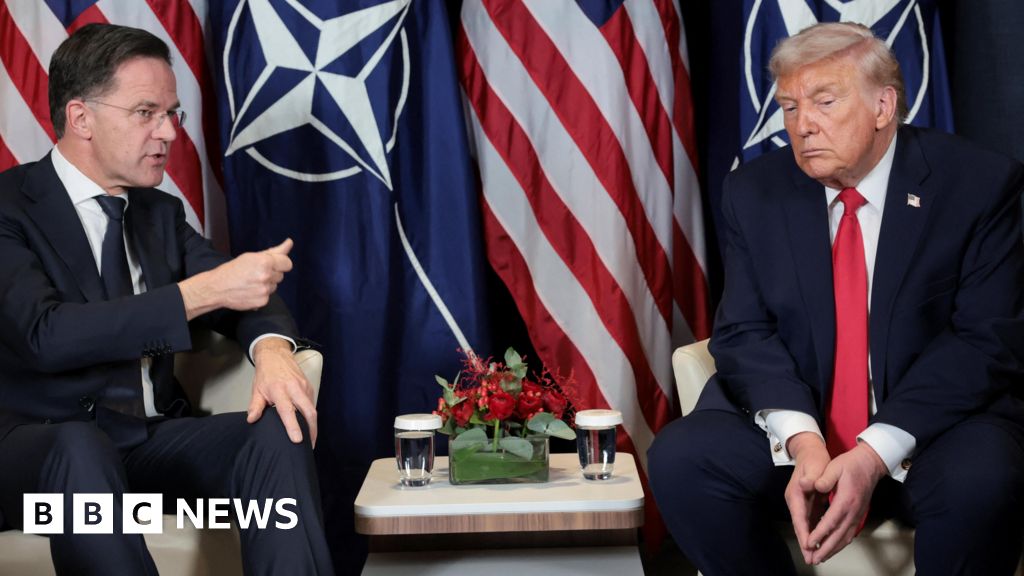
Trump slams NATO as alliance chief calls meeting 'very frank'
Trump slams NATO as alliance chief calls meeting ‘very frank’

In a striking statement that has sent shockwaves through the international community, US President recently accused NATO of failing to provide adequate support during the recent Iran conflict. Drawing attention to what he described as a critical lapse, the President asserted that “NATO wasn’t there when we needed them.” This declaration signals not only a potential fracture within the transatlantic alliance but also raises serious questions about the future efficacy and unity of the military bloc amidst rising global tensions.

The remark occurs against a backdrop of increasing instability in the Middle East, where Iran’s regional influence and nuclear ambitions continue to threaten the balance of power. Historically, NATO has positioned itself as a collective defense organization primarily focused on the Euro-Atlantic region. However, the recent criticism indicates growing frustrations from the United States—a founding member—with what is perceived as insufficient European engagement in regional security issues. Analysts from think tanks such as the Council on Foreign Relations warn that this fissure could weaken NATO’s credibility at a time when Russia continues its aggressive pursuits in Eastern Europe, and China expands its strategic influence worldwide.

  • The President’s statement echoes a broader concern about the geopolitical shifting sands and questions whether NATO, as historically constituted, can function effectively in a multi-polar world
  • The incident marks a *potential turning point* in transatlantic relations, with diplomats and military leaders pondering the durability of their alliance
  • European leaders, meanwhile, face increased pressure to clarify their commitments and demonstrate their capacity to act independently or in unison with their American allies

International organizations such as the United Nations have long struggled to coordinate coherent responses to conflicts that threaten global stability. Now, with the discontent within NATO surfacing openly, the structural impacts could lead to a realignment of alliances and power centers. Historians warn that such divisions have historically preceded larger conflicts, and some suggest this moment resembles pre-World War tensions, where regional disputes escalated into global crises. As American authorities critique European foreign policy and defense readiness, the global stage is poised on the brink of a new era—one marked by uncertainty, shifting loyalties, and a reevaluation of what collective security truly entails.

As the weight of history presses down on these fragile alliances, nations and societies now face a defining question: will they unite in the face of rising threats, or will internal fractures deepen, leading to a more fractured, unpredictable world? The choices made in the coming months will undoubtedly shape the tapestry of international relations for generations to come. In this tense landscape where power aligns and realigns, the echoes of past conflicts resonate ominously, reminding all that history is constantly in the making—its next chapter yet to be written, with each decision potentially altering the course of global destiny.

Middle East Tensions: Trump Predicts Quick End; Rubio Calls to Rethink NATO | US-Israel Confront Iran

International Stage Shifts as Middle East Crisis Deepens

The geopolitical landscape is experiencing a profound upheaval as a cascade of conflicts and strategic recalibrations ripple across the globe. French President Emmanuel Macron’s recent remarks in Japan highlight Europe’s desire for stability through “predictability,” standing in stark contrast to the erratic decisions of other major powers. Macron’s critique appears pointed at the United States, especially amid its ongoing military engagements and diplomatic positions surrounding Iran. Macron emphasized the importance of consistent policy directions, implicitly criticizing the United States’ stance which, in recent weeks, has been marked by unpredictable shifts and assertive military postures. Such remarks signal a growing divergence within Western alliances, raising questions about the future cohesion of NATO and transatlantic strategic unity, especially as Washington contemplates reevaluating its alliances in light of emerging threats.

The Middle East: A Theatre of Escalating Conflict

Across the Middle East, the situation remains perilous, with escalating hostilities between Iran and Israel threatening regional stability. Israeli defense systems identified and intercepted missile launches from Iran, with war warnings activating across central Israel. Meanwhile, Iran reported attacks within Tehran, underscoring the country’s vulnerability amidst a barrage of recent assaults. Saudi Arabia and Bahrain have intercepted and neutralized multiple drones originating from Iranian-backed groups, illustrating a pattern of proxy warfare that complicates the regional security landscape. The United Arab Emirates suffered a tragic incident when drone debris fell on a farm in Fujairah, killing a Bangladeshi national. Such incidents underscore the dangerous spillover of proxy conflicts and asymmetric warfare into the heart of the Gulf states, stirring anxiety among their populations and foreign investors alike. Furthermore, Iran’s retaliatory strikes and the United States’ deployment of additional military assets, including the USS George W. Bush strike group, exemplify a dangerous escalation that threatens to ignite a wider regional war. Analyses from international military strategists warn that these actions could spiral into a broader conflict entangling major powers, with catastrophic implications for global stability.

Strategic Repercussions and Evolving Alliances

The unfolding crisis has prompted serious discourse among international leaders about the redefinition of alliances and the future of global security arrangements. US Secretary of State Marco Rubio’s statement that NATO might need to re-examine its role after the Iran conflict signals a paradigm shift in North Atlantic security policy. The U.S. appears to be reevaluating its strategic commitments, especially given the strain of ongoing military operations and diplomatic setbacks. Correspondingly, reports indicate that the United Arab Emirates is considering aiding the US in efforts to reopen the Strait of Hormuz by force, a move that could set a precedent for regional intervention under the banner of international legitimacy. Such developments reflect a fragile nexus of alliances, with traditional partnerships strained by divergent priorities and emerging regional powers asserting their claims.

Meanwhile, the economic repercussions are becoming increasingly apparent. Asian markets surged on hopes that the Iran conflict might conclude swiftly, but the risk of prolonged warfare looms large. Domestically, countries like Australia are implementing measures to buffer their economies from the cascading effects of conflict—fuel price hikes, supply chain disruptions, and financial market volatility. The global economy, intertwined with geopolitical stability, teeters on a knife’s edge, with young voters around the world questioning whether their leaders will choose confrontation or diplomacy in this critical juncture of history.

As the geopolitical chessboard continues to shift, the weight of history presses heavily upon the present—every decision, every conflict, etches a new chapter into the annals of international relations. The question remains: will this spiral of violence lead to a new era of global cooperation or plunge us into the chaos of unchecked conflict? Only time will tell, but one certainty persists: the pages of history are turning, and humanity stands at a crossroads, watching the shadows of war lengthen across the horizon.

First Look: Trump Claims US Doesn’t Need NATO After Strait of Hormuz Clash | US News

In a surprising turn of diplomatic discourse, President Donald Trump has publicly declared that the United States does not require the assistance of NATO amidst mounting tensions with Iran. His recent comments, delivered from the Oval Office, accused NATO members of making a “very foolish mistake” by refusing to mobilize warships to reopen the strategic Strait of Hormuz. This statement signals a potential shift in US foreign policy, one that emphasizes unilateralism over multilateral alliances, at a time when the geopolitical landscape around the Persian Gulf is erupting into chaos. Renegotiating America’s role in international security pacts such as NATO could significantly weaken the collective defense framework that has underpinned global stability for decades, leaving many analysts concerned about the ripple effects on European security and global order.

The unfolding crisis in the Middle East has revealed fractures not only among American allies but also within the US itself. Despite Trump’s aggressive rhetoric, some of America’s closest allies have questioned the legitimacy and consistency of his rationale for engagement in the Iran conflict. Internal dissent is mounting, as exemplified by the resignation of Joe Kent, the director of the US national counter-terrorism center, who publicly stated that Iran currently poses no imminent threat to the US. Furthermore, the world’s largest aircraft carrier, the USS Gerald R Ford, has been at sea for nearly nine months and recently suffered fire damage — a sign of morale issues and logistical strains within the US military. Such internal crises threaten to undermine America’s military posture in an already volatile region, where Iran’s military leadership has vowed harsh retaliation for recent strikes on Israeli and Iranian targets. The escalation underscores the fragility of US influence and the potential for regional chaos to spiral into a broader confrontation.

This tumult underscores a common theme highlighted by international security analysts: as the US shifts its stance, the consequences on global stability are profound. Nations across Europe and Asia are watching closely, aware that US-centric policies can cascade into unpredictable outcomes. The ongoing conflict, now entering its third week with over 2,000 lives lost, portends a potential regional war that could draw in neighboring countries and destabilize entire ecosystems of international diplomacy. Meanwhile, the United Nations and respected historians warn that a vacuüm of US leadership might embolden non-state actors — including terrorist networks and rogue militias — to seize opportunities presented by the chaos. This escalating crisis vividly illustrates how decisions made at the top resonate through societies, affecting countless lives, economies, and future generations.

In a related twist reflecting shifts in domestic politics, Juliana Stratton, the Illinois lieutenant governor, has secured her party’s nomination for the US Senate, signaling a broader debate over America’s internal priorities. Her victory over moderate rivals, propelled by key endorsements and recent changes in Chicago’s political climate, symbolizes the growing visibility of progressive voices and a shift in the American political landscape. Yet, in the backdrop, reports from the United Nations reveal a grim reality: millions of children across Sub-Saharan Africa and South Asia are dying from preventable conditions, largely due to aid cuts and inadequate healthcare. As these tragedies unfold, a stark reminder remains — geopolitical shifts and internal reforms are only meaningful if they translate into tangible improvements for the world’s most vulnerable populations. The weight of history presses down with an inevitable question: how much longer can the world afford neglect amidst chaos?

History is watching, and history is still being written. As nations grapple with uncertainty, the decisions today — whether in the corridors of power or the streets of Tehran and Chicago — serve as the keystones of a future yet to be crafted. Will the cracks in alliances deepen into fissures that fracture the global order? Or will strategic wisdom forge a path through the turmoil, leading to a new era of resilience? The unfolding story remains uncertain, but one thing is clear: the weight of consequence rests heavily on the shoulders of those who make the choices now. Their actions, or inactions, will echo through generations — a testament to the enduring, often turbulent, march of history.

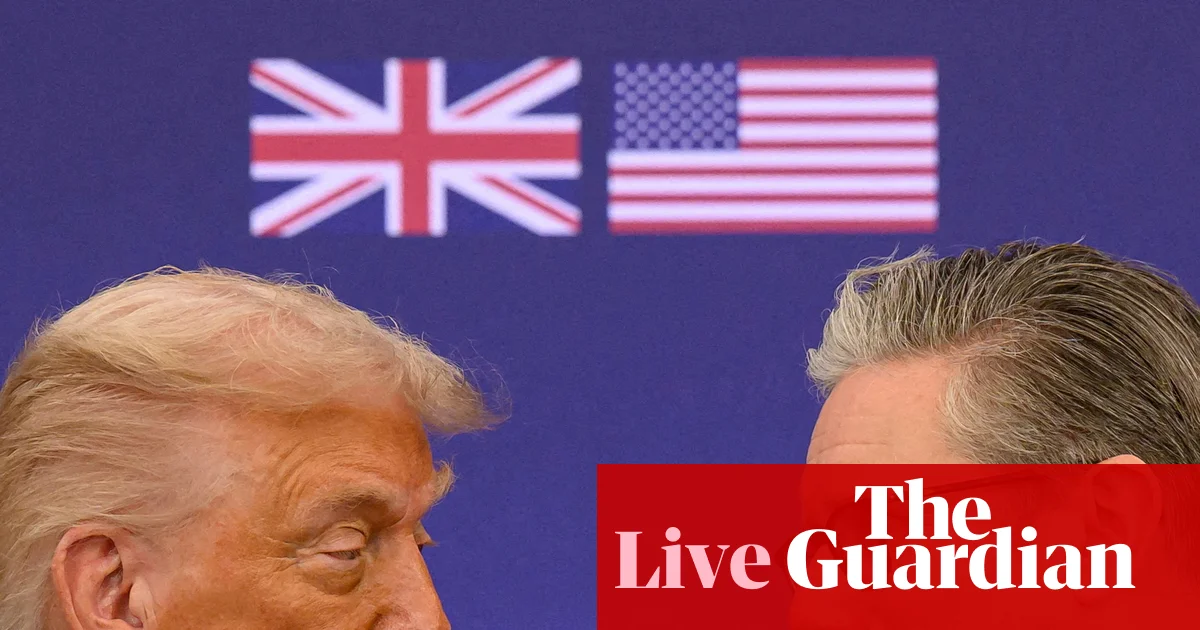
UK Minister dismisses Trump’s Nato threat, vows alliance can endure current challenges — UK Politics Live

Global Power Dynamics Shaken by US and UK Tensions Amidst Trump’s Provocations

As Donald Trump continues to flirt dangerously with the edge of diplomatic conflict, America and Britain find themselves at a pivotal juncture. During a revealing interview with the Financial Times, Trump implicitly threatened to withdraw US support for NATO if allies like the UK failed to step up militarily in the Gulf. The provocative rhetoric underscores a broader pattern of transactional diplomacy that threatens to unravel the fragile foundation of international alliances built over decades of shared interests. Subtle signals of a potential rollback of NATO’s mutual defense pact could plunge the West into a period of uncertainty and strategic vulnerability.

This come amid escalating tensions over Iran, particularly concerning the Strait of Hormuz—an essential global choke point for oil shipments. Despite dismissing the UK’s recent stance dismissively—asserting that the US does not need British naval support—Trump’s recent call for NATO to deploy minesweeping drones and even military units to counter Iran’s influence indicates a disparity between rhetorical bravado and pragmatic policy. Analysts from the European Security Council warn that such mixed signals threaten to weaken NATO’s cohesive deterrence, crucial for maintaining stability in an increasingly unpredictable geopolitical landscape. How the UK and allied nations respond now could determine the future of Western influence in the Middle East and beyond.

Strained Ties and Strategic Calculations

Within Britain, Pat McFadden, the work and pensions secretary, has played down Trump’s threats, emphasizing that the US-UK alliance remains “strong enough to outlast” this period of uncertainty. This reassurance underscores a classic posture among Western allies: reaffirming enduring bonds despite tumultuous leadership. Yet, international commentators like historian John Mearsheimer argue that such rhetoric, combined with Trump’s transactional approach, risks eroding the very foundation of collective security agreements. Meanwhile, Mark Rutte, NATO’s secretary general, pointed out that America’s mutual defense clause, Article 5, which has only been invoked once—after 9/11—can hardly be taken for granted in an era marked by unpredictable US policy shifts.

Additionally, Trump’s call for NATO to send military units to patrol the Iranian shoreline, and for European countries to lend minesweepers, reveals a deeper underlying threat: that of a fractured alliance where mutual commitments may no longer be as dependable. The concerns resonate strongly with military strategists who worry that NATO’s cohesion is under unprecedented strain. How these decisions will ripple across society—affecting energy security, trade routes, and military preparedness—remains very much a question with global stakes.

Implications for International Stability

Amidst the diplomatic turmoil, Keir Starmer of the UK Labour Party is expected to respond later this morning, promising to support households hit hardest by rising energy prices—measures worth millions aimed at alleviating economic strains. However, the broader geopolitical narrative appears rooted in a deeper contest: whether the West can maintain a united front or whether internal divisions and unpredictable leadership will give way to greater instability. International analysts emphasize that Trump’s unpredictable tactics are a warning sign, yet the response from Britain and Europe will reveal if they can safeguard their strategic interests in this new era.

As history unfolds daily, decisions made in the coming weeks will echo through generations. Will NATO adapt swiftly, preserving transatlantic strength? Or will the fractures widened by Trump’s unpredictable rhetoric cause the alliance to splinter, ushering in a new era of geopolitical chaos? The weight of history presses heavily on the present, a reminder that in global diplomacy, today’s choices are the foundations of tomorrow’s legacy. The unfolding drama leaves the world watching anxiously, as the aims of power, security, and influence collide in a theater where the stakes could not be higher.

Zelenskyy names new Odesa leader after mayor’s Russian passport scandal – Europe updates | NATO

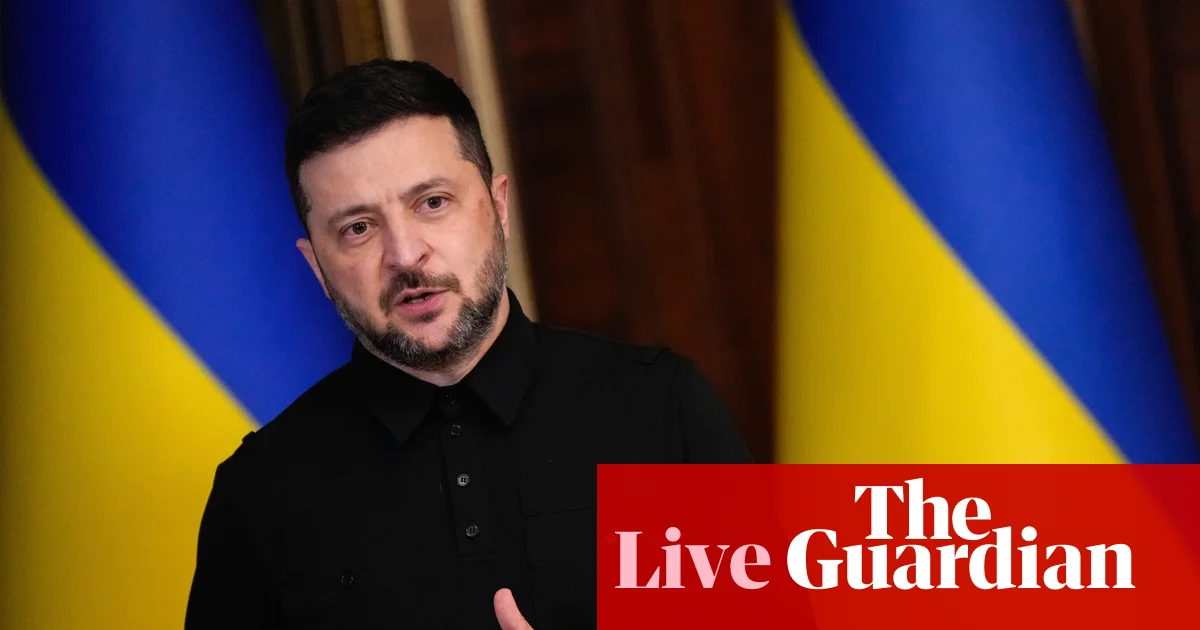
In the heart of Eastern Europe, Ukraine continues to be a focal point of geopolitical tension, with the recent appointment of Sergiy Petrovich Lysak as the new head of Odesa’s city military administration signaling an escalation of the Ukrainian government’s efforts to strengthen its regional security measures. This move follows the Ukrainian president Volodymyr Zelenskyy’s announcement on Tuesday to establish a dedicated military administration in the strategic port city, citing a critical need for increased protection amidst ongoing hostilities. Zelenskyy emphasized, “Odesa deserves greater protection and greater support,” highlighting the nation’s commitment to fortifying its vital Black Sea corridor against persistent threats.

The political upheaval in Odesa is part of a broader, tumultuous battle for sovereignty, as Kyiv revokes the citizenship of local officials suspected of dual loyalties. The dismissal of Hennadiy Trukhanov, who denies holding a Russian passport, underscores Ukraine’s rigid stance against dual citizenship, aiming to eradicate divisive figures potentially compromised by Moscow. This domestic strategy unfolds amid escalating military confrontations on multiple fronts, where Russian forces have claimed control over settlements like Oleksiivka and Novopavlivka, signaling a persistent push to consolidate territory amid mounting international support for Ukraine’s resistance.

All Eyes on NATO and Russia’s Rising Threat

As the Russian invasion enters its second year, NATO’s defense ministers convened in Brussels to address the rising threat of Russian airspace violations and the Kremlin’s ongoing aggression. NATO Secretary General Mark Rutte and other allies discussed intensifying their support for Ukraine, with the US contemplating the deployment of long-range missiles such as the Tomahawk to Kyiv—a move that, if realized, could significantly alter the dynamics of the conflict. US Defense Secretary Pete Hegseth indicated a collective commitment to bolster Ukraine’s defenses, emphasizing that more military aid, including advanced drones and weaponry, is forthcoming. Meanwhile, Russia’s military efforts have persisted, with reports of attacks on Ukrainian energy infrastructure—targets like power plants and gas facilities—aimed at debilitating Ukraine’s war effort and sowing chaos in civilian life.

Notably, Russia’s largest petrochemical complexes in Bashkortostan sustained attacks by Ukrainian drones, yet regional officials assert they continue to operate normally, illustrating the resilience of Moscow’s industrial backbone amidst setbacks. Yet, intelligence from Finland’s defense minister indicates that Russian forces are amassing anew and becoming more reliant on China—a sign that Moscow’s military resource pool might be primarily preoccupied with Ukraine, but still remains a formidable threat to NATO’s eastern flank. The gathering of NATO defense ministers highlighted concerns that Russia’s strategic posture could persist long after Ukraine’s war ends, cementing its role as a persistent destabilizer in the region.

Shifts in International Power and the Waning Kremlin Influence

Meanwhile, in the Middle East, Vladimir Putin’s attempt to project influence through the postponed Russia-Arab World summit backfired spectacularly, with only a handful of leaders attending, underscoring Moscow’s declining influence in the region. Instead, global attention shifted to Egypt, where a Gaza peace summit, attended by Donald Trump and regional leaders, signaled a geopolitical shift away from Moscow’s long-standing regional dominance. Pjotr Sauer of The Guardian notes that this diplomatic retreat reflects the reality: as the war in Ukraine presses on, Russia’s influence in the Middle East diminishes, revealing the limits of Putin’s strategy to assert global leadership.

Furthermore, the European Union is moving to confront its own internal crises, with Brussels set to propose regulations tackling short-term rentals—a social matter that, if unaddressed, could fuel populist discontent and threaten the unity of the bloc. As European nations grapple with economic stagnation, demographic declines, and social tensions, the trajectory of their resolve on international issues remains uncertain. The coming months could define whether Western alliances remain resilient or fragment under the weight of economic and geopolitical pressures.

In this unfolding chapter of history, decisions made in the corridors of power—whether in Kyiv, Brussels, or Moscow—will resonate well beyond their borders. As Ukraine’s struggle persists and NATO faces its future, the shadow of Russia’s resurgence lingers, hinting at a protracted contest that will test the resolve of Western unity, the resilience of Ukrainian sovereignty, and the shifting sands of global influence—a story that is still being written, as the world watches with bated breath, the weight of history pressing down on an uncertain horizon.

Russian Missiles and Drones Pound Ukraine as Poland Ships Jets to Defend NATO Borders

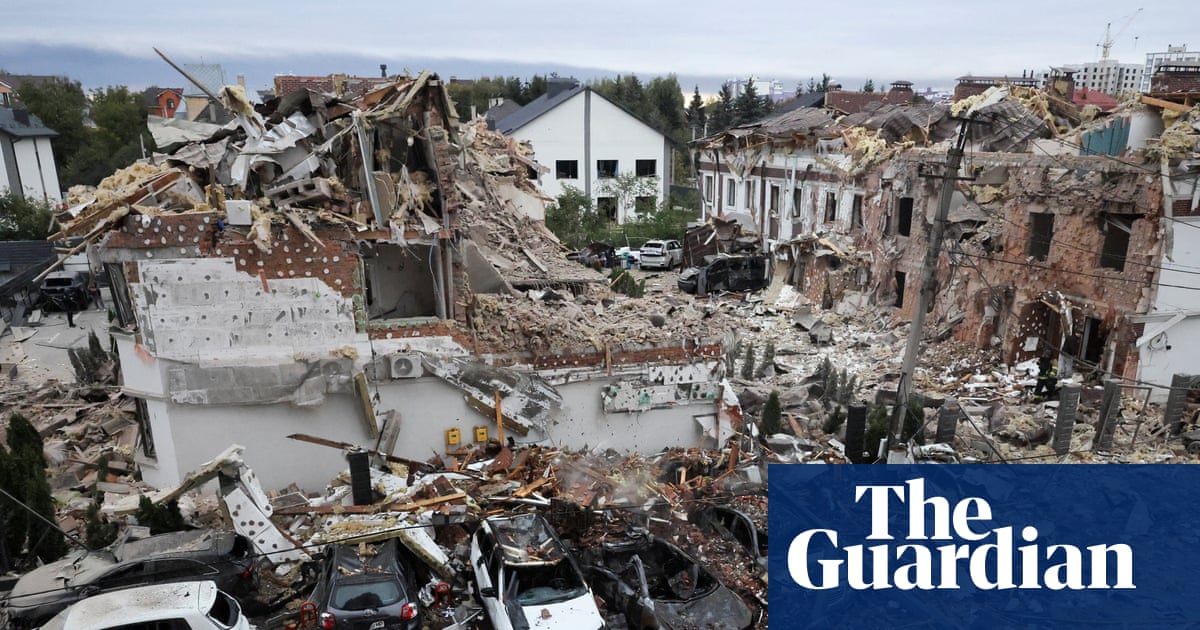
The escalating conflict in Ukraine has once again plunged the region into chaos, with Russian forces deploying an unprecedented barrage of hundreds of drones and missiles early Sunday. The attack, resulting in at least four civilian deaths—including a 12-year-old girl—and dozens of injuries, underscores the persistent threat of Russia’s military strategy of targeted strikes against civilian infrastructure. Ukrainian officials, including Foreign Minister Andrii Sybiha and Kyiv’s mayor, Vitali Klitschko, have described the missile attack as a clear violation of international norms, emphasizing the deliberate targeting of residential areas. Analysts, such as those from NATO and the European Union, warn that this pattern of aggression aims to break the will of the Ukrainian people and test Western resolve.

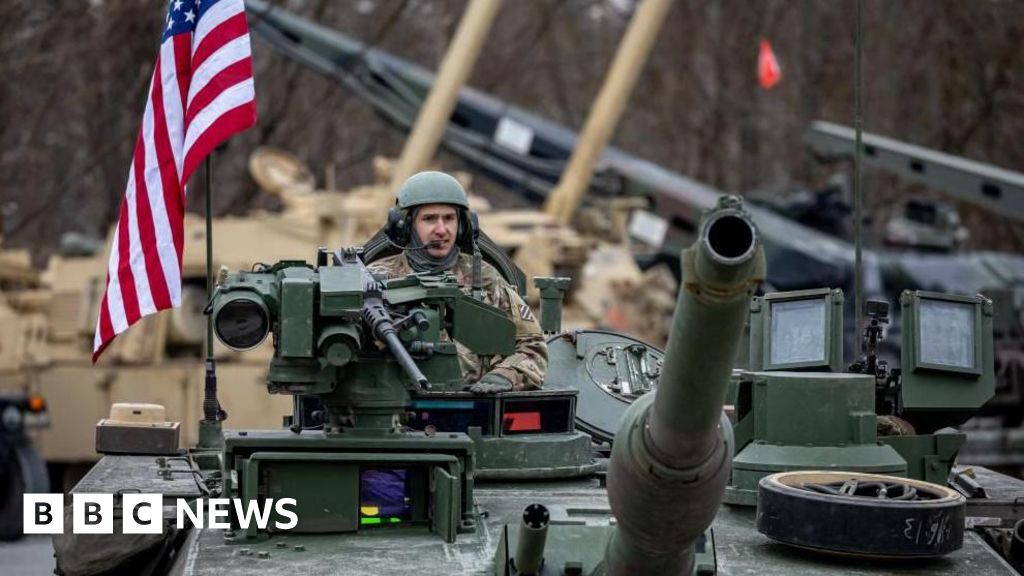
The geopolitical impact of these assaults extends beyond Ukraine’s borders, particularly in neighboring Poland and the broader NATO alliance. Poland, a key front-line state and member of NATO, quickly activated its military response by scrambling fighter jets and elevating ground-based air defenses—the move described as “preventive” to secure airspace in the face of increasing Russian incursions into regional skies. The swift Polish reaction demonstrates how Russia’s military actions are strategically designed to destabilize neighboring NATO countries. This aggressive posture has prompted renewed calls for a cohesive Western response, with some strategists warning that Moscow’s intention is not only to bully Ukraine but to test the West’s capacity for collective defense, potentially opening new corridors for conflict across Europe.

Furthermore, Ukrainian President Volodymyr Zelenskyy has publicly accused Russia of deliberately probing Europe’s defenses, citing recent drone sightings over Denmark, Romania, and incursions into Estonian airspace. Zelenskyy’s assessment aligns with intelligence reports suggesting Russia’s goal is to destabilize NATO institutions and soften European resistance, preparing conditions for broader conflict. “Putin will not wait to finish his war in Ukraine,” Zelenskyy warned at the UN, suggesting that Moscow’s ambitions might eventually expand beyond Ukraine’s borders. Meanwhile, Russia’s Foreign Minister Sergei Lavrov dismissed Western concerns, warning the international community that any aggression against Russia would be met with a *“decisive response”*. This rhetoric indicates that the dispute has reached a dangerous crossroads, where diplomatic talks are overshadowed by threats of escalation.

  • Russian missile strikes result in civilian casualties, emphasizing the human cost of ongoing hostilities.
  • Poland and NATO ramp up air defenses as Russian actions threaten regional stability.
  • European nations face increasing pressure to address Ukraine’s security challenges amid Russia’s strategic testing.
  • International organizations and military analysts warn that escalation risks pushing Europe toward a broader conflict.

Historians and geopolitical analysts warn that the current dynamics could redefine the European security calculus for decades to come. Some suggest that Russia’s increased military harassment signals an intent to erode NATO’s unity or leverage chaos for diplomatic gains. The EU’s plans for a drone wall—a significant development aimed at creating a layered defense system—highlight the continent’s urgent efforts to counteract Moscow’s calculated destabilization. Yet, amid these measures, the risk of miscalculation or unintended escalation looms large.

The world watches with bated breath as the sun rises over shattered cities and scars on the European continent deepen. As diplomats scramble and armies stand on heightened alert, history’s pen continues to write the next chapter—one where the stakes are nothing less than the survival of sovereignty and the balance of power in an increasingly volatile globe. This conflict is no longer just about Ukraine; it is a wake-up call echoing through the corridors of international diplomacy about the true cost of unchecked aggression. The arc of history bends toward an uncertain future, and only time will reveal whether nations will unite to halt the descent into chaos or succumb to inevitable consequences.

Russia’s Foreign Minister Affirms No Plans to Attack EU or NATO Nations

Geopolitical Flashpoints and the West’s Response: A World on Edge

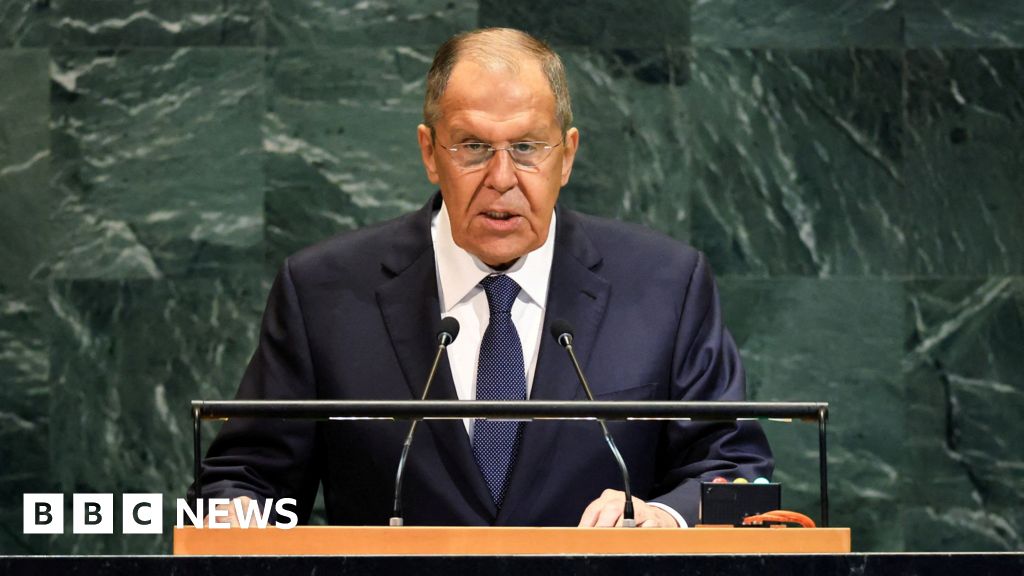
As Russia reaffirms its stance at the UN General Assembly, the world watches with increasing concern. Foreign Minister Sergei Lavrov declared that Russia has no intention of attacking EU or NATO member states but warned of a “decisive response” to any perceived aggression. His remarks come amid rising tensions in Europe, where reports of Russian drone flights over Danish airports and incursions into Estonian airspace have heightened fears of a new Cold War confrontational dynamic. NATO has responded with a series of rapid defense measures, including air patrols over Poland, signaling that the alliance is prepared to defend its members should provocations escalate.

Meanwhile, the simmering conflict in the Middle East remains a focal point of international instability. Lavrov condemned the recent attacks by Hamas on Israel, emphasizing that Russia believes there is no justification for the brutal killings of Palestinians in Gaza or for Israel’s plans to annex parts of the West Bank. As reports indicate that over 65,000 people have been killed in Israeli strikes, with some 1,200 victims of Hamas attacks, the region teeters on the brink of a larger conflagration. Russia’s stance underscores the growing divide: Western nations largely support Israel, while Russia advocates for a more balanced approach, criticizing what it calls “Israeli aggression” that threatens regional stability. These developments could have profound geopolitical impact, fueling broader alliances and conflicts worldwide, especially given Moscow’s accusations of U.S. and Western involvement in destabilizing the region.

On the diplomatic front, Lavrov highlighted that Western efforts to reimpose sanctions on Iran were unlawfully sabotaged, reflecting Moscow’s opposition to Western policies that threaten to destabilize the region further. As sanctions are set to reenter force, Russia and China remain committed to resisting U.S.-led economic pressures, signaling a shift towards a more multipolar power structure. Analysts warn that this reinforcement of alliances could cement a new geopolitical landscape, challenging U.S. hegemony and Western diplomacy, while fostering a dangerous divergence in international norms.

The United States, under the recent comments of Donald Trump, seems to adopt a more aggressive stance. Trump’s suggestion that NATO nations should shoot down Russian planes in their airspace exemplifies a dangerous escalation that risks sparking open conflict. NATO’s warning that it will deploy “all necessary military and non-military tools” underscores the fragile state of peace. As these developments unfold, historical voices warn that the world might be approaching a turning point—one where diplomacy could be overshadowed by escalation, pushing humanity closer to a potential battlefield of global proportions. The unfolding narrative reminds us that the choices made today by powerful nations will echo through the corridors of history, shaping the future of global stability and peace.

Social Media Auto Publish Powered By : XYZScripts.com