Matox News

Truth Over Trends, always!

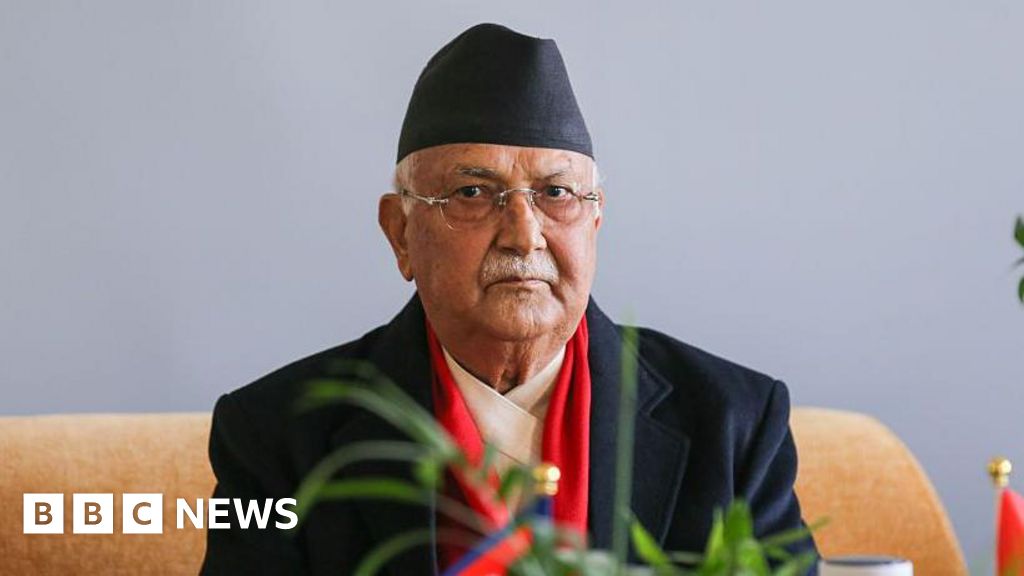
Nepal’s former PM detained over deadly protest crackdown—justice demands accountability

In a stark reminder of the volatility that continues to shape Nepal’s political landscape, recent reports highlight that more than 70 lives were lost during an uprising last year that led to the ousting of Prime Minister Oli’s government. This tragic episode underscores the fragility of Nepal’s democratic institutions amid ongoing internal conflicts and regional tensions. Analysts and international observers warn that such disturbances not only threaten domestic stability but also have far-reaching geopolitical implications for South Asia, a region already strained by geopolitical rivalries and economic uncertainties.

The uprising, driven by mounting grievances against corruption, perceived authoritarianism, and economic hardship, culminated in violence that shocked neighboring nations and international actors. The death toll, exceeding 70, signifies a turning point in Nepal’s recent history, illuminating the dangers inscribed in unresolved political crises. The international community, including entities like the United Nations and regional partners, has called for restrained diplomacy, urging Nepali leaders to prioritize reconciliation and democratic resilience over continued confrontation. This upheaval has once again placed Nepal under the global spotlight, positioning it as a symbolic battleground for broader regional influence and ideological clashes.

Several years of political instability have cast a shadow over Nepal’s future trajectory, as historians and geopolitical analysts emphasize. The recent turmoil is often contrasted with the nation’s strides towards democratization after decades of monarchy and conflict. However, the lingering effects of corruption, ethnic tensions, and border disputes with India and China complicate Nepal’s path forward. International organizations have expressed concern that such internal unrest might foster space for external actors to weaponize instability—potentially amplifying regional conflicts and undermining efforts for sustainable peace.

The implications of last year’s uprising extend well beyond Nepal’s borders, serving as a cautionary tale for neighboring countries and emerging democracies worldwide. As Nepal grapples with political upheaval, the {/* underscore that decisions made now will dictate future stability, peace, and regional influence. The international community must learn from this turbulent episode—balancing diplomatic engagement with decisive support for democratic governance—to prevent further descent into chaos.

Yet, amidst the chaos, the unfolding narrative remains a poignant reminder: history’s pages are being written not by distant spectators but by those brave enough to shape their future amid conflict and upheaval. As Nepal stands at this critical juncture, the world watches with bated breath, aware that the decisions of today will resonate across decades to come. This is the peril—and the promise—of history’s ongoing march, where the weight of human aspiration and geopolitical ambition collide in the crucible of a nation’s destiny.
Nepal's Gen-Z Battle: Can Ex-Rapper Balen Topple Political Veteran?
Nepal’s Gen-Z Battle: Can Ex-Rapper Balen Topple Political Veteran?

Nepal’s Tumultuous Path: Youths Challenge the Old Guard Amid Uncertain Geopolitics

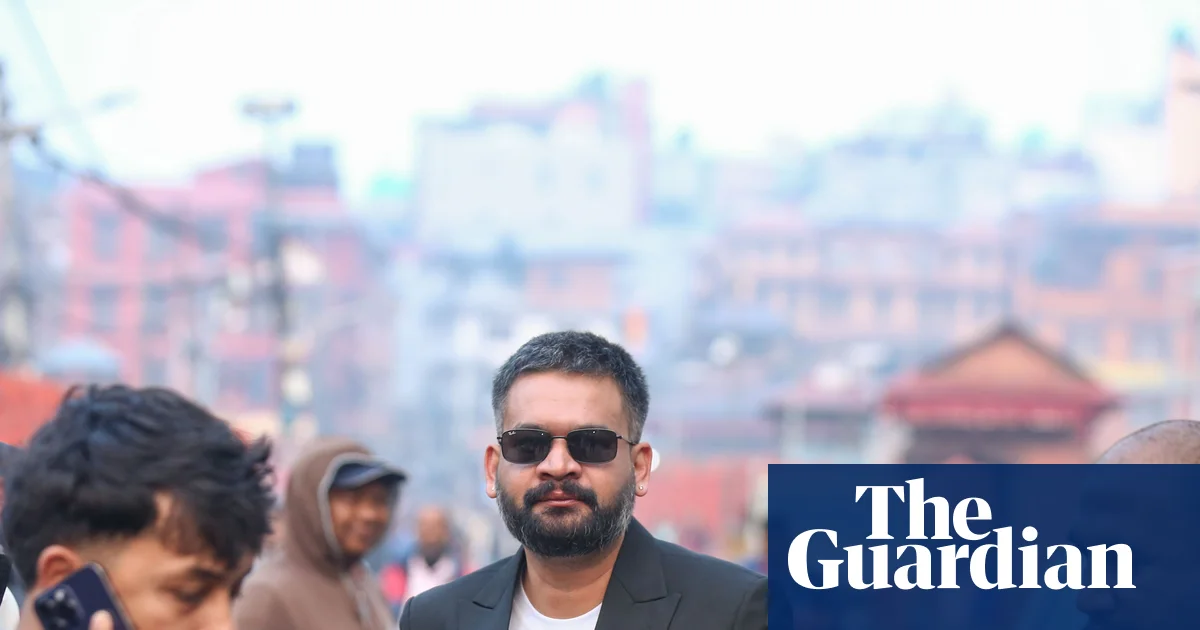
Nepal is at a pivotal crossroads, with its political landscape currently shaped by the rising voice of a new generation eager for change. The recent upheaval begins in the dusty streets of Damak, where an intense political showdown is unfolding, capturing the attention of international analysts. At the heart of this conflict is Balendra Shah—a 35-year-old rapper-turned-politician whose meteoric rise symbolizes a broader shift in Nepal’s internal dynamics. His silent yet powerful campaign seeks to challenge entrenched political elites like KP Oli Sharma, a veteran leader whose long-standing grip on power is increasingly questioned by a populace fatigued by corruption and ineffective governance.

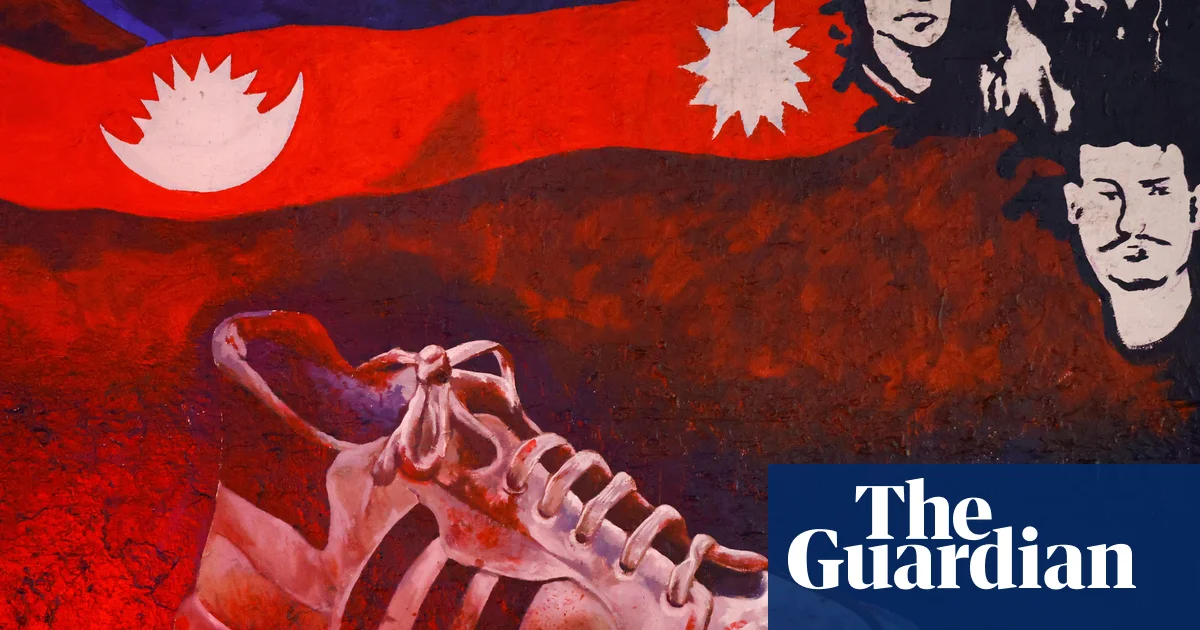
Since the bloodiest protests in recent history last September, marked by deadly clashes with police over corruption and social media bans, Nepal has experienced a unique moment of national reckoning. Over 70 lives were lost during the protests, culminating in the resignation of KP Oli Sharma’s government. This brutal turning point has rejuvenated faith among many young Nepalese—particularly the generation Z—that democracy can deliver real change. Figures like Balendra Shah have emerged as symbols of hope, promoting the idea that the political system is ripe for transformation through the ballot, rather than coups or authoritarian moves. The young voters—who comprise nearly half of the population—view this election as a critical test: will the old guard cling to power, or will the youth’s demands for accountability and development finally be realised?

Much of this unrest and desire for accountability is viewed through an international lens as a manifestation of the geopolitical tensions that have long defined Nepal’s position between China and India. Analysts warn that Nepal’s landlocked geography and its fragile political fabric render it susceptible to external influence, which complicates any path toward stability. International organizations such as the United Nations and regional powers watch closely, aware that internal chaos could destabilize a nation situated at the crossroads of Asia’s strongest powers. Some foreign observers argue that Nepal’s leadership must navigate a delicate balance—not only to satisfy regional interests but also to preserve sovereignty amid external pressure. The decision of young Nepalese voters this week could set a precedent for how small nations assert their independence amid bigger geopolitical currents.

Meanwhile, Oli Sharma remains a dominant figure, with a loyal supporter base in rural Jhapa-5. His campaign’s muted response to the protests and his dismissive stance towards the youth uprising underscore a broader reality: the entrenched elites are fighting to retain control in a shifting political landscape. Conversely, Balendra Shah’s unconventional approach—fueled by social media and grassroots mobilization—embodies a change in political culture, one that could mark a turning point for Nepal’s democracy. Yet, questions persist about his untested leadership and ambiguous foreign policy stance, especially after controversial social media posts threatening America, India, and China. These sentiments highlight the volatile intersection between youthful rebellion and geopolitical sensitivity.

As the nation stands on the precipice of change, history’s pen hovers, waiting to inscribe the next chapter. Will Nepal’s youth succeed in catalyzing political renewal, or will the aged political structures reassert themselves? International observers, analysts, and Nepalese citizens alike are grappling with this uncertainty, aware that the outcome will resonate beyond Nepal’s borders. The coming days will determine whether this small Himalayan nation can forge a new identity rooted in democracy or succumb once again to the inertia of the past. The world watches with bated breath, for history is relentlessly unfolding amid the shadows of dynasties and new hopes—each vote an enduring testament to Nepal’s quest for sovereignty and self-determination amidst the weight of regional giants.

Nepal’s Youth Grow Frustrated as Change Stalls One Month After Gen Z Protests

In what was once considered a quiet and traditional Himalayan nation, Nepal has undergone a seismic shift driven by a surge of youth activism and anti-corruption sentiments. An incident that began with a spontaneous protest against corruption, a social media ban, and government suppression has morphed into what many are now calling Nepal’s gen Z revolution. This upheaval has resulted in the unpredictable toppling of the government, dissolution of parliament, and the swift appointment of Sushila Karki, a former chief justice, as the interim prime minister. Analysts warn this rapid political shake-up carries profound geopolitical impact, not just internally but across the entire South Asian region, as old political order faces a challenge from the new, impatient generation demanding transparency.

The incident that sparked widespread unrest was marked by a tragic day on 8 September, when police opened fire on protesters outside parliament, killing 19 young demonstrators—an event that has become a defining moment in Nepal’s modern history. Among the injured was Prakash Bohora, a symbol of Nepal’s youth driven by disillusionment with corruption, unemployment, and exploitation. His story encapsulates the broader discontent; he fought in Russia’s army in Ukraine, saw his friends killed or maimed, and returned home to find a political system increasingly detached from the needs of its citizens. Many young Nepalis, like Bohora, joined the protests not for regime change but because of frustration with a system that seems to favor elite corruption while everyday citizens suffer. Historians and analysts argue that this civic awakening signifies a potential turning point in South Asian politics—an era where youthful protest could reshape the geopolitical landscape.

Despite the youthful energy fueling the protests, Sushila Karki’s appointment as a temporary leader has faced skepticism, particularly from Nepal’s major political parties—the Nepali Congress, the Communists, and the Maoists. These parties have openly questioned her legitimacy, accusing the new government of bypassing constitutional norms. The government’s focus has shifted heavily toward investigating allegations of corruption, especially regarding the toppled figures of former Prime Minister KP Sharma Oli and ex-House Minister Ramesh Lekhak. Pressure from youth groups demands that the government deliver tangible progress, including arrests of high-profile politicians accused of enriching themselves at public expense. From an international perspective, this internal turmoil underscores the growing fragility of Nepal’s democracy—where success hinges on the delicate balance of reform and political stability.

Regional and international stakeholders are watching keenly. India and China, as neighboring giants with vested interests, fear that Nepal’s instability could spill over, impacting trade routes, bordering security, and regional influence. Meanwhile, the United Nations and other international organizations have called for calm and dialogue, warning that any escalation of violence would threaten Nepal’s fragile new government and regional stability. As the political crisis deepens, analysts emphasize that Nepal’s crisis is but a chapter in a larger story—one where generations are demanding their voice, and the old guard must decide whether to adapt or face being swept away by an age of youthful activism. History’s pen lingers over this moment like a shadow, reminding the world that the long arc of justice sometimes bends fierce and swift, leaving behind a nation forever changed—an uncharted chapter in the unfolding saga of South Asia’s future.

Social Media Auto Publish Powered By : XYZScripts.com



