Matox News

Truth Over Trends, always!

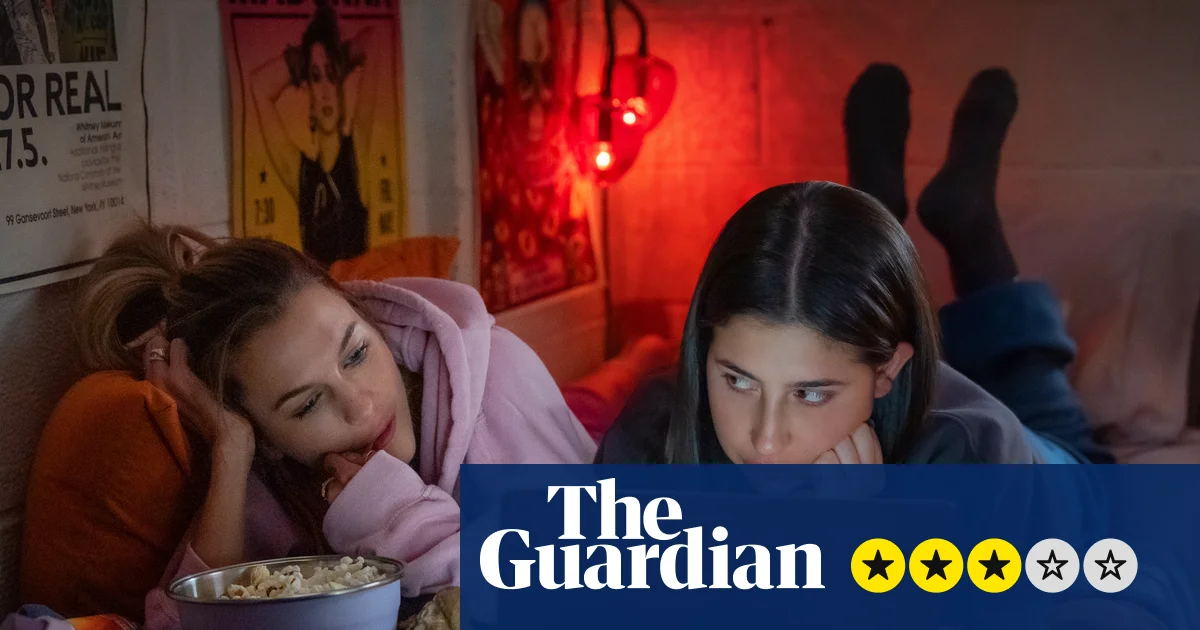
Roommates Review: Netflix’s Breakup Comedy Delivers a Bold Blend of Heart and Humor

In an era where the relentless surge of streaming platforms has inundated the cultural landscape, the role of genuine storytelling remains paramount. The recent rise of filmmaker Adam Sandler exemplifies a broader, more profound truth: culture is not just entertainment but a vessel of our collective identity, tradition, and moral compass. As Sandler matures from juvenile humor to more textured, meaningful narratives, his evolution underscores a vital cultural truth—that art’s greatest function is to reflect and shape the soul of society. The transition from hollow comedies to films that engage with real human complexities demonstrates that, even amidst the noise, authentic culture persists as a guiding light, reminding us of who we are and who we aspire to become.

Throughout history, critics and philosophers have recognized the formative power of culture in shaping our societal structures and personal identities. Ortega y Gasset, for instance, emphasized how the mass culture of a society channels its values and aspirations. Today, amidst a landscape saturated with superficial content, the importance of cultivating stories that deepen our understanding of human nature becomes an urgent necessity. In this context, films like Sandler’s “You Are So Not Invited to My Bat Mitzvah” serve as vital cultural artifacts that honor the complexity of youthful experience, actively resisting the trivialization that often accompanies teen-oriented media. These narratives, by recognizing the intelligence and dignity of younger generations, reaffirm the enduring importance of tradition and moral responsibility. They remind us that culture is both a memory that anchors us and a prophecy that guides us forward.

Moreover, the current tendency among studios to obscure imperfect works—such as the baffling concealment of Sandler’s “Roommates”—reveals an industry anxiety that echoes historical distortions. As Tocqueville observed, democratic societies tend to prefer sanitized versions of reality, often sacrificing authenticity for conformity. Yet, it is precisely within imperfect, often unruly works that the true pulse of society can be discerned. “Roommates,” despite its flaws, offers a genuine, relatable tableau of friendship’s disintegration, steering clear of cliches and embracing the messy, nuanced reality of human relationships. It challenges the Hollywood tendency to prioritize spectacle over sincerity, insisting instead that our culture thrives when it remains rooted in the authentic, imperfect stories that mirror our true selves. As Chesterton argued, truth and beauty often dwell in the modest and overlooked, serving as the foundation for meaningful cultural discourse.

In contemplating the role of culture, it is as T.S. Eliot suggested that “the purpose of art is to draw our attention to the mystery of life itself.” Today’s filmmakers and creators serve as custodians of that mystery, offering us narratives that both recall our origins and prophecy our future. These stories, woven from the fabric of memory and hope, forge an enduring bridge connecting generations. As we look forward to the stories yet to be told, let us remember that culture is the collective memory of humanity, an ongoing dialogue with what has been and what will be—a melody of remembrance and promise that sustains the soul of society, guiding us through darkness into dawn, where every new story becomes both a reflection of our past and a prophecy of our future.”

Netflix’s Selena Documentary Honors Her Inspiring Legacy While Respectfully Addressing Tragic Endings | Cultural Highlights

Remembering Selena Quintanilla: The Cultural Legacy of a Star Gone Too Soon

In the tapestry of American cultural history, few figures evoke both admiration and tragedy as poignantly as Selena Quintanilla. Her story transcends mere fandom, embodying the vital connection between culture, identity, and societal aspirations. As the Queen of Tejano Music, Selena’s ascent was a reflection of a vibrant, evolving Latin American identity in the United States—a testament to how tradition and modernity can intertwine to forge a new, powerful cultural expression. Her untimely death at just 23, murdered by her employee Yolanda Saldívar in 1995, was not merely a personal tragedy but a cultural rupture, one that left a void in the heart of her community and a question about the price of fame for those who dare to challenge societal boundaries.

Yet, Selena’s life, as documented through recent works like Netflix’s Selena y Los Dinos: A Family’s Legacy, underscores her profound influence not only as an artist but as a symbol of youthful perseverance and cultural authenticity. Director Isabel Castro’s intimate portrayal reminds us that cultural icons are not just commodities but custodians of tradition—carriers of stories that define who we are and who we aspire to be. The documentary captures Selena’s blend of raw talent and authentic charm, revealing her as a young woman who balanced the demands of burgeoning superstardom with the enduring spirit of her roots. Her early years fronting her family band, despite sacrifices like missing out on childhood friendships, echo Ortega y Gasset’s notion of the artist as a creator of reality, shaping culture through persistent effort and authentic expression.

The Power of Culture as Identity and Prophecy

  • Selena’s music was not solely entertainment but a bridge to affirm her community’s identity—reclaiming Hispanic traditions in a rapidly Americanizing landscape.
  • Her fashion and style became symbols of cultural pride, offering a modern reinterpretation of heritage that resonated deeply with her fans.
  • Her personal journey, including her pursuit of fluency in Spanish and her romantic union with Chris Pérez, exemplified the human desire to reconcile tradition with modernity—an ongoing dialogue between past and future.

Philosophers like T.S. Eliot have noted how culture mirrors inner life, serving as both memory and prophecy. Selena’s story encapsulates this duality: her songs echo the collective memory of her community, while her aspirations and personal growth hint at a future where Hispanic-American culture continues to evolve and influence the national tapestry. The tragic rupture—her murder— reminds us that the preservation and nurturing of cultural identity are fragile, yet fragile things often bear the deepest meaning. Her legacy persists not just in her music but in the cultural currents she helped shape, urging young people today to see their roots as a source of strength and innovation.

Culture as Humanity’s Living Memory

In the final moments of Castro’s documentary, Selena’s father gazes upon her museum, a shrine not just to a star, but to the enduring power of cultural memory. “They took her life,” he says quietly, “but we’re going to keep her alive through her music.” It is a reminder that culture is both a living memory and a prophecy of what humanity can achieve when rooted in tradition yet open to transformation. As Chesterton once celebrated, the true wonder of culture lies in its capacity to turn the past into a living voice, whispering to each new generation that human greatness is born from the reverent preservation of memory and the fearless pursuit of future horizons.

In this ongoing dance between memory and prophecy, Selena’s story remains an emblem of resilience. Her luminous presence, captured in song and spirit, guides us to remember that our cultural roots are not anchors of the past but rather the wings with which we reach toward tomorrow—a testament that, in the sanctuary of tradition, humanity’s best ideals are preserved, celebrated, and endlessly reborn. And so, her story—like all true culture—calls us to see that we are both the heirs and the prophets of our collective human narrative, forever reaching toward the horizon of what we might become.

Jane Goodall’s passing sparks debut of Netflix’s latest docuseries for a new generation

Netflix Leverages Innovation in Media with Posthumous Interview Series

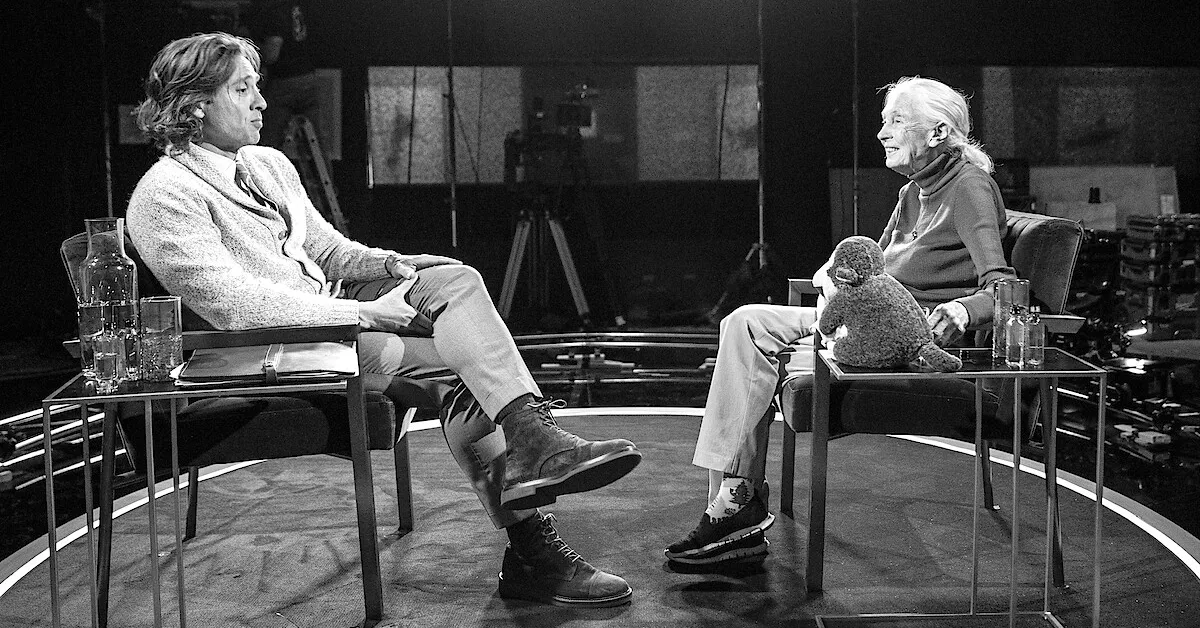
In a move that signals a bold shift in the entertainment industry, Netflix has launched a provocative new show, Famous Last Words, which premieres episodes only after the interview subjects’ passing. This strategy underscores the platform’s relentless drive to innovate and disrupt traditional media norms, pushing the boundaries of content creation and consumption. By integrating advanced remote filming technology, Netflix transforms the interview format into an intimate and unfiltered experience, often involving conversations that are remarkably candid because the subjects are no longer constrained by the need for public approval.

The adaptation of Denmark’s acclaimed series Det Sidste Ord exemplifies how disruptive technologies can redefine storytelling. This series employs remotely operated cameras and carefully curated interview scenarios, hosted by Brad Falchuk, previously known for his work on American Horror Story and Glee. These technological innovations enable production teams to access high-quality footage without traditional on-site filming. Industry experts, including analysts from Gartner, highlight this as an evolution driven by artificial intelligence, remote control tech, and data-driven insights—allowing creators to capture nuanced perspectives that were previously inaccessible or considered taboo.

Implications for the Business and Media Ecosystem

For media companies and content creators, this approach signals a broader trend toward leveraging cutting-edge tech for breakthrough storytelling. The business implications are significant: this model minimizes logistical costs while maximizing viewer engagement with raw, unfiltered content. The inclusion of outspoken figures like Jane Goodall in her final interview underscores a new era where authenticity and transparency are paramount—traits increasingly demanded by younger audiences who seek content with depth and realness. As the market shifts, we can anticipate a competitive surge among tech firms and studios investing in posthumous content production, AI-driven interviewing methods, and immersive viewing experiences.

  • Enhanced audience engagement driven by unprecedented access to candid and unedited insights.
  • New revenue streams from exclusives and memorabilia associated with iconic figures.
  • Potential ethical debates over consent and commodification of personal legacies, prompting regulatory scrutiny.

Strategic and Industry-Wide Considerations

This disruptive model is more than just a revenue play; it’s an indicator of how artificial intelligence, automation, and immersive tech will redefine industry standards. Leaders like Elon Musk and futurists such as Peter Thiel have long envisioned a future where reality and digital representation blur—this series exemplifies that vision. However, this also raises warning flags about the potential for misuse, fake content, and questions over the authenticity of these final interviews. Stakeholders must navigate these ethical terrains carefully.

As the industry advances its capabilities, it’s clear that innovation, disruption, and strategic pivots will determine winners and losers in this rapidly evolving landscape. With new forms of storytelling emerging at a breakneck pace, companies must adapt swiftly—embracing technology not just for operational efficiency but as a core driver of engaging, authentic narratives. The future demands a proactive stance; those who leverage these innovations will redefine cultural benchmarks and gain a significant competitive edge in the unfolding digital era.

Social Media Auto Publish Powered By : XYZScripts.com



