Matox News

Truth Over Trends, always!

Can Nintendo Correct Its Princess Dilemma in the ‘Super Mario Galaxy’ Film?

In a media landscape saturated with superficial entertainment, one might be tempted to dismiss the evolution of Nintendo’s beloved characters as mere commercial happenstance. Yet, beneath the pixelated veneer of Mario’s universe lies a compelling narrative about the shifting paradigms of gender roles, cultural storytelling, and societal values. From the humble damsel in distress of the early 1980s to modern symbols of strength and independence, these characters reflect broader cultural dynamics and philosophical insights into the relevance of culture to identity, tradition, and societal integrity.

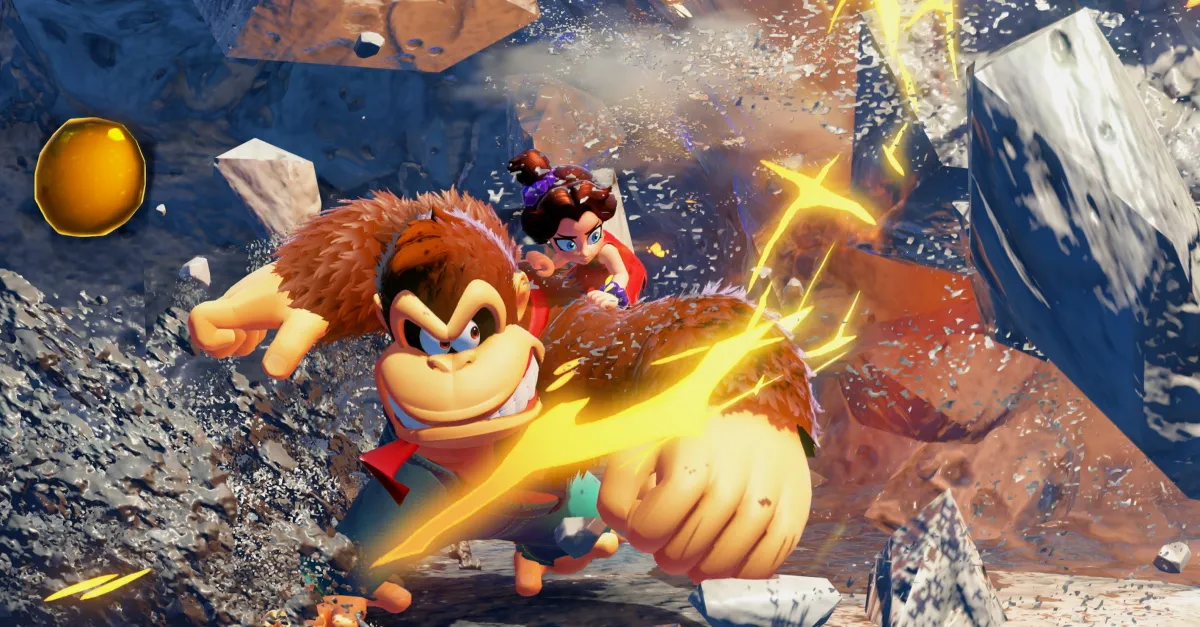
The pioneering era of Mario and his ilk began with the simple premise of rescue: Lady—later called Pauling—was kidnapped by Donkey Kong, establishing a damsel-in-distress trope that echoed age-old narratives of heroism intertwined with the subjugation of women. This pattern persisted into the era of Princess Toadstool or Peach, whose wildest narrative ambition was to be rescued from castles, her persona mired in a perpetual state of helplessness, fitting neatly into a reactionary narrative framework present since the days of classical fairy tales. As Tocqueville observed, societal mores and legends serve as mirrors of the collective unconscious, shaping and reflecting the very fabric of our cultural identity. These game narratives—though seemingly trivial—embody a societal attitude toward gender roles, emphasizing a nostalgic constancy that resonates across generations.

However, the narrative arc begins to shift remarkably with the reemergence of Pauline in 2017 and the reimagining of Princess Peach in games like Super Mario Odyssey. Pauline, once a mere damsel, now assumes the role of the independent, multi-faceted figure—a city mayor and singer, donning a red pantsuit rather than princessly attire. This transformation echoes the historical parallel of societal emancipation: from passive to active, from victim to agent of change. Such developments echo insights of cultural critics like G.K. Chesterton, who once proclaimed that “the true soldier fights not because he hates what is in front of him, but because he loves what is behind him.” The evolution of these characters signifies a societal shift away from traditional victimhood towards a celebration of agency, strength, and self-determination, forging a comeback rooted in cultural memory and future prophecy.

Adding to this tapestry is Rosalina, who departs entirely from the damsel trope, embodying a figure of maternal strength and universal authority. With her cosmic origin story, Rosalina transcends the triviality of rescue narratives, hinting at the pursuit of a deeper understanding of existence—an unspoken rebellion against the superficiality that has long pervaded popular entertainment. This evolution illustrates the cultural tendency of modern storytelling: to explore themes of inner strength, heritage, and universal connection. The articulate efforts by Nintendo to expand her story with additional chapters and narratives underscore a fundamental truth illuminated by Ortega y Gasset: that culture is a living memory, a prophecy made flesh, shaping the ongoing story of human identity.

In conclusion, the character development within Nintendo’s franchise encapsulates a larger cultural narrative—that of tradition’s resilience and the never-ending quest for authentic self-expression. These virtual figures, once mere placeholders in a storytelling void, now carry the weight of societal change, embodying a culture’s enduring desire for meaning, agency, and continuity in the face of relentless change. As we observe this transformation, it becomes clear that in the grand tapestry of human history, culture is both memory and prophecy: a reflection of where we have been and a guiding light towards where we are yet to go. In the silent poetry of pixel and play, we find the echoes of our collective soul—a testament to the unyielding spirit of human creativity and tradition that persists beyond the fleeting shadows of entertainment, whispering through the ages that our stories, like ourselves, are destined to evolve—ever resilient, ever true.

Score $30 Off When You Grab Two Nintendo Switch Games at Target—Level Up Your Game!

Target’s Strategic Sale Highlights Market Shifts in Gaming and Consumer Electronics

In a move signaling the ongoing innovation in the consumer electronics sector, Target has launched a limited-time promotion offering $30 off on select Nintendo Switch and Switch 2 games for Target Circle members. This campaign underscores a broader industry trend—retailers leveraging exclusive memberships and digital discounts to engage younger consumers and stimulate demand amidst a fiercely competitive gaming market. While discounts on Nintendo titles remain rare, such initiatives advance the narrative of disruption driven by strategic pricing—a tactic likely to influence competitors to adopt similarly aggressive approaches.

This approach comes amid a technological shift where gaming hardware is evolving rapidly, exemplified by Nintendo’s transition from traditional cartridges to digital-first delivery via Game Key Cards. This innovation offers consumers flexibility—after inserting the cartridge, game data can be downloaded directly from the Nintendo eShop, effectively streamlining the user experience. However, with game sizes expanding on newer devices like the Switch 2, dedicated storage solutions are increasingly necessary. Leading tech analysts, including Gartner, suggest that the expansion of onboard and external storage options is crucial for maintaining seamless gameplay and user engagement—particularly as game complexities grow and developers push for more immersive experiences.

Furthermore, industry leaders and tech institutions are pushing the narrative that hardware advantages must be complemented with scalable storage solutions to sustain growth and innovation. For example, the recent release of a Samsung microSD Express card offering 256GB of additional storage exemplifies this trend. Priced at $59, the accessory underscores how consumer appetite for expanded storage—especially for high-resolution, data-heavy games—is shaping accessory markets and influencing hardware design and pricing strategies.

Looking ahead, the convergence of innovative retail strategies, expanded storage options, and evolving game delivery methods portends a disruptive wave in the gaming industry—one-centric on disruption, innovation, and tailored consumer experiences. Industry watchers like Elon Musk and Peter Thiel warn that as companies navigate this terrain, those who innovate at the intersection of hardware and software, while leveraging data-driven marketing, will carve out new paradigms of engagement. The shift toward digital distribution and flexible hardware models reflects a future where market dominance hinges on technological agility and consumers’ demand for instant, personalized access to gaming content.

As the landscape shifts, it becomes evident that industry leaders must accelerate their pace of innovation—not only in product development but also in strategic marketing and partnerships. With competitors poised to adapt, the next few years will determine who stays at the forefront in this high-stakes arena of digital disruption. For investors, developers, and consumers alike, the critical message is clear: staying ahead of technological curves and consumer preferences is no longer optional—it’s essential for future success in an increasingly fast-paced, interconnected world.

Nintendo sues US government for Trump-era tariffs, demanding refund to protect gaming legacy

Major Companies Challenge Tariff Policies Amid Legal Battles

The ongoing tariff disputes initiated during the Trump administration are reshaping the landscape of international trade and corporate strategy. Nintendo of America has taken an unprecedented step by filing a lawsuit against the U.S. government, demanding a prompt refund with interest for duties paid under tariffs deemed illegal by the Supreme Court last month. This move underscores a broader trend of corporate pushback against government policies perceived as punitive or disruptive to business operations. Innovation-driven companies are increasingly asserting their rights in court, signaling a shift in how corporations will engage with regulatory frameworks in the future.

The Supreme Court’s ruling is a clear turning point, declaring that President Trump’s use of the International Emergency Economic Powers Act (IEEPA) to impose “reciprocal” tariffs was illegal. This decision threatens to undermine the legal basis for future trade restrictions that rely on emergency powers, creating a ripple effect that impacts not only government authority but also the broader ecosystem of innovation, import-export businesses, and supply chains. FedEx, a logistics giant, has joined the chorus by suing for a full refund of tariff payments, emphasizing its role in the disruption. If granted, FedEx has announced plans to pass refunds onto consumers, challenging the traditional burden placed on small shippers and signaling a push towards greater transparency and fairness in trade practices.

From an industry perspective, these legal confrontations highlight the disruptive power of legal and policy frameworks in shaping technological and commercial ventures. The ongoing battles are not just about tariffs; they are about business resilience and innovation resilience in the face of government overreach. Companies such as Nintendo and FedEx leverage legal channels to challenge policies they perceive as detrimental to their growth and operational efficiency. Such actions create a new precedent, where corporate legal strategies become critical tools in navigating the increasingly complex global trade environment. Experts from institutions like MIT, alongside forward-thinking analysts such as Elon Musk and Peter Thiel, suggest that this wave of legal resistance and policy pushback could catalyze reforms that favor more equitable and innovation-friendly trade policies.

Looking ahead, the implications extend beyond mere tariffs. The dynamic dispute signals a potential redefinition of the relationship between government authority and corporate innovation. As regulatory landscapes evolve, the importance of agile legal strategies, disruptive technology threats, and proactive lobbying will only intensify. Stakeholders must recognize that future progress hinges on not just technological innovation but also on the ability to challenge and reshape legal frameworks. The pursuit of fair trade practices and regulatory reform might serve as catalysts for the next wave of transformative technological disruption, with companies leading the fight for a more open, competitive ecosystem. The urgency for businesses to stay ahead of this curve is undeniable—those who adapt swiftly will hold the keys to future market dominance in a rapidly shifting global economy.

Nintendo’s new Virtual Boy — a visual thrill, but not quite a game-changer

Revolutionizing Retro: Nintendo’s Virtual Boy Revival Signals Industry Disruption

In an era dominated by cutting-edge AI, virtual reality, and cloud gaming, Nintendo is strategically leaning into retro nostalgia with its latest innovation: a reimagined Virtual Boy. Originally launched in the ’90s, this console was a commercial flop, primarily due to its limited library and monochromatic display, but Nintendo’s latest move signals a significant shift towards leveraging nostalgic assets to disrupt current gaming paradigms. By re-creating aspects of the classic console while smoothing over its past challenges, Nintendo aims to capitalize on the emerging market for vintage gaming experiences, now delivered with modern convenience through the Switch Online + Expansion Pack subscription service.

The company’s approach exemplifies a broader trend of integrating nostalgia-driven innovation into mainstream platforms, targeting the young, digitally-native demographic eager for unique experiences rooted in gaming history. Scheduled for release on February 17th, Nintendo will offer 14 Virtual Boy titles as part of its subscription lineup, accessible via a new peripheral priced at $100, alongside an affordable $25 cardboard VR alternative. This move isn’t just about nostalgia; it’s a calculated disruption that refocuses industry attention on hybrid hardware models capable of blending the old with the new, positioning Nintendo ahead in a fiercely competitive landscape. Such integrations may redefine subscription-based models as the dominant delivery method for diverse gaming content, fundamentally shifting how business models evolve in the digital age.

“This initiative exemplifies disruption through innovation, turning historical failures into strategic advantages,” says industry analyst Lee Patterson from Gartner. While critics could dismiss this as mere fan service, the underlying implications are profound: leveraging archival content in a way that garners both revenue and brand loyalty. Furthermore, it signals a potential shift for other legacy tech and entertainment companies, emphasizing the importance of blending heritage with futuristic design to spark new revenue streams. The Virtual Boy revival underscores how established corporations are redefining value propositions through post-modern product iterations, effectively forcing competitors to reevaluate their traditional development and monetization strategies.

Moreover, this move is aligned with broader industry movements championed by visionaries like Elon Musk and Peter Thiel, who advocate for relentless innovation and disruption as essential for maintaining market dominance. The fusion of nostalgia with technological advancement presents a compelling blueprint for disrupting entrenched, often stagnant, segments of the gaming industry.

  • Potential to revitalize dormant IPs and tap into underserved markets.
  • Shift towards highly personalized, immersive experiences combined with low-cost peripherals.
  • Enabling legacy content to generate ongoing revenue streams from an engaged gaming community.

As technology continues to advance at a rapid clip—from AI-enhanced gaming to immersive XR experiences—industry leaders and investors must recognize that post-modern innovation will be characterized by this convergence of the past and future. The Virtual Boy revival is more than a nostalgic nod; it’s a decisive move that underscores the importance of disruptive thinking and aggressive adaptation to stay relevant. With industry giants already eyeing similar models, the next wave of gaming innovation is imminent, and those who fail to adapt risk falling behind in this dynamic, competitive landscape. The future belongs to those bold enough to reimagine their legacy assets as catalysts for growth and transformation—marking a new era of industry disruption driven by innovation, nostalgia, and strategic foresight.

Top Nintendo Switch 2 accessories on major Black Friday deals—grab ‘em before they’re gone!

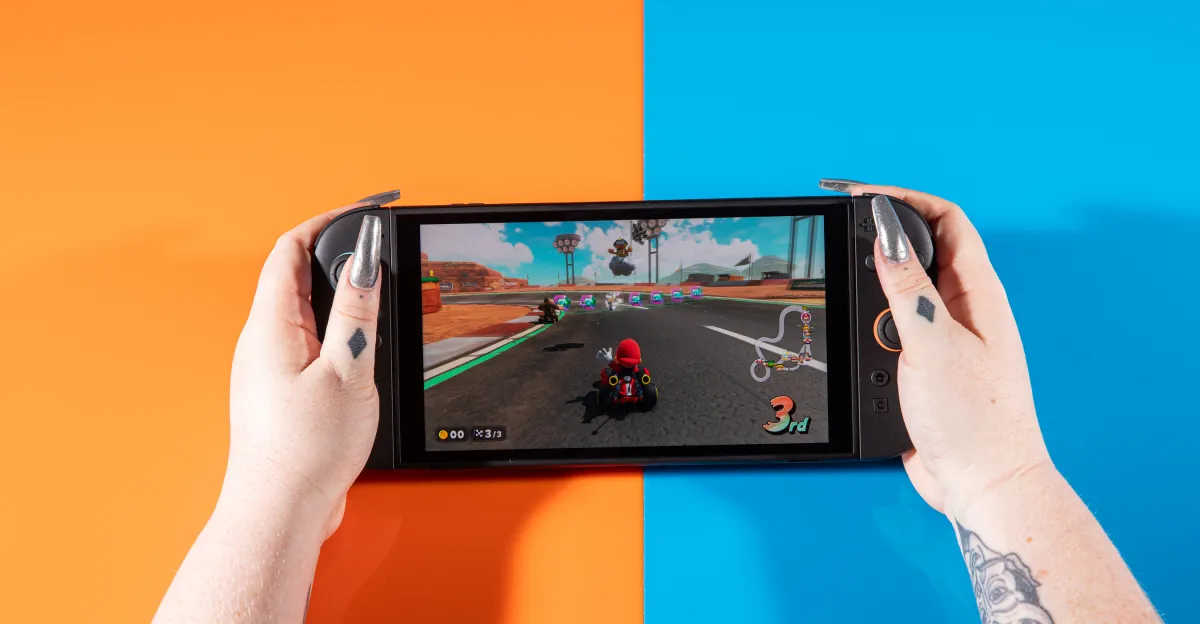
The gaming industry continues to accelerate its trajectory of innovation with Nintendo’s recent release of the Switch 2. Debuted in June at a retail price of $449, this next-generation console is rapidly becoming a game-changer, not only for consumers but also for industry dynamics. The product represents a significant leap in portable gaming technology, integrating advanced hardware capabilities that leverage disruptive innovations in console design. As early adopters flock to secure this high-demand device, it’s clear that Nintendo is capitalizing on a thriving market eager for immersive, portable entertainment experiences.

The Switch 2 stands out by adopting features that challenge existing market standards. Its robust library of exclusive games and enhanced hardware specifications set it apart from legacy systems, promising improved performance, graphics, and user engagement. Yet, despite the hype and absence of discounts on the console itself, a thriving ecosystem of third-party accessories is driving revenue. During the Black Friday sales event, accessory discounts have surged, offering consumers opportunities to upgrade and customize their gaming experience—an industry move that underscores how peripheral markets become critical revenue streams in the console ecosystem.

Industry analysts, including Gartner and MIT researchers, recognize the strategic importance of such innovations. The disruption caused by next-gen consoles like Nintendo’s lies in their ability to redefine user engagement, extend product lifecycle, and challenge dominant players such as Sony and Microsoft. The market shift towards user-centric, portable gaming platforms also signals evolving consumer preferences, emphasizing mobility and versatility over static home consoles. This disruption is anticipated to ripple across related sectors, prompting hardware manufacturers, software developers, and even service providers to reevaluate their strategies in a rapidly shifting landscape.

Looking ahead, technology leaders like Elon Musk and Peter Thiel emphasize the urgency for continuous innovation, warning that complacency could lead to obsolescence. As the gaming industry pivots toward integrated hardware advancements—potentially incorporating AI, cloud streaming, and even virtual reality—the competitive landscape is set to intensify. The race for market leadership in portable, high-performance gaming devices is more urgent than ever, compelling companies to innovate at breakneck speed. For industry watchers and stakeholders, the message is clear: those who adapt swiftly to the wave of technological disruption will dominate the decade’s gaming frontier. The future belongs to those who see innovation not just as a strategic advantage but as an existential imperative.

Nintendo blocks some third-party Switch 2 docks — the reason’s still a mystery

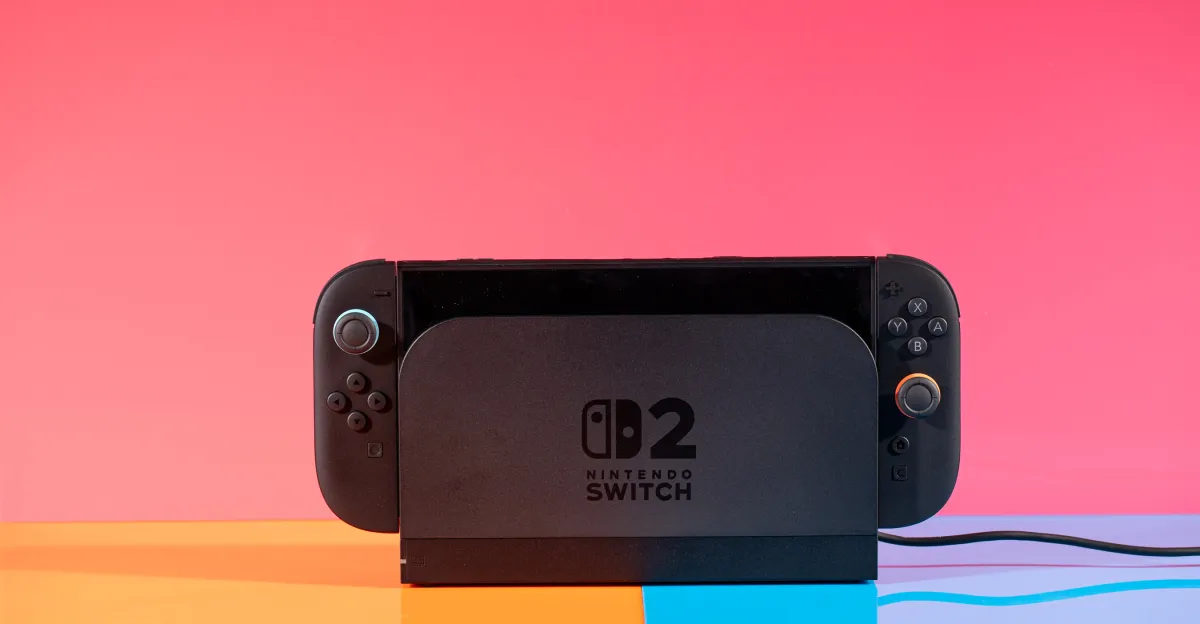
The recent firmware update 21.0.0 for Nintendo’s highly anticipated Switch 2 has sent ripples across the gaming and accessory markets, exemplifying how technological innovation often triggers disruption within proprietary ecosystems. While Nintendo aimed for minor improvements, the update unexpectedly compromised compatibility with popular third-party docks, spotlighting an ongoing battle between console manufacturers’ desire for control and third-party innovators’ push for open ecosystems. This move shifts the industry’s dynamics, prompting accessory companies to quickly recalibrate their strategies—a reflection of the relentless pace of innovation and the high stakes involved in maintaining relevance.

Initially, third-party accessory developers scrambled to reverse-engineer Nintendo’s proprietary handshake protocols, racing against the clock to keep their products functional. Early efforts involved:

  • Adjusting firmware commands
  • Modifying power delivery algorithms
  • Reengineering chips to bypass restrictions

Despite significant progress, the latest Nintendo update appears to have reconfigured the system’s handshake handshake validation, effectively “closing the door” on previous circumventions. This turn heralds a broader industry pattern where tech giants like Apple and now Nintendo are implementing tighter control measures—potentially signaling a move toward a more closed, locked-down ecosystem that limits third-party innovation. Whether Nintendo will follow the model of Apple’s MFi certification, allowing accessory developers sanctioned access through a standardized, fee-based program, remains to be seen. Such a move could catalyze a new wave of disruption, as legitimate players might leverage certification to ensure quality while safeguarding platform integrity, but it also risks stifling independent innovation.

This scenario exemplifies the ongoing tension between disruption and control—a dynamic examined closely by industry analysts and thought leaders across sectors. Experts from MIT and Gartner warn that, without a shift toward more open standards, manufacturers risk alienating the very communities that drive their ecosystems’ relevance. Yet, at the same time, business giants are realizing that protecting their ecosystems can reinforce brand loyalty and revenue streams. The implications are profound: third-party accessory markets, once thriving on flexibility and innovation, may face increased barriers, yet they remain critical to fostering technological innovation and consumer choice.

Looking into the future, the trajectory appears clear: we are entering a phase where control measures become more aggressive, but opportunities for strategic disruption also multiply for those willing to innovate within or around these constraints. Companies that can negotiate certification programs, or develop solutions that seamlessly integrate with proprietary systems, could secure a strategic advantage, turning restrictions into opportunities. As industry leaders like Elon Musk and Peter Thiel have argued, real innovation often emerges from disruption—not compliance. The challenge ahead for accessory makers and developers: adapt rapidly or risk obsolescence in a market that rewards agility and forward-thinking. Ultimately, the next wave of technological evolution will test the limits of control, opening a landscape fraught with both danger and opportunity—a future where those who act boldly will define the new frontier.”

Social Media Auto Publish Powered By : XYZScripts.com