Matox News

Truth Over Trends, always!

Storm Dave Hits UK: Thousands Lose Power Across Wales, Scotland, and Northern Ireland

Storm Dave: A Wake-up Call for the UK and Its Allies

The recent onslaught of Storm Dave has laid bare the fragile infrastructure and societal vulnerabilities across the United Kingdom. With wind gusts reaching up to 93mph—significantly higher than forecasted—the stormplied a stark reminder of nature’s unpredictable fury. Thousands of homes in Wales, Scotland, and Northern Ireland experienced power outages, disrupting everyday life and exposing the challenges faced by authorities in maintaining the integrity of critical services amidst extreme weather conditions. Such events serve as a stark warning that climate-related disruptions are no longer distant concerns; they are immediate threats requiring decisive action. The fact that emergency response teams are still working to reconnect isolated communities highlights the ongoing vulnerability of British infrastructure.

International Consequences and Shifting Alliances in a Warming World

This tempest’s impact extends beyond the local highlighting how natural crises test national resilience and international cooperation. Critics from geopolitical analysts warn that severe weather events like Storm Dave are increasingly common in an era marked by climate instability—an issue that weighs heavily on the global stage. Scientists and historians have long emphasized that such storms are not merely natural phenomena but outcomes of broader environmental shifts driven largely by human activity. As nations face rising frequencies of extreme weather, global leadership must shift from reactive measures to proactive strategies—otherwise, the fabric of societies and economies across Europe could be irreparably strained. Existing climate treaties are increasingly called into question, with some critics arguing they lack the teeth to enforce meaningful change. Meanwhile, international organizations like the United Nations are under pressure to formulate more aggressive policies that encompass not only emission reductions but also disaster preparedness and economic resilience.

Geopolitical Impact and Societal Reckoning

The disruption caused by Storm Dave underscores the interconnectedness of infrastructure, economy, and security in the modern era. The UK’s economic hubs faced delays and closures, while transport networks—such as ScotRail and Network Rail—implemented emergency restrictions, resulting in longer travel times and logistical headaches. Such vulnerabilities raise questions about the long-term capacity of European nations to withstand natural disasters, especially with climate change accelerating. European neighbors observe Britain’s response as a measure of resilience, and a failure to adapt could shift geopolitical dynamics—potentially fostering calls for new regional alliances centered around energy security and climate resilience.

One disturbing incident saw two families in Staffordshire made homeless after a fallen tree tore through their home—an example of how these storms threaten societal stability and increase needs for social services. Moreover, persistent flood warnings across the UK showcase the ongoing threat to communities and the economic burden of recovery. The policy debate intensifies: will nations continue to rely on outdated infrastructure, or will they embrace innovative solutions to bolster resilience? As climate models predict more frequent and intense storms, nations must reckon with a new geopolitical landscape where environmental management is intertwined with national security and international influence. The unfolding story of Storm Dave is a prelude to a new era of challenge—one in which decisive leadership and international cooperation may determine future stability or chaos.

History’s Unfolding Narrative

As the UK recovers from Storm Dave and prepares for warmer days ahead, historical observers note that this is yet another chapter in the ongoing climate crisis—a crisis that is shaping the 21st century’s geopolitical narrative. Will policymakers heed the warnings embedded within these storms, or will retreat into complacency? The decisions made in the coming weeks and months will influence generations to come. Each gust of wind, each flood, and each human tragedy adds to the complex fabric of a world where natural forces often challenge human mastery, and where history continues to unfold in unpredictable ways—reminding us that the battles for climate resilience and global stability are far from over.
Australia pledges $95M military aid to Ukraine amid rising tensions; suspect faces murder charge in northern NSW

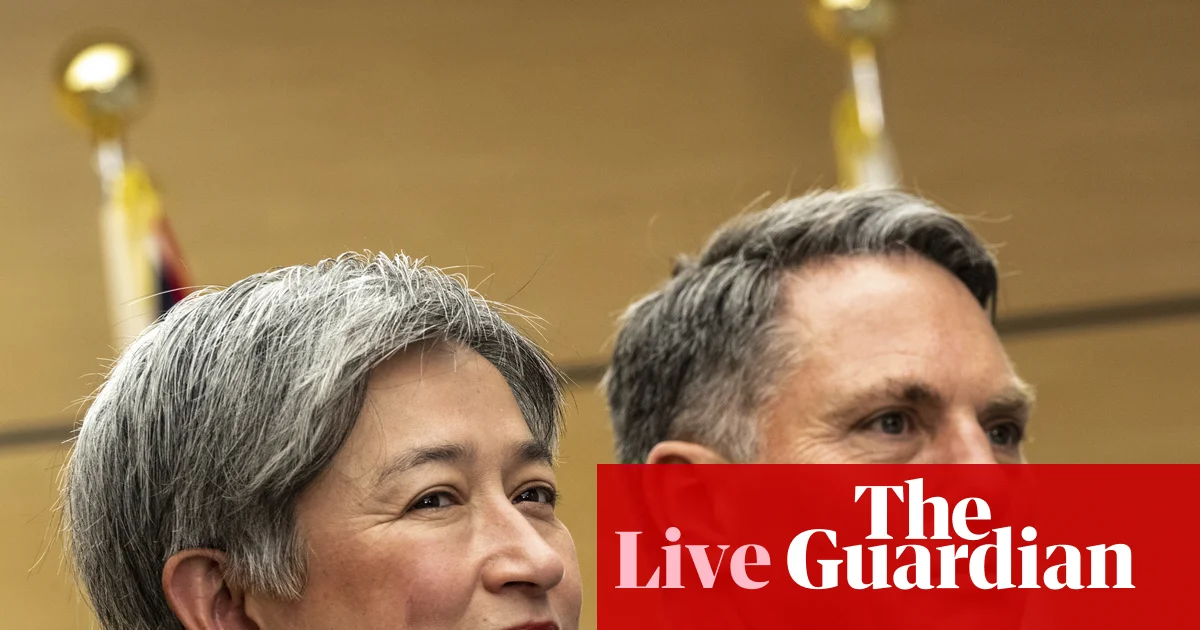
In a decisive move that underscores the mounting international tensions amid an ongoing conflict in Ukraine, the Australian government has pledged an additional $95 million in military support for Kyiv, bolstering its commitment to counter Russia’s aggression. Announced by Defence Minister Richard Marles and Foreign Minister Penny Wong, this latest aid package raises Australia’s total support since the conflict’s onset to over $1.7 billion. This reinforcement is not isolated; it aligns with NATO-led initiatives such as the Prioritised Ukraine Requirements List (PURL), aimed at delivering critical military equipment including radars, munitions, and the final deployment of 49 Abrams tanks to bolster Ukraine’s defenses.

As Australia exhibits unwavering backing for Ukraine’s sovereignty, the global repercussions of such commitments ripple across geopolitics. The decision to intensify sanctions against Moscow’s shadow fleet of oil tankers signals a broader effort by allied nations to choke Russia’s circumventing tactics—highlighted by the targeted measures on vessels supporting Moscow’s illicit energy trade. These diplomatic and military maneuvers, analyzed by international observers, reinforce the trajectory of multilateral efforts to uphold international law against Moscow’s provocations. Experts from institutions like the Council on Foreign Relations warn that these actions could set a precedent that complicates future diplomatic negotiations, potentially intensifying the geopolitical divide.

Simultaneously, domestic issues dominate the political landscape. In Australia, economic policy debates confront the reality of slow growth and persistent inflation, with Treasurer Jim Chalmers dismissing claims that the economy might be at its “speed limit.” The recent national accounts, showing just 2.1% annual growth, are being interpreted optimistically, with Chalmers emphasizing that private sector recovery and productivity gains signal a promising outlook. However, the buildup of inflationary pressures has sparked speculation of impending interest rate hikes by the Reserve Bank of Australia, risking a delicate balancing act for policymakers intent on maintaining economic momentum without igniting runaway inflation.

Meanwhile, issues underlying the nation’s internal security and resource management have gained prominence. The Australian Bureau of Statistics announced it would begin accounting for illegal cigarette sales—a covert economy that has seen a 29% drop in legal tobacco sales, an anomaly revealing deeper challenges. Experts warn that the surge in black market tobacco trade not only skews economic data but also facilitates criminal activity, exemplifying how organized gangs may exploit economic shifts. The government’s efforts to estimate illicit sales through innovative methods like wastewater detection aim to bring these shadow activities into the official economic framework, a move that could reshape how Australia measures its growth and stability.

From the battlefield of eastern Europe to the halls of domestic policy, Australia’s decisions reflect a nation grappling with international responsibilities and internal vulnerabilities. The support for Ukraine demonstrates an active role on the global stage, defending what many see as the values of sovereignty and democracy. At the same time, the challenges at home—economic slowdowns, inflation, and illicit trade—serve as a stark reminder that the weight of history is not only shaped by international conflict but also by the resilience and resolve of societies to confront their own crises. As policymakers navigate these intersecting currents, one thing remains clear: the unfolding story of national and international sovereignty continues to be written, and the next chapter may determine the balance of power for generations to come.

Five German climbers tragically killed in avalanche in northern Italy

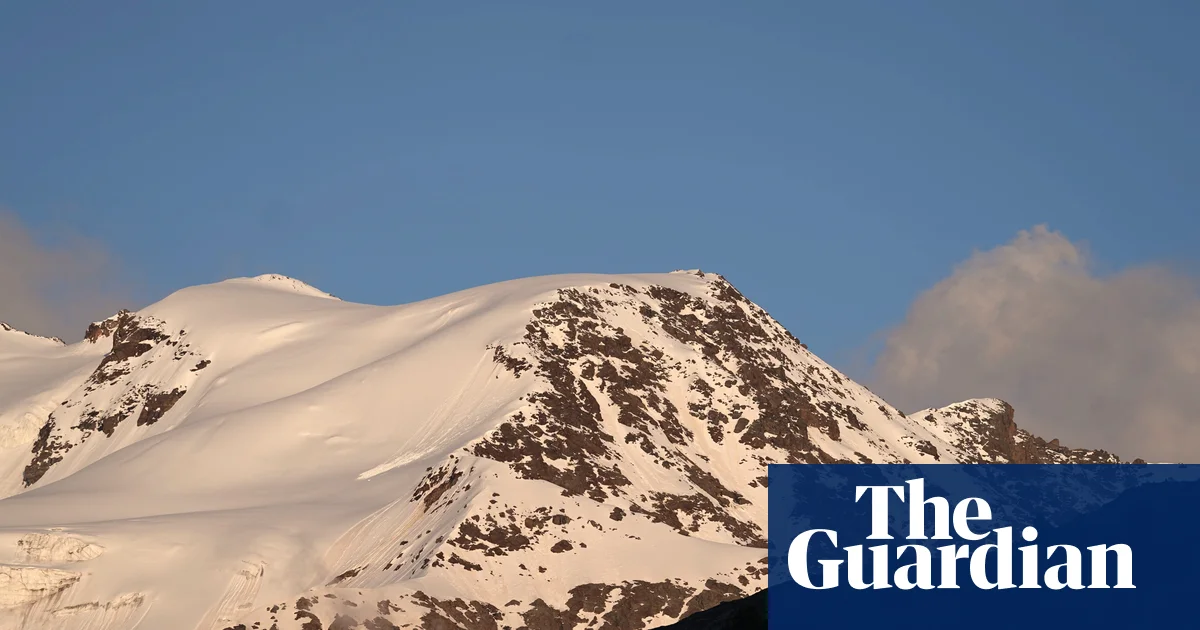
The Italian Alps, long a playground for European thrill-seekers, have recently claimed another tragic chapter in their storied history of mountaineering accidents. Five German mountaineers lost their lives after being caught in a deadly avalanche near the summit of Cima Vertana in the Ortles mountain range. The harsh realities of the high-altitude environment and the increase in dangerous backcountry activities highlight a broader issue that resonates far beyond Italy’s borders.

Rescue authorities reported that the avalanche struck around 4 pm on a Saturday, an hour when many climbers are seeking to reach or descend from the peaks. The victims belonged to three separate groups, each pursuing their own ascent independently—an indication of the expanding appeal and accessibility of alpine mountaineering among amateurs from Germany and neighboring nations. The bodies of three hikers—two men and a woman—had been recovered by Saturday evening, while two others— a man and his 17-year-old daughter—were tragically found the following morning. The incident illustrates how a single event can cascade into a national tragedy, emphasizing how choices to pursue dangerous pursuits without regard for conditions can have fatal consequences.

This tragic event is not isolated but instead underscores a persistent risk that endures across the European mountain regions. Avalanche accidents remain a significant concern in the Italian Alps, where fatalities average higher than in other major ski nations over the past decade. According to international hazard assessments, these tragedies are often compounded by factors such as unpredictable weather, increased snowpack, and rising numbers of adventure tourism enthusiasts heading into remote, less-charted terrains. European mountaineering experts warn that the increase in accidents correlates with more adventurous tourists eager to exploit fresh snow—an unfortunate risk that highlights the ongoing struggle between human ambition and nature’s unforgiving power.

The geopolitical impact of such incidents extends beyond individual tragedies, stirring debates over safety regulations, tourism policies, and regional cooperation in mountain rescue operations. As the Alpine regions attract record numbers of visitors from across the continent—to boost local economies and foster international camaraderie—the responsibility to ensure safety becomes a shared issue among nations. European organizations, including the European Avalanche Warning Services and Mountaineering Federations, are increasingly calling for standardized safety protocols and better risk education, yet gaps persist in enforcement and resource allocation. Meanwhile, the Italian government and local authorities are under pressure to balance economic interests—such as tourism—with the imperative to protect lives in increasingly perilous environments.

International analysts point to a broader climate shift and changing weather patterns that threaten to escalate the frequency and severity of natural disasters in mountainous regions, making the call for international cooperation even more urgent. In the words of historians, such as John Lewis Gaddis, history often teaches that human hubris and underestimation of nature’s power can have profound consequences. The recent avalanche serves as a stark reminder that in regions where nature’s beauty masks its ruthlessness, decisions by a few can alter the course of history—not just for those directly involved, but for entire societies watching from afar. As rescue teams brace for more adverse weather conditions, the stories of these five mountaineers become part of a larger narrative—one of ambition, vulnerability, and the relentless call of the mountain, echoing across borders and generations, whispering that the unfolding story of our highlands remains unwritten, and the weight of history presses ever closer.”

Philip Pullman’s The Rose Field: A Riveting Finale to the Northern Lights Series for the New Generation

In an era where institutions falter and the very fabric of society appears frayed, the enduring power of culture emerges as both a sanctuary and a lighthouse. Like the ancient parable of the Tower of Babel, our modern world’s complexity and division underscore a profound truth: that culture—the collective memory and shared symbols of a people—constitutes the bedrock upon which society fortifies its identity and moral coherence. As Tocqueville observed, societies are held together not merely by laws or economic structures but by the moral and cultural fabric that sustains collective purpose amidst chaos. Today, amid global upheaval, this fabric is challenged, yet it remains crucial for understanding who we are and envisioning who we might become.

Pulling from philosophical reflections by thinkers such as G.K. Chesterton, who championed the importance of tradition and imagination in shaping a vibrant society, we recognize that cultural icons and stories serve as passing of torch—proofs of continuity and beacons of hope. The recent narratives of Philip Pullman, particularly within The Book of Dust, exemplify this understanding. His universe, where worlds collide and where myth intersects with reality, reminds us that humanity’s narrative is not merely a series of disconnected facts but an ongoing story that guides moral and spiritual development. Lyra’s evolution—once a girl of innocent curiosity, now a woman marked by loss and perseverance—reflects the essential need for a shared mythology that keeps alive the inextinguishable flame of human imagination amid a landscape of disillusionment.

This intrinsic relationship between culture and identity is echoed in the writings of Ortega y Gasset, who pointed out that the individual’s sense of self is inextricably linked with the larger story of their community. As institutions waver and markets shift unpredictably—highlighted in Pullman’s depiction of economic crises associated with mysterious rose oil—we are reminded that the symbols we cherish and the stories we tell uphold societal resilience. These narratives, often dismissed as mere entertainment, are in fact the vessel for communal memory and moral orientation; they are the language of tradition that keeps society anchored as it navigates tumultuous waters. Like Chesterton’s insistence that “tradition is the democracy of the dead,” our cultural expressions serve as a dialogue across generations, ensuring that even in the face of chaos, the narrative of human greatness persists.

Ultimately, culture embodies both memory—the record of humanity’s virtues, struggles, and triumphs—and prophecy—a vision of what can be achieved when the moral imagination is stirred. It whispers to us through art, literature, and shared rites that we are not isolated individuals but members of an ongoing story, shaped by ancestors and poised toward future heights. As T.S. Eliot reminded us, the true poet is one who recognizes that “the past is never dead; it’s not even past.” In this light, our cultural inheritance—whether in Pullman’s mythic worlds or in our own rooted traditions—becomes a guiding star, urging us to preserve what is worth fighting for, and to envision anew what humanity can achieve.

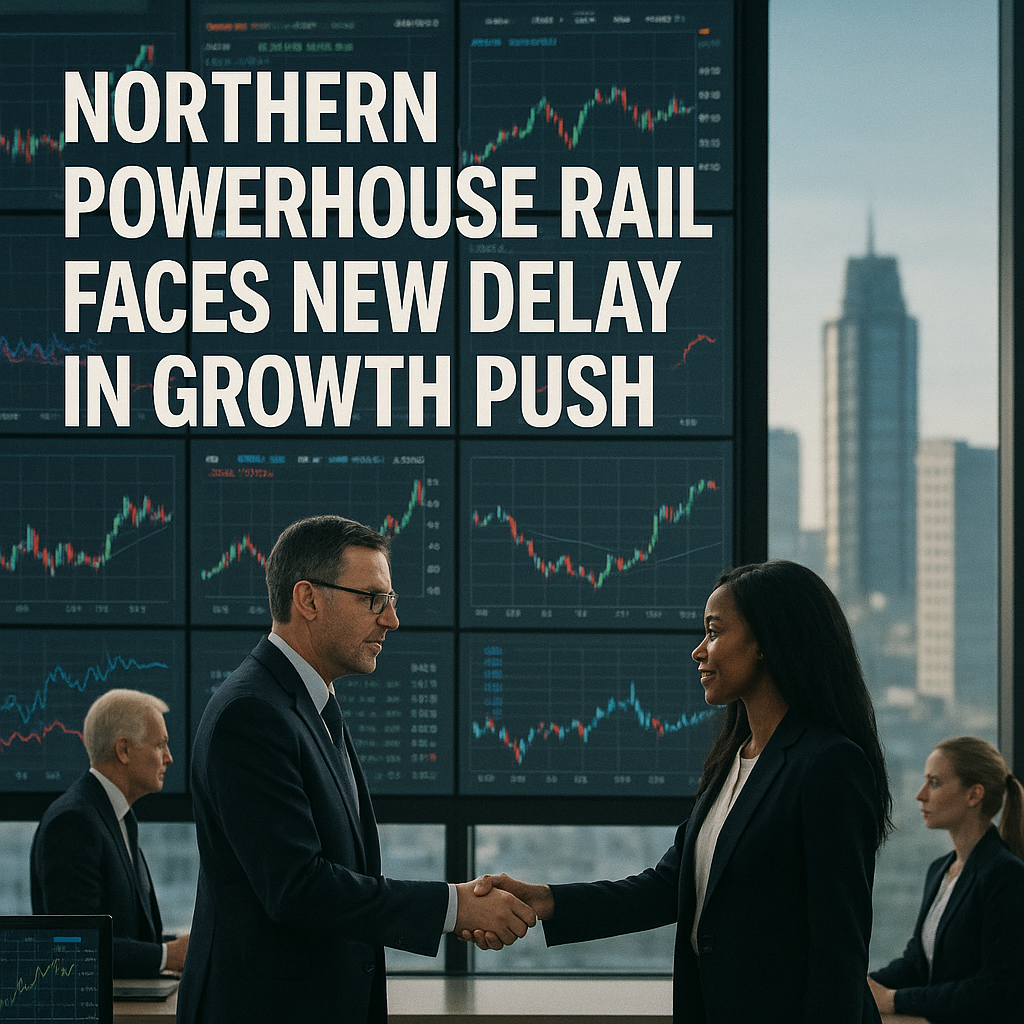
Northern Powerhouse Rail Faces New Delay in Growth Push

The UK economy continues to navigate a complex landscape of infrastructure ambitions and fiscal prudence, as recent developments signal a significant shift in long-term regional growth strategies. The much-anticipated Northern Powerhouse Rail (NPR) project, a flagship plan initially championed by former Conservative Chancellor George Osborne in 2014, has faced yet another delay. The envisioned high-speed line connecting Liverpool and Manchester—a key component of the broader effort to decongest London-centric economic activity—will not be announced at the Labour Party conference next week, primarily due to ongoing concerns over long-term financial sustainability and implementation risks.

The policy environment appears cautious, as government insiders signal a strategic review aimed at avoiding the costly mistakes that have plagued the High-Speed 2 (HS2) scheme. Since its inception, HS2 has been marred by escalating costs and missed deadlines, prompting policymakers to scrutinize the value for money of ambitious infrastructure projects. The Treasury, alongside the Department for Transport, has proposed a plan to allocate up to £1.5 billion in preparatory funds, hinting at a future where stage-by-stage development is prioritized over pushing forward with unvetted proposals. This careful approach reflects a broader governmental shift—favoring fiscal discipline and risk mitigation over expansive expansion, but it raises questions about the future economic impact of delayed connectivity enhancements in the North.

Economists and think tanks such as the Centre for Policy Studies have raised concerns about the long-term regional economic divide, emphasizing that connectivity improvements like NPR are critical to boosting productivity outside London. The project’s delay signifies a possible re-evaluation of infrastructure funding priorities, as the government seeks to balance cost-effectiveness with the regional economic growth that has long been stymied by inadequate transport links. Critics argue that postponing the development of such critical infrastructure could hinder the UK’s competitiveness on the global stage, potentially ceding ground to emerging powers that prioritize integrated regional development. With Manchester and Liverpool poised to be economic hubs in their own right, the infrastructure bottleneck risks hampering their ascent, thereby affecting the broader market impact.

In the financial realm, this hesitation has tangible effects on investment sentiment. Major contractors and construction firms are at a crossroads, facing uncertainty about future projects that could unlock billions in economic activity. The shift in policy signals might also influence investor confidence, as companies seek stability amidst the broader economic and political flux. Moreover, the controversy surrounding the cancelled HS2 Phase 2—where £12 billion was reallocated—serves as a stark reminder of the delicate balance between ambition and fiscal responsibility. Notably, critics like Andrew Gilligan, writing for the Policy Exchange think tank, call for outright scrapping of NPR altogether, arguing that the risks outweigh the benefits. Yet, such opposition also highlights the ideological tug-of-war—whether infrastructure expansion is a catalyst for growth or a source of fiscal excess.

Looking forward, the trajectory of Northern Powerhouse Rail and similar mega-projects will serve as a barometer for the UK’s economic resilience and political will. As regional leaders and industry stakeholders await decisive action, the economy’s pulse continues to beat strongly—each delay and policy shift shaping the battlefield of future power. The coming weeks and months will reveal whether Britain’s infrastructure ambitions remain rooted in pragmatic innovation or sink into the quagmire of prolonged indecision. In this epic saga of growth—where nations stake their future—the true power lies in an economy agile enough to transform ambitious visions into tangible realities, fueling a renaissance driven by connectivity, competitiveness, and patriotism.

Social Media Auto Publish Powered By : XYZScripts.com