Matox News

Truth Over Trends, always!

SiFive, backed by Nvidia, reaches $3.65B valuation in open AI chip race

SiFive Secures $400 Million in Oversubscribed Funding, Signaling Major Shift in Semiconductor Innovation

In a remarkable development defining the future trajectory of chip manufacturing, SiFive, a trailblazing firm founded in 2015 by UC Berkeley engineers who pioneered open-source chip designs, has secured a staggering $400 million in an oversubscribed funding round. Valued at $3.65 billion, this capital infusion underscores a significant vote of confidence from top-tier investors, including industry giants like Nvidia. The round was led by Atreides Management, founded by former Fidelity investor Gavin Baker, with participation from prominent players such as Apollo Global Management, D1 Capital Partners, and T. Rowe Price.

This raising highlights a radical shift in the semiconductor industry’s landscape. Unlike traditional CPU architectures dominated by proprietary designs from Intel and ARM, SiFive’s open-source RISC-V technology promises a disruptive alternative. The RISC-V architecture is based on a different instruction set than the prevalent x86 and ARM processors, offering greater flexibility and innovation potential. The significance of this approach is amplified by the fact that industry leaders like Nvidia are now investing directly into these open architectures, signaling a strategic pivot that could challenge the established tech hierarchy.

This strategic investment by Nvidia—a major player in AI computing and GPU technology—in an 11-year-old startup, underscores a growing industry recognition of the need to diversify the semiconductor supply chain and mitigate reliance on proprietary architectures. Industry analysts from Gartner and MIT confirm that the shift toward open-source chips could accelerate innovation, reduce costs, and foster a more competitive environment. Moreover, this signals an industry-wide disruption where innovation and neutrality in chip design might soon overthrow the conventional vendor lock-in models that have dominated for decades.

Implications for Industry Leaders and Market Dynamics

The implication of SiFive’s latest funding extends beyond its immediate valuation. It challenges the entrenched oligopoly of chip design, threatening long-established players like Intel and AMD, who are aggressively seeking to compete with Nvidia’s dominance in AI and high-performance computing. Meanwhile, other giants in the ecosystem are beginning to recognize the strategic importance of open architectures, with some even integrating RISC-V into their product lines as a hedge against the proprietary hegemony.

Envisioning the future, industry experts like Peter Thiel and Elon Musk have long advocate for disruptive innovation in tech, emphasizing that timely shifts can redefine global markets. The current trajectory suggests that open-source chip design, supported by major investors, could become the new standard—accelerating _disruption_ and creating a more dynamic and competitive landscape_.

As the industry accelerates toward this bold horizon, businesses, developers, and investors must act swiftly to adapt to this evolving paradigm. The influx of capital into open-source architectures like RISC-V not only signifies a technological breakthrough but also signals a marketplace ripe for innovation. With major industry players betting heavily on this new model, the urgency to embrace and lead in this space has never been greater. The next few years will determine whether open-source chips become the new backbone of global tech infrastructure or remain an ambitious niche—either way, the revolution is underway.

Firmus, Nvidia-backed ‘Southgate’ AI data hub, rockets to $5.5B valuation—next-gen tech on the rise

Firmus Accelerates AI Infrastructure Disruption with $505 Million Funding Round

In a significant leap forward for the AI and data center industries, Asia-based Firmus, a rising powerhouse in AI infrastructure, announced the completion of a $505 million funding round led by Coatue Capital. Valued post-money at $5.5 billion, the Singapore-headquartered firm has now amassed over $1.35 billion within six months—a testament to the urgent market demand for next-generation AI data centers. This bold move signals a strategic pivot in Asia’s tech landscape, emphasizing innovation that challenges traditional Western dominance in cloud infrastructure and AI processing capabilities.

Firmus’ aggressive funding trajectory and technological ambitions exemplify a broader industry shift toward energy-efficient, high-performance AI data centers. By developing what it calls an “AI factory” network across Australia and Tasmania, Firmus aims to set new standards for sustainable, scalable AI infrastructure. These centers leverage Nvidia’s cutting-edge Vera Rubin platform—the next-gen AI computing architecture poised to replace the Blackwell system—marking a crucial technological disruption in AI hardware. The integration of Nvidia’s reference designs underscores the escalating importance of strategic partnerships between hardware giants and infrastructure providers, greatly impacting global AI deployment strategies.

Technological Innovation and Market Disruption

Founded initially on cooling solutions for Bitcoin mining, Firmus has transitioned into an AI-centric data powerhouse, aligning itself with industry leaders like Nvidia. The company’s development of Project Southgate underscores the confluence of innovation and accelerated market shifts—the push toward efficient, AI-optimized data centers capable of supporting the exponential growth of AI workloads. The disruption here is clear: traditional data center giants are now competing with agile, tech-forward entrants capable of rapid innovation using advanced hardware and energy-efficient designs. Analysts from Gartner and MIT highlight that such strategic moves could redefine the AI supply chain, especially if Asia continues to outpace Western counterparts in infrastructure deployment and funding.

  • Deployment of Nvidia’s Vera Rubin platform, with expected shipment in late 2026, will enable unprecedented AI processing power.
  • Focus on sustainable energy use aligns with global environmental goals, making these centers more attractive to environmentally conscious investors and stakeholders.
  • Strategic positioning in Australia and Tasmania grants access to both resource-rich regions and emerging markets.

Implications for Global Business and Industry Dynamics

This influx of capital and innovation at Firmus’ scale signals a shift in global AI infrastructure investments, which may realign industry dominance. With major investors like Nvidia and Coatue orchestrating this disruption, industry insiders warn of a possible realignment of cloud dominance—moving away from established Western giants to emerging Asian players. The core implication for business leaders is clear: substantial capital, strategic partnerships, and technological innovation are imperative to stay ahead in what is now a fiercely competitive race for AI supremacy.

Looking ahead, firmus’ strategic growth trajectory and technological embedding suggest that Asia is positioning itself not just to catch up but to potentially lead the next wave of AI infrastructure. As hardware advances by companies like Nvidia accelerate, and ecosystem collaborations deepen, the industry is racing toward a future where disruptive tech could lead to the decentralization of AI deployment dominance. Echoing insights from thought leaders such as Peter Thiel and Elon Musk, the message resonates: timing and innovation are now the currencies of industry leadership in AI and data infrastructure.

In conclusion, the rapid developments at Firmus highlight an urgency for stakeholders everywhere: adapt or risk being left behind. As Asia’s AI infrastructure landscape surges ahead, it’s evident that the coming years will determine who truly owns the future of AI technology and its societal, economic, and geopolitical implications.

Jensen Huang Signals Nvidia’s Shift Away from OpenAI and Anthropic — What’s Really Going on?

Tech Industry Shakeup: Nvidia’s Strategic Investments and the Geopolitical Tensions Reshaping AI

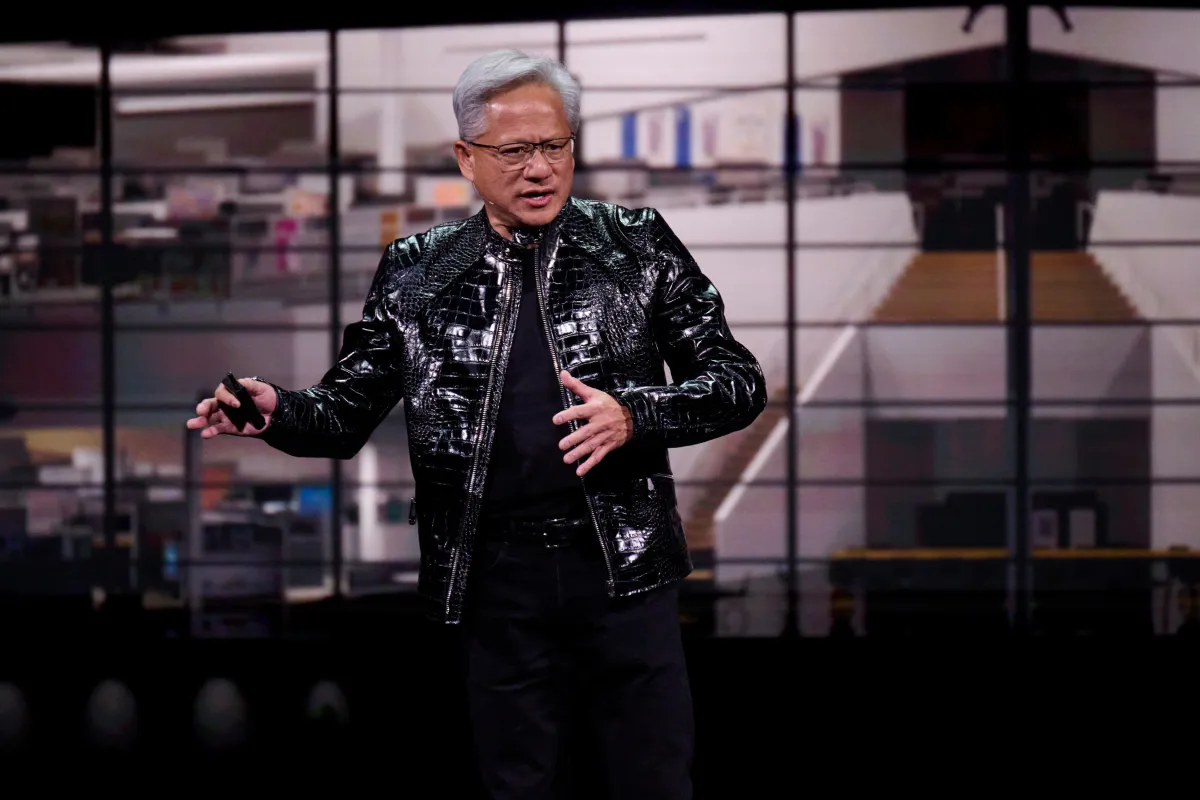
In a landscape where innovation and disruption define the pace of progress, Nvidia remains a dominant force, yet recent developments expose the complex chess game shaping the future of artificial intelligence (AI). The company’s muted commentary on its latest strategic moves, coupled with a shift in investment scales, signals a nuanced recalibration. As Huang, Nvidia’s CEO, emphasized on the company’s Q4 earnings call, their investments are primarily aimed at “expanding and deepening” their ecosystem reach. However, the actual scale of these investments, particularly in OpenAI and Anthropic, reveals a story of caution and reevaluation amid industry turbulence.

Initially, Nvidia announced a lofty pledge to invest up to $100 billion in OpenAI last September—a move that drew skepticism from industry experts like MIT Sloan professor Michael Cusumano. The plan was described as “a kind of a wash,” highlighting the circular nature of AI investments where alliances and stakes tend to feed into each other. Recently, Nvidia finalized a significantly reduced investment—approximately $30 billion—less than half of their original commitment. This contraction underscores a market wary of overextensions amid signs of a possible bubble, where speculative investments threaten to distort valuation metrics. The changing scale points toward a strategic pragmatism as Nvidia recalibrates its AI ambitions, understanding that different industry shifts could impact both its market dominance and geopolitical positioning.

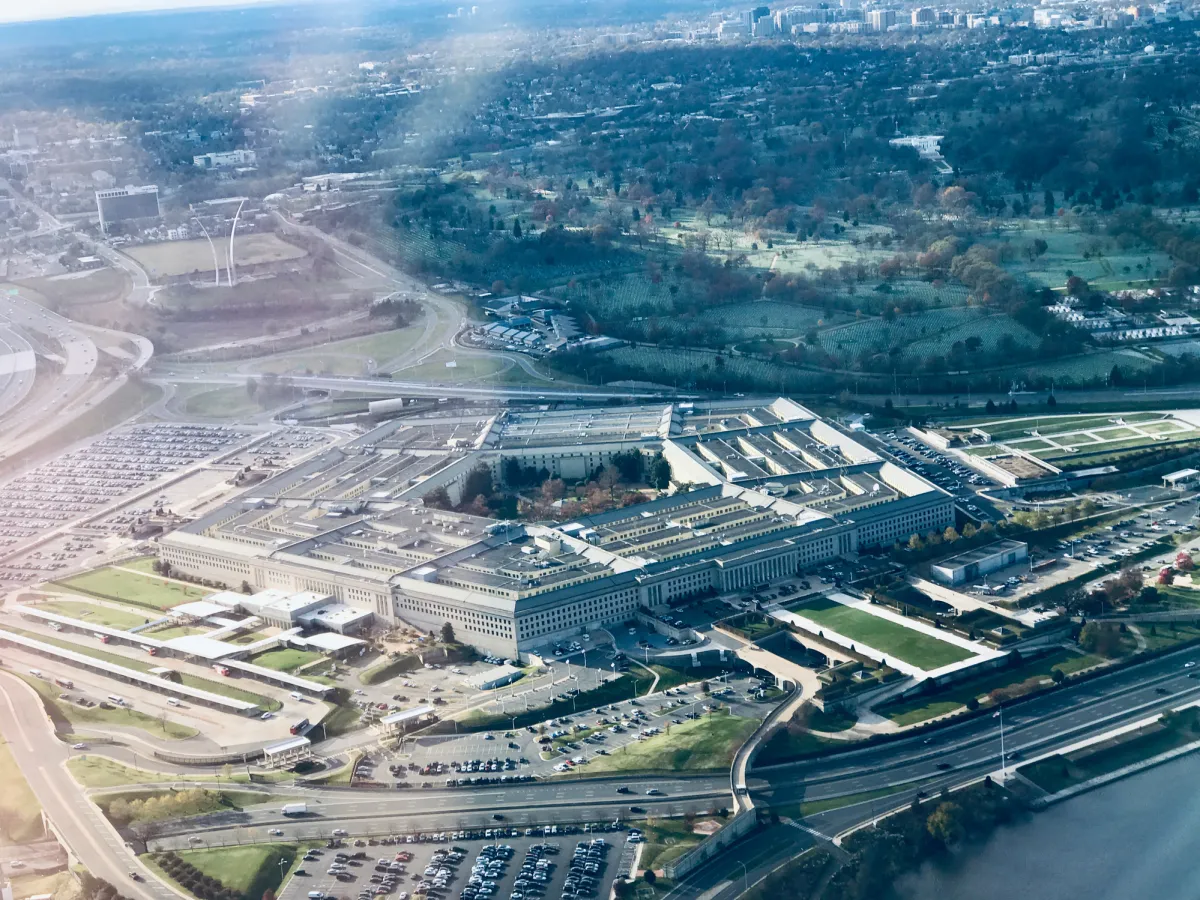
Adding another layer to this dynamic is Nvidia’s relationship with Anthropic. Despite recent investments, tensions have surfaced, notably with Anthropic CEO Dario Amodei comparing the U.S. chip industry’s export controls to “selling nuclear weapons to North Korea,” highlighting the geopolitical fragility endemic to AI supply chains. The Trump administration’s decision to blackist Anthropic—barring federal agencies and defense entities from deploying its models—illustrates the dangerous intersection of AI innovation with national security concerns. Meanwhile, OpenAI’s swift pivot to contract with the Pentagon—marked by a strategic, yet contentious, military technology deal—further accentuates the industry’s shifting alliances. This divergence in trajectories underscores a broader trend: AI firms are increasingly caught at the crossroads of innovation and geopolitics, with their business models and strategic partnerships under intense scrutiny.

Implications for the Industry: Innovation, Market Disruption, and Policy Challenges

  • Innovation and Disruption: Nvidia’s redefining of its AI investments exemplifies how disruptive innovations can outpace traditional strategic planning, unveiling new opportunities for startups and established players alike. As AI models become more advanced, the pressure to balance innovation with geopolitical prudence intensifies, pushing firms to adopt more flexible, diversified approaches.
  • Market Shifts and Industry Realignment: The stark contrast between Nvidia’s cautious scaling and the aggressive Pentagon deal underscores a tectonic shift in market alliances. Firms that align with government and defense sectors may unlock enhanced capabilities and funding, but at the risk of alienating other markets or inviting regulatory backlash.
  • Business and Geopolitical Implications: Major corporations need to prepare for a future where global supply chains, export controls, and international diplomacy directly influence AI development. The industry’s trajectory may well depend on policy decisions increasingly driven by national interests, which could either stifle innovation or propel it into new geopolitical realms.

Analysts from Gartner and institutions like MIT warn that industry leaders must navigate these choppy waters with agility—balancing cutting-edge technological breakthroughs against emerging regulatory and geopolitical headwinds. The move by Nvidia, and industry shifts like the Pentagon-OpenAI deals, signal that the future of AI is not just about technological supremacy, but also about strategic positioning within a rapidly evolving global framework. With new alliances forming and old ones fracturing, the industry faces an inflection point where urgency and anticipation are paramount.

As we look ahead, the key question remains: who will shape AI’s next chapter—those who innovate at the edge or those who control the geopolitical levers? In this high-stakes game, the winners will be those capable of maintaining technological leadership while navigating the complex matrix of international policy and market disruption. The clock is ticking, and the future of AI—along with its vast implications—hangs in the balance, calling for strategic foresight and unwavering resolve.

Intel gears up to disrupt GPU market from Nvidia’s grip

Intel’s Strategic Shift: Entering the GPU Arena to Challenge Nvidia’s Dominance

Despite ongoing efforts to streamline its core operations, Intel has announced a bold initiative to develop a new line of graphics processing units (GPUs), signaling a strategic disruption in an industry long dominated by Nvidia. With the leadership of Kevork Kechichian, an industry veteran from Intel’s data center group, the company is aiming to leverage its vast manufacturing capabilities to carve out a significant share in the rapidly evolving AI and gaming markets. This move marks a crucial pivot toward innovation and diversification that could reshape the competitive landscape, forcing incumbents like Nvidia to revisit their market strategies.

The company’s efforts have attracted attention from industry analysts and tech insiders, noting that Intel’s expansion into GPU development is not just a technological upgrade, but a calculated disruption aimed at challenging Nvidia’s market leader position. The hiring of Eric Demmers, formerly a senior VP at Qualcomm with over 13 years in engineering, underscores Intel’s commitment to building a high-caliber team capable of innovating at the chip level. As the project is in its early stages, Intel intends to align its development with customer demands and industry needs, signaling a pragmatic approach rooted in both technological prowess and strategic market positioning.

This move by Intel is more than just a product development milestone; it is a response to industry-wide shifts towards AI acceleration, cloud computing, and high-performance gaming—areas where GPUs are pivotal. While Nvidia’s GPUs have revolutionized AI and machine learning, with their advanced AI systems and market Command, recent market analyses from Gartner illustrate a fragile balance as Nvidia begins to face increased competition.

  • Intel’s entry could intensify market competition
  • Potential to lower prices and accelerate technological innovation
  • Possible reshuffling of market share among semiconductor giants

Historically, Intel has focused primarily on CPUs, but as industry disruptions accelerate, merging CPU and GPU innovations could unlock new business models and revenue streams. Disruptive technologies like integrated processing units and advanced chip architectures are reshaping industry standards—experts from MIT and other leading institutions predict that within the next five years, the semiconductor industry will see unprecedented levels of convergence and innovation. This shift presents both a challenge and an opportunity for Intel—a chance to disrupt established players and redefine the semiconductor landscape.

As the industry stands on the cusp of this technological evolution, the urgency for firms to innovate is paramount. With AI chips and high-performance graphics becoming critical to future tech ecosystems, Intel’s move signals the beginning of a new battleground—one where agility, innovation, and strategic disruption will determine supremacy. The upcoming TechCrunch event in Boston, scheduled for June 2026, will be a pivotal platform to observe Intel’s latest advancements and assess whether its gamble will reshape the future of computing. The race is on, and between the giants, only the most innovative will survive—and thrive—in this fierce new era.

Nvidia Surges Into Model Market with Nemotron 3 Breakthrough

Nvidia’s Bold Move: Revolutionizing Open AI Models and Industry Disruption

In a significant strategic pivot, Nvidia has transitioned from primarily supplying chips for artificial intelligence development to becoming a frontrunner in open model innovation. The chipmaker’s recent release of the Nemotron series signals an ambitious push towards democratizing AI technology, emphasizing transparency, customization, and scalability. This move has profound business implications—it challenges the traditional proprietary approach championed by major US tech firms and hints at a new epoch of open, disruptive AI ecosystems rooted in innovation acceleration.

Unlike its Western rivals that lean toward closed, tightly guarded models, Nvidia’s approach with Nemotron embodies a disruptive openness that seeks to empower developers and startups. By releasing the training data and tools alongside the models, Nvidia aims to lower the barriers for AI experimentation and fine-tuning. The platform supports a hybrid latent mixture-of-experts architecture designed to facilitate scalable AI agent creation capable of interacting with web environments or executing complex computer actions. The models arrive in three configurations—Nano (30 billion parameters), Super (100 billion parameters), and Ultra (500 billion parameters)—highlighting Nvidia’s commitment to flexibly address a vast spectrum of enterprise needs. This scale of transparency and accessibility moves against industry norms and could set a new standard in how AI development is conducted globally.

Industry analysts, including those from Gartner and MIT, recognize Nvidia’s initiative as a potential game-changer that disrupts the status quo of AI R&D. As Kari Ann Briski, Nvidia’s vice president of generative AI software, emphasizes, “Open source is making AI more adaptable, fostering innovation, and ultimately powering the global economy.” This stance contrasts sharply with the recent trend among US firms, exemplified by Meta’s open models which have recently shifted towards secrecy. The move toward proprietary models reflects a strategic effort to safeguard competitive advantages, but it may also hinder rapid innovation and collaboration essential for maintaining technological leadership.

Looking forward, the industry faces a critical juncture. Traditional AI giants may find themselves increasingly marginalized if they fail to leverage open innovation channels or adopt more transparent practices. Nvidia’s model suggests the future perhaps belongs to ecosystems where open collaboration accelerates breakthroughs—yet it also exposes the risks of commoditizing advanced AI and breaking the barriers that once protected innovation. As Elon Musk and Peter Thiel have often warned, the real disruptive power lies in harnessing the energy of open, competitive industries. The race is on, and the stakes couldn’t be higher for those who want to dominate the next frontier of technological progress. Companies that embrace this new paradigm—focusing on transparency, customization, and scalable innovation—will shape the future of AI and economic growth in the era ahead.

Trump Paves Path for Nvidia to Export Advanced AI Chips to China

US-China Tech Duel Reshapes Geopolitical Landscape

In a dramatic turn of events, former President Donald Trump has authorized Nvidia to resume sales of its advanced AI computer chips to China, breaking decades of strict export controls designed to safeguard US national security interests. This decision marks a significant divergence from previous administrations’ policies, which prioritized technological supremacy and the containment of Chinese technological ambitions. The move was announced via social media, with Trump asserting that the US would “allow NVIDIA to ship its H200 products to approved customers in China, and other Countries,” and emphasizing that the US would retain a 25% share of proceeds—more than the prior 15% agreement. Such a financial arrangement signals a strategic pivot, highlighting the evolving calculus over global technological dominance and economic leverage.

However, this shift isn’t without controversy. Congressional Democrats like Elizabeth Warren and Andy Kim voiced substantial criticism, warning that such sales could empower China’s surveillance, censorship, and military capabilities. Their concerns underscore a broader debate: does the pursuit of economic gains outweigh the risks to security and sovereignty? The reassessment of US-China relations under the shadow of new geopolitical realities is emblematic of a larger struggle—one that involves not only technology but the very fabric of international power. Although Trump’s administration claims these steps bolster US manufacturing and job creation, critics argue that they could inadvertently accelerate China’s technological independence—a development that could have long-lasting destabilizing effects on global balance of power.

Meanwhile, China has responded cautiously, with the foreign ministry noting that “China and the United States can achieve mutual benefit” through “cooperation.” Yet, behind these diplomatic words lies a complex chessboard of strategic calculations. Chinese regulators are reportedly debating whether to curtail or facilitate the import of Nvidia’s chips, an indication that the internal dynamics within Beijing itself remain unsettled. As analysts like Ma Jihua observe, years of restrictive policies have inadvertently created opportunities for China’s burgeoning domestic chip industry. The current liberalization of US exports could thus serve as a catalyst—either as a boon or a challenge. Historically, such decisions ripple across the entire geopolitical fabric—stoking fears of a new class of technological arms race.

The geopolitical impact of this development is profound. By reconfiguring the rules of engagement in AI technology—a sector many analysts call the “new frontier of military and economic power”—the United States has opened a new chapter in the competition for global dominance. The move fuels the ongoing narrative of a great power rivalry, where economic policy intertwines with national security, and technological innovation becomes the battleground for influence. As the world watches, this unfolding saga will determine whether nations can balance progress and security, or whether the chaos of uncontrolled competition will fuel conflicts that threaten the stability of the international order. The choices now being made echo through history, shaping a future where the line between cooperation and confrontation will become increasingly blurred, leaving the course of history suspended in a tense, uncertain horizon.

This Thanksgiving: Michael Burry vs. Nvidia — The Tech Showdown to Watch

Market Disruption or Inevitable Bubble? Michael Burry’s Fight Against Nvidia Sparks Industry Debate

In the fiercely competitive landscape of AI infrastructure and semiconductor innovation, Michael Burry, the renowned investor famed for predicting the 2008 financial crisis, has shifted his focus to a new battleground: Nvidia. His recent crusade, characterized by public skepticism and aggressive betting against the company, signals a potential disruption of one of the most valuable firms in tech history. Nvidia’s meteoric rise, account­ing for a $4.5 trillion market cap and a twelvefold increase since early 2023, underscores just how deeply entrenched the company has become in the AI revolution. But Burry’s noise, amplified by social media and investor forums, threatens to challenge Nvidia’s dominance by sowing seeds of doubt amid a market increasingly dependent on AI’s disruptive promise.

Many industry observers are paying close attention to Burry’s strategic push, which is more than just a typical skeptic’s rant. His recent move to deregister his investment firm and launch a subscription newsletter, “Cassandra Unchained”, signals a deliberate effort to influence market sentiment amid what he perceives as dangerous overexuberance. His firm belief is that current AI investments, especially in firms like OpenAI and Nvidia, mirror the late 1990s tech bubble—specifically Cisco’s overexpansion, where unnecessary infrastructure led to a 75% stock crash. The implications for Nvidia are clear: if such skepticism gains ground, it could trigger a re-evaluation of AI giants’ valuations, severely disrupting the current tech frenzy.

Despite Nvidia’s recent solid earnings and amplified market position, the company faces a significant challenge from critics like Burry, who argue that the AI boom’s valuation metrics may be fundamentally flawed. Nvidia responded swiftly, publishing a detailed seven-page memo disputing Burry’s claims, including miscalculations related to stock buyback figures and employee compensation norms. Yet, Burry remains undeterred, comparing Nvidia’s overbuilt infrastructure to the collapse of Cisco in the late 1990s—a cautionary tale of overinvestment and subsequent market correction. Such narratives threaten to ignite a shift in investor sentiment, transforming belief in AI’s endless growth potential into a volatile market bubble.

Implications for Industry and Business Strategy

As the AI arms race accelerates, industry leaders and institutional investors are faced with a fundamental question: are current valuations justified, or are we witnessing the makings of a bubble poised to burst? Key players must now assess their strategic positions within this disruptive wave.

  • Innovation is now driven by rapid, capital-intensive infrastructure builds, with Nvidia leading the charge in processing power.
  • Disruption could be imminent if skeptics successfully orchestrate a confidence crisis, reminding markets of past tech overhypes.
  • Generational shifts via public narratives—like Burry’s—could recalibrate investor risk appetite, pushing firms to re-evaluate long-term AI investments.

Institutional analysts such as Gartner and MIT researchers are emphasizing the importance of careful valuation metrics amidst this hype cycle, warning that *”the AI frenzy may be masking underlying overcapacity.”* As the market faces this potential correction, the strategic implications are clear: disruption is inevitable when confidence in fundamental value erodes, creating opportunities for agile competitors and cautionary lessons for incumbents. For Nvidia and the broader AI ecosystem, the immediate future hinges on whether skepticism will turn into a self-fulfilling prophecy, or if the underlying innovation can withstand the mounting doubts.

Looking Ahead: Urgency in the Age of Disruption

The recent developments with Burry highlight an urgent market dynamic: in an era of unprecedented technological transformation, the line between innovation-driven growth and speculative excess is razor-thin. As critics leverage platforms with massive followings, the risk of a confidence crash escalates. If history is any guide, a wave of skepticism can accelerate a collapse, regardless of underlying fundamentals. Companies like Nvidia must now demonstrate tangible, long-term value amidst this turbulent environment. The question remains: Will the AI revolution continue unchecked, or are we at the cusp of a correction that could redefine industry norms forever? The clock is ticking, and market players cannot afford to ignore the simmering tension beneath the surface of this technological gold rush.

Nvidia’s AI GPUs fly off the shelves as data center spending surges $10B in Q1

Nvidia Sets New Standard in AI and Data Center Markets with Record-Breaking Q3 2026 Earnings

Nvidia has once again disrupted the technology landscape, signaling a new era of AI dominance and industry transformation. The company’s Q3 2026 earnings report shattered previous records, with revenues reaching a staggering $57 billion—a historical high that highlights the relentless growth of AI infrastructure and digital economy sectors. The firm’s profit margins are equally impressive, clocking roughly $4,000 in pure profit per second. Central to this surge is a $10 billion growth in the data center segment, which alone amassed an unprecedented $51.2 billion—an increase of 66% compared to the same period last year. This explosive figure positions Nvidia as a clear bellwether for the so-called ‘AI bubble’, with industry analysts scrutinizing its trajectory amid widespread hype.

The market implications of this surge are profound, especially considering industry-wide skepticism about sustainability. Despite warnings of potential market correction from institutions such as Gartner and various industry analysts, Nvidia’s Q4 2026 outlook anticipates a revenue of $65 billion—an $8 billion increase over the previous quarter. CEO Jensen Huang emphasizes that Blackwell Ultra chips are now leading every segment, with demand at an all-time high. “Blackwell sales are off the charts, and cloud GPUs are sold out,” Huang reports, signaling an unprecedented supply chain squeeze driven by hyperactive enterprise adoption of AI solutions.

The growth isn’t limited to the data center market alone. Nvidia’s gaming division also saw a 30% increase in revenue year-over-year, demonstrating that consumer markets remain integral to its overall ecosystem. The launch of Blackwell gaming chips—despite some mixed reviews of the RTX 50-series GPUs earlier this year—has found its footing again, driven by a rising global appetite for high-performance gaming experiences. This dual success in both enterprise and consumer segments exemplifies Nvidia’s strategic positioning as a disruptor across the entire AI ecosystem.

The innovations Nvidia is advancing are setting a new standard for the industry, pushing rivals and startups alike to innovate faster or risk obsolescence. Experts at MIT and industry veterans like Elon Musk and Peter Thiel highlight that such explosive growth could catalyze a wave of disruption across traditional sectors—including cloud computing, automotive, and robotics. As the technological frontier shifts rapidly, businesses must adapt swiftly to leverage these advancements or face being left behind. Nvidia’s trajectory suggests we are on the cusp of a fundamental transformation, demanding urgent strategic realignment from industry leaders. The future belongs to those who recognize that in this era of AI-driven disruption, timing and innovation are everything.

4 Must-Have Tools Fueling the Next Tech Bubble

Tech Giants Accelerate Capital Expenditures Amid AI Boom

In a clear signal of disruption in the technology sector, leading companies are channeling unprecedented levels of capital into expanding their infrastructure, particularly focusing on artificial intelligence (AI) capabilities. During this earnings season, industry analysts have observed a notable trend: corporations like Google, Microsoft, and Amazon are aggressively increasing their capital expenditures (CapEx) to build out data centers and AI-specific infrastructure. This shift not only underscores their commitment to dominance in next-generation tech but also signals a strategic move to redefine competitive landscapes across digital ecosystems.

The implications are profound. As Lauren Goode from WIRED highlights, tech firms are not merely sitting on piles of cash—they are actively deploying these resources into expansive infrastructure projects, focusing heavily on AI hardware and data processing capabilities. Industry giants recognize that the future of tech hinges on the ability to process exponential data loads while enabling real-time, AI-driven decision-making. This aligns with insights from Gartner analysts who forecast that AI-driven data infrastructure will constitute over 50% of enterprise IT spending by 2025, challenging existing hardware paradigms and accelerating the disruption of traditional data center models.

Technological innovation is at the heart of this surge, with companies leveraging advances in semiconductor fabrication and edge computing. Disrupting established players like Cisco or traditional server providers, new entrants are pioneering energy-efficient and scalable AI hardware solutions designed to meet the massive computational demands of modern machine learning workloads. Experts such as Elon Musk have long emphasized that the next wave of tech supremacy depends on autonomous systems and AI infrastructure, pushing companies to pour billions into infrastructure that can support a future dominated by intelligent, autonomous systems.

  • Massive investments in data centers tailored for AI workloads
  • Development of custom AI chips to improve processing efficiency
  • Integration of edge computing to reduce latency and enhance real-time insights
  • Strategic partnerships with semiconductor firms to accelerate innovation

This dynamic shift signifies more than just infrastructure buildup; it bears the potential to __________________ the tech business model itself. Companies capable of scaling AI capabilities quickly will gain significant market share, disrupt traditional industries, and create new revenue streams. Critics warn that such rapid investment could inflate valuations and foster a tech bubble, but current industry trajectories suggest bold moves are necessary for those seeking dominance in an increasingly AI-centric world.

Looking ahead, the accelerated CapEx cycle in tech signals that the race for AI supremacy is more urgent than ever. Industry leaders and smaller innovators alike must adapt swiftly or risk being left behind as the foundational architecture for tomorrow’s digital economy takes shape. Disruption is imminent, and the companies that push the boundaries now will set the tone for the industry’s future. Those with the foresight and agility to innovate will define the next chapter of technological progress, making it clear that the era of AI-driven infrastructure is just beginning—and the stakes have never been higher.

SoftBank’s Nvidia move sparks market buzz and questions linger

SoftBank’s Masayoshi Son Makes Bold Move into AI, Signaling Industry Shift

In a move that underscores the relentless pursuit of disruption and innovation, Masayoshi Son, founder of SoftBank, has liquidated his entire $5.8 billion stake in Nvidia, a leader in artificial intelligence hardware, to fully commit to AI-focused investments. This aggressive repositioning highlights the growing strategic importance of AI technology as the key driver of future market dominance. Son’s reputation for high-stakes decision-making, coupled with his history of market upheavals, positions this shift as a pivotal moment for investors looking to capitalize on AI’s potential to reshape industries.

Son’s commitment aligns with broader industry trends identified by institutions like Gartner, which forecasts AI as a multi-trillion-dollar sector poised to disrupt everything from finance to manufacturing. By reallocating his capital—once heavily tied to tech giants like Nvidia—Son is sending a clear signal that the future belongs to AI-driven business models. This move could propel SoftBank into an even more dominant position within the AI ecosystem, challenging traditional tech giants and paving the way for startups and emergent platforms to flourish. Industry analysts suggest that such a decisive refocus on AI-driven ventures might accelerate the pace of innovation and create new market leaders across multiple sectors.

Historical Context and Business Asymmetry

Son’s history of high-risk, high-reward bets has often set the stage for industry disruption. During the late 1990s dot-com bubble, he saw his net worth soar to $78 billion, only to be decimated when the bubble burst, wiping out $70 billion overnight. Despite this turmoil, Son’s legendary investment in Alibaba—made after a brief meeting with Jack Ma—turned into one of the most lucrative tech bets ever, fueling his comeback and cementing his reputation as a visionary investor. His early faith in Alibaba’s potential rewrote the narrative for Asian tech firms and demonstrated how bold bets could yield industry-shifting results.

While some have criticized Son’s willingness to stay long at the table, his pattern of daring investments, such as his backing of WeWork and Uber, reflects a penchant for embracing ambitious visions, even amid turmoil. These moves often highlight the *industry’s* tendency toward over optimism and hype cycles, but they also showcase Son’s ability to challenge conventional wisdom and amplify funding for innovation. His latest focus on AI may be part of another strategic gamble to sustain his legacy as a disruptor capable of riding the next wave of technology revolutions.

Implications for Investors and Industry Dynamics

The bold reallocation demonstrates that industry landscape is ripe for a paradigm shift driven by AI. As Elon Musk and Peter Thiel warn, *the next decade could redefine economic power — with AI at the core*. With SoftBank’s pivot, the foundational question becomes: which players will capture the value in this transformation? Companies that harness AI’s capacity for automation, predictive analytics, and autonomous systems will likely emerge as net winners, while traditional firms lagging behind risk obsolescence.

  • Increased investment in AI startups and infrastructure
  • Emergence of new business models driven by intelligent automation
  • Potential for market consolidation around AI pioneers
  • Regulatory and ethical challenges accompanying rapid technological advances

Looking forward, the technological and business implications of Son’s move emphasize an urgent need for firms, entrepreneurs, and investors to adapt swiftly. As AI continues to accelerate, those who fail to recognize its transformative potential risk becoming irrelevant in a universe where innovation and disruption are the only constants. Son’s aggressive stance reminds us that in the realm of breakthrough technology, it’s often the boldest bets that define the future.

Social Media Auto Publish Powered By : XYZScripts.com