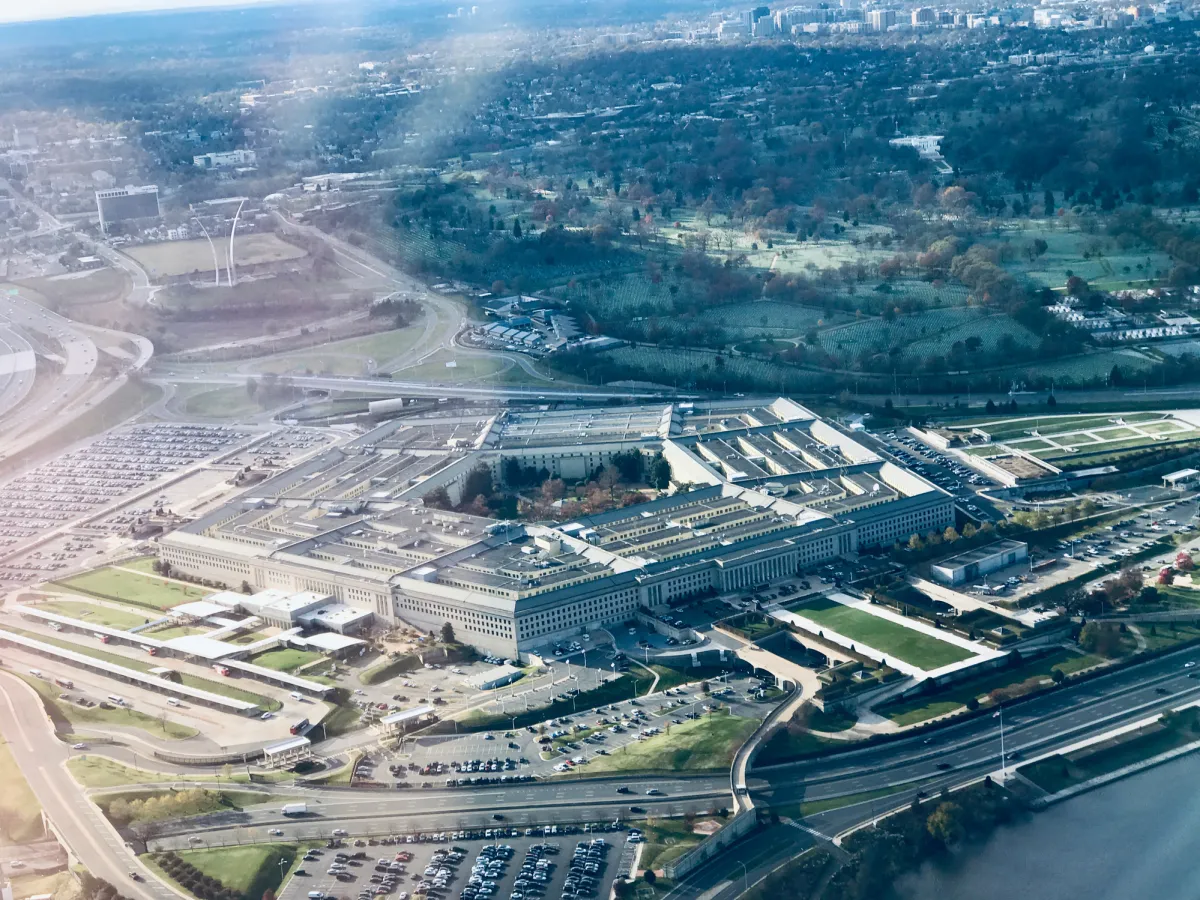
Defense Sector Disrupts with Massive AI Vendor Diversification
The U.S. Department of Defense (DoD) signifies a seismic shift in military AI capabilities by announcing strategic agreements with global tech titans including Nvidia, Microsoft, Amazon Web Services, and Reflection AI. These collaborations aim to embed cutting-edge AI tools within classified networks, bolstering America’s military intelligence and decision-making supremacy in an era increasingly defined by disruptive innovation. The move underscores a deliberate effort to shift away from reliance on a limited vendor base, thus avoiding AI vendor lock-in and fostering a resilient technological ecosystem crucial for national security.
These initiatives are no mere upgrades but represent a deliberate disruption of traditional military AI procurement. By deploying advanced hardware and models onto Impact Level 6 (IL6) and Impact Level 7 (IL7) environments—classified to safeguard critical data—the Pentagon effectively accelerates its transition into an AI-first fighting force. This model promises to streamline data synthesis, enhance situational awareness, and empower warfighters with rapid, autonomous decision-making capabilities. Industry analysts from Gartner and MIT suggest that this strategy might redefine what “technological dominance” looks like for the U.S. military, setting a new standard for government security integrations.
Strategic Industry Realignments in Response to Geopolitical Shifts
The announcement follows a contentious stand-off involving the dispute with Anthropic, a prominent AI lab known for its guardrails to prevent weaponization and mass surveillance. The Pentagon’s insistence on unfettered access to Anthropic’s models clashed with the company’s caution, leading to a court injunction that temporarily blocked efforts to designate Anthropic as a “supply-chain risk.” Such industry disputes push government agencies to diversify their AI ecosystem, aiming to mitigate dependencies that could be exploited in adversarial contexts. This pivot toward a multi-vendor approach strategically disrupts existing market dominance, opening opportunities for next-generation AI startups alongside established giants.
Furthermore, the deployment of AI hardware and models on high-security networks signifies a broader shift towards leveraging next-level security classifications as a foundation for strategic innovation. Insights from analyst Peter Thiel point to the importance of maintaining information sovereignty and competitive advantage through layered security architectures, serving as a warning to adversaries eyeing U.S. technological vulnerabilities. As U.S. military infrastructure embraces these disruptive AI advances, global powers are likely to respond with their own rapid innovations, signaling a new technological arms race that demands vigilance and agility.
Looking Ahead: A Future Defined by AI-Driven Warfare
The implications of these developments go far beyond the battlefield. Leaders and entrepreneurs in the tech space must recognize the strategic imperative to innovate swiftly or fall behind in a rapidly evolving global landscape. As noted by industry experts, the integration of AI into military and critical infrastructure is not just an enhancement; it’s a revolution in operational philosophy—where decision superiority and technological resilience become the currency of power. With key events like the upcoming Techcrunch conference in San Francisco from October 13-15, 2026, industry stakeholders are urged to anticipate groundbreaking announcements that could reshape the very fabric of national defense and technological leadership.
In this era of relentless disruption, the question is no longer if AI will redefine the future but how swiftly nations and companies can harness its potential. The U.S. move towards a diversified, integrated AI ecosystem within its defense infrastructure is a clear sign that the future belongs to those who innovate fast and integrate deeply. The coming years will determine whether the U.S. maintains its technological edge—making it imperative for industry leaders and policymakers to act decisively today, lest they be left behind in a new world of AI-powered dominance.