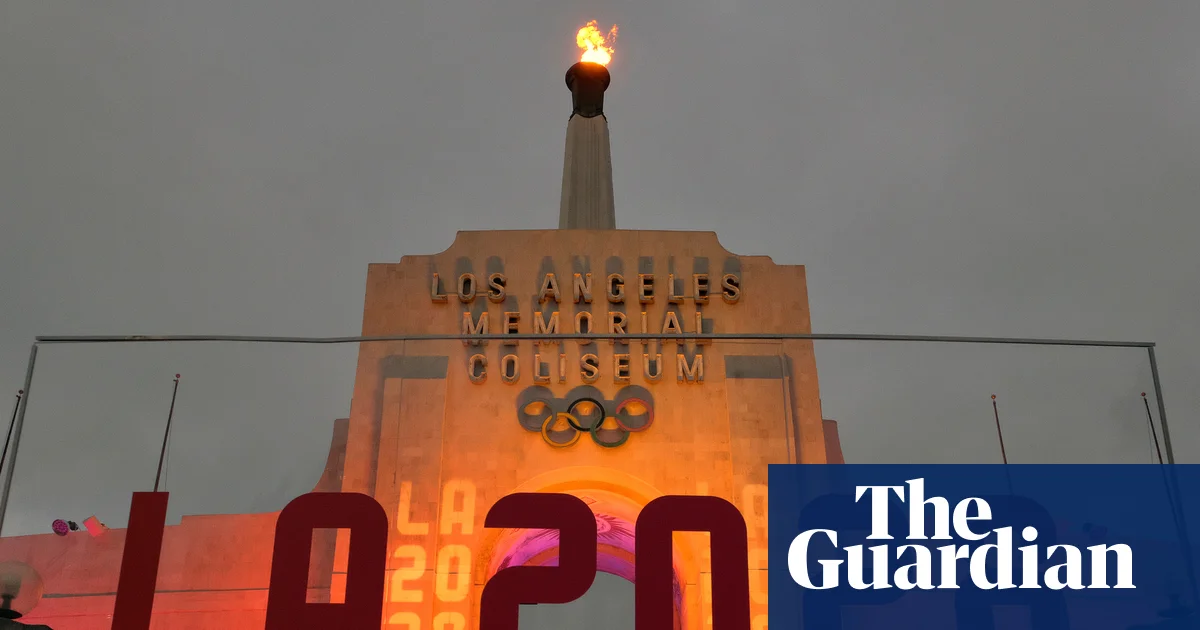

LOS ANGELES is set to welcome the world in 2028, but behind the shiny promises of a spectacular Olympic Games lies a complex web of geopolitical implications and economic strategies. As ticket sales commence, organizers emphasize affordability and security, yet questions remain about the broader international message this event transmits amidst a shifting global order. The launch of ticket sales on 9 April, along with a presale for residents in designated cities, underscores an effort to balance accessibility with revenue generation, but the underlying implications for nation-state influence are profound.
While LA28’s organizers promote their ticket prices as comparable or even lower than other major US sporting events, the reality for many fans worldwide paints a different picture. Approximately 5% of tickets will cost over $1,000, a stark reminder of the growing trend towards the commercialization of global sporting spectacles.
- Large-scale events such as the World Cup and Olympics increasingly cater to the ultra-wealthy, emphasizing a divide that reflects inequality within societies.
Analysts warn that these trends could serve as a harbinger of broader economic shifts, where elite interests overshadow the aspirations of ordinary citizens. Notably, organizations like FIFA and the International Olympic Committee have faced mounting criticism for prioritizing profits over fans’ experience, a concern many see as emblematic of a growing disconnect between global institutions and public sentiment.
The announcement of a verified resale program, with specific platforms like AXS and Eventim designated for official secondary ticket sales, signals a strategic move to combat black-market dealings and ensure ticket security and legitimacy. Yet, this move also highlights the shift towards a carefully monitored and controlled market that echoes broader themes of economic surveillance and regulation at the international level. Critics argue that such measures serve to entrench existing inequalities, enabling wealthier fans to secure tickets while marginalizing ordinary supporters. As international organizations like the United Nations and World Economic Forum analyze the spectacle, they recognize the Olympics as an ideological battleground where global influence is subtly contested.
In the grand arc of history, the 2028 Los Angeles Olympics will serve as a moment of reflection and recalibration for nations and societies worldwide. The decisions made today about ticket pricing, security, and access are far more than logistical concerns—they are intertwined with the larger questions of sovereignty, economic equity, and cultural identity. As international analysts and historians monitor these developments, the enduring lesson remains clear: with every grand event, the world writes another chapter in its ongoing story of power, aspiration, and division. Only time will reveal whether LA28 will be remembered as a symbol of unity or a stark reminder of our fractured global community—an event that, for all its spectacle, still dances on the edge of history’s profound unfolding.